EcoGuard Pest Management
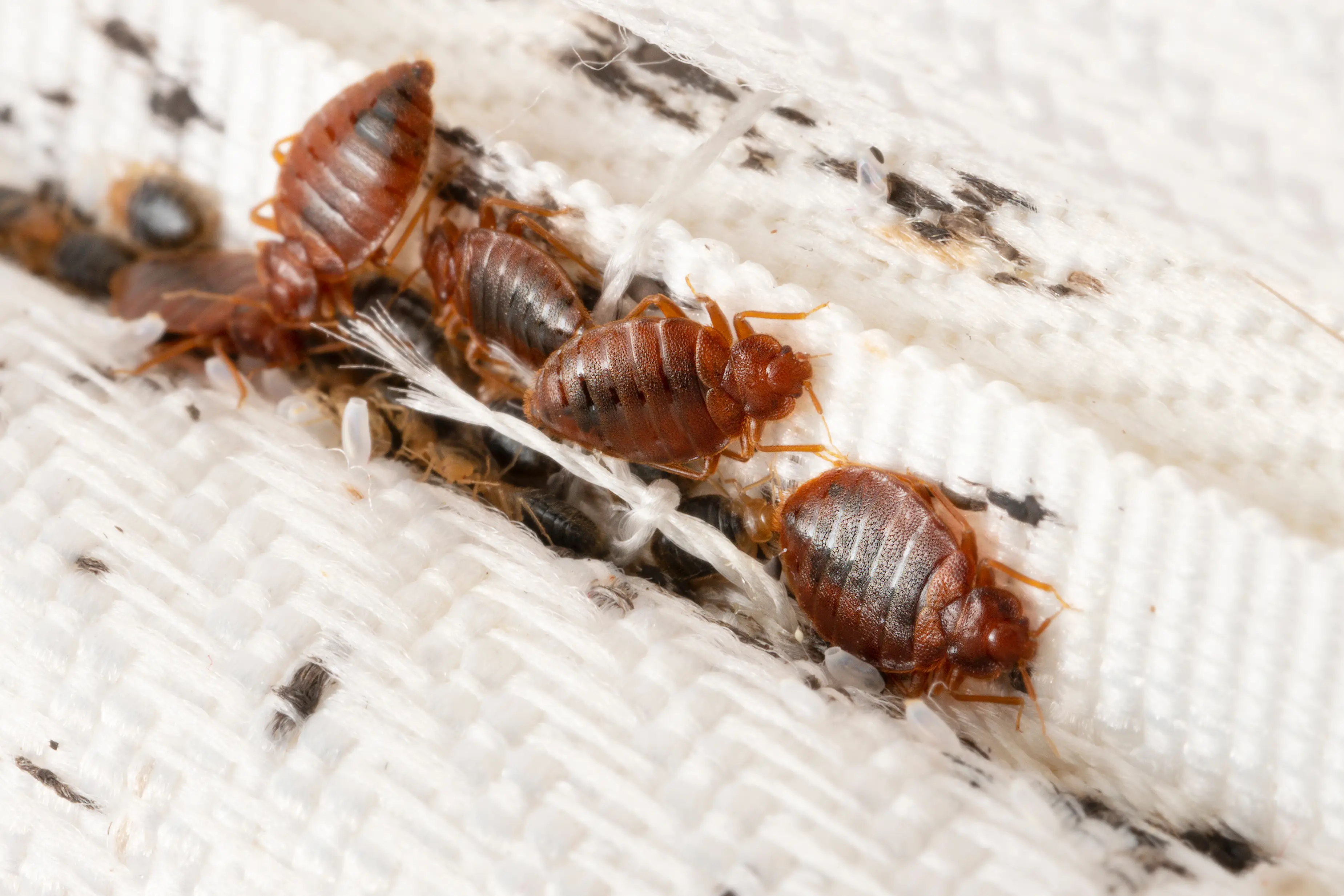
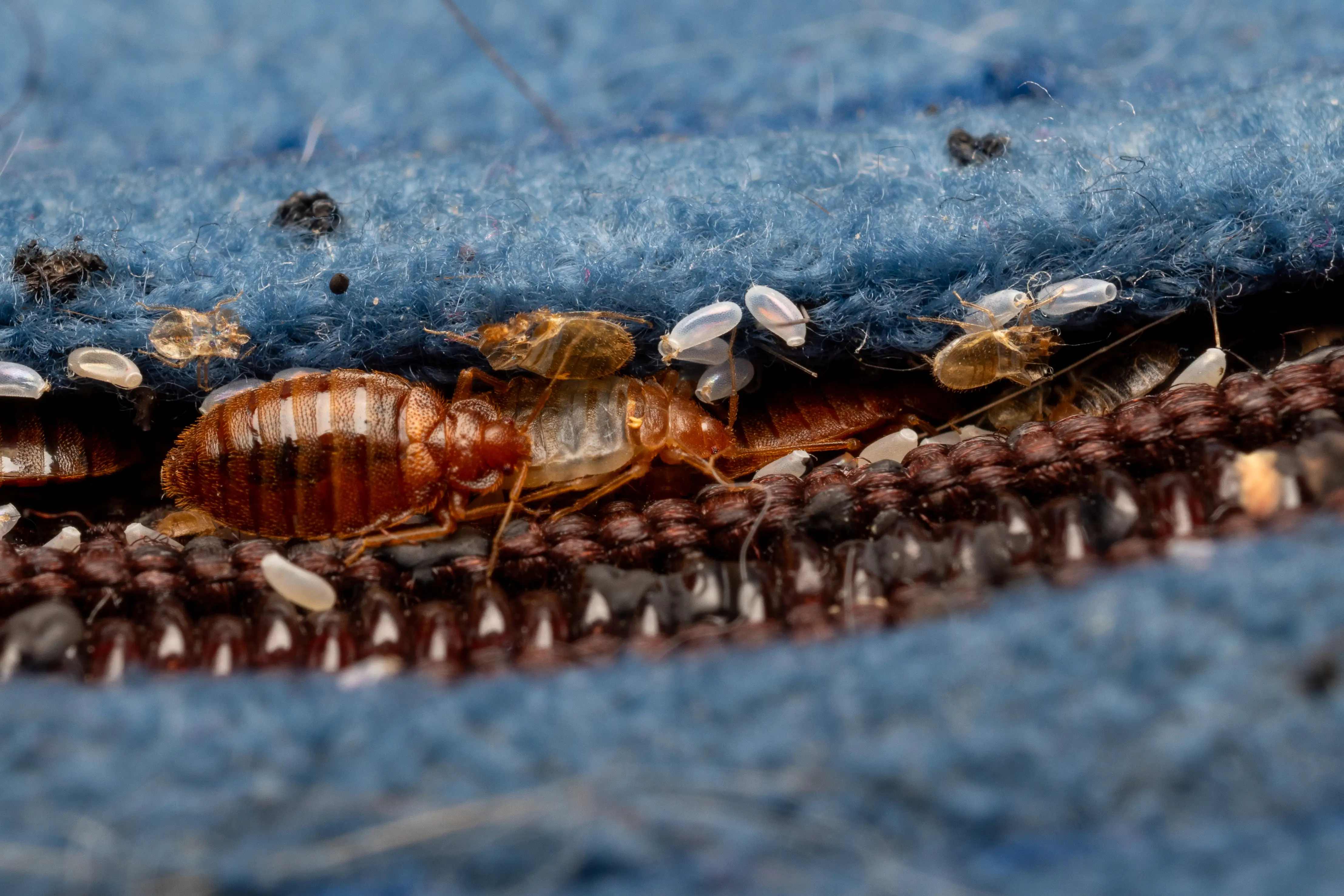
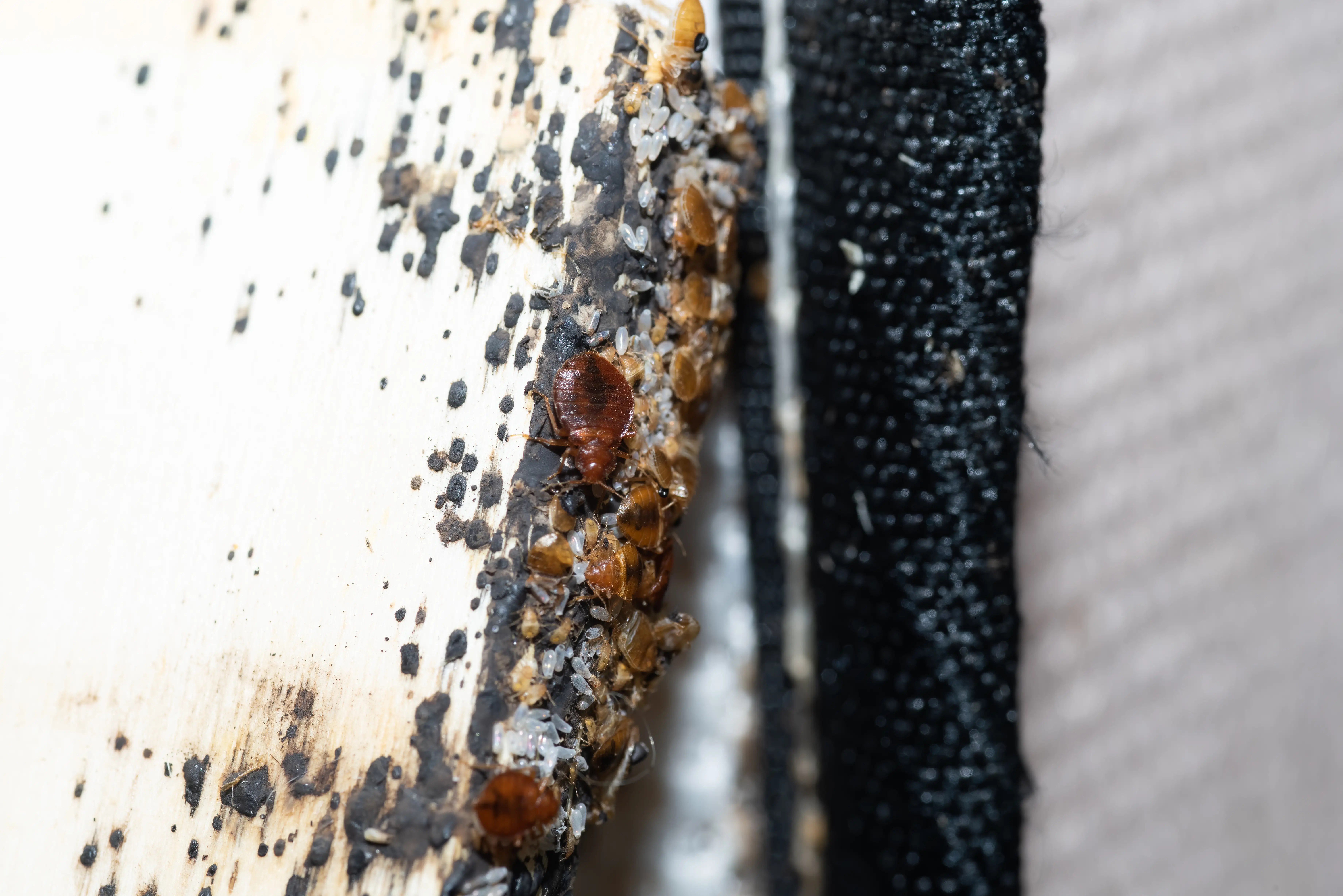
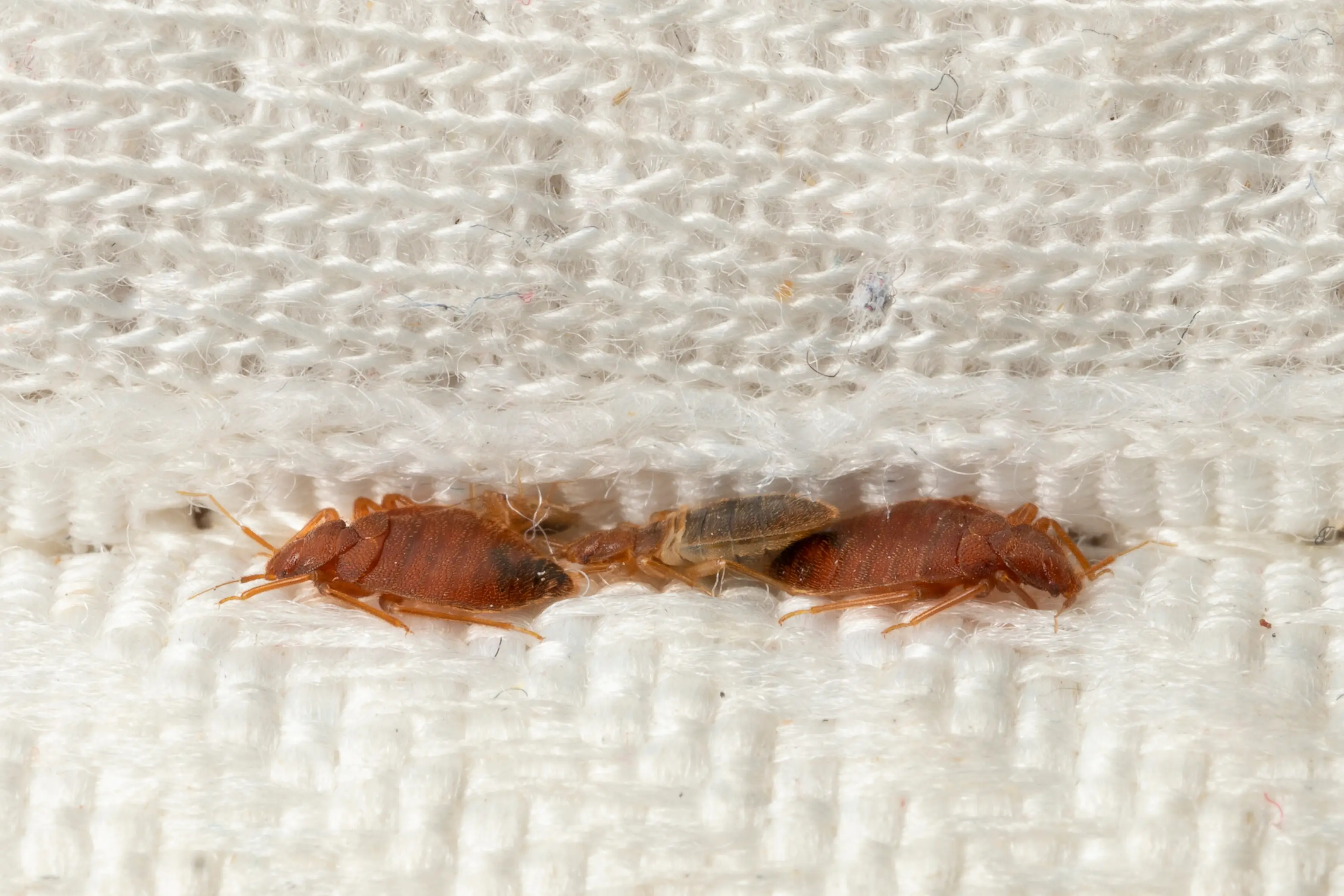
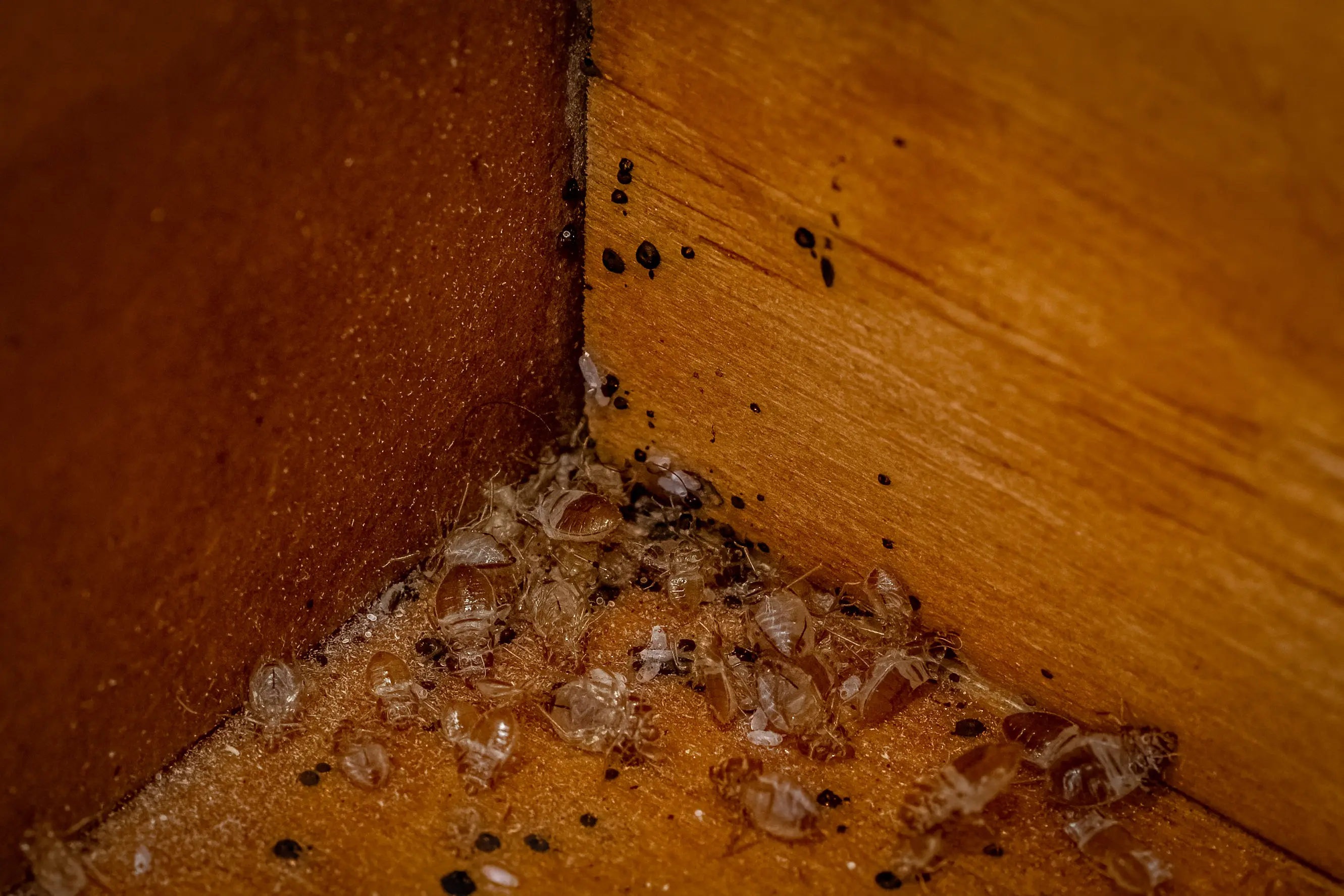
Bed bugs on a mattress seam
By Gary Anderson||6 min read

Where Do Bed Bugs Come From?

Bed bugs do not come from dirt. They come from people. Understanding where they hide and how they hitchhike is the first step toward keeping them out of your home.

Bed bugs are pervasive and can be found just about anywhere people tend to gather. Once bed bugs have infested an area, anyone who passes through may leave with unwelcome hitchhikers. This is why bed bugs are so prevalent in places with high foot traffic like hotels, motels, hostels, and short-term rentals. They have even been found in public transit and movie theaters.

Even areas not frequently visited can become infested if a single carrier passes through and leaves traces behind. The key to avoiding bed bugs is understanding how they travel and where they hide, so you can take precautions before bringing them home.

The Truth About Bed Bugs

Not a cleanliness issue: Bed bugs are attracted to CO2 and body heat, not dirt. Five-star resorts and military submarines have reported infestations.
Primary source: Travel and secondhand items are by far the most common ways bed bugs enter homes.
Speed: Bed bugs can travel at a pace similar to a ladybug, allowing them to spread between adjacent rooms quickly.

Key Facts

Lifespan
Up to 6 months normally; up to 1 year in hibernation
Attracted To
CO2 and body heat, not dirt or food
Primary Source
Travel and secondhand furniture
Can They Fly?
No. They crawl and hitchhike on belongings.
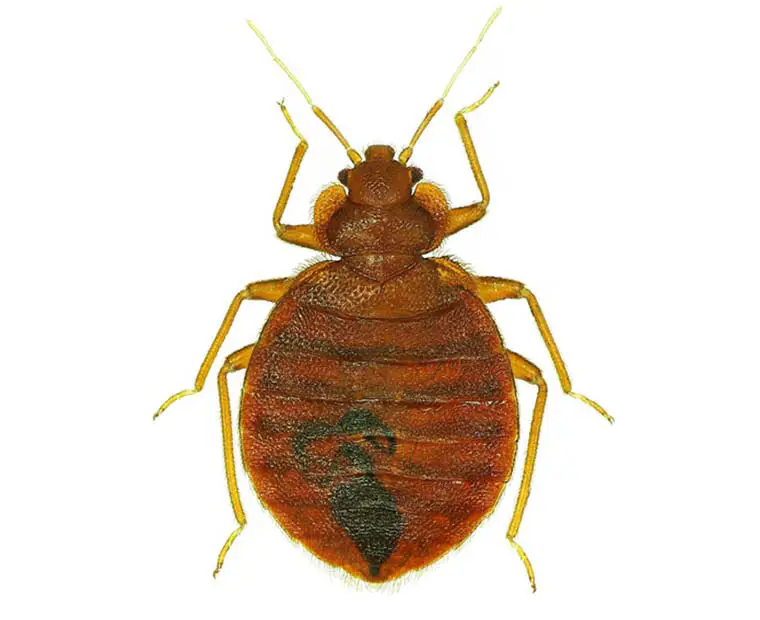
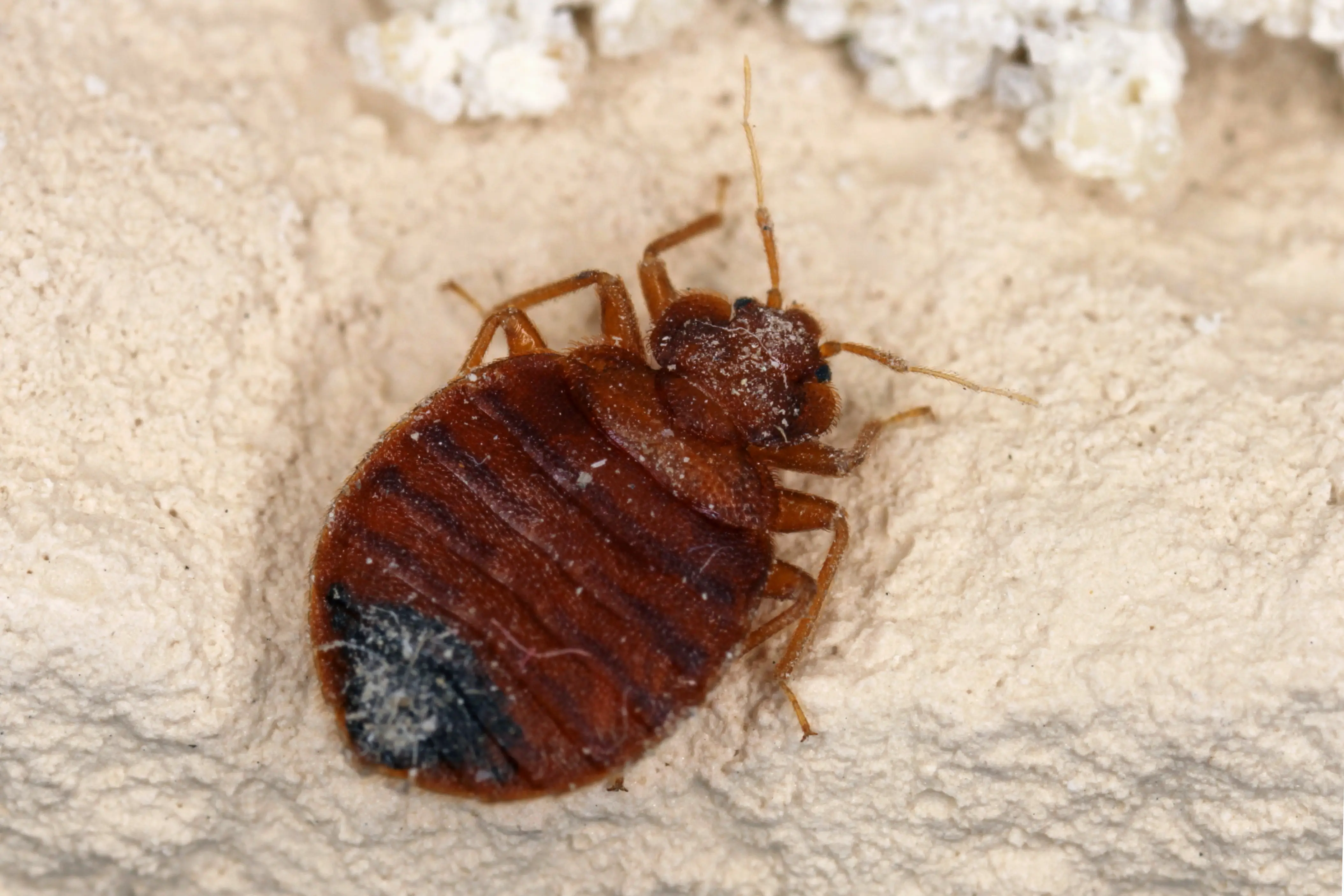
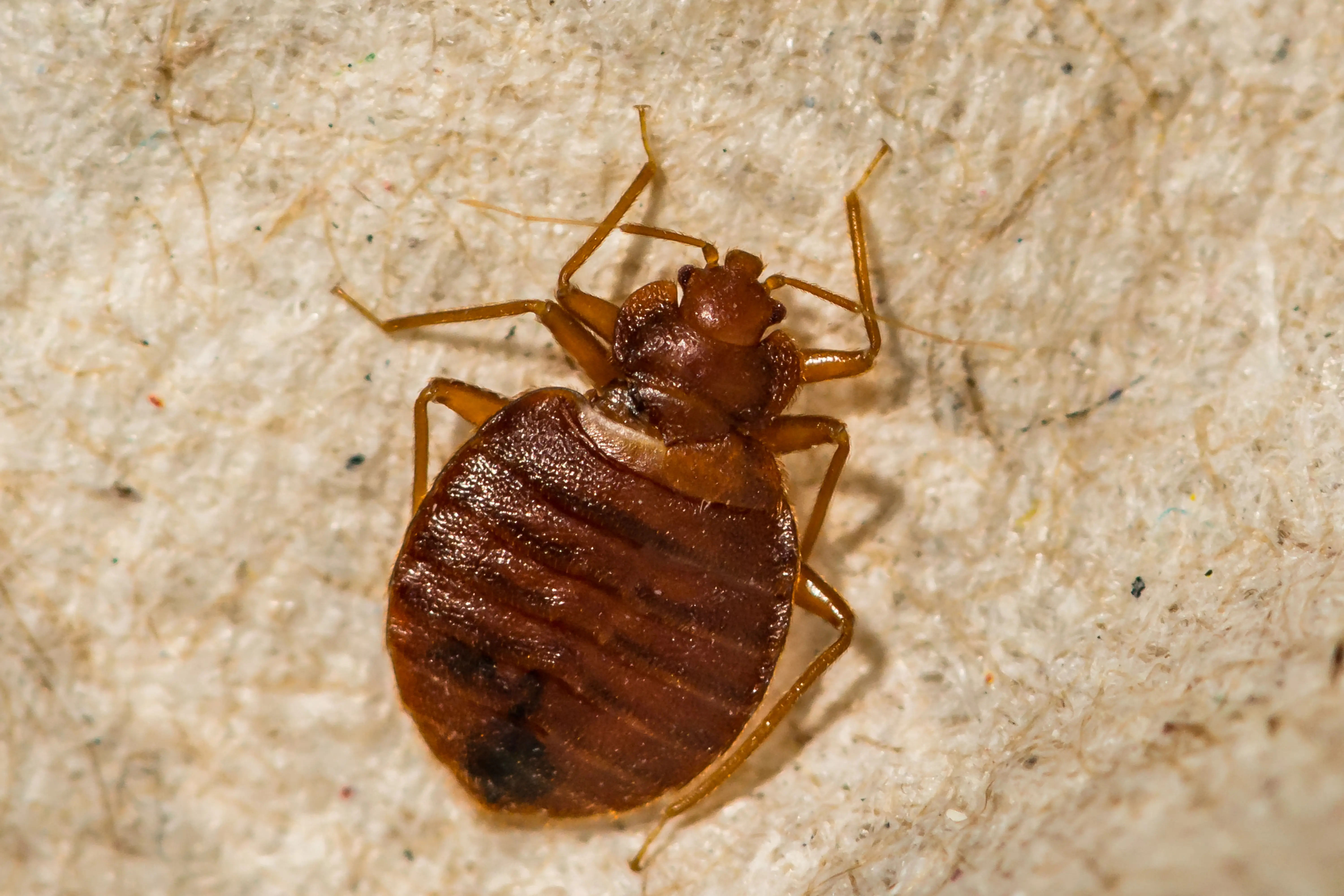
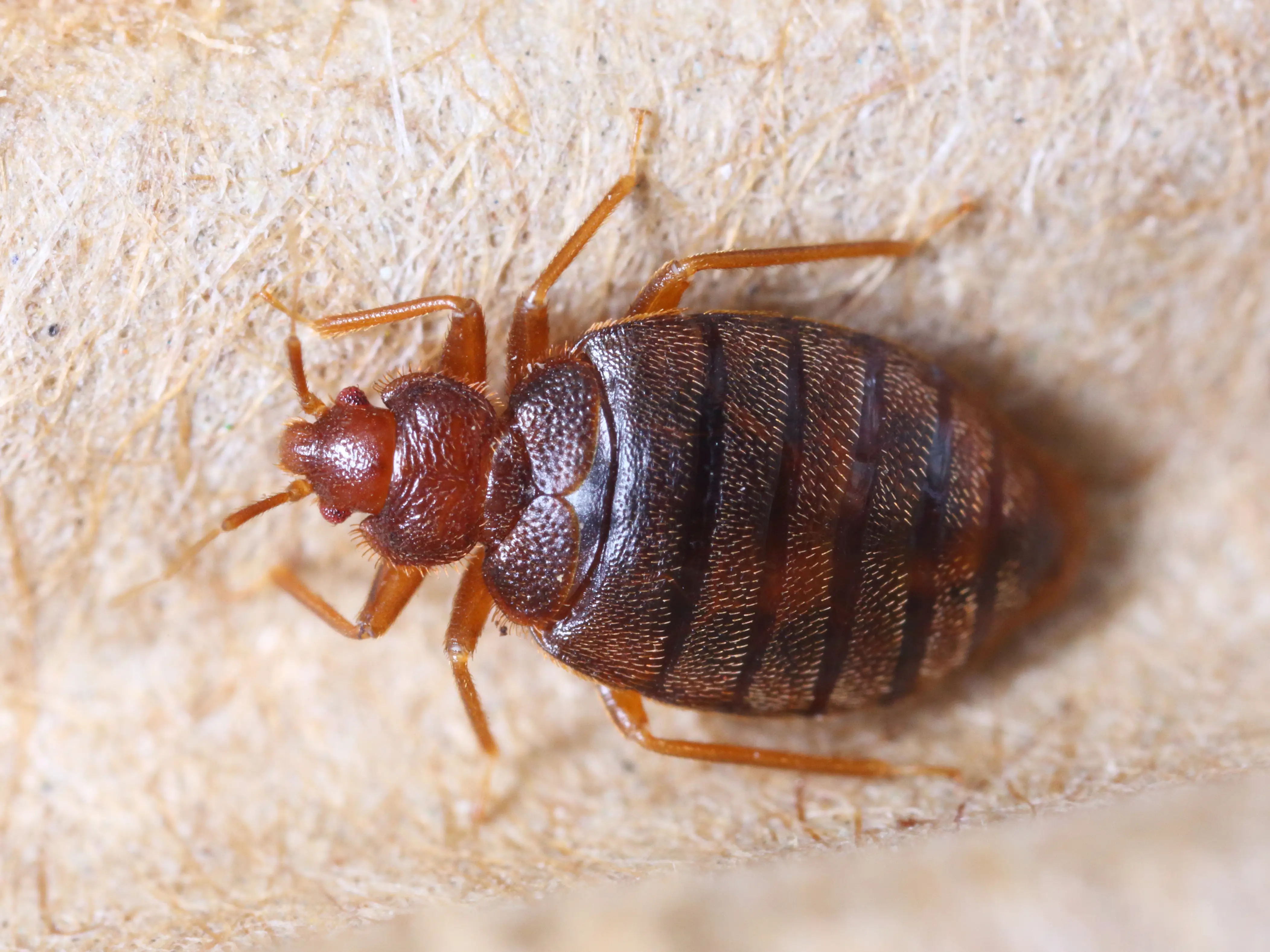
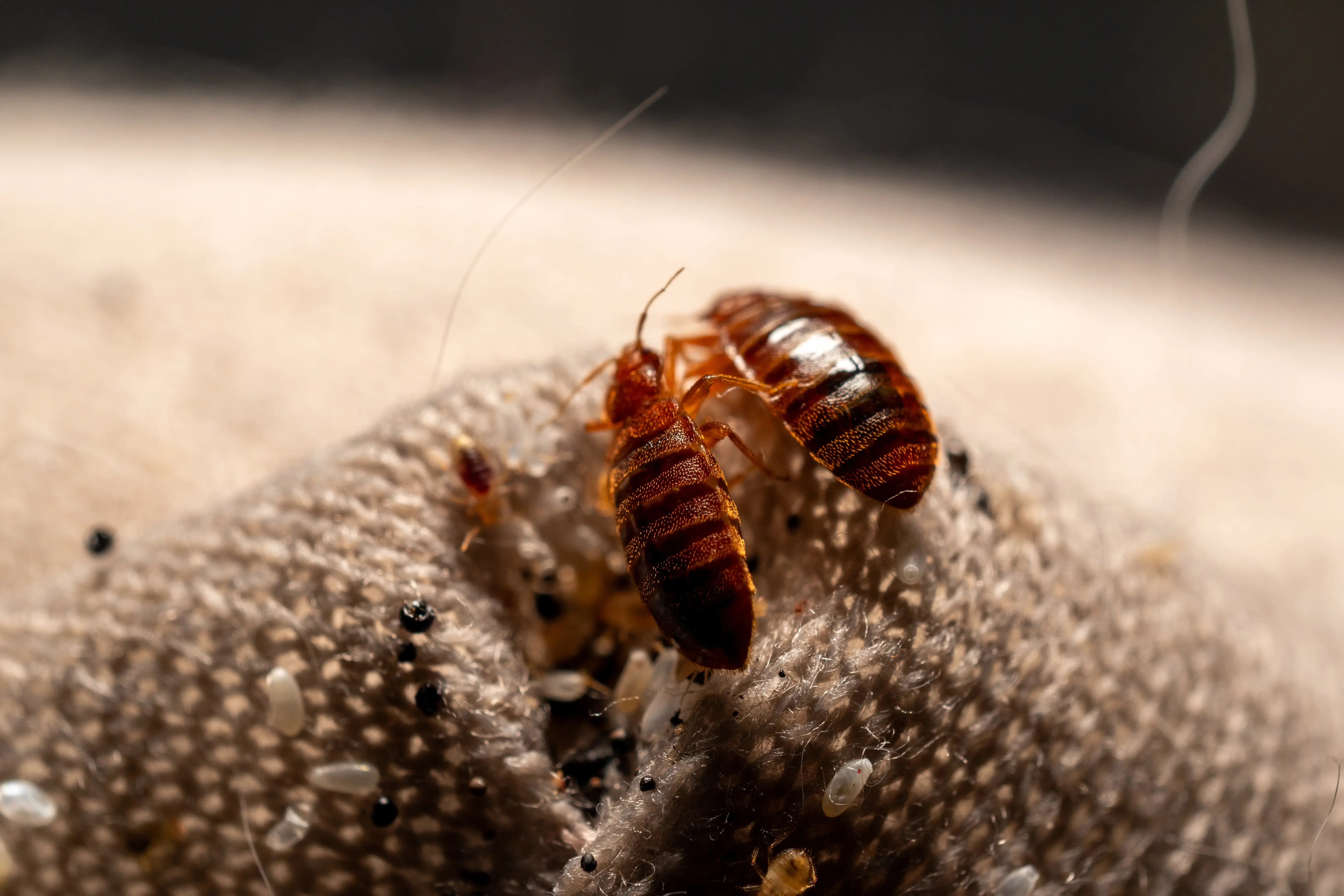
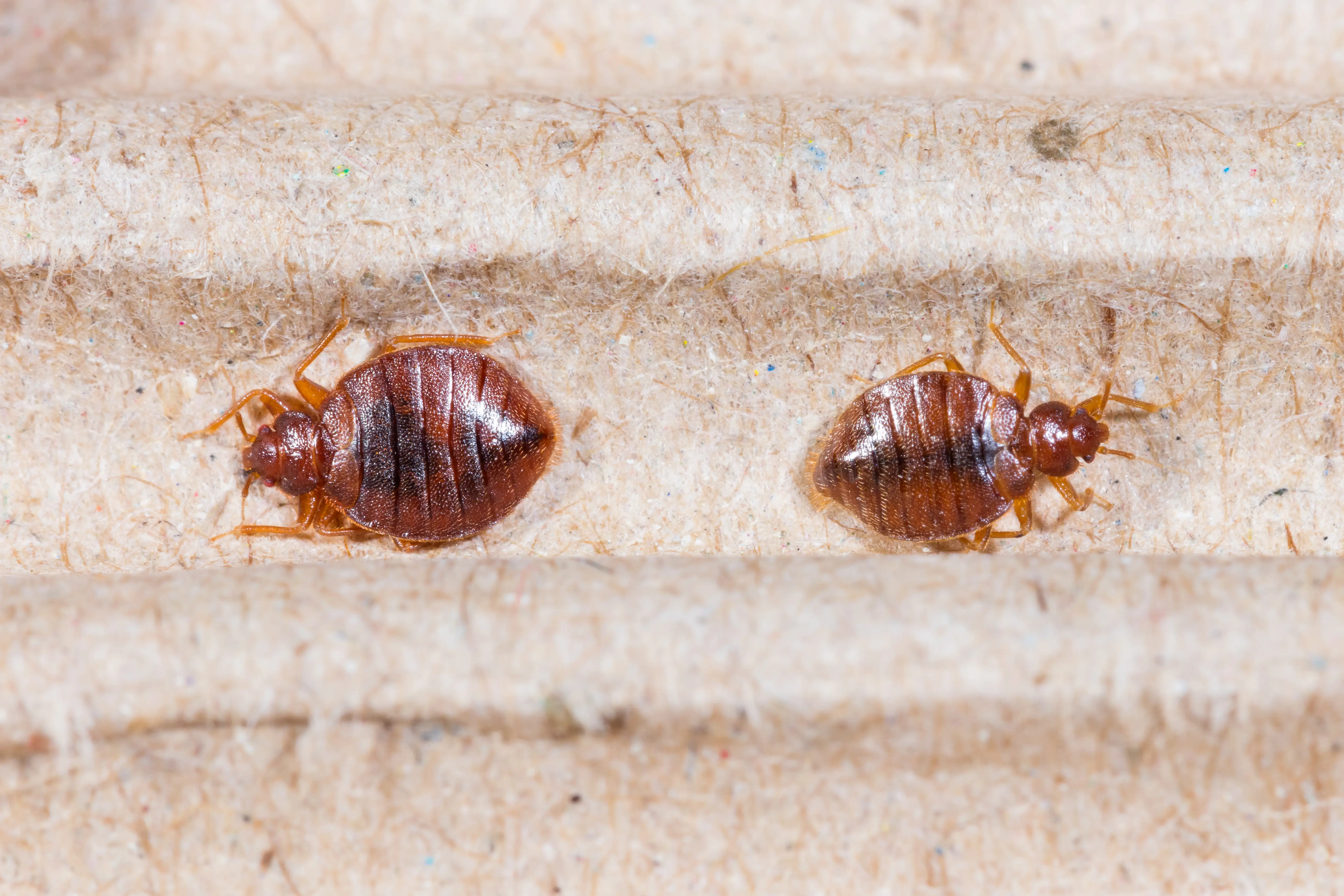
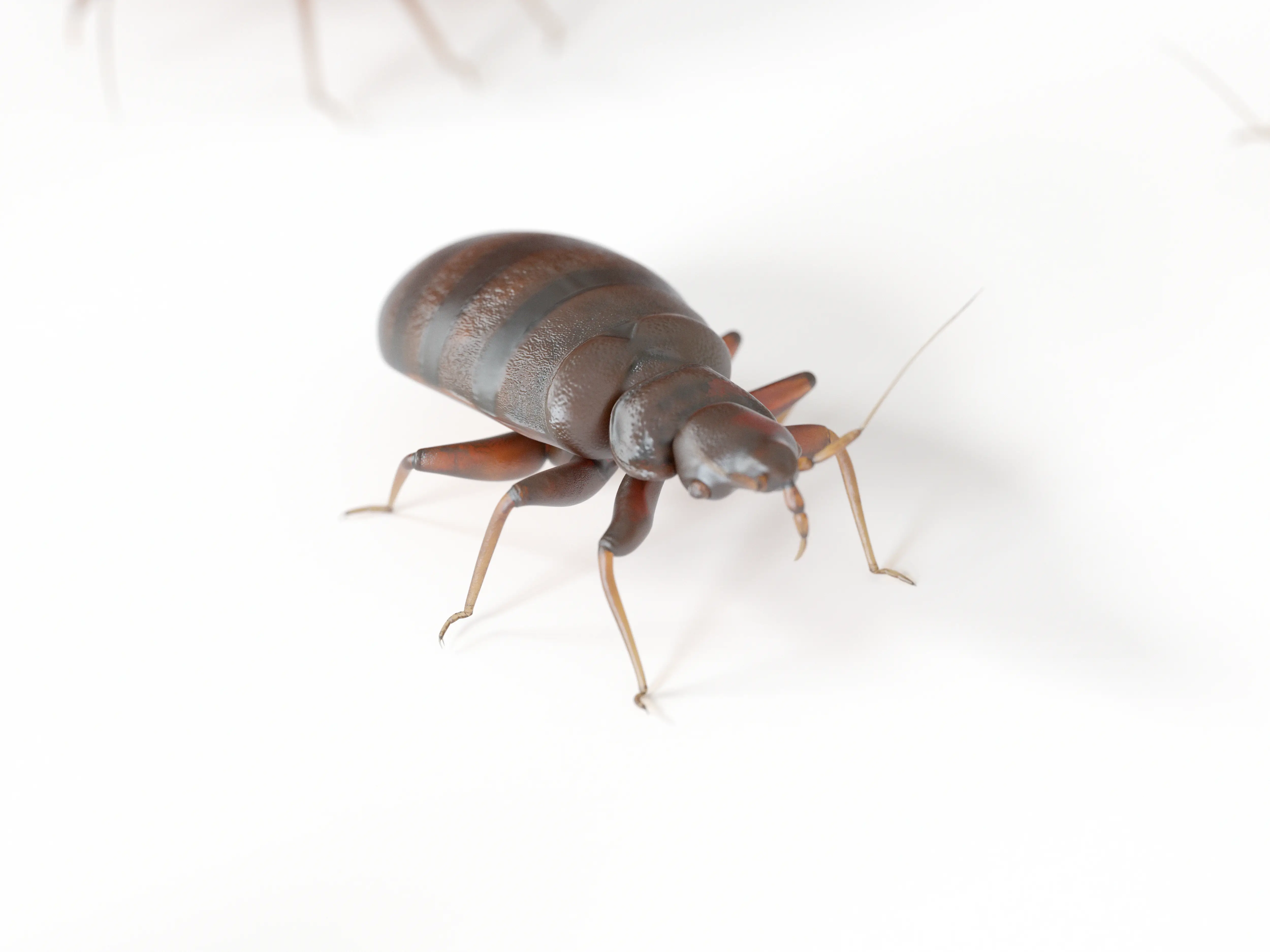
Close-up of a bed bug on fabric showing its reddish-brown body

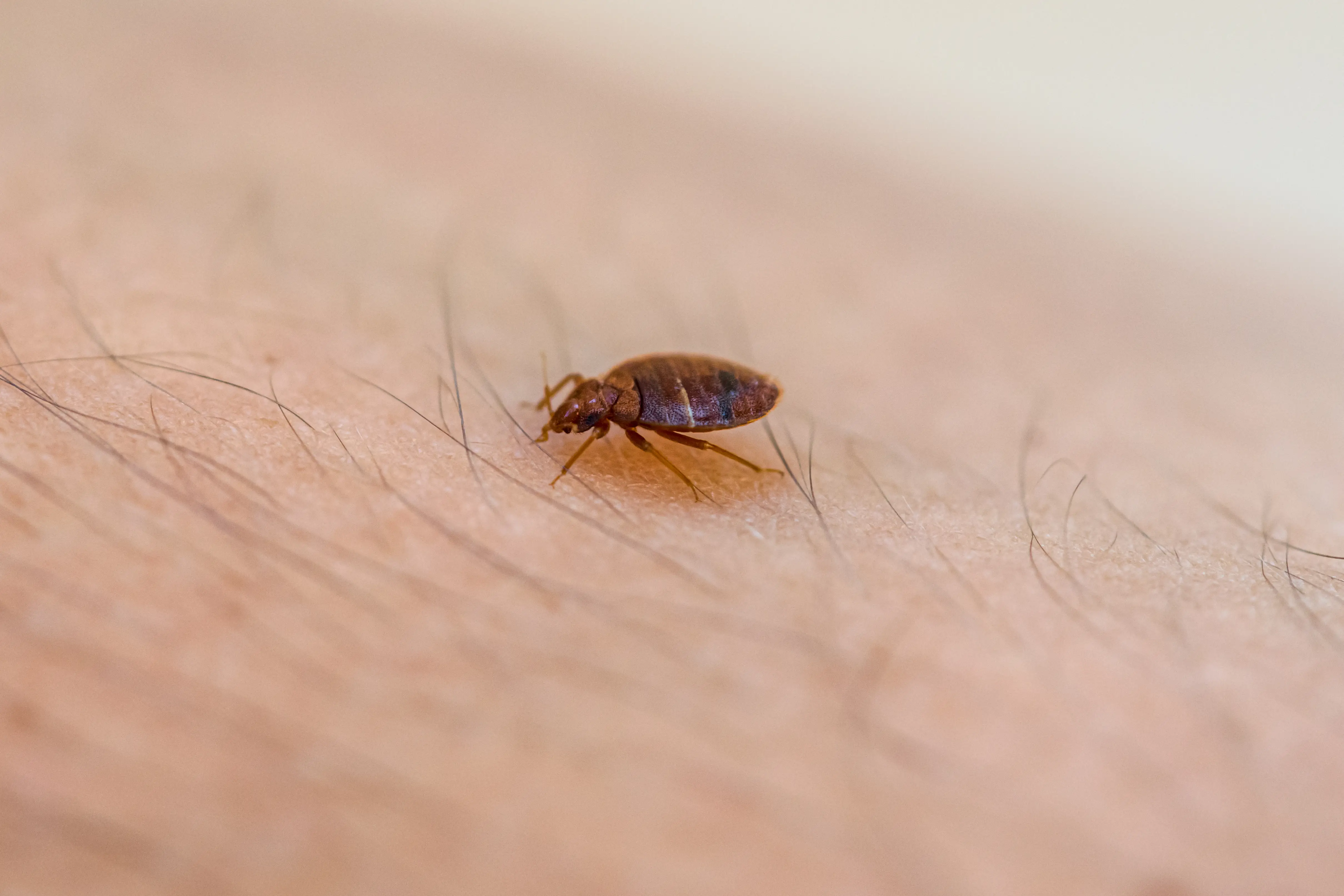
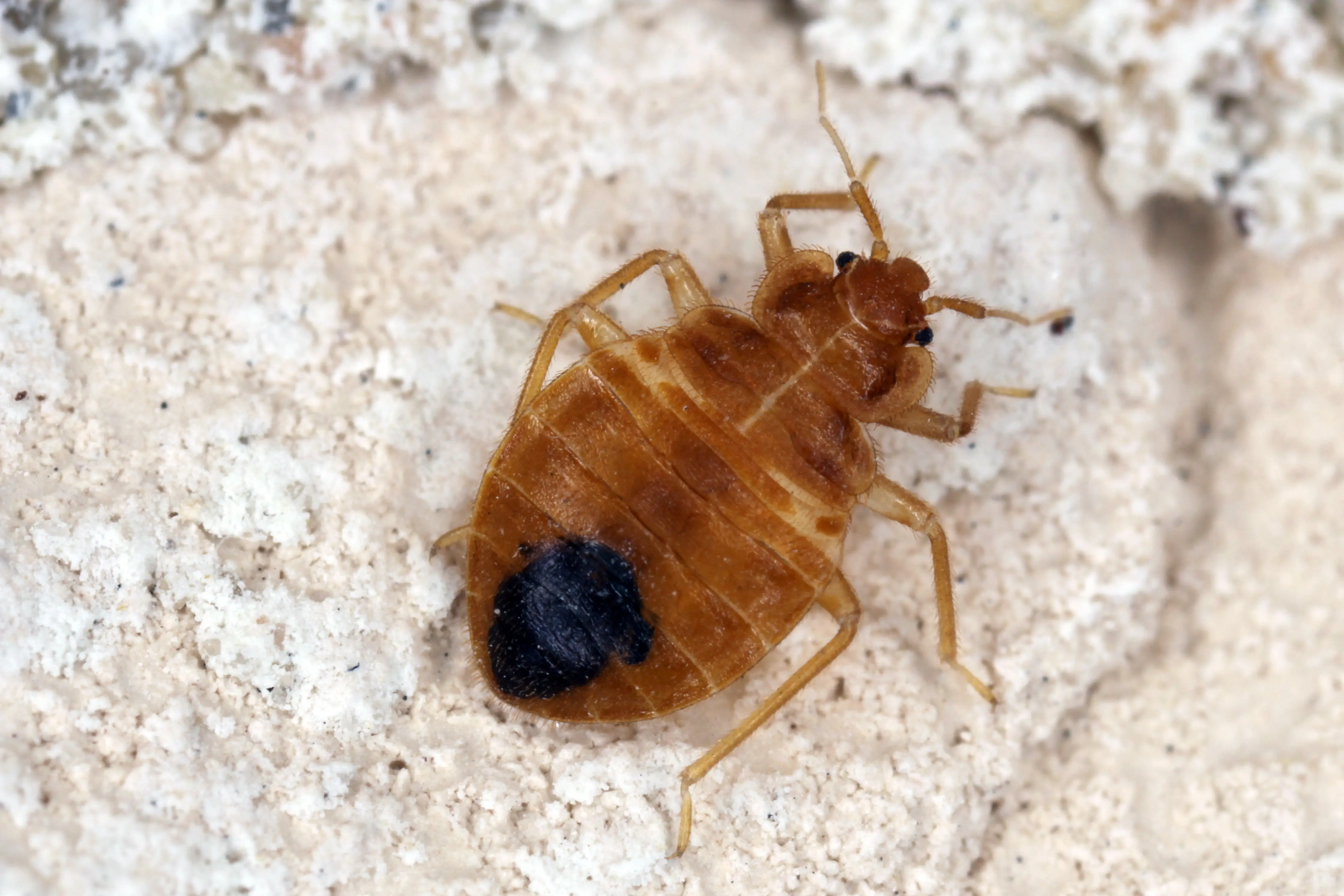
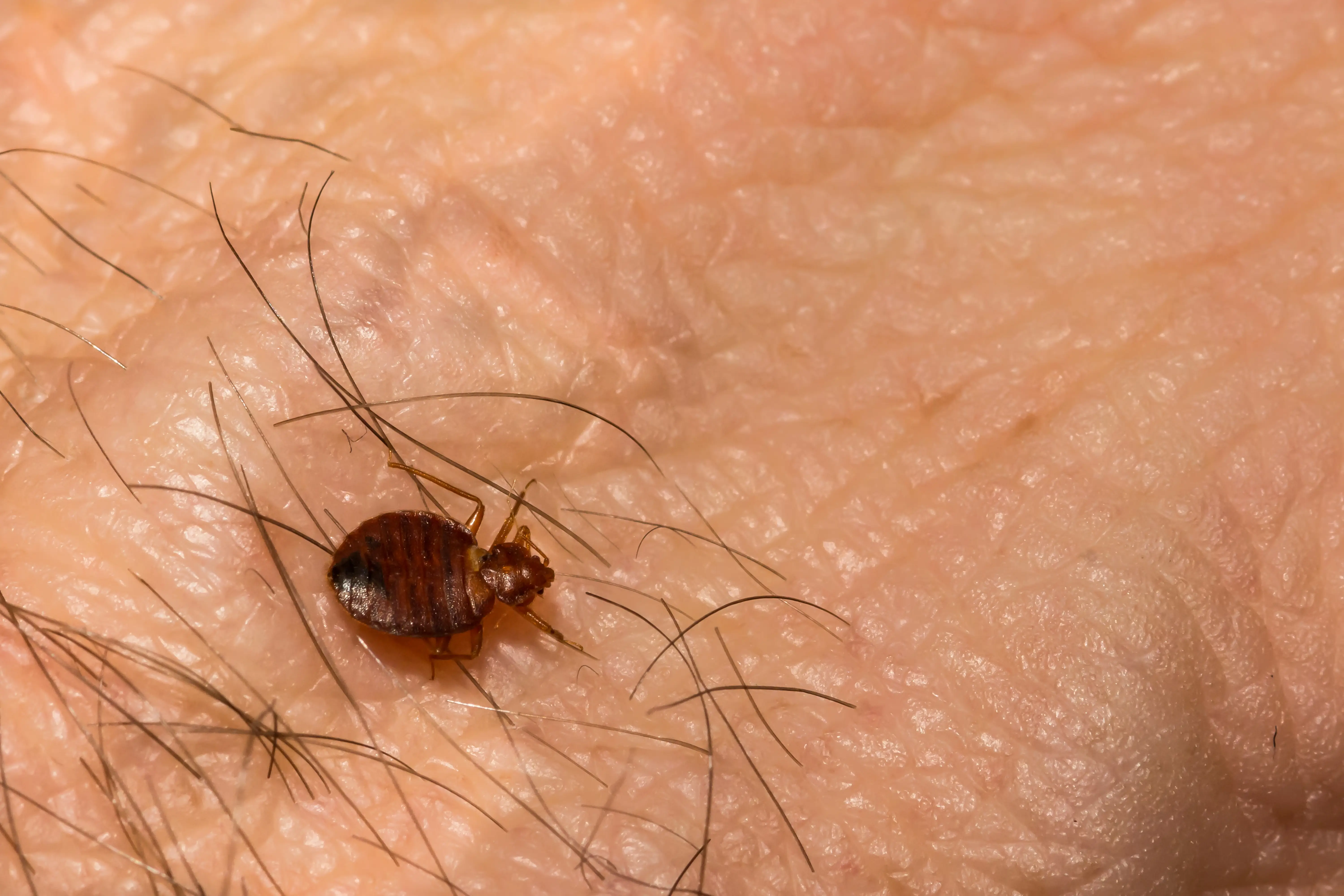
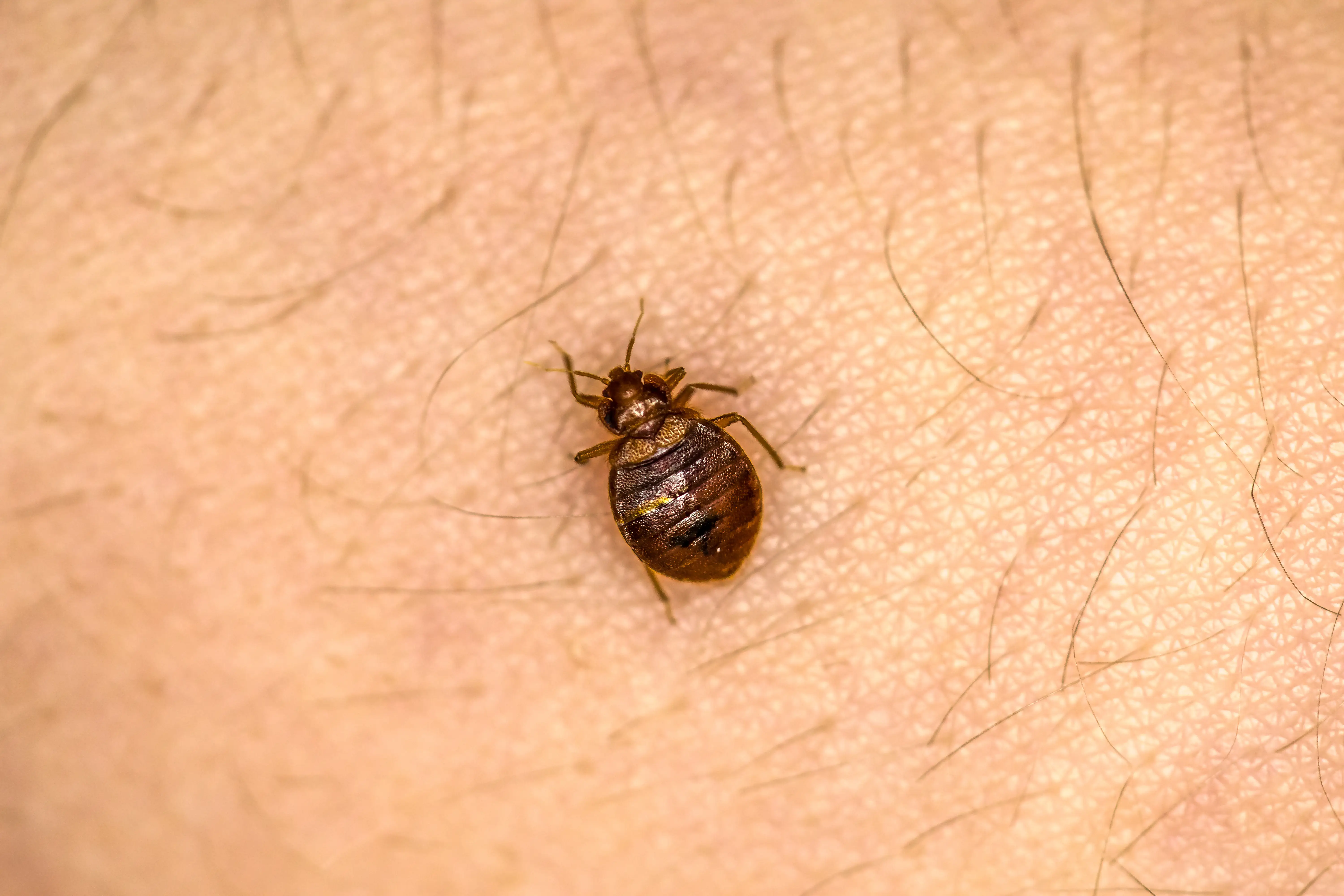
Bed bugs are small, flat, and reddish-brown. Their low profile allows them to hide in luggage seams, mattress folds, and upholstery without being noticed.
7 Places You Can Pick Up Bed Bugs

Bed bugs do not discriminate by neighborhood or income level. Anywhere people gather and sit or sleep is a potential source. These are the most common places where bed bugs are picked up and unknowingly brought home.

1

Suitcases and Bags

Very High Risk

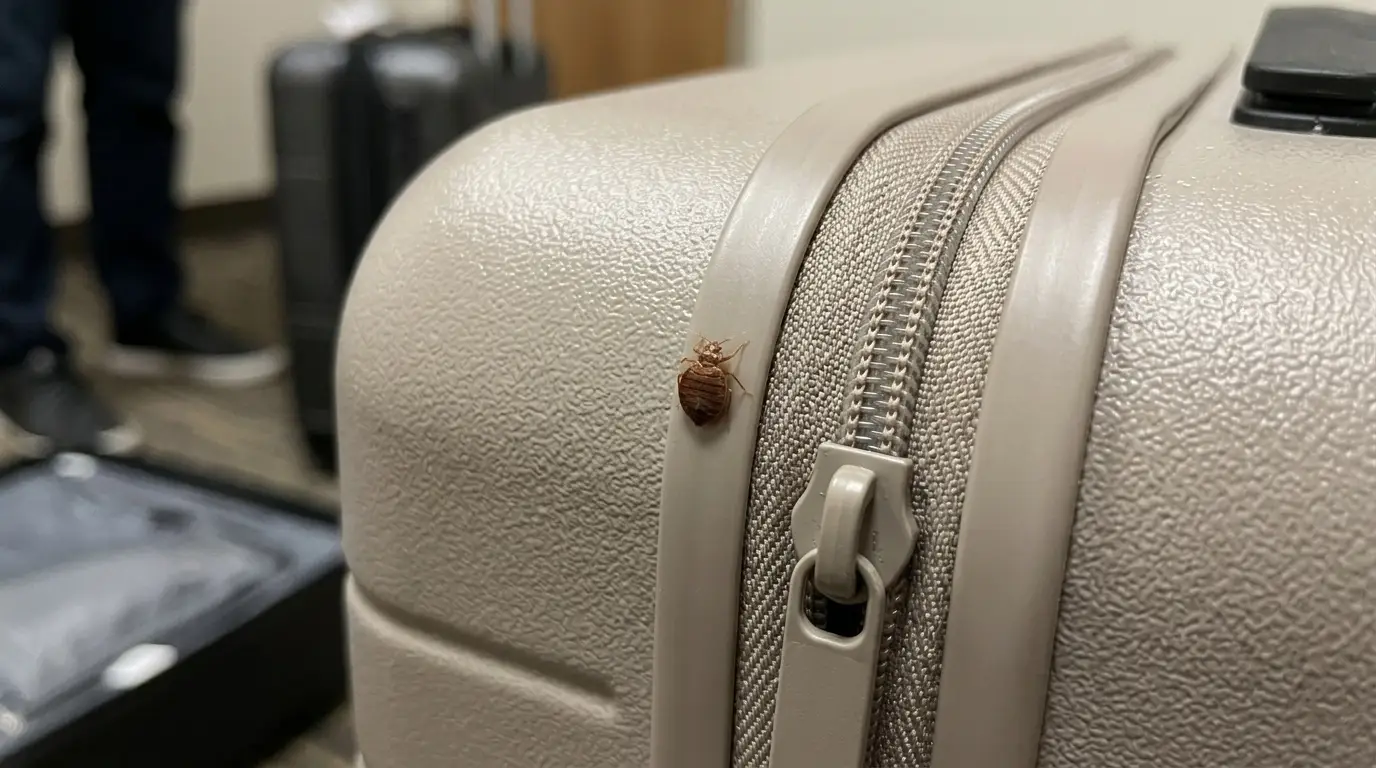
Luggage is one of the primary vehicles for bed bug transport. Suitcases and bags used while traveling are introduced to many potentially infested environments. Leaving luggage on the ground in hotels or other accommodations is not recommended, as bed bugs can easily crawl in before you bring them home. Use luggage racks whenever available.

2

Hotels, Motels, and Hostels

Very High Risk

Buildings with a high volume of travelers from different locations are the perfect epicenter for a bed bug outbreak. A regular-sized hotel processes thousands of visitors, and each is a potential carrier. Budget accommodations and hostels with shared sleeping areas carry particularly high risk, though even high-end hotels are not immune.

3

Workplaces

Moderate Risk

Getting bed bugs at the office can be especially disruptive. If the workplace becomes infested, it typically requires professional treatment and temporary changes to work arrangements. Bed bugs in offices are often traced to an employee who picked them up while traveling, spreading them through fabric chairs and soft furnishings.

4

Schools and College Dormitories

Moderate Risk

Public schools are susceptible to bed bug spread, particularly among younger students who share belongings. College dormitories present an elevated risk as students live in tight quarters, are often on tight budgets, and frequently pass around secondhand furniture that may have been previously infested.

5

Hospitals and Medical Facilities

Moderate Risk

Medical facilities see patients from all walks of life and all living situations. While most facilities are rigorously cleaned and monitored, the sheer volume and diversity of patients makes bed bug outbreaks at hospitals an ongoing challenge that occurs at facilities of all sizes.

6

Buses and Taxis

Moderate Risk

Public transportation is an effective transfer point for bed bugs to detach from one rider and latch onto another. Bed bugs have been found in the fabric of bus and taxi seats, where they wait for a new host to sit down. Throwing clothes in the dryer on high heat after using public transportation is a recommended precaution.

7

Secondhand Furniture

High Risk

Accepting or acquiring discarded furniture carries a real risk that it was recently exposed to a bed bug infestation. A sofa or box spring left on the curb may have been discarded specifically because the owners found it easier to replace it than to treat it for bed bugs. Always thoroughly inspect any secondhand furniture before bringing it into your home.

Why Do Bed Bugs Spread?

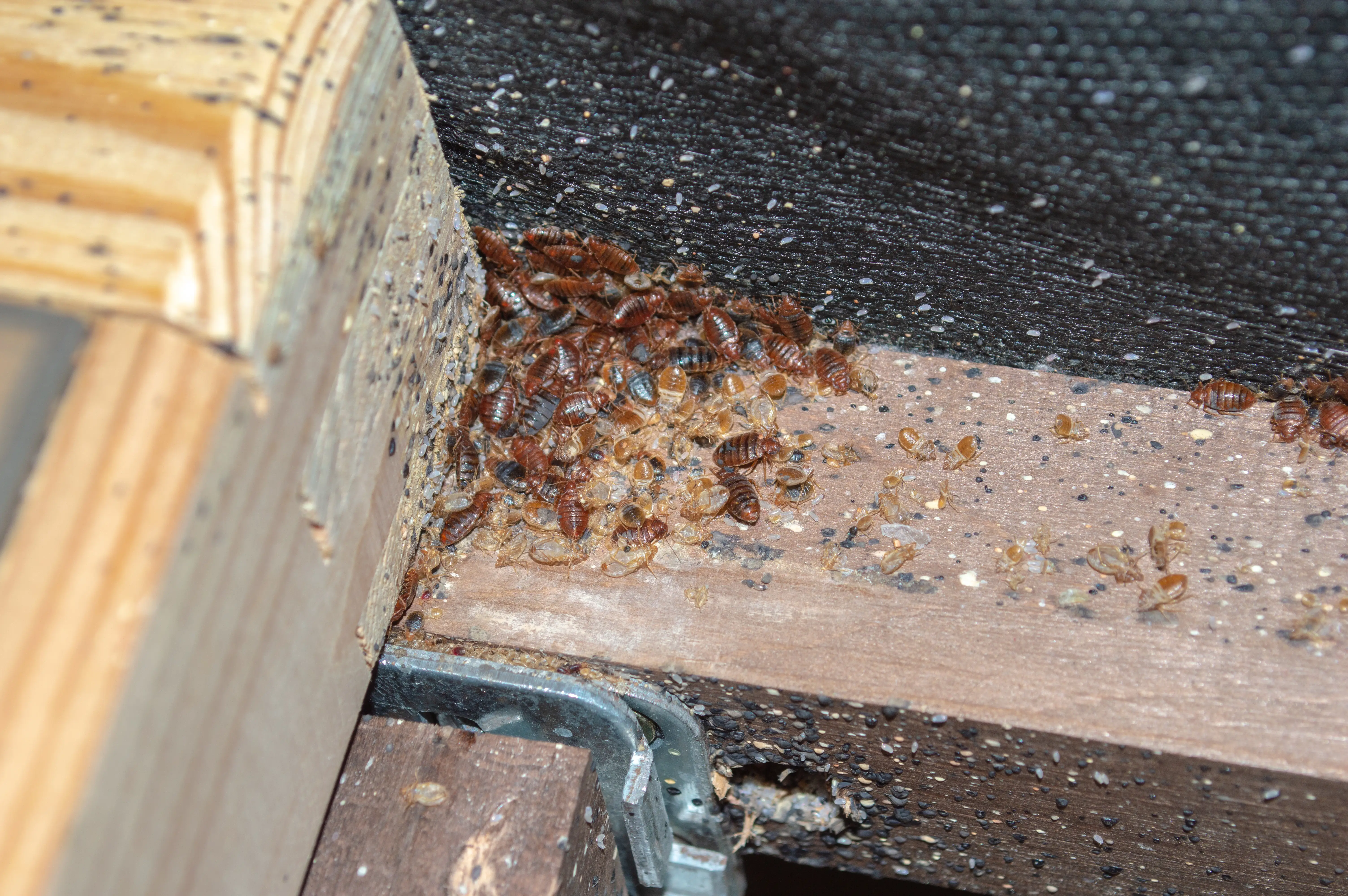
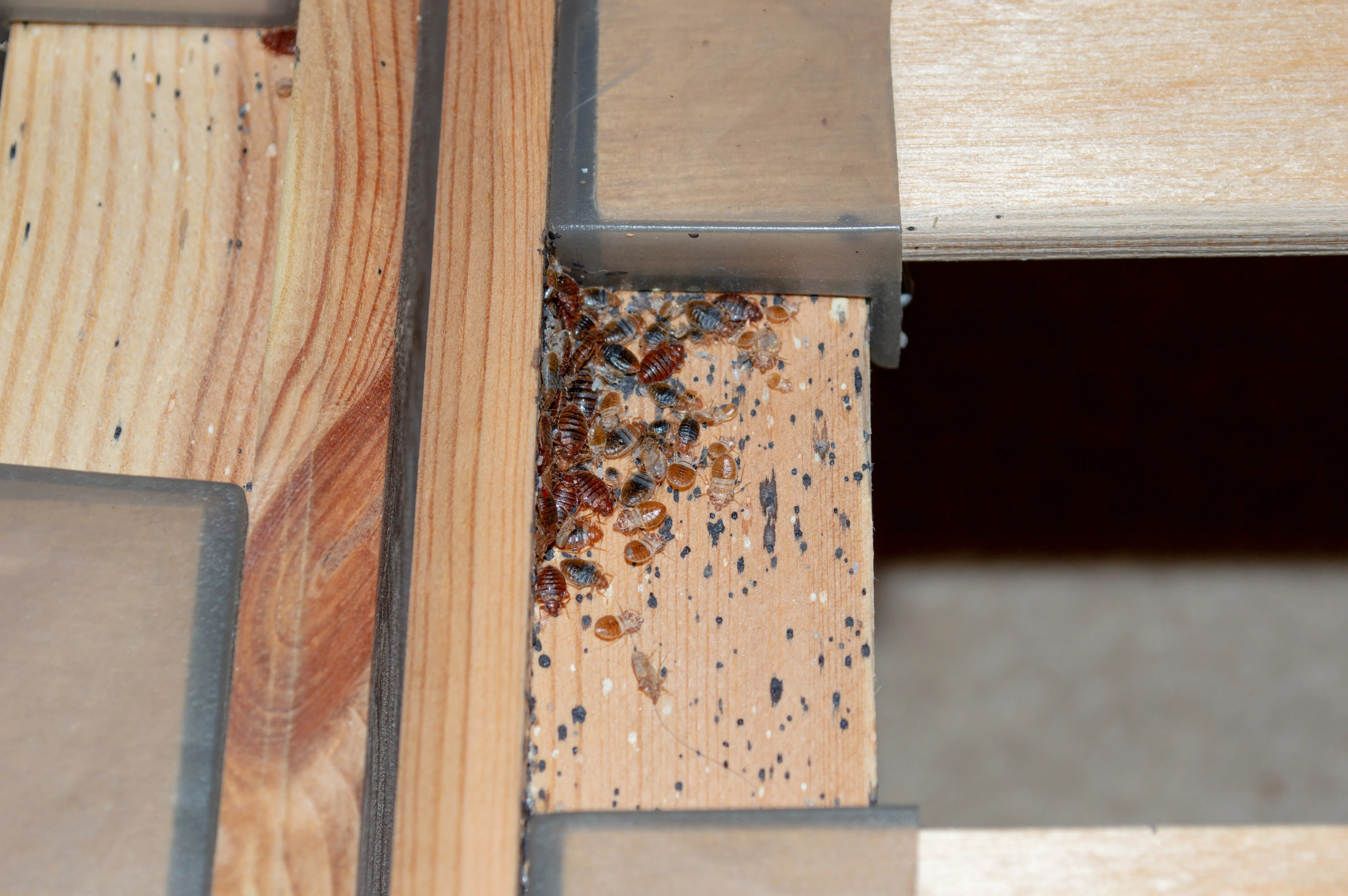
Bed bugs tend to congregate in large groups in the folds and seams of their hosts' mattress. They require enough blood to survive, so as populations grow too large they may need to find new food sources. Spreading also occurs when a food source goes missing for a period, forcing bed bugs to explore new feeding grounds.

Both of these situations cause bed bugs to leave their current home in search of a new one with more accessible blood and less competition from the rest of the population.

Overpopulation

When a colony grows beyond what the current food source can support, members break off to find new harborage areas. This is how infestations spread from one room to adjacent rooms, and from one apartment unit to neighboring units in shared buildings.

Loss of Food Source

If a host stops sleeping in the infested area, bed bugs will eventually venture out in search of a new blood source. This is why treating only one room in a multi-room infestation often pushes bed bugs further into the home rather than eliminating them.

Adjacent Spaces

Bed bugs can travel between adjacent rooms at the pace of a ladybug. This is especially problematic for shared properties like apartments, condos, and hotels where infestations in one unit can quickly reach neighboring units through walls, pipes, and shared wiring.

For Apartment and Condo Residents: Bed bug exposure in one unit can quickly lead to infestation in adjacent units. This creates a difficult dynamic in shared buildings where treatment in one unit may be undermined by reintroduction from a neighboring unit if the entire affected area is not treated simultaneously.

How Can Bed Bugs Get Into My Home?

Bed bugs are notorious hitchhikers. If they have found their way into your home, they were most likely introduced by an unsuspecting carrier or crawled in from an adjacent room. Catching a ride is far more common than independent travel, so checking luggage, bags, and backpacks after any trip is strongly recommended.

Even with extreme vigilance, there is no guaranteed way to prevent bed bugs completely because any guest you have could accidentally bring them in. The goal is to reduce risk and catch infestations early before they become established.

Luggage and Bags

The most common route. Bed bugs crawl into luggage, backpacks, and purses when these items are placed on infested surfaces while traveling.

Clothing

Bed bugs can attach to clothing worn in infested environments and be carried directly into a home before dropping off near a sleeping area.

Secondhand Items

Furniture, mattresses, clothing, and even electronics from infested sources can harbor bed bugs that are then introduced into a clean home.

Guests

Visitors who have bed bugs at home or who recently stayed in an infested location may inadvertently introduce them via their clothing or bags.

Adjacent Units

In apartments, condos, and hotels, bed bugs can migrate through shared walls, floors, electrical conduits, and plumbing to reach neighboring units.

Moving Equipment

Moving trucks and packing materials that have been used in infested properties can carry bed bugs into a new home during relocation.

Think You Have Bed Bugs?

Early detection and professional treatment are critical. The longer a bed bug infestation goes untreated, the harder and more expensive it becomes to eliminate.

Call (866) 326-2847

The Truth About What Causes Bed Bugs

Most people believe bed bugs are a sign of a dirty home. This is a widespread myth. Bed bugs are one of the few insects that feed exclusively on blood meals, so they are not attracted to dirt and filth the way cockroaches and ants are. They are attracted to the CO2 we exhale and the warmth our bodies produce.

This means bed bugs can appear anywhere humans are present. Five-star resorts, luxury cruise ships, and clean private homes all experience infestations. There have even been documented reports of bed bug infestations on military submarines. A bed bug infestation is a pest problem, not a reflection of a person's cleanliness or character.

Common Myth

"Bed bugs only happen in dirty or low-income homes." This is false. Bed bugs have been found in five-star hotels, luxury resorts, hospitals, and military vessels. Sanitation level has no bearing on whether or not bed bugs are present.

The Truth

Bed bugs are attracted to CO2 and body warmth, not filth. They locate their next meal by detecting the CO2 humans exhale during sleep and use body heat to pinpoint their host once nearby. Any space where humans sleep is a potential bed bug habitat.

How to Prevent Bringing Bed Bugs Into Your Home

Once bed bugs have been introduced to a home, removing them is a nightmare. Prevention is always the better strategy. Follow these steps to reduce your chances of bringing these pests home as much as possible.

When Traveling

Keep luggage off the ground and use luggage racks whenever available

Check the mattress, box spring, and bed frame for signs of bed bug activity before sleeping

Wash and dry all clothing on high heat immediately upon returning home

Steam clean luggage upon return from any trip

If camping, heat treat gear and equipment for any possible blood-sucking insects before storing it inside

At Home

Never bring secondhand furniture, toys, electronics, or bedding into your home without thoroughly checking for bed bugs first

Avoid abandoned furniture entirely

Seal any cracks, gaps, and crevices in walls using caulking to prevent bed bug access from adjacent units

Use bed bug protective mattress covers and interceptor traps to identify any activity immediately

Vacuum and steam clean upholstery regularly

Throw clothes in the dryer on high heat after using public transportation

Never share or use a vacuum that has been used in an infested location

Worth It: These prevention steps may seem extreme, but anyone who has dealt with a bed bug infestation will tell you they are nothing compared to the stress, cost, and disruption that a full infestation causes.

Contact EcoGuard Pest Management for Bed Bug Control

If you have a bed bug problem that needs to be resolved, EcoGuard Pest Management has licensed bed bug control experts standing by. We will schedule a visit immediately to assess the situation and create a customized strategy designed to effectively exterminate your bed bug problem.

Call (866) 326-2847Get Free Quote

Where Do Bed Bugs Come From FAQs

What is the main cause of bed bugs?

The primary reason bed bug outbreaks occur is travel. Most exposure comes from being in places with high foot traffic like hotels, motels, hostels, and other accommodations with many visitors from different locations.

Where do bed bugs come from originally?

Bed bugs may have gotten their origin story from their cousins, the bat bug. They historically fed on bats before transitioning to humans as a food source. They likely evolved alongside us, as bed bugs have been documented as a problem since some of the earliest human records.

Do bed bugs come from outside?

Bed bugs generally stay close to their hosts and prefer to remain near where their host sleeps. They are not typically found outdoors in the open. The only time bed bugs find themselves outside is when they are attached to a piece of furniture that was abandoned outdoors.

How long do bed bugs live?

Bed bugs can live up to 6 months under normal conditions. However, they can enter a hunger-induced hibernation when resources are scarce, allowing them to survive for up to a year without feeding. This extended survival ability is one of the primary reasons bed bugs are so difficult to exterminate.

From Our Blog

Related Articles

7 Stages of the Bed Bug Life Cycle | Complete Guide

7 Stages of the Bed Bug Life Cycle | Complete Guide

Learn the 7 stages of bed bug life cycle from egg to adult. Understand bed bug lifespan, reproduction, and why they are...

Read Article
Are Bed Bugs Dangerous to Humans? Health Risks

Are Bed Bugs Dangerous to Humans? Health Risks

Learn about bed bug health risks including bites, allergic reactions, mental health impacts, and how to identify and...

Read Article
Bed Bug Bites vs Mosquito Bites: How to Tell the Difference

Bed Bug Bites vs Mosquito Bites: How to Tell the Difference

Learn how to identify bed bug bites vs mosquito bites. Compare appearance, patterns, symptoms, healing time, and get...

Read Article
Bed Bug Heat Treatment: Is It Effective? Complete Guide

Bed Bug Heat Treatment: Is It Effective? Complete Guide

Learn how bed bug heat treatment works, pros and cons, costs, preparation steps, and what to expect. Discover why heat...

Read Article
Bed Bugs vs Fleas vs Ticks: Key Differences & How to Identify

Bed Bugs vs Fleas vs Ticks: Key Differences & How to Identify

Learn the differences between bed bugs, fleas, and ticks. Compare size, appearance, bites, health risks, habitat, and...

Read Article
Do Bed Bugs Fly or Jump? How They Move and Spread

Do Bed Bugs Fly or Jump? How They Move and Spread

Learn whether bed bugs can fly or jump, how they move and spread, their speed, and how to use their limitations to...

Read Article
How Common Are Bed Bugs? Statistics & Prevention Guide

How Common Are Bed Bugs? Statistics & Prevention Guide

Discover how common bed bugs are in the US with statistics by home type, city, and state. Learn prevention tips and...

Read Article
How Do Bed Bugs Spread? Prevention & Control Guide

How Do Bed Bugs Spread? Prevention & Control Guide

Learn how bed bugs spread from room to room, house to house, and person to person. Discover prevention tips and how to...

Read Article
How Fast Do Bed Bugs Spread and Multiply?

How Fast Do Bed Bugs Spread and Multiply?

Learn how quickly bed bugs spread from room to room and multiply. Understand reproduction rates, movement speed, and...

Read Article
How Long Can Bed Bugs Live Without a Host? Survival Guide

How Long Can Bed Bugs Live Without a Host? Survival Guide

Learn how long bed bugs can survive without feeding, what diapause is, factors affecting survival, and why starving...

Read Article
How Often Do Bed Bugs Feed? Feeding Habits Explained

How Often Do Bed Bugs Feed? Feeding Habits Explained

Learn how often bed bugs feed, their feeding behavior, and how long they can survive without blood. Understand bed bug...

Read Article
How to Check for Bed Bugs: Complete Inspection Guide

How to Check for Bed Bugs: Complete Inspection Guide

Learn how to inspect for bed bugs at home, in hotels, and on used furniture. Know what signs to look for and where bed...

Read Article
How to Get Rid of Bed Bugs: Complete Treatment Guide

How to Get Rid of Bed Bugs: Complete Treatment Guide

Learn how to identify, contain, and eliminate bed bugs with heat treatment, chemical options, and prevention tips....

Read Article
How to Prepare for Bed Bug Treatment: Complete Checklist

How to Prepare for Bed Bug Treatment: Complete Checklist

Step-by-step bed bug treatment preparation checklist. Learn what to do before, during, and after professional bed bug...

Read Article
Signs of Bed Bugs: How to Identify an Infestation

Signs of Bed Bugs: How to Identify an Infestation

Learn the signs of bed bugs including bites, stains, droppings, and where they hide. Understand bed bug behavior and...

Read Article
What Are Bed Bugs? Facts, Appearance & Prevention Guide

What Are Bed Bugs? Facts, Appearance & Prevention Guide

Learn what bed bugs are, how they look, where they hide, and how to prevent and eliminate infestations. Complete bed...

Read Article
What Attracts Bed Bugs? Myths vs Facts

What Attracts Bed Bugs? Myths vs Facts

Learn what truly attracts bed bugs to your home. Discover the science behind bed bug attraction including warmth, CO2,...

Read Article
What Do Bed Bug Eggs Look Like? Identification Guide

What Do Bed Bug Eggs Look Like? Identification Guide

Learn how to identify bed bug eggs, where they are laid, how many a female produces, and effective methods to eliminate...

Read Article
What Does Bed Bug Poop Look Like? Identification & Cleanup Guide

What Does Bed Bug Poop Look Like? Identification & Cleanup Guide

Learn to identify bed bug droppings by color, size, and location. Understand why cleaning bed bug feces is critical and...

Read Article
Where Do Bed Bugs Hide? Common Hiding Spots

Where Do Bed Bugs Hide? Common Hiding Spots

Learn where bed bugs hide in your home, mattresses, furniture, and public places. Discover how to check for bed bugs...

Read Article