EcoGuard Pest Management
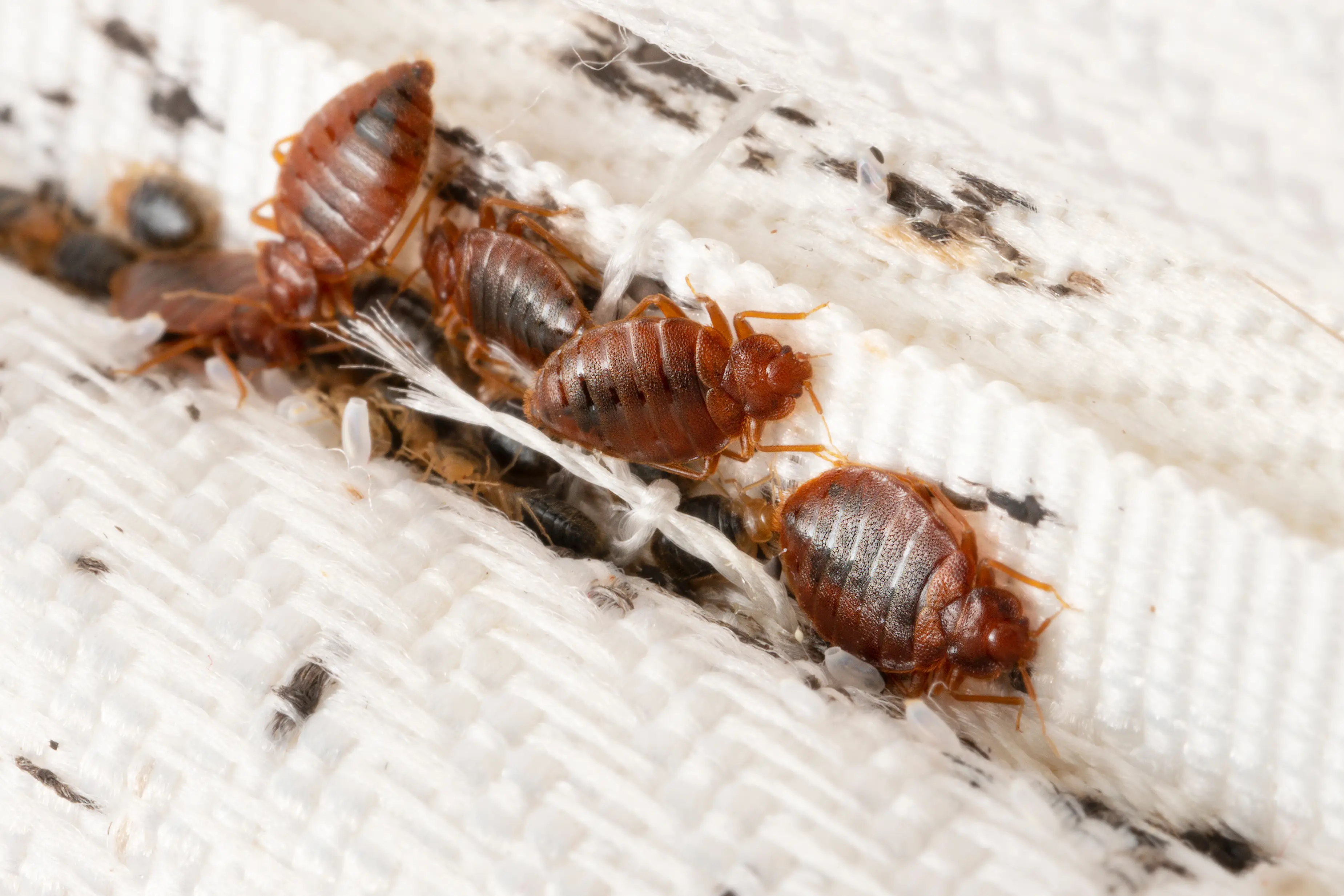
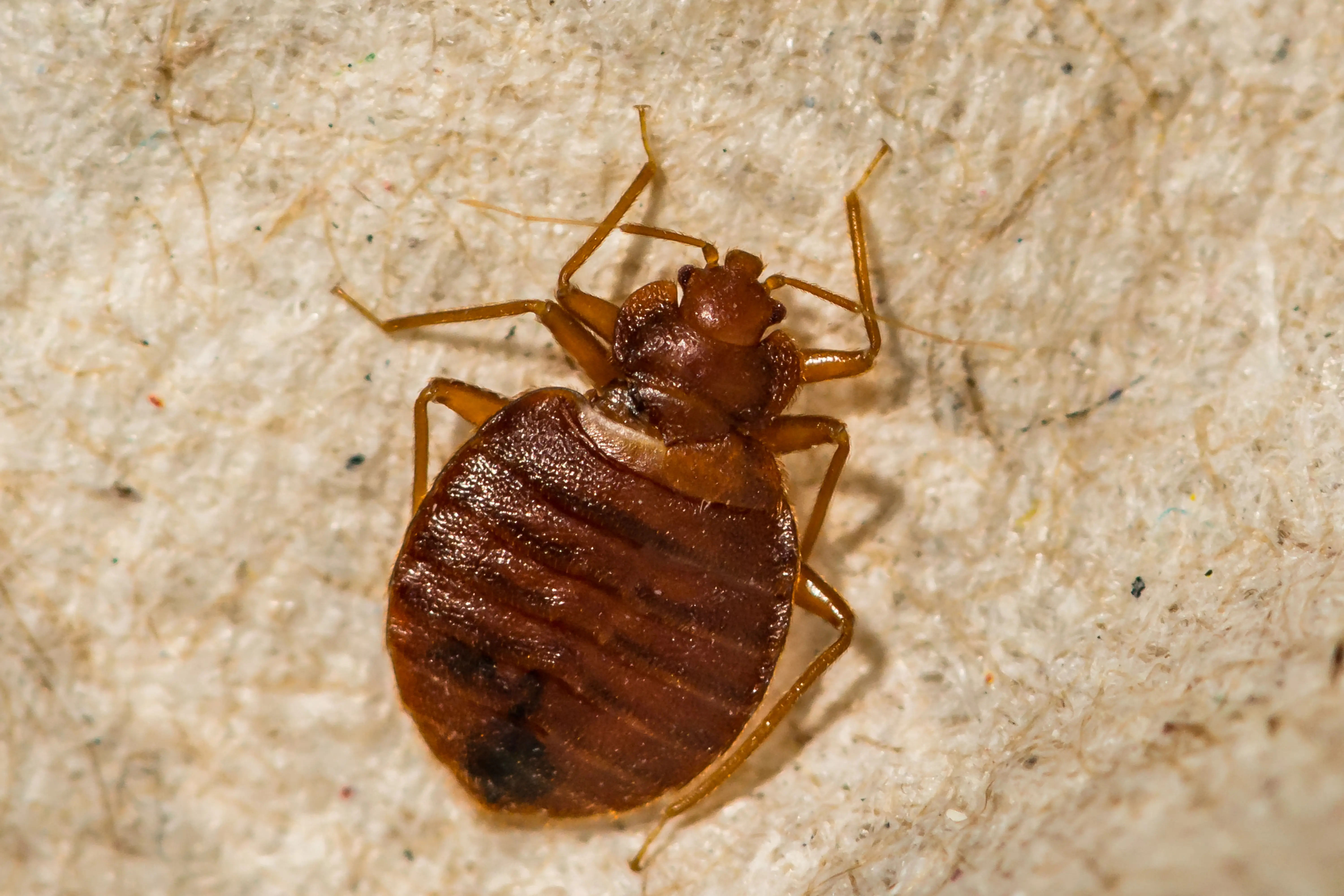
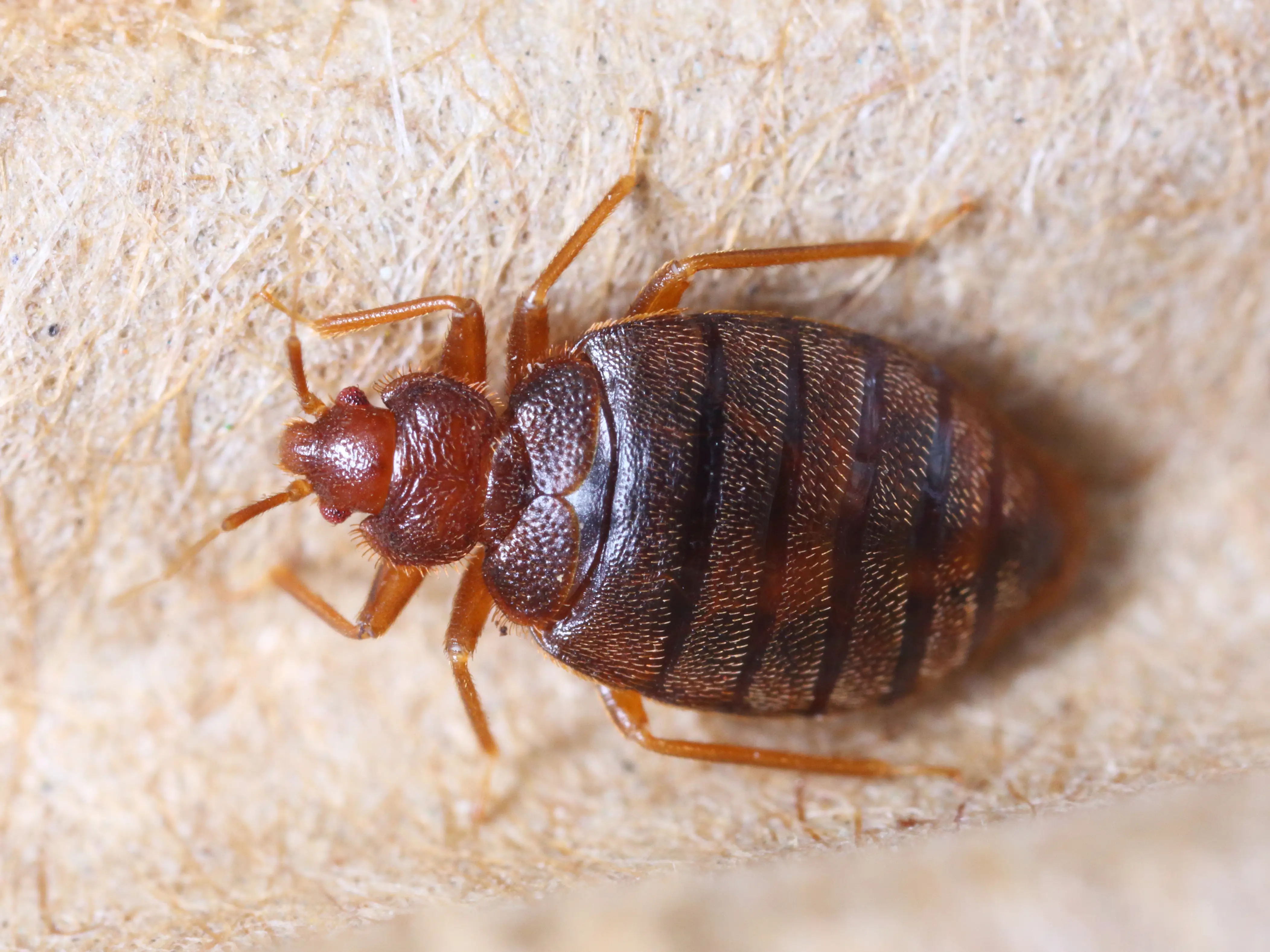
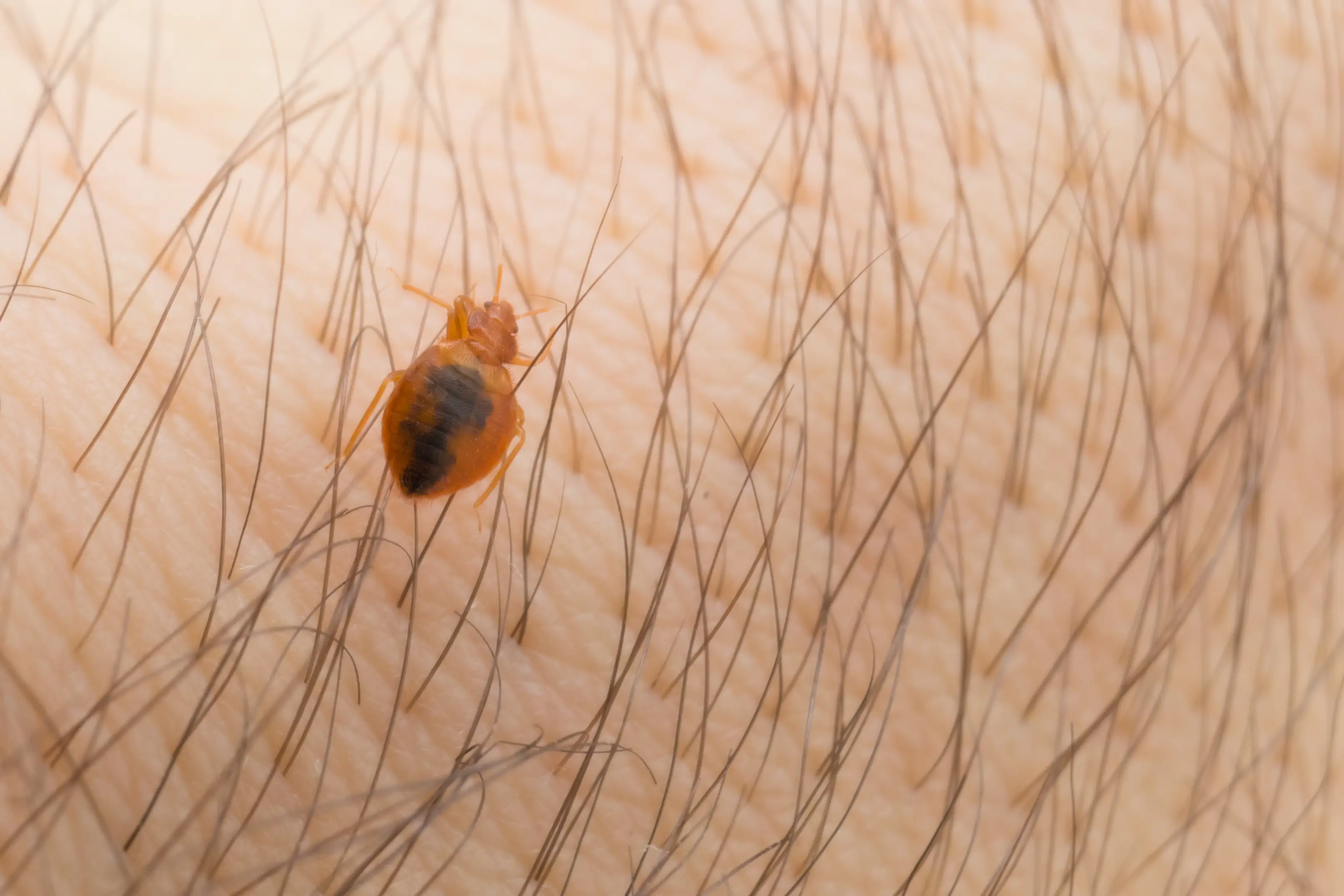
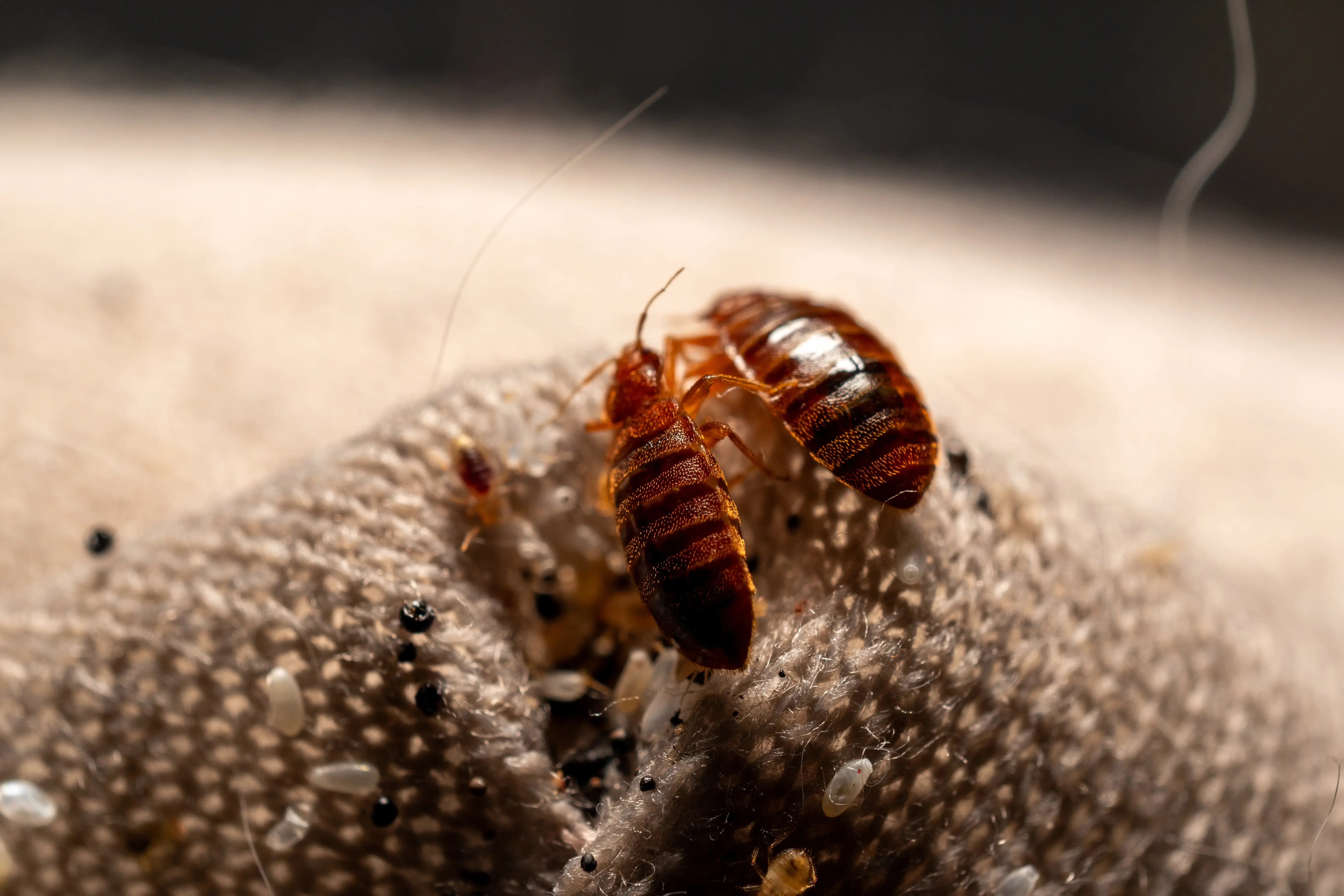
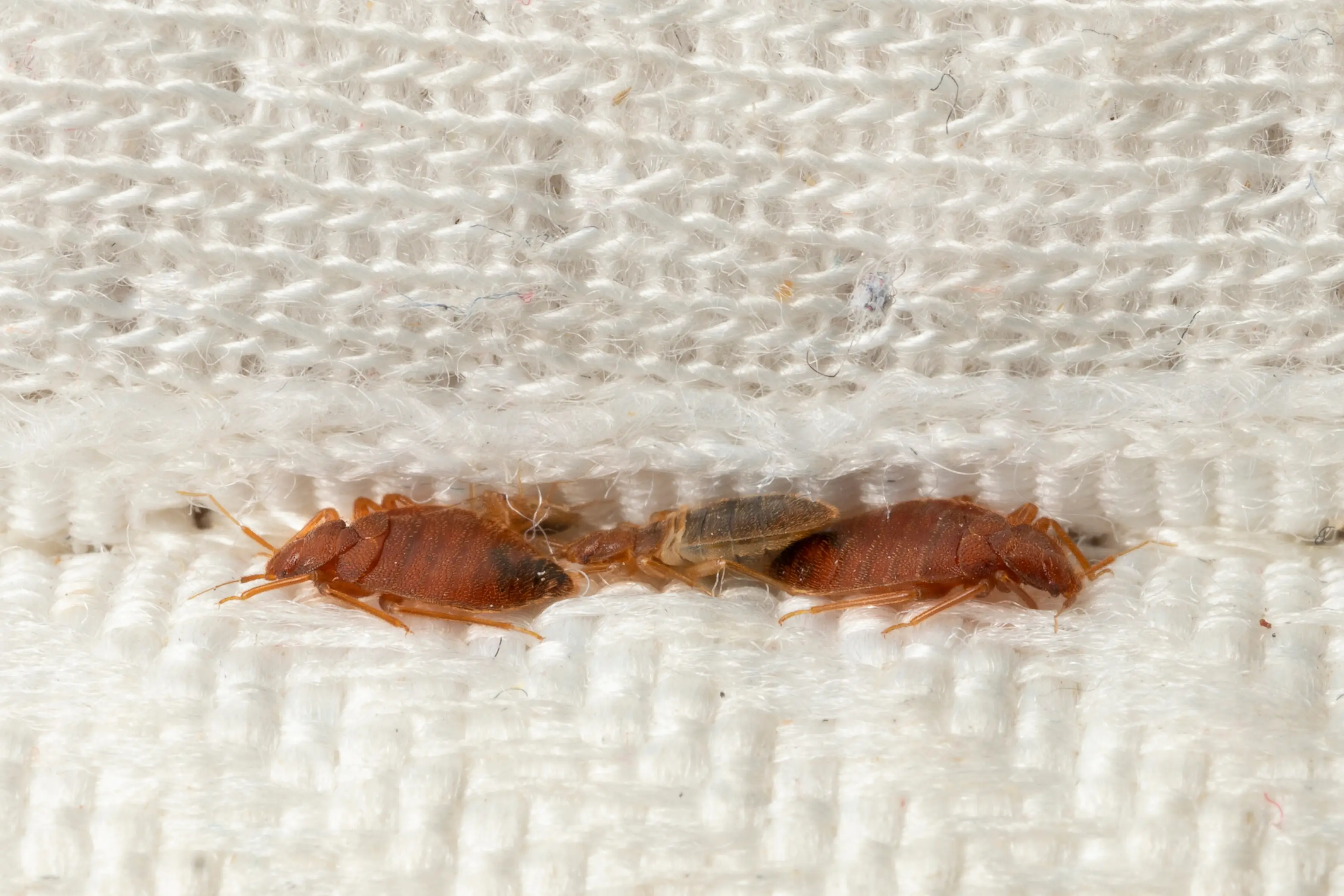
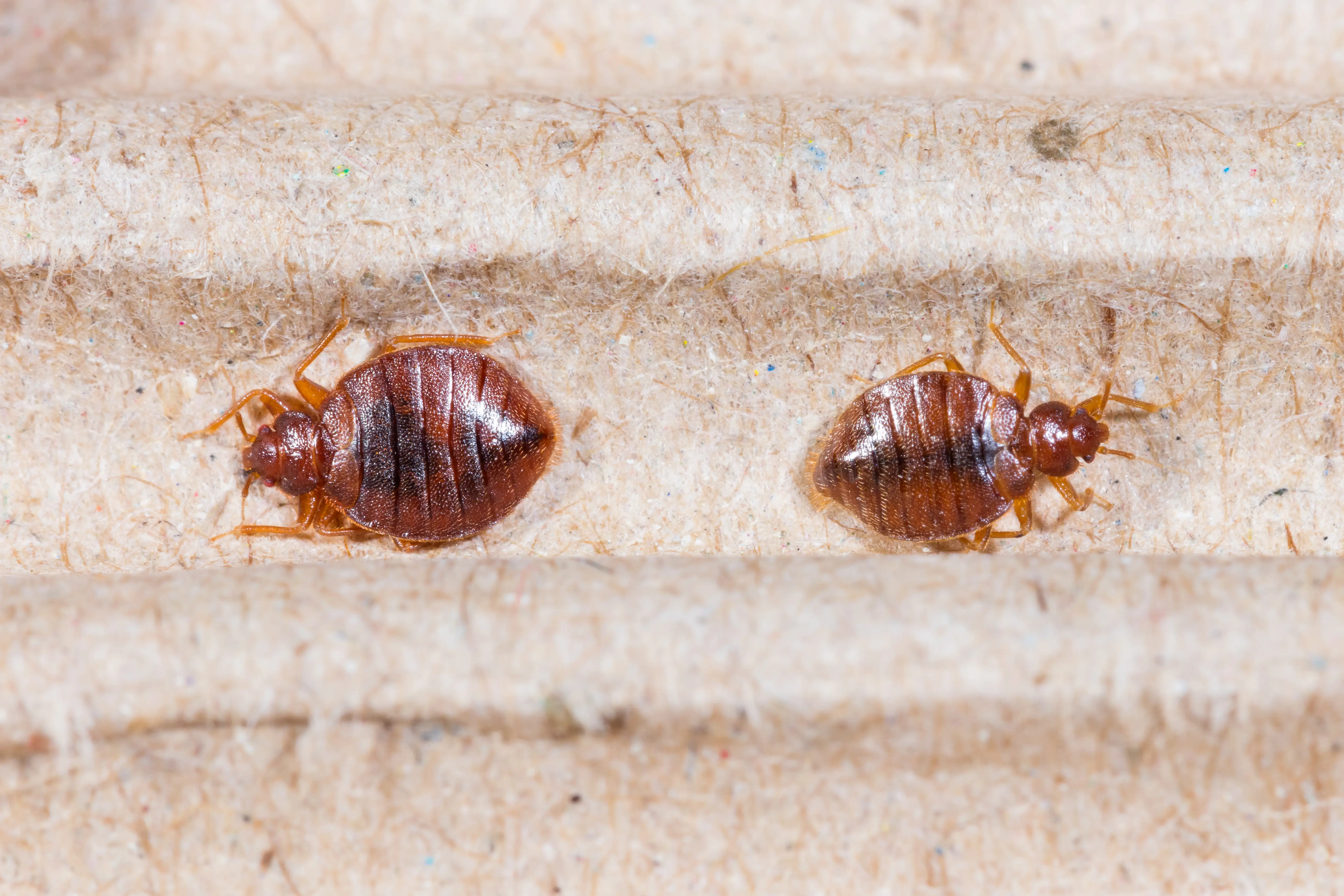
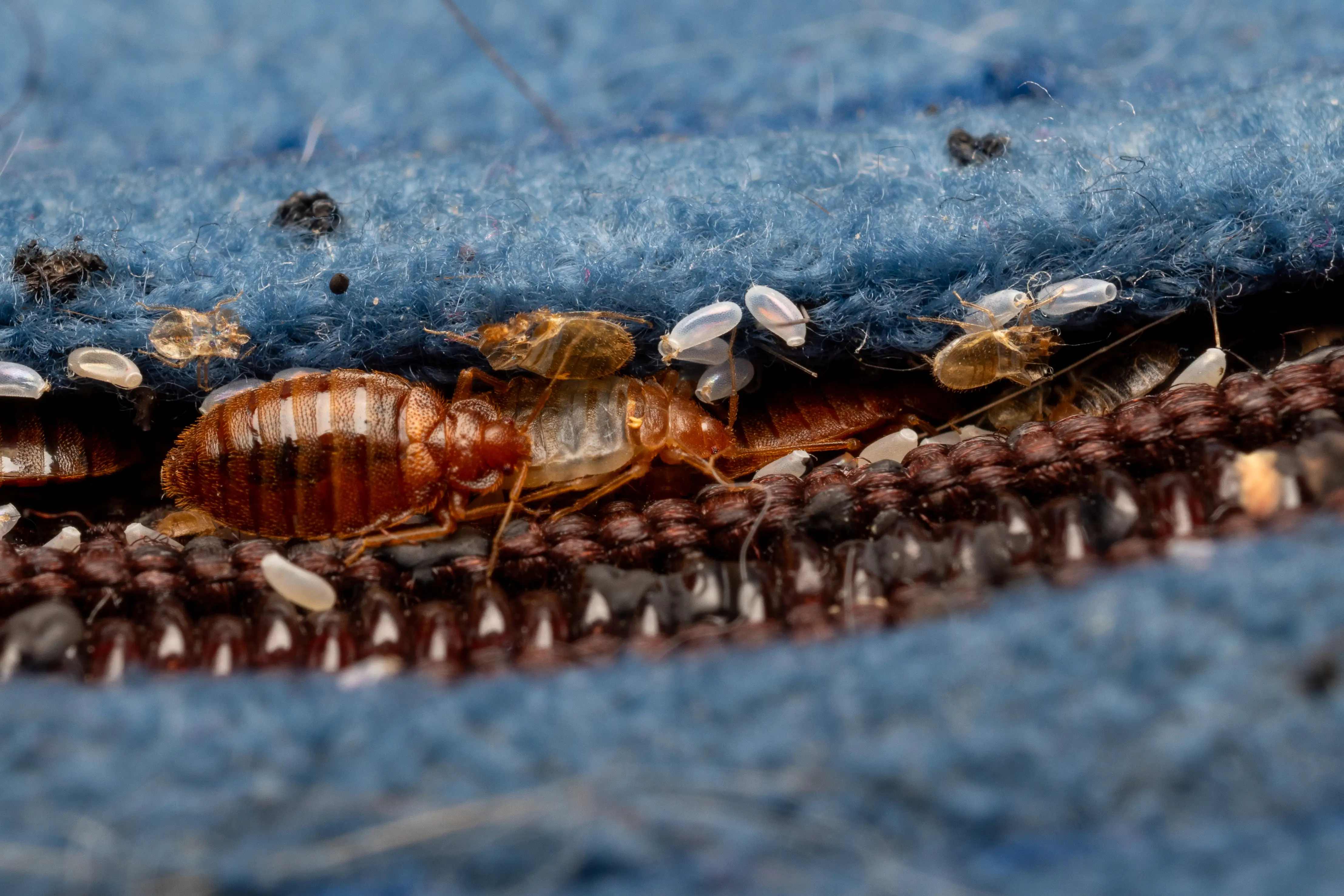
Close-up of bed bug on fabric
By Gary Anderson||6 min read

Are Bed Bugs Dangerous to Humans?

Understanding the health risks of bed bugs and why prompt treatment is essential.

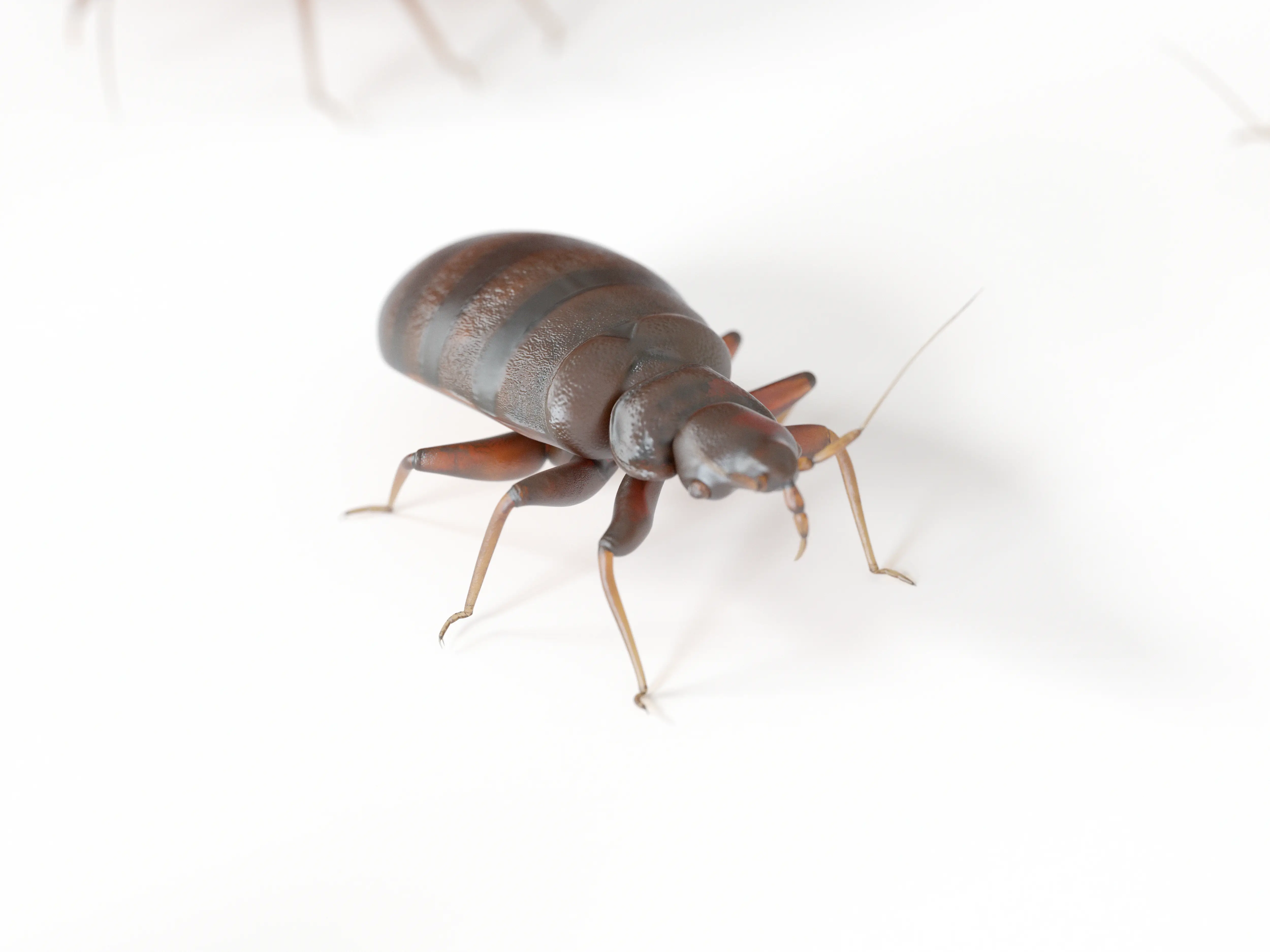
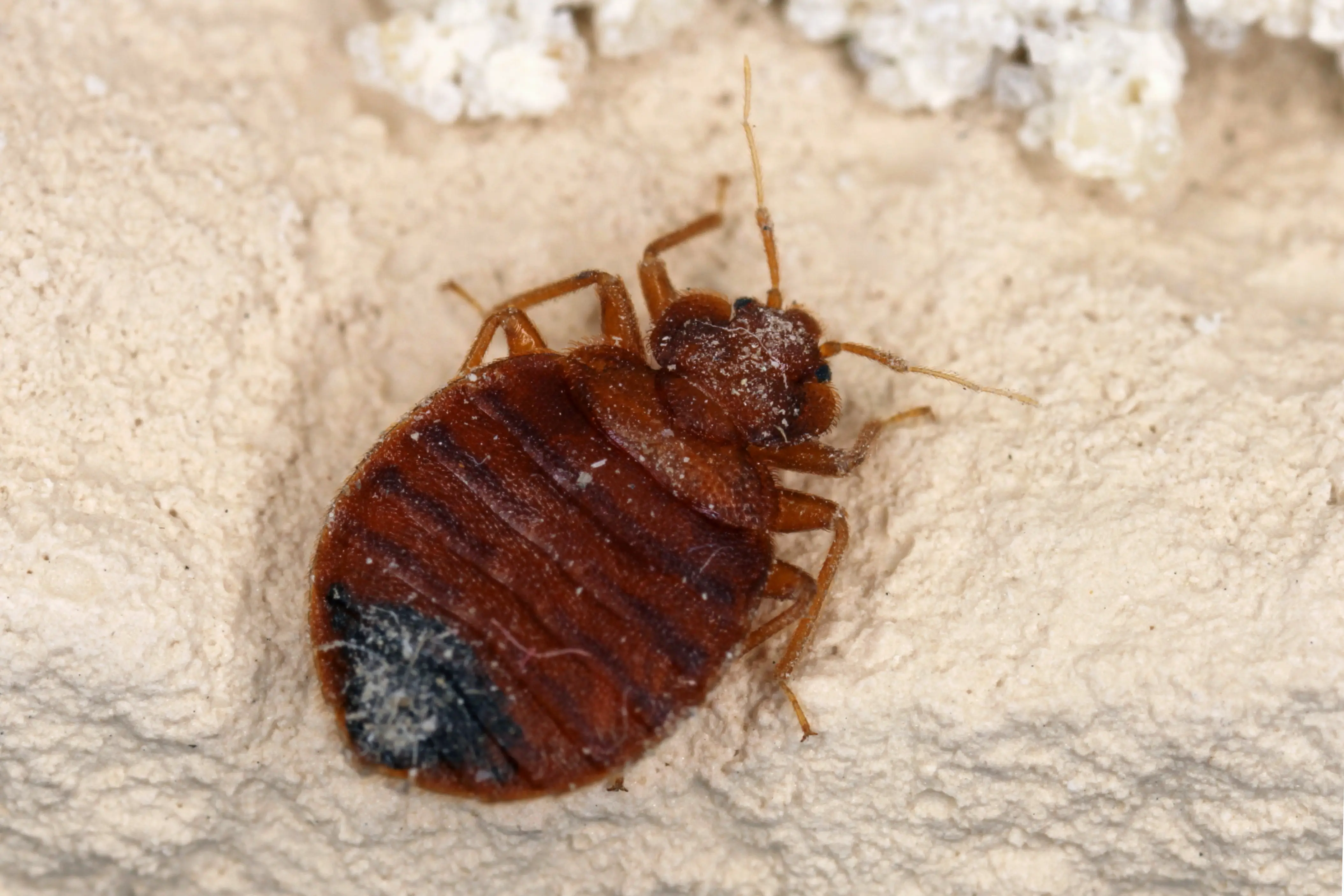
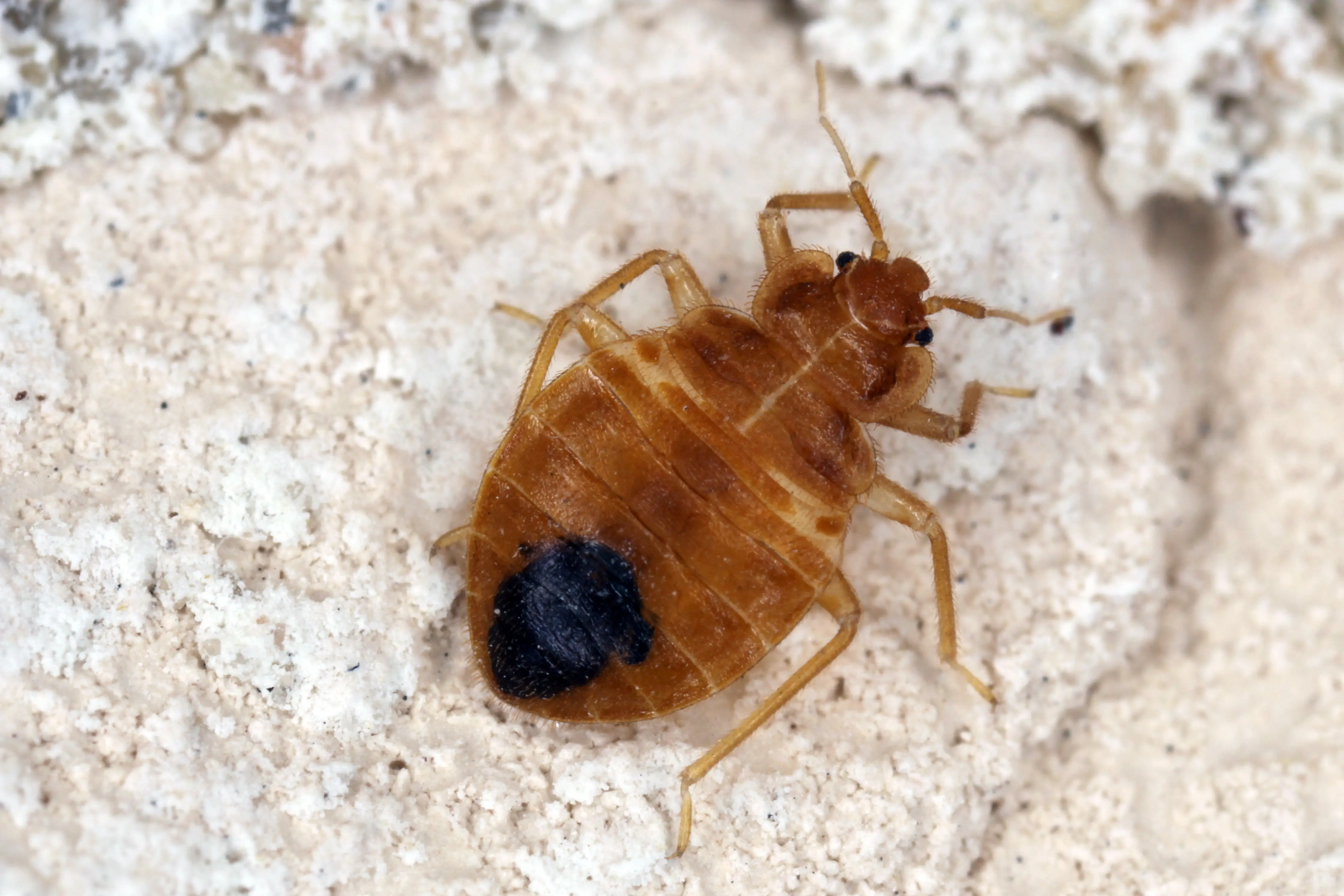
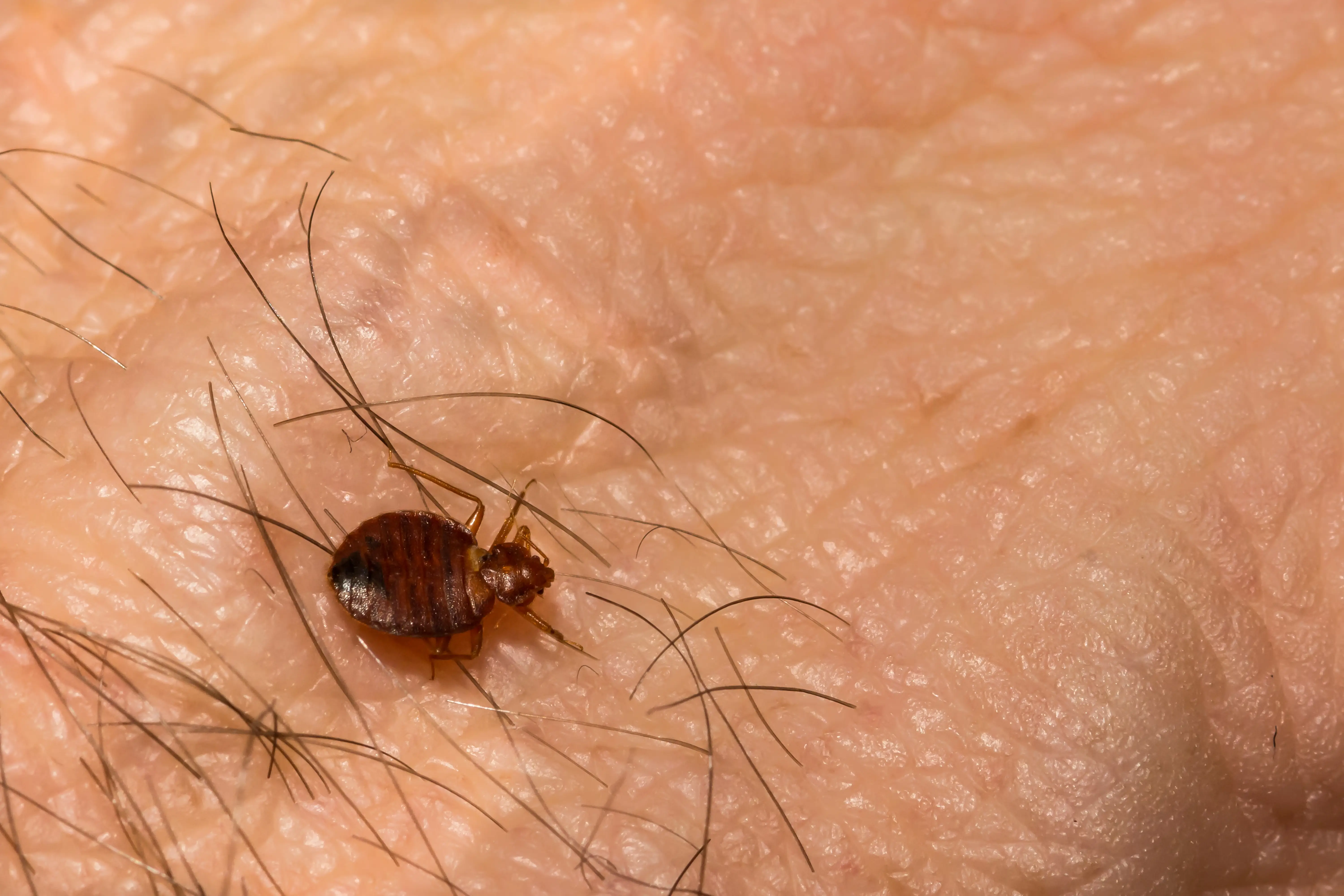
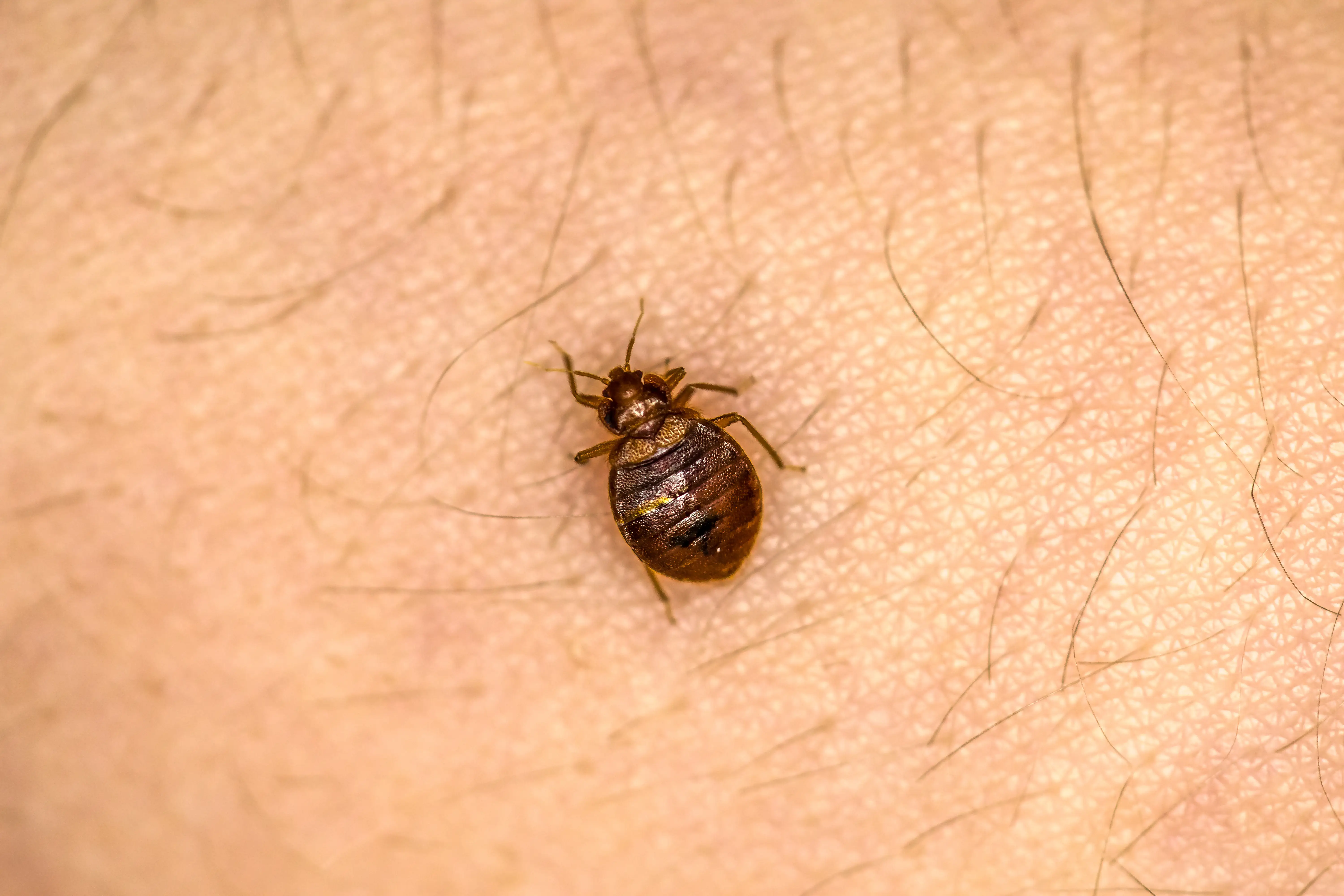
Bed bugs have been relying on humans as their primary food source for millennia. These tiny, flat parasites predominantly feed on human blood and then take shelter in the crevices of our mattresses, box springs, and bed frames.

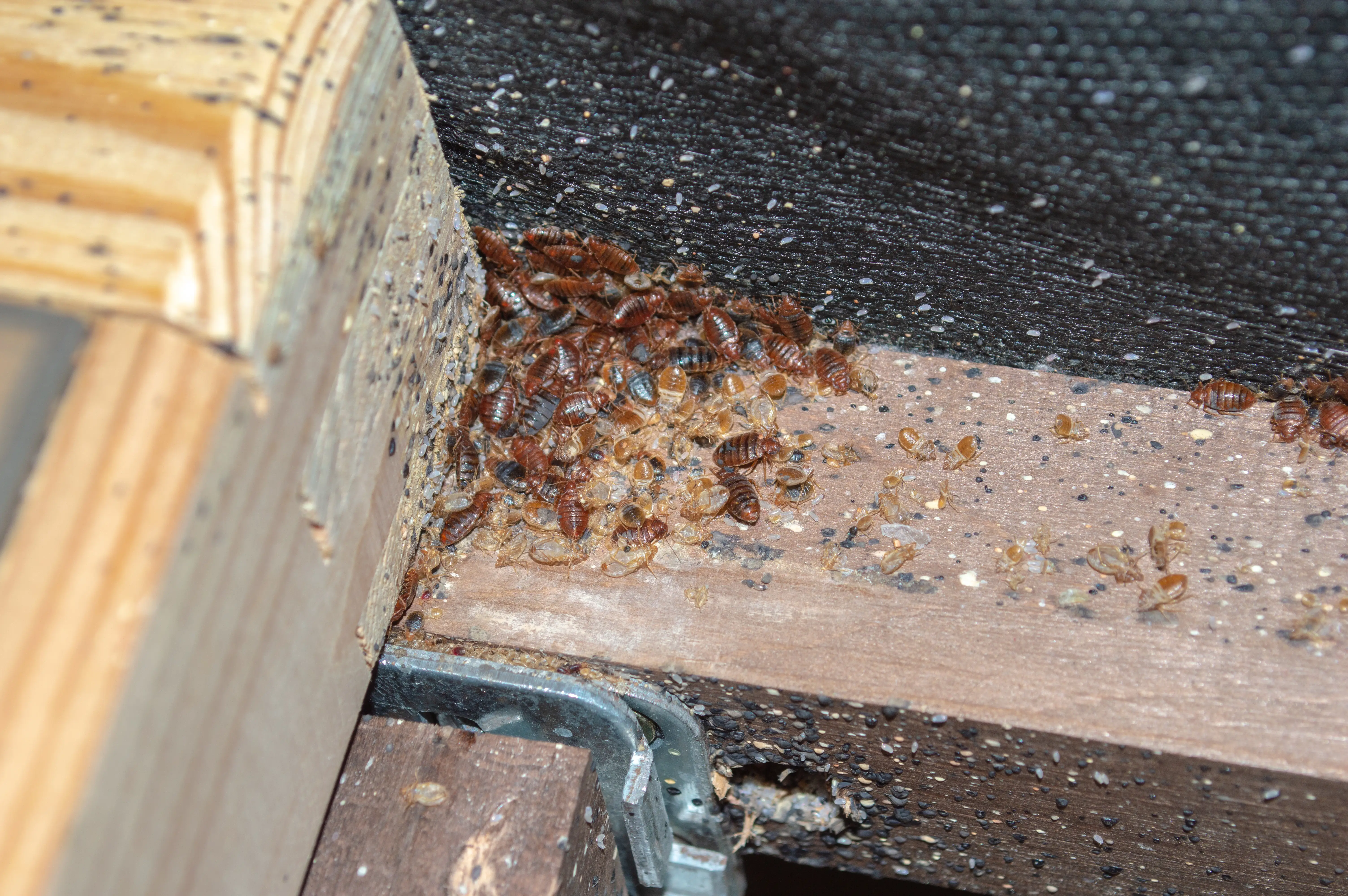
A female bed bug can produce hundreds of offspring during her roughly 300-day lifespan. Each feeding provides an adult female with enough nutrition to lay another batch of eggs, which can result in a serious infestation if appropriate steps are not taken quickly.

Key Facts About Bed Bugs

Disease Transmission: Not a disease vector
Lifespan: Approximately 300 days
Cleanliness: Not related to home cleanliness

Key Facts

Reproduction
Hundreds of eggs per female
Feeding
Human blood, nocturnal
Hiding Spots
Mattresses, box springs, frames
Do Bed Bugs Spread Disease?

Bed bugs are notorious for their bites and nighttime predatory behavior but are not known to transmit diseases to humans.

Good News

Research has shown that while bed bugs can carry certain bacteria or viruses after feeding on an infected person, they have not shown the ability to transmit these pathogens to others when feeding on new hosts.

Bite Reactions

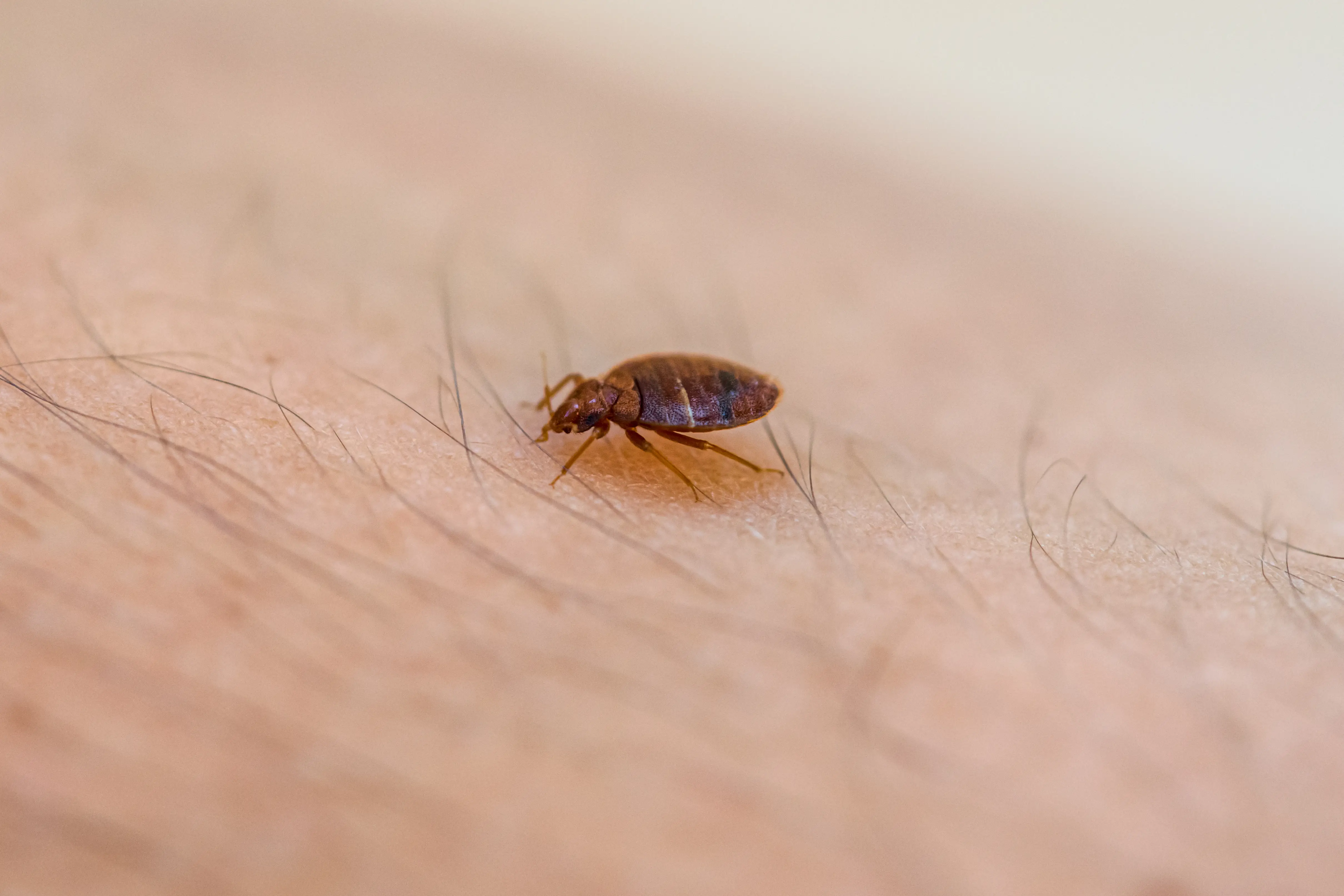
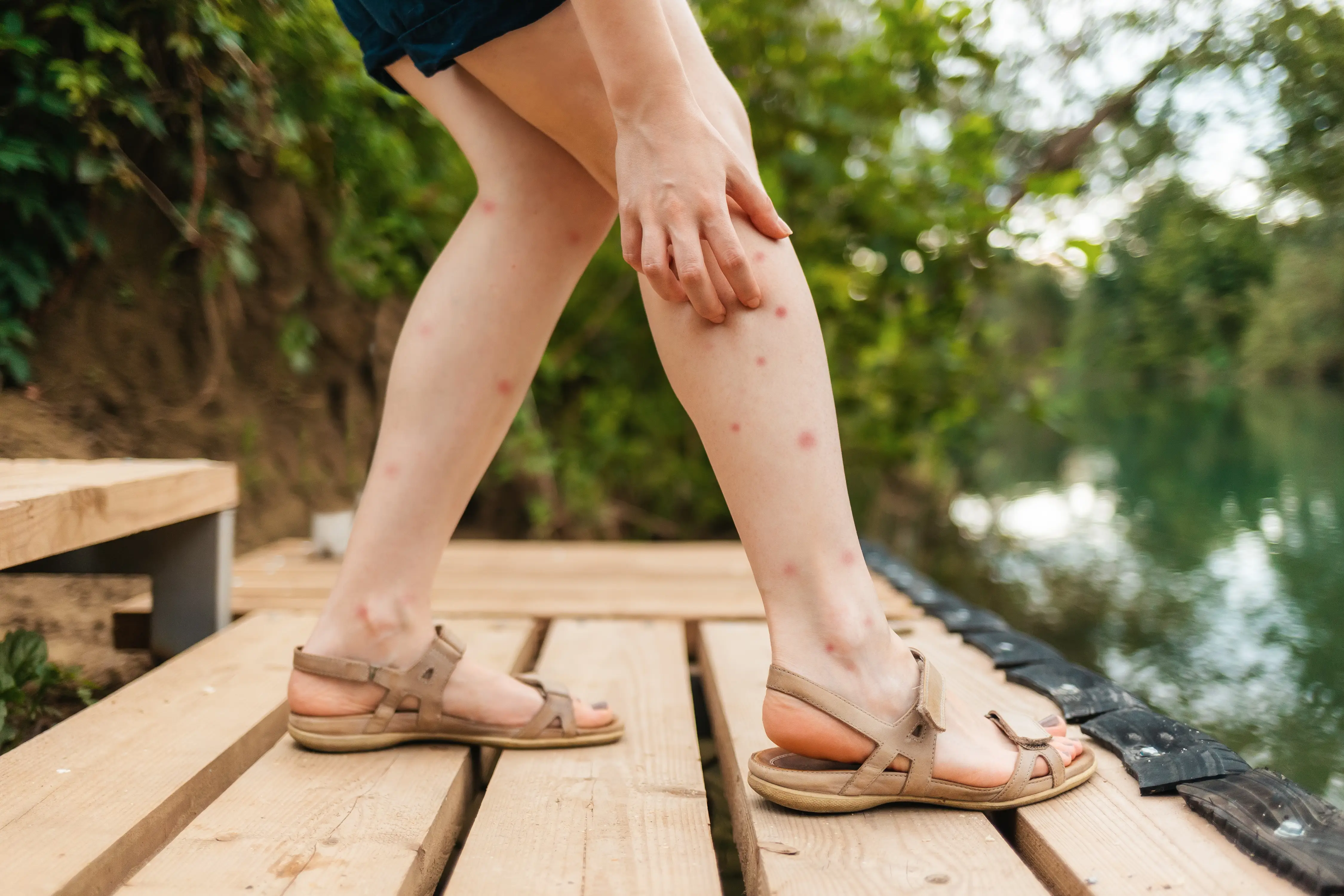
Most people have a mild allergic reaction to the chemical anesthetic bed bugs secrete when feeding. This secretion helps them avoid detection but causes itchy red welts.

What Health Risks Do Bed Bugs Pose?

While bed bugs do not transmit diseases, they can cause other adverse health problems:

Bites and Skin Reactions

Bed bugs inject an anesthetic and anticoagulant when they bite. Most people develop a cluster of red, itchy bumps or welts within a few days. These can persist for two or more weeks, leading to excessive scratching. Scratching can cause bites to become infected with symptoms including pain, swelling, redness, pus, and fever. Topical or oral antibiotics may be required.

Allergic Reactions

Some individuals can experience severe allergic responses including intense itchiness, painful swelling, fever, blisters, hives, and anaphylaxis. Anaphylaxis can be a life-threatening allergic reaction resulting in vomiting, difficulty breathing, seizures, and swelling of the throat.

Mental Health Impacts

The presence of bed bugs can lead to significant psychological distress from knowing you are being fed on while you sleep. Symptoms include poor sleep quality, anxiety, depression, and post-traumatic stress disorder (PTSD).

Are Bed Bugs Dangerous to Pets?

Bed bugs typically feed on humans and are not interested in feeding on pets like cats or dogs. The primary concern for pet owners is not the bed bugs themselves but the methods used to eradicate them.

Treatment Warning

Some pesticides can cause severe reactions in pets including excessive drooling, coordination issues, muscle tremors, and vomiting. Even pesticides deemed safe for humans might still adversely affect pets.

Pet-Safe Alternatives

Pet owners should consider safer alternatives like steam, heat treatments, traps, or pet-friendly insecticides to ensure the well-being of household pets during bed bug treatment.

Suspect a Bed Bug Infestation?

Bed bugs reproduce quickly and will not go away on their own. Professional treatment is essential.

Call (866) 326-2847

Will Bed Bugs Damage a Home and Furnishings?

Bed bugs can inflict noticeable damage on homes and furnishings beyond just their bites:

Blood Stains

Leave blood stains on bedsheets, mattresses, and curtains

Fecal Stains

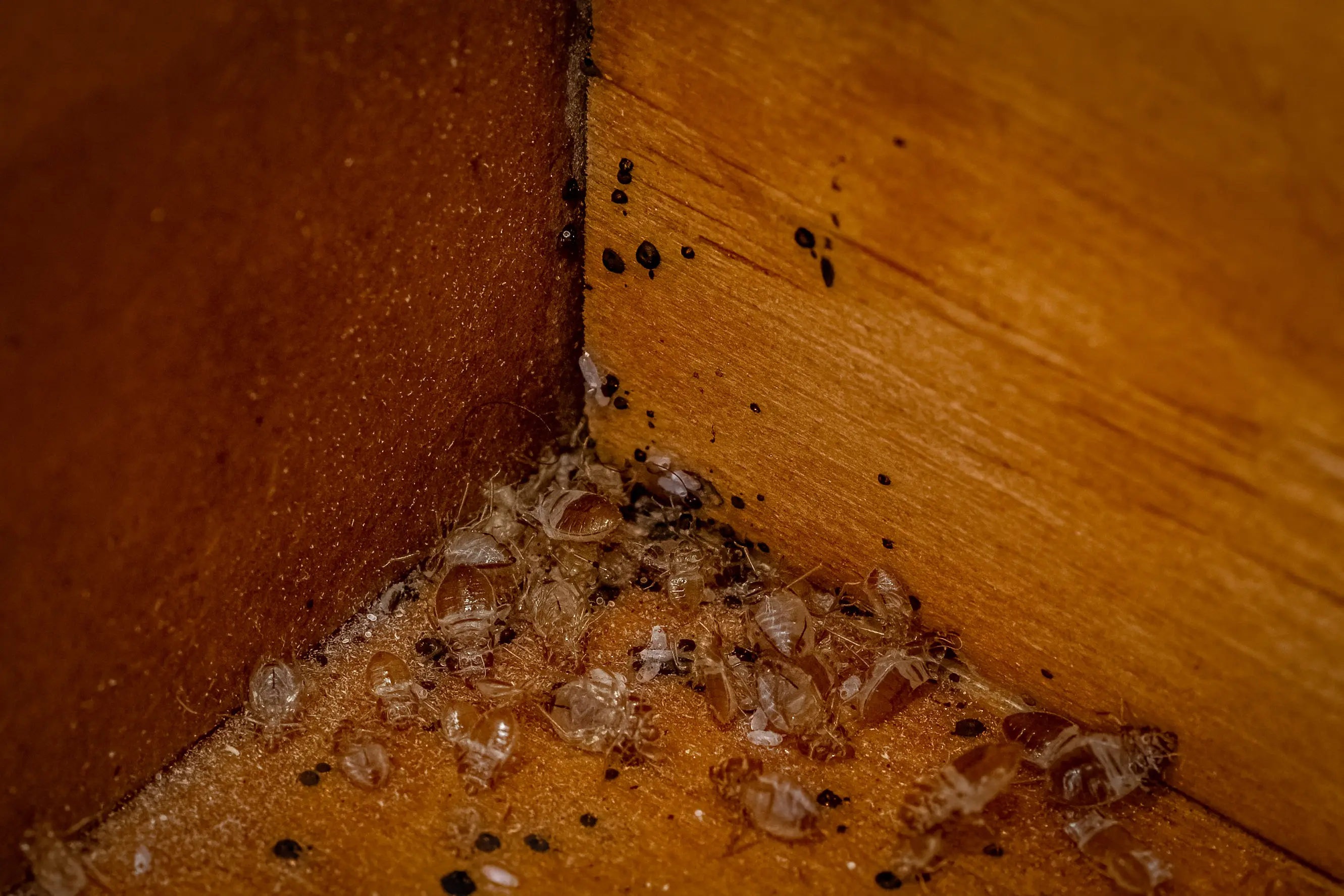
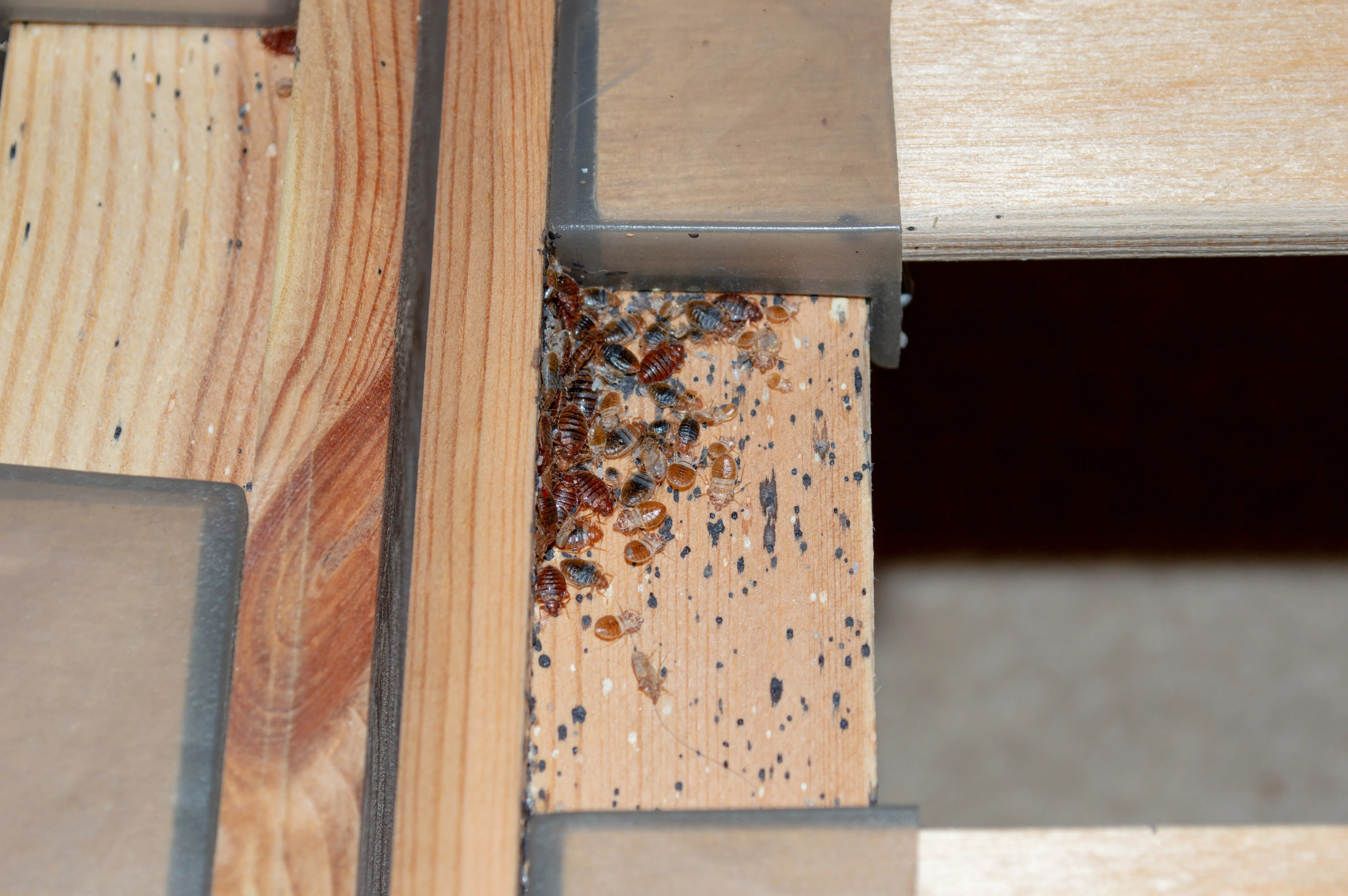
Dark spots on mattresses, carpets, and walls

Shed Skins

Accumulate on surfaces and can trigger allergies

Replacement Costs

Substantial costs replacing infested furniture

What Are Signs of a Bed Bug Infestation?

Being able to spot the signs of a bed bug infestation dramatically increases the likelihood of preventing exposure and transmission.

Physical Evidence

Active bed bugs crawling around a mattress or bed sheets

Exoskeletons

Molted skins of adolescent bed bugs

Stains and Droppings

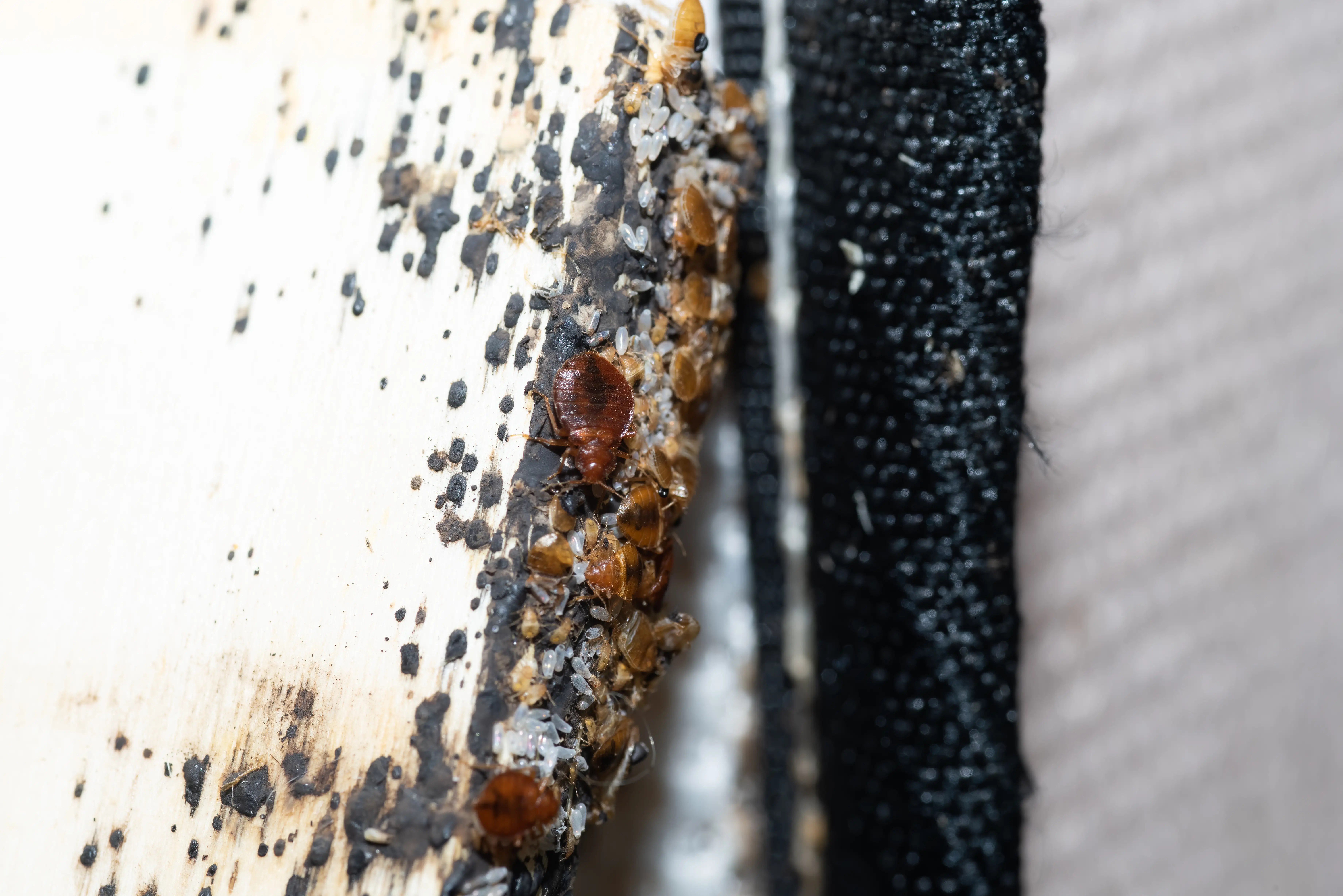
Fecal stains that look like brown or black spots in mattress seams

Eggs

Extremely small eggs that resemble fine salt

How to Prevent Bed Bugs

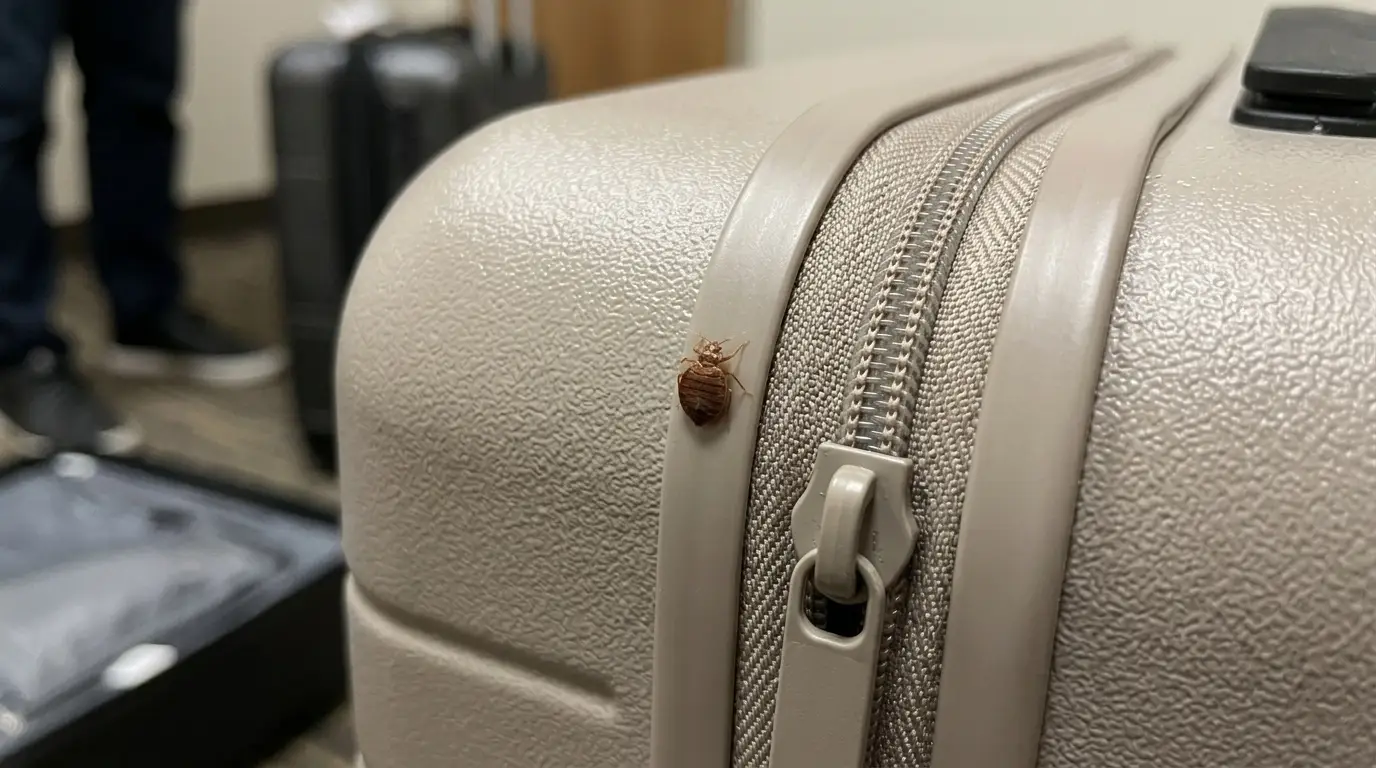
Preventing bed bug infestations is important given their ability to spread easily through shared spaces, public transportation, and even places like cinemas.

1

Regular Inspections

Examine the seams of upholstery and mattresses for any signs of bed bugs, especially in shared accommodations like hotels, motels, and rentals.

2

Routine Cleaning

Vacuum rugs and steam upholstery on a regular basis to eliminate any potential bugs or eggs.

3

Be Cautious with Second-hand Items

Avoid second-hand furniture or clothing as they could contain dormant bed bugs and eggs.

4

Use Protective Covers

Utilize bed bug proof mattress and pillow covers to contain infested mattresses and keep bed bugs visible for treatment.

Contact EcoGuard if You Are Dealing with Bed Bugs

Dealing with bed bugs can be a difficult and stressful experience due to their resilience. EcoGuard Pest Management is here to assist you every step of the way. Our team of experienced bed bug exterminators utilizes effective solutions that prioritize the safety of your home and the environment. If you suspect a bed bug infestation, call immediately. Let us help you restore peace and comfort to your home.

Call (866) 326-2847Get Free Quote

Bed Bug Danger FAQs

Is it OK to live with bed bugs?

Living with bed bugs is not advisable. While they are not known to transmit diseases, their bites can cause itching, allergic reactions, and sleep disturbances. Allowing them to proliferate can make eradication more challenging and can risk spreading them to others.

What to do if you slept in a bed with bed bugs?

If you have slept in a bed with bed bugs, it is essential to wash and dry your clothing and bedding on the highest heat setting to kill any bugs or eggs. Examine your body for any bites and consider taking a shower immediately. Be sure to monitor your living space for signs of an infestation and consider consulting a pest control expert if you suspect the bugs have spread to your home.

What happens if a bed bug bites you?

If a bed bug bites you, you may develop red, itchy welts at the bite site. Reactions can vary from person to person with some individuals experiencing swelling while others experience more pronounced allergic reactions. Others might not show any visible signs at all.

Do bed bugs go away on their own?

Bed bugs are pervasive and do not typically go away on their own as long as there is a host for them to feed on. They reproduce quickly, and without intervention, their population can get out of hand quickly. Professional bed bug heat treatments are usually required to effectively eliminate bed bug infestations.

From Our Blog

Related Articles

7 Stages of the Bed Bug Life Cycle | Complete Guide

7 Stages of the Bed Bug Life Cycle | Complete Guide

Learn the 7 stages of bed bug life cycle from egg to adult. Understand bed bug lifespan, reproduction, and why they are...

Read Article
Bed Bug Bites vs Mosquito Bites: How to Tell the Difference

Bed Bug Bites vs Mosquito Bites: How to Tell the Difference

Learn how to identify bed bug bites vs mosquito bites. Compare appearance, patterns, symptoms, healing time, and get...

Read Article
Bed Bug Heat Treatment: Is It Effective? Complete Guide

Bed Bug Heat Treatment: Is It Effective? Complete Guide

Learn how bed bug heat treatment works, pros and cons, costs, preparation steps, and what to expect. Discover why heat...

Read Article
Bed Bugs vs Fleas vs Ticks: Key Differences & How to Identify

Bed Bugs vs Fleas vs Ticks: Key Differences & How to Identify

Learn the differences between bed bugs, fleas, and ticks. Compare size, appearance, bites, health risks, habitat, and...

Read Article
Do Bed Bugs Fly or Jump? How They Move and Spread

Do Bed Bugs Fly or Jump? How They Move and Spread

Learn whether bed bugs can fly or jump, how they move and spread, their speed, and how to use their limitations to...

Read Article
How Common Are Bed Bugs? Statistics & Prevention Guide

How Common Are Bed Bugs? Statistics & Prevention Guide

Discover how common bed bugs are in the US with statistics by home type, city, and state. Learn prevention tips and...

Read Article
How Do Bed Bugs Spread? Prevention & Control Guide

How Do Bed Bugs Spread? Prevention & Control Guide

Learn how bed bugs spread from room to room, house to house, and person to person. Discover prevention tips and how to...

Read Article
How Fast Do Bed Bugs Spread and Multiply?

How Fast Do Bed Bugs Spread and Multiply?

Learn how quickly bed bugs spread from room to room and multiply. Understand reproduction rates, movement speed, and...

Read Article
How Long Can Bed Bugs Live Without a Host? Survival Guide

How Long Can Bed Bugs Live Without a Host? Survival Guide

Learn how long bed bugs can survive without feeding, what diapause is, factors affecting survival, and why starving...

Read Article
How Often Do Bed Bugs Feed? Feeding Habits Explained

How Often Do Bed Bugs Feed? Feeding Habits Explained

Learn how often bed bugs feed, their feeding behavior, and how long they can survive without blood. Understand bed bug...

Read Article
How to Check for Bed Bugs: Complete Inspection Guide

How to Check for Bed Bugs: Complete Inspection Guide

Learn how to inspect for bed bugs at home, in hotels, and on used furniture. Know what signs to look for and where bed...

Read Article
How to Get Rid of Bed Bugs: Complete Treatment Guide

How to Get Rid of Bed Bugs: Complete Treatment Guide

Learn how to identify, contain, and eliminate bed bugs with heat treatment, chemical options, and prevention tips....

Read Article
How to Prepare for Bed Bug Treatment: Complete Checklist

How to Prepare for Bed Bug Treatment: Complete Checklist

Step-by-step bed bug treatment preparation checklist. Learn what to do before, during, and after professional bed bug...

Read Article
Signs of Bed Bugs: How to Identify an Infestation

Signs of Bed Bugs: How to Identify an Infestation

Learn the signs of bed bugs including bites, stains, droppings, and where they hide. Understand bed bug behavior and...

Read Article
What Are Bed Bugs? Facts, Appearance & Prevention Guide

What Are Bed Bugs? Facts, Appearance & Prevention Guide

Learn what bed bugs are, how they look, where they hide, and how to prevent and eliminate infestations. Complete bed...

Read Article
What Attracts Bed Bugs? Myths vs Facts

What Attracts Bed Bugs? Myths vs Facts

Learn what truly attracts bed bugs to your home. Discover the science behind bed bug attraction including warmth, CO2,...

Read Article
What Do Bed Bug Eggs Look Like? Identification Guide

What Do Bed Bug Eggs Look Like? Identification Guide

Learn how to identify bed bug eggs, where they are laid, how many a female produces, and effective methods to eliminate...

Read Article
What Does Bed Bug Poop Look Like? Identification & Cleanup Guide

What Does Bed Bug Poop Look Like? Identification & Cleanup Guide

Learn to identify bed bug droppings by color, size, and location. Understand why cleaning bed bug feces is critical and...

Read Article
Where Do Bed Bugs Come From?

Where Do Bed Bugs Come From?

Learn where bed bugs come from, the 7 most common places you pick them up, why they spread, and how to prevent bringing...

Read Article
Where Do Bed Bugs Hide? Common Hiding Spots

Where Do Bed Bugs Hide? Common Hiding Spots

Learn where bed bugs hide in your home, mattresses, furniture, and public places. Discover how to check for bed bugs...

Read Article