EcoGuard Pest Management
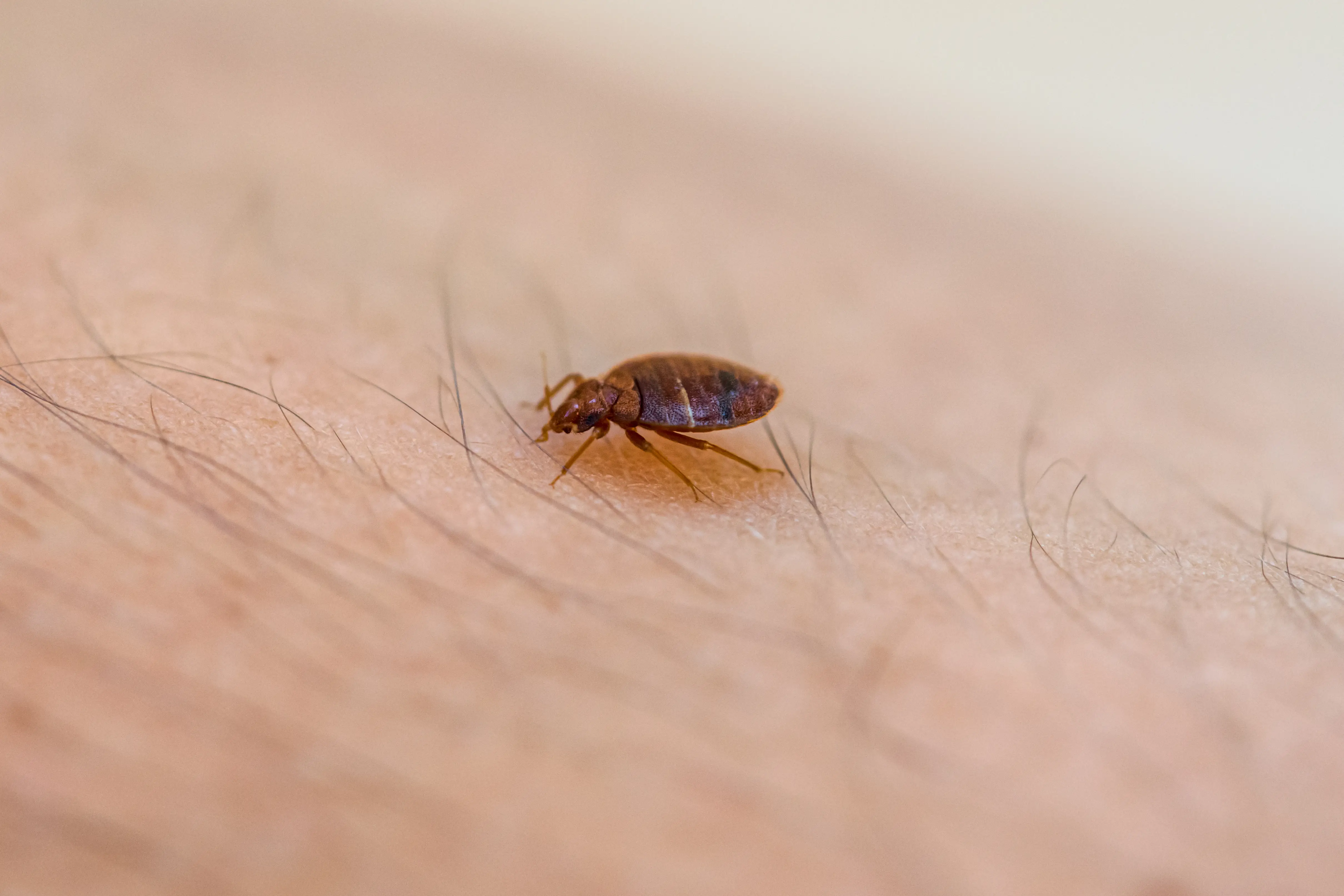
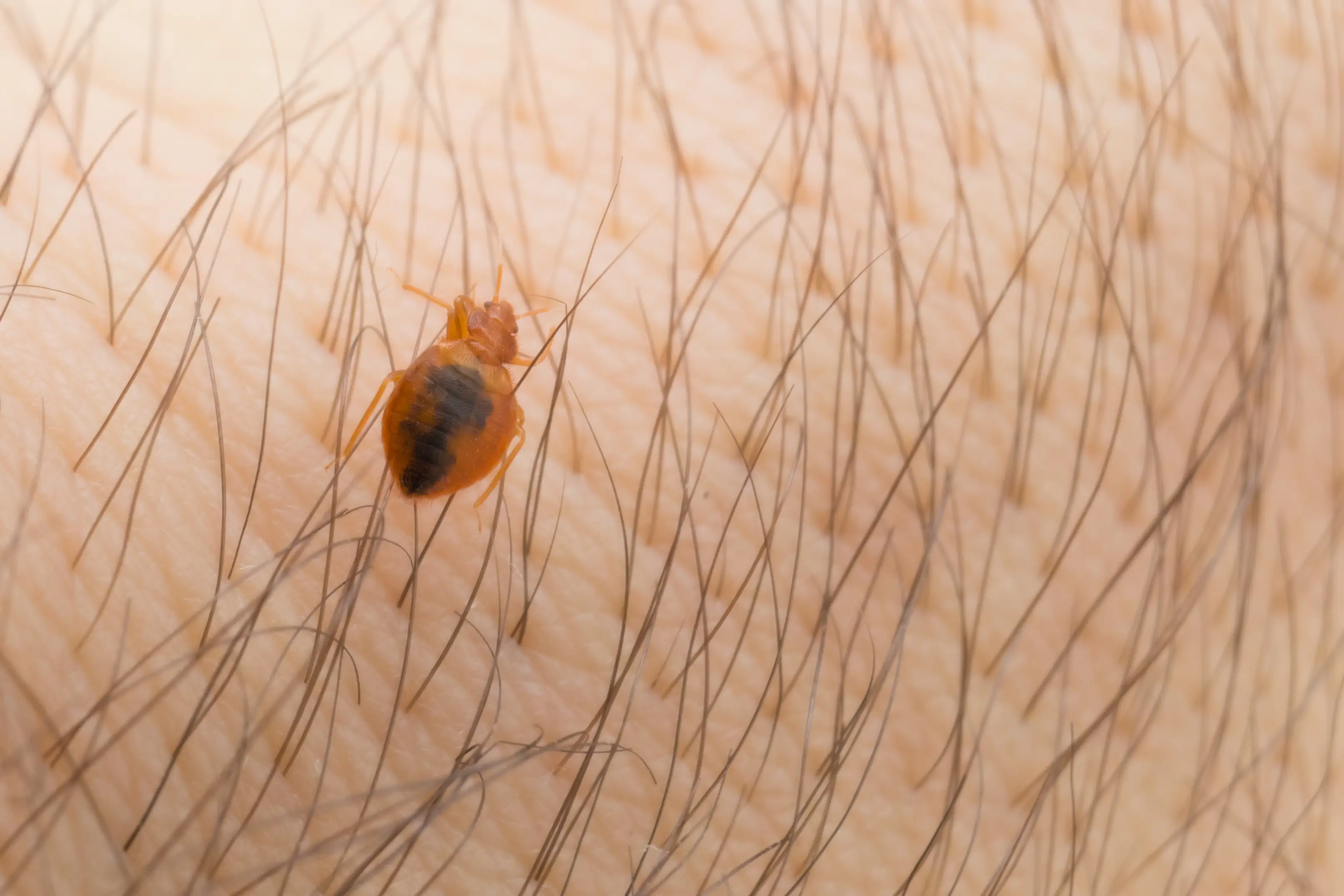
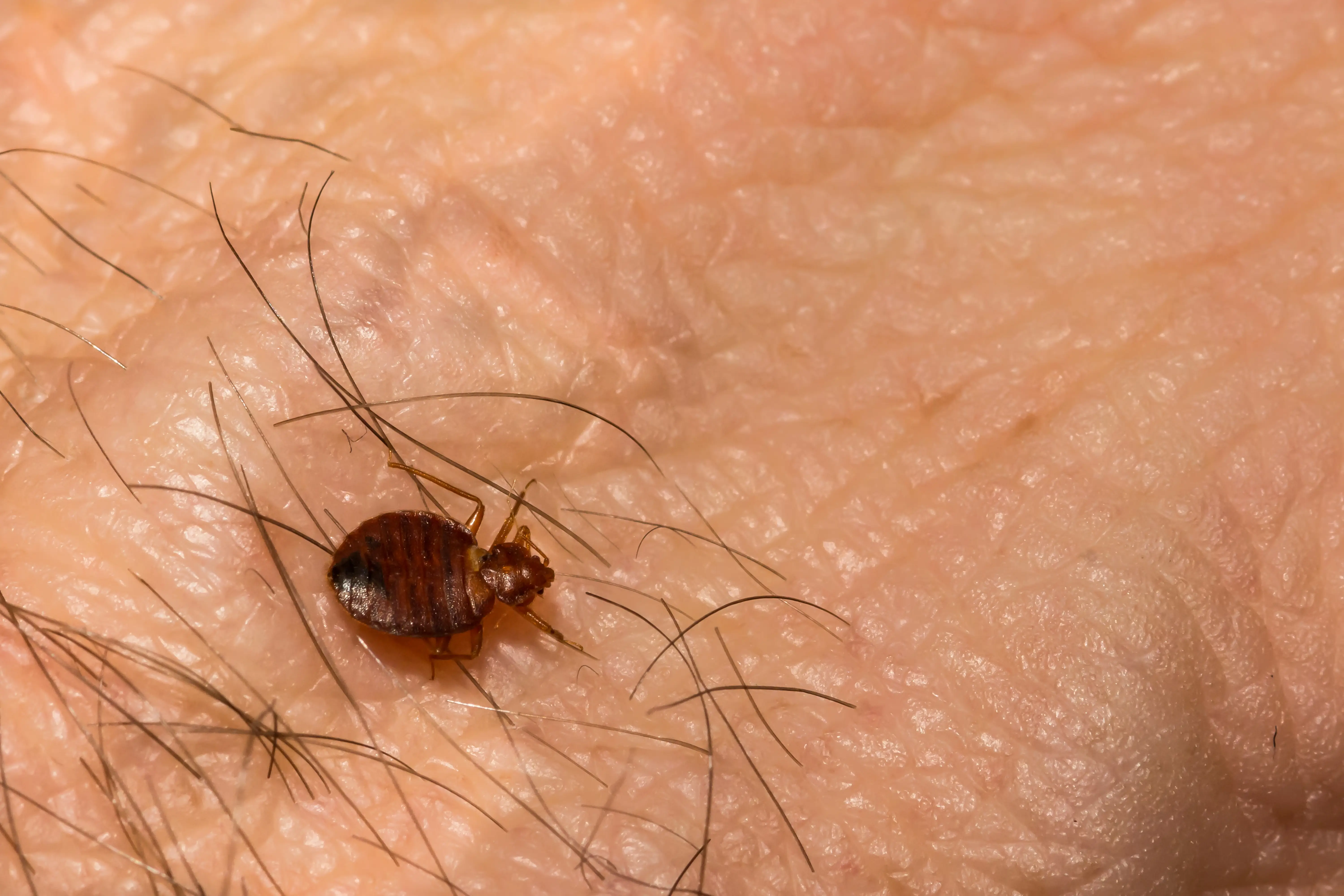
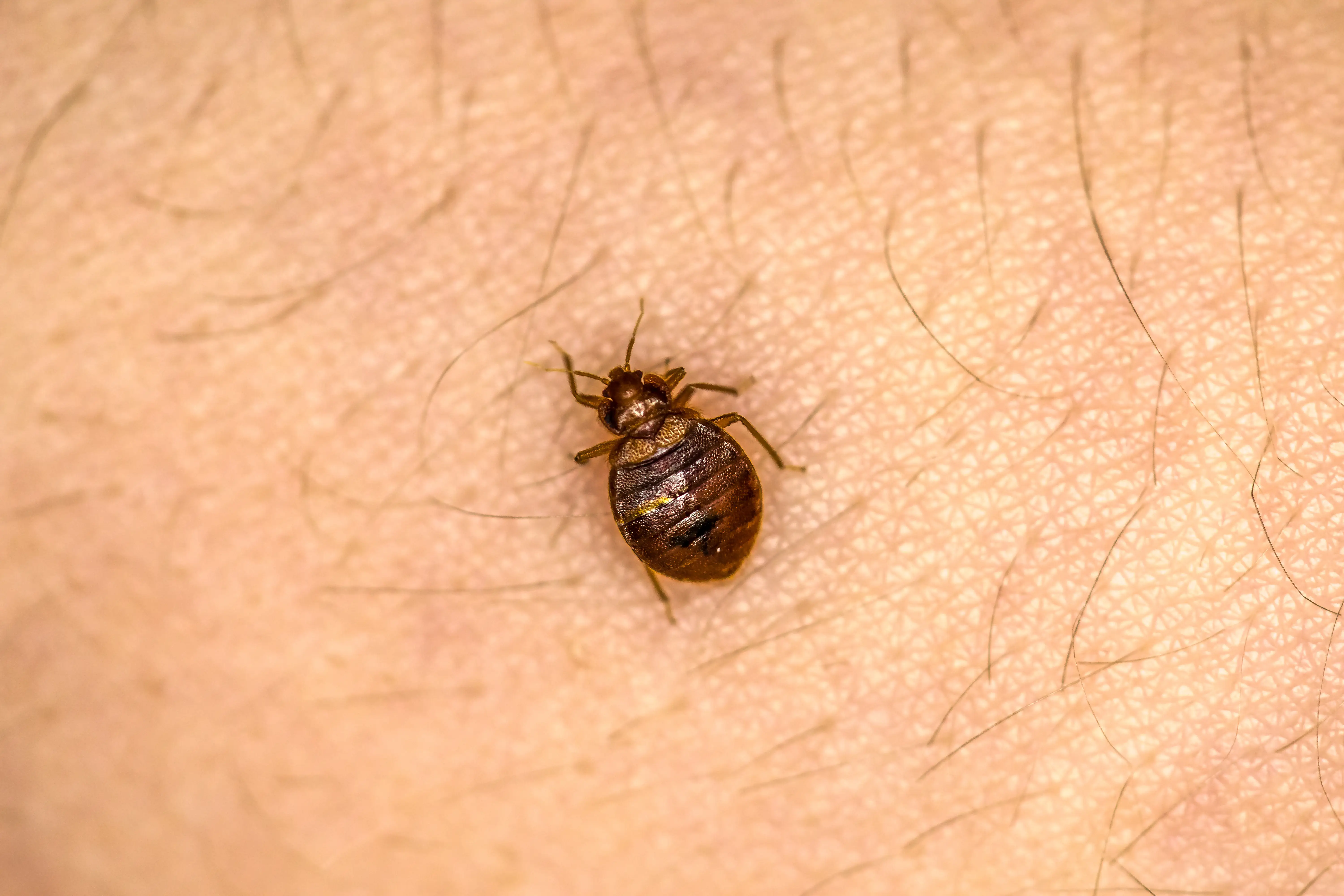
Bed bug feeding on human skin
By Gary Anderson||8 min read

How Often Do Bed Bugs Feed?

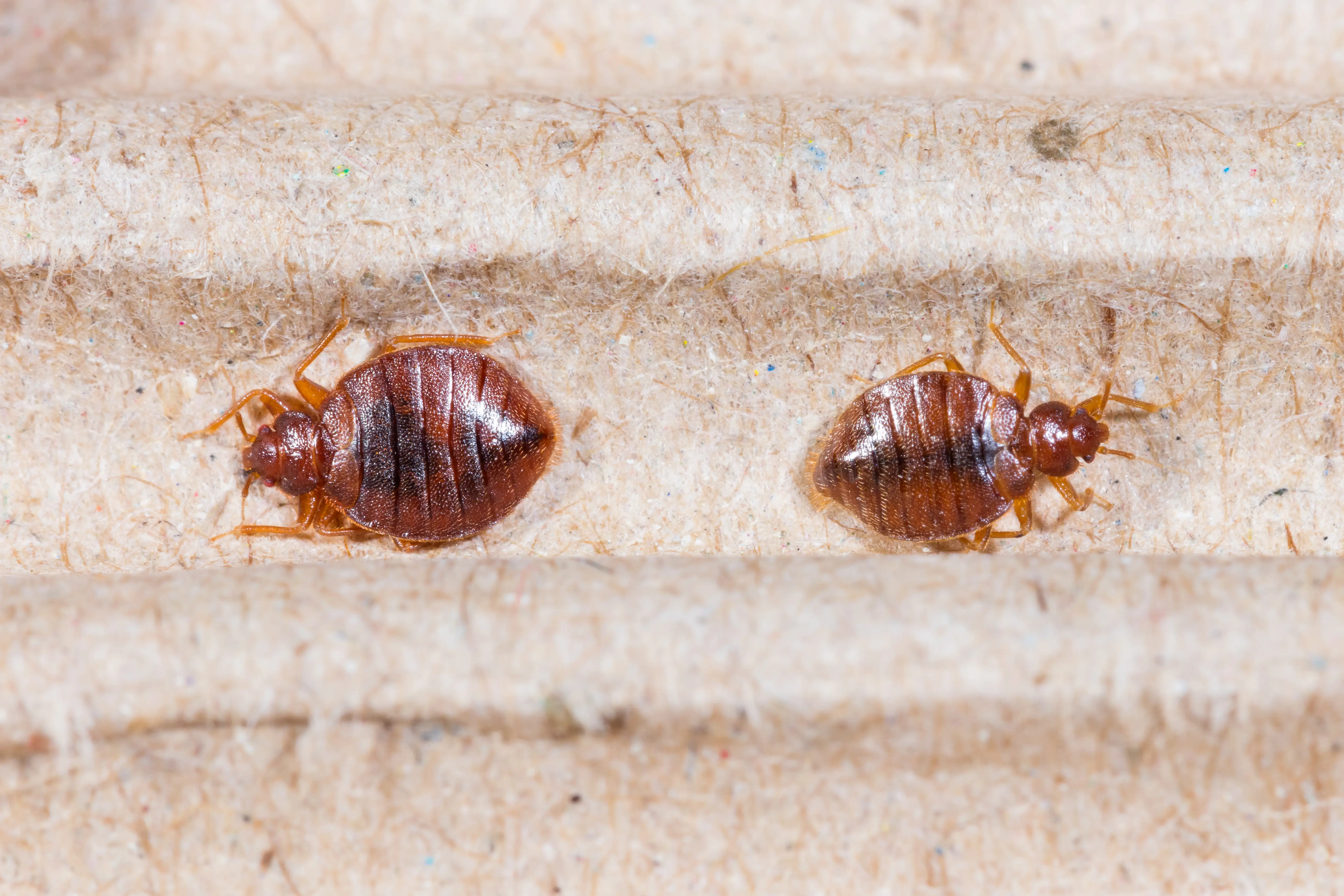
Understanding bed bug feeding patterns is crucial to managing infestations and interrupting their life cycle.

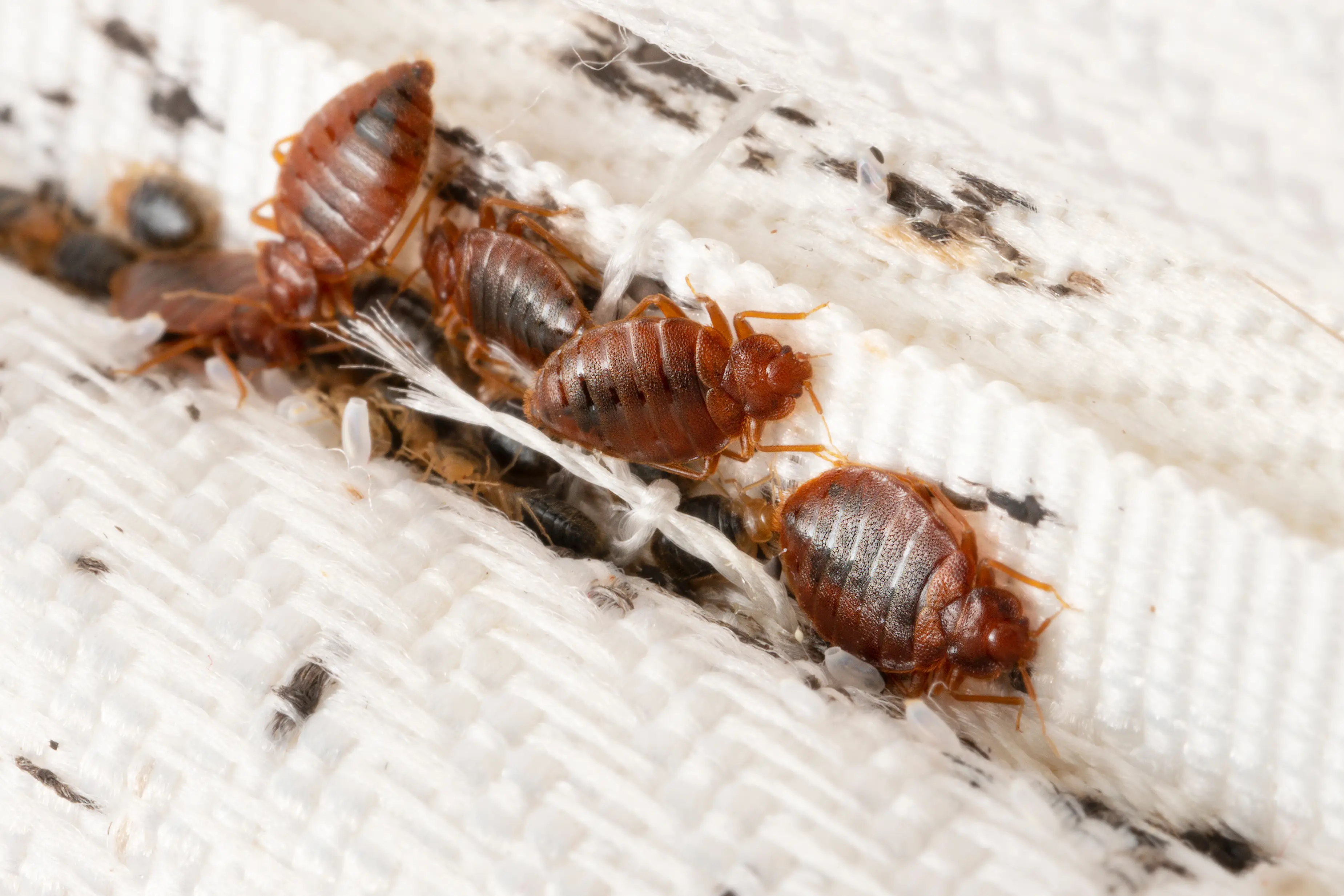
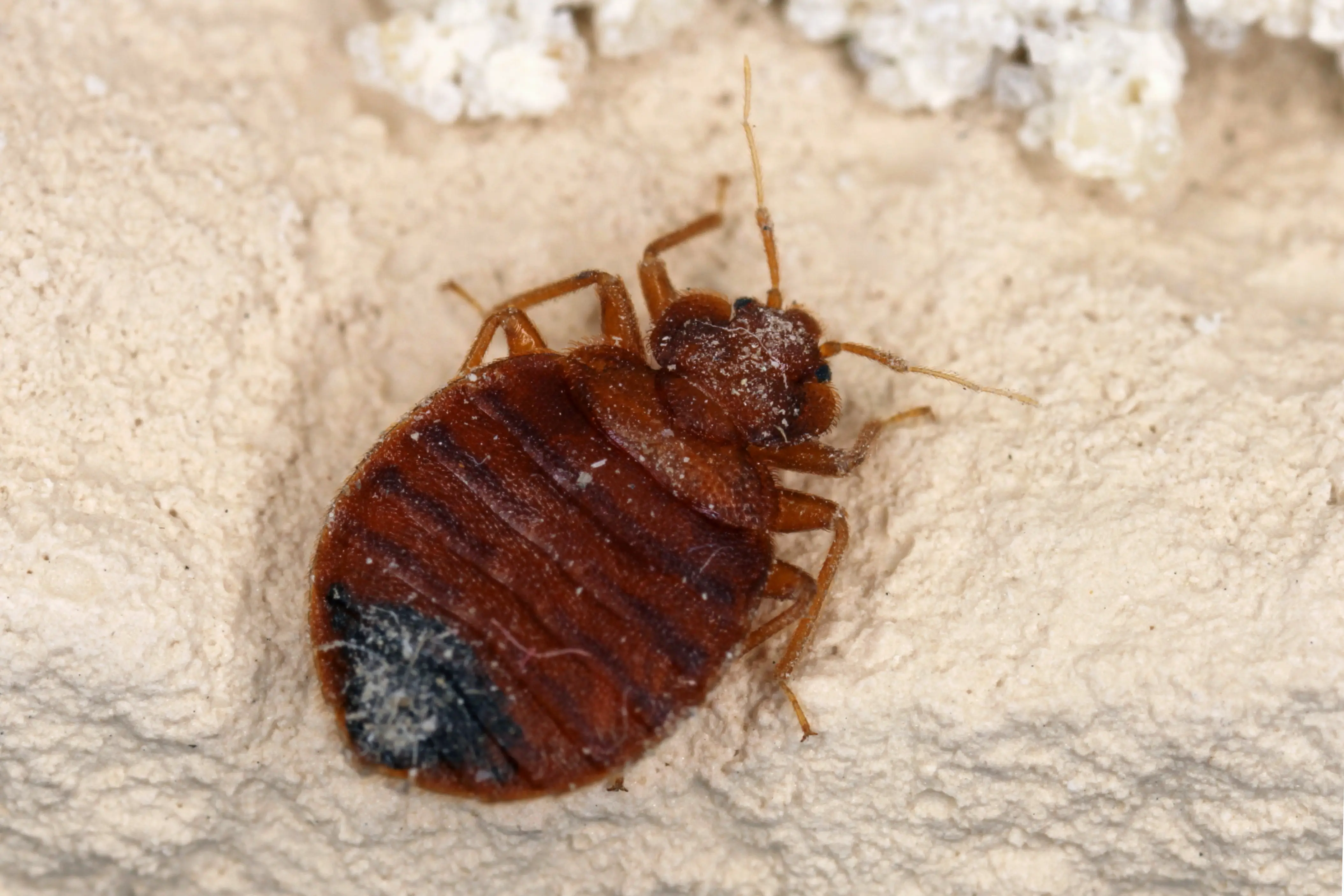
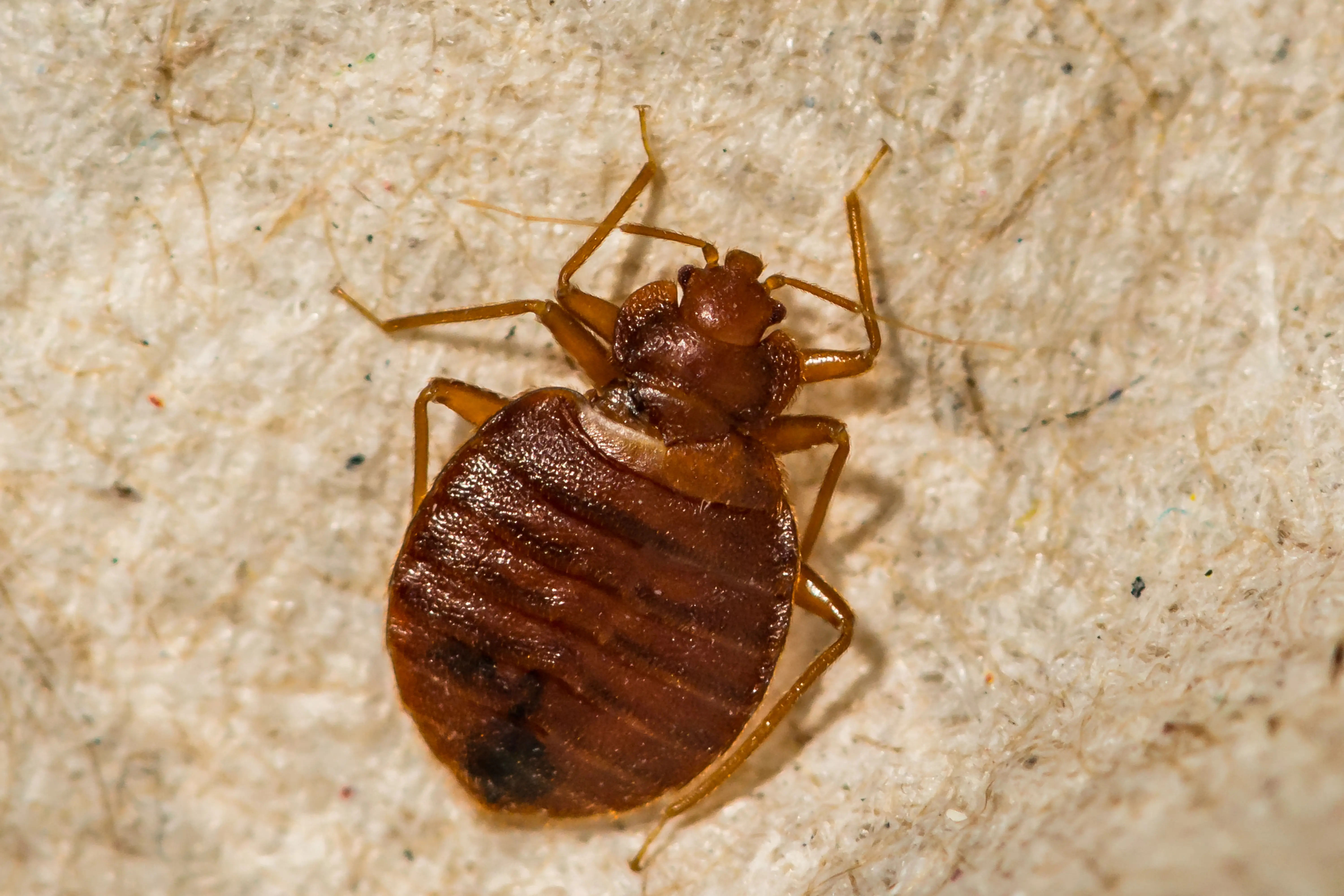
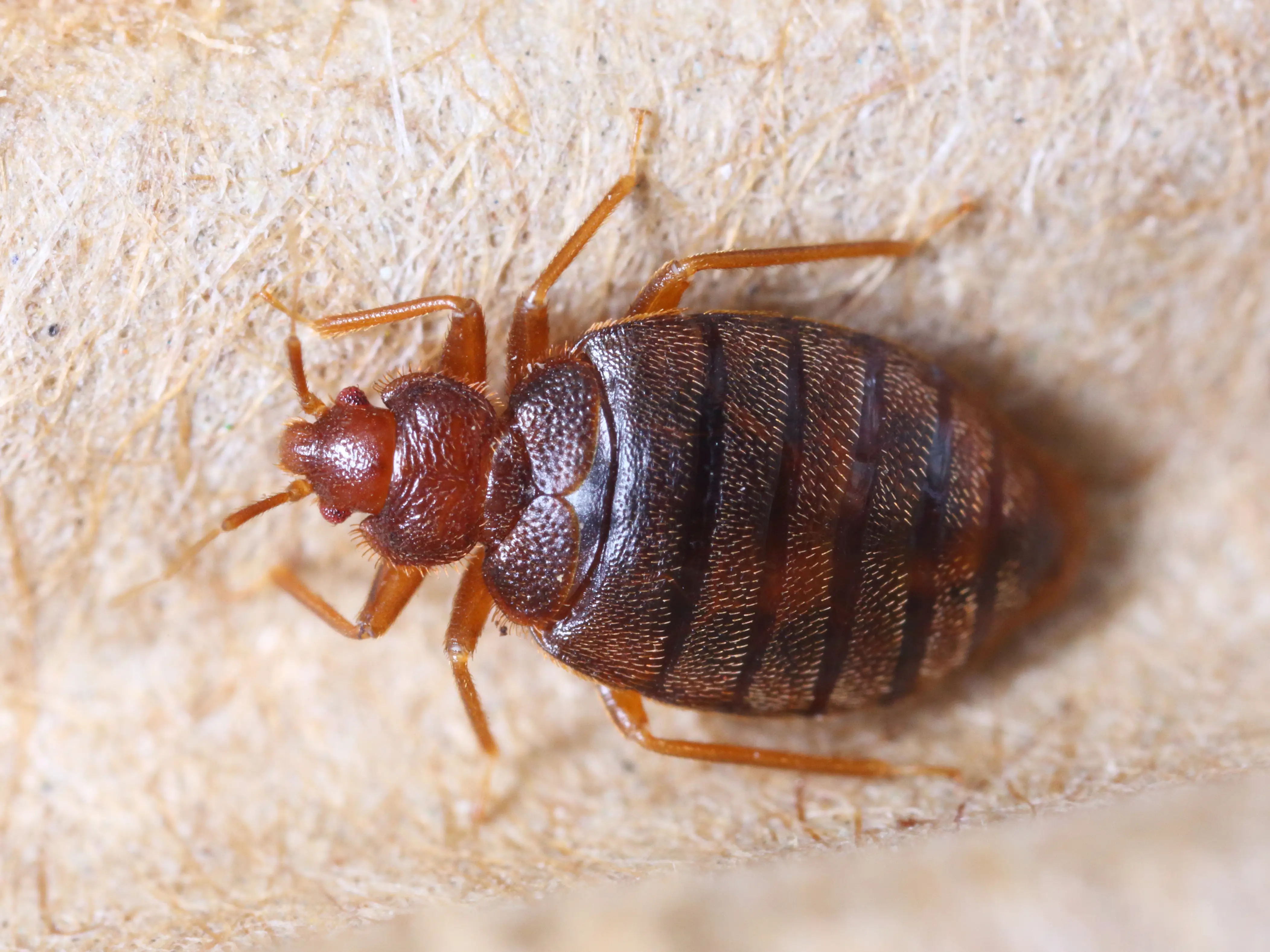
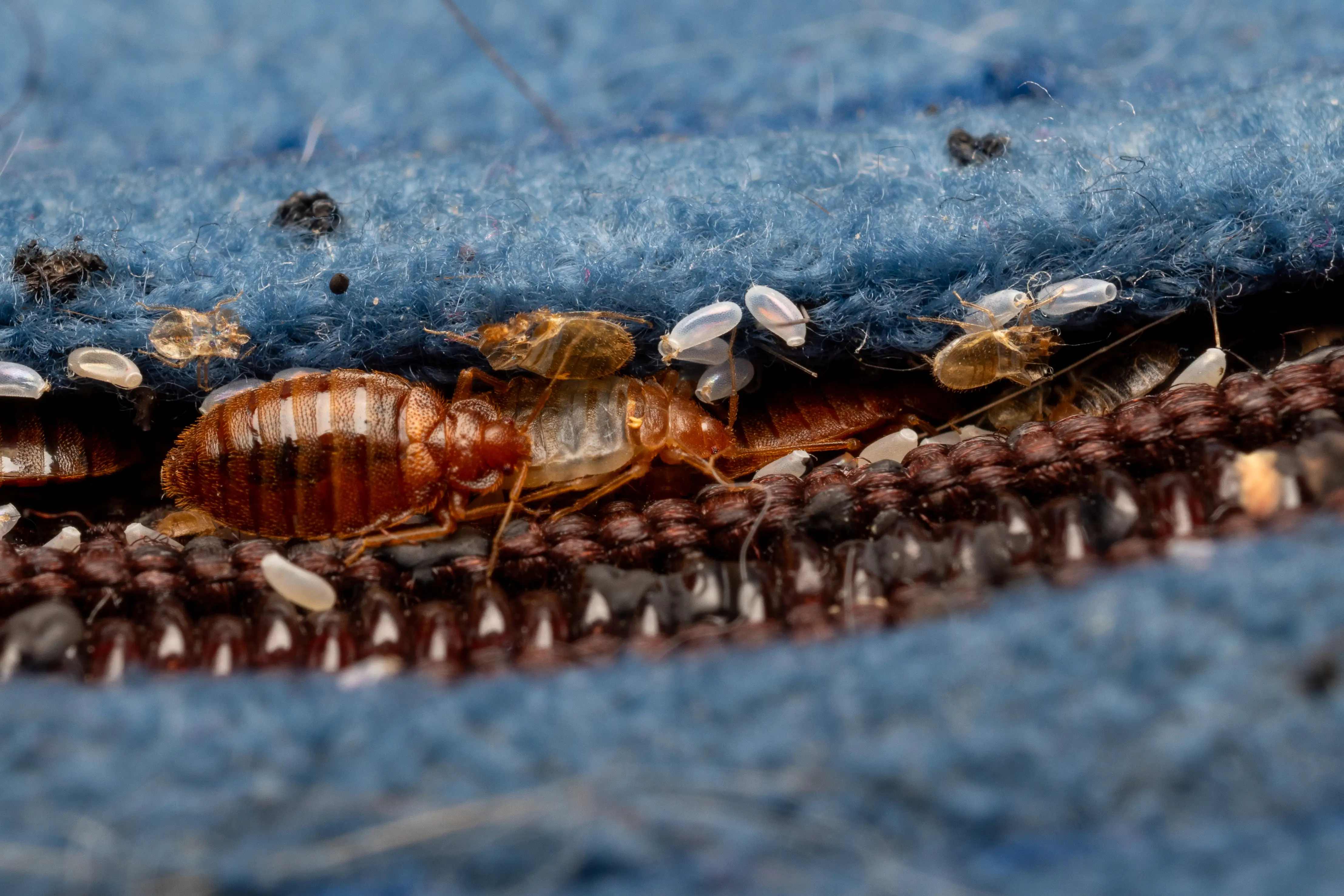
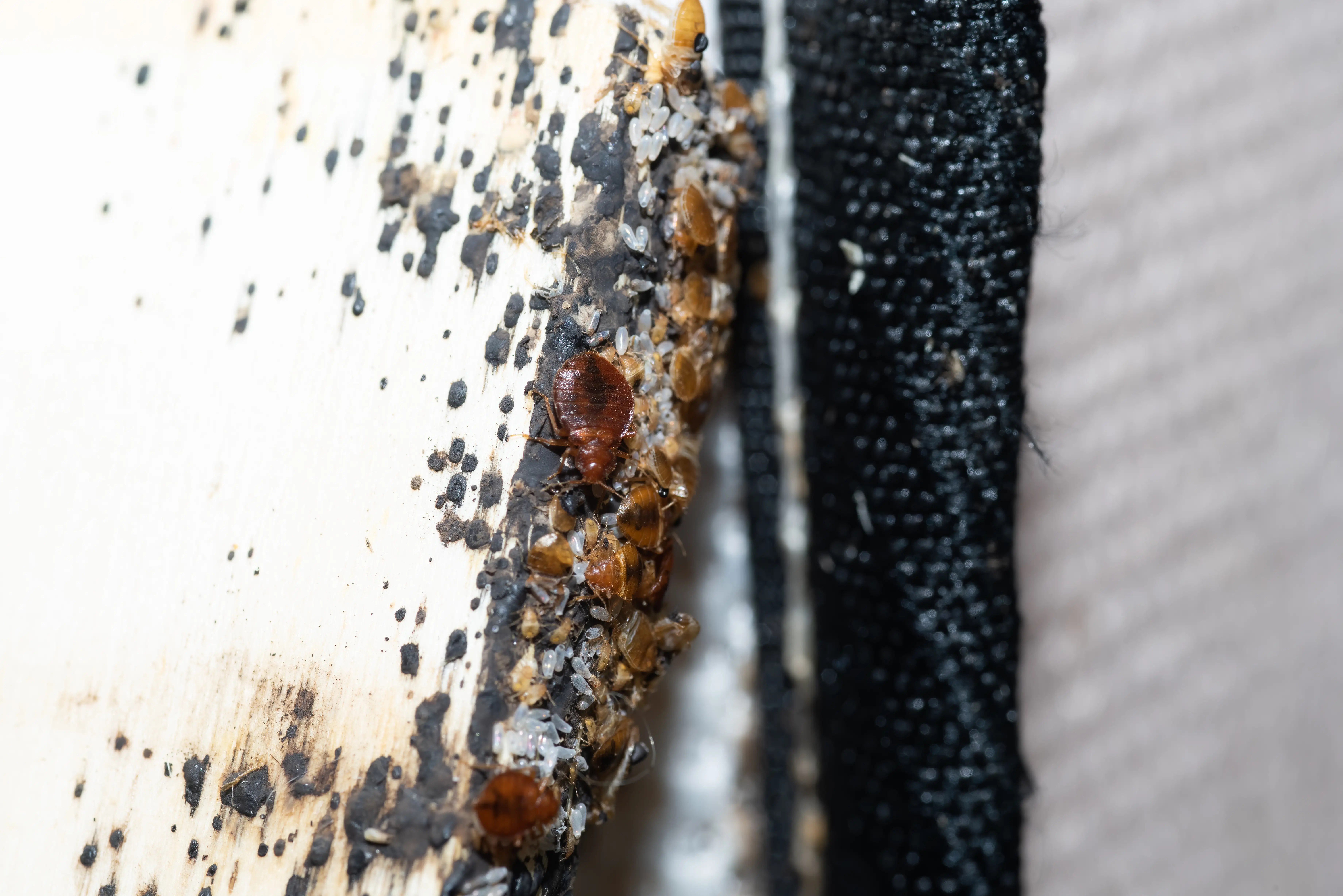
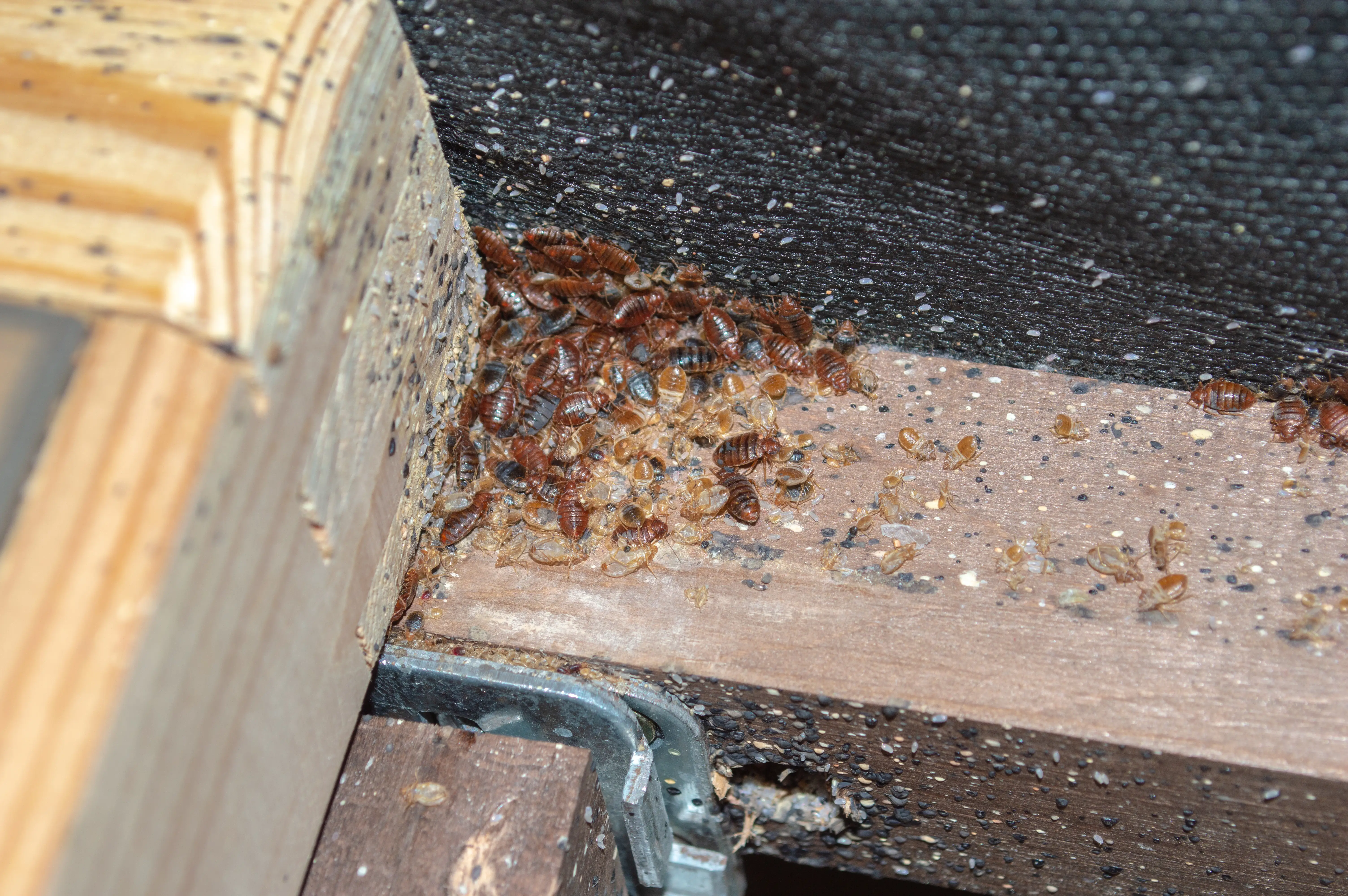
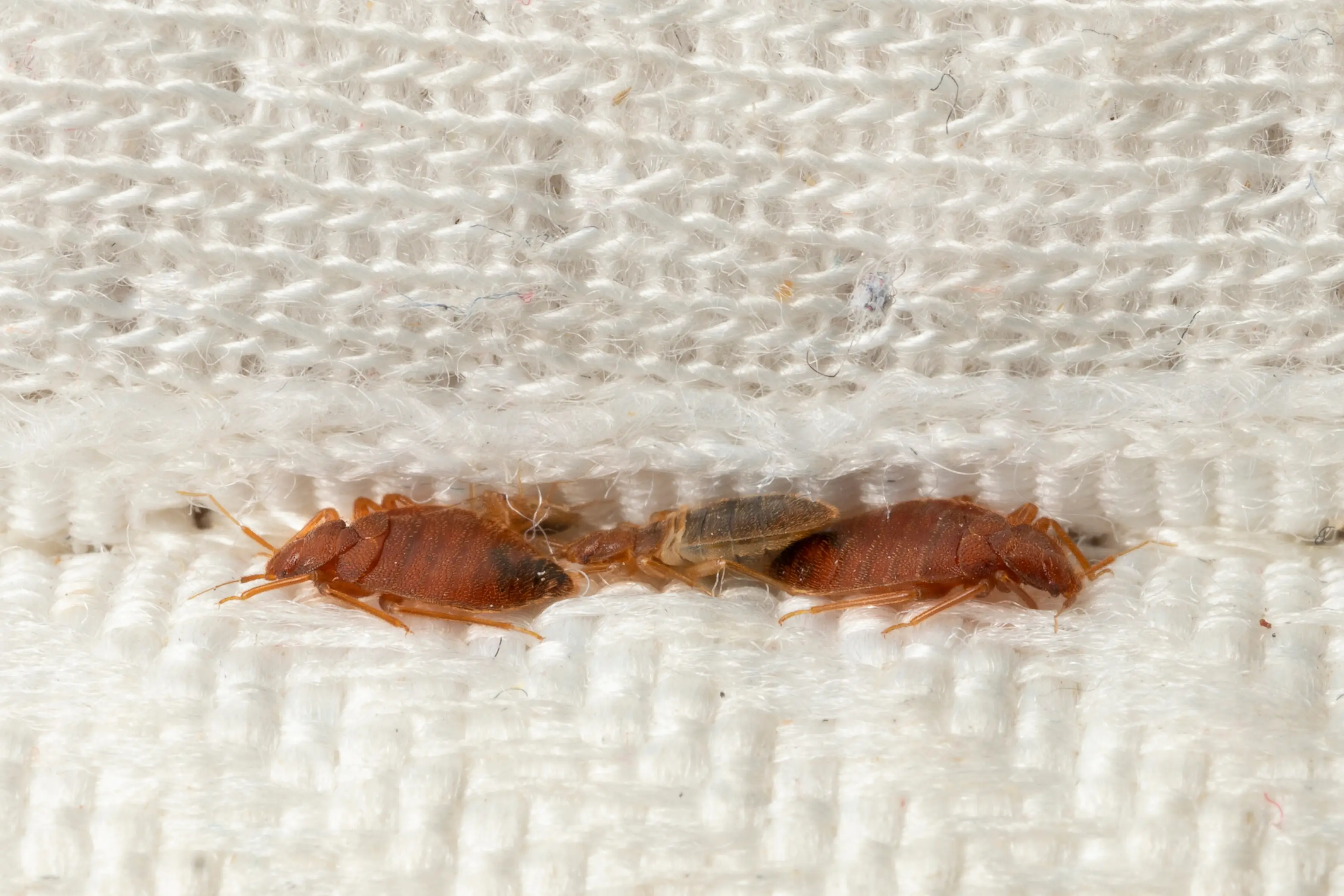
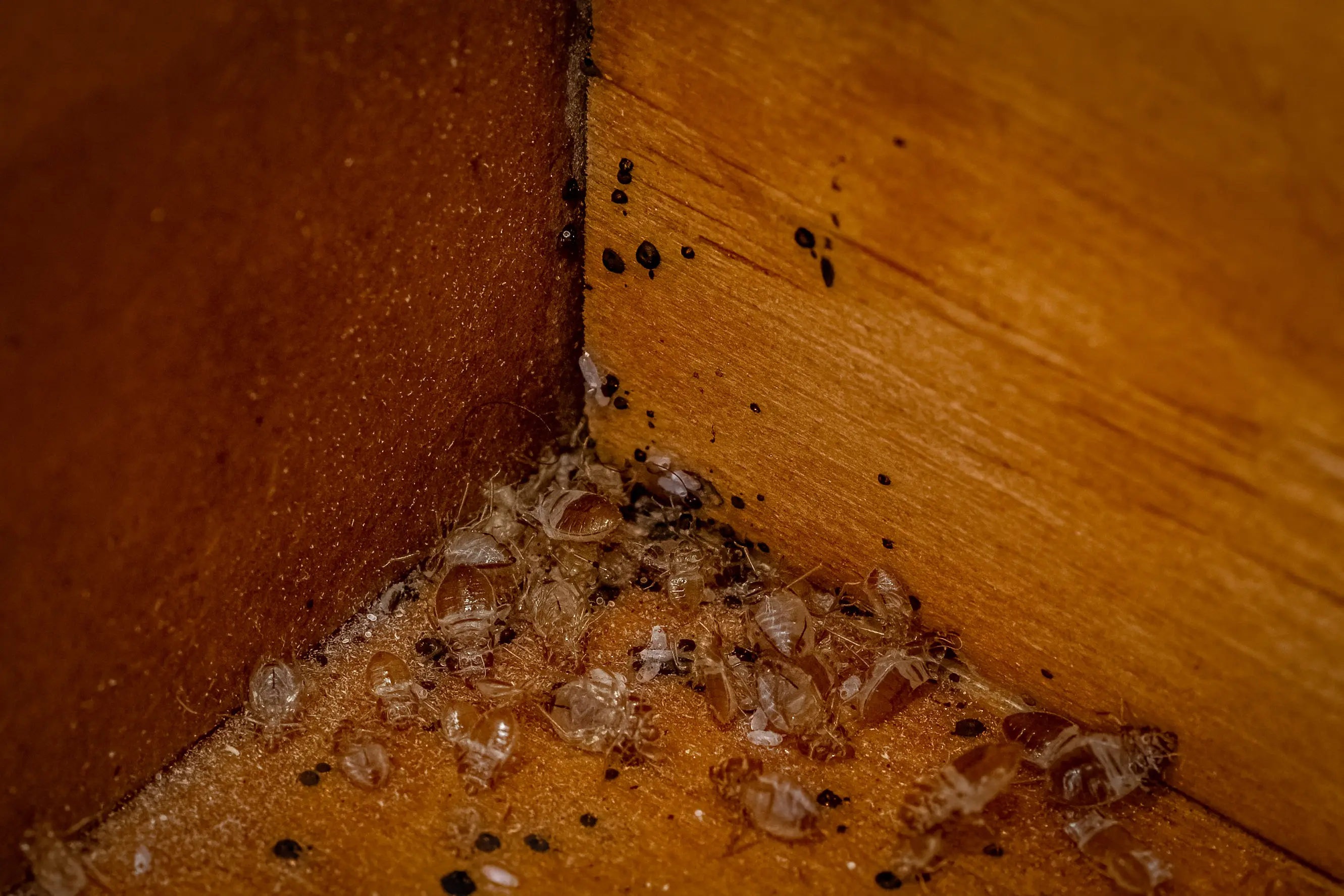
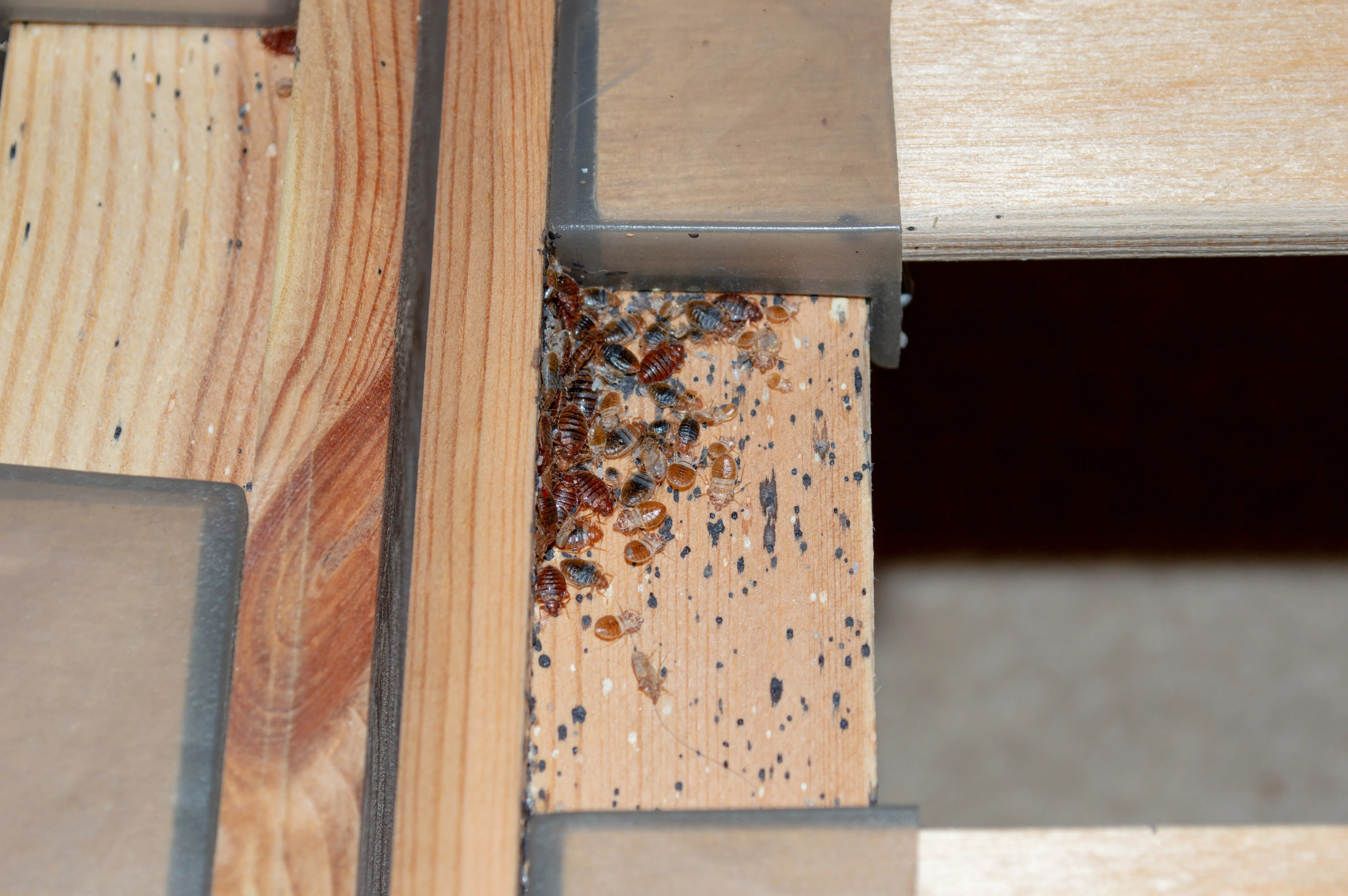
Bed bugs are nocturnal pests that spend most of their time concealed in dark, inaccessible spaces like mattress seams, furniture crevices, and wall cracks. Their elusive behavior makes them particularly difficult to detect and treat.

These pests emerge from hiding late at night when most people are in a deep sleep, taking advantage of unsuspecting hosts. The frequency of their feeding is influenced by host availability, population size, and environmental conditions.

Quick Answer

An average bed bug feeds once every 5 to 10 days. Each feeding session lasts 5 to 10 minutes until fully engorged. They can survive 3 to 5 months without feeding in normal conditions, or up to 400 days in ideal laboratory conditions.
Bed Bug Feeding Behavior

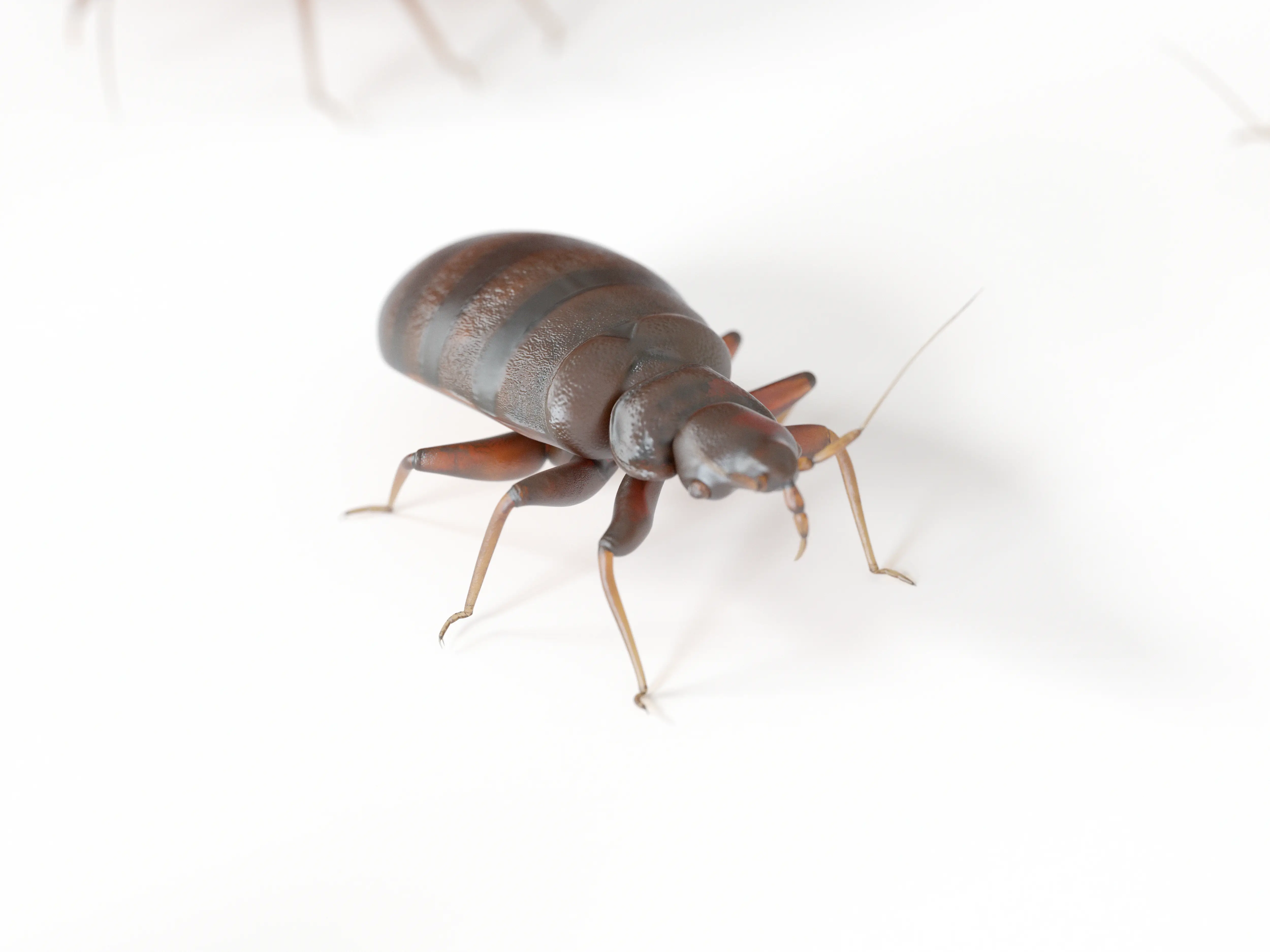
Bed bug feeding behavior is both unique and disturbing due to its stealth and efficiency. These nocturnal insects are most active at night when hosts are usually resting and still.

The Probing Process

A bed bug uses its sharp, straw-like mouthpart to probe the skin searching for an optimal capillary. This results in multiple bites before feeding begins, leading to distinctive patterns of several bites in close proximity.

Bite Patterns

There is no specific pattern to their bites. The layout is often influenced by disruptions like the host moving or where the bed bug has access to exposed skin. Linear or cluster arrangements are common.

Saliva and Feeding

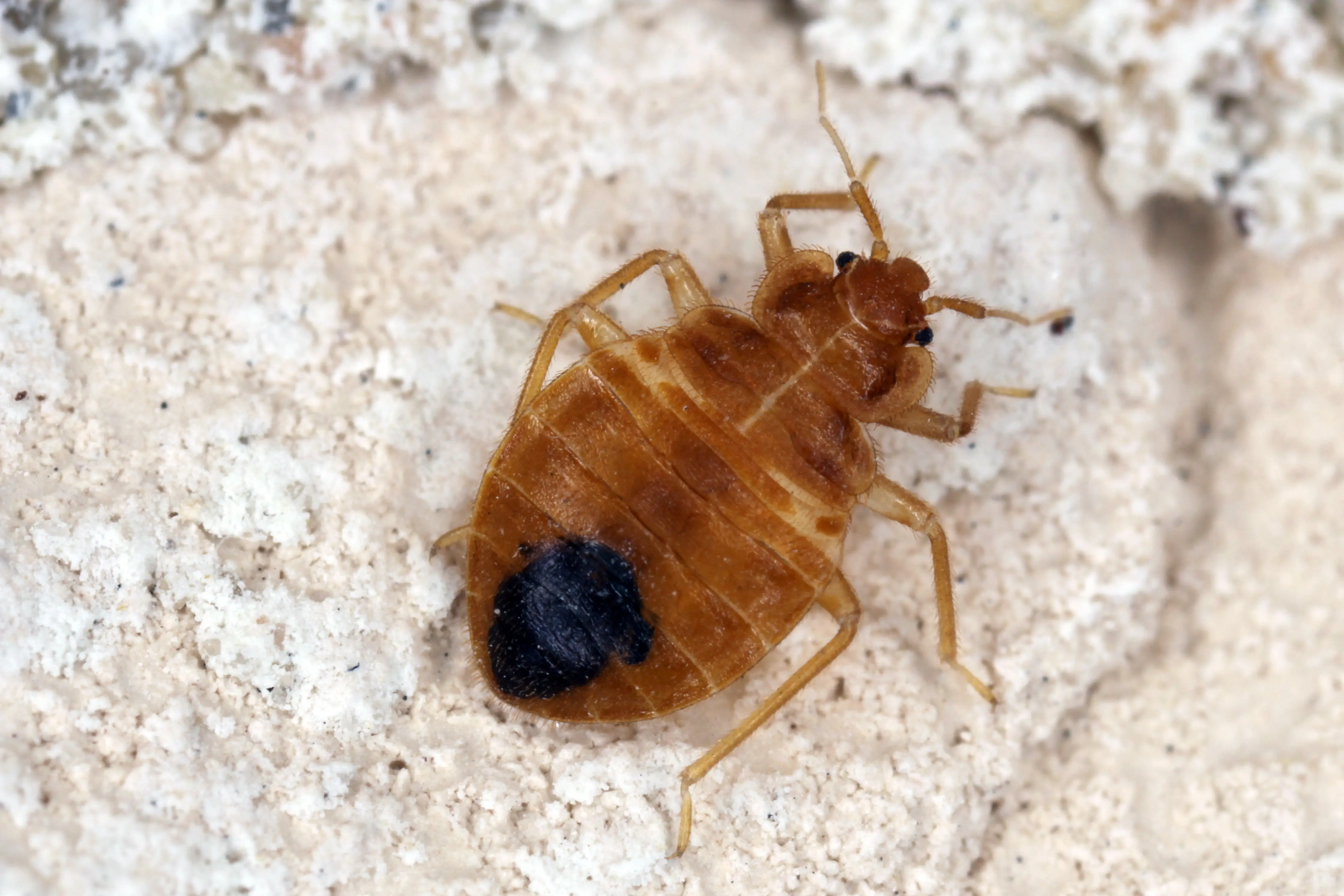
Their saliva contains anesthetics and anticoagulants, numbing the bite area and preventing blood from clotting. This allows them to feed unnoticed for 5 to 10 minutes until fully engorged.

After Feeding

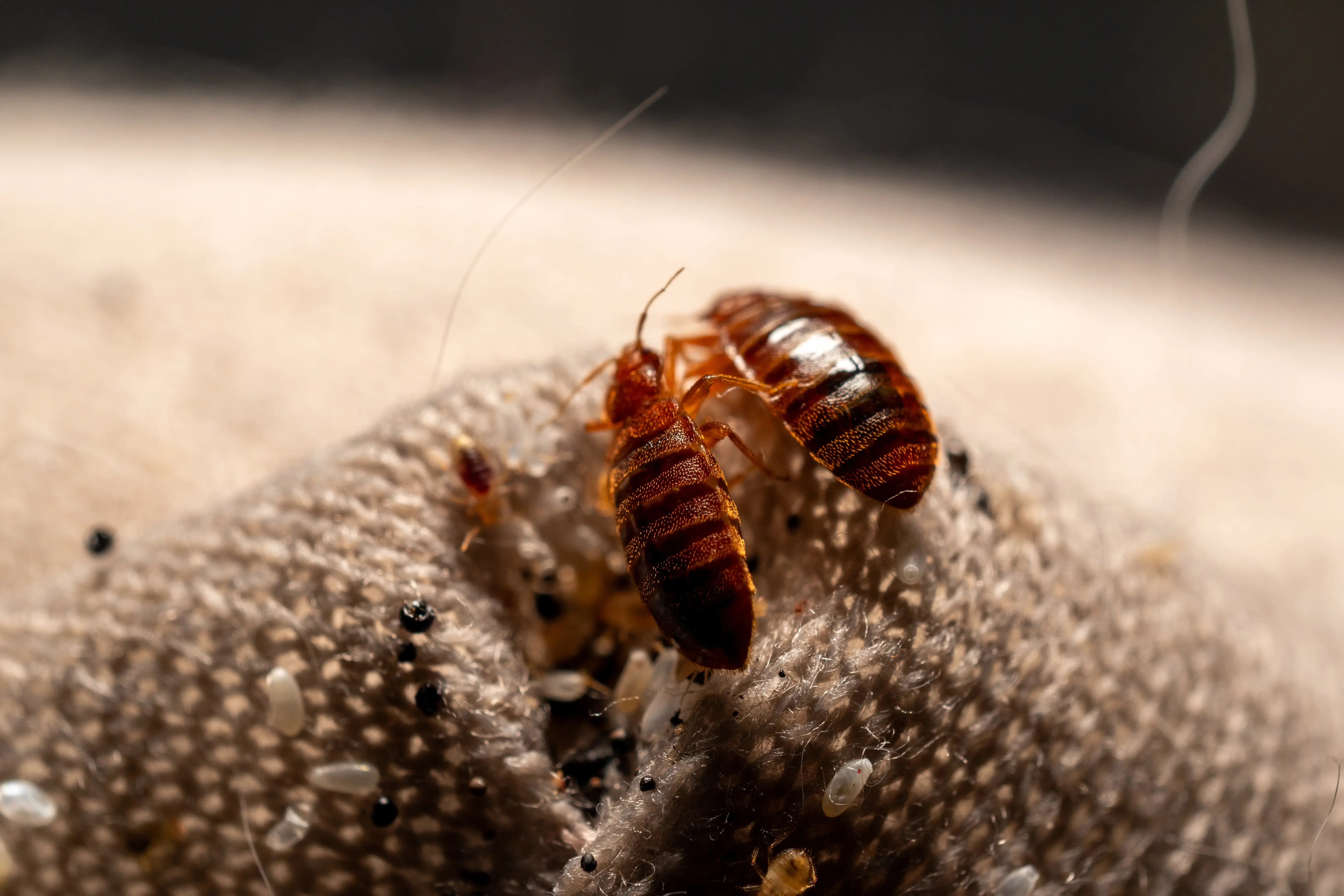
After feeding, bed bugs retreat to their hiding places to digest their meal, mate, and lay eggs. They do not require daily feedings because they can survive on a single blood meal for five to ten days before needing to feed again.

Do Bed Bugs Feed Every Night?

Bed bugs have a feeding pattern primarily dictated by their life cycle and reproductive needs. Typically, an average bed bug feeds once every 5 to 10 days. During each feeding event, they take enough blood to sustain them through to the next developmental stage or reproduction opportunity.

Standard Feeding

5-10
days apart

Bed bugs adjust feeding frequency based on host availability and environmental conditions.

Reproductive Females

2-3
days apart

Females in reproductive cycles feed more frequently to support the high energy demand of egg production.

Why Do Bed Bugs Need to Feed Frequently?

Bed bugs need to feed frequently primarily due to the demands of their reproductive and developmental cycles.

Female Reproduction

The frequency of feeding is directly linked to reproductive output. Regular blood meals significantly boost egg production.

An adult female (living up to a year) can lay 1 to 7 eggs per day for about 10 days following each feeding. Weekly feeding produces substantially more eggs over her lifetime.

Nymph Development

Nymphs require blood meals to progress through each of their five developmental stages before maturing into adults.

Under ideal conditions, this process takes less than two months. Each feeding provides nutrients for growth and triggers the molting process where nymphs shed exoskeletons to grow larger.

Bed Bug Population Feeding

The presence of even a single bed bug can be a precursor to a much larger infestation as these pests rarely operate solo. In established colonies, the situation escalates quickly due to their communal feeding behavior.

The "Perfect Feeding Storm"

Each colony member requires regular blood meals to survive and reproduce. As the population grows, demand for blood increases exponentially, leading to frequent and numerous bites on human hosts. This intensive feeding cycle increases the risk of severe infestations spreading throughout the dwelling. As more bed bugs reach maturity and reproduce, the frequency and severity of bites continue to escalate.

Waking Up with Multiple Bites?

Multiple bites indicate an established colony. Professional treatment targets all life stages.

Call (866) 326-2847

Conditions That Affect Feeding Frequency

Bed bug feeding frequency can be significantly influenced by environmental conditions, particularly temperature.

Optimal Conditions (~78°F)

  • Bed bugs are more active
  • Feed regularly
  • Reproduce at higher rates
  • Life cycle accelerates
  • Rapid population growth
  • More frequent and numerous bites

Cooler Temperatures

  • Metabolism slows down
  • Less frequent feeding
  • Activity does NOT stop entirely
  • Will continue to feed, just less often
  • Can survive and wait for better conditions
  • Resume normal activity when temps rise

Important Note

A temporary dip in bed bug activity due to cooler temperatures does not indicate elimination. Once temperatures return to their preferred range, bed bugs will resume their former feeding and reproductive rates.

How Long Can Bed Bugs Survive Without Feeding?

Bed bugs are notorious for their ability to survive extended periods without a blood meal. This capability allows them to lay dormant until conditions improve or a host becomes available.

400
days maximum

Under optimal laboratory conditions (ideal temperature and humidity)

3-5
months typical

In normal home conditions with room temperature and relative humidity

Extended
in cool environments

Cooler temps slow metabolism, extending survival beyond typical range

This ability to adapt and endure without frequent feeding makes bed bugs particularly tough to eradicate once they have established a presence in a home. They can persist in unoccupied spaces waiting for a host to return.

How to Get Rid of Bed Bugs

Eradicating bed bugs requires a strategic and thorough approach as these pests are notoriously resilient and can survive for months without feeding.

Step 1: Confirm the Infestation

Conduct a detailed inspection looking for common signs:

  • Small blood stains on bedding
  • Dark or rusty spots (excrement) on mattresses and walls
  • Shed bed bug skins
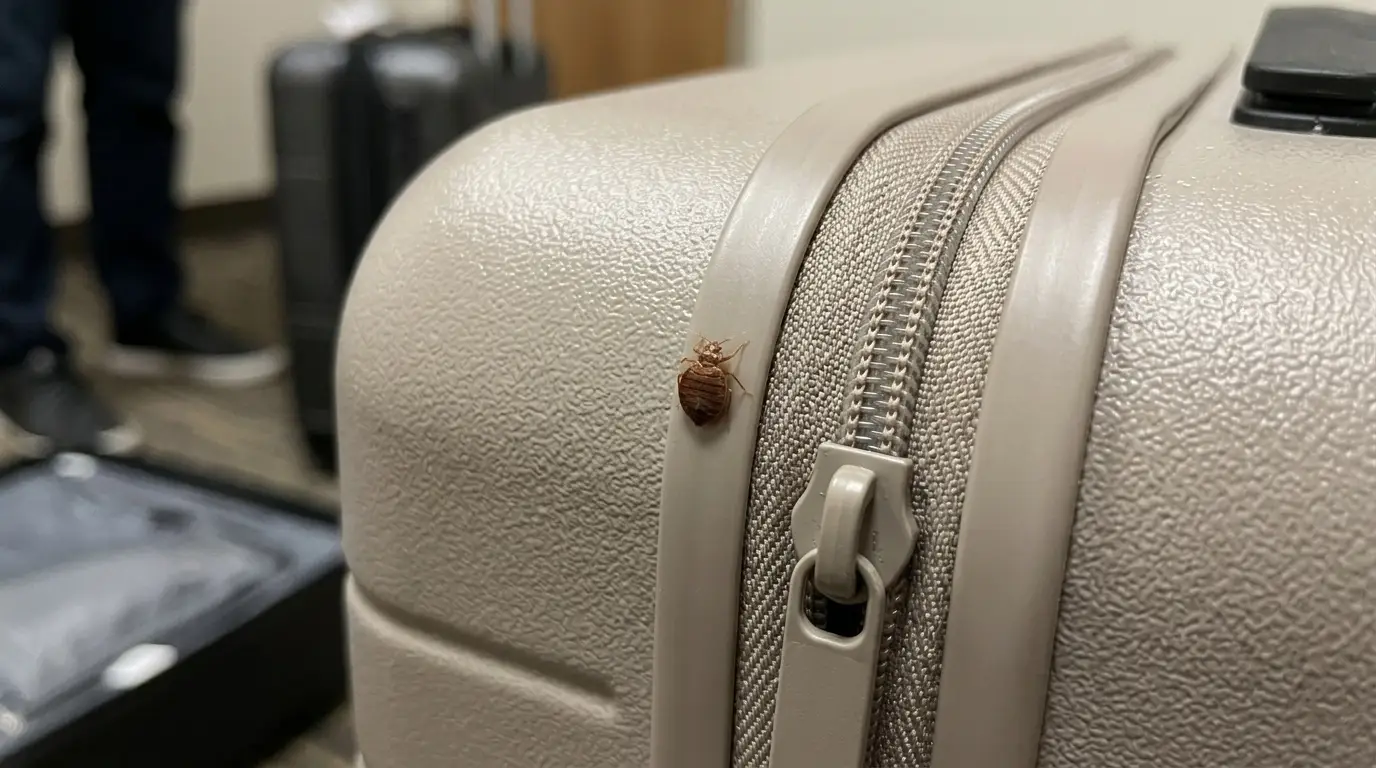
  • Bugs in furniture crevices, cushion folds, and curtains

Step 2: Professional Treatment

Professionals are trained to identify hiding spots and understand bed bug behavior for more effective eradication:

  • Chemical and non-chemical methods
  • Heat treatment (not available to general public)
  • Targets all stages: eggs, nymphs, and adults
  • Prevents resurgence from missed eggs or nymphs

Why Professional Treatment?

Given the complexity and persistence of bed bugs, professional intervention is the most reliable way to ensure complete elimination. Missing even a small number of eggs or nymphs can lead to a resurgence of the infestation.

Contact EcoGuard if You Are Dealing with Bed Bugs

If you are facing a bed bug infestation, do not wait for the problem to escalate. Contact EcoGuard Pest Management for professional, effective solutions tailored to eradicate bed bugs from your home. Our team of experts is equipped with the knowledge and tools needed to tackle even the most challenging infestations, ensuring your living space is bed bug-free.

Call (866) 326-2847Get Free Quote

Bed Bug Feeding FAQs

Do bed bugs all feed at once?

Bed bugs do not all feed at once. While they are typically more active and feed at night, their feeding times can vary individually within a colony. Bed bugs tend to feed opportunistically when a host is available, and not every bug in the colony may feed at the same time.

How long can bed bugs go without feeding?

Bed bugs can survive without feeding for surprisingly long periods, ranging from 20 to 400 days depending on environmental conditions such as temperature and humidity and the stage of the bed bug life cycle they are in. Generally, in normal room conditions, adult bed bugs can live about three to five months without a blood meal. This remarkable survival ability allows them to persist even in unoccupied spaces while they wait for a host to return.

How many times does a bed bug bite?

A bed bug can bite multiple times during one feeding session if it is disturbed while feeding or if it has difficulty finding a blood vessel. Typically, a bed bug will continue to bite and move in a line until it has successfully filled with blood, which can result in several bites in a close pattern on the skin of the host. This behavior often leads to the characteristic linear or clustered group of bites seen after a bed bug feeding.

What draws bed bugs out of hiding?

Bed bugs are primarily drawn out of hiding by the presence of carbon dioxide and warmth, which they can sense from a sleeping host. These cues signal to bed bugs that a potential blood meal is nearby and prompt them to emerge from their hiding spots. Additionally, bed bugs are attracted to certain chemical signals like pheromones emitted by humans.

From Our Blog

Related Articles

7 Stages of the Bed Bug Life Cycle | Complete Guide

7 Stages of the Bed Bug Life Cycle | Complete Guide

Learn the 7 stages of bed bug life cycle from egg to adult. Understand bed bug lifespan, reproduction, and why they are...

Read Article
Are Bed Bugs Dangerous to Humans? Health Risks

Are Bed Bugs Dangerous to Humans? Health Risks

Learn about bed bug health risks including bites, allergic reactions, mental health impacts, and how to identify and...

Read Article
Bed Bug Bites vs Mosquito Bites: How to Tell the Difference

Bed Bug Bites vs Mosquito Bites: How to Tell the Difference

Learn how to identify bed bug bites vs mosquito bites. Compare appearance, patterns, symptoms, healing time, and get...

Read Article
Bed Bug Heat Treatment: Is It Effective? Complete Guide

Bed Bug Heat Treatment: Is It Effective? Complete Guide

Learn how bed bug heat treatment works, pros and cons, costs, preparation steps, and what to expect. Discover why heat...

Read Article
Bed Bugs vs Fleas vs Ticks: Key Differences & How to Identify

Bed Bugs vs Fleas vs Ticks: Key Differences & How to Identify

Learn the differences between bed bugs, fleas, and ticks. Compare size, appearance, bites, health risks, habitat, and...

Read Article
Do Bed Bugs Fly or Jump? How They Move and Spread

Do Bed Bugs Fly or Jump? How They Move and Spread

Learn whether bed bugs can fly or jump, how they move and spread, their speed, and how to use their limitations to...

Read Article
How Common Are Bed Bugs? Statistics & Prevention Guide

How Common Are Bed Bugs? Statistics & Prevention Guide

Discover how common bed bugs are in the US with statistics by home type, city, and state. Learn prevention tips and...

Read Article
How Do Bed Bugs Spread? Prevention & Control Guide

How Do Bed Bugs Spread? Prevention & Control Guide

Learn how bed bugs spread from room to room, house to house, and person to person. Discover prevention tips and how to...

Read Article
How Fast Do Bed Bugs Spread and Multiply?

How Fast Do Bed Bugs Spread and Multiply?

Learn how quickly bed bugs spread from room to room and multiply. Understand reproduction rates, movement speed, and...

Read Article
How Long Can Bed Bugs Live Without a Host? Survival Guide

How Long Can Bed Bugs Live Without a Host? Survival Guide

Learn how long bed bugs can survive without feeding, what diapause is, factors affecting survival, and why starving...

Read Article
How to Check for Bed Bugs: Complete Inspection Guide

How to Check for Bed Bugs: Complete Inspection Guide

Learn how to inspect for bed bugs at home, in hotels, and on used furniture. Know what signs to look for and where bed...

Read Article
How to Get Rid of Bed Bugs: Complete Treatment Guide

How to Get Rid of Bed Bugs: Complete Treatment Guide

Learn how to identify, contain, and eliminate bed bugs with heat treatment, chemical options, and prevention tips....

Read Article
How to Prepare for Bed Bug Treatment: Complete Checklist

How to Prepare for Bed Bug Treatment: Complete Checklist

Step-by-step bed bug treatment preparation checklist. Learn what to do before, during, and after professional bed bug...

Read Article
Signs of Bed Bugs: How to Identify an Infestation

Signs of Bed Bugs: How to Identify an Infestation

Learn the signs of bed bugs including bites, stains, droppings, and where they hide. Understand bed bug behavior and...

Read Article
What Are Bed Bugs? Facts, Appearance & Prevention Guide

What Are Bed Bugs? Facts, Appearance & Prevention Guide

Learn what bed bugs are, how they look, where they hide, and how to prevent and eliminate infestations. Complete bed...

Read Article
What Attracts Bed Bugs? Myths vs Facts

What Attracts Bed Bugs? Myths vs Facts

Learn what truly attracts bed bugs to your home. Discover the science behind bed bug attraction including warmth, CO2,...

Read Article
What Do Bed Bug Eggs Look Like? Identification Guide

What Do Bed Bug Eggs Look Like? Identification Guide

Learn how to identify bed bug eggs, where they are laid, how many a female produces, and effective methods to eliminate...

Read Article
What Does Bed Bug Poop Look Like? Identification & Cleanup Guide

What Does Bed Bug Poop Look Like? Identification & Cleanup Guide

Learn to identify bed bug droppings by color, size, and location. Understand why cleaning bed bug feces is critical and...

Read Article
Where Do Bed Bugs Come From?

Where Do Bed Bugs Come From?

Learn where bed bugs come from, the 7 most common places you pick them up, why they spread, and how to prevent bringing...

Read Article
Where Do Bed Bugs Hide? Common Hiding Spots

Where Do Bed Bugs Hide? Common Hiding Spots

Learn where bed bugs hide in your home, mattresses, furniture, and public places. Discover how to check for bed bugs...

Read Article