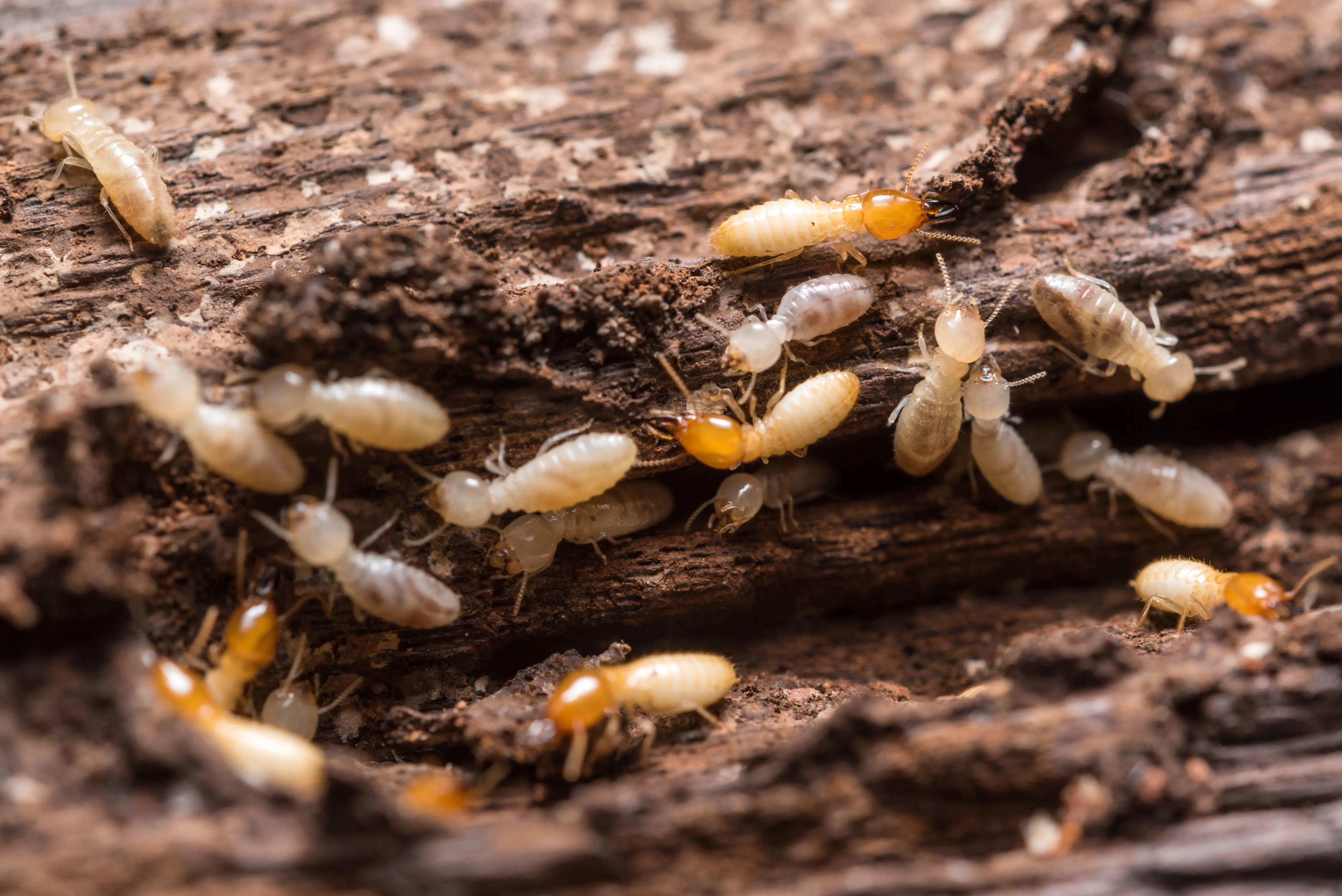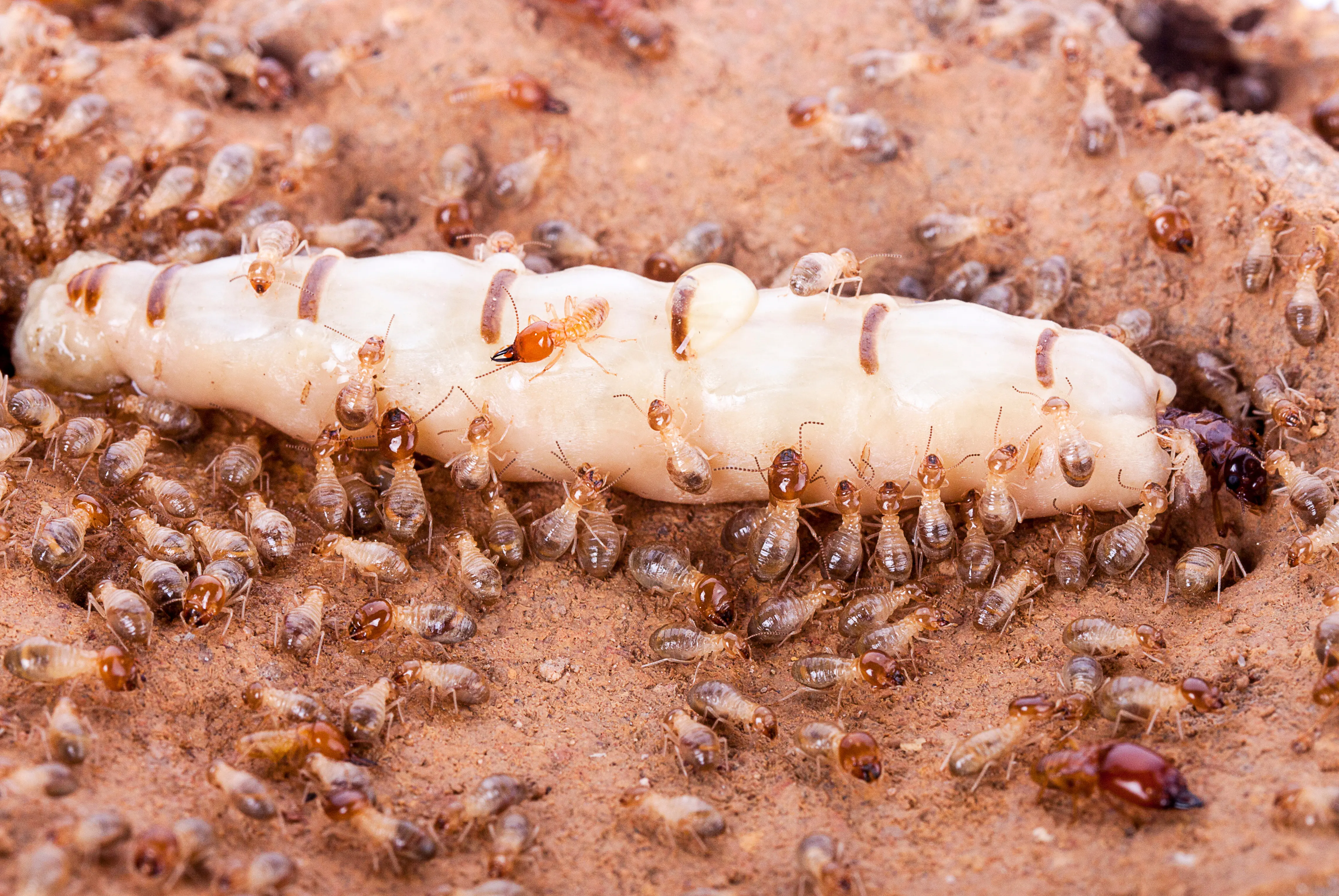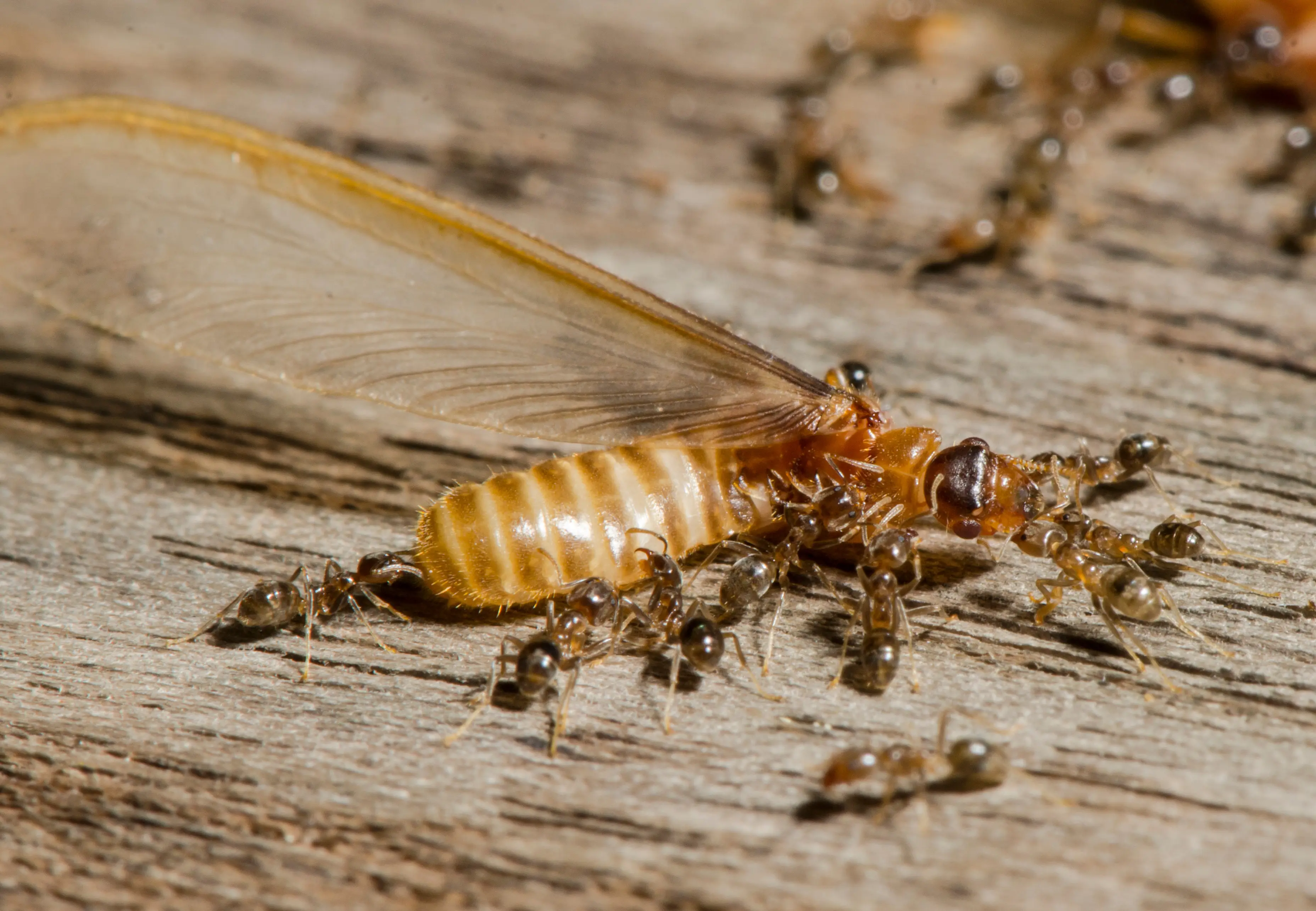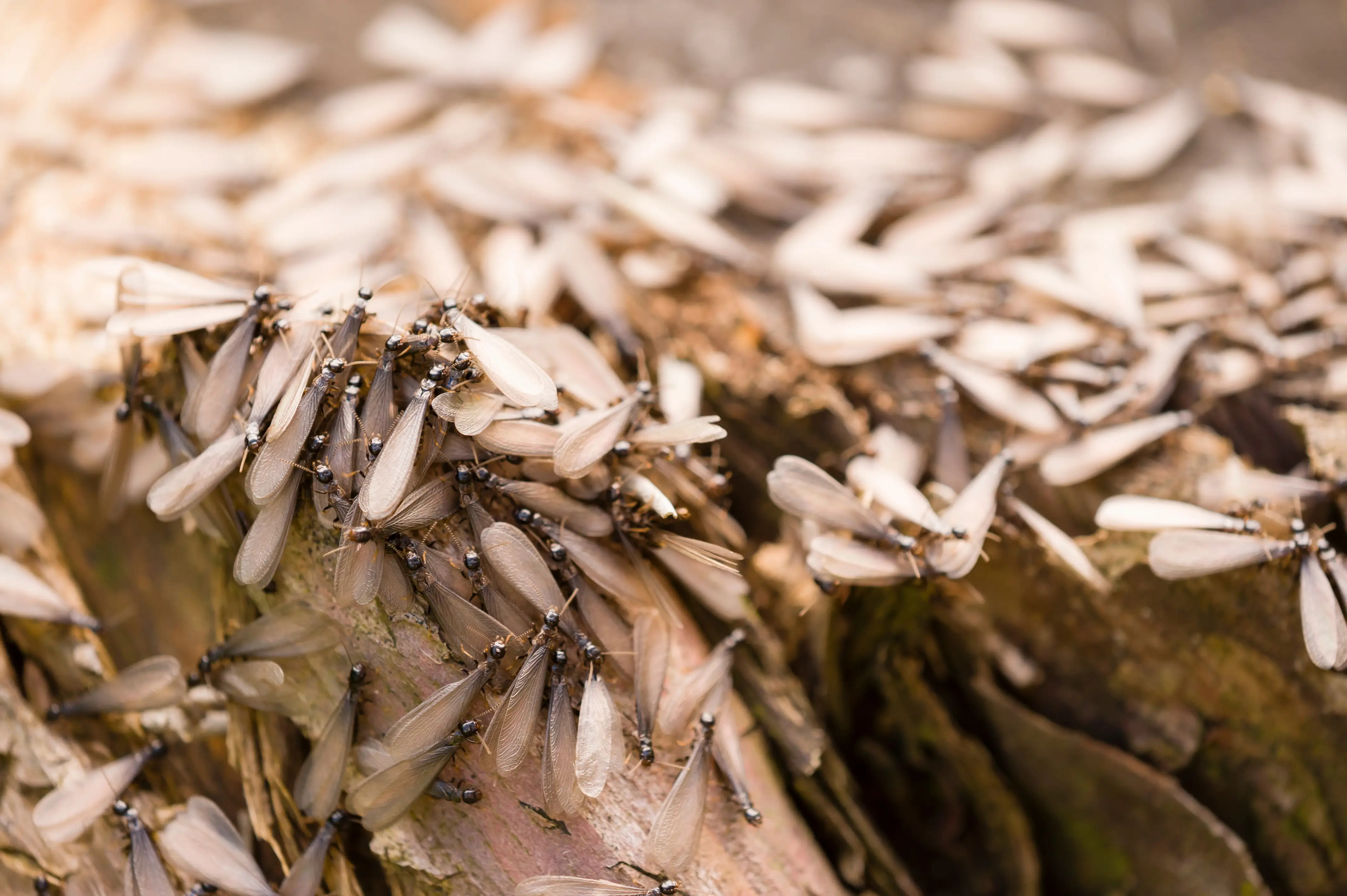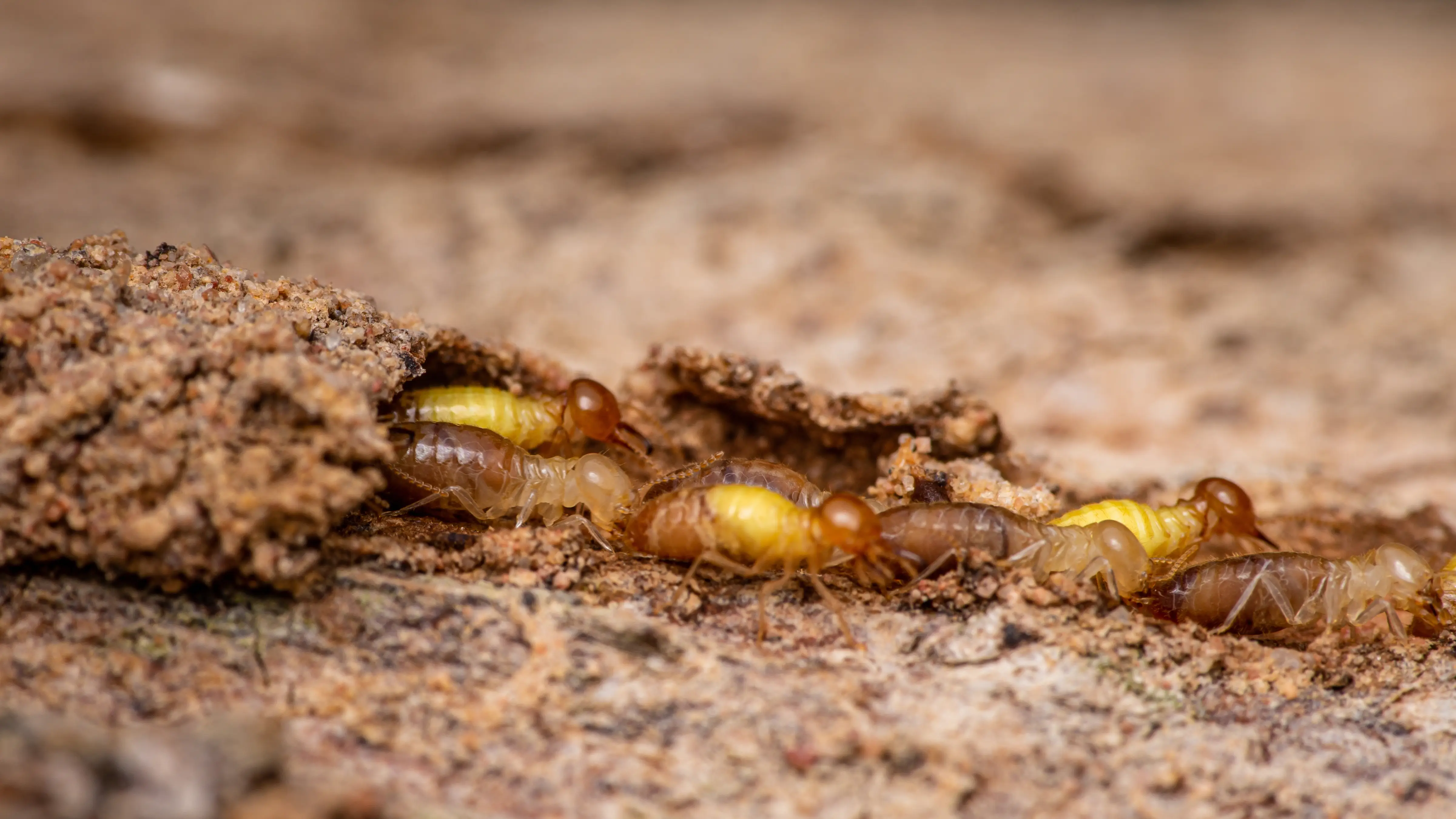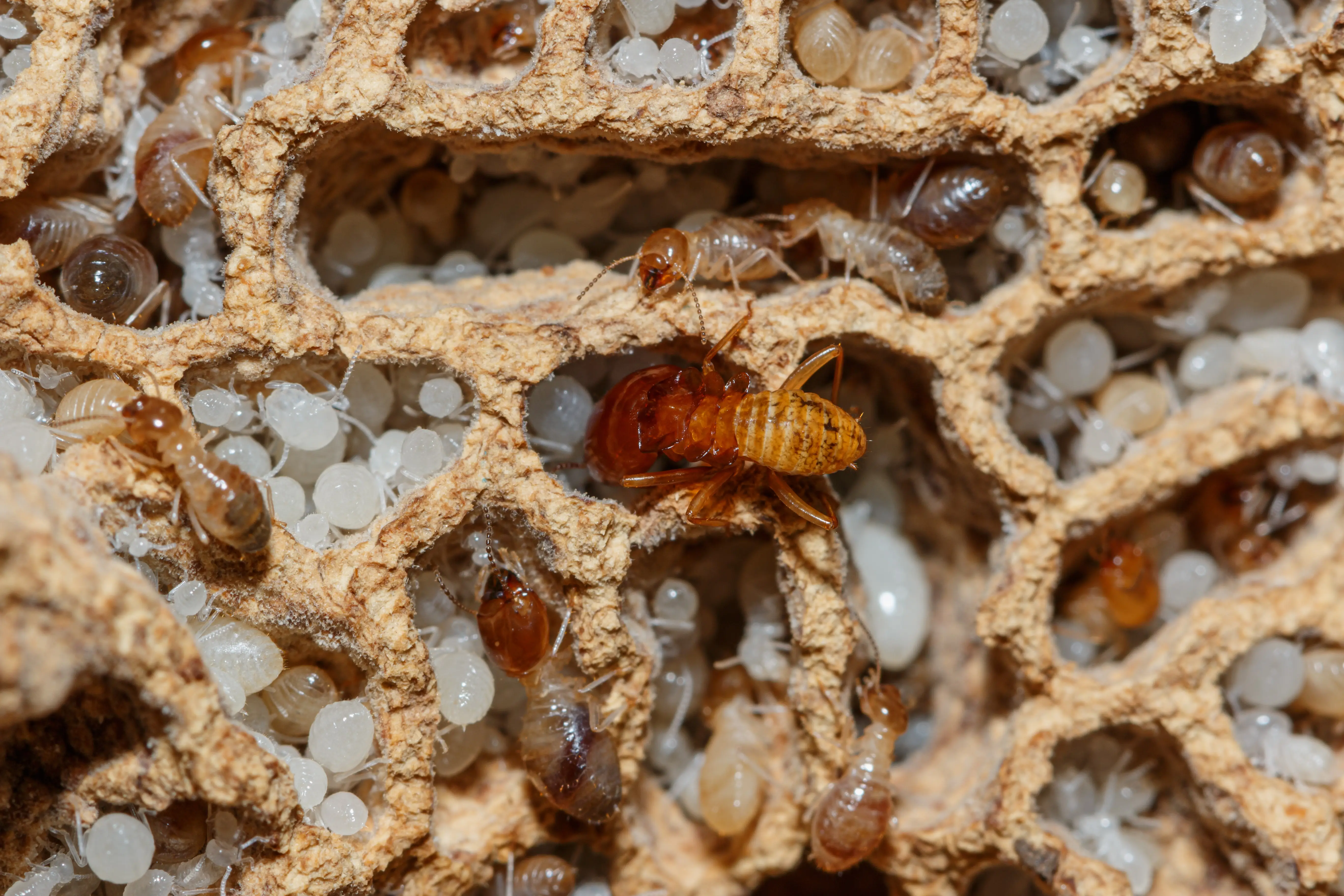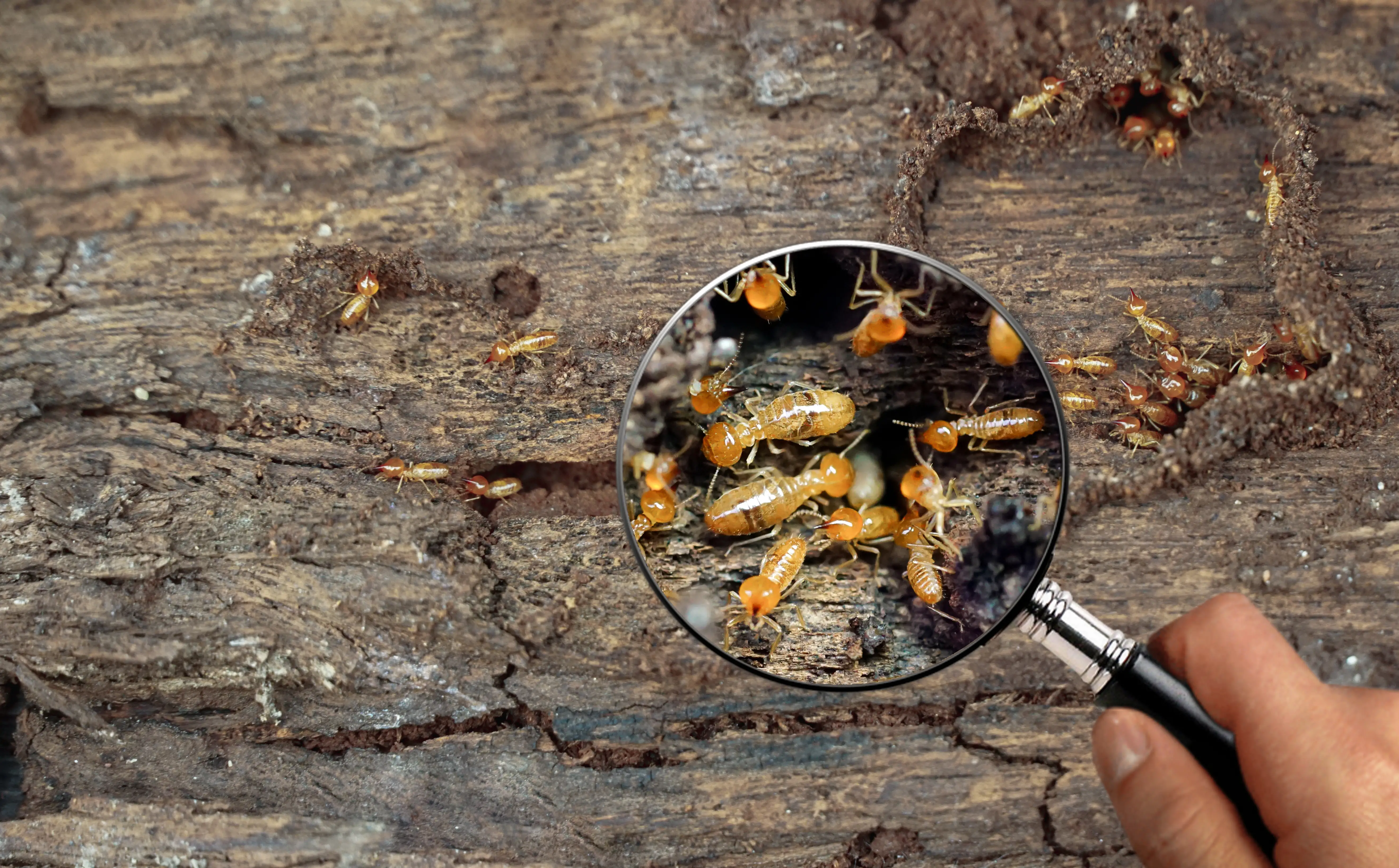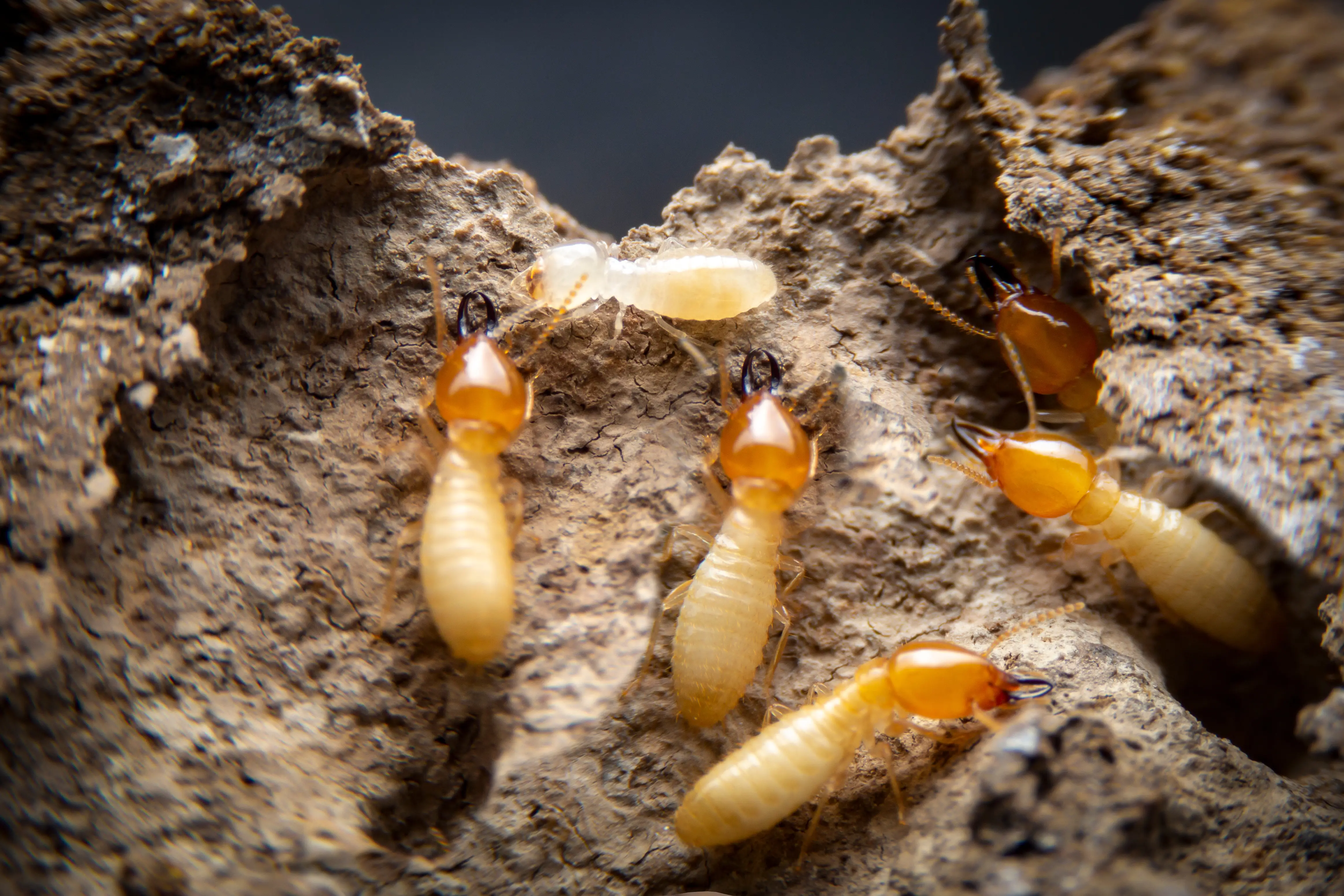
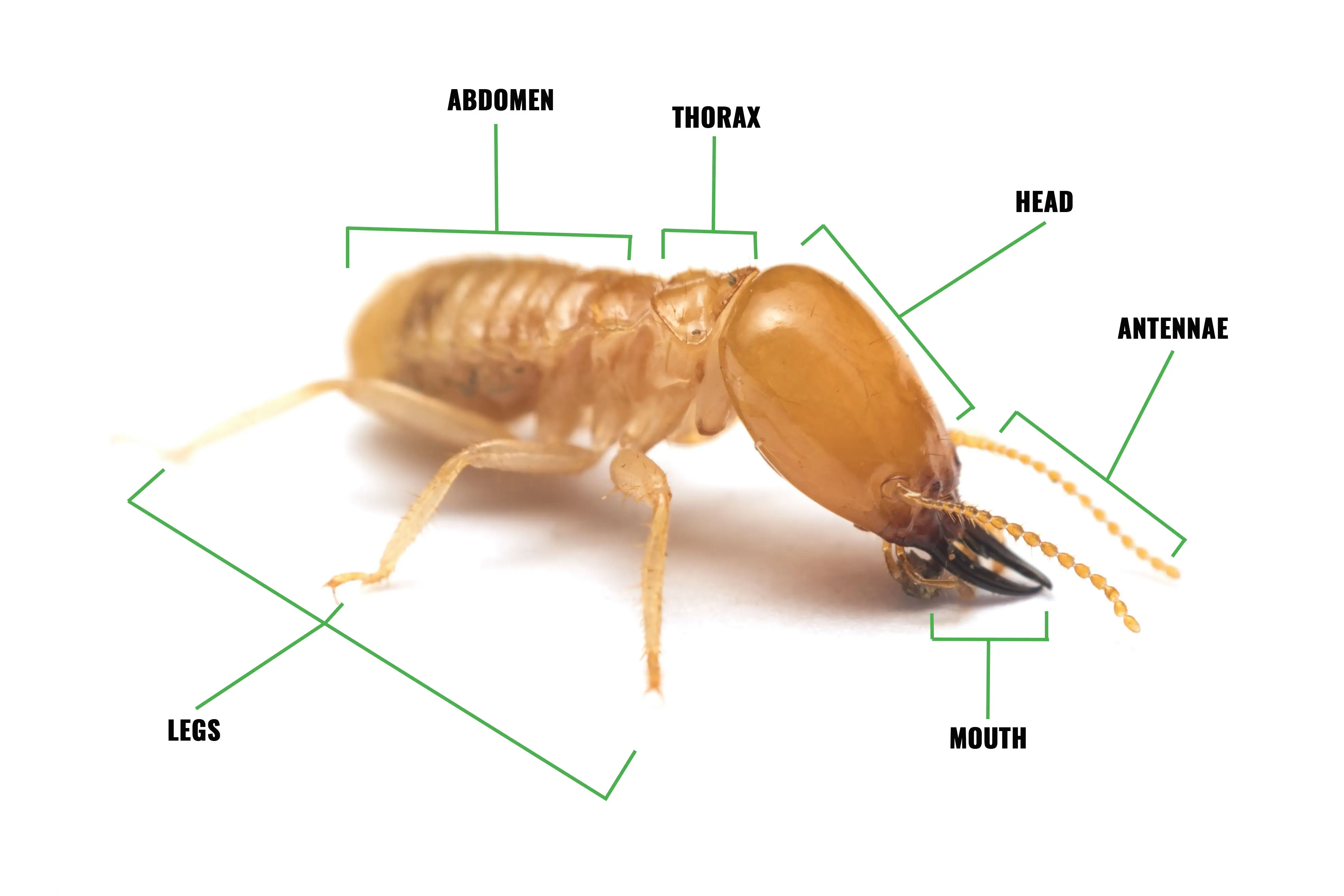
Termites are wood-consuming insects that belong to the order Isoptera within the phylum Arthropoda. There are over 2,000 species worldwide, with more than 40 found in the United States. While termites perform an important ecological role by breaking down dead wood and returning nutrients to soil, that same behavior directed at man-made structures can cause catastrophic damage.
Without the proper treatment, termite damage can render a home unlivable by compromising its structural integrity to the point where it is deemed unsafe for human habitation. Most damage goes unnoticed until colonies are fully mature, making early detection critical.
Quick Identification
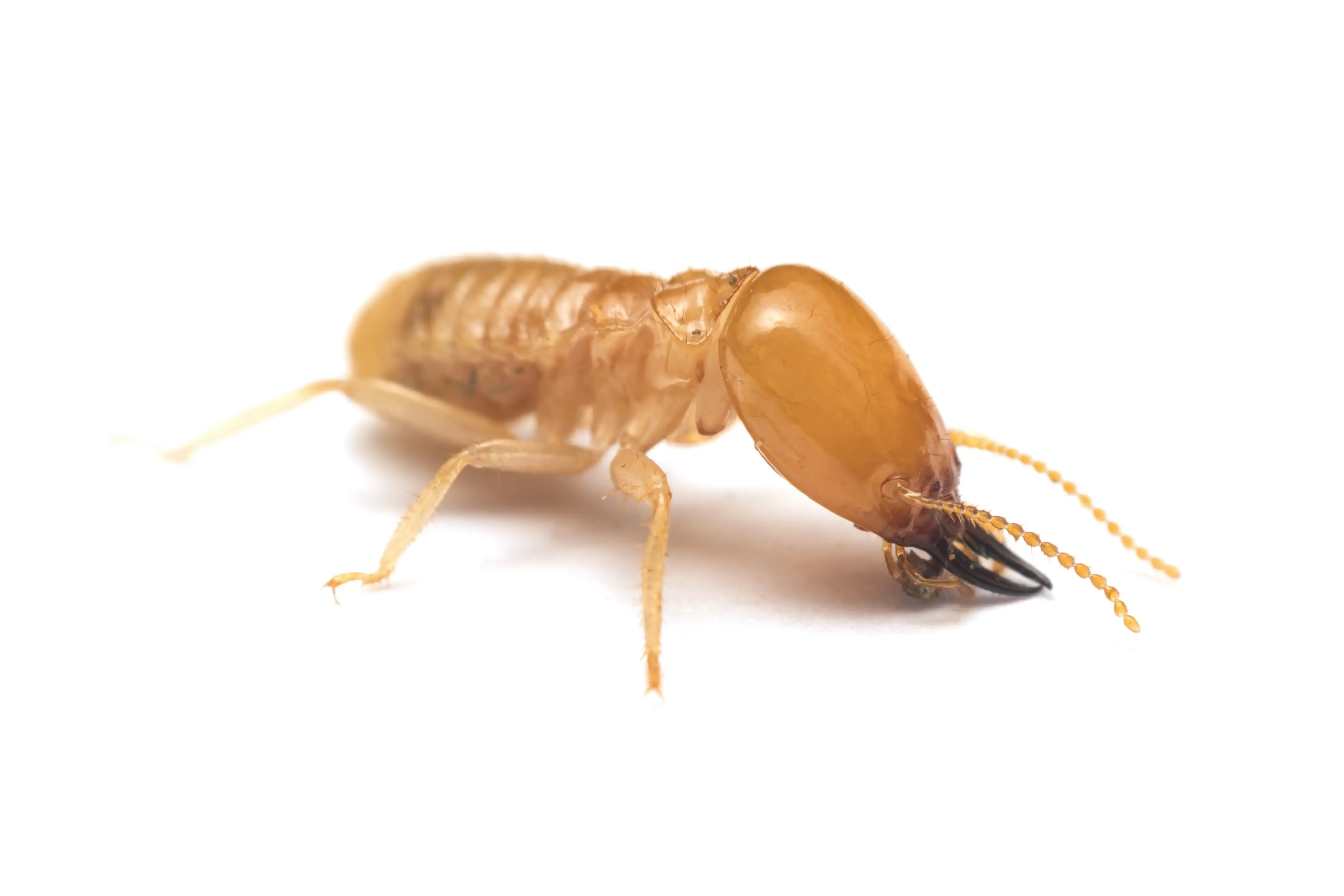
Size: 1/4 to 1/2 inch; kings and queens can exceed 1 inch
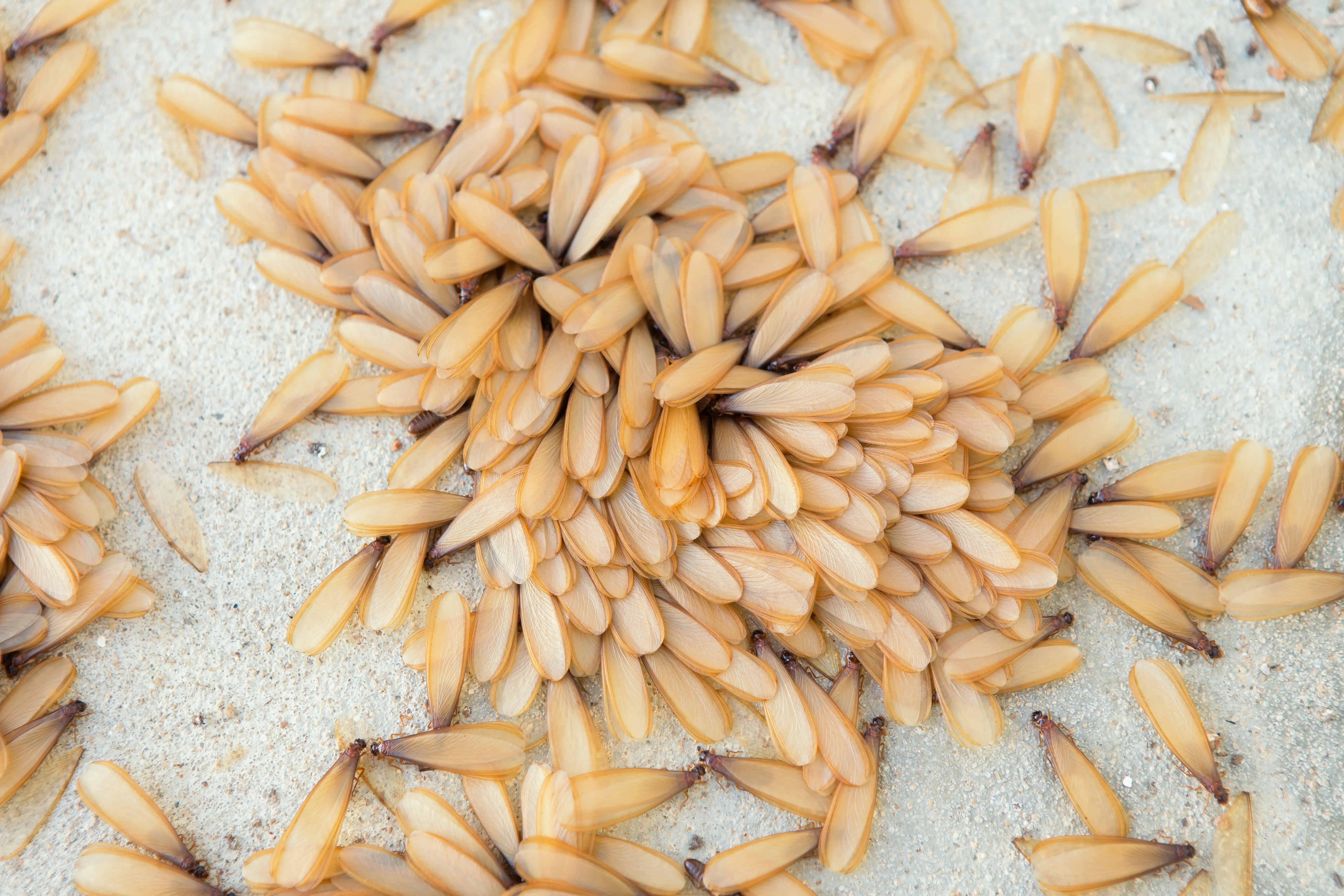
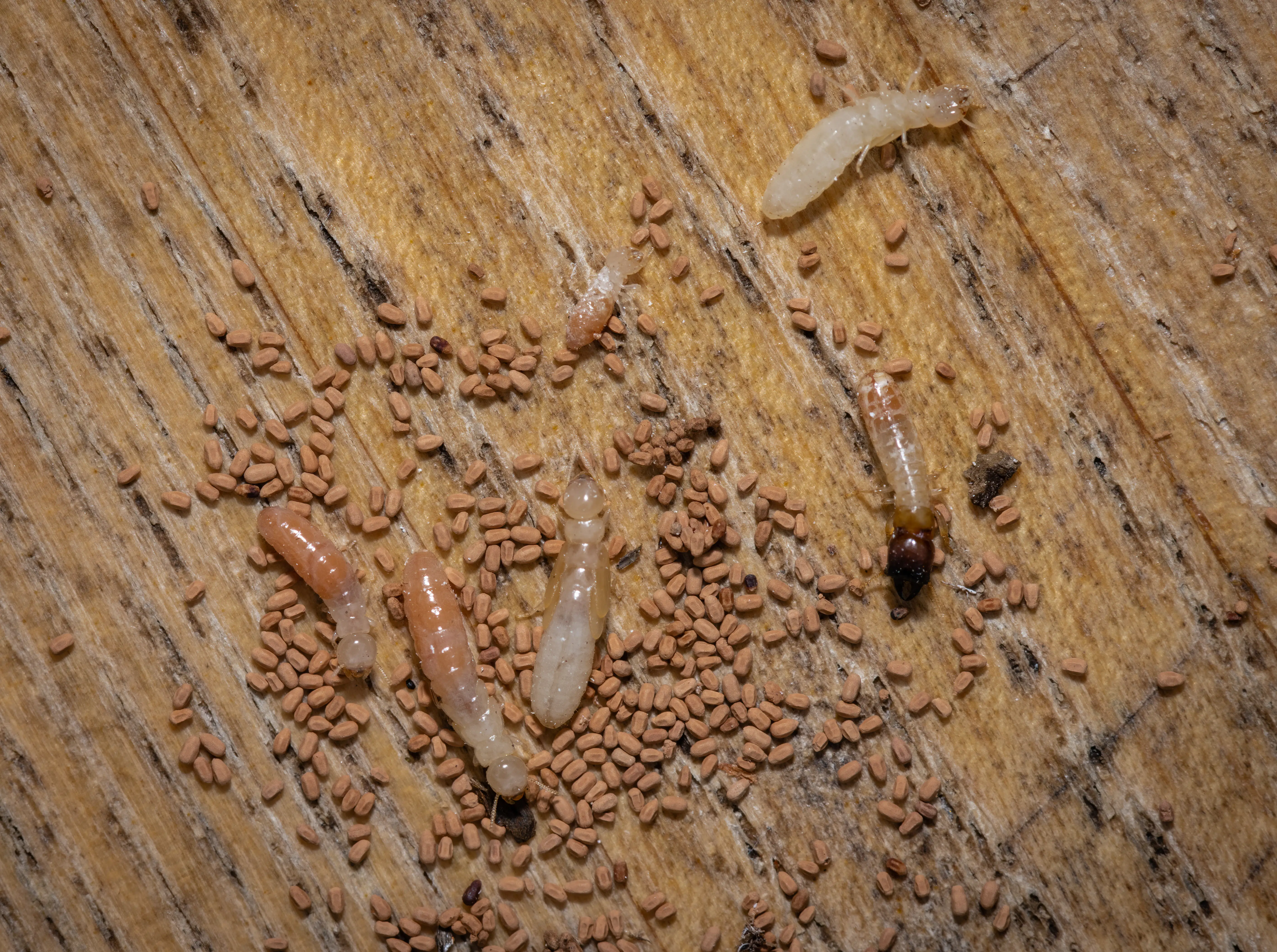
Color: Off-white to yellow (workers) to dark brown (swarmers)
Body: Soft, with straight antennae (ants have bent antennae)
Classification: Order Isoptera; families Termitidae, Kalotermitidae, Rhinotermitidae
In This Article:
Key Facts
$1 to $2 billion in U.S. property damage per year
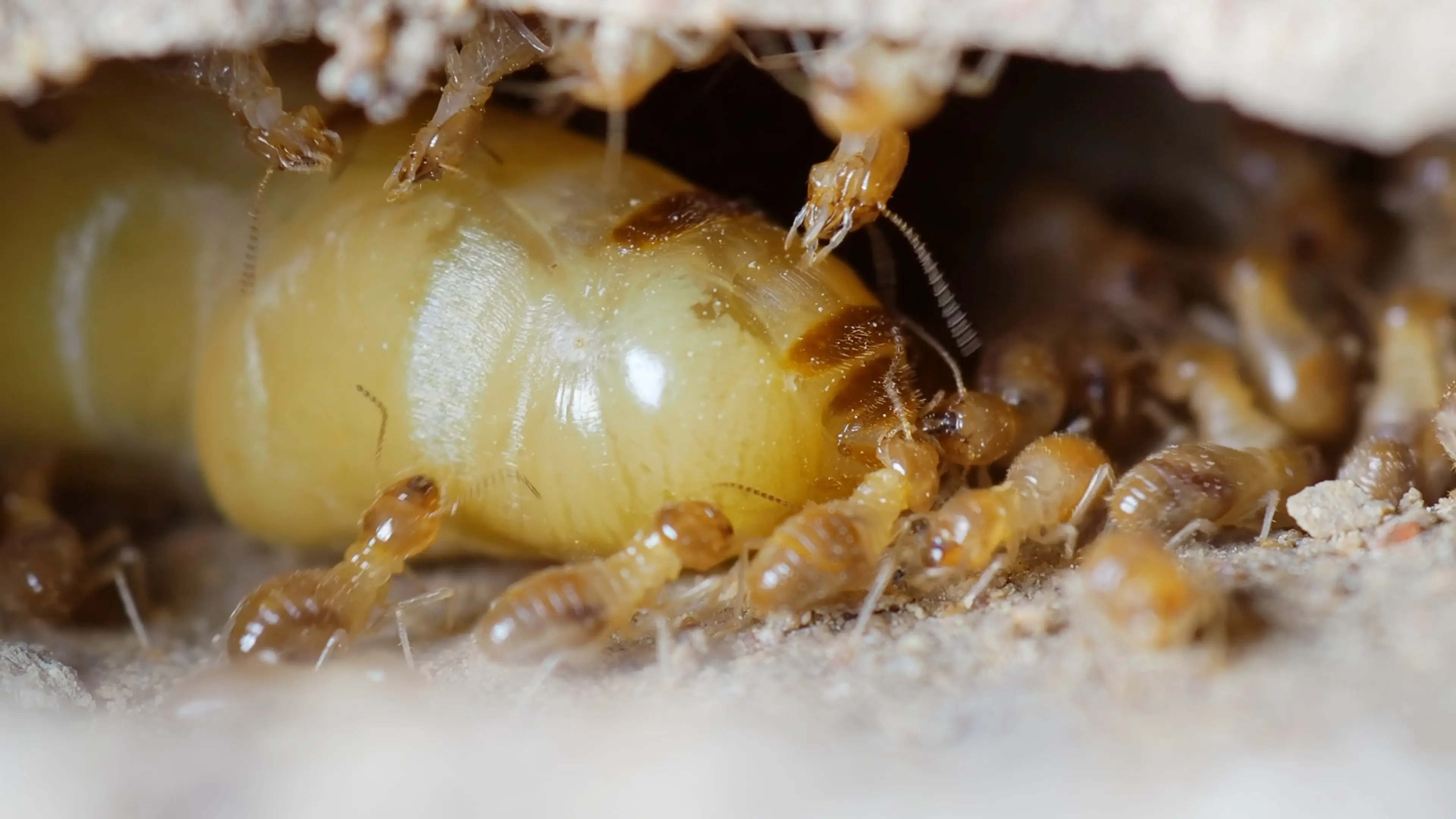
Subterranean colonies can reach 2 to 3 million members
Up to 10 years under optimal conditions
Over 40 species found across all 50 states

Subterranean termites build mud tubes made of soil and wood debris to travel above ground and protect themselves from predators and exposure.