EcoGuard Pest Management
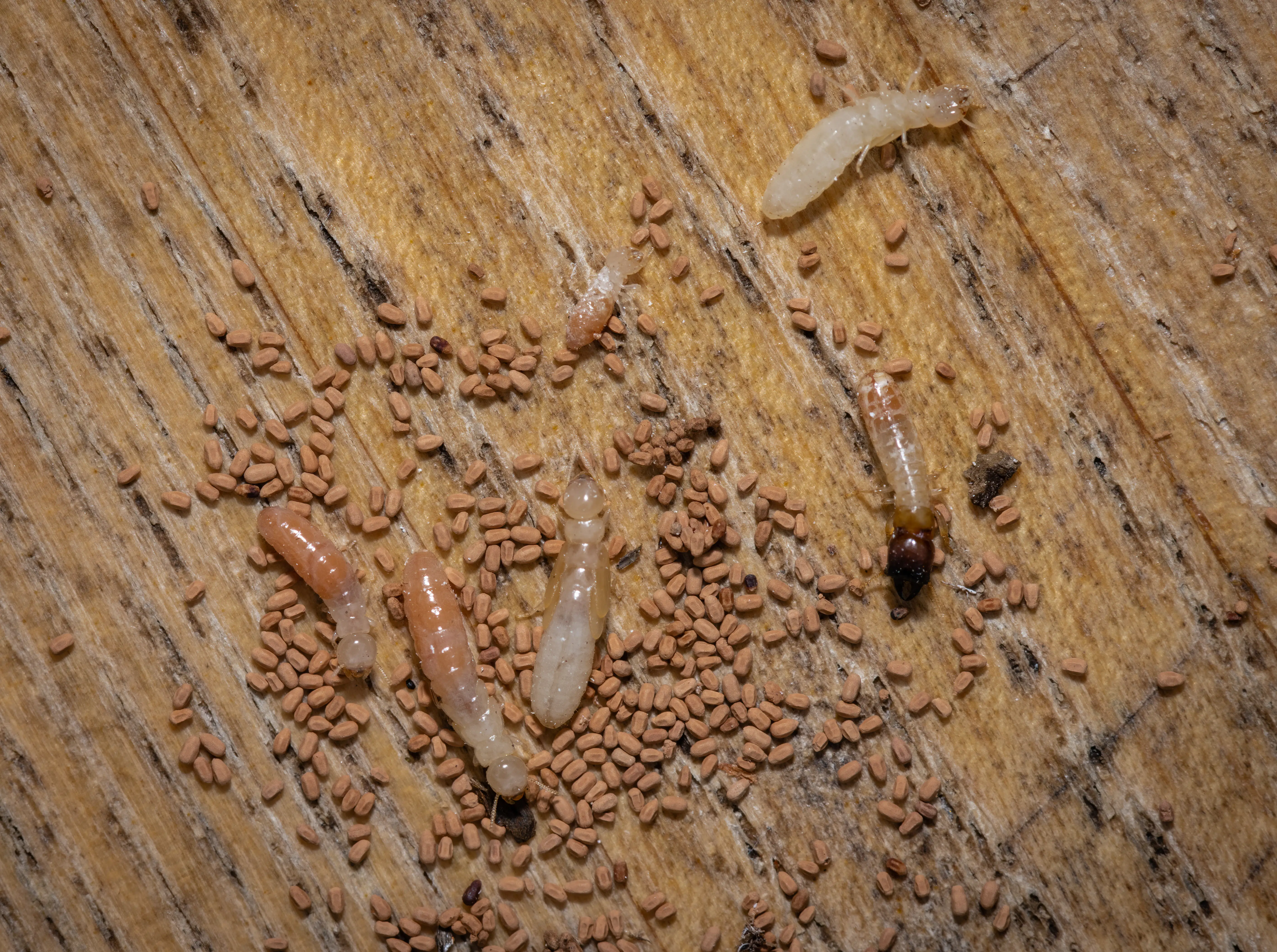
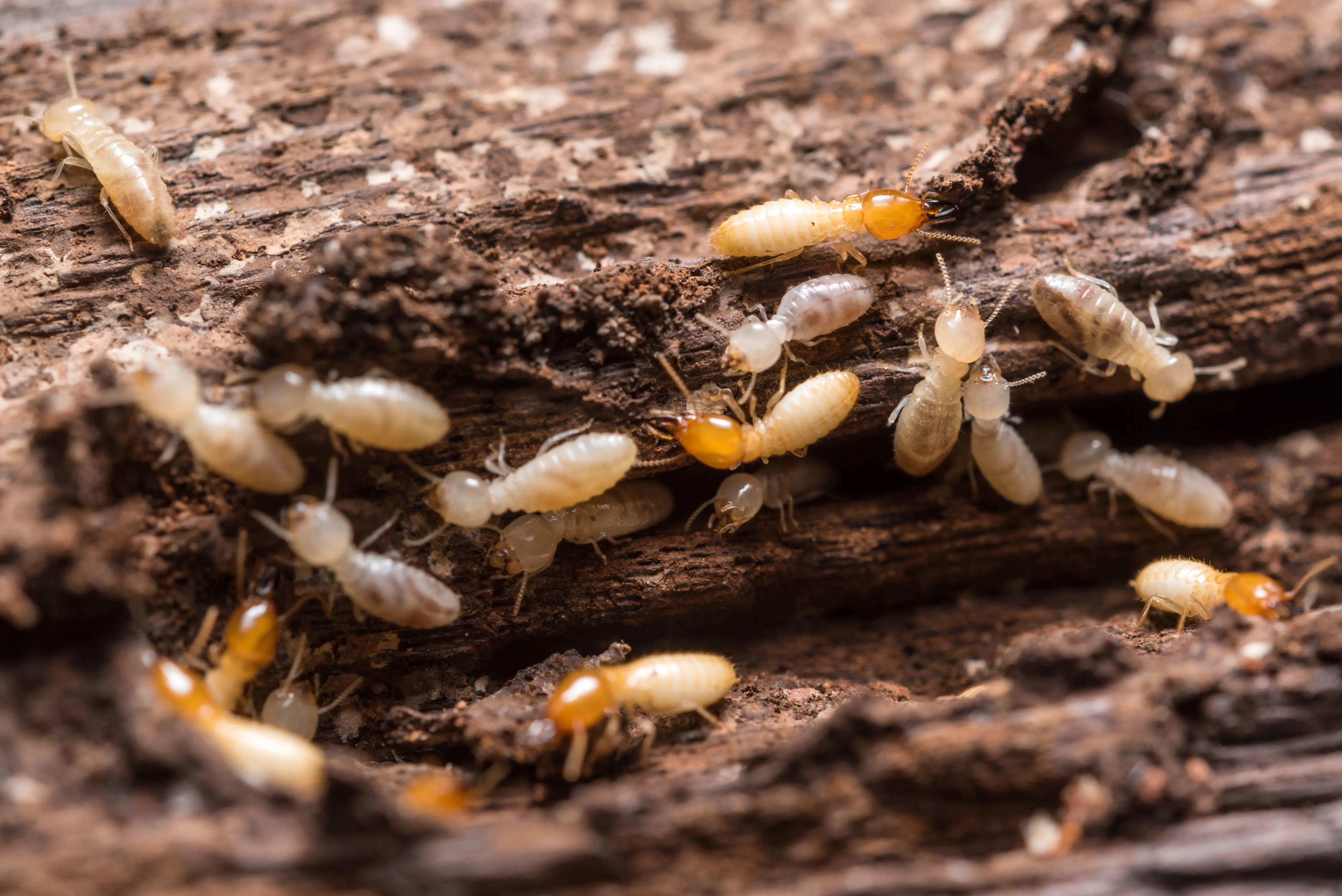
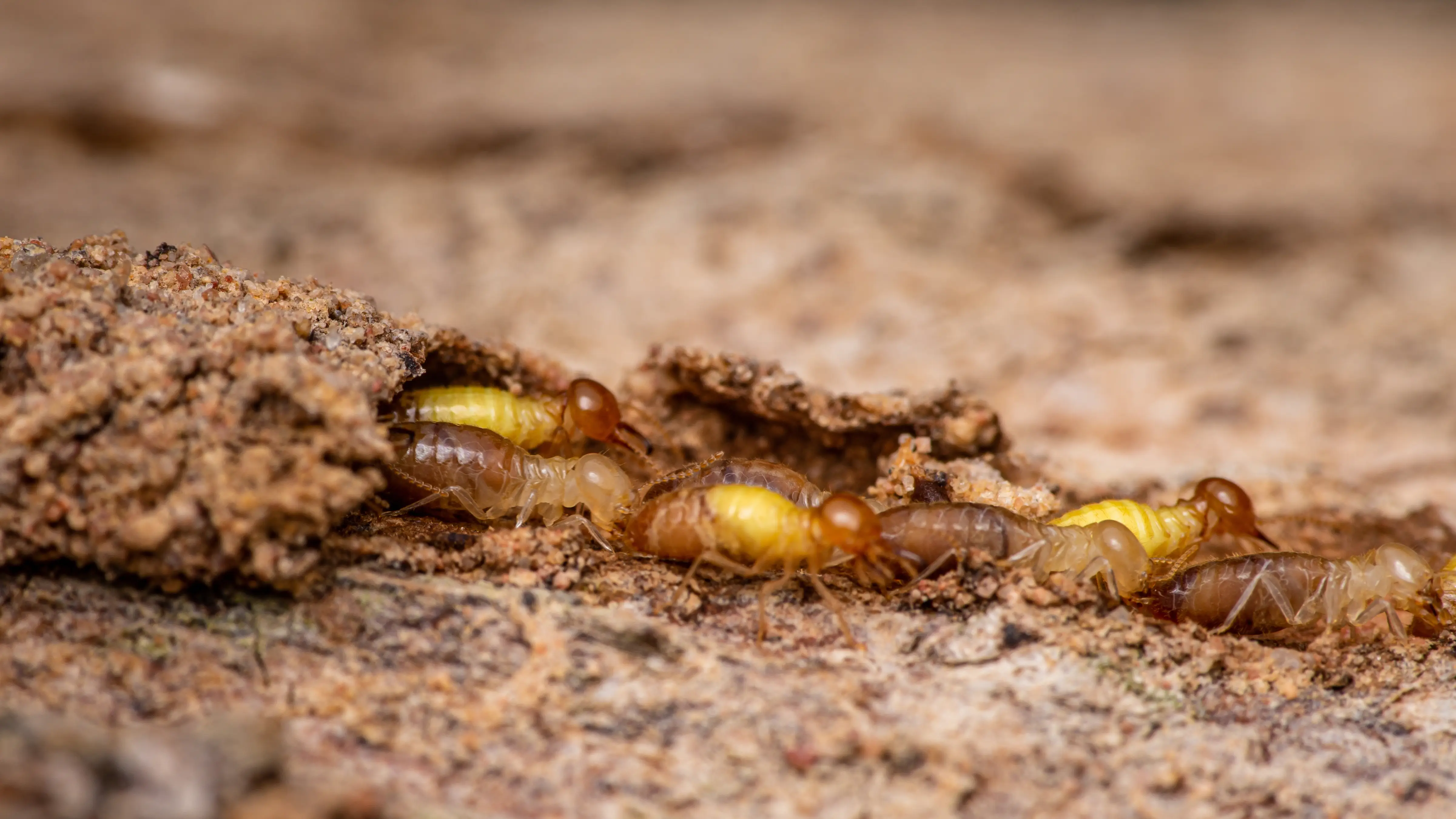
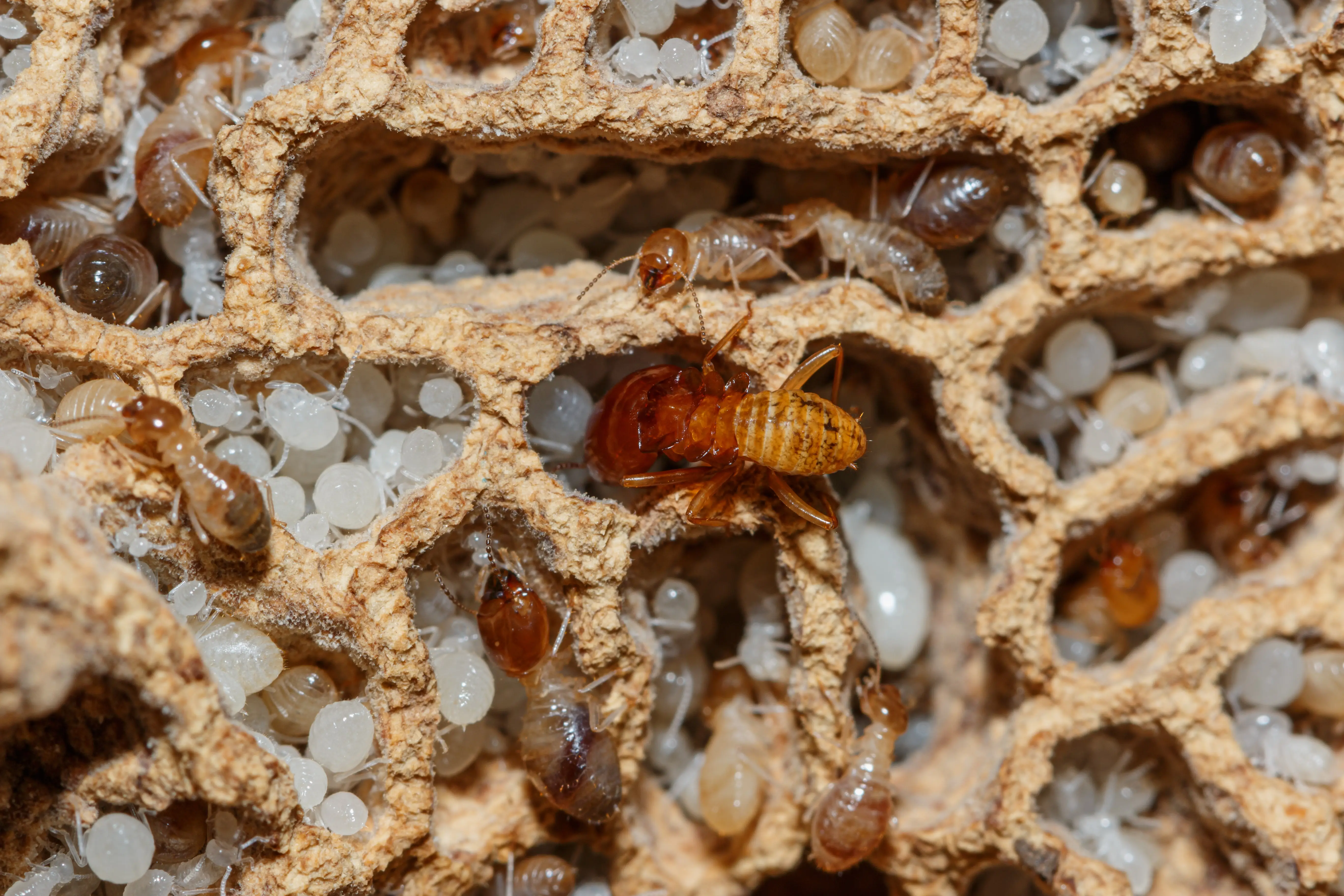
Termite larvae in wood colony
By Gary Anderson||9 min read

What Do Termite Larvae Look Like?

Learn to identify termite larvae and understand why their presence signals a serious infestation.

Baby termites, also known as termite larvae, play a critical role in the lifecycle and growth of a termite colony. Termites undergo a gradual metamorphosis that starts once they hatch from their eggs and progress through nymphal stages to adulthood.

Discovering termite larvae in your home is a clear sign of a potentially severe infestation because it indicates an existing colony that has reached the stage of reproduction. When an infestation gets to this point, it can threaten both your property's structural integrity and the inhabitants' health.

Quick Identification Guide

Color: White, almost translucent
Size: Less than 1/10 inch (2.5 mm)
Shape: Soft, segmented body with 6 legs and straight antennae

Key Facts

Larvae Size
Less than 1/10 inch long
Worker Size
About 1/4 inch long
Colony Castes
Workers, Soldiers, Reproductives
Identifying Termite Larvae

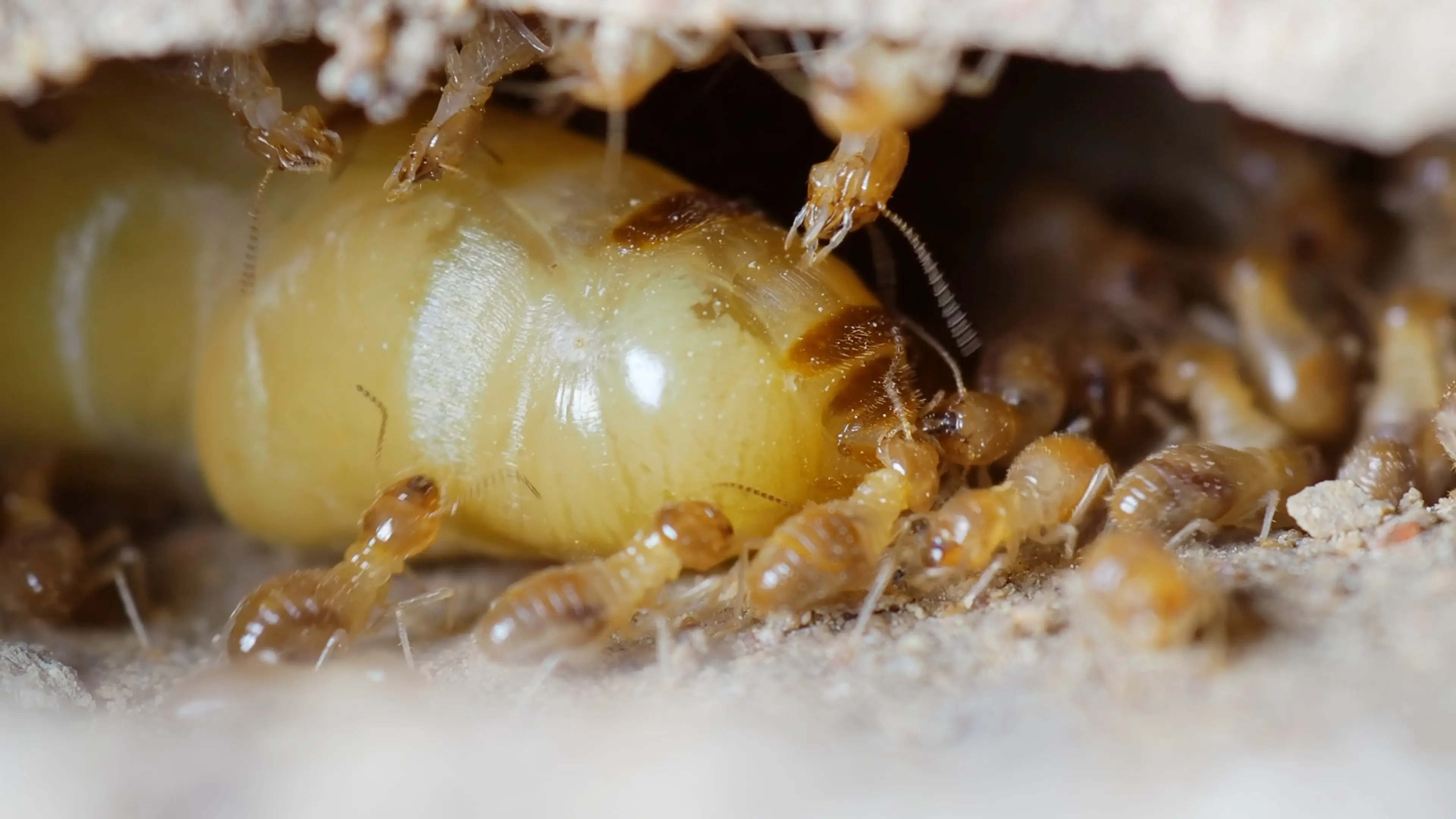
Identifying termite larvae is crucial for early detection and control of termite infestations. These larvae resemble smaller versions of worker termites, primarily because they are in an immature stage and have not fully developed.

Shape

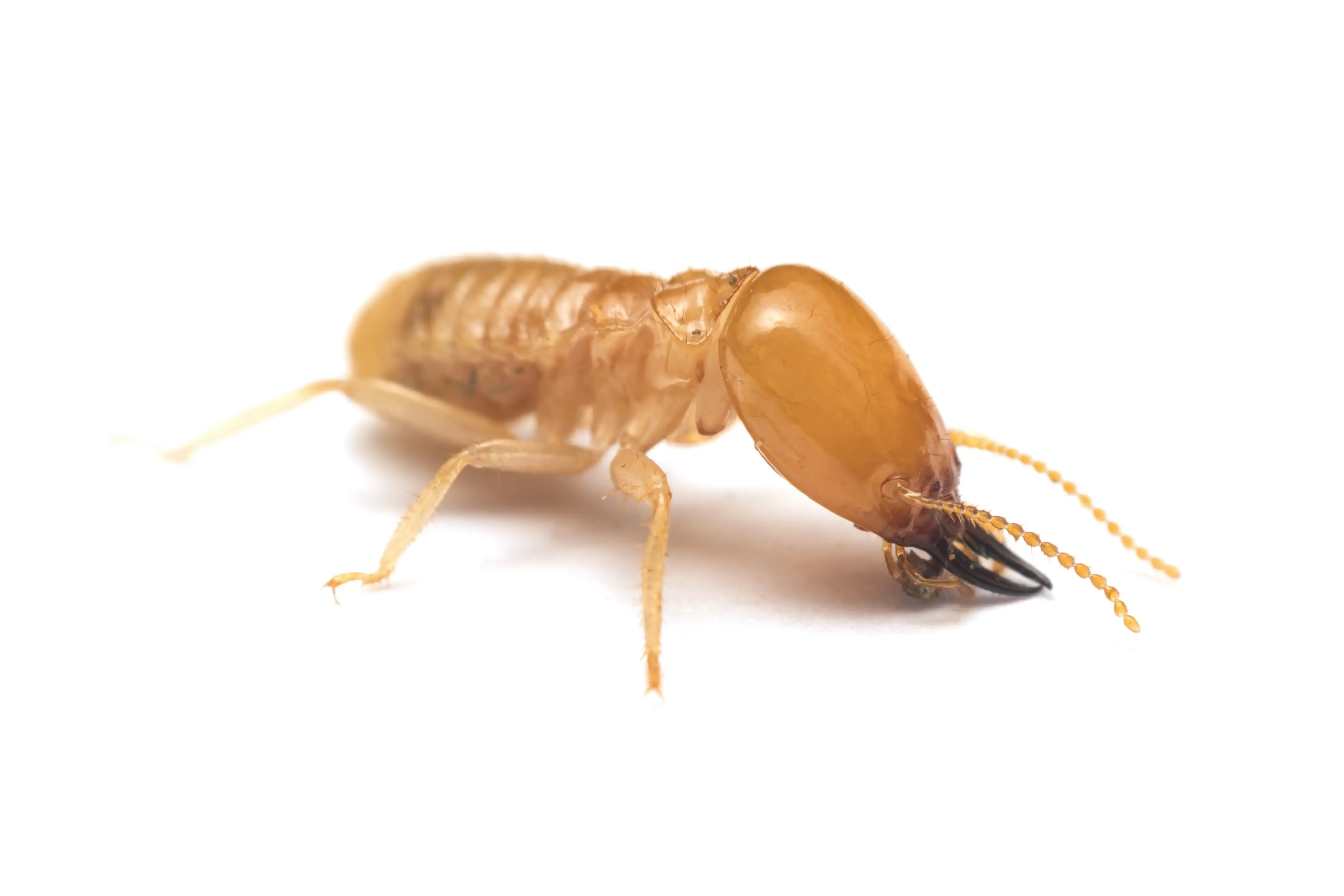
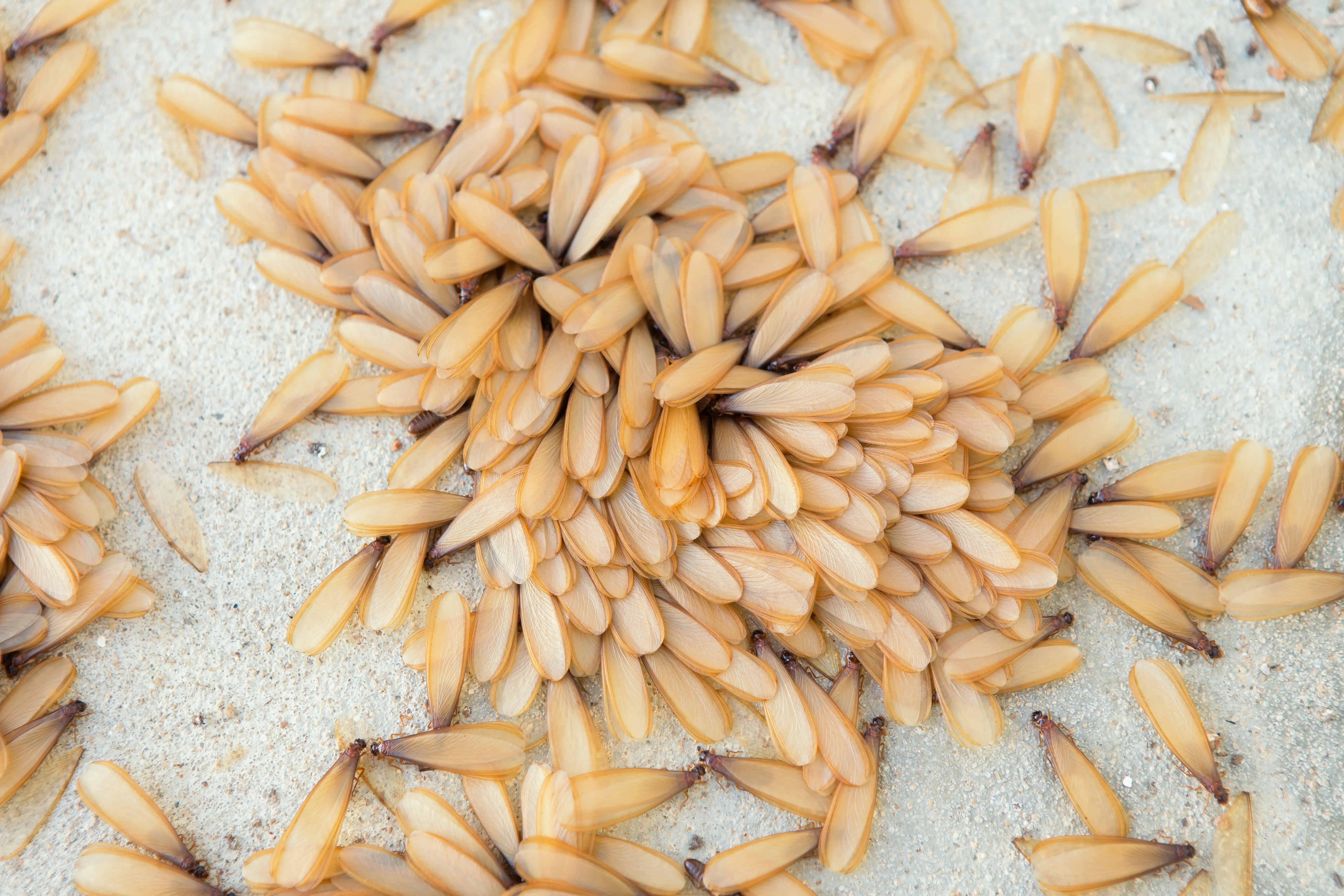
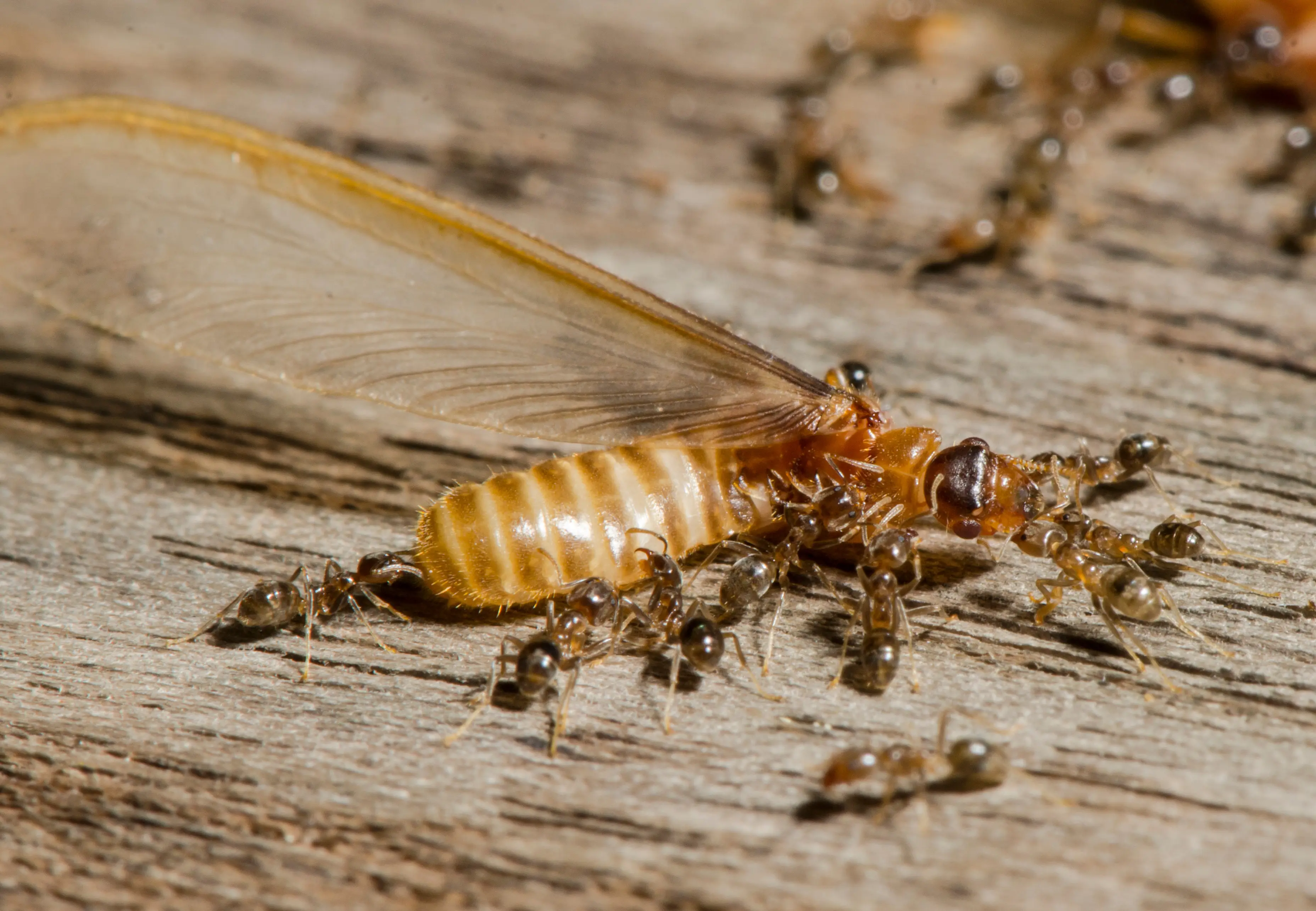
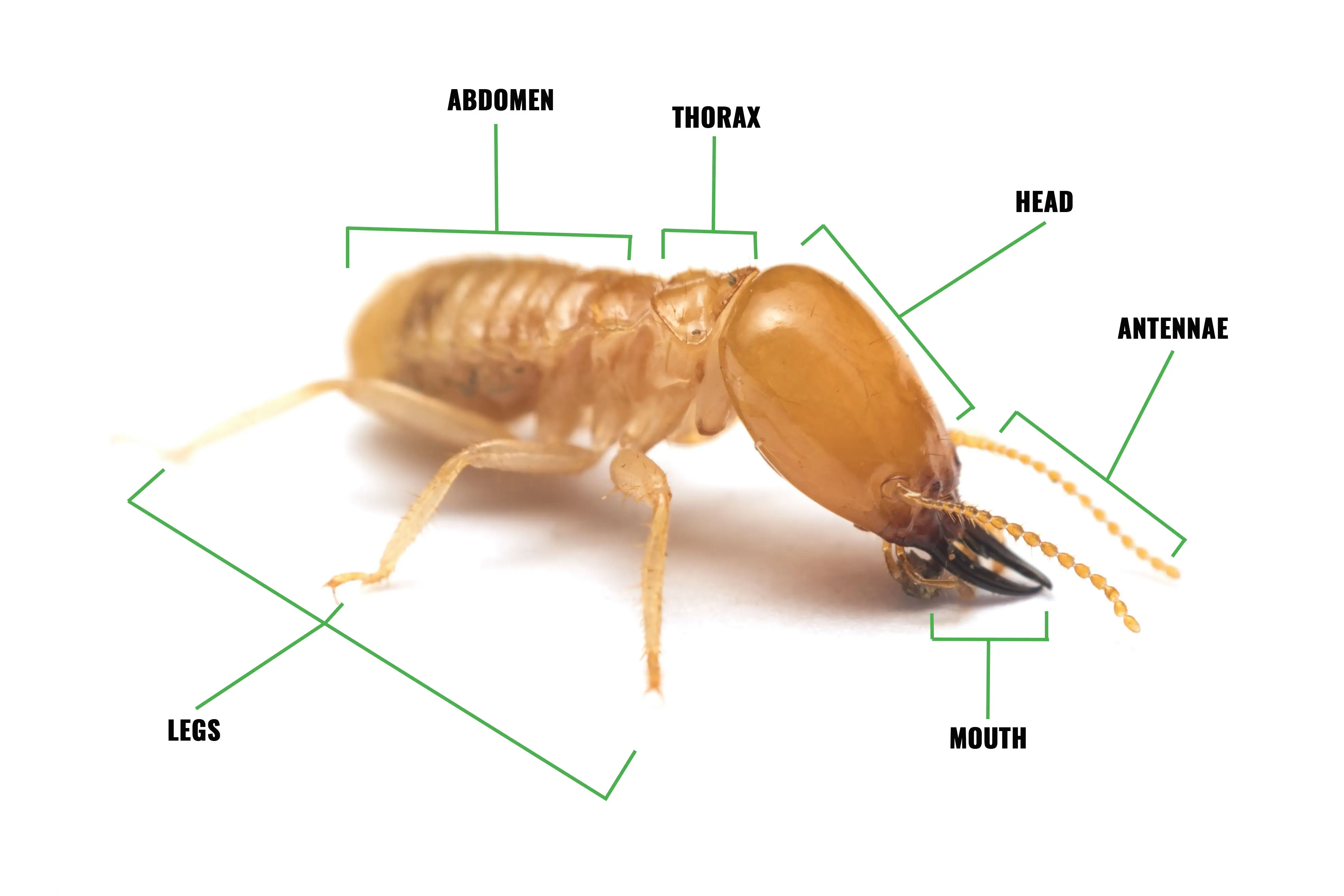
Termite larvae have soft uniform bodies that do not pinch at the abdomen (unlike ants). They feature a distinct head clearly differentiated from their body, six legs, and straight antennae. Their outer shell remains soft until adulthood. If the insects have wings, they are not larvae.

Color

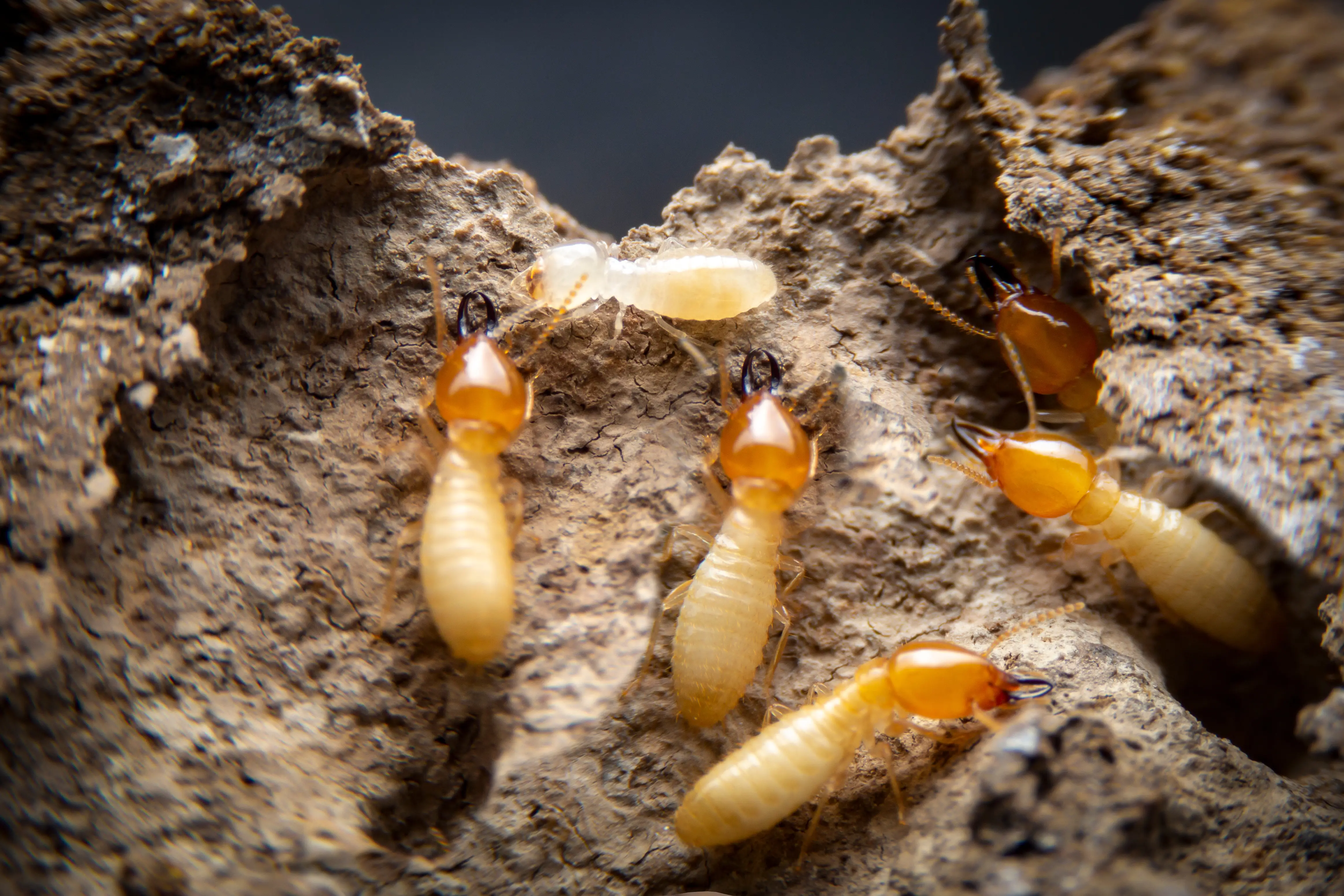
Termite larvae typically exhibit a white, almost translucent coloration which gets less opaque as termites mature into workers. Soldier termites have noticeably darker heads attached to pale white bodies. If the insects are darker in color, they might be booklice or ants.

Size

Termite larvae measure less than 1/10 of an inch (2.5 mm) in length. This makes them significantly smaller than adult workers (about 1/4 inch) and much smaller than reproductive termites (up to 1/2 inch). When first hatched, larvae are about the same size as the eggs.

Location

Termite larvae are typically found deep inside termite mounds or colonies. Subterranean termites conceal larvae in underground colonies. Drywood and dampwood termites house larvae within walls and wooden structures, making them more likely to be found inside damaged homes.

Termite Larvae vs Other Bugs

When distinguishing between termite larvae and other common household bugs, understanding the subtle differences in appearance, behavior, and habitat is key to accurate identification.

Termite Larvae vs Ant Larvae

Termite larvae resemble miniature versions of adult worker termites with a segmented head, legs, and antennae. In contrast, ant larvae are more grub-like in appearance. They lack distinct features such as legs or eyes and do not have a separate, segmented head. Additionally, ant larvae are usually covered in tiny hairs, a characteristic not found in termite larvae.

Termite Larvae vs Maggots

Maggots lack a distinct head and are completely legless. They have a more uniform and unsegmented body, resembling short white worms found on trash and organic debris. Termite larvae have a more clearly segmented body and possess six legs. They are fed cellulose by adult worker termites and are rarely visible outside of the colony.

Termite Larvae vs Booklice

Booklice, while often found around wood, do not actually feed on wood itself. Instead, they consume fungi that grow on damp wood and paper materials. A key indicator is the absence of wood damage. Booklice are more likely to be found in larger groups exposed in the open, while termite larvae are rarely found exposed without adult termites.

Termite Larvae vs Powderpost Beetle Larvae

Powderpost beetle larvae are characterized by their C-shaped, grub-like form, which is quite different from the more segmented and legged appearance of termite larvae. Additionally, powderpost beetle larvae have tiny spines along their back, a feature not present in termite larvae.

Indicators of Termite Larvae

Identifying the presence of termite larvae in your home often begins with spotting adult termites and signs of termite activity, as their presence typically indicates a colony with larvae.

Hollow Sound

Tapping on wooden structures produces a hollow sound

Hollow Tunnels

Tunnels visible inside decaying wood

Rotting Wood

Wood that is easy to break apart

Tiny Holes

Small holes that breach wooden surfaces

Wooden Pellets

Tiny pellets (frass) around holes

Mud Tubes

Tubes along walls, frames, or furniture

Misaligned Doors/Windows

Doors and windows that stick or do not close properly

Sagging Floors/Ceilings

Floors and ceilings that sag or creak

Important: In early stages of infestation, these signs can be subtle and difficult to detect. Regular professional inspections are recommended to prevent extensive termite damage and avoid costly extermination and repair bills.

Suspect Termite Activity?

Early detection is key to preventing costly structural damage. Get a professional inspection today.

Call (866) 326-2847

How to Check for Termite Larvae

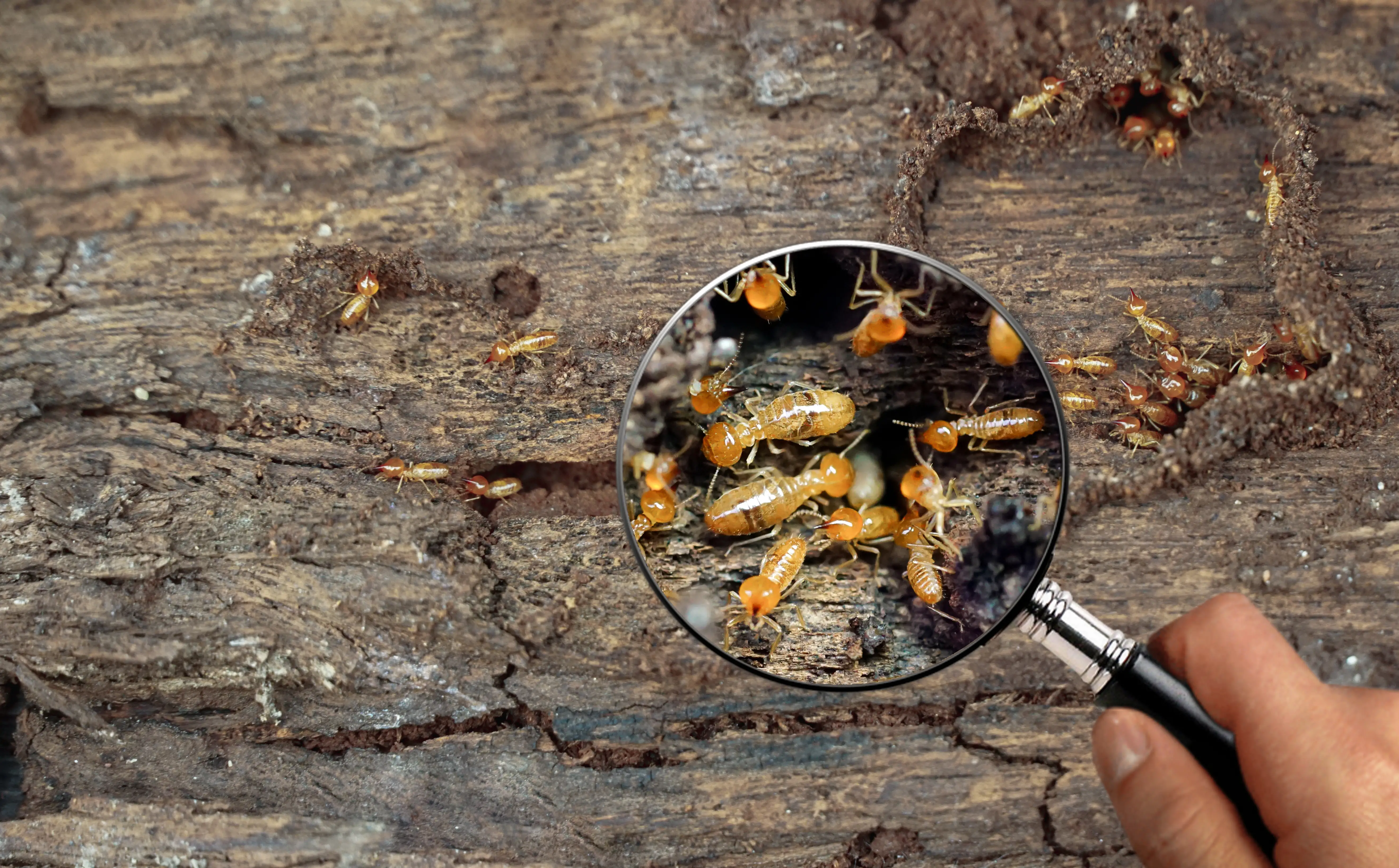
To check for the presence of termite larvae in your home, a thorough inspection of areas where termites are likely to live is essential.

1

Inspect Key Areas

Look around windowsills, door frames, support beams, and junctions where concrete structures meet wood. Use a flashlight to examine cracks and dark areas.

2

Check Damp Locations

Termites are attracted to moisture. Pay special attention to the basement, crawl spaces, under porches, decks, fences, and any other damp areas.

3

Listen for Hollow Sounds

Gently tap on wood surfaces or walls with a screwdriver and listen for hollow or rustling noises, which might indicate termites or larvae inside the wood.

4

Look for Wood Damage

Inspect all wooden structures for signs of damage, rot, or termite activity like exit holes, mud tubes, and termite frass (pellets).

The Life Cycle of Termite Larvae

The life cycle of termite larvae is a fascinating process of growth and transformation within the termite colony. After termite eggs hatch, the emerging young are known as termite larvae or nymphs.

Molting Process

Each larva undergoes a series of molts, shedding its exoskeleton as it grows. This process is crucial for their transition into different roles within the colony.

Role Determination

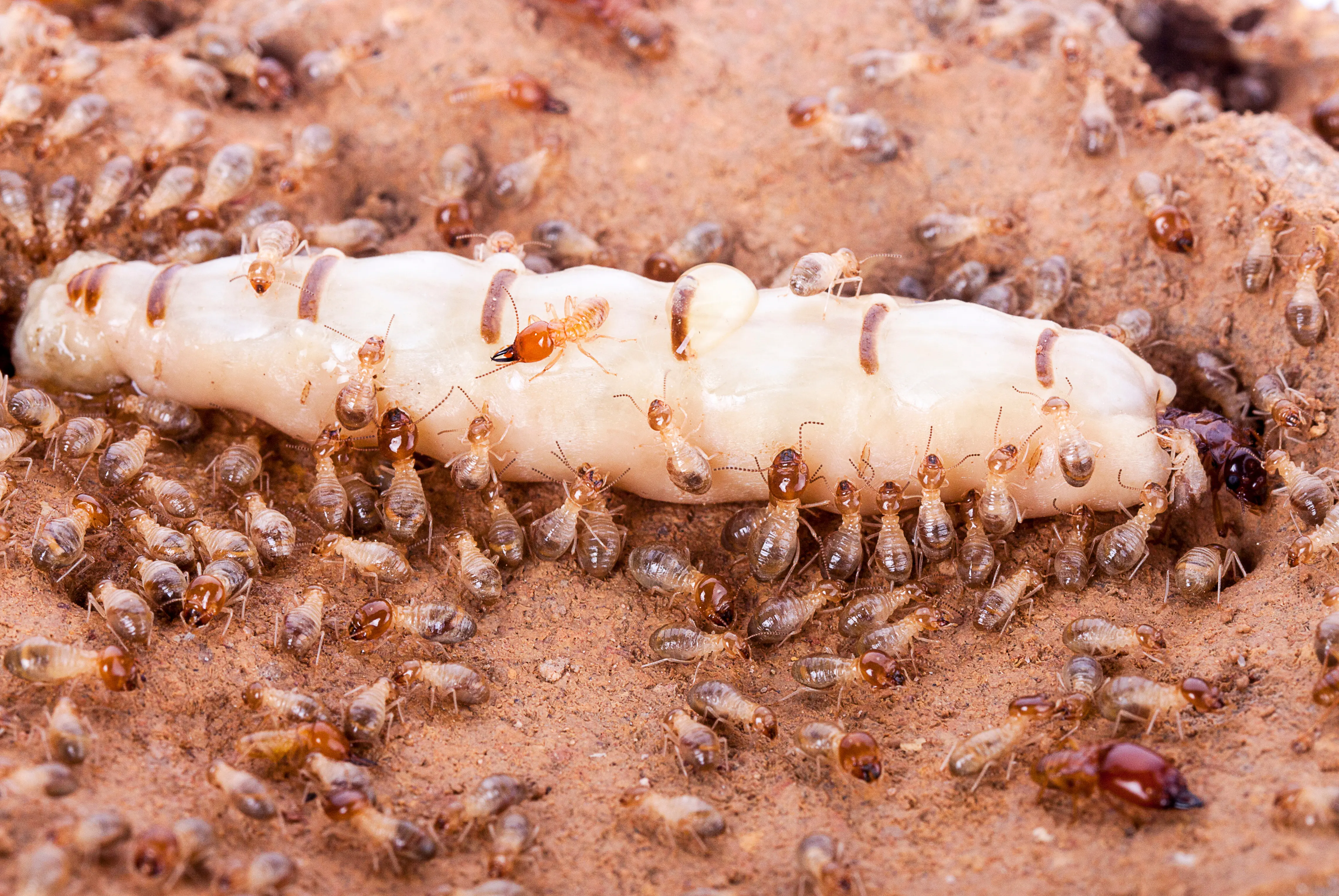
The termite king and queen use pheromones to direct the future role of each larva. These roles include becoming workers, soldiers, or reproductive termites (alates).

Worker and Soldier Development

The majority of larvae become workers, fulfilling the colony's primary need. Some workers may later transform into soldiers if the colony requires additional defense.

Reproductive Development

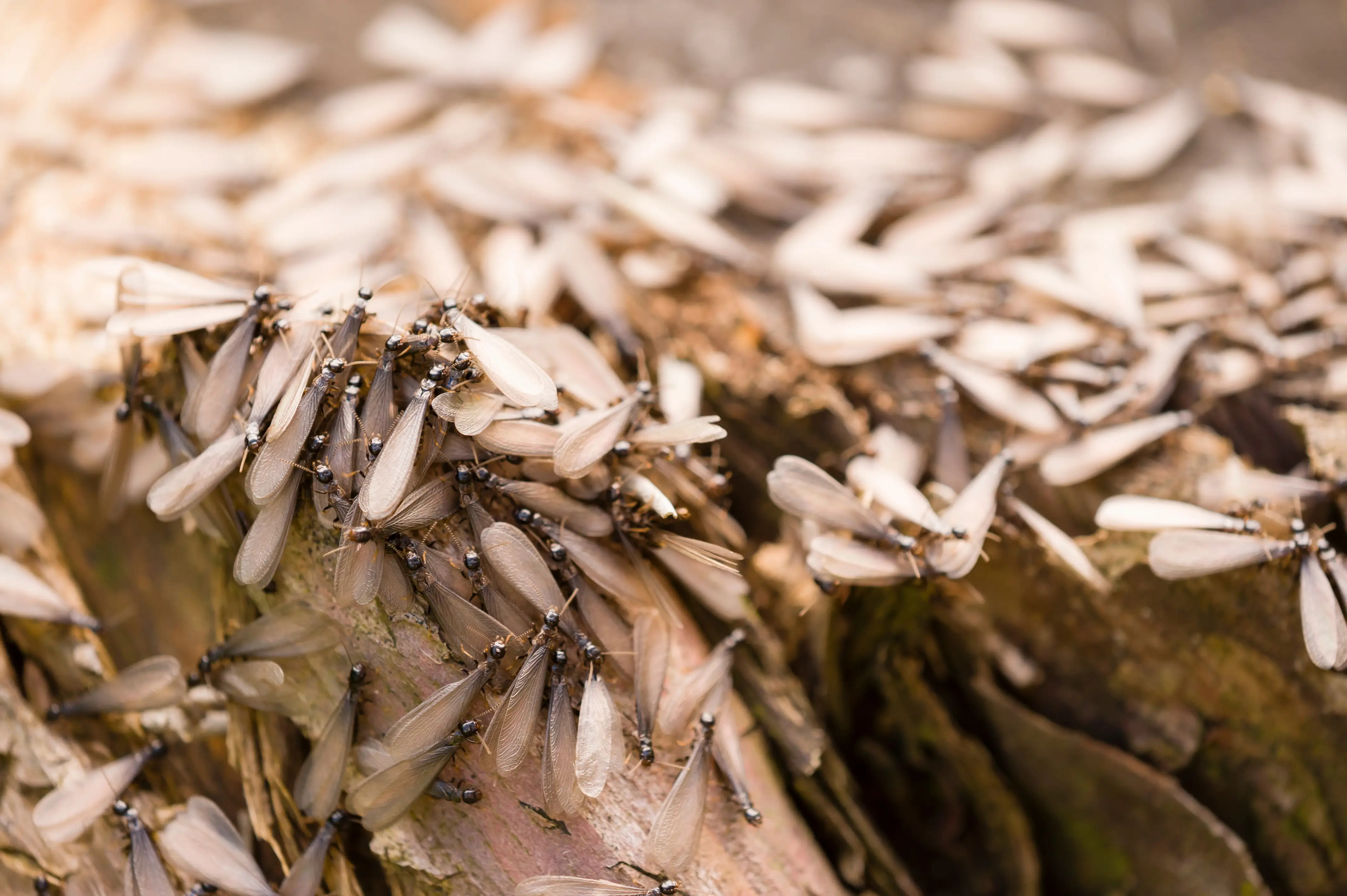
Larvae destined to become alates molt to develop wings and eyes, preparing for swarming and reproduction. Others become secondary reproductives to assist in egg production.

What Do Termite Larvae Eat?

Termite larvae primarily feed on cellulose, a key component found in wood. In nature, this positions termites as "recyclers" of wood that transform cellulose into organic matter for new plant growth. However, when termites target structural wood in homes, their feeding habits can lead to significant damage. Importantly, termite larvae are not capable of consuming cellulose independently. They rely on worker termites within the colony to collect the food and break it down to feed them.

Controlling Termite Populations

Controlling termite populations is crucial for preventing long-term structural damage to homes. Termite larvae require constant feeding and protection to survive, and their presence often indicates an active infestation that can silently wreak havoc over time.

Professional Inspection

Pest control experts specialize in identifying signs of termite activity and the conditions that attract them. A thorough inspection can reveal hidden infestations and potential vulnerabilities.

Targeted Treatments

Professional pest control services can provide treatments designed to eliminate entire colonies, including larvae, workers, soldiers, and reproductives.

Preventative Measures

Professionals can also provide preventative measures to protect your home from future termite damage, including barrier treatments and monitoring systems.

Contact EcoGuard if You Are Dealing with Termites

If you suspect any termite activity in your home, do not hesitate to reach out to EcoGuard Pest Management. Our team of experts is equipped with the knowledge and tools necessary to effectively identify, treat, and protect your home against termite infestations. With EcoGuard, you can ensure your home is safeguarded against these pests that can destroy your home and cost you thousands in expensive repairs and remediation. Contact us today to secure your property and enjoy peace of mind.

Call (866) 326-2847Get Free Quote

Termite Larvae FAQs

What to do if you find termite larvae?

If you find termite larvae, it is a strong indicator of an active termite infestation, which requires immediate action. The first step is to contact a professional pest control service like EcoGuard Pest Management because they have the expertise to assess the extent of the infestation and implement effective treatment solutions. It is crucial to address the issue promptly to prevent further damage to your property, as termites can cause significant structural damage over time.

Do termite larvae look like maggots?

Termite larvae can sometimes be mistaken for maggots due to their small size and pale, soft bodies. However, upon closer examination, termite larvae have a more segmented body and six legs. Maggots do not share these features, which helps in distinguishing between the two.

What is the larva of a termite?

The larva of a termite is the early developmental stage of the termite following the hatching of eggs. These larvae are small, white, and soft-bodied, and they undergo several molts as they develop into one of the termite colony's castes: workers, soldiers, or reproductive termites. The specific role each larva assumes in the colony is determined by pheromones released by the termite king and queen.

Do termite larvae eat wood?

Termite larvae feed on the cellulose wood contains. However, they are unable to eat the cellulose by themselves and rely on worker termites in the colony to break it down and feed it to them. This feeding process is crucial for their growth and development within the termite colony.

From Our Blog

Related Articles

Do Termites Bite People? Risks, Symptoms & What to Do

Do Termites Bite People? Risks, Symptoms & What to Do

Learn if termites bite humans, what termite bites look like, the real risks of termites, and how to prevent and get rid...

Read Article
Does Mulch Attract Termites? Complete Guide to Safe Mulching

Does Mulch Attract Termites? Complete Guide to Safe Mulching

Learn the truth about mulch and termites. Discover which mulch types are termite-resistant, proper installation...

Read Article
How Long Does Termite Treatment Last? Duration by Type

How Long Does Termite Treatment Last? Duration by Type

Learn how long different termite treatments last including baits, liquid treatments, fumigation, and Termidor. Factors...

Read Article
Signs of Termites: How to Detect Termite Activity in Your Home

Signs of Termites: How to Detect Termite Activity in Your Home

Learn the common signs of termite activity including swarmers, mud tubes, wood damage, droppings, and more. Early...

Read Article
Termite Droppings (Frass): Identification, Location & What to Do

Termite Droppings (Frass): Identification, Location & What to Do

Learn how to identify termite droppings (frass), where to find them, drywood vs subterranean termite waste, and what to...

Read Article
Termite Eggs: Identification, Location & What Finding Eggs Means

Termite Eggs: Identification, Location & What Finding Eggs Means

Learn what termite eggs look like, where to find them, how many queens lay, hatching time, and what to do if you...

Read Article
Termite Life Cycle: Stages, Castes, Reproduction & Lifespan

Termite Life Cycle: Stages, Castes, Reproduction & Lifespan

Learn about the termite life cycle including egg, nymph, and adult stages, castes (workers, soldiers, reproductives),...

Read Article
Termite Queen: Appearance, Role, Lifespan & How to Eliminate

Termite Queen: Appearance, Role, Lifespan & How to Eliminate

Learn about termite queens including appearance, size, role in the colony, egg production, lifespan, and what happens...

Read Article
Termites vs Ants: How to Tell the Difference

Termites vs Ants: How to Tell the Difference

Learn how to identify termites vs ants by appearance, antennae, wings, body shape, behavior, diet, and damage caused....

Read Article
Termites with Wings: What Flying Termites Mean & What to Do

Termites with Wings: What Flying Termites Mean & What to Do

Learn what flying termites (alates) mean, how to identify them vs flying ants, when they swarm, and what to do if you...

Read Article
What Are Termite Mud Tubes? Identification & Treatment

What Are Termite Mud Tubes? Identification & Treatment

Learn what termite mud tubes are, how to identify them, the different types, what they mean for your home, and how to...

Read Article
What Are Termites? Facts, Signs, Damage, and Control

What Are Termites? Facts, Signs, Damage, and Control

Learn what termites are, how to identify them, the 3 main types, 15 signs of infestation, structural damage they cause,...

Read Article
What Do Termites Look Like? Identification Guide

What Do Termites Look Like? Identification Guide

Learn how to identify termites by appearance, size, and color. Compare different termite species and distinguish them...

Read Article