EcoGuard Pest Management
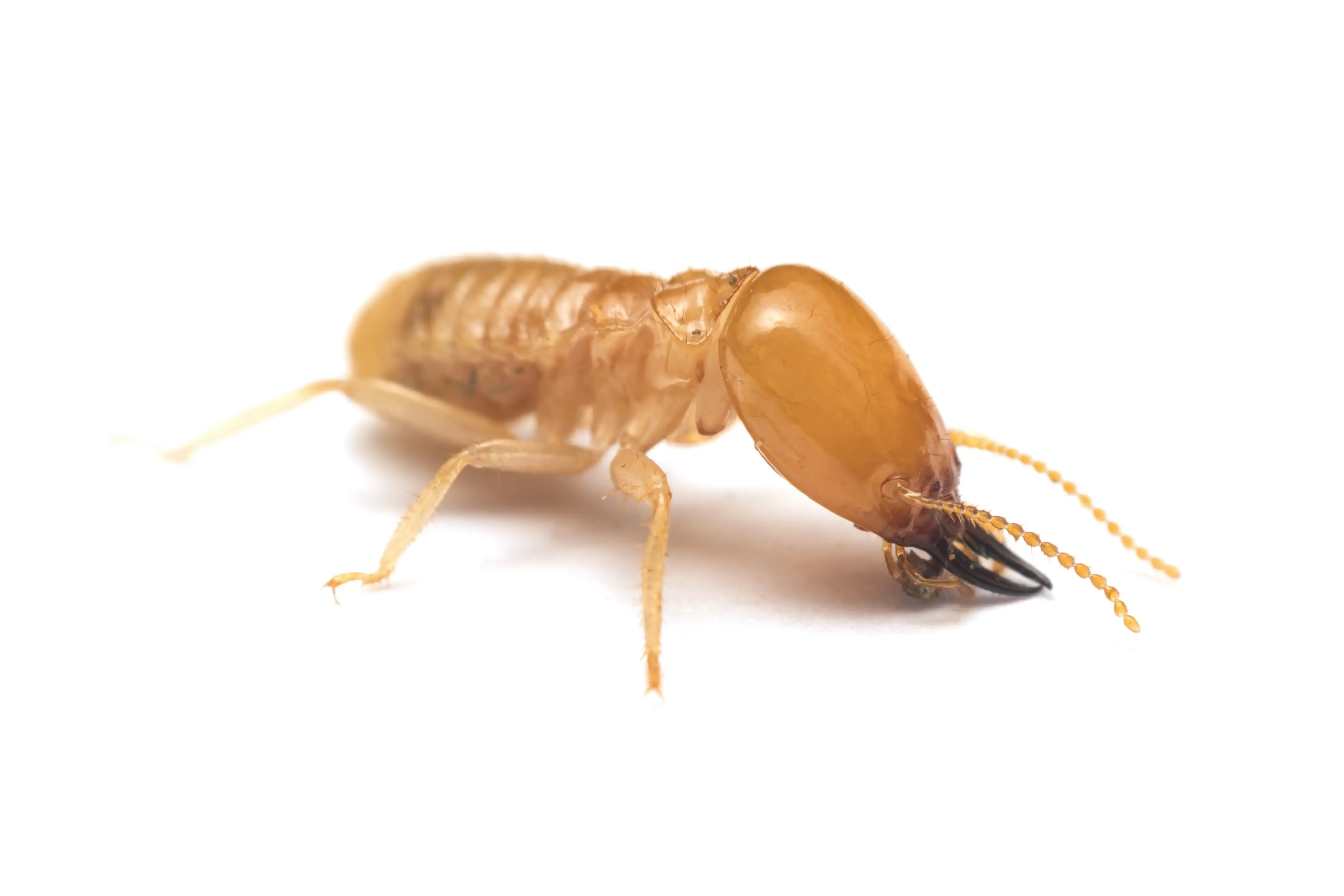
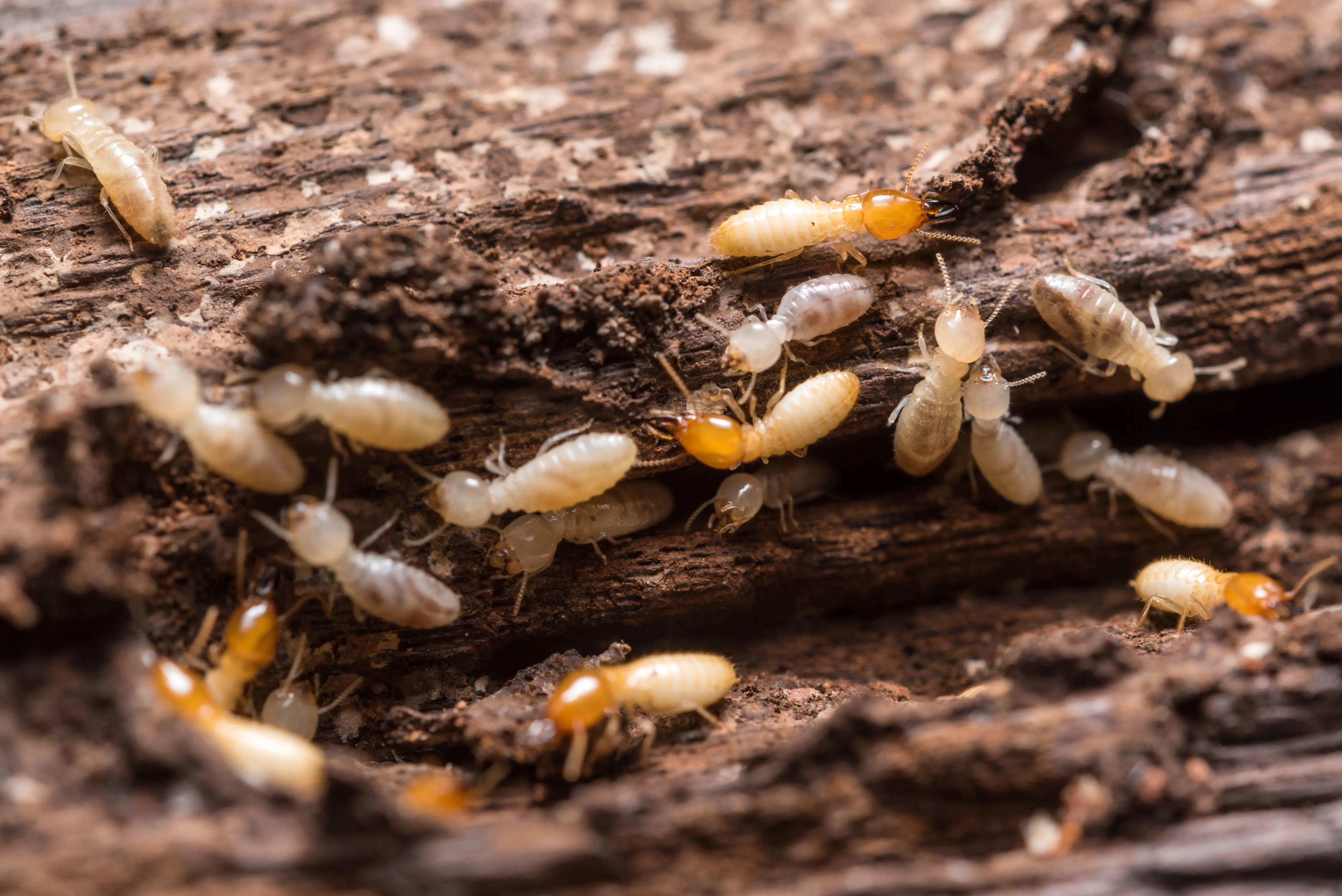
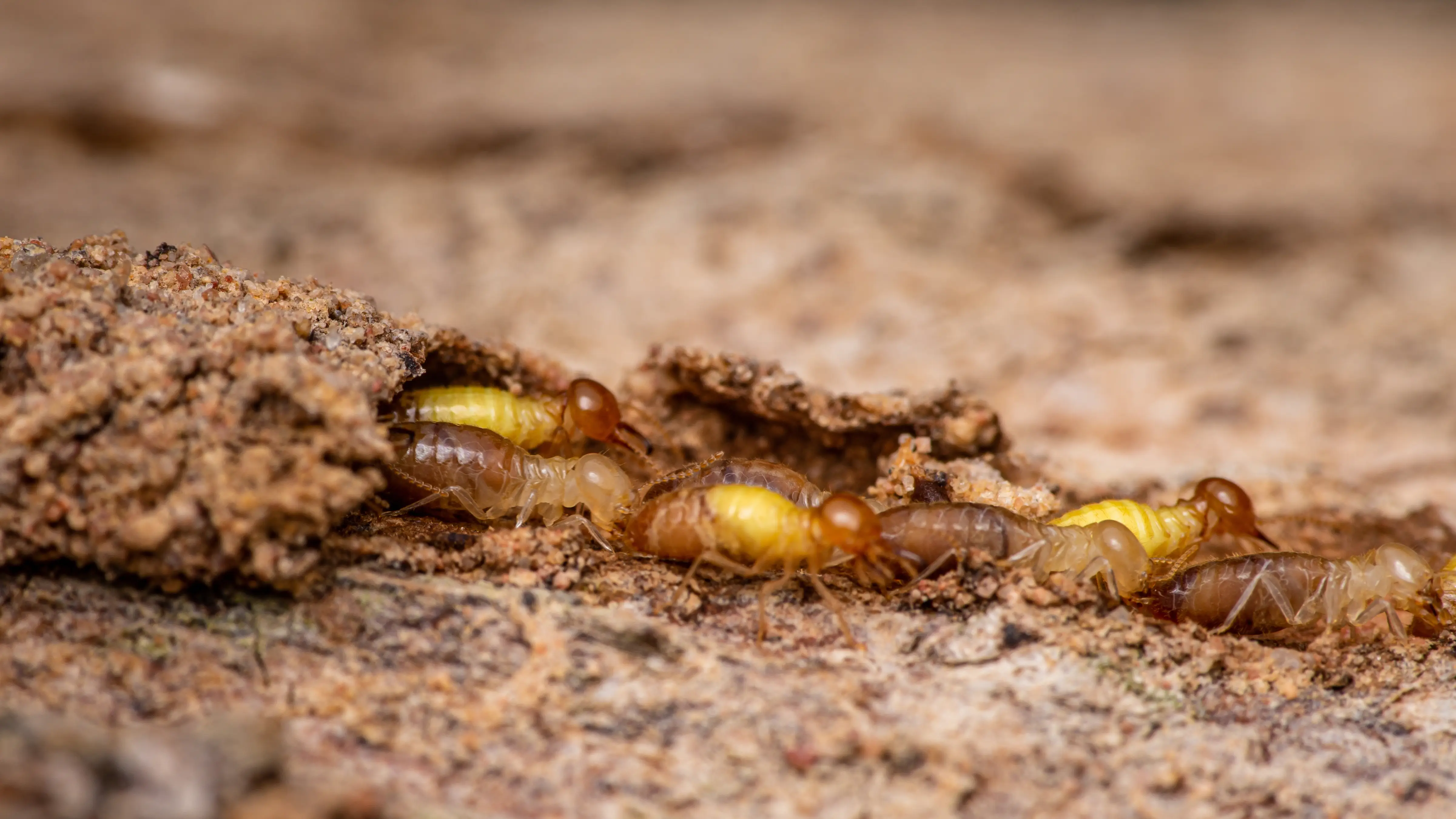
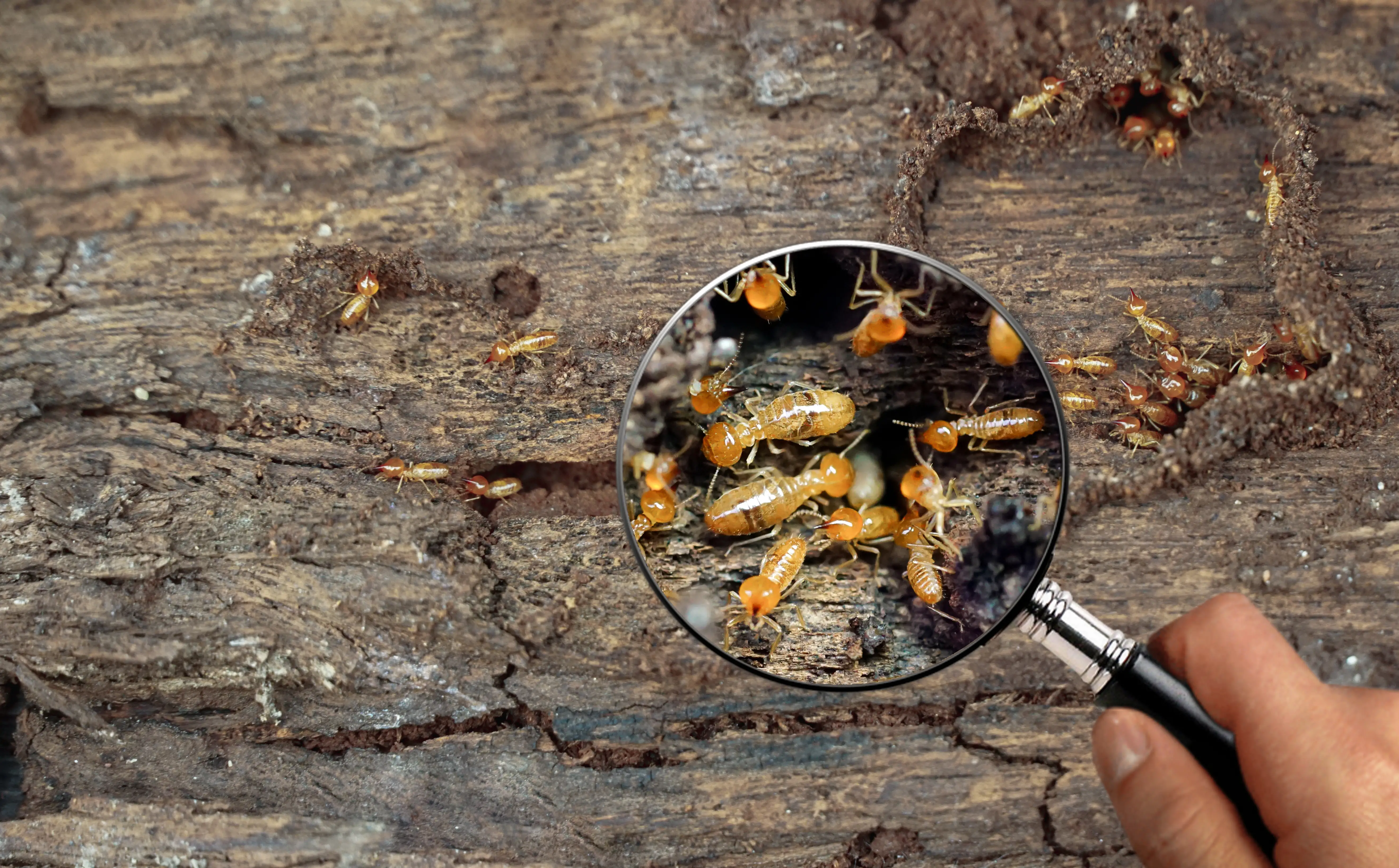
Close-up of termites for identification
By Gary Anderson||8 min read

What Do Termites Look Like?

Learn to identify termites by appearance, size, and color to catch infestations before they cause costly damage.

Understanding how to identify termites is crucial because recognizing these pests early can be the key to preventing extensive and costly damage to your property. Their ability to covertly consume wood and other cellulose-based materials makes early detection and management essential to safeguarding your home.

Termites vary widely in appearance depending on the species and their role within the colony. Each type presents unique identification challenges and risks. While some species require contact with soil, others thrive hidden entirely within wooden structures they consume.

Quick Termite Identification

Size: 1/4 inch to 1/2 inch long
Color: White, brown, or black depending on caste
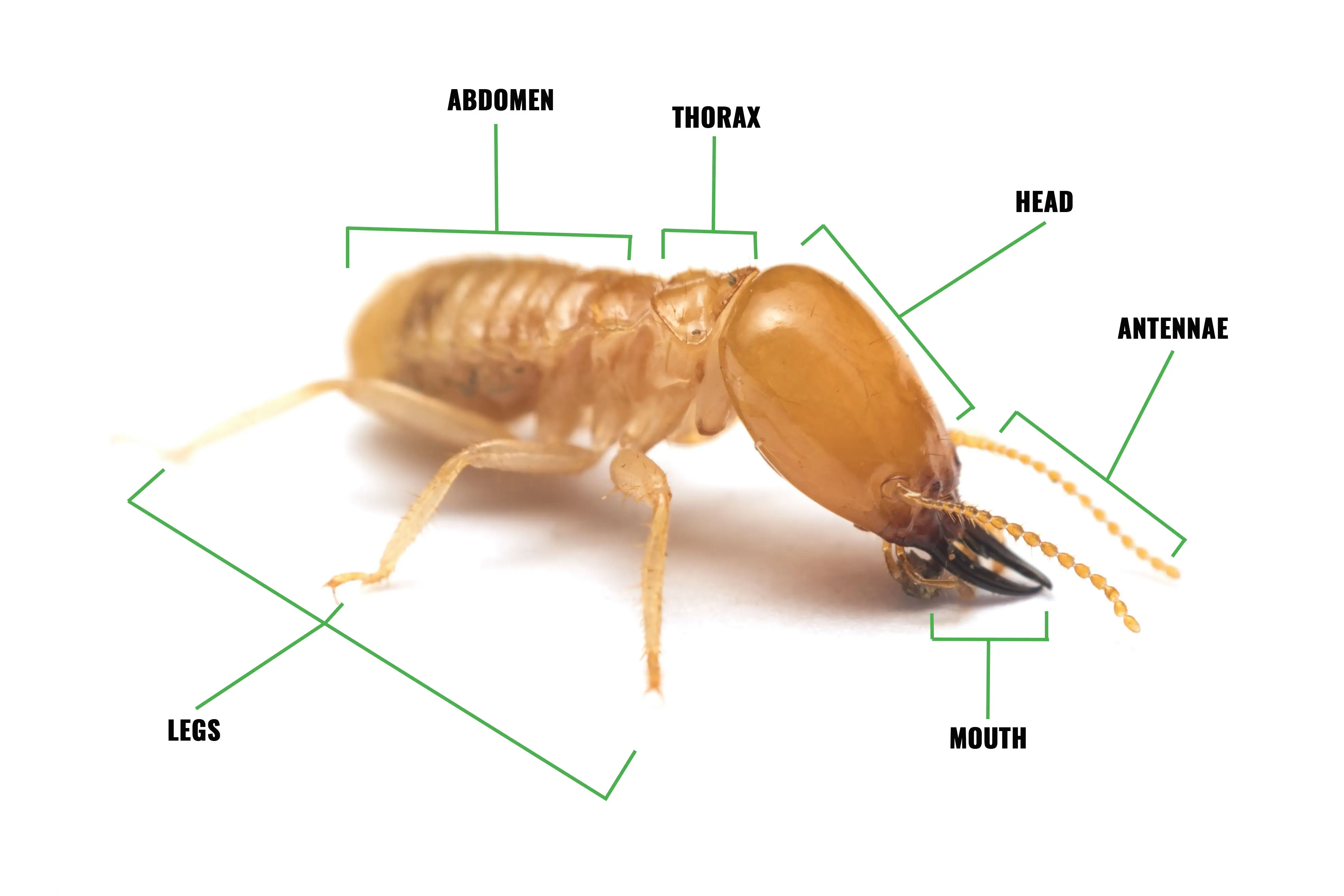
Body: Soft, straight waist, straight antennae

Key Facts

Adult Size
1/4 to 3/8 inch long
Larvae Size
About 1/10 inch long
Most Destructive
Formosan termites

Termite Appearance

Understanding termite appearance is important to properly identify these destructive pests, as they can vary significantly not only across species but also within their specific roles in the colony.

Termite Size

Adult termites typically measure between 1/4 inch to 3/8 inch in length with elongated, slender bodies. Termite larvae are considerably smaller at only about 1/10 inch long. These size ranges hold across various species.

Termite Color

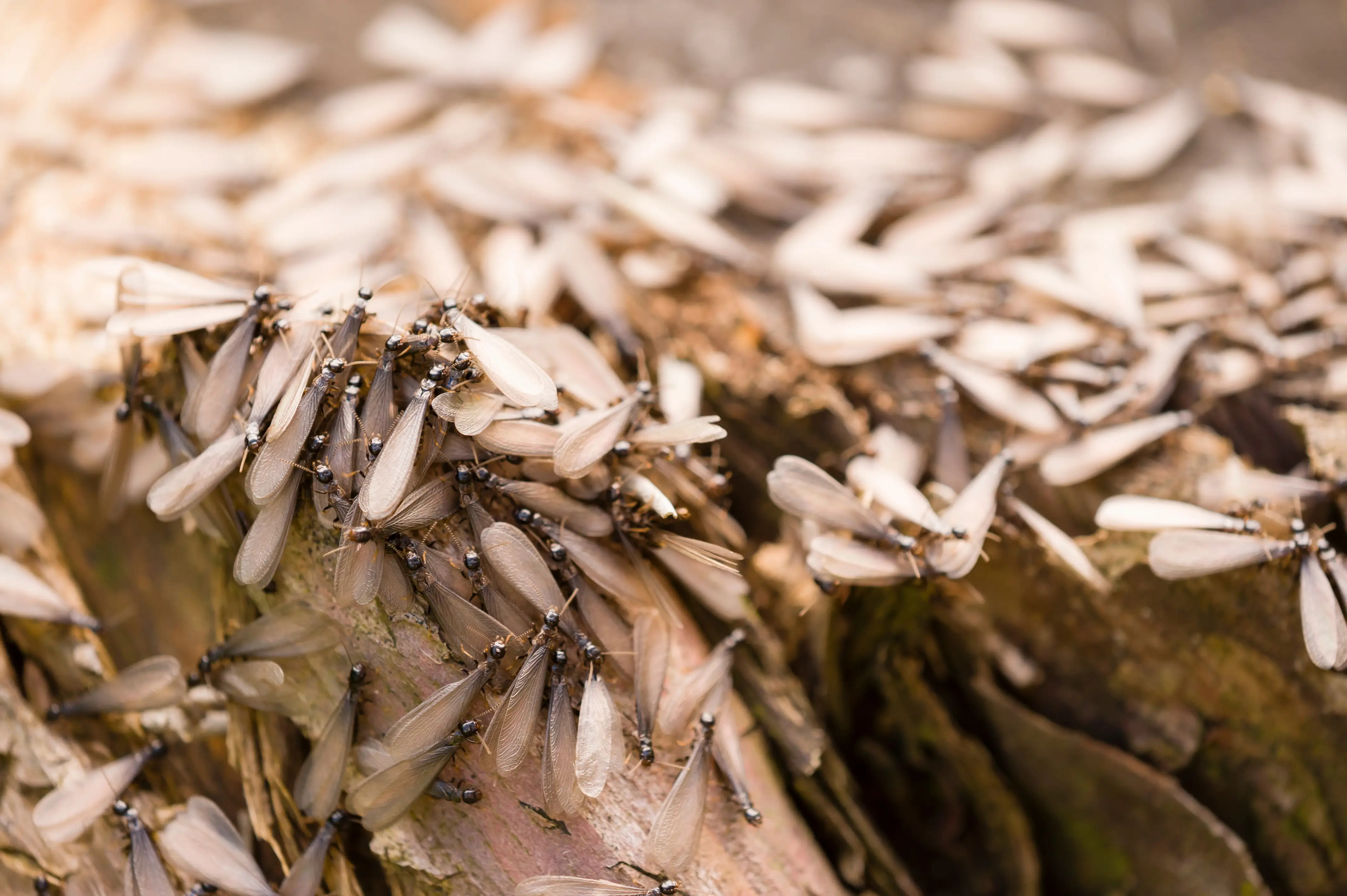
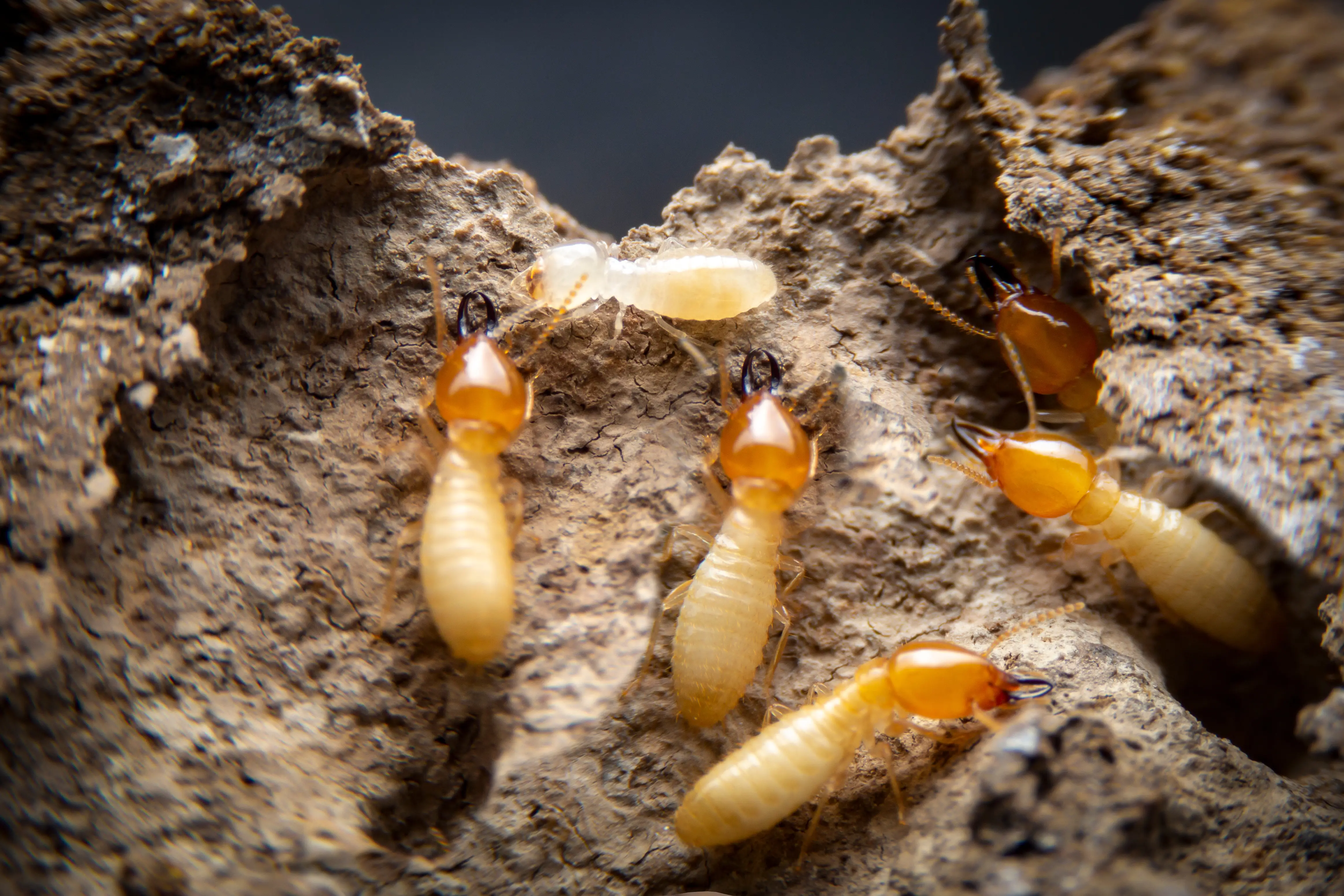
Termites commonly appear in shades of black, white, or brown. Worker termites are creamy white to pale tan. Soldier termites have darker, often orange-colored heads. Swarming termites appear black or dark brown.

Termite Castes

Worker Termites

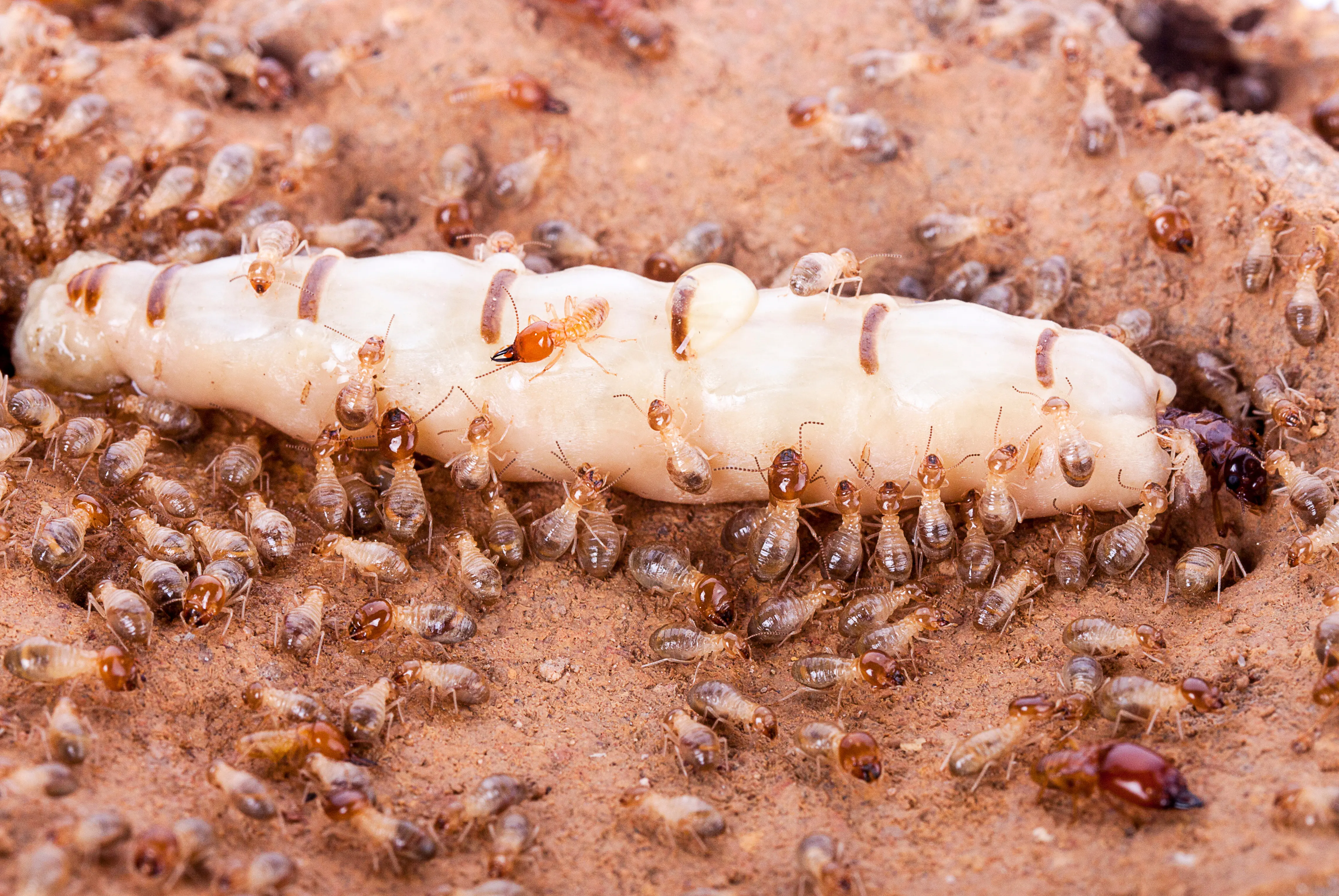
Lighter in color (creamy white to pale tan), smallest of mature adults. Handle foraging and feeding the queen and larvae.

Soldier Termites

More robust and darker with large heads and massive jaws (mandibles). Orange or amber-colored heads for defense.

Reproductive Termites

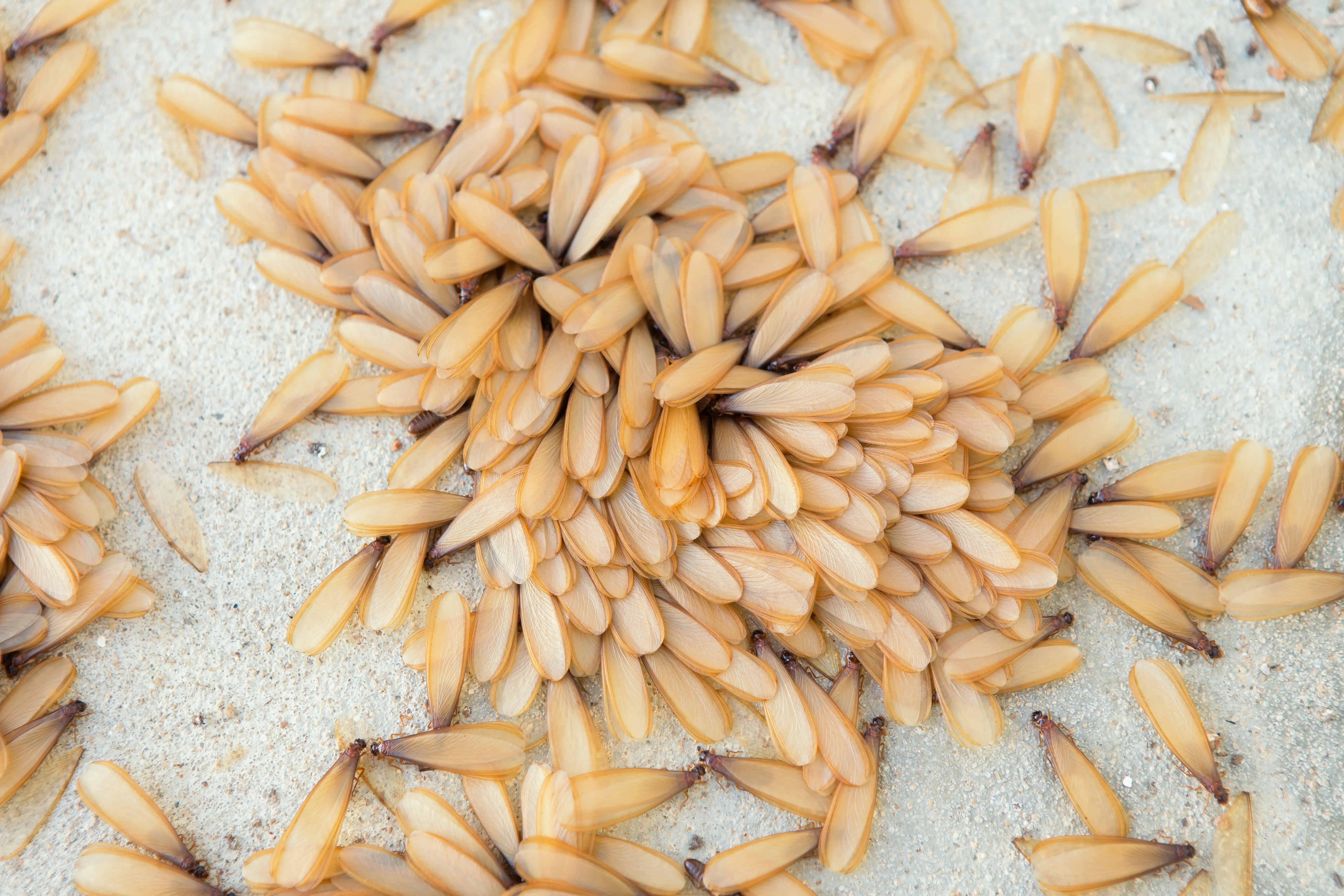
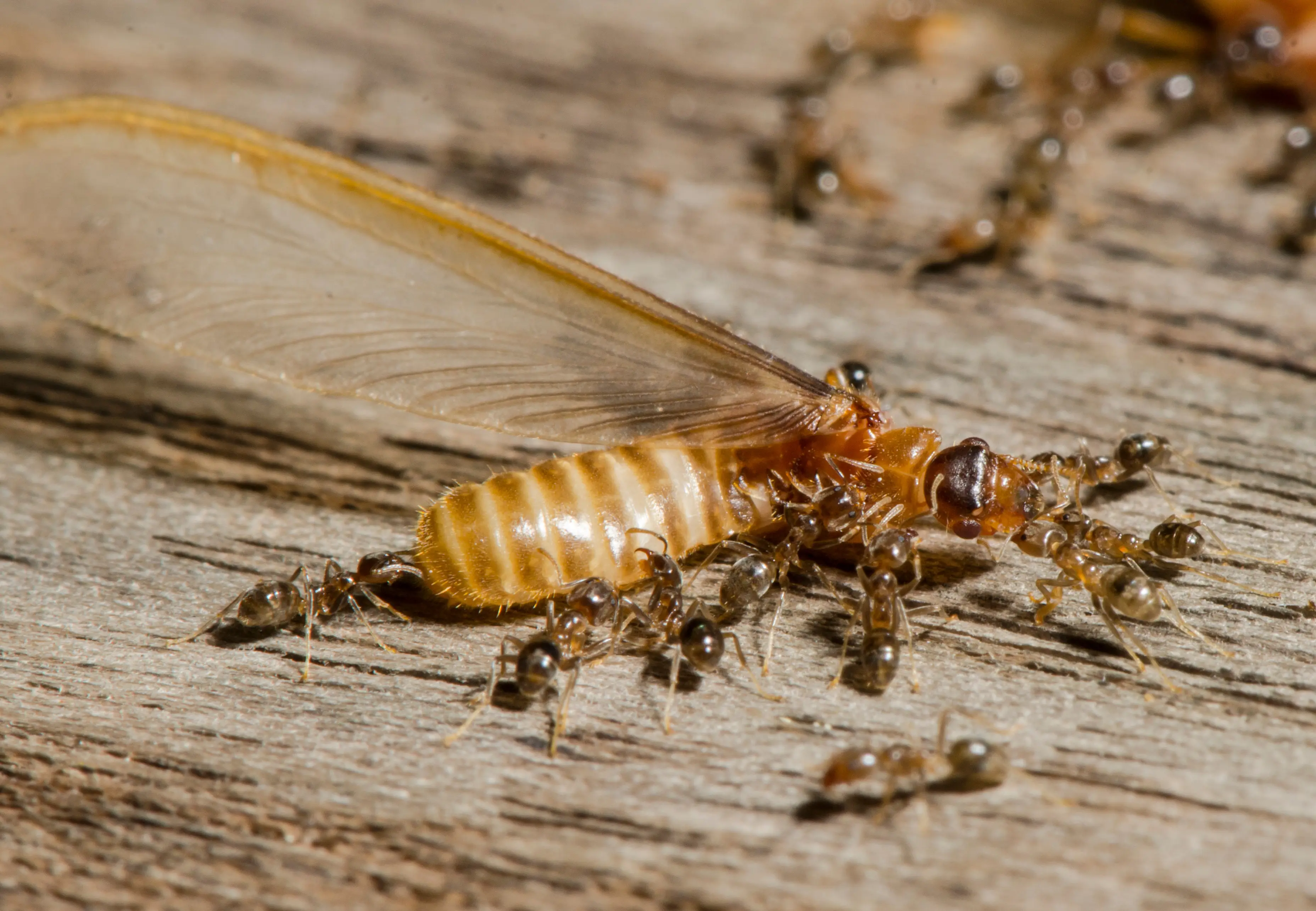
Known as swarmers or alates. Generally darker (dark brown to black) with wings for nuptial flight.

Larvae and Eggs

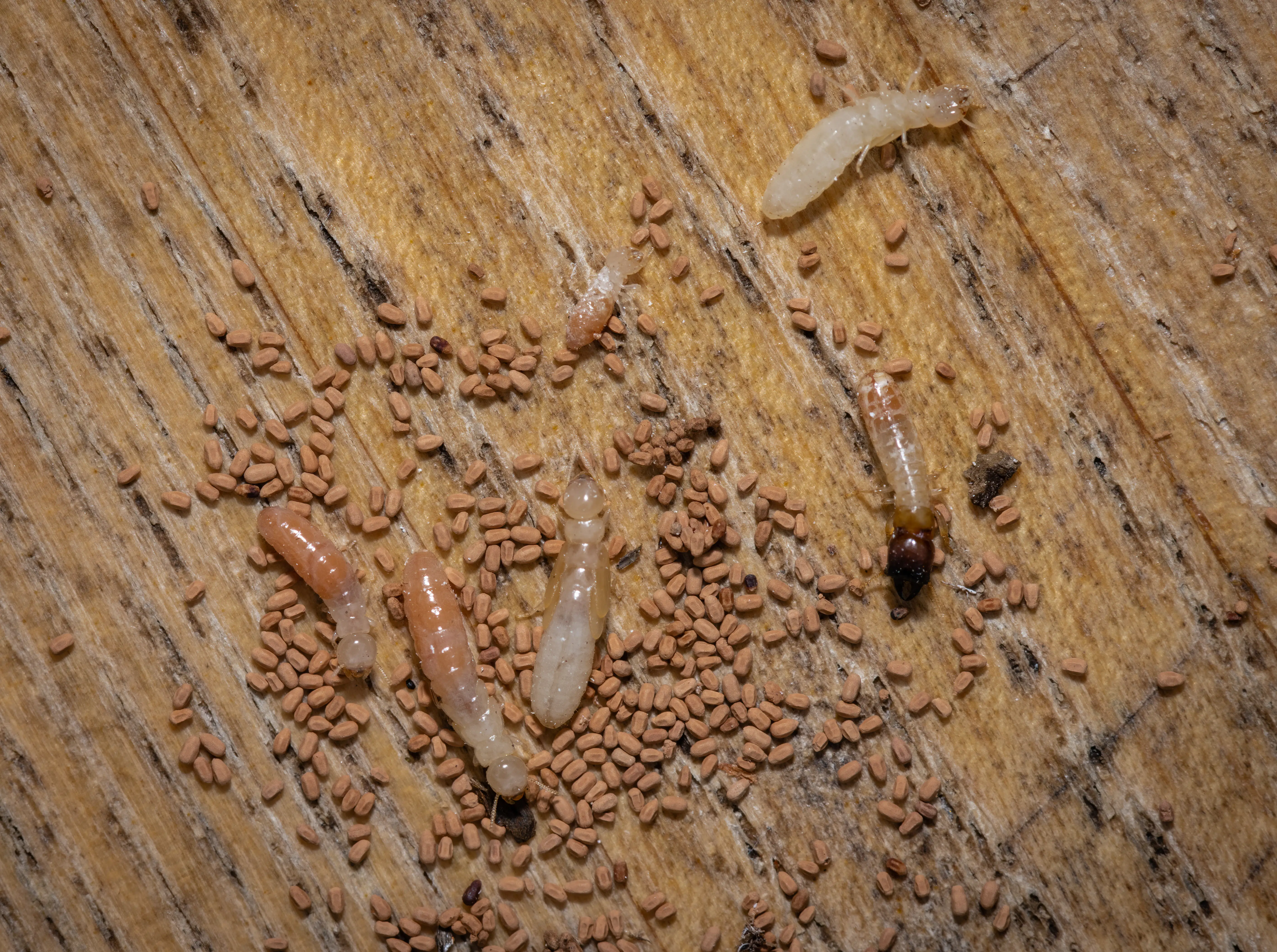
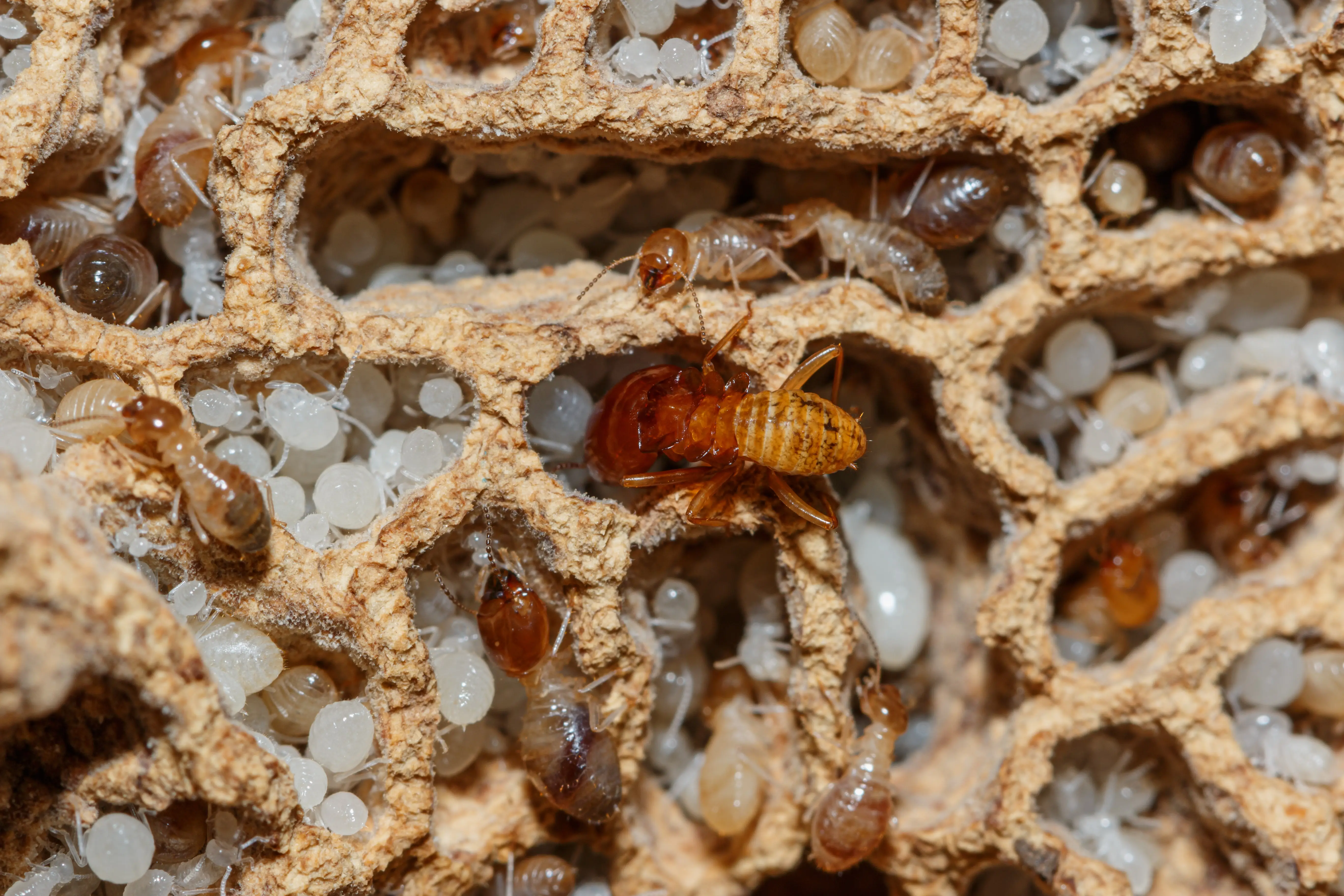
Generally white or translucent, resembling small jellybeans. Found within the nest, rarely seen without exposing inner chambers.

How to Identify Different Species of Termites

While all termites share certain common features, there are distinct differences in physical characteristics, habitat preferences, and damage patterns that can help in their identification.

Subterranean Termites

The most prevalent type infesting homes across the U.S. They establish colonies underground and create extensive tunnel systems, building characteristic mud tubes from soil to reach wooden structures.

Workers: Creamy tanSoldiers: Orange/amber headsSwarmers: Dark brown to black

Drywood Termites

Live entirely within wooden structures and do not require contact with soil. Can infest attic timbers and furniture. Colonies are considerably smaller, making early detection more challenging.

Workers: Pale cream to whiteSoldiers: Orangish-brown headsSwarmers: Amber heads, smoky gray wings

Formosan Termites

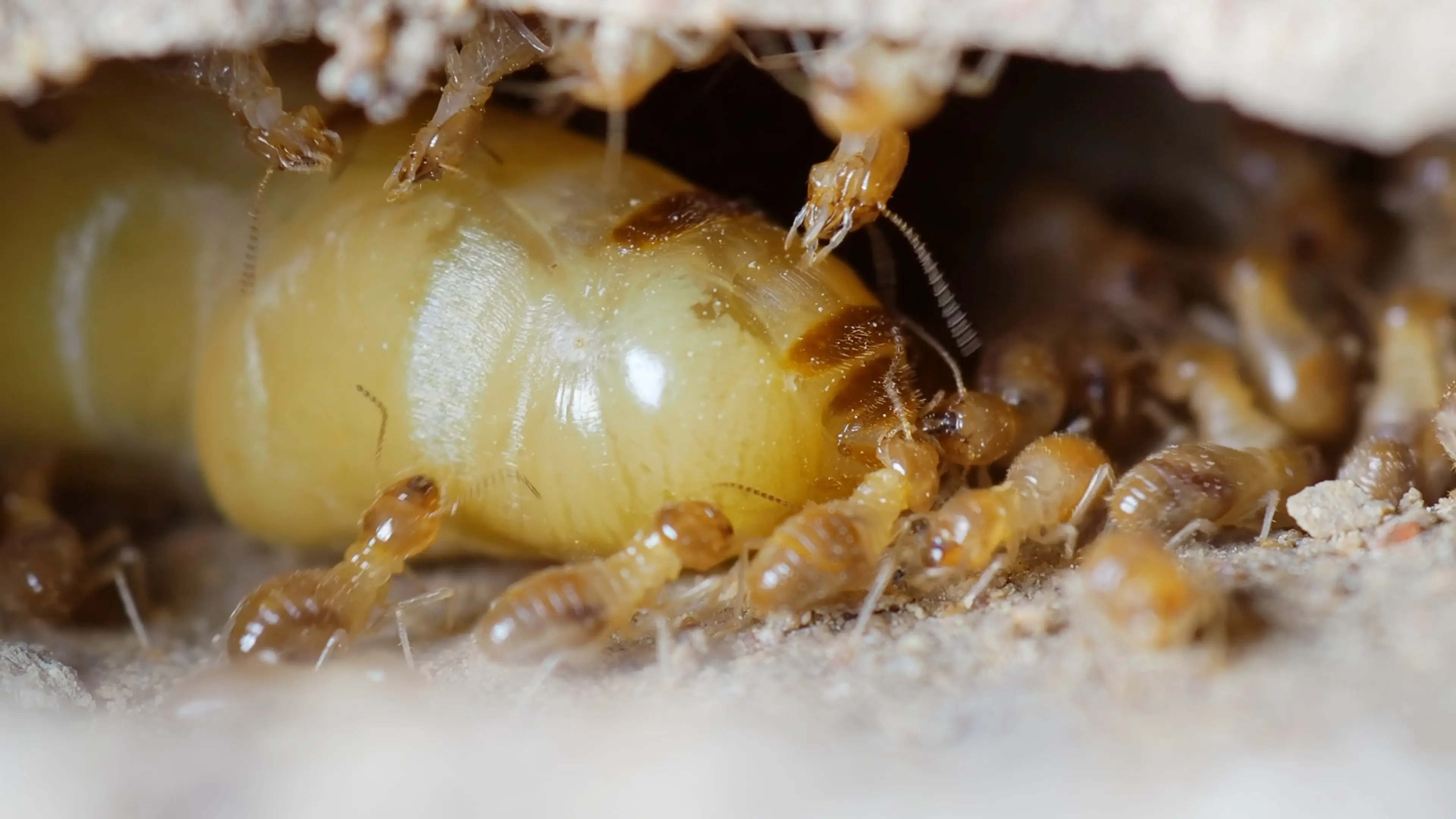
Probably the most destructive of all termite species. A mature colony can house millions of termites, with queens laying about 2,000 eggs per day and living up to 15 years.

Workers: White to off-whiteSoldiers: Oval/pear-shaped headsSwarmers: Pale yellowish-brown

Dampwood Termites

Thrive in moist, humid environments and specifically seek out damp or decaying wood. Larger than other species, often reaching nearly an inch in length. Emit a distinctly unpleasant odor.

Workers: Creamy with spotted abdomensSoldiers: Brown/yellowish bodiesSwarmers: Dark brown bodies and wings

What Do Signs of Termite Damage Look Like?

Recognizing signs of termite damage is crucial for early intervention. Homeowners should be on the lookout for several telltale signs that indicate termite presence, even if the termites themselves are not visible.

Mud Tubes

About the width of a pencil, typically found where the ground meets your house. Subterranean termites build these to travel between colonies and food sources.

Discarded Wings

Look near entry points like windows, doors, or foundation walls. Swarmers shed their wings after finding a new place to establish a colony.

Frass (Droppings)

Termite droppings that resemble fine sawdust or coffee grounds. Often found near tiny holes or tunnels in the wood.

Blistering/Buckling Floors

Caused by termites feeding on the subfloor. May make the floor appear to have water damage.

Discolored/Drooping Drywall

Termites eating cellulose in drywall can cause paint and wallpaper to peel or the drywall itself to sag or discolor.

Loosened Tiles

As the flooring base deteriorates from termite damage, tiles may become loose or detach completely.

Noticed Signs of Termite Activity?

Early detection is key to preventing costly structural damage. Get a professional inspection today.

Call (866) 326-2847

What Other Wood Destroying Insects Can Be Mistaken for Termites?

Other wood-destroying insects can often be mistaken for termites due to similar damage inflicted on wooden structures. Understanding how these insects look and the damage they cause is integral to accurately identifying the species.

Termites vs Carpenter Ants

Body Segmentation

Termites: Straight, thick waist. Ants: Pinched waist with three distinct segments.

Wing Length

Termites: Both pairs equal length. Ants: Front wings longer than hind wings.

Antennae Shape

Termites: Straight antennae. Ants: Bent or "elbowed" antennae.

Leg Length

Termites: Shorter legs. Ants: Longer legs for surface mobility.

Termites vs Carpenter Bees

Termites consume wood from the inside out. Carpenter bees do not eat wood but drill into it to create nests, making round, smooth holes about half an inch in diameter.

Appearance: Carpenter bees resemble large bumblebees with smooth, shiny abdomens
Wood Damage: Carpenter bees create clean, circular holes; termites leave chaotic patterns
Behavior: Carpenter bees hover near wood surfaces; termites stay hidden

Termites vs Powderpost Beetles

Powderpost beetles bore into wood to lay eggs, with larvae feeding on the wood as they develop. Unlike termites, they can sometimes be seen on the surface of wood.

Size: 1/8 to 3/4 inch long (can be larger than termites)
Color: Reddish-brown to black (darker than most termites)
Shape: Slender bodies with downward-hanging heads

How to Get Rid of Termites

Effectively getting rid of termites requires a combination of preventive measures and active treatments to ensure that the infestation is fully addressed and future occurrences are minimized.

Professional Pest Control

The most reliable way to eliminate termites. Professionals provide thorough inspections, identify the species, and apply appropriate treatments such as soil treatments, bait systems, or chemical barriers.

Termite Bait Stations

Installed around the perimeter of a property to attract termites. Once termites feed on the slow-acting poison bait, they return to their colony and spread the toxin, eventually collapsing the colony.

Liquid Termiticides

Applied in the soil around and beneath a structure to create a chemical barrier that kills termites on contact or when ingested. Effective for both barrier protection and killing existing termites.

Borate Wood Treatment

Applying borate treatments to wood before painting or sealing can prevent termite infestations by poisoning the wood and making it lethal to termites that attempt to consume it.

Remove Food Sources

Eliminate sources of moisture and remove potential food sources like woodpiles, debris, and mulch from around the structure to help deter termites from your home.

Contact EcoGuard if You Are Dealing with Termites

If you suspect that your home may be at risk of a termite infestation, or if you have noticed any signs of termite activity, do not hesitate to take action. Contacting EcoGuard Pest Management can provide you with the peace of mind that comes from professional and effective termite treatment solutions. Our team of experienced professionals is equipped to assess your situation, implement state-of-the-art treatment options, and ensure that your home remains safe and termite-free.

Call (866) 326-2847Get Free Quote

Termite Appearance FAQs

How to tell if a bug is a termite?

To determine if a bug is a termite, look for specific physical characteristics: termites typically have a soft body with a straight, uniform waist, straight antennae, and, if wings are present, both pairs will be of equal length. Additionally, most termites are pale in color, ranging from white to light brown, depending on their species and role in the colony. Observing these traits can help you identify termites as opposed to other similar insects like ants which have pinched waists and bent antennae.

What do termites look like to the human eye?

To the human eye, termites appear quite small and typically range from 1/4 to 1/2 inch in length. They have soft bodies and are usually off white to light brown, which can make them hard to spot against wood and soil. Termites are frequently mistaken for ants, but can be distinguished by their straight, beaded antennae and uniform body shape without a pinched waist.

What do indoor termites look like?

Indoor termites are typically found within a home and generally appear as small, pale insects with soft bodies that can range in color from white to light brown. The most commonly encountered indoor termites are the worker and swarmer (reproductive) castes. Worker termites are usually more numerous and are creamy white, while swarmers are slightly darker and may have wings of equal size. These termites are often spotted when they emerge from hidden infestations within walls, floors, or other wood structures.

From Our Blog

Related Articles

Do Termites Bite People? Risks, Symptoms & What to Do

Do Termites Bite People? Risks, Symptoms & What to Do

Learn if termites bite humans, what termite bites look like, the real risks of termites, and how to prevent and get rid...

Read Article
Does Mulch Attract Termites? Complete Guide to Safe Mulching

Does Mulch Attract Termites? Complete Guide to Safe Mulching

Learn the truth about mulch and termites. Discover which mulch types are termite-resistant, proper installation...

Read Article
How Long Does Termite Treatment Last? Duration by Type

How Long Does Termite Treatment Last? Duration by Type

Learn how long different termite treatments last including baits, liquid treatments, fumigation, and Termidor. Factors...

Read Article
Signs of Termites: How to Detect Termite Activity in Your Home

Signs of Termites: How to Detect Termite Activity in Your Home

Learn the common signs of termite activity including swarmers, mud tubes, wood damage, droppings, and more. Early...

Read Article
Termite Droppings (Frass): Identification, Location & What to Do

Termite Droppings (Frass): Identification, Location & What to Do

Learn how to identify termite droppings (frass), where to find them, drywood vs subterranean termite waste, and what to...

Read Article
Termite Eggs: Identification, Location & What Finding Eggs Means

Termite Eggs: Identification, Location & What Finding Eggs Means

Learn what termite eggs look like, where to find them, how many queens lay, hatching time, and what to do if you...

Read Article
Termite Life Cycle: Stages, Castes, Reproduction & Lifespan

Termite Life Cycle: Stages, Castes, Reproduction & Lifespan

Learn about the termite life cycle including egg, nymph, and adult stages, castes (workers, soldiers, reproductives),...

Read Article
Termite Queen: Appearance, Role, Lifespan & How to Eliminate

Termite Queen: Appearance, Role, Lifespan & How to Eliminate

Learn about termite queens including appearance, size, role in the colony, egg production, lifespan, and what happens...

Read Article
Termites vs Ants: How to Tell the Difference

Termites vs Ants: How to Tell the Difference

Learn how to identify termites vs ants by appearance, antennae, wings, body shape, behavior, diet, and damage caused....

Read Article
Termites with Wings: What Flying Termites Mean & What to Do

Termites with Wings: What Flying Termites Mean & What to Do

Learn what flying termites (alates) mean, how to identify them vs flying ants, when they swarm, and what to do if you...

Read Article
What Are Termite Mud Tubes? Identification & Treatment

What Are Termite Mud Tubes? Identification & Treatment

Learn what termite mud tubes are, how to identify them, the different types, what they mean for your home, and how to...

Read Article
What Are Termites? Facts, Signs, Damage, and Control

What Are Termites? Facts, Signs, Damage, and Control

Learn what termites are, how to identify them, the 3 main types, 15 signs of infestation, structural damage they cause,...

Read Article
What Do Termite Larvae Look Like? Identification Guide

What Do Termite Larvae Look Like? Identification Guide

Learn how to identify termite larvae by their shape, color, and size. Discover the differences between termite larvae...

Read Article