EcoGuard Pest Management
Termite life cycle stages
By Gary Anderson||5 min read

Termite Life Cycle

Development stages, castes, reproduction, swarming, and lifespan.

30 Days
Egg to hatch
85-98%
Workers in colony
25 Years
Queen lifespan
1 Million+
Mature colony size

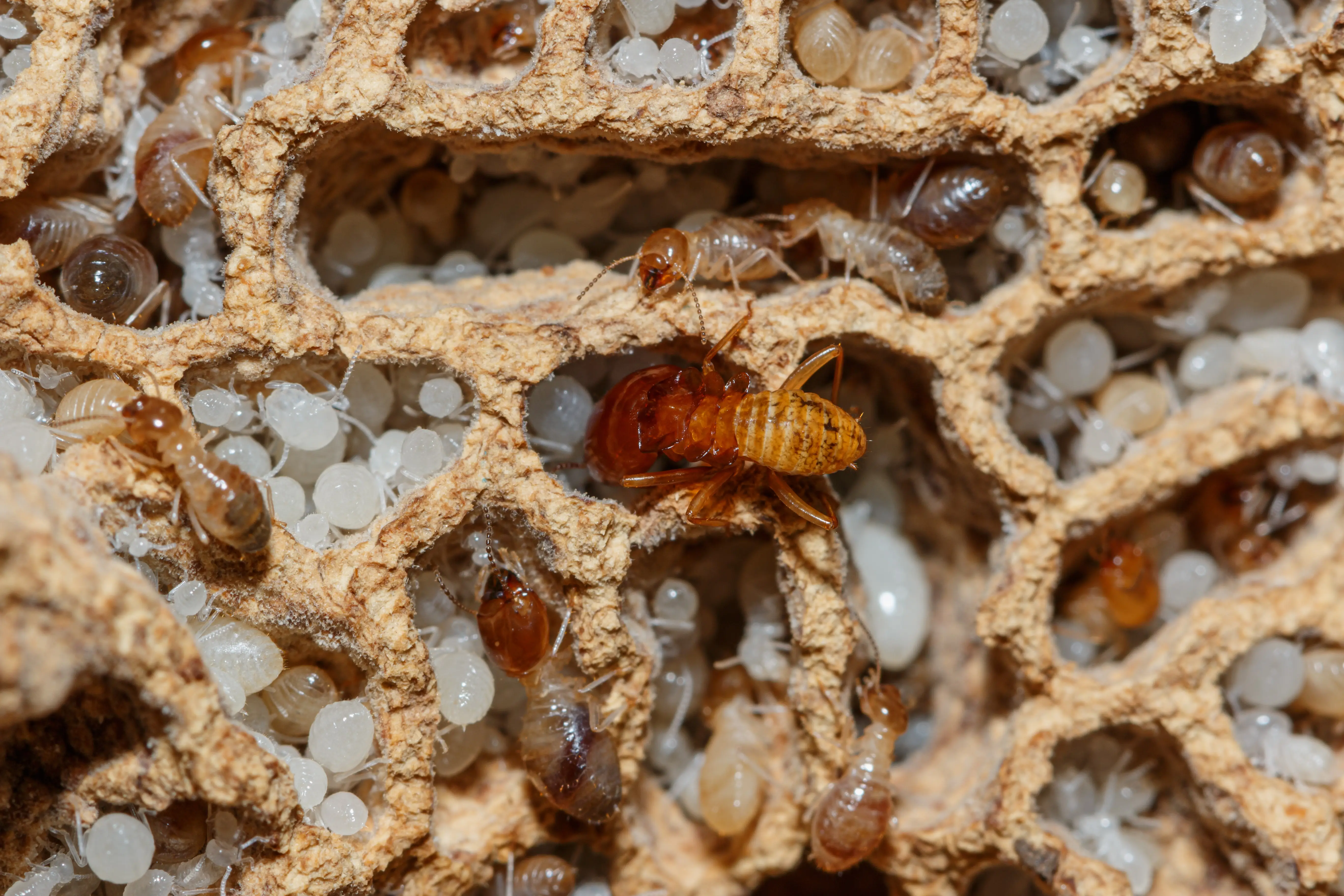
A termite's life cycle starts when a queen lays an egg. This egg develops for 30 days before hatching and moving through a larval stage (nymph). With time, nymphs mature into adult termites in one of several castes: workers, soldiers, or reproductives (alates).

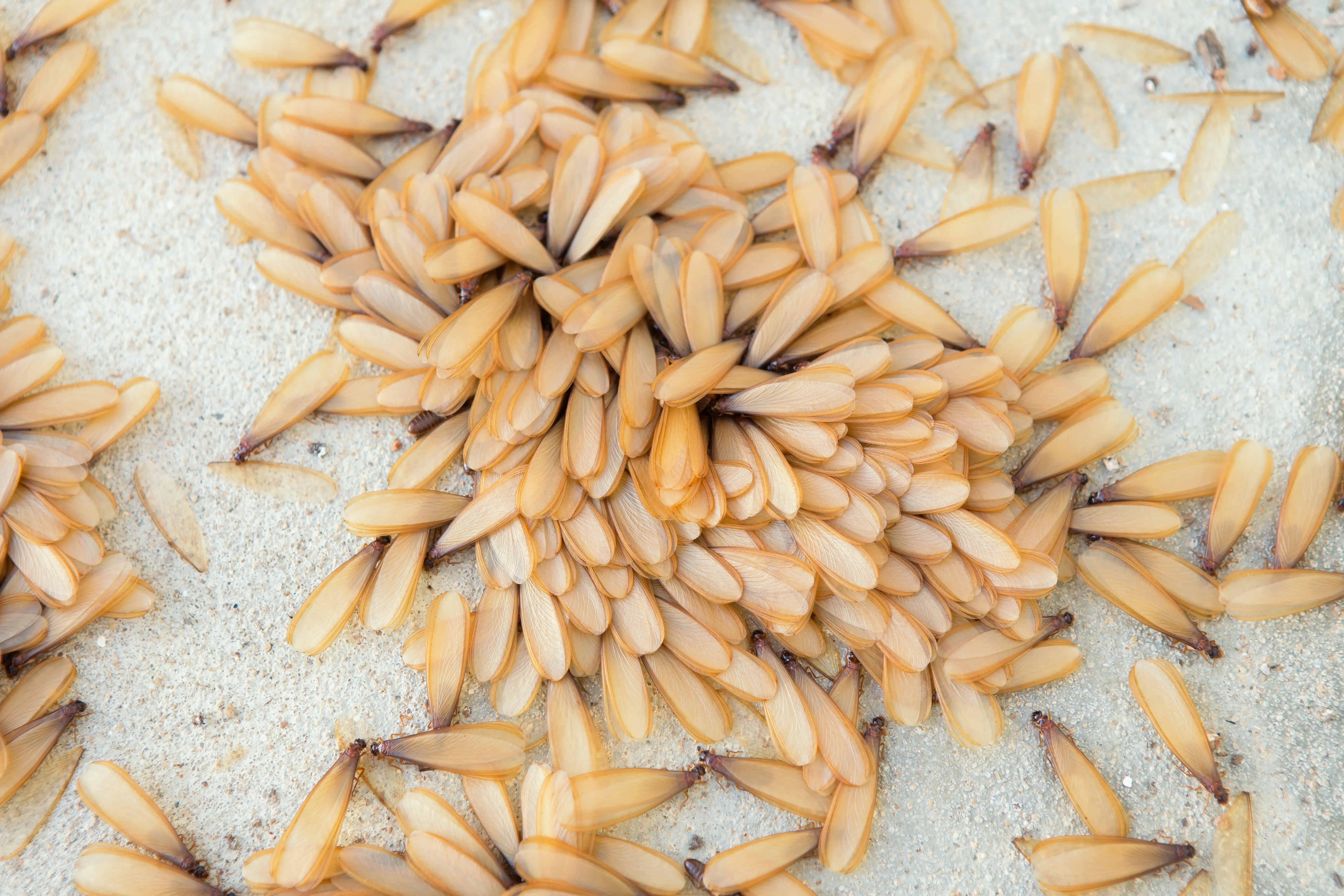
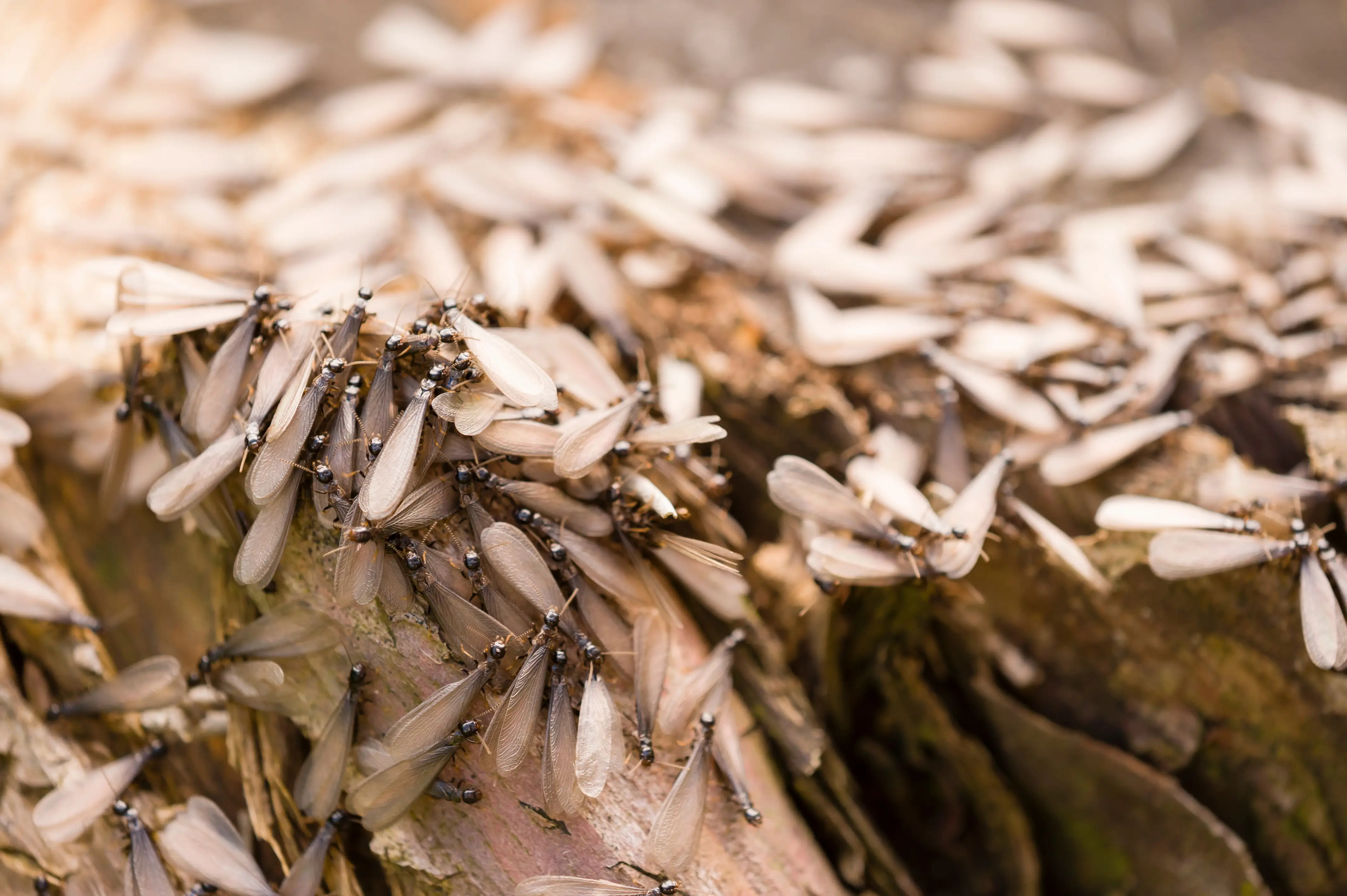
Alates develop wings for swarming to find new colony locations, perpetuating the life cycle. Understanding these patterns helps you know when and how termites can infest your property.
Termite Development Stages

Termites move through incomplete metamorphosis with several phases before reaching adulthood:

1. Termite Eggs

  • Tiny translucent orbs (white or brown)
  • 30-day gestation period
  • Increase in size and change color near hatching
  • Require worker and queen maintenance
  • Fail without colony protection

2. Nymphs (Larvae)

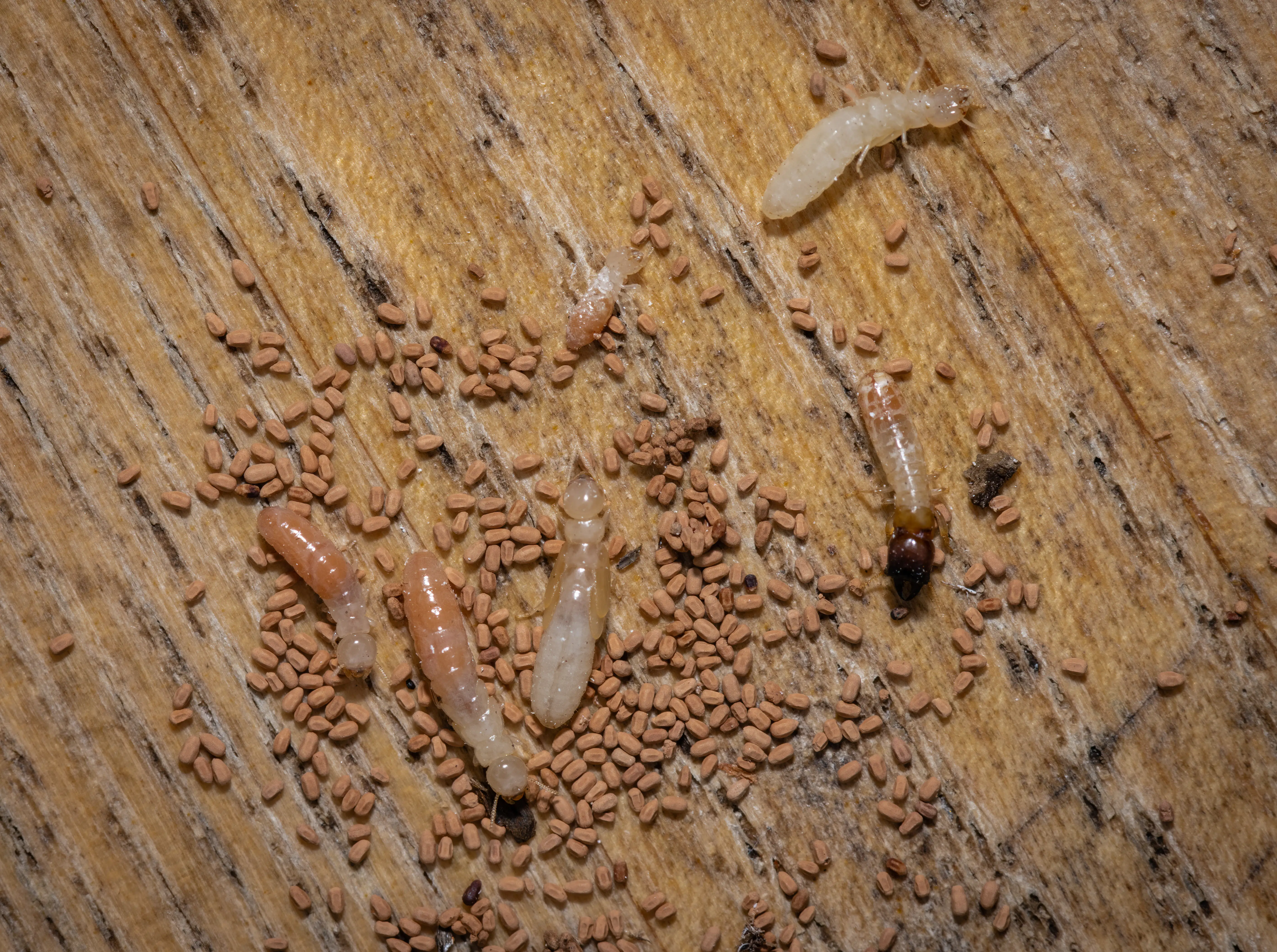
  • Soft, white, immature termites
  • Initially dependent on workers for food
  • Help care for eggs when mobile
  • Molt several times as they mature
  • Caste determined by queen pheromones

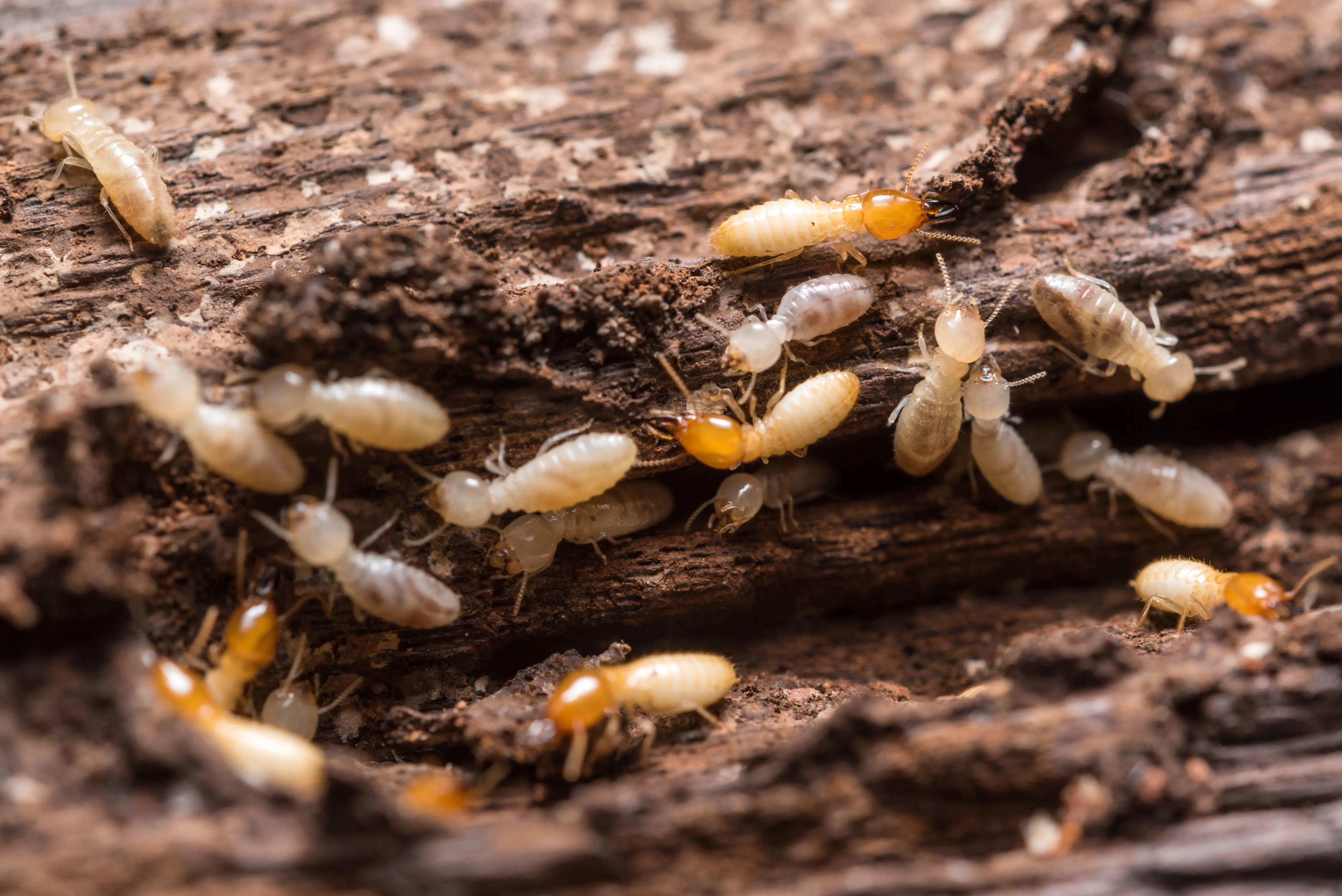
3. Mature Termites

  • Fall into 1 of 3 castes
  • Serve specific colony purposes
  • Workers can shift back to nymph
  • Can develop into more needed caste

Termite Castes

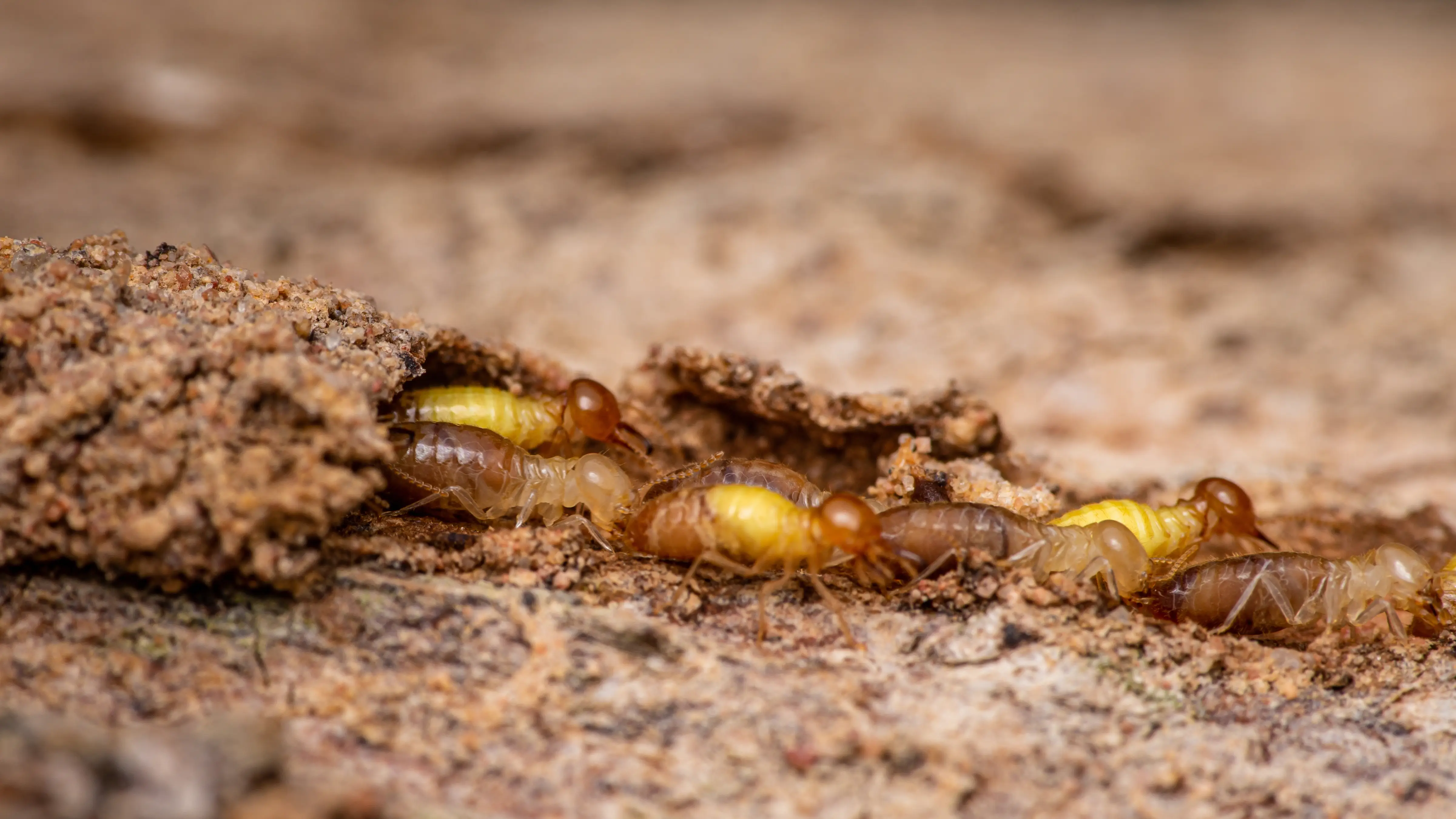
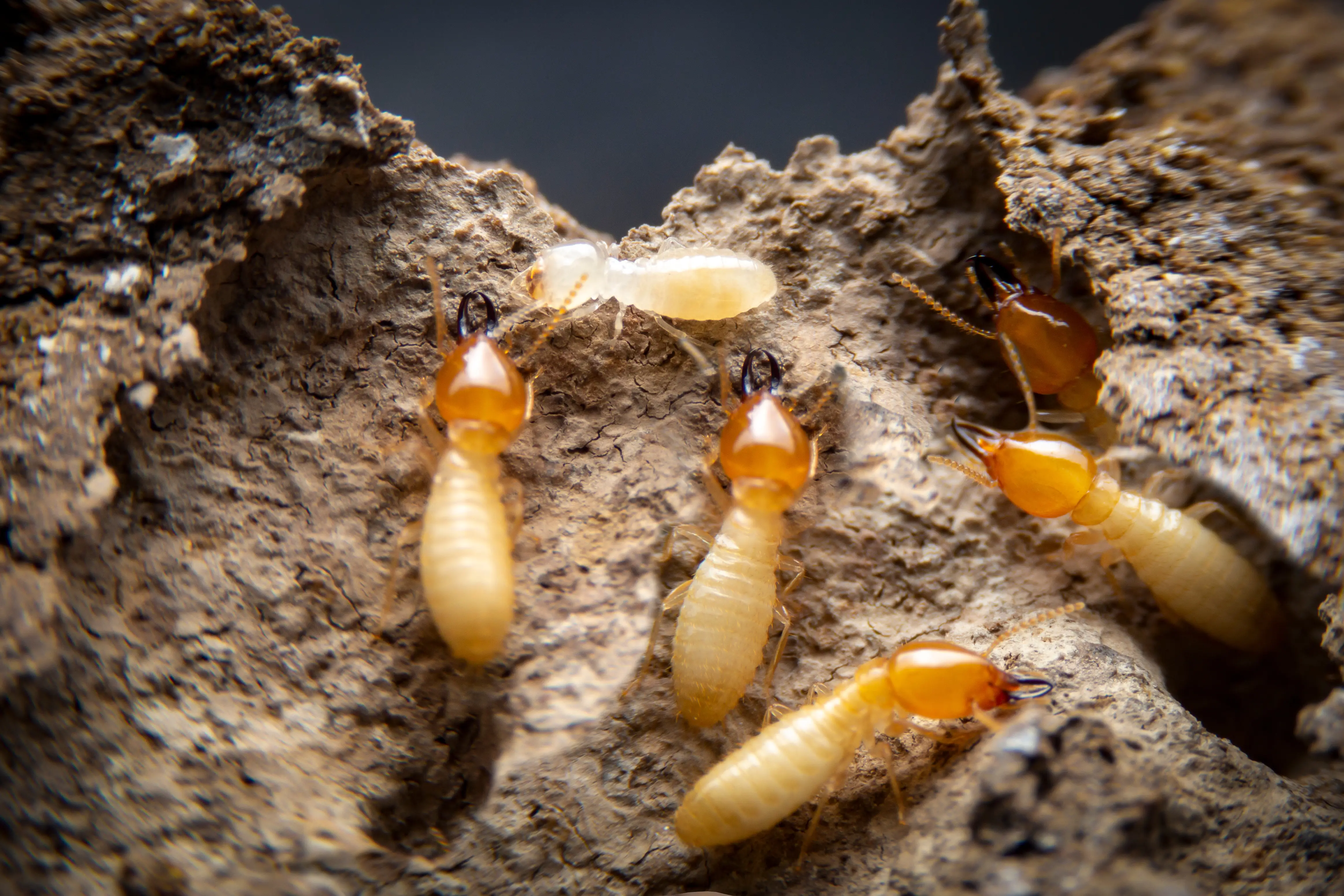
Worker Termites

85-98% of Colony

Expand colony, care for eggs/nymphs, feed the colony. Use pheromones to find food. Subterranean workers build mud tubes. Drywood workers chew through wood. Sterile (either gender).

Soldier Termites

Colony Protectors

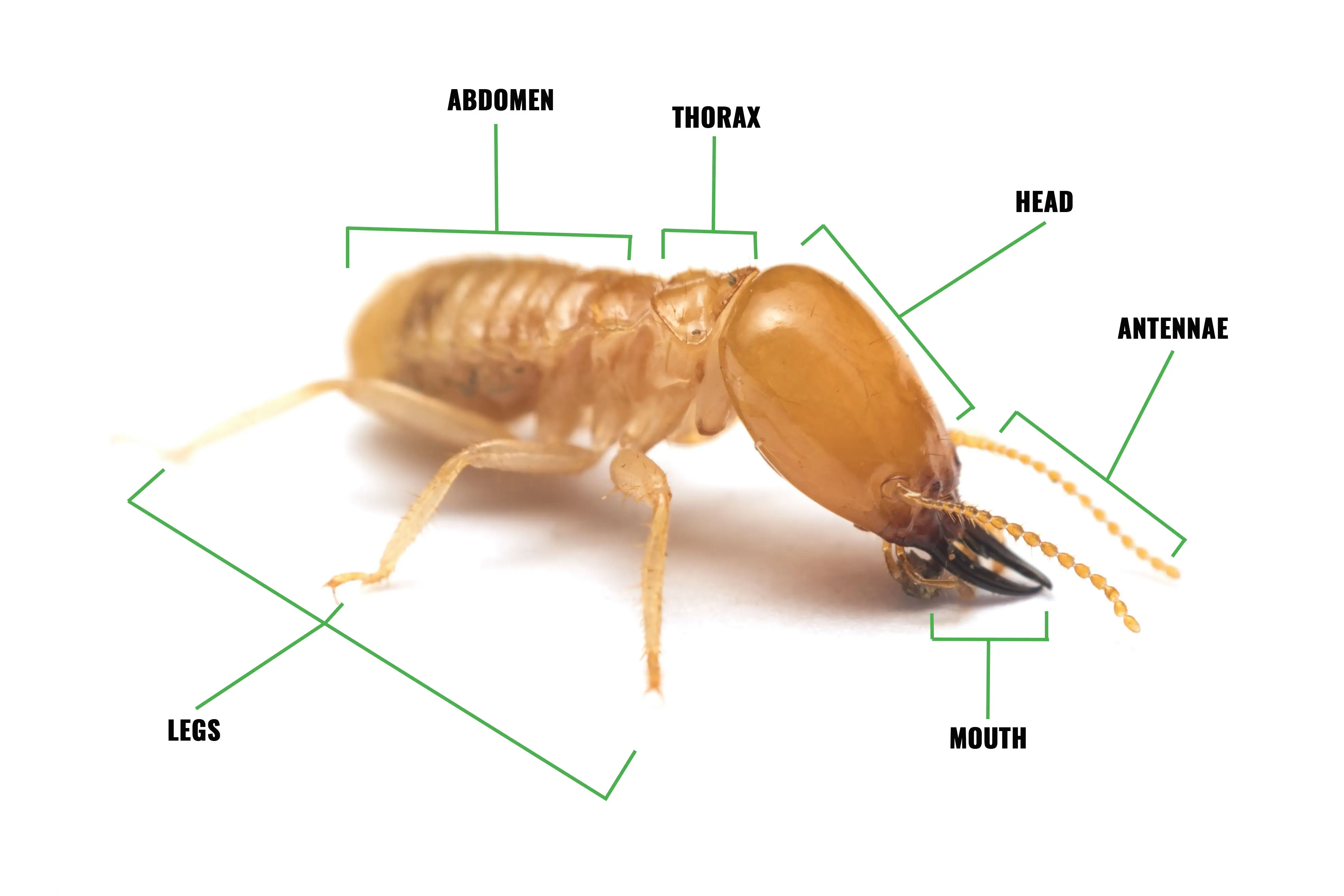
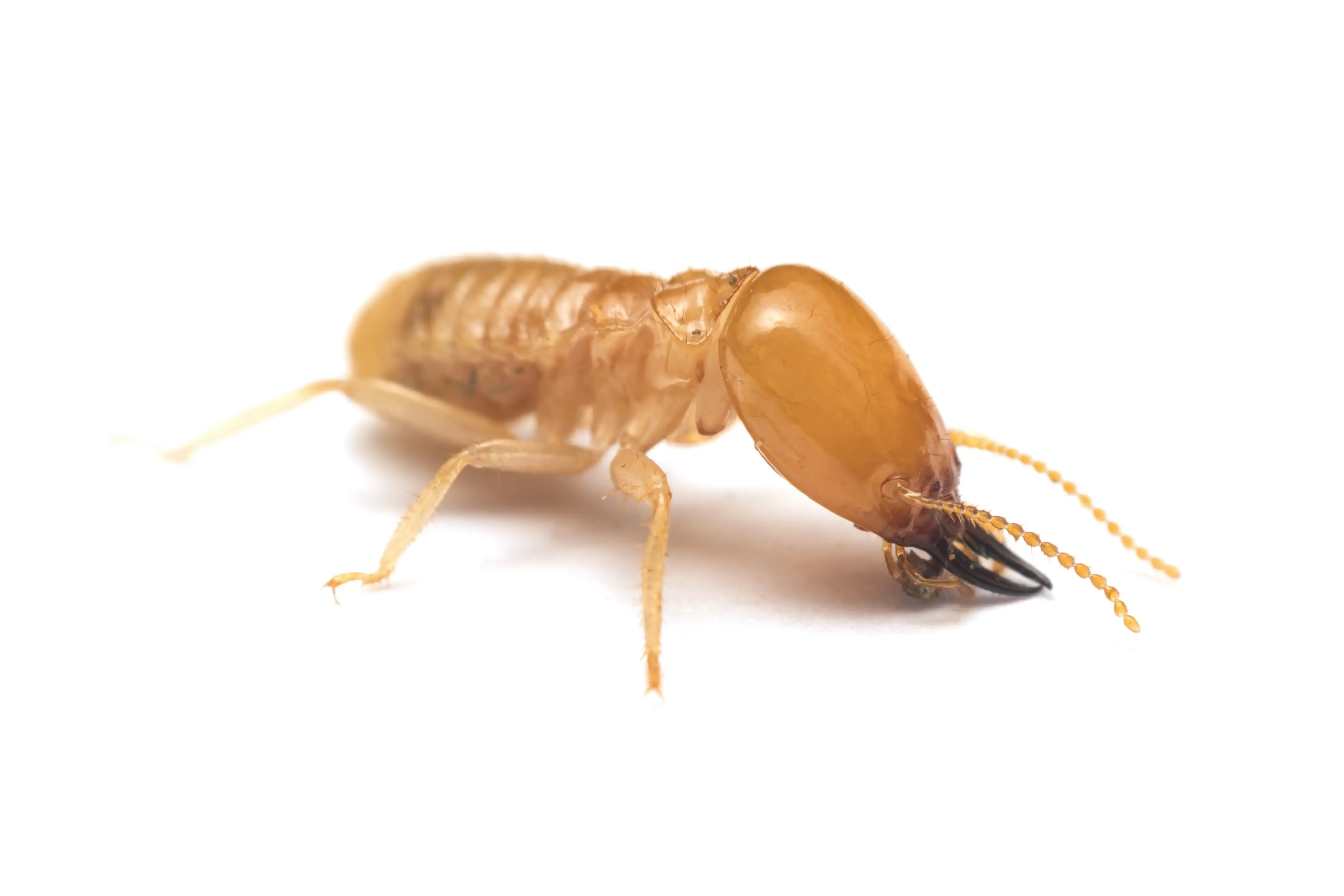
Extra-large heads with large mandibles to fight predators like ants. Cannot feed themselves due to mandible size. Workers must provide cellulose. Also sterile.

Reproductive Termites

Alates (Swarmers)

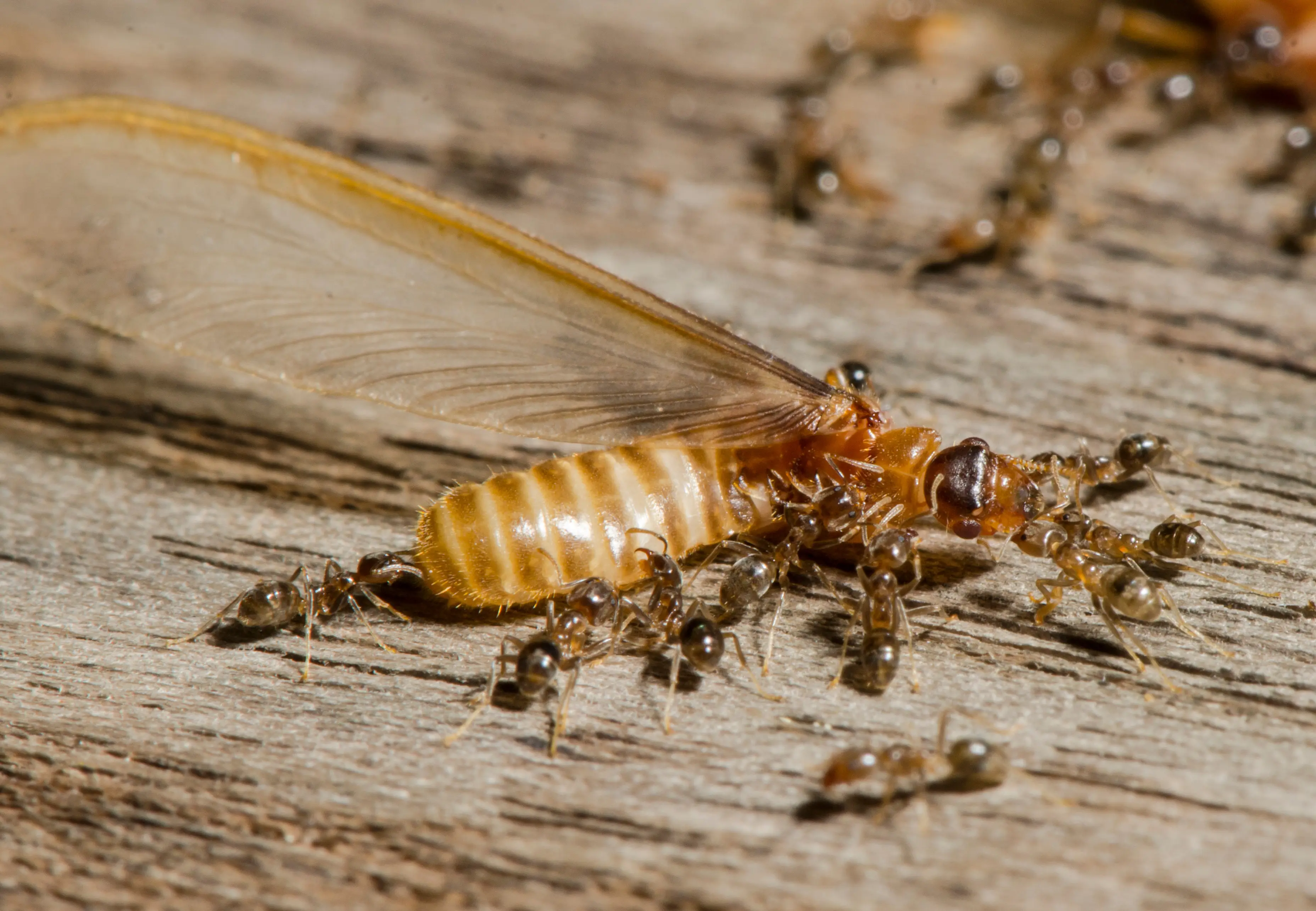
All fertile termites including queen and king. Winged for nuptial flight to create new colonies. Develop pigmentation and eyes for light exposure.

Queen and King

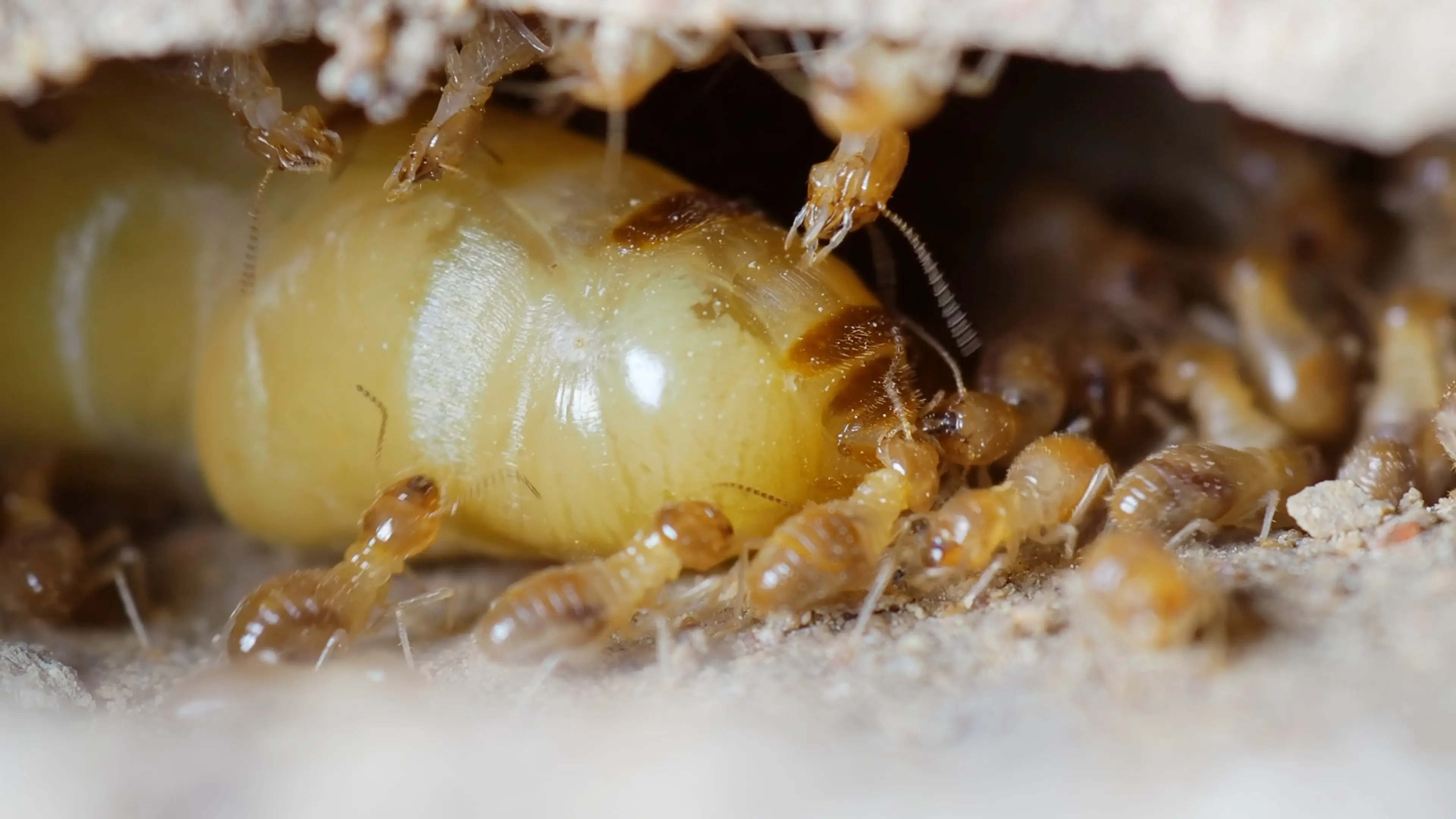
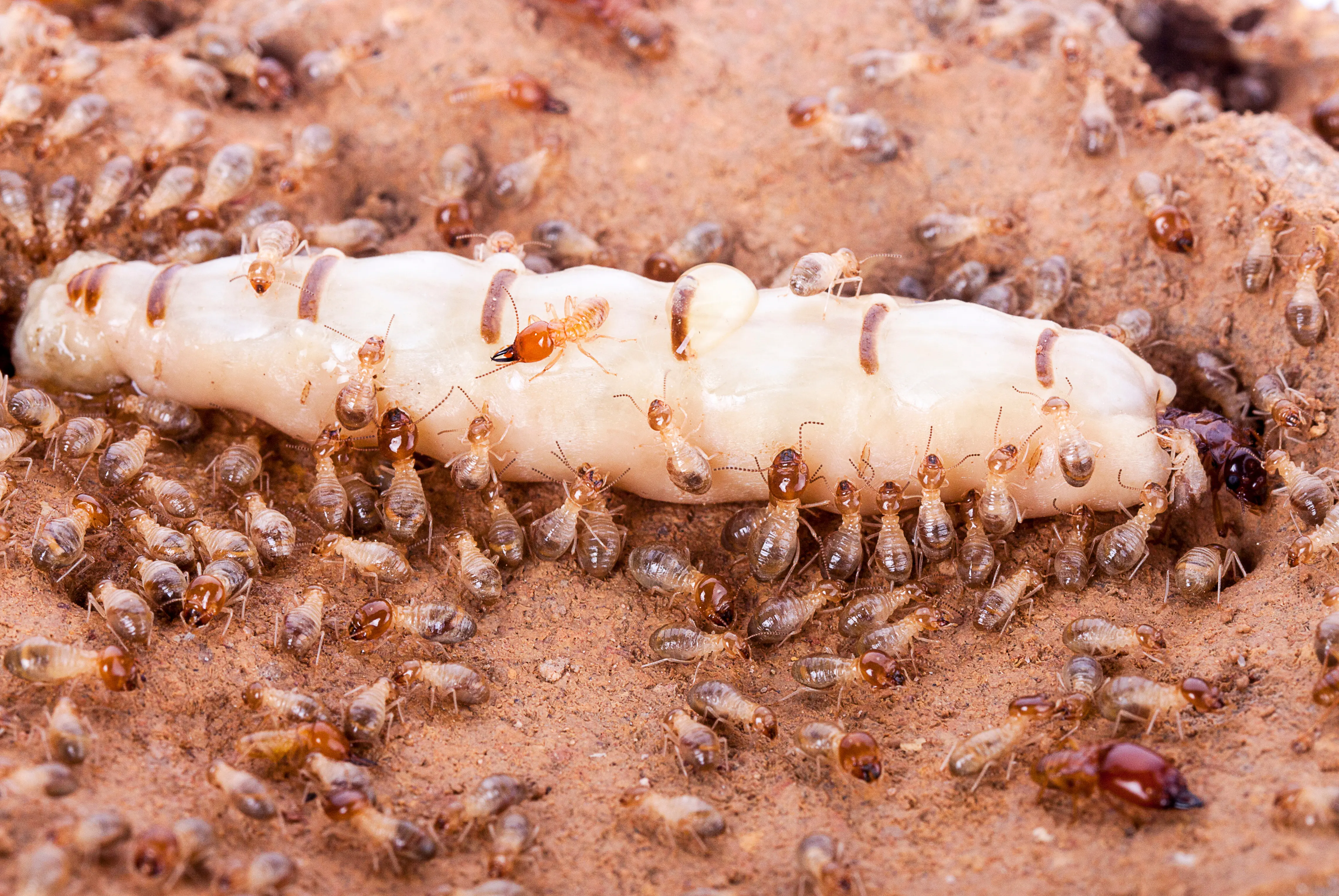
Once a swarm identifies a new location, one female and male emerge as queen and king. They remain inside the nest for life, producing millions of eggs. The queen's body distends to several times her original size, making her mostly immobile. The king is smaller, stays by the queen's side, and helps determine caste development.

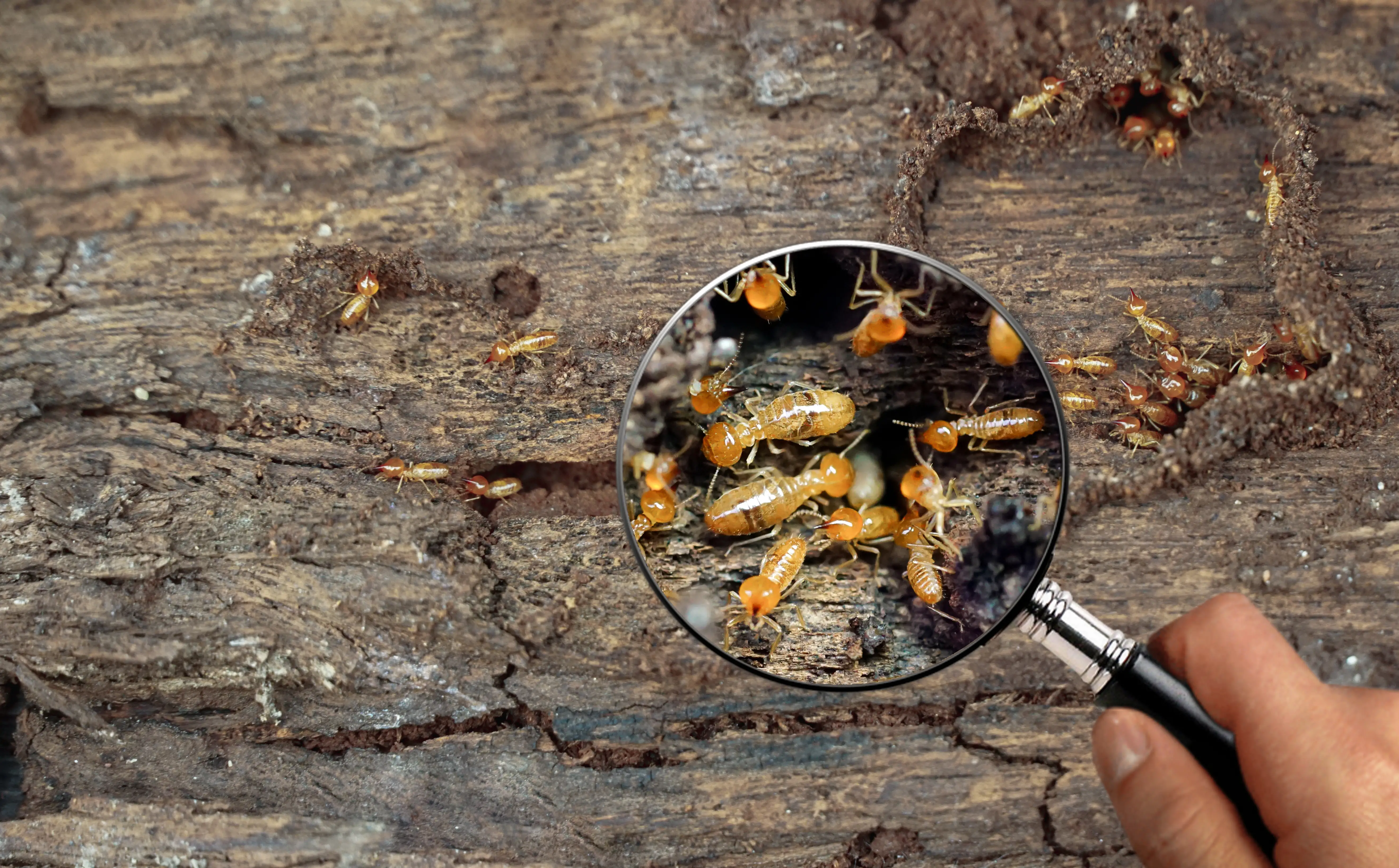
Noticed Signs of Termites?

Get an inspection before the colony matures and causes major damage.

Call (866) 326-2847

Termite Reproduction and Swarming

The life cycle begins with the nuptial flight where a swarm leaves to find a new colony location. After colony creation, one pair emerges as king and queen. Initially the queen produces only a handful of termites daily, but eventually reaches up to 1,000 eggs per day.

Termite Swarming

Without swarming, new colonies would never occur. This happens when a colony runs out of food or needs room for growth. The king and queen signal nymphs to develop into alates via pheromones. These nymphs develop wing buds, functional eyes, and darkened/hardened exoskeletons for sunlight exposure. When reproductives are ready in numbers, they take off on their nuptial flight.

Termite Lifespan

1-2
Years (Workers/Soldiers)
Up to 4
Years (Reproductives)
20-25
Years (Queen)

Drywood Termites

Queens live 10-12 years. Colonies develop slower, taking up to 5 years to reach stable mature state.

Subterranean Termites

Queens live 15-25 years. Colonies expand much faster, reaching maturity at around 2 years.

How Long for a Colony to Mature?

Once mature, colonies can contain over a million termites. Time to maturity depends on climate and species:

Subterranean Colonies

Full maturity in 6-7 years. Faster expansion rate.

Drywood Colonies

Significantly longer to reach maturity than subterranean species.

Note: Colonies with enough resources have been known to exist for over 100 years. However, these exist where structural damage is not monitored, otherwise they would have been treated and controlled.

Schedule Your Termite Inspection Today

If you have noticed any signs of termites at any stage of their life cycle, call EcoGuard Pest Management to schedule a termite inspection right away. The amount of damage that can be done by a mature colony is significant.

Call (866) 326-2847Get Free Quote

Termite Life Cycle FAQs

How long is the life cycle of termites?

The length depends on which caste. Workers and soldiers live 1-2 years while reproductives can live up to 4 years. Queen termites can live 25 years or more in optimal conditions.

How long does it take for termites to infest a house?

Depending on species, a full-blown infestation can take 3-8 years. At this point the colony will be big enough to cause significant structural damage.

How long does it take to kill a termite colony?

For drywood termites, fumigation can terminate 100% of a colony within a few days. Subterranean termites require baiting or soil saturation to cause colony collapse since they live underground.

What are the stages of a termite?

All termites progress from eggs to nymphs to adult termites in one of 3 castes. Depending on colony needs, mature termites develop into workers, soldiers, or reproductives.

From Our Blog

Related Articles

Do Termites Bite People? Risks, Symptoms & What to Do

Do Termites Bite People? Risks, Symptoms & What to Do

Learn if termites bite humans, what termite bites look like, the real risks of termites, and how to prevent and get rid...

Read Article
Does Mulch Attract Termites? Complete Guide to Safe Mulching

Does Mulch Attract Termites? Complete Guide to Safe Mulching

Learn the truth about mulch and termites. Discover which mulch types are termite-resistant, proper installation...

Read Article
How Long Does Termite Treatment Last? Duration by Type

How Long Does Termite Treatment Last? Duration by Type

Learn how long different termite treatments last including baits, liquid treatments, fumigation, and Termidor. Factors...

Read Article
Signs of Termites: How to Detect Termite Activity in Your Home

Signs of Termites: How to Detect Termite Activity in Your Home

Learn the common signs of termite activity including swarmers, mud tubes, wood damage, droppings, and more. Early...

Read Article
Termite Droppings (Frass): Identification, Location & What to Do

Termite Droppings (Frass): Identification, Location & What to Do

Learn how to identify termite droppings (frass), where to find them, drywood vs subterranean termite waste, and what to...

Read Article
Termite Eggs: Identification, Location & What Finding Eggs Means

Termite Eggs: Identification, Location & What Finding Eggs Means

Learn what termite eggs look like, where to find them, how many queens lay, hatching time, and what to do if you...

Read Article
Termite Queen: Appearance, Role, Lifespan & How to Eliminate

Termite Queen: Appearance, Role, Lifespan & How to Eliminate

Learn about termite queens including appearance, size, role in the colony, egg production, lifespan, and what happens...

Read Article
Termites vs Ants: How to Tell the Difference

Termites vs Ants: How to Tell the Difference

Learn how to identify termites vs ants by appearance, antennae, wings, body shape, behavior, diet, and damage caused....

Read Article
Termites with Wings: What Flying Termites Mean & What to Do

Termites with Wings: What Flying Termites Mean & What to Do

Learn what flying termites (alates) mean, how to identify them vs flying ants, when they swarm, and what to do if you...

Read Article
What Are Termite Mud Tubes? Identification & Treatment

What Are Termite Mud Tubes? Identification & Treatment

Learn what termite mud tubes are, how to identify them, the different types, what they mean for your home, and how to...

Read Article
What Are Termites? Facts, Signs, Damage, and Control

What Are Termites? Facts, Signs, Damage, and Control

Learn what termites are, how to identify them, the 3 main types, 15 signs of infestation, structural damage they cause,...

Read Article
What Do Termite Larvae Look Like? Identification Guide

What Do Termite Larvae Look Like? Identification Guide

Learn how to identify termite larvae by their shape, color, and size. Discover the differences between termite larvae...

Read Article
What Do Termites Look Like? Identification Guide

What Do Termites Look Like? Identification Guide

Learn how to identify termites by appearance, size, and color. Compare different termite species and distinguish them...

Read Article