EcoGuard Pest Management
Mulch near home foundation representing termite prevention concerns
By Gary Anderson||9 min read

Does Mulch Attract Termites? Complete Guide to Safe Mulching Practices

The truth about mulch and termites — plus which mulch types are safest and how to protect your home.

Homeowners frequently express concerns about whether mulch application might invite termite infestations. This widespread worry stems from the fact that both mulch and termites involve wood products. However, the relationship between mulch and termites is far more nuanced than simple attraction or avoidance.

The reality is that mulch does not actively attract termites from distant locations, but it can create environmental conditions that favor termite survival when these pests are already present in the area.

Quick Answer

No, mulch does not attract termites from surrounding landscapes. Research confirms that when termites encounter suitable habitats during normal foraging, they're more likely to remain — but mulch itself doesn't draw them in.

Safe Mulching Rules

Distance
12+ inches from foundation
Depth
2-4 inches (never over 6)
Best Types
Melaleuca, cypress heartwood
Avoid
Pine, black cherry, utility mulch
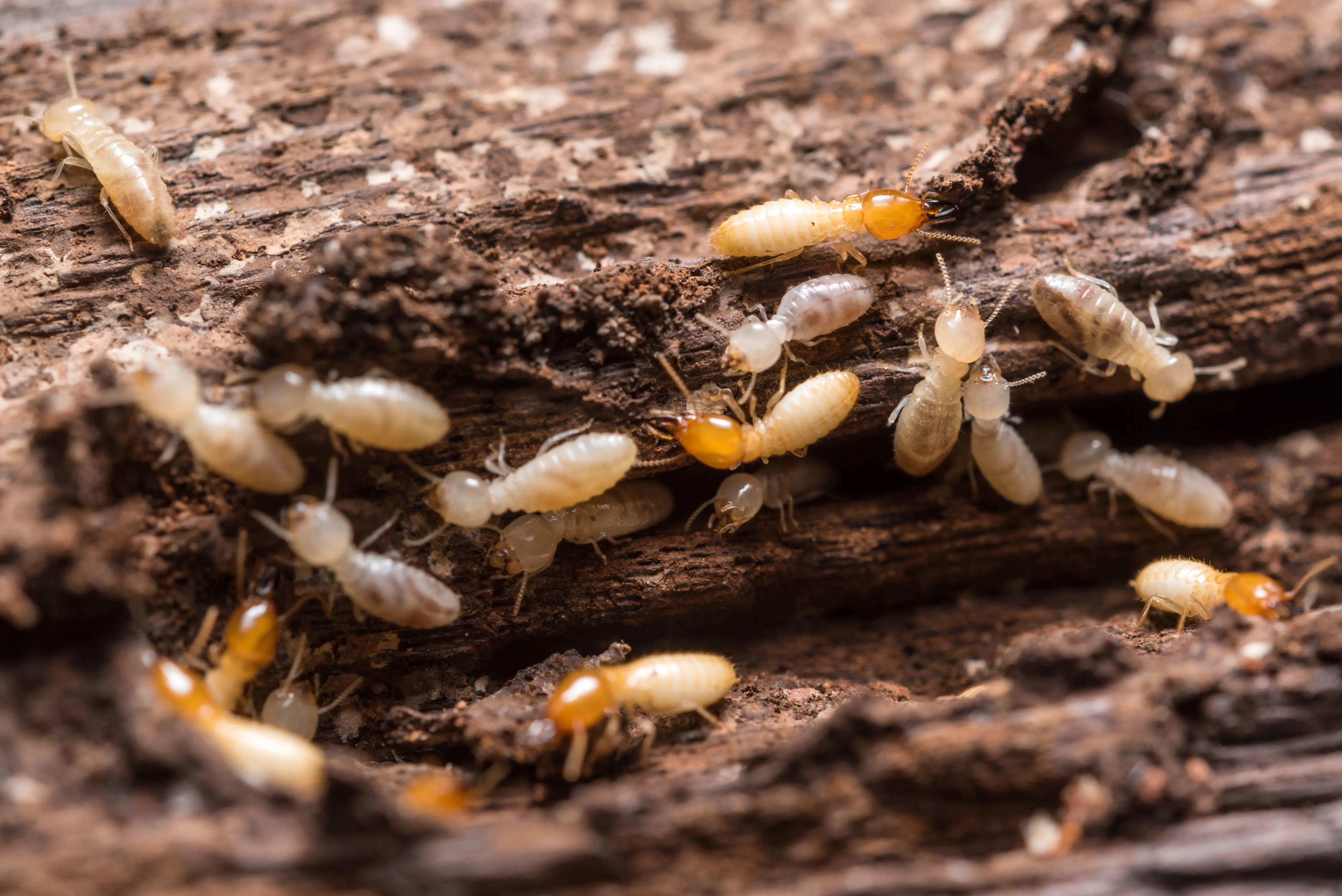
Understanding the Mulch-Termite Relationship

The Science Behind the Connection

Scientific research demonstrates that subterranean termites show attraction to moist wood mulch, but this operates differently than many imagine. The relationship centers on environmental conditions rather than direct chemical attraction over long distances.

Research Finding

University of Maryland research found termites were detected with equal frequency beneath mulches of eucalyptus, hardwood, pine bark, pea gravel, and bare soil. Sustained activity was actually higher beneath gravel mulch.

What Termites Need

Subterranean termites require consistent moisture while seeking cellulose food sources. Worker termites venture up to 75 meters from colonies, constructing protective earthen tunnels during surface exploration.

Key Distinction

Iowa State University confirms: "There is no evidence that moist conditions attract termite foragers from the surrounding landscape." When termites wander into suitable habitat, they're more likely to remain and feed — but they weren't drawn there by the mulch.

Mulch as Food Source?

Laboratory experiments show mulch-fed termites experienced significantly lower survivorship compared to standard diets. Though termites actively feed on mulch, they derive inadequate nutrition — contradicting assumptions that mulch sustains termite populations.

Types of Mulch and Termite Resistance

Most Termite-Resistant Mulch Types

Melaleuca (Paper Bark)

University of Florida studies show fewer than 15% of termites survived on melaleuca heartwood — the highest resistance among tested mulches.

Cypress Heartwood

Comparable resistance to melaleuca. Caution: Most commercial cypress mulch contains sapwood, where 77% of termites survived.

Cedar Mulch

Releases aromatic oils that repel multiple insect species. Effectiveness varies by species and oil content; moderately correlated with wood redness.

Eucalyptus Mulch

Contains organic compounds that interfere with termite digestion. Less effective than melaleuca/cypress heartwood but still offers protection.

Mulch Types to Avoid or Use with Caution

Pine Mulches

Loblolly and slash pine are favored by termites due to high cellulose content and soft texture allowing efficient nutrient extraction.

Black Cherry Sapwood

Research placed black cherry sapwood at the top of the favorable list for termite feeding — a poor choice for termite-conscious landscaping.

Utility/Mixed Mulch

Research found termites ate more utility mulch than any other type tested. Mixed species composition creates unpredictable resistance.

Inorganic Mulches

Gravel/rubber eliminate food sources but studies show termites still consumed more in monitoring stations under inorganic covers — moisture conditions persist.

Proper Mulching Techniques for Termite Prevention

Foundation Distance: 12+ Inches

University of Florida extension specifies maintaining at least 12 inches adjacent to foundation free of mulch. Building codes require a 6-inch inspection gap between mulch and siding for mud tube detection.

Correct Depth: 2-4 Inches

Mulch over 4-6 inches deep obscures inspection spaces, keeps soil moist, and can bridge over treated perimeter soil allowing termites to avoid termiticides. Thick mulch also promotes rot.

Drainage Grading

Grade landscape to direct water away with minimum 5% slope for first 10 feet. Gutters must discharge 6+ feet from foundation. Install irrigation 1+ foot from walls.

Concerned About Termites Near Your Mulch?

Professional inspection can identify activity and recommend safe mulching practices for your property.

Call (866) 326-2847 for Inspection

Creating Termite Barriers

Physical Barriers

  • Metal termite shields between foundation and sill plates
  • Gravel barriers 12-18 inches from foundation, 4+ inches deep
  • Professional sealing to prevent gaps termites exploit

Chemical Treatments

  • Soil-applied termiticides (1-1.5 gal/10 sq ft)
  • Horizontal barriers beneath buildings
  • Vertical barriers around foundations (5-10 year duration)
  • Borate wood treatments for structural components

Integrated Prevention

  • Combine physical barriers, chemicals, moisture control
  • Termite bait systems for monitoring and colony elimination
  • Termite-resistant building materials (steel, brick, concrete)
  • Regular professional inspections

Signs of Termite Activity Around Mulch

Mud Tubes

Earthen tunnels constructed on foundation walls or wooden structures. Focus on areas where mulch meets foundations — the most likely points for entry attempts.

Swarmers & Wings

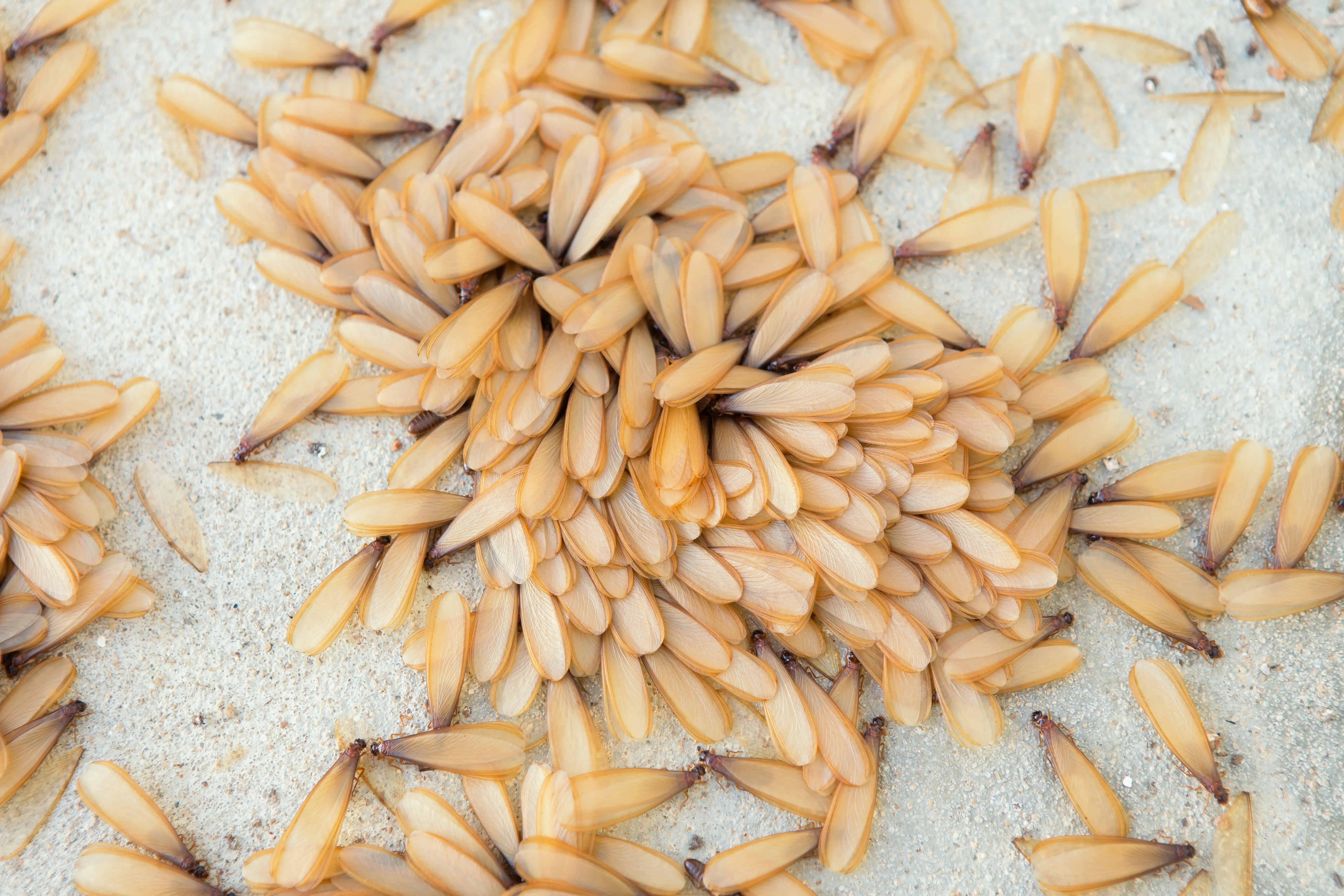
Discarded wings accumulating around doors and windows during spring and fall swarming seasons indicate nearby reproductive activity.

Wood Damage

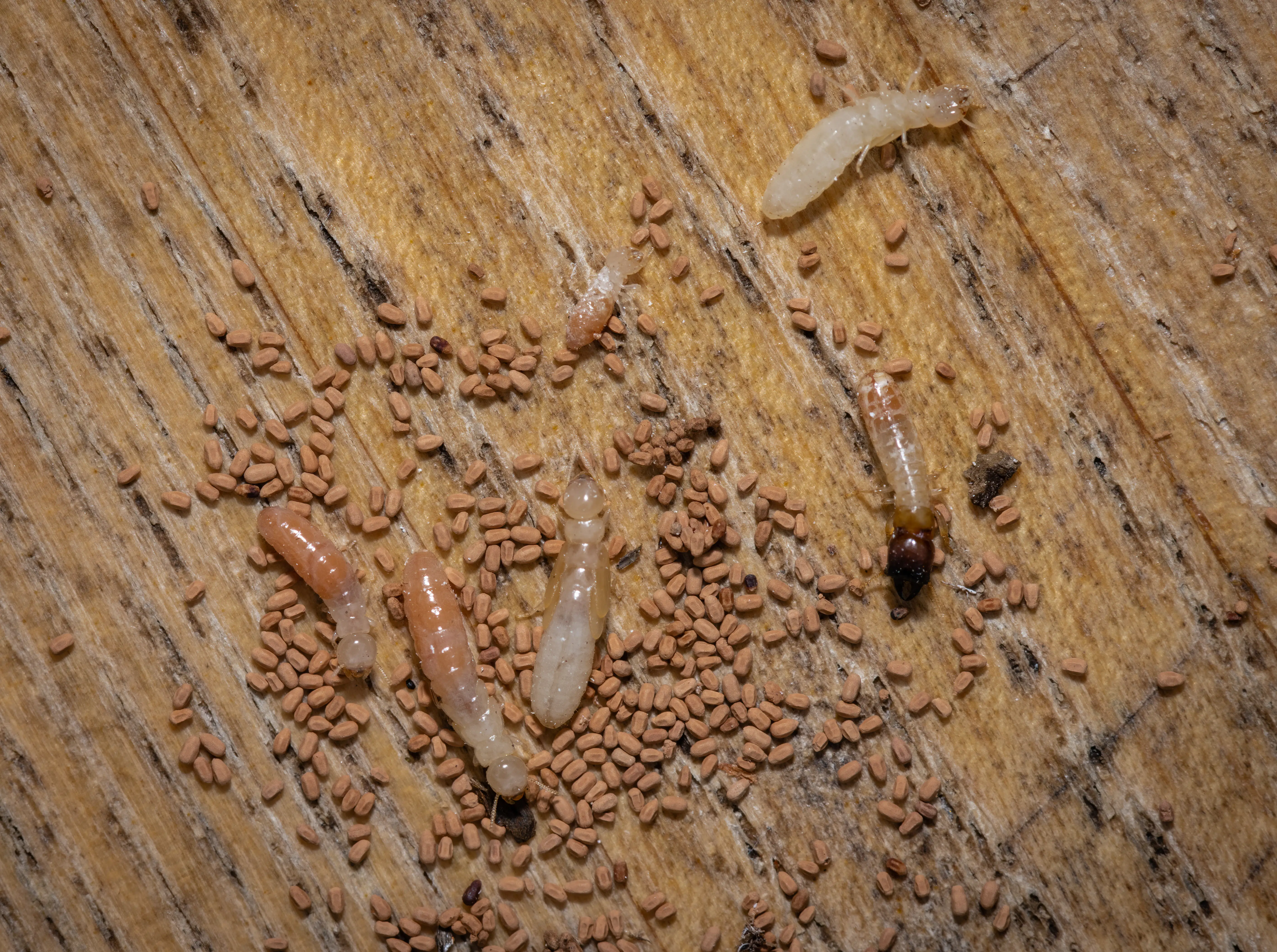
Hollowed structures with thin remaining surfaces, often accompanied by small piles of termite excrement (frass).

Seasonal Monitoring Schedule

Spring (Mar-May)

Primary swarming season. Increase inspection frequency for early detection when reproductives are most visible.

Summer

Focus on moisture management. High temperatures and irrigation can create excessively favorable conditions.

Fall

Final mulch management before winter. Assess any activity before dormancy periods that can mask ongoing problems.

How to Get Rid of Termites in Mulch

Step 1: Remove Affected Mulch

Clear mulch extending at least 3 feet beyond any visible termite activity. Dispose of contaminated material in sealed bags to prevent colony relocation. Rake exposed soil to disrupt shallow tunneling networks.

Step 2: Soil Treatment

Apply termiticide to cleared soil following manufacturer specifications. Focus on areas directly adjacent to foundations — highest risk zones for migration toward buildings. Allow treated soil to dry completely before replacing mulch.

Step 3: Professional Consultation

Contact licensed pest control when populations appear extensive or infestations recur. Professionals can identify underlying moisture issues, nearby colony sources, or structural vulnerabilities contributing to recurring problems.

Common Myths and Misconceptions

Myth: Mulch Directly Causes Infestations

False. Research definitively establishes that mulch does not attract termite foragers from surrounding landscapes. Many homeowners avoid beneficial mulching unnecessarily due to this myth.

Myth: Bagged Mulch Contains Live Termites

Extremely unlikely. The chipping process makes termite survival unlikely, and separation from colonies prevents new infestations even if termites survived processing.

Myth: All Mulches Are Equally Risky

False. Scientific research demonstrates clear preferences among termites for different wood types — some provide substantial resistance while others prove highly attractive.

Cost-Benefit Analysis

Subterranean termites cause an estimated $30 billion annually in damage globally. Premium termite-resistant mulch (melaleuca, cypress heartwood) may cost 50-100% more than pine alternatives, but this is minimal compared to termite treatment costs ranging from thousands to tens of thousands of dollars.

The moisture retention and weed suppression benefits continue regardless of mulch selection — making termite-resistant choices effectively cost-neutral for most applications.

Contact EcoGuard Pest Management for Termite Concerns

If you discover signs of termite activity around your property or have concerns about implementing safe mulching practices, professional assistance provides valuable guidance. EcoGuard specializes in comprehensive termite prevention and treatment strategies that work with responsible landscaping practices. Our technicians can evaluate your specific conditions and provide customized recommendations for mulch selection, placement, and maintenance.

Call (866) 326-2847Get Free Quote

Mulch and Termites FAQs

What type of mulch is most termite resistant?

Melaleuca (paper bark) mulch provides the highest level of termite resistance, with University of Florida studies showing that fewer than 15 percent of termites survived on melaleuca heartwood. Cypress heartwood provides comparable resistance, but consumers must ensure they purchase true heartwood rather than sapwood products.

How far should mulch be from house foundation?

University of Florida extension recommendations specify maintaining at least a 12-inch area adjacent to the foundation free of mulch or other ground covers. This distance allows for proper termite inspection zones and prevents mulch from creating bridges over treated soil barriers.

Does cedar mulch repel termites?

Cedar mulch contains natural oils that provide moderate termite deterrent properties, though the effectiveness varies depending on the specific cedar species and oil content. Research shows highly variable results for cedar's termite resistance, with effectiveness moderately correlated with the redness of the wood.

Can mulch cause termite infestations in homes?

Scientific research confirms that mulch does not attract termite foragers from surrounding landscapes; rather, when termites encounter suitable habitats during normal foraging, they are more likely to remain and feed in those areas. Mulch creates favorable conditions but does not cause infestations by itself.

What is the safest mulch to use around houses?

The safest mulch options include melaleuca, cypress heartwood, and cedar mulch for organic choices, or inorganic alternatives such as pea gravel or rubber mulch. These materials either resist termite feeding or eliminate organic food sources entirely.

How deep should mulch be to avoid termites?

Optimal mulch depth ranges from 2-4 inches, as applications thicker than 4-6 inches create excessively moist conditions that favor termite activity and can bridge over treated soil barriers. Proper depth provides plant benefits while minimizing termite risks.

Sources

  1. Subterranean Termite Foraging Activity - Journal of Economic Entomology
  2. University of Maryland Termite and Mulch Study
  3. Termite Colony Development and Soil Composition - Scientific Research
  4. Iowa State University Extension - Termites and Mulch
  5. Laboratory Termite Survivorship Studies
  6. University of Florida - Melaleuca Mulch Termite Resistance
  7. UF/IFAS Extension - Foundation Mulch Recommendations
  8. Florida Extension - Mulch Depth Guidelines
From Our Blog

Related Articles

Do Termites Bite People? Risks, Symptoms & What to Do

Do Termites Bite People? Risks, Symptoms & What to Do

Learn if termites bite humans, what termite bites look like, the real risks of termites, and how to prevent and get rid...

Read Article
How Long Does Termite Treatment Last? Duration by Type

How Long Does Termite Treatment Last? Duration by Type

Learn how long different termite treatments last including baits, liquid treatments, fumigation, and Termidor. Factors...

Read Article
Signs of Termites: How to Detect Termite Activity in Your Home

Signs of Termites: How to Detect Termite Activity in Your Home

Learn the common signs of termite activity including swarmers, mud tubes, wood damage, droppings, and more. Early...

Read Article
Termite Droppings (Frass): Identification, Location & What to Do

Termite Droppings (Frass): Identification, Location & What to Do

Learn how to identify termite droppings (frass), where to find them, drywood vs subterranean termite waste, and what to...

Read Article
Termite Eggs: Identification, Location & What Finding Eggs Means

Termite Eggs: Identification, Location & What Finding Eggs Means

Learn what termite eggs look like, where to find them, how many queens lay, hatching time, and what to do if you...

Read Article
Termite Life Cycle: Stages, Castes, Reproduction & Lifespan

Termite Life Cycle: Stages, Castes, Reproduction & Lifespan

Learn about the termite life cycle including egg, nymph, and adult stages, castes (workers, soldiers, reproductives),...

Read Article
Termite Queen: Appearance, Role, Lifespan & How to Eliminate

Termite Queen: Appearance, Role, Lifespan & How to Eliminate

Learn about termite queens including appearance, size, role in the colony, egg production, lifespan, and what happens...

Read Article
Termites vs Ants: How to Tell the Difference

Termites vs Ants: How to Tell the Difference

Learn how to identify termites vs ants by appearance, antennae, wings, body shape, behavior, diet, and damage caused....

Read Article
Termites with Wings: What Flying Termites Mean & What to Do

Termites with Wings: What Flying Termites Mean & What to Do

Learn what flying termites (alates) mean, how to identify them vs flying ants, when they swarm, and what to do if you...

Read Article
What Are Termite Mud Tubes? Identification & Treatment

What Are Termite Mud Tubes? Identification & Treatment

Learn what termite mud tubes are, how to identify them, the different types, what they mean for your home, and how to...

Read Article
What Are Termites? Facts, Signs, Damage, and Control

What Are Termites? Facts, Signs, Damage, and Control

Learn what termites are, how to identify them, the 3 main types, 15 signs of infestation, structural damage they cause,...

Read Article
What Do Termite Larvae Look Like? Identification Guide

What Do Termite Larvae Look Like? Identification Guide

Learn how to identify termite larvae by their shape, color, and size. Discover the differences between termite larvae...

Read Article
What Do Termites Look Like? Identification Guide

What Do Termites Look Like? Identification Guide

Learn how to identify termites by appearance, size, and color. Compare different termite species and distinguish them...

Read Article