EcoGuard Pest Management
Termite droppings and frass identification
By Gary Anderson||5 min read

Termite Droppings (Frass)

How to identify termite frass, where to find it, and what it means for your home.

~1mm Long
Pellet size
6 Sides
Hexagonal shape
Generally Safe
Not harmful to humans

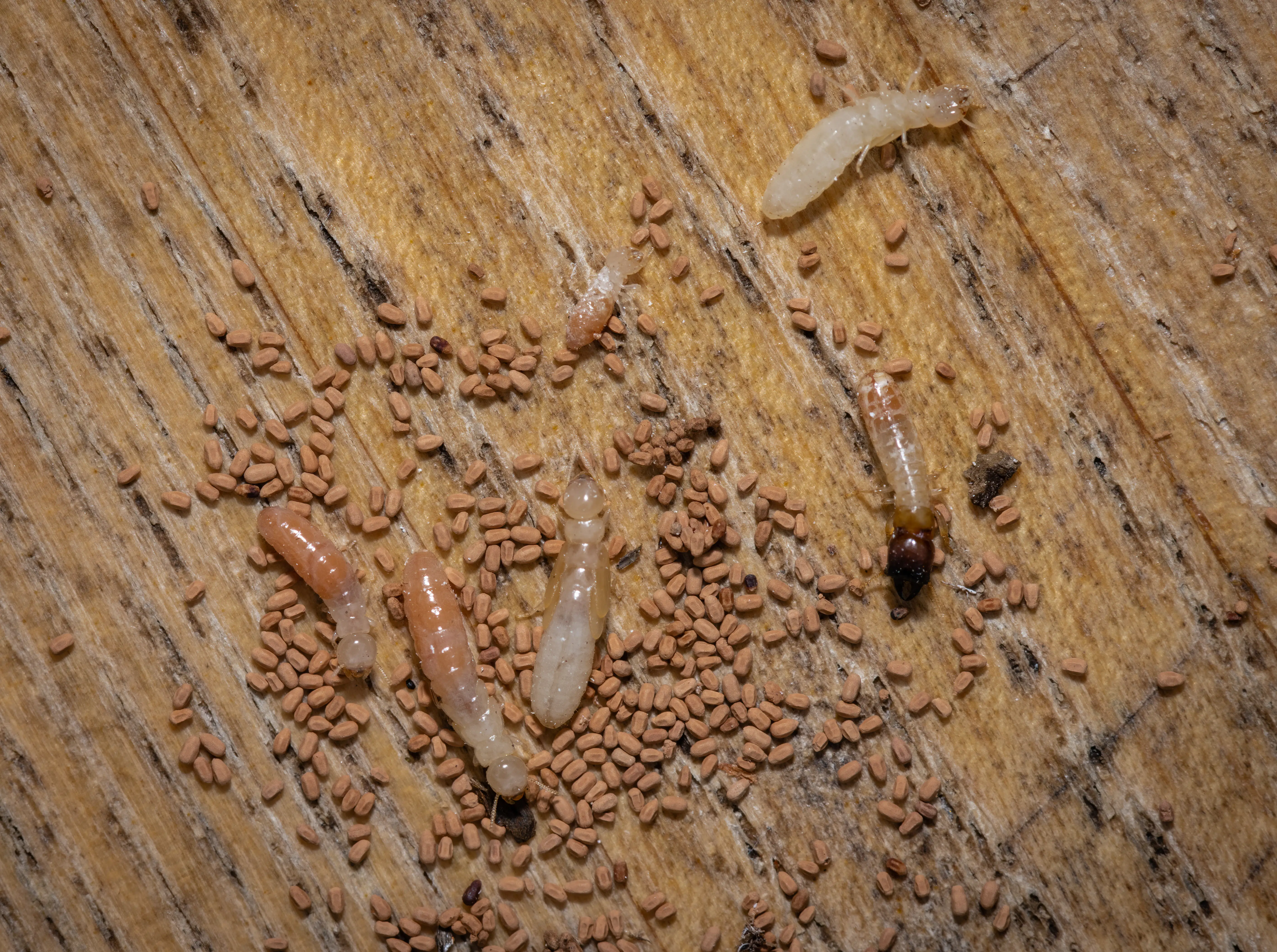
Termite droppings are more commonly known as termite "frass." Visible frass is usually the result of termites infesting your home. These termites live inside wooden structures and use exit holes to push their excrement out, preventing blockages inside the colony.

Once pushed out, termite frass builds into what looks like small piles of sawdust. If you notice these piles, check above for a small hole or a spot where mud has built up that can be wiped away to reveal an exit hole.

Important: If any of these signs exist, it is likely a termite problem that needs to be addressed immediately. Call for a termite inspection right away to prevent further damage.
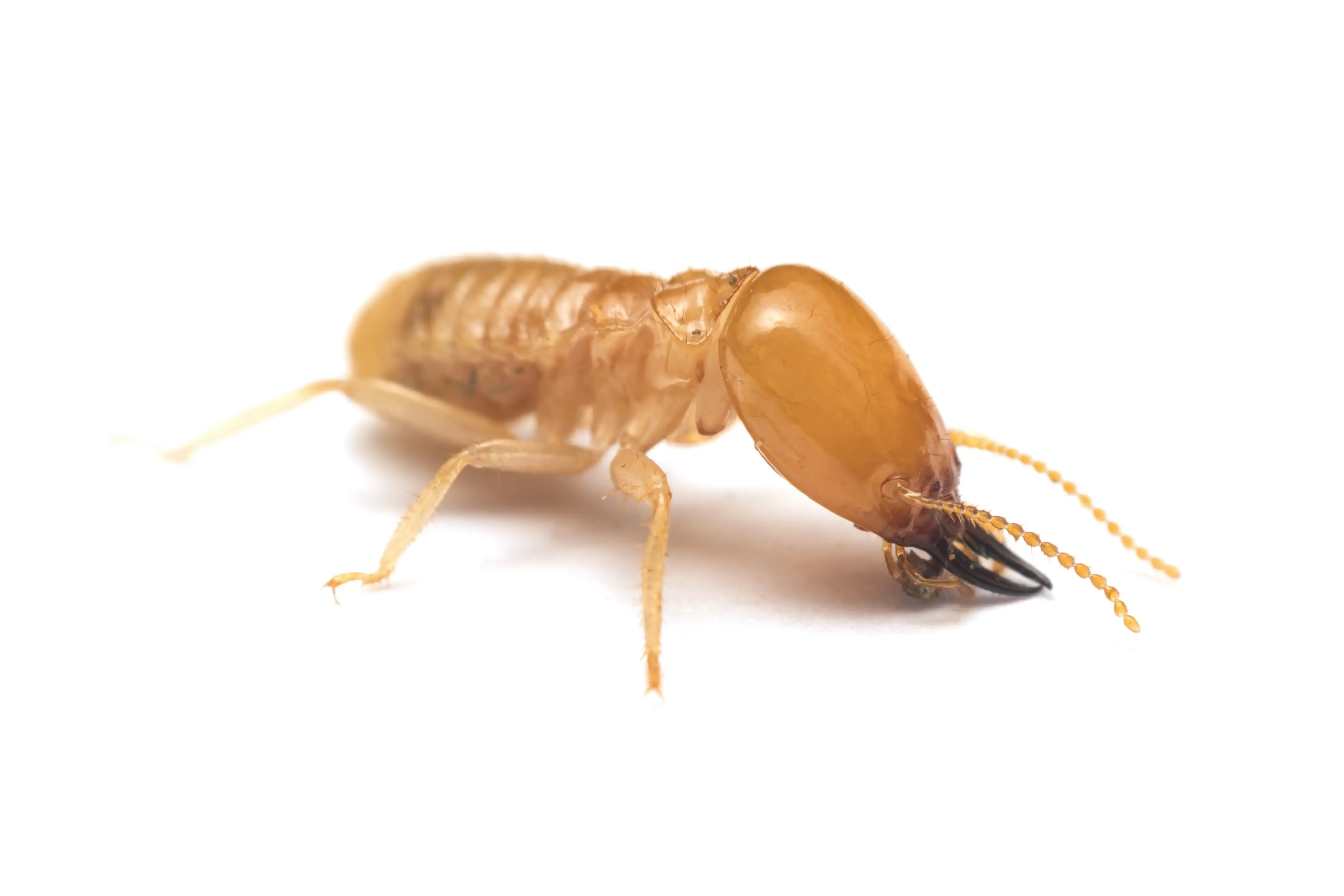

What Do Termite Droppings Look Like?

Drywood Termite Frass

  • Small pellets about 1mm in length
  • 6 sides with rounded tips
  • Color depends on wood type being consumed
  • Darker woods = darker frass
  • Resembles sand, pepper, coffee grounds, or sawdust

Subterranean Termite Frass

  • Liquid waste mixed with dirt and saliva
  • Used to build mud tubes
  • Connects colonies to wooden structures
  • Can be formed into various structures

Where You Will Find Termite Frass

Termite frass is a good indicator of a termite problem. These pellets may go unnoticed, but if you know where to look, it becomes easier to identify an infestation:

Near wooden structures (windowsills, door frames, baseboards)
On beds, countertops, and other surfaces
Underneath carpet
In basements and crawlspaces
In mud tubes connecting ground to wooden structures

Can Frass Fall from the Ceiling?

Finding frass on beds and surfaces away from walls could indicate termites in the attic. This is rarely good news, as termites that high have usually worked their way up through wooden framing. Check for damage from ground to ceiling to understand the extent.

Spotted Termite Droppings?

Get a professional inspection to determine the extent of the problem.

Call (866) 326-2847

Drywood Termite Frass

Drywood termites leave very few signs until a lot of damage is already done. Once they burrow into wood, they seal themselves in and rarely leave. They continue eating until the wood is structurally compromised.

Drywood termite droppings build up in small piles around wooden structures. They have the appearance of dark grains of sand, sawdust, coffee grinds, or pepper. By the time frass is noticed, significant damage may have already occurred.

Subterranean Termite Frass

Subterranean termites use liquid waste mixed with dirt and saliva to create a substance for building mud tubes and structures. Their droppings help build and extend nest reach.

Mud Tube Locations

Found under home connecting ground to support beams, or outside climbing up siding.

Entry Points

Cracks in foundations, expansion joints, patios, empty wall cavities, and near plumbing.

Termite Droppings vs. Other Materials

vs. Carpenter Ant Droppings

Both leave sawdust-like piles. Termite pellets are compacted cellulose. Carpenter ant debris is shredded wood (they chew but do not consume).

vs. Sawdust

Sawdust is small wood splinters. Termite droppings are compacted pellets. Under magnification, termite pellets have rounded points and 6 sides.

vs. Termite Eggs

Eggs are translucent capsules. Droppings are brown to grey pellets. Eggs are kept deep in the nest and rarely seen.

What to Do If You Find Termite Droppings

Schedule Inspection

Your immediate response should be to schedule a termite inspection. Termites never stop eating and cause serious damage.

Are They Dangerous?

Frass is not a disease vector like cockroach or ant waste. Made of cellulose (rich in magnesium). Generally safe unless you have allergies or respiratory issues.

How to Clean

Frass can be swept or vacuumed up without concern. No special precautions needed unless allergies or severe respiratory problems exist.

Note on Age: Termite frass is primarily digested cellulose that takes a very long time to degrade. The color does not change and there is no smell. Regardless of age, frass indicates active infestation requiring treatment.

Get a Termite Inspection Today

If you discover termite droppings in your home, a licensed termite expert will determine if the material is termite frass and assess how much damage has been caused. Call EcoGuard Pest Management today to protect your home.

Call (866) 326-2847Get Free Quote

Termite Droppings FAQs

What should you do if you find termite droppings?

Termite droppings should be brought to the attention of a reputable pest control company so they can conduct a thorough termite inspection.

Are termite droppings harmful?

Termite droppings are generally harmless for those without allergies and respiratory problems. They can be easily cleaned up without taking any precautions.

What does termite droppings look like?

Drywood termite droppings look like sawdust. They are tiny, compacted pellets of cellulose that have 6 sides and are brown or grey.

What does it mean when you see termite droppings?

Termite droppings are a sign of an active termite infestation. It is important to seek treatment at the first sign of activity to mitigate further property damage.

From Our Blog

Related Articles

Do Termites Bite People? Risks, Symptoms & What to Do

Do Termites Bite People? Risks, Symptoms & What to Do

Learn if termites bite humans, what termite bites look like, the real risks of termites, and how to prevent and get rid...

Read Article
Does Mulch Attract Termites? Complete Guide to Safe Mulching

Does Mulch Attract Termites? Complete Guide to Safe Mulching

Learn the truth about mulch and termites. Discover which mulch types are termite-resistant, proper installation...

Read Article
How Long Does Termite Treatment Last? Duration by Type

How Long Does Termite Treatment Last? Duration by Type

Learn how long different termite treatments last including baits, liquid treatments, fumigation, and Termidor. Factors...

Read Article
Signs of Termites: How to Detect Termite Activity in Your Home

Signs of Termites: How to Detect Termite Activity in Your Home

Learn the common signs of termite activity including swarmers, mud tubes, wood damage, droppings, and more. Early...

Read Article
Termite Eggs: Identification, Location & What Finding Eggs Means

Termite Eggs: Identification, Location & What Finding Eggs Means

Learn what termite eggs look like, where to find them, how many queens lay, hatching time, and what to do if you...

Read Article
Termite Life Cycle: Stages, Castes, Reproduction & Lifespan

Termite Life Cycle: Stages, Castes, Reproduction & Lifespan

Learn about the termite life cycle including egg, nymph, and adult stages, castes (workers, soldiers, reproductives),...

Read Article
Termite Queen: Appearance, Role, Lifespan & How to Eliminate

Termite Queen: Appearance, Role, Lifespan & How to Eliminate

Learn about termite queens including appearance, size, role in the colony, egg production, lifespan, and what happens...

Read Article
Termites vs Ants: How to Tell the Difference

Termites vs Ants: How to Tell the Difference

Learn how to identify termites vs ants by appearance, antennae, wings, body shape, behavior, diet, and damage caused....

Read Article
Termites with Wings: What Flying Termites Mean & What to Do

Termites with Wings: What Flying Termites Mean & What to Do

Learn what flying termites (alates) mean, how to identify them vs flying ants, when they swarm, and what to do if you...

Read Article
What Are Termite Mud Tubes? Identification & Treatment

What Are Termite Mud Tubes? Identification & Treatment

Learn what termite mud tubes are, how to identify them, the different types, what they mean for your home, and how to...

Read Article
What Are Termites? Facts, Signs, Damage, and Control

What Are Termites? Facts, Signs, Damage, and Control

Learn what termites are, how to identify them, the 3 main types, 15 signs of infestation, structural damage they cause,...

Read Article
What Do Termite Larvae Look Like? Identification Guide

What Do Termite Larvae Look Like? Identification Guide

Learn how to identify termite larvae by their shape, color, and size. Discover the differences between termite larvae...

Read Article
What Do Termites Look Like? Identification Guide

What Do Termites Look Like? Identification Guide

Learn how to identify termites by appearance, size, and color. Compare different termite species and distinguish them...

Read Article