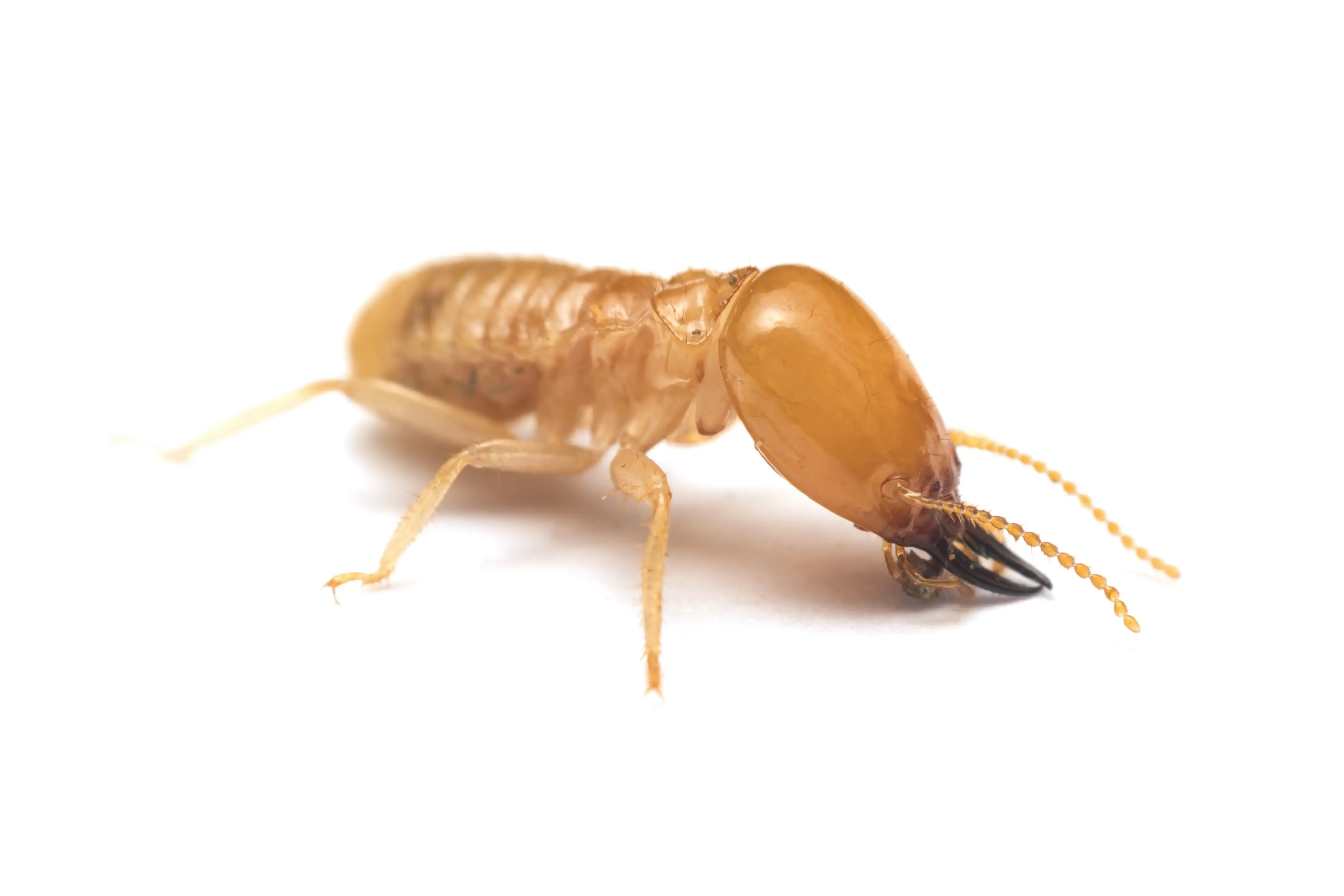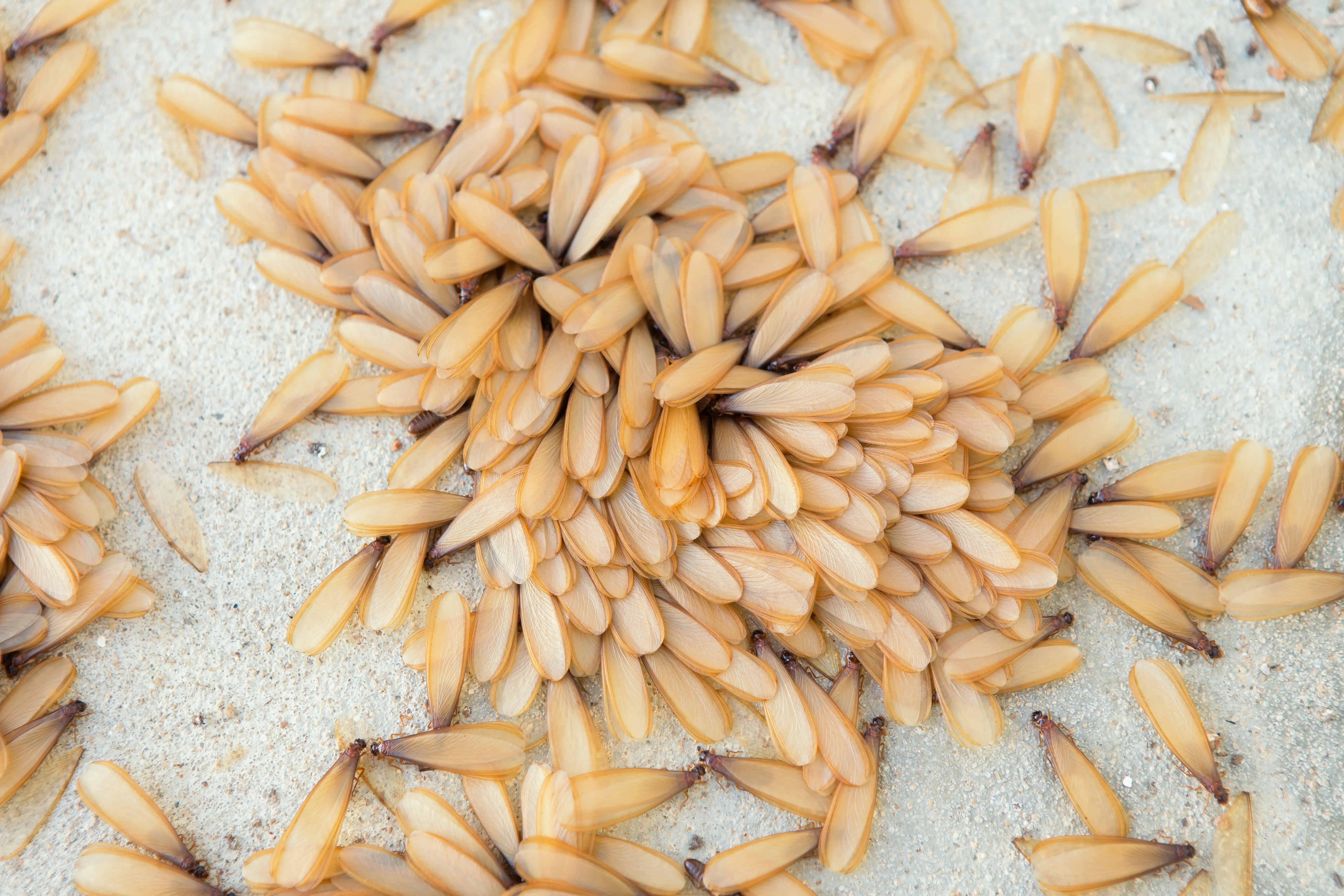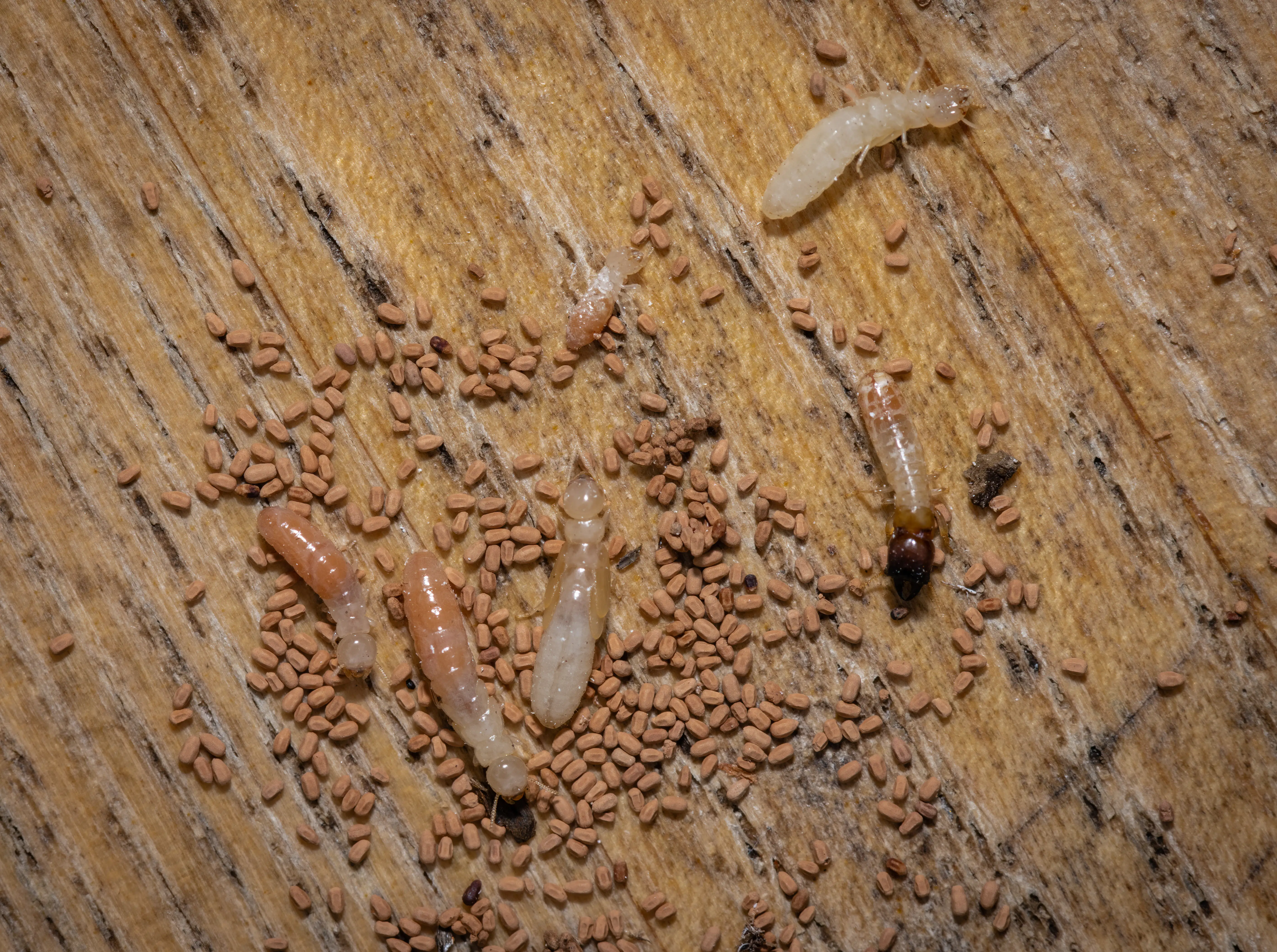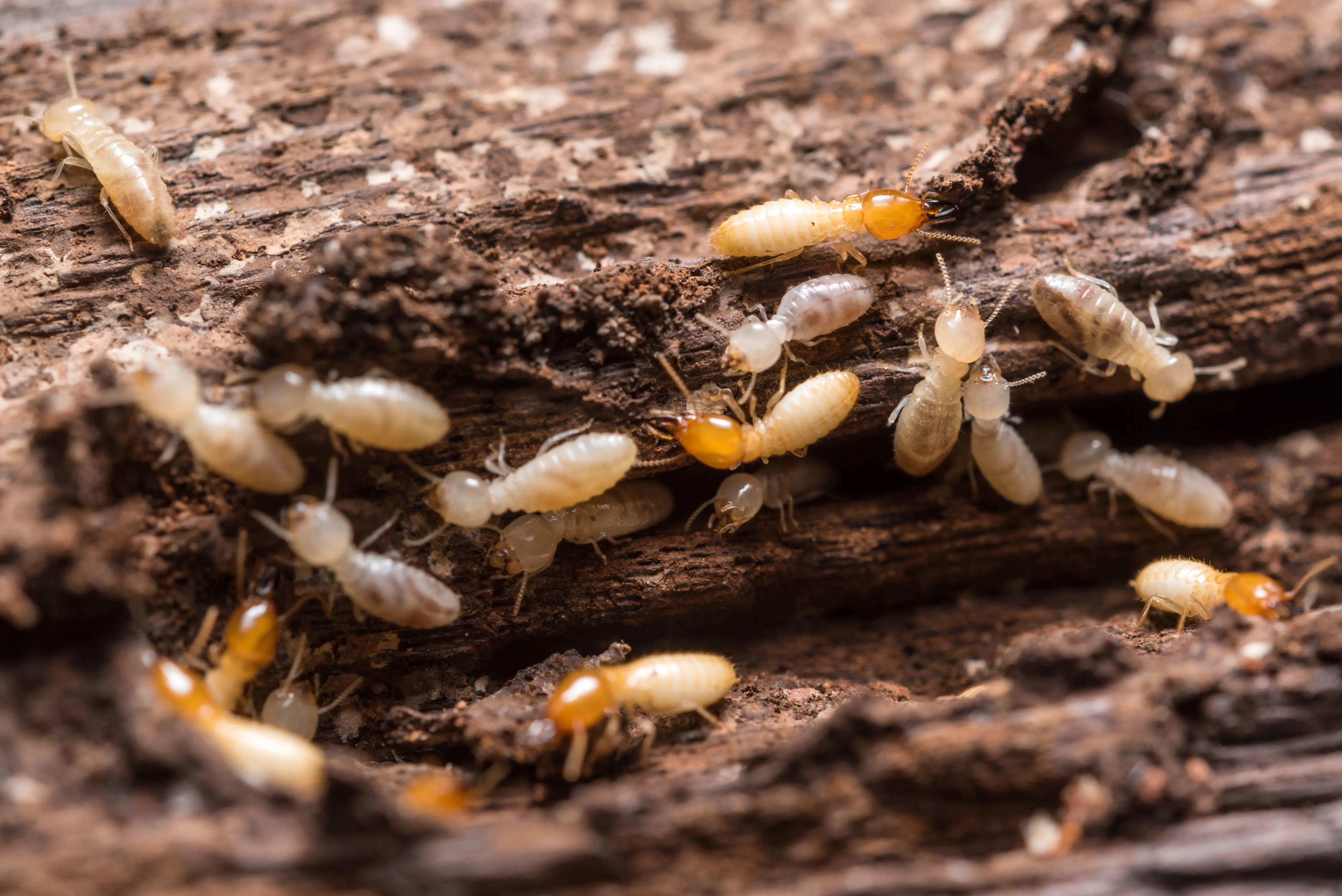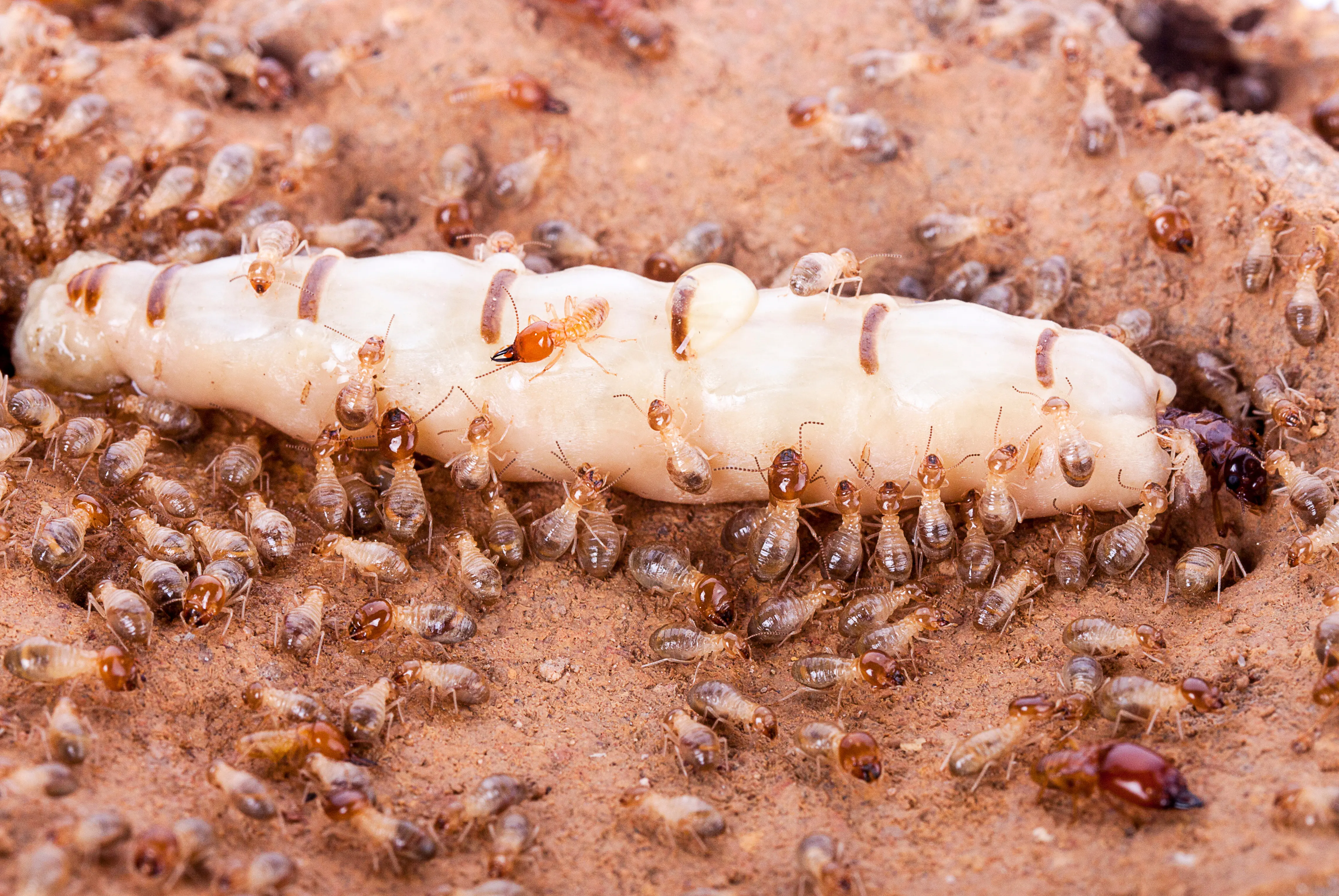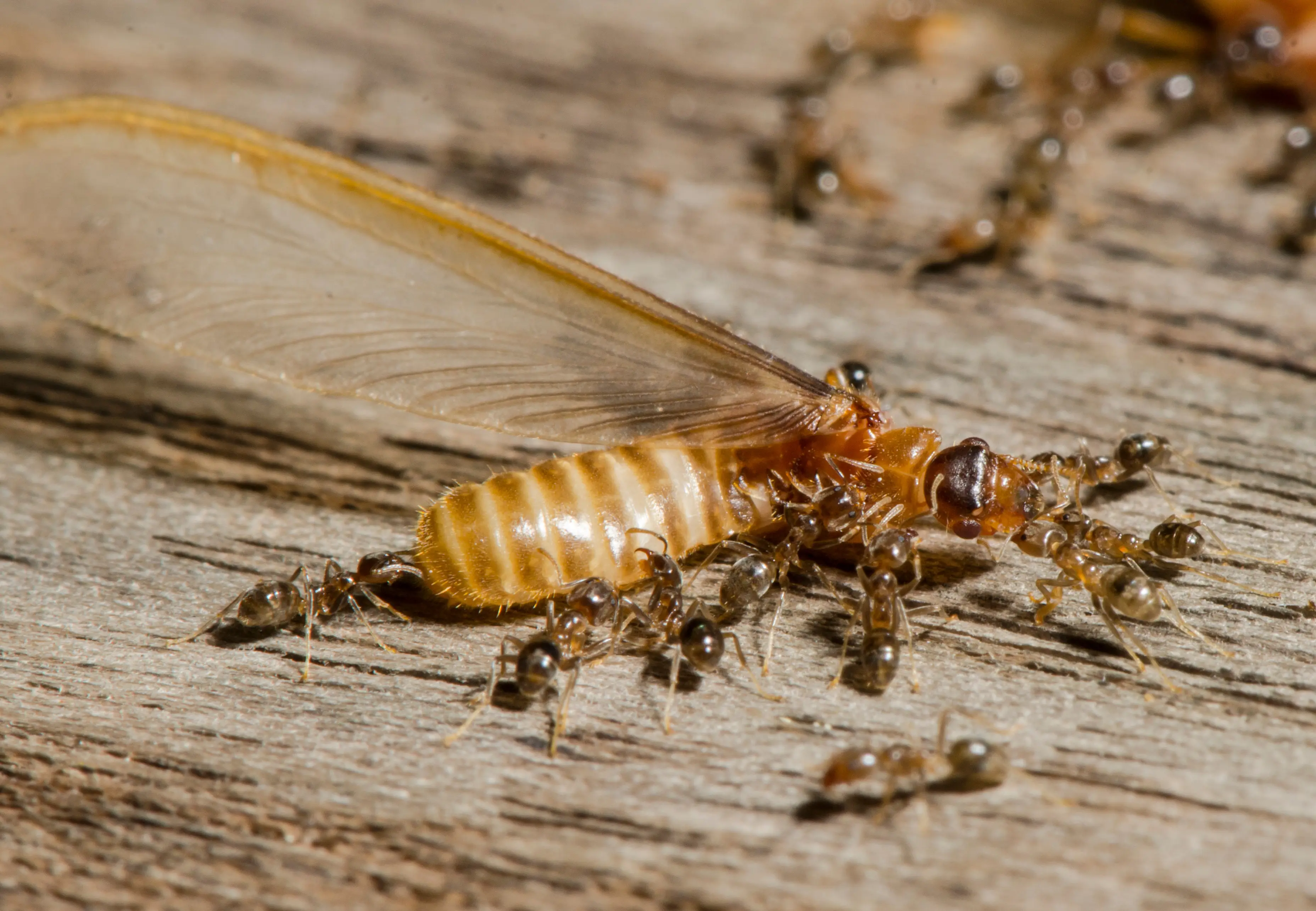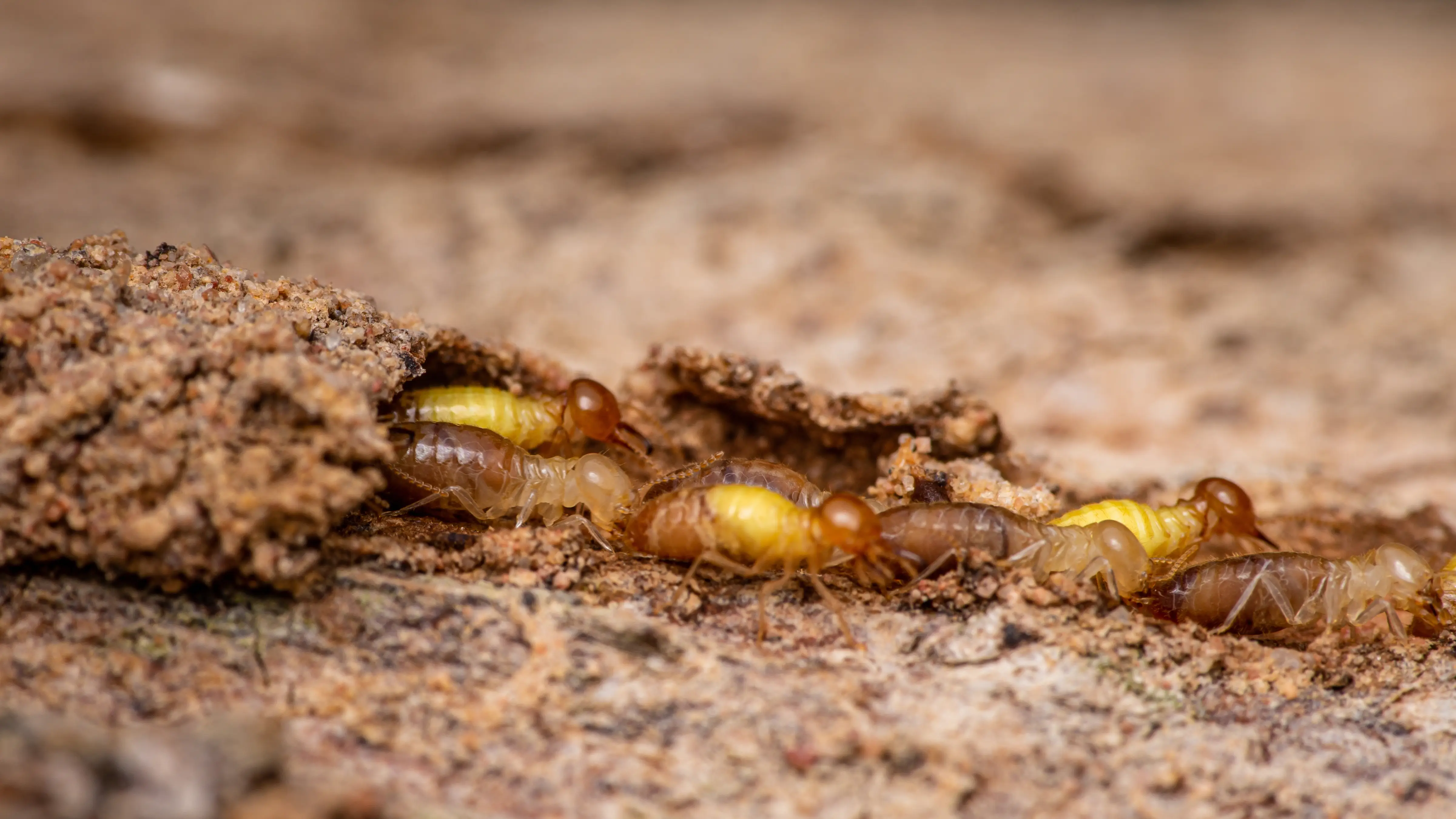
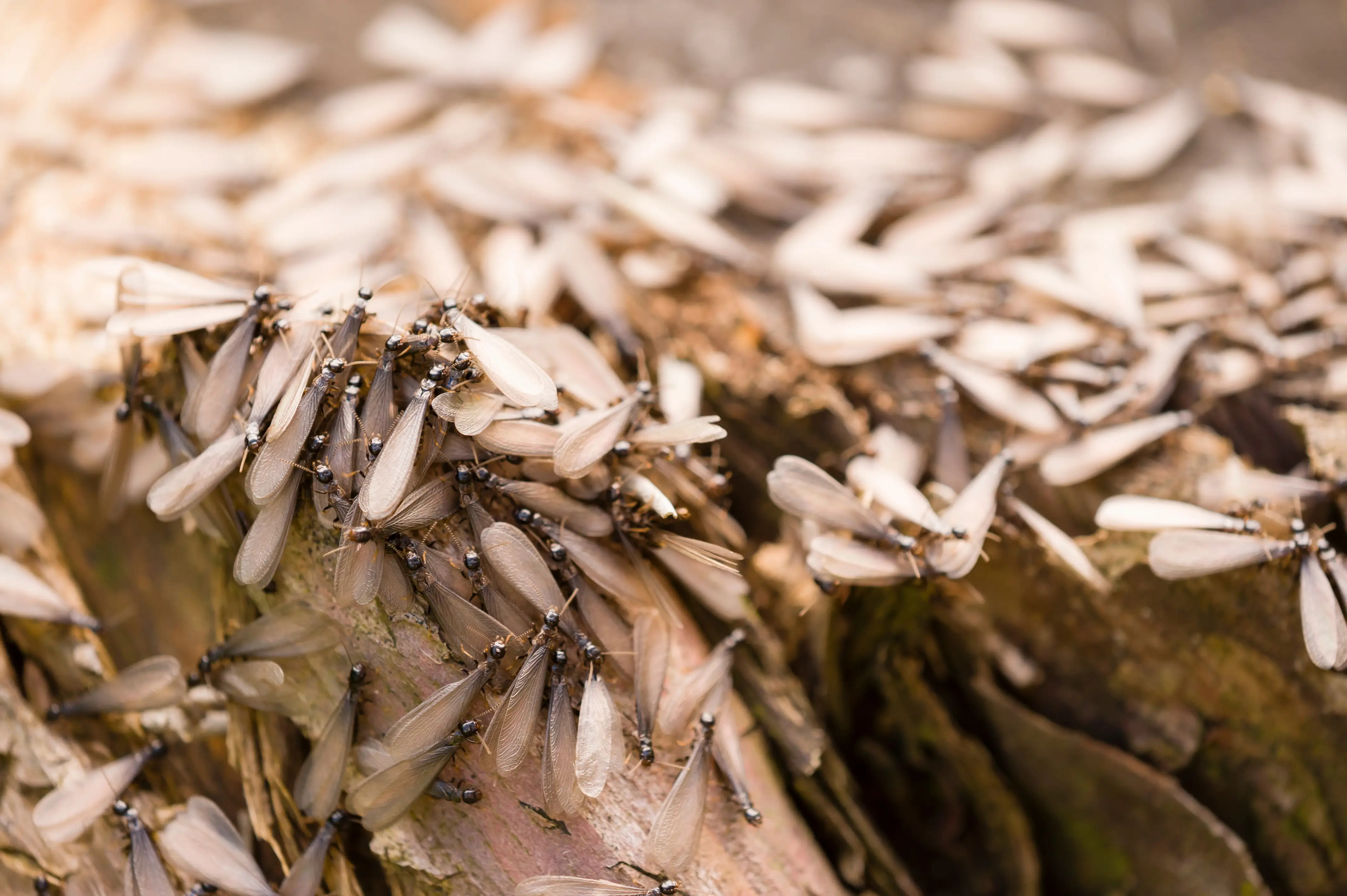
Termites find locations to build new colonies by sending swarms of flying termites, also known as "alates," out to seek new wooden structures. These alates leave their original colony due to space and resource constraints.
This phenomenon, known as swarming, typically occurs during the daytime, frequently in spring, and often after a rainstorm. The sight of flying termites is a clear indication that there are one or more active termite colonies nearby.
Warning Sign
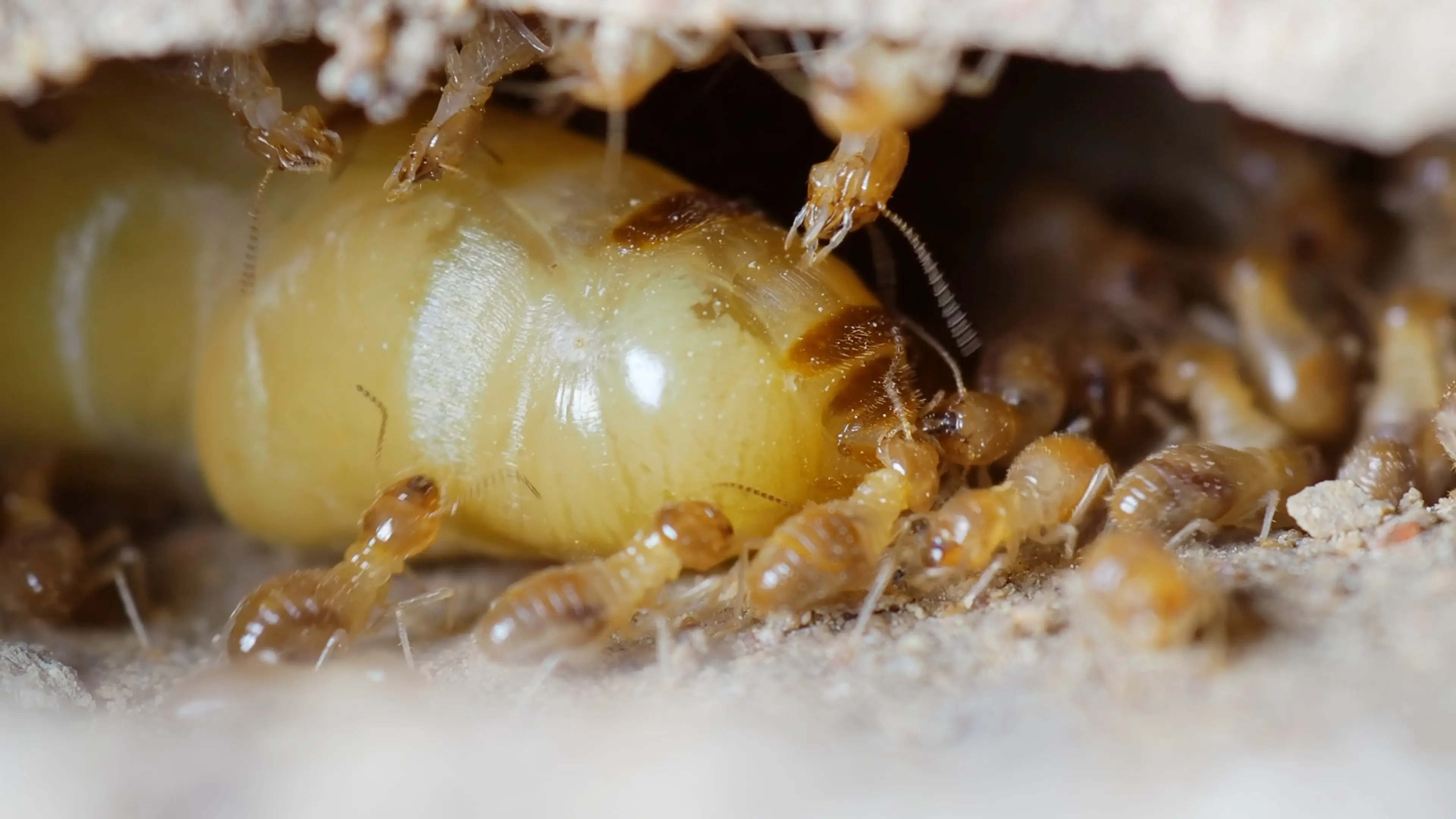
If you notice a swarm of flying termites, investigate further. A new queen will emerge from the swarm with a king to establish a new colony. Swarm sizes vary: drywood termites produce under 100 swarmers, while subterranean termites can produce thousands.
In This Article:
Quick ID Guide
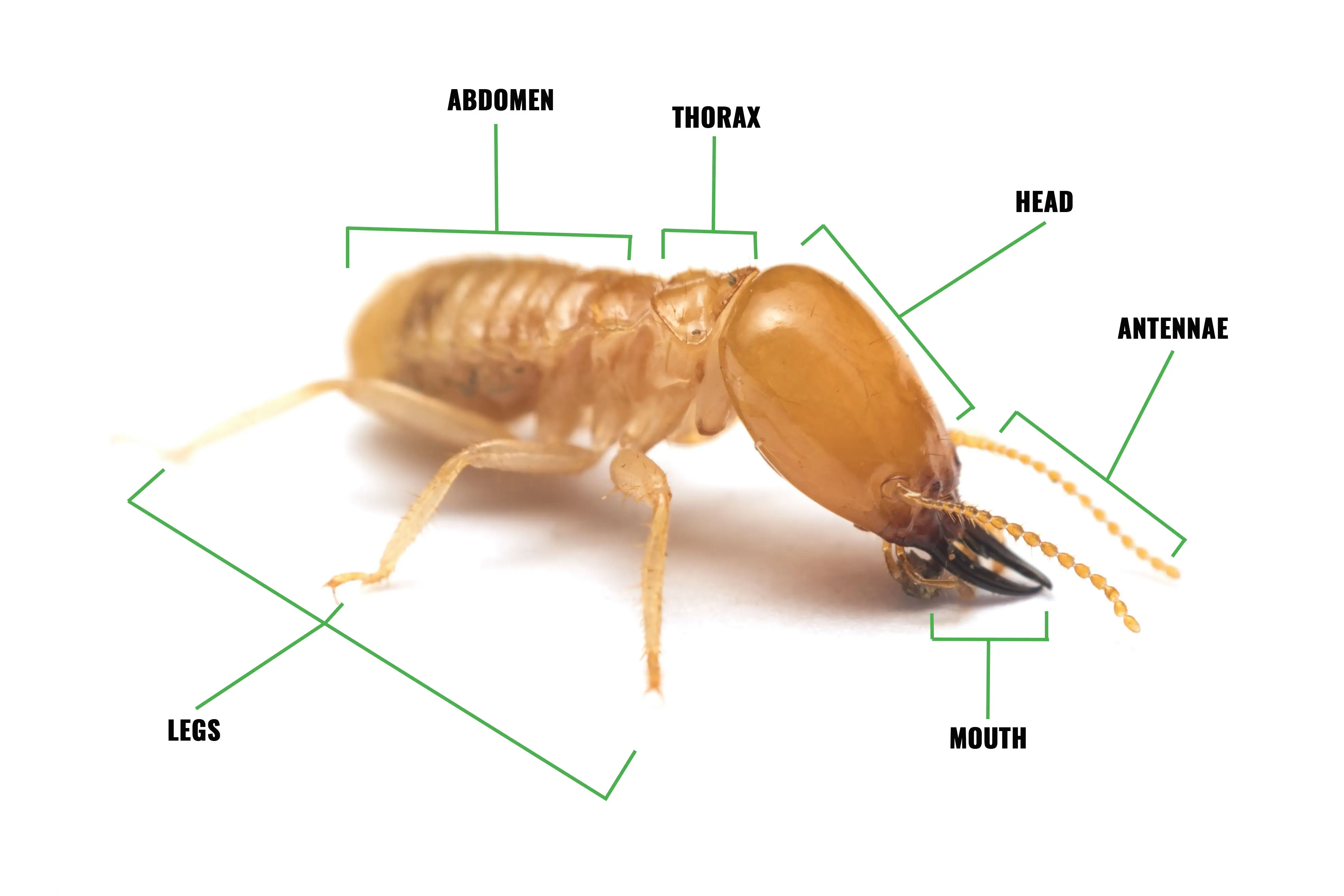
6-9mm long
Tan to dark brown/black
Two pairs of equal-length wings
Straight antennae (slight curve)