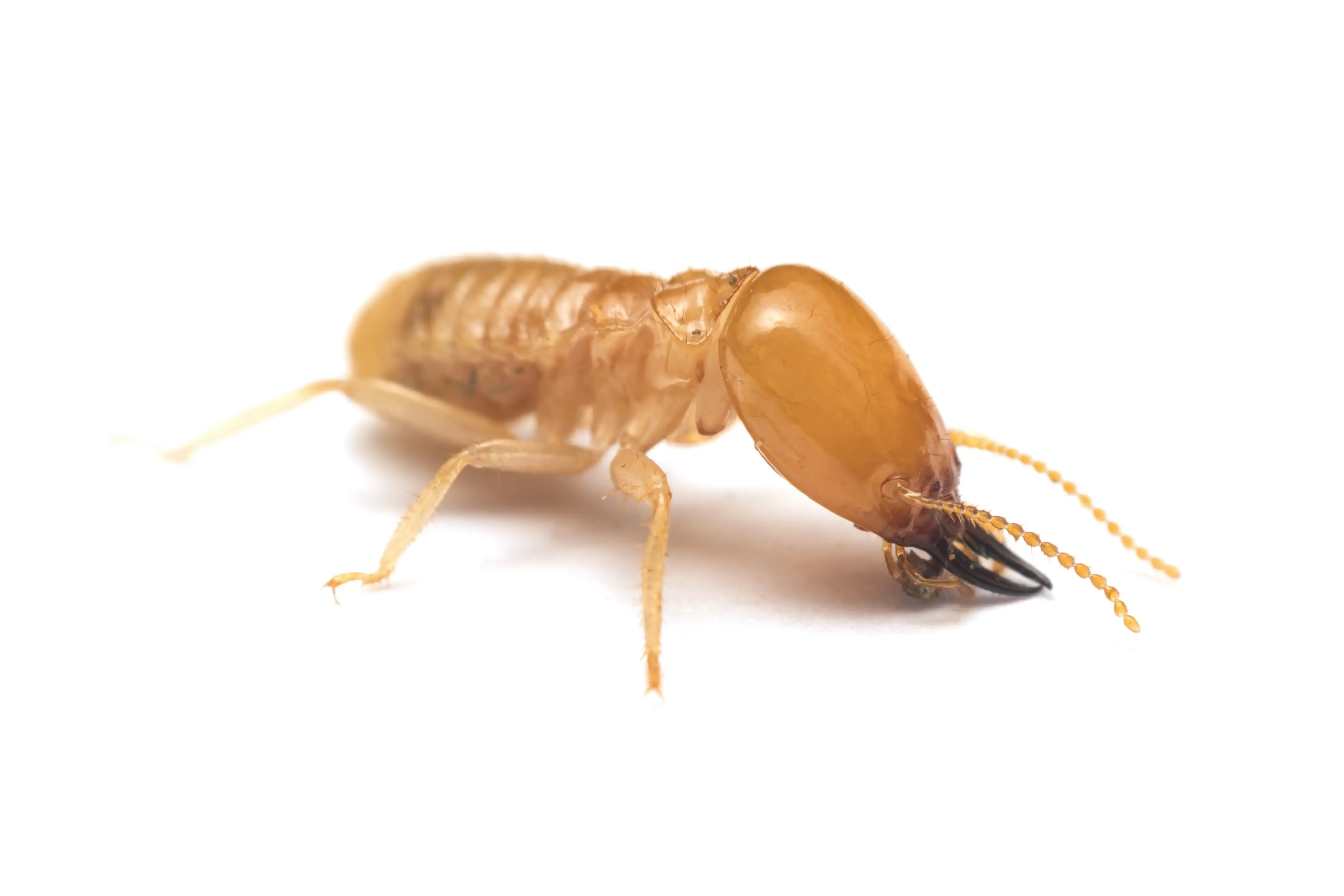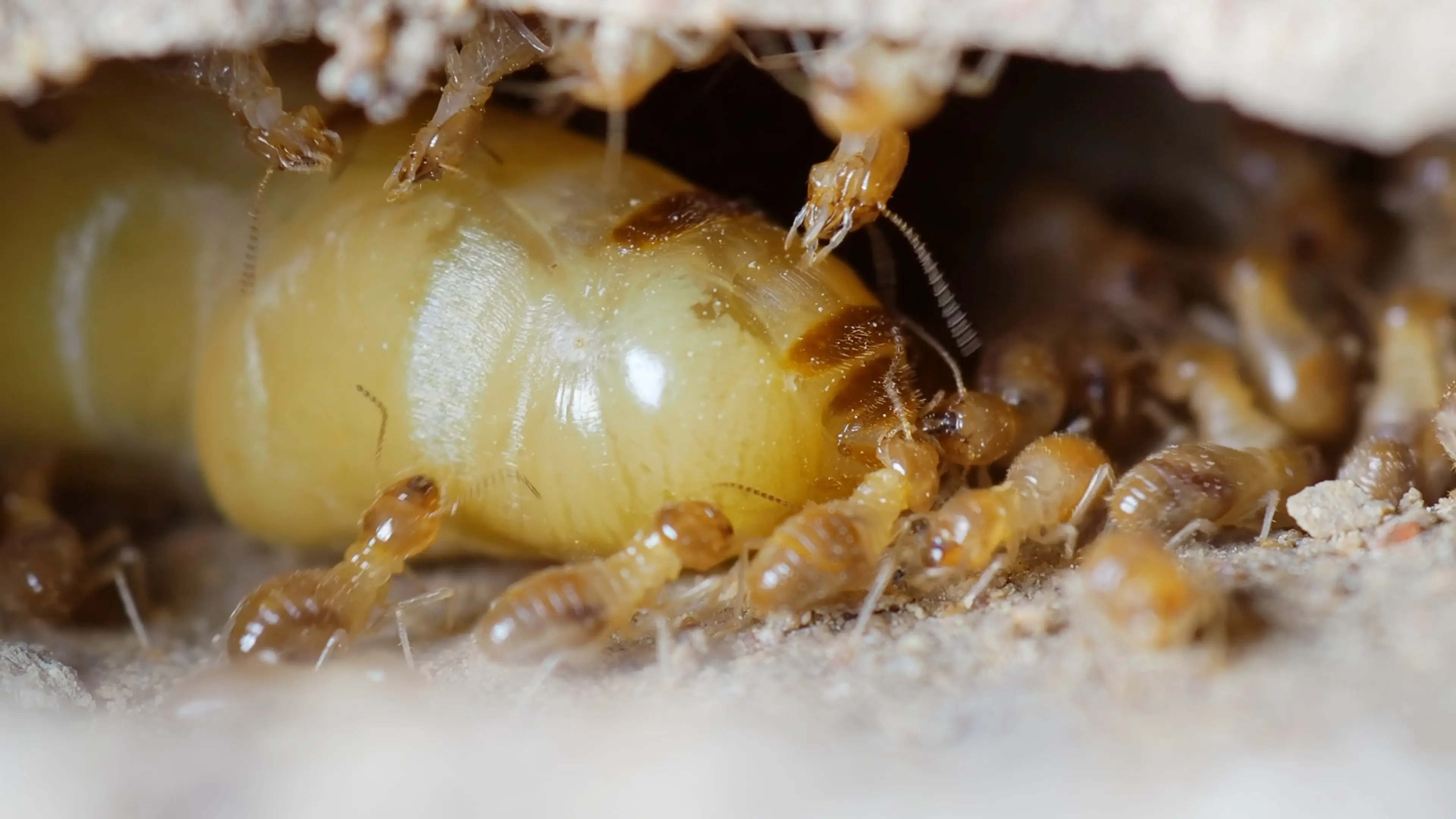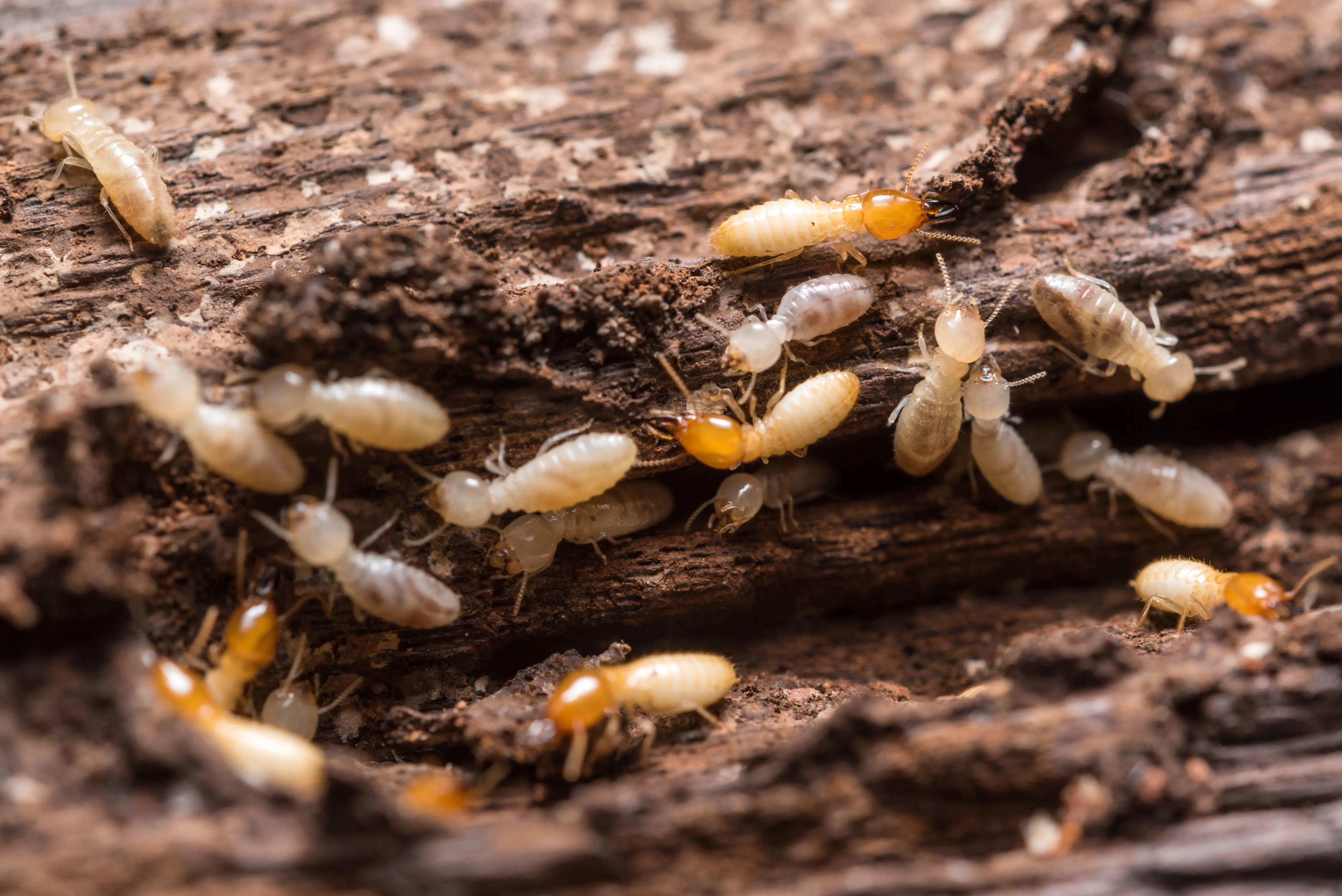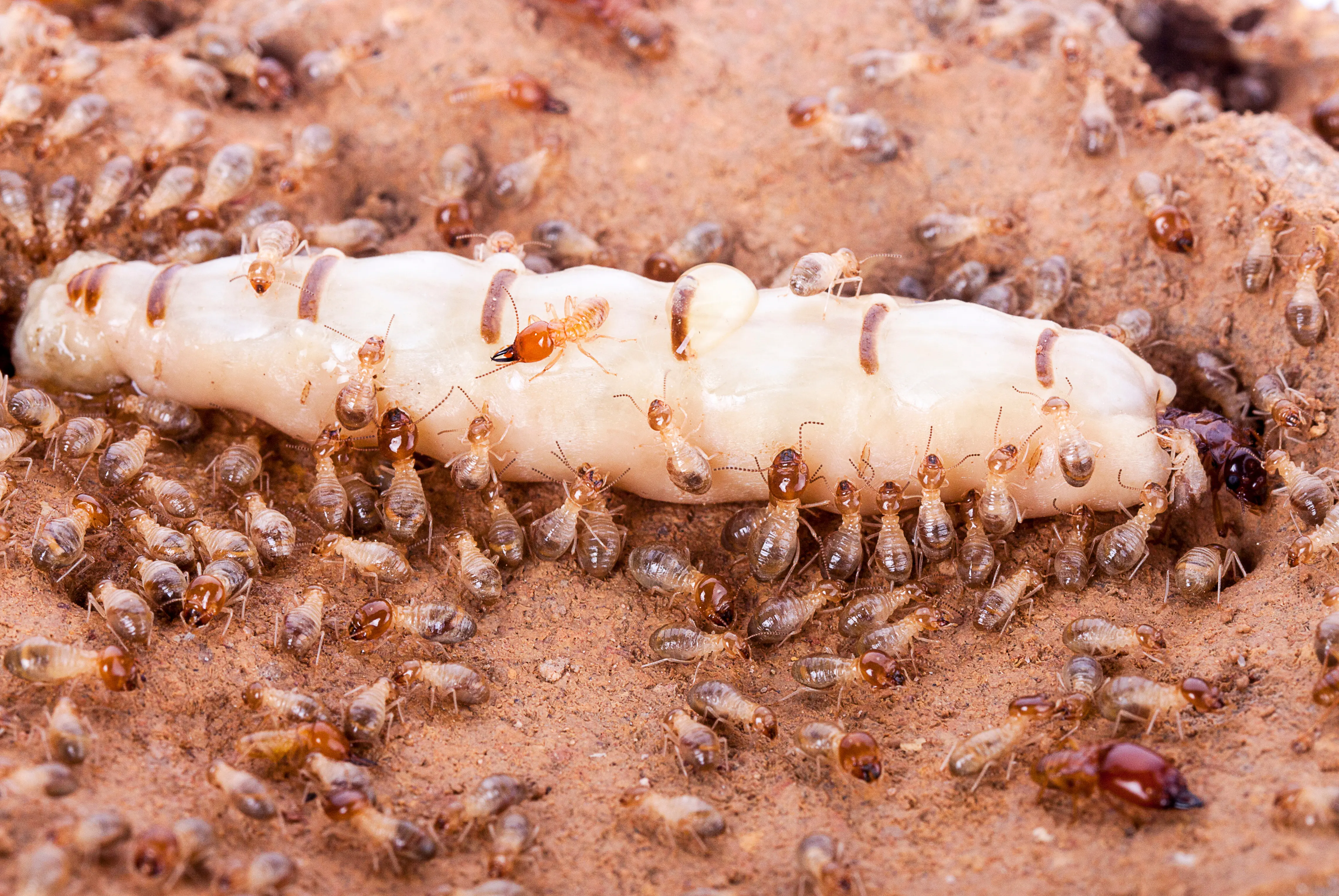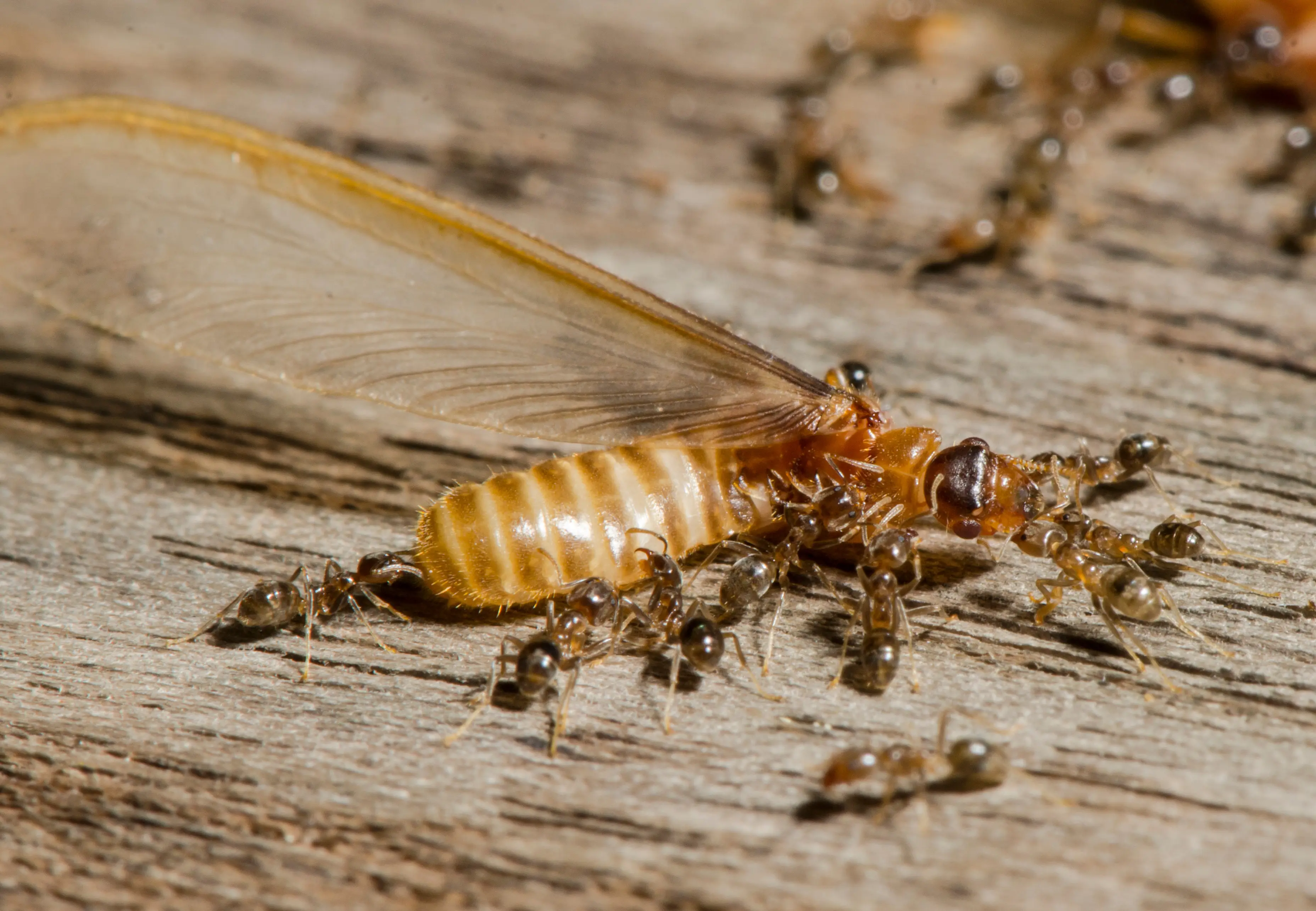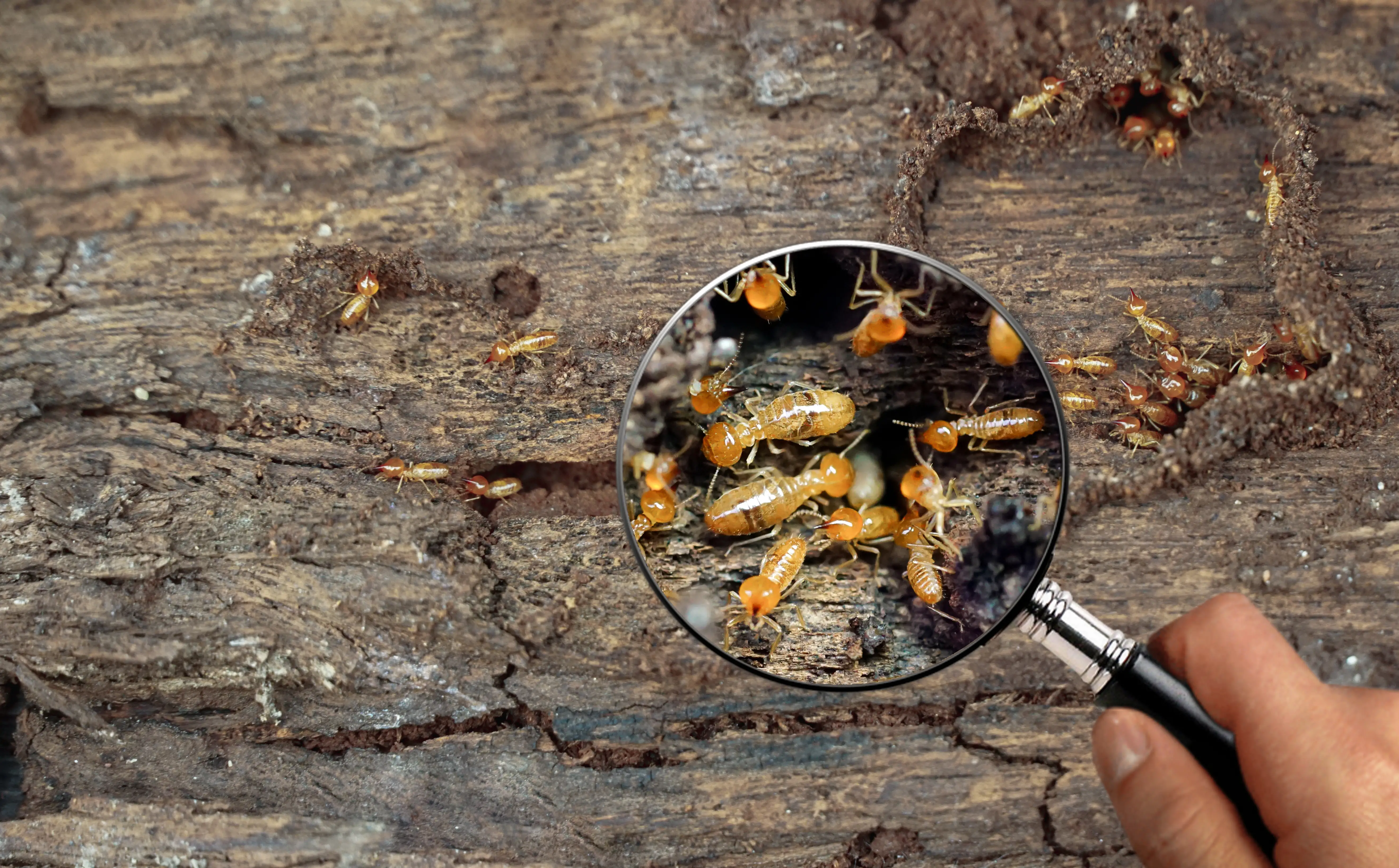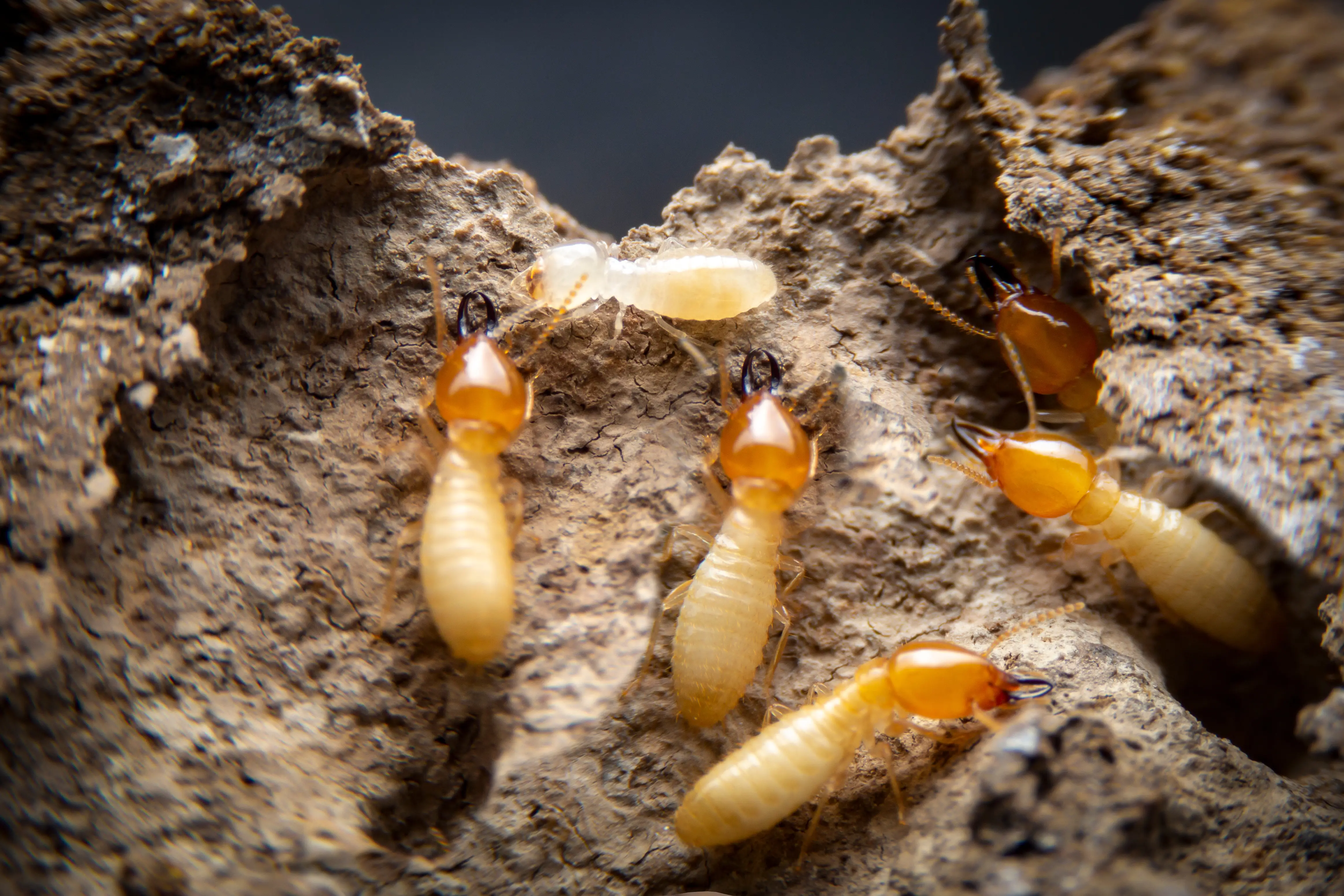
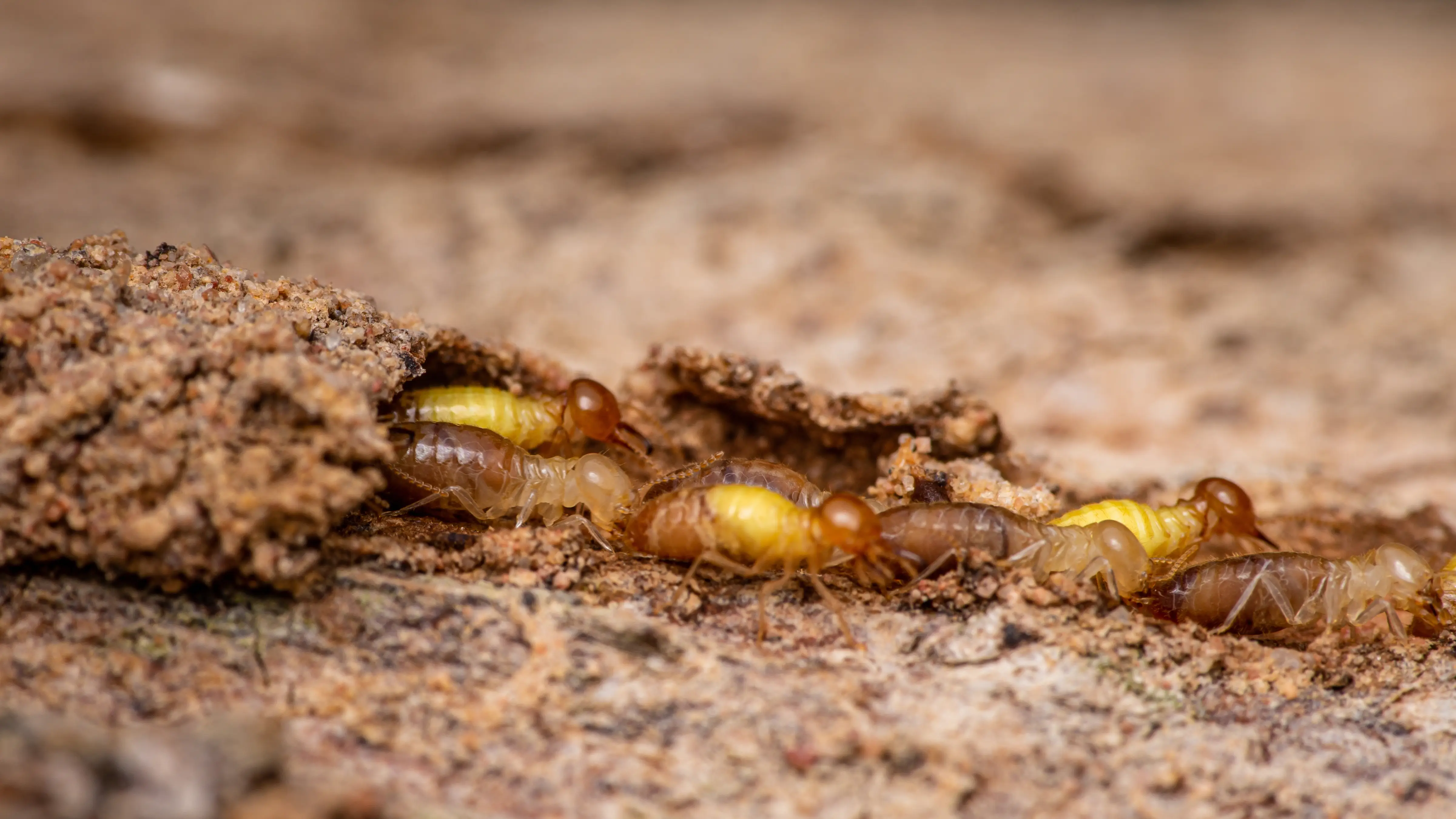
Subterranean termites build mud tubes to connect their underground colonies to wood sources above ground. These tubes are commonly found where the ground meets foundations and help protect termites from predators and the elements while they seek food.
Foraging termites build these tunnels using a blend of soil, digested wood, and termite saliva. The tubes maintain optimal internal conditions vital for termite survival. The presence of these tubes is a very strong sign of a large subterranean termite infestation.
Strong Indicator of Infestation
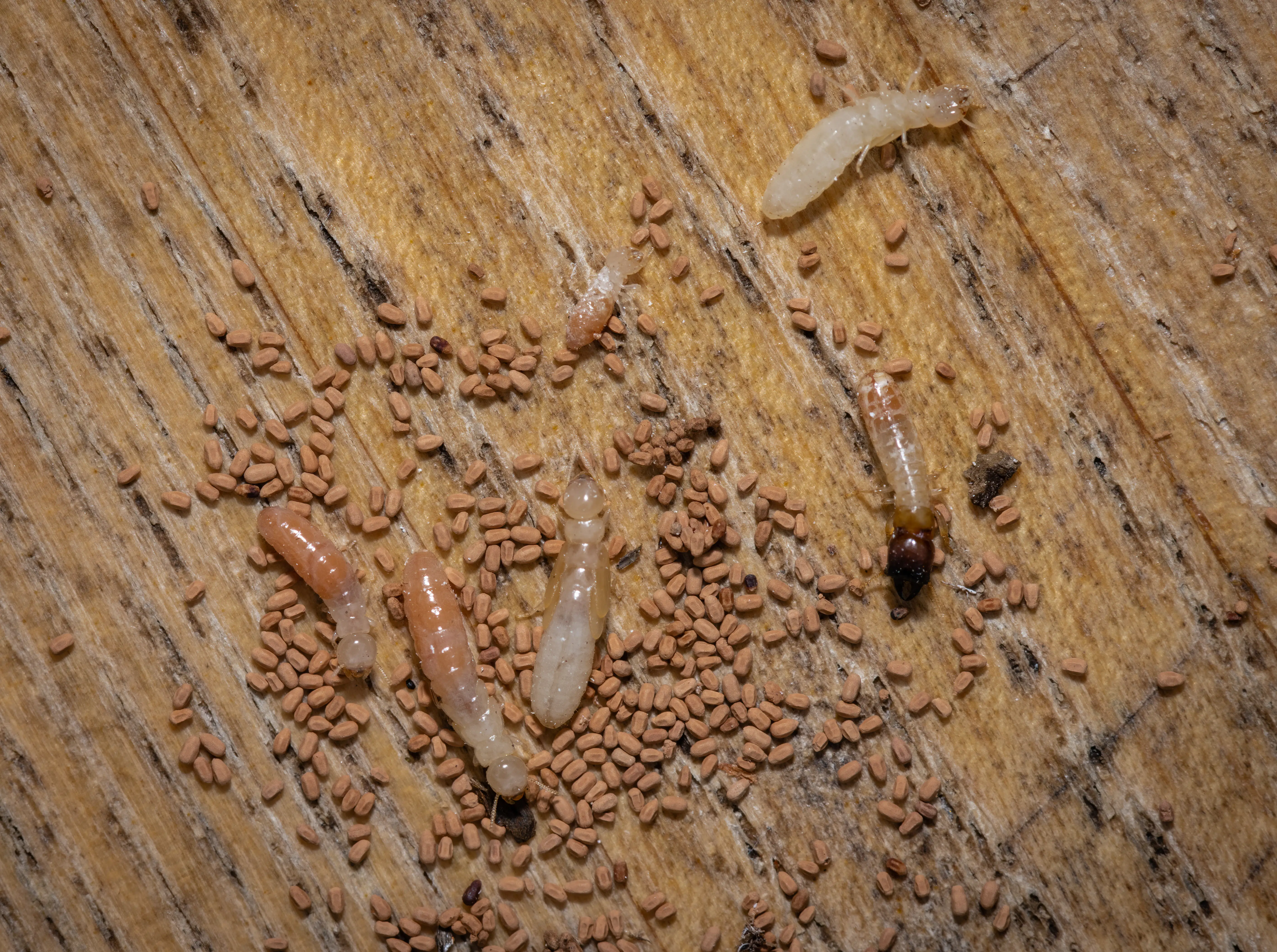
Termites rarely leave on their own. As long as there is wood above them, they will stay. If mud tubes are found, there has likely been an active infestation for at least a year.