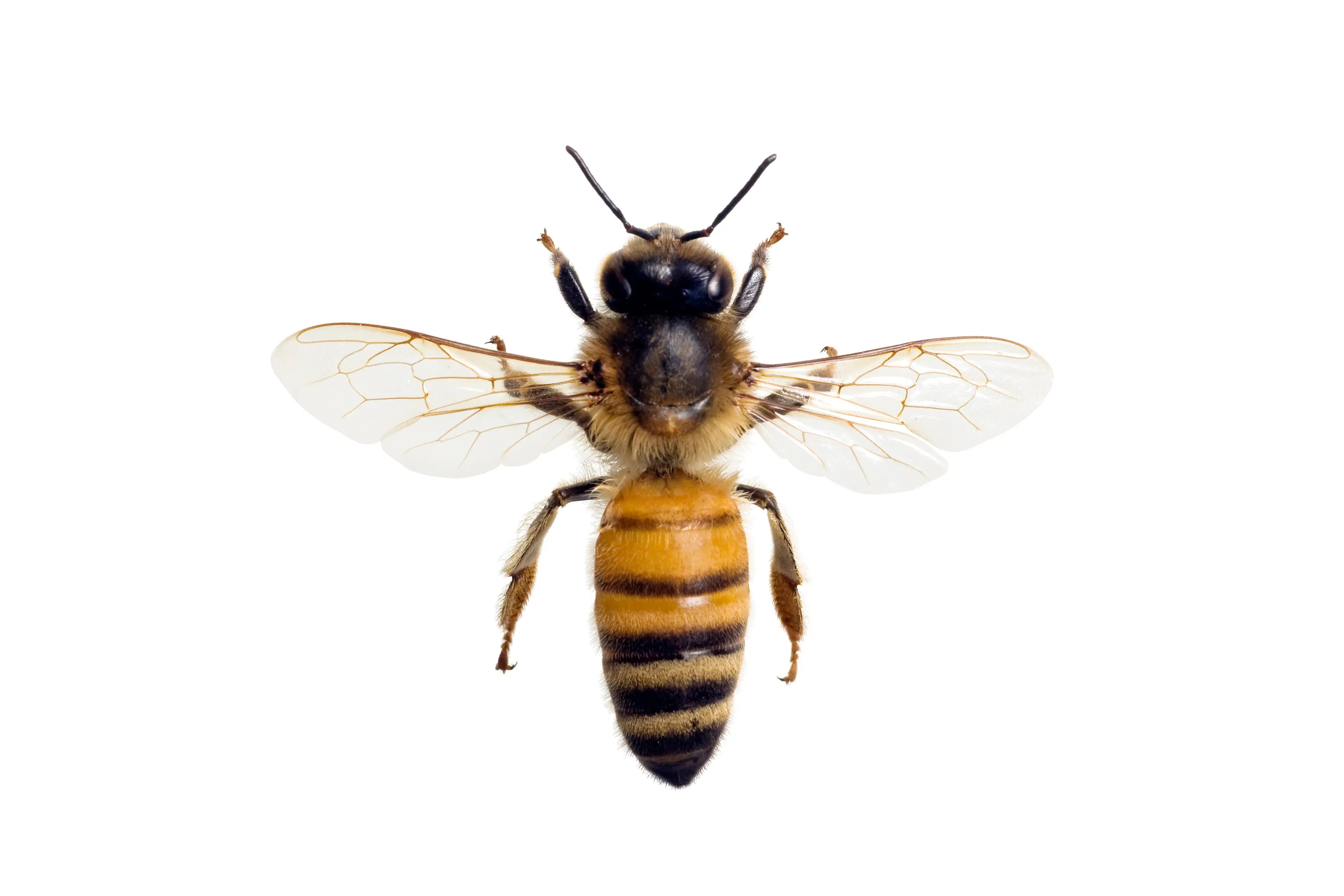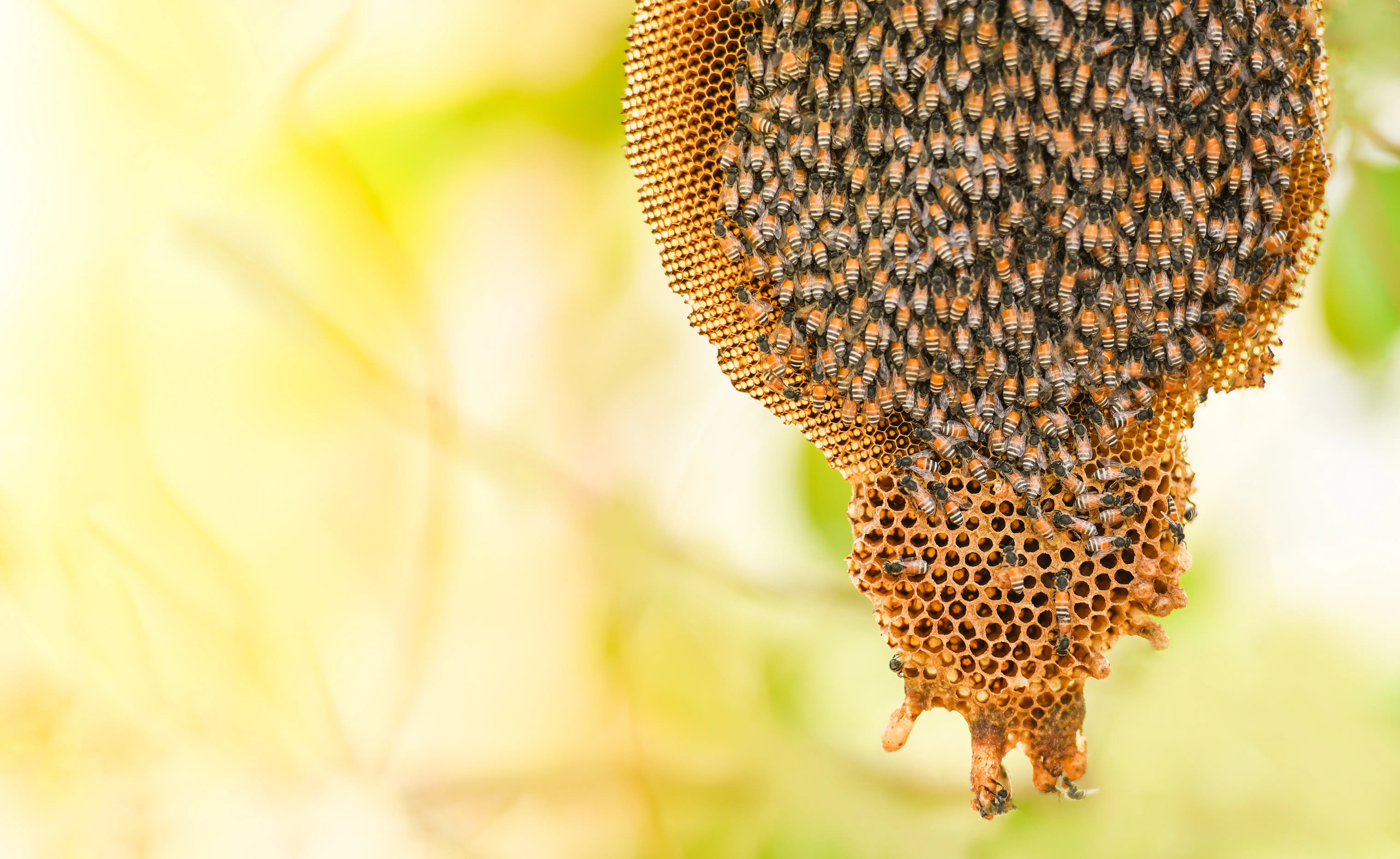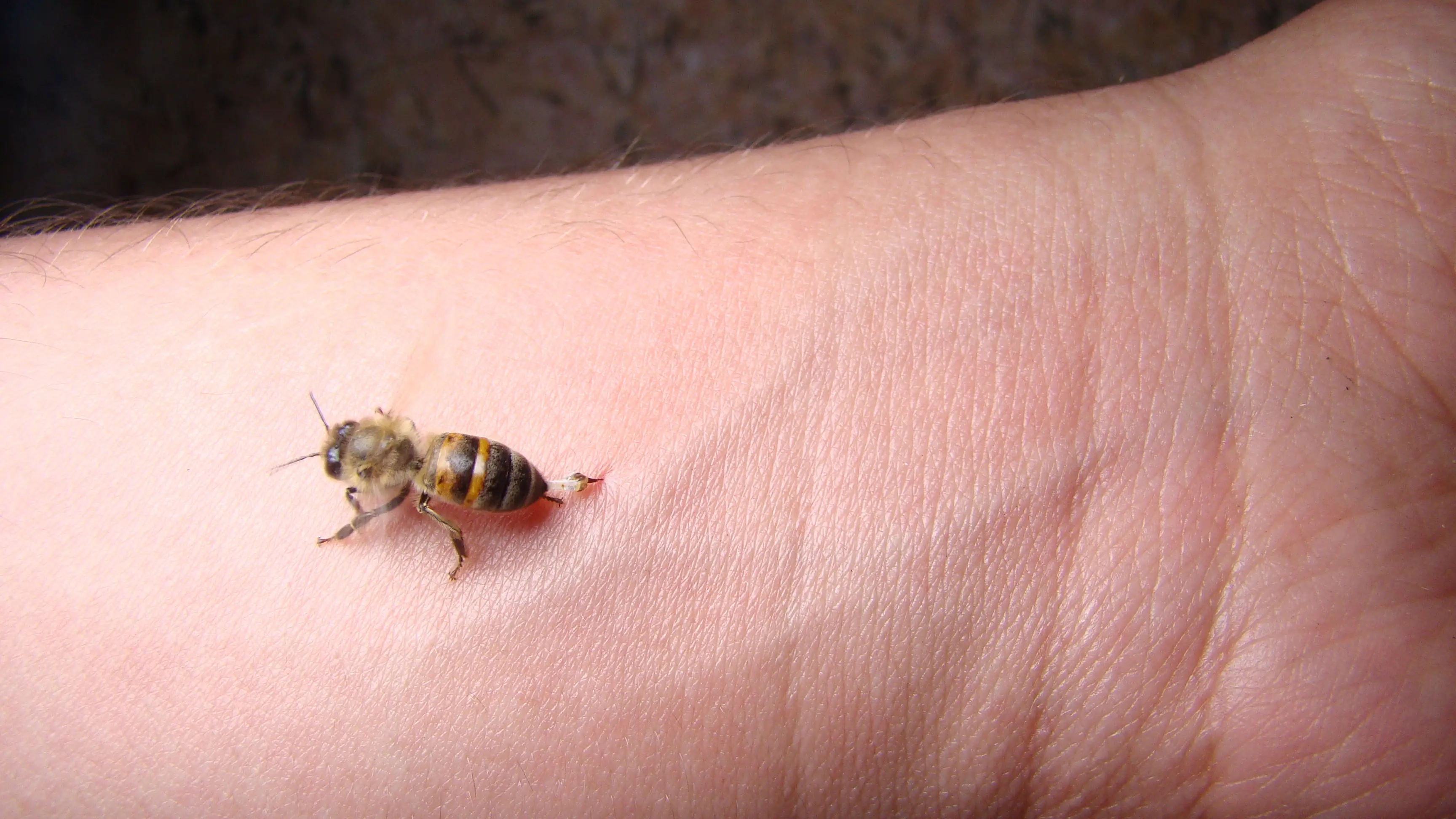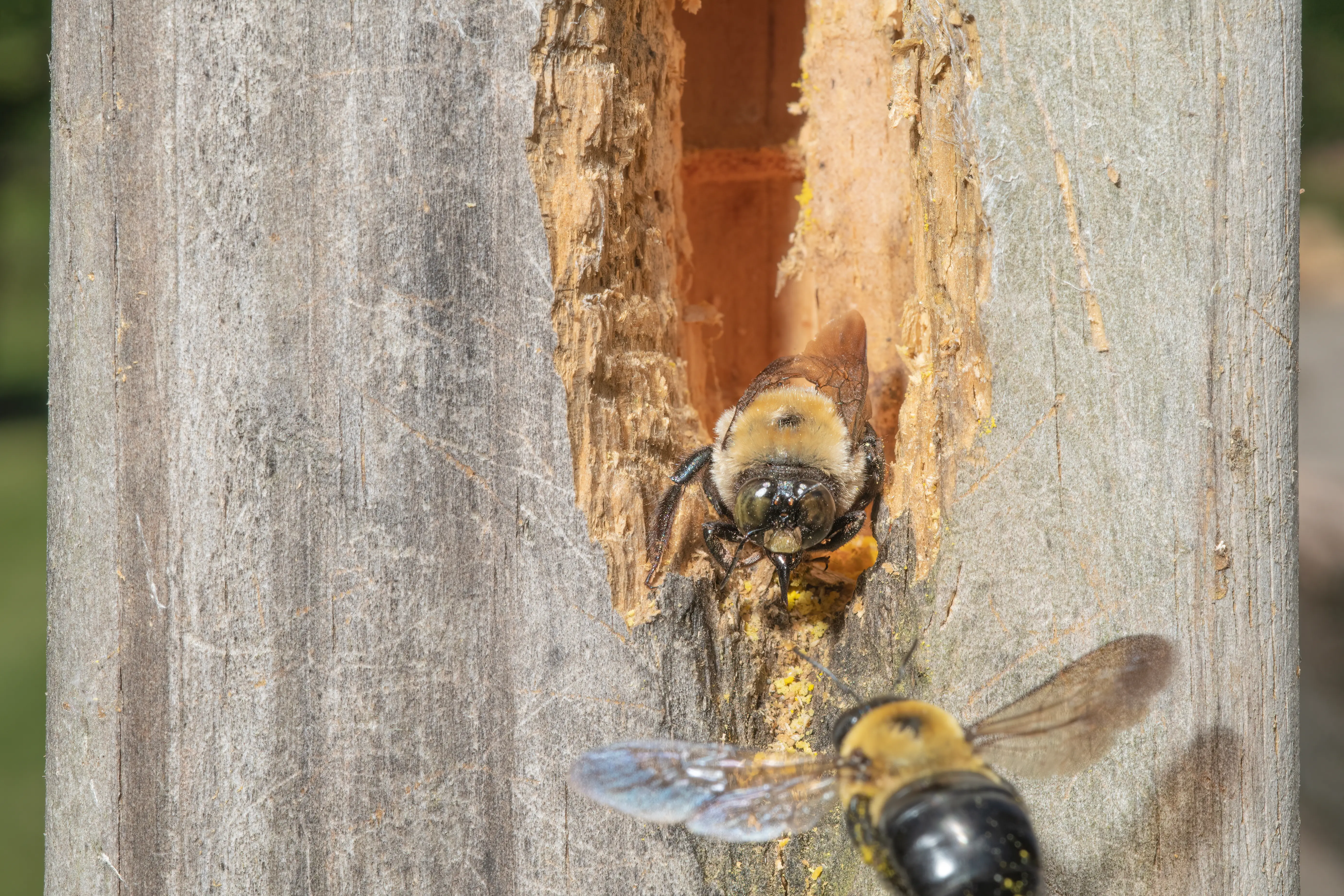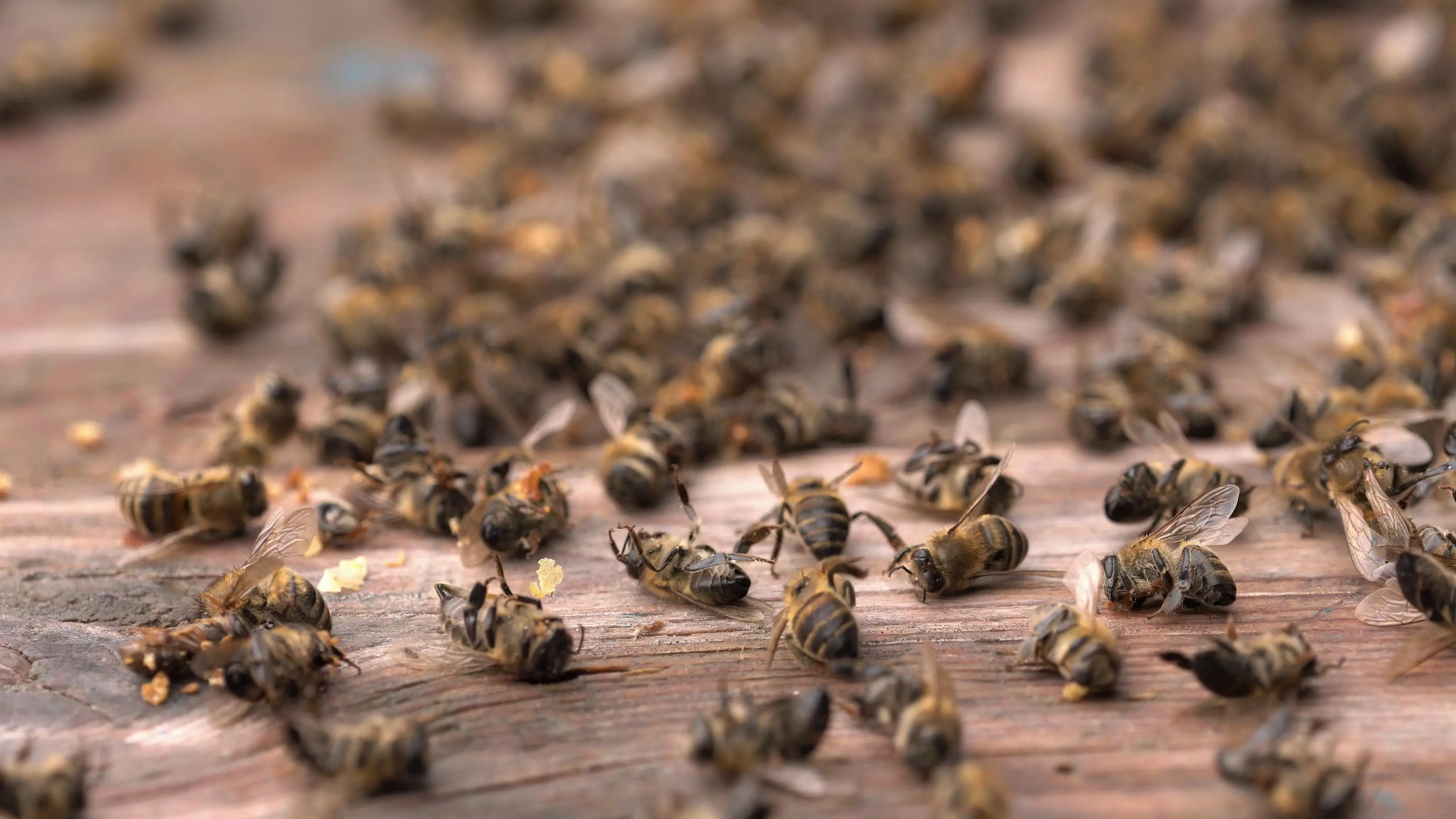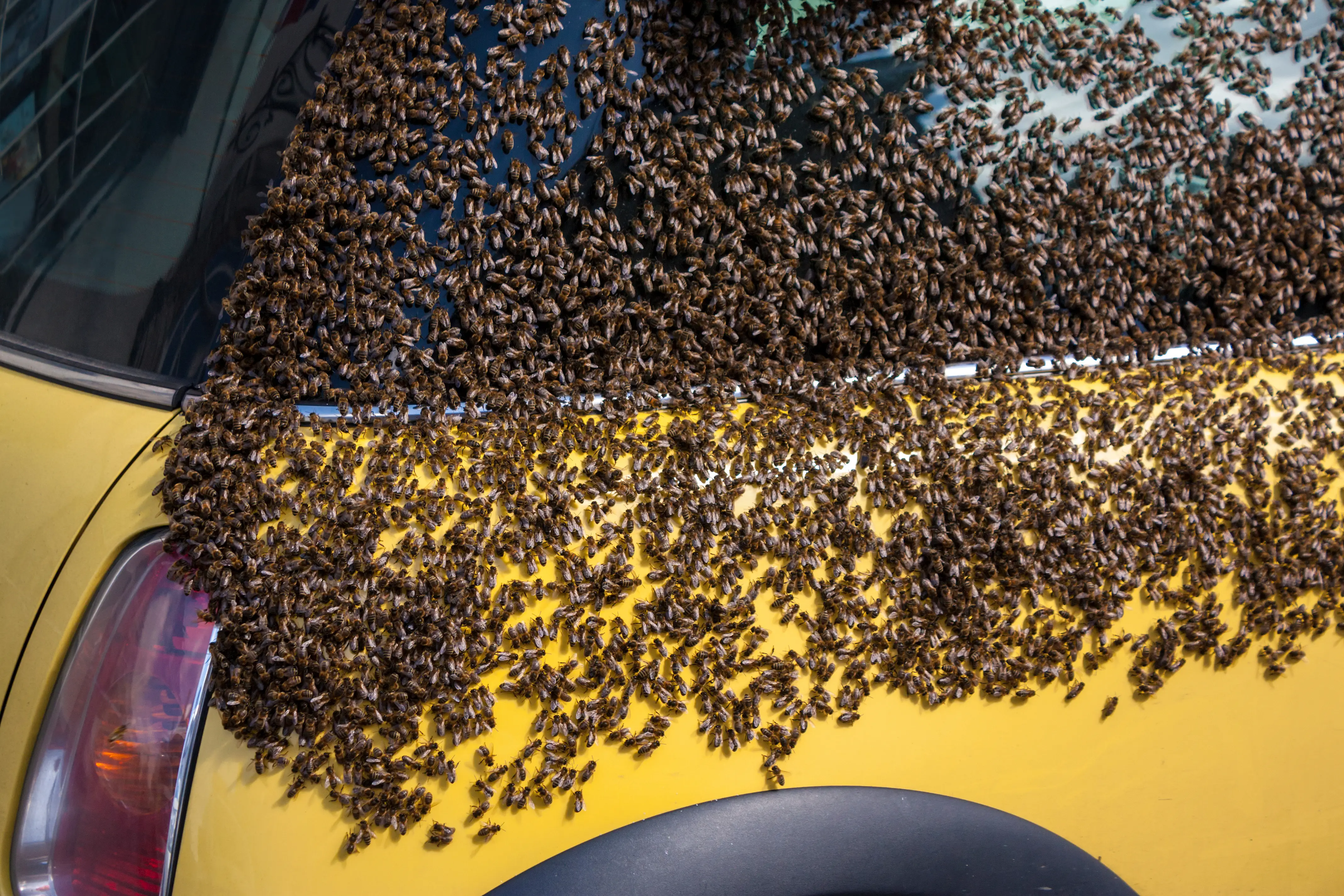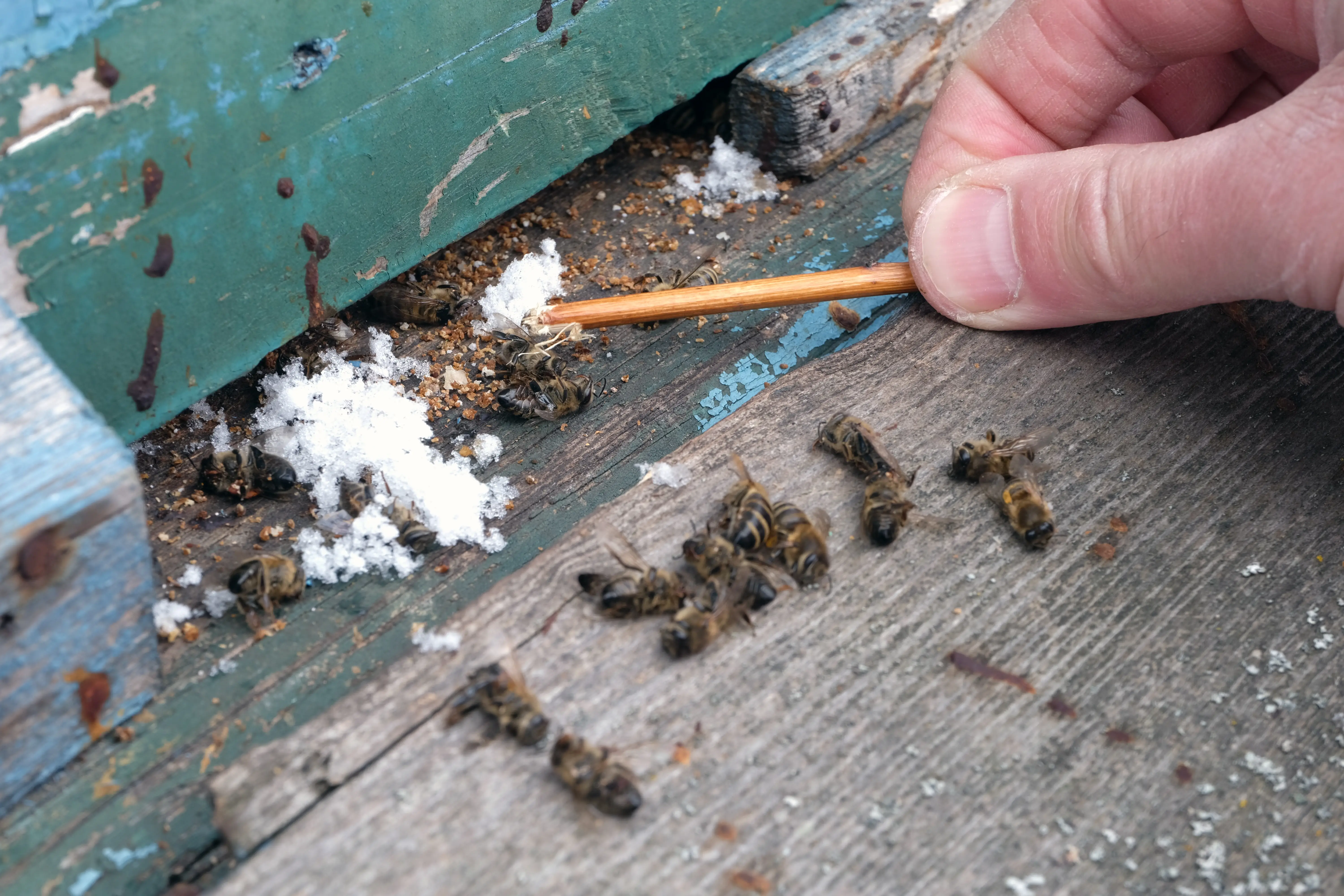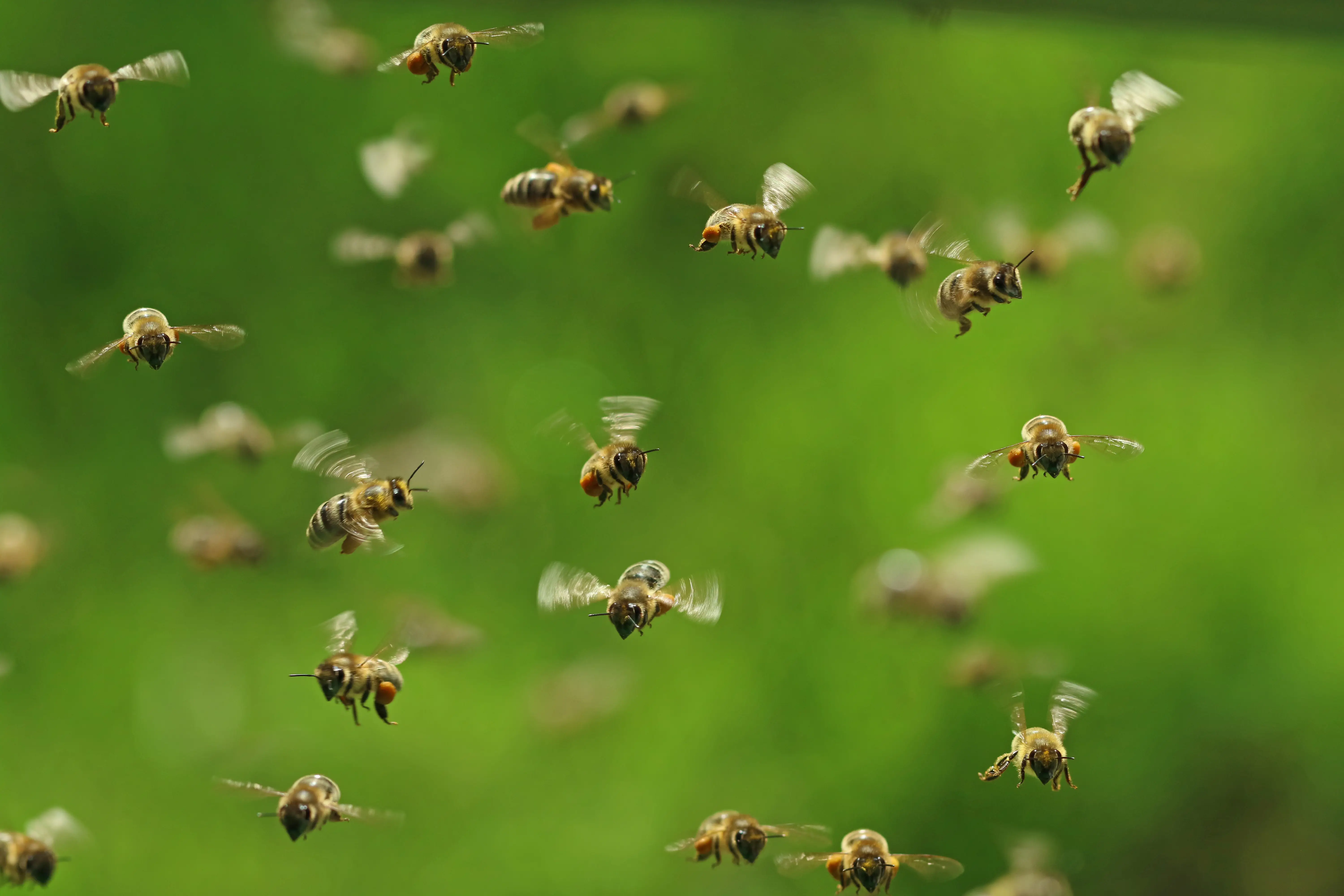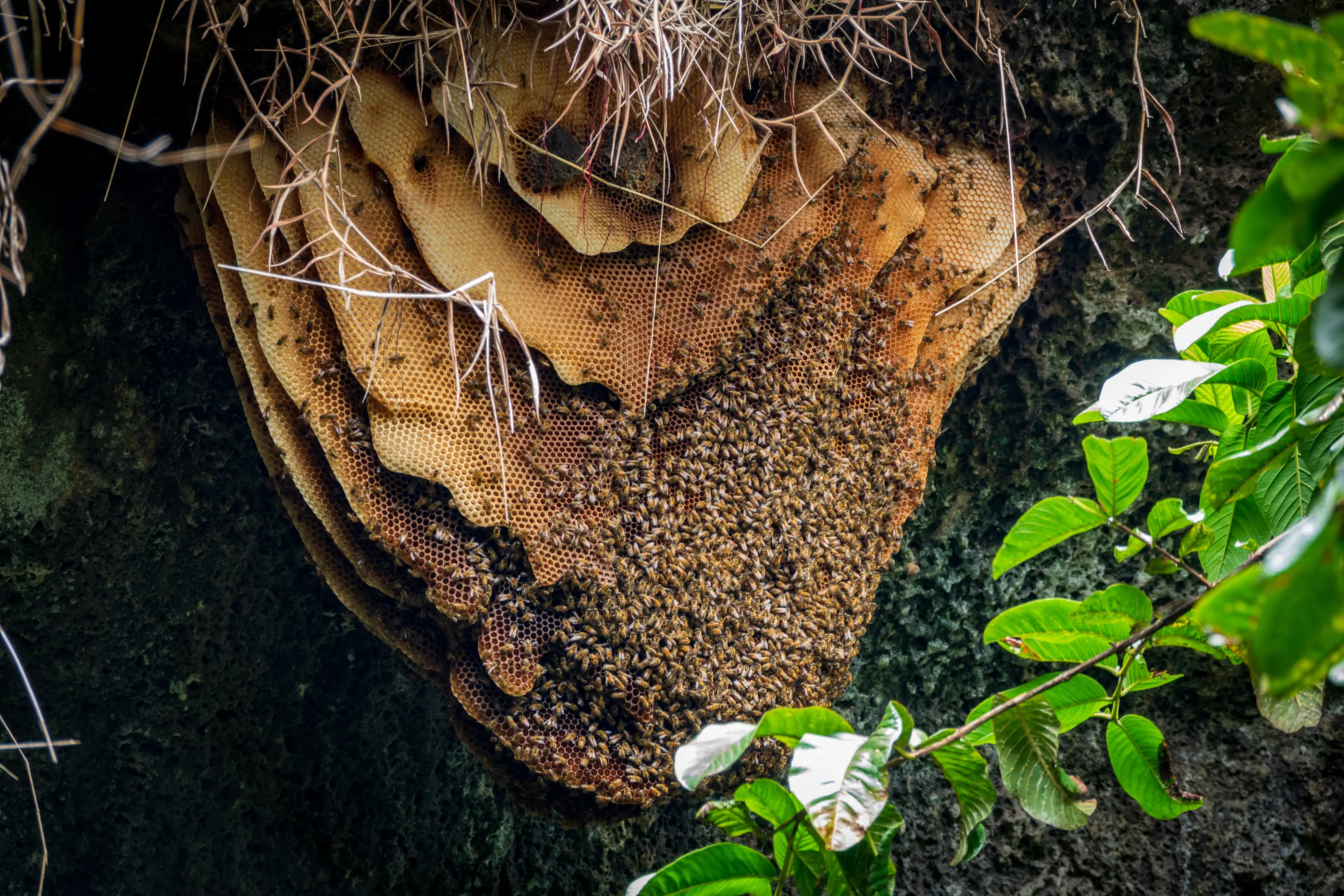

Bees have seasonal activity patterns largely due to their inability to survive cold temperatures. When temperatures drop below 50°F, exposed bees slow down, become dormant, and eventually die. Bees that survive winter become active again when temperatures rise, typically aligning with spring when flowers bloom.
50°F
Min Activity Temp
Early Afternoon
Peak Activity
March
Season Start
5-7 Hours
Sleep Needed
The Daily Cycle of Bee Activity
Bee activity fluctuates throughout the day based on temperature and light availability. Bees start their day with sunrise and peak in the early afternoon when temperatures are highest.
Morning
Bees wake as sunlight warms the hive. Early morning dew saturates pollen, making it difficult to collect. Bees emerge once temperatures surpass 50°F.
Early Afternoon (Peak)
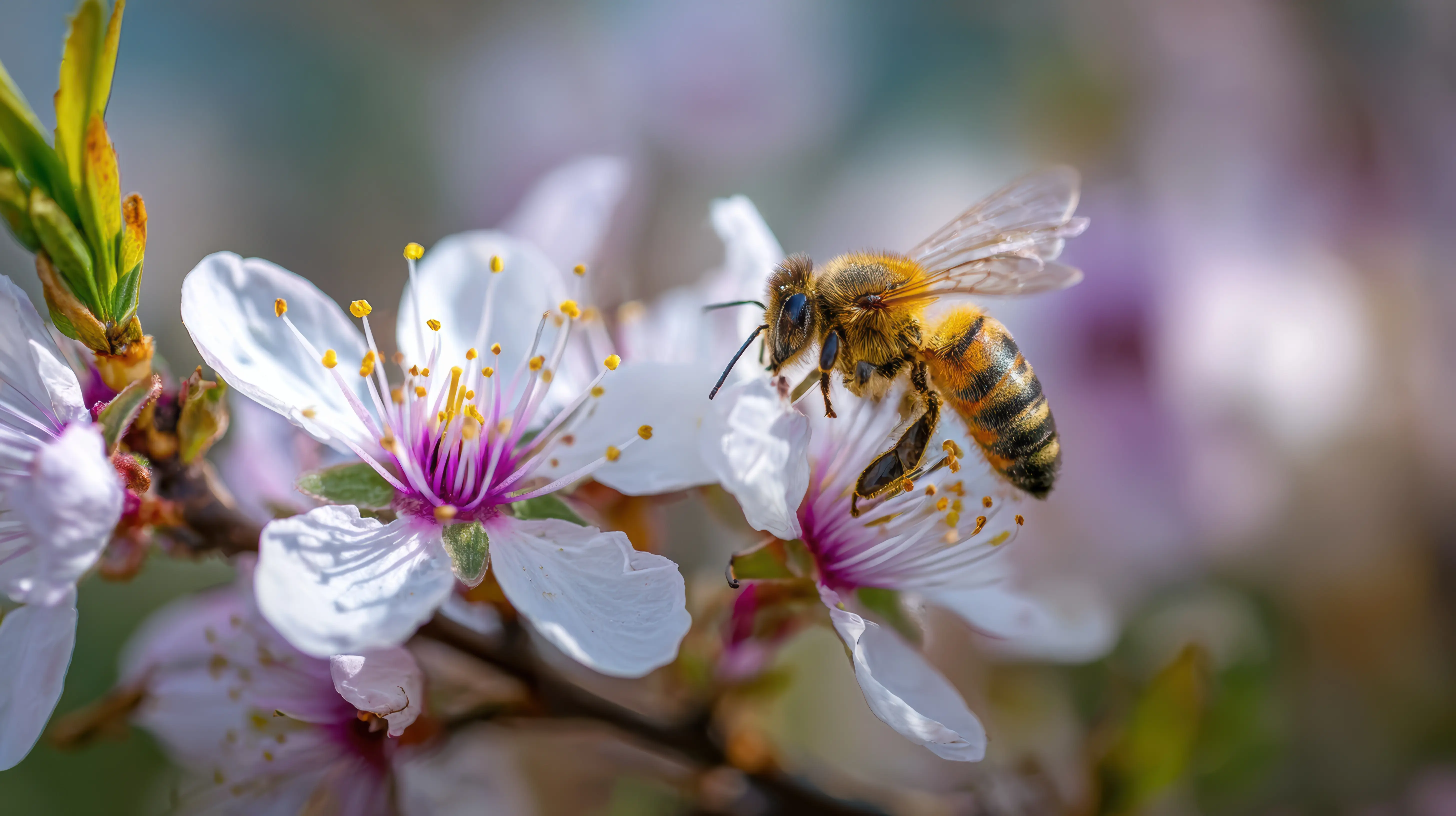
As temperatures rise, pollen dries and clings to bee hairs more easily. This is when bees have the most luck finding food and activity peaks.
Evening Return
Forager bees use infrared vision to sense sunset. They stop working with enough time to navigate back to the hive safely before dark.
Activity by Bee Role
Activity depends on the role a bee plays in the hive. A colony is active 24/7 during warm seasons but slows during winter.
Forager Bees
- Active only during day
- Leave at first daylight
- Peak activity early afternoon
- Return before sunset
- Need 5-7 hours sleep
Worker Bees
- Active 24/7 inside hive
- Maintain hive and care for eggs
- Never leave the hive
- Not sensitive to light
- Take turns sleeping
Drones (Males)
- Sole purpose: fertilize queen
- Do not contribute much else
- Spend most time sleeping
- Die after mating
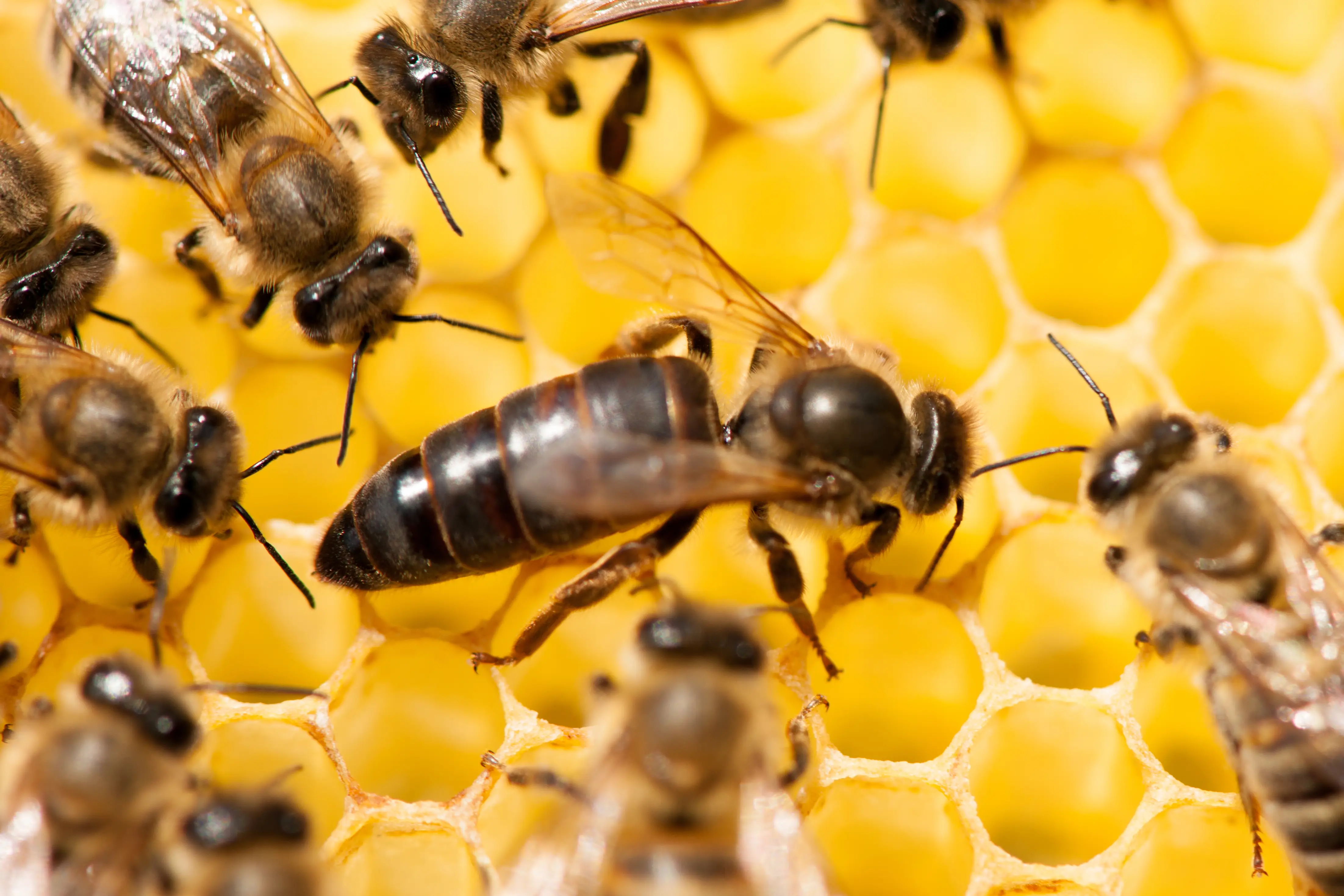
Queen Bee
- Spends days laying eggs
- Rests at night with foragers
- Hard-working contributor
Noticed Bee Activity Around Your Home?
Professional removal protects you and these important pollinators.
Call (866) 326-2847When is Bee Season?
Bee season depends on regional temperatures. In moderate climates, bees stay active year-round. In colder regions, bee activity pauses as the hive becomes dormant to survive winter.
March
Temperatures rise, colony recovers from winter
April-May
Colony grows, new queen emerges, swarming begins
Summer
Peak activity when temperatures highest
September
Activity slows as temperatures decline
Temperature and Bee Activity
Above 50°F (Active)
Bees are active and foraging. Activity increases as temperature rises, peaking in early afternoon.
39-45°F (Dormant)
Bees become lethargic and enter dormant hibernation. Too much time at these temperatures causes starvation and death. Bees must stay warm inside the nest.
Contact EcoGuard for Bee Removal
If you have noticed bee activity in or around your home, call EcoGuard Pest Management. We offer beehive removal services to ensure these beneficial pollinators are not harmed while being removed from your property. We take precautionary measures to safely and effectively remove bees without damaging the queen or hive.
Bee Activity FAQs
What month do bees become active?
Bees typically become active in March when temperatures rise and flowers are blooming. They work hard to ensure the hive has enough food to recover from winter.
What time of day are bees most calm?
Bees are most calm at night when temperatures are low and they are dormant. That said, bees are gentle creatures that remain calm as long as they do not feel threatened.
What time do bees go to bed?
Bees typically return to the hive when the sun starts to go down. In peak summer, this is much later due to extended daylight. As seasons change, bees return earlier as daylight runs out sooner.
From Our Blog