EcoGuard Pest Management
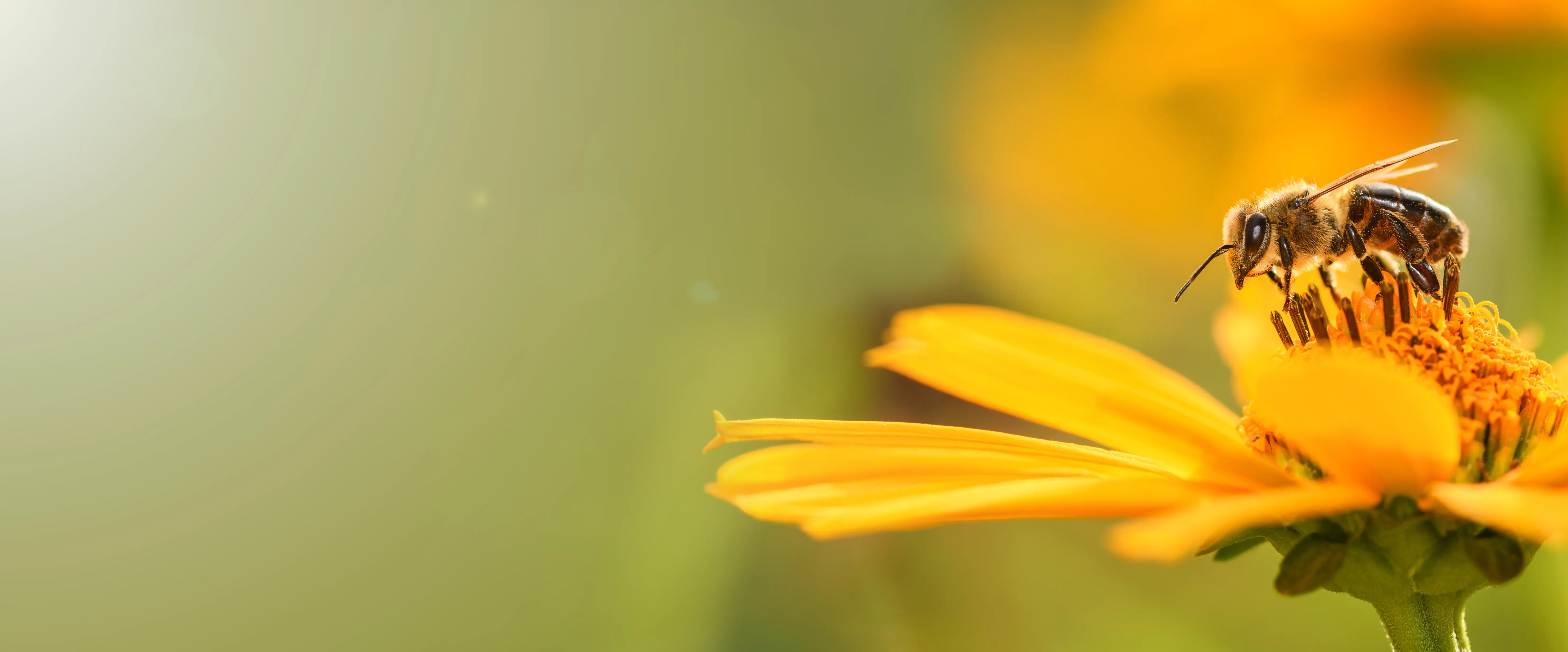
Natural bee repellent plants in garden
By Gary Anderson||4 min read

How to Repel Bees Naturally from Your Yard

Natural methods to deter bees without harming them.

Bees are non-aggressive pollinators that play a critical role in ecosystems. However, they are also stinging insects that can pose a threat, especially for those allergic to bee stings.

The best approach is to prevent bees from becoming a problem in the first place. Many natural strategies take advantage of bees' sensitive sense of smell. By removing attractive smells and replacing them with scents bees dislike, you can minimize bee activity without killing them.
Avoid Sweet Smelling Fragrances

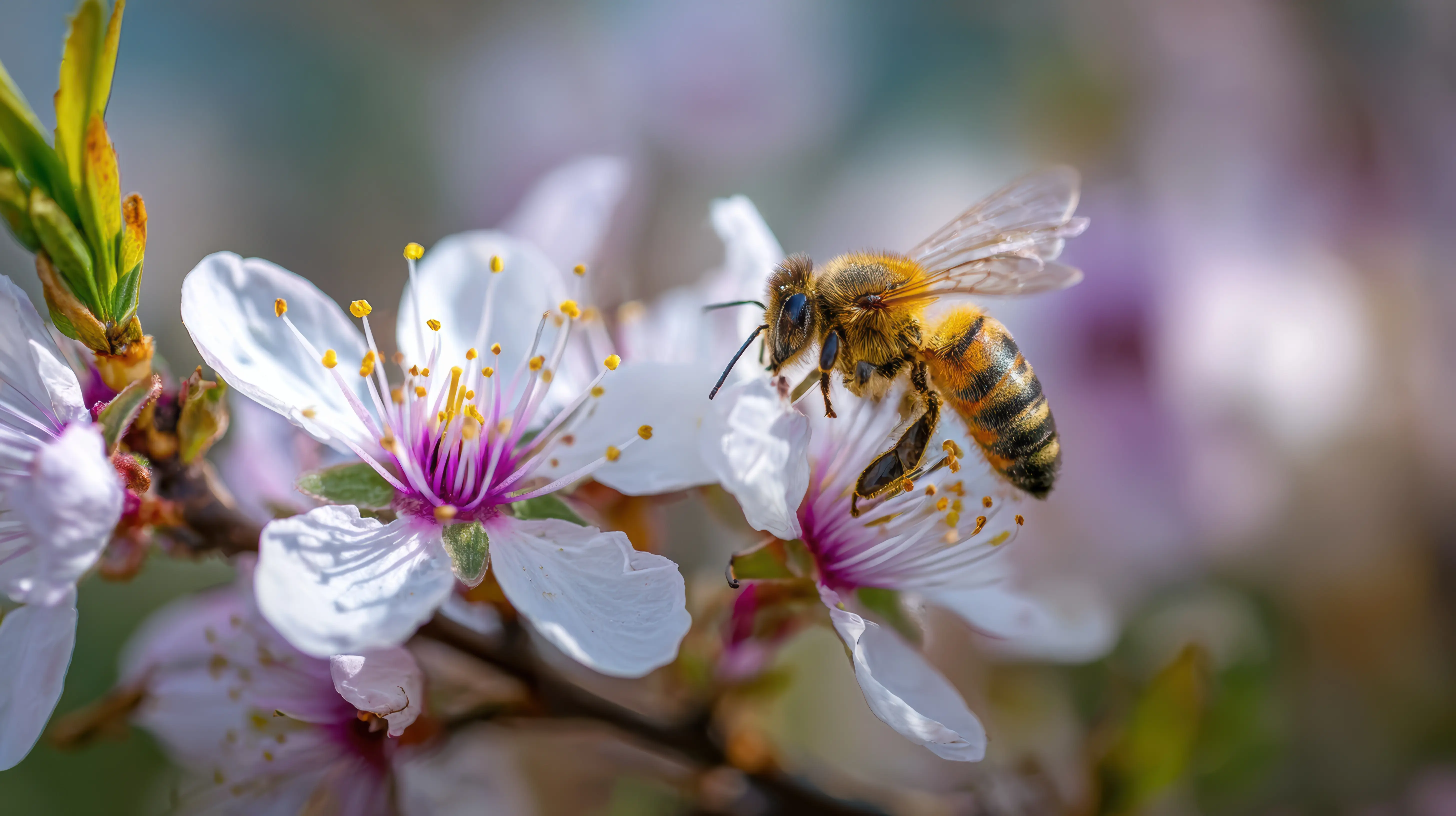
Bees feed on nectar which gives flowers that sweet smell. Sweet juices and fragrances often attract bees who are confused and looking for food. Avoid using sweet-smelling colognes, perfumes, and sunscreens if you want to avoid bee attention.

Avoid These Colors Too

Bees can see colors on the green, blue, and ultraviolet spectrum. Avoid wearing blue, violet, or purple clothing as these colors are found on flowers and attract bees.

Grow Deterring Plants

Strong scents can be used against bees. Bees find several scents repulsive and will give these plants plenty of distance. Grow these natural repellents around your property to create a defensive perimeter:

Marigolds
Geraniums
Mint
Eucalyptus
Thyme
Lemon
Pennyroyal
Neem
Cloves
Garlic
Basil
Lavender

Use Essential Oils

Bees dislike essential oils that smell similar to the plants they avoid. By diffusing these oils, you can repel bees naturally:

Lavender Oil
Tea Tree Oil
Citronella Oil
Citrus Oil
Peppermint Oil
Clove Oil
Rosemary Oil
Eucalyptus Oil
Cinnamon Oil
Cedarwood Oil

Bees Still a Problem?

Professional bee removal safely relocates colonies away from your property.

Call (866) 326-2847

Other Natural Repellent Methods

Keep Food Covered

Fruits and sweet beverages attract bees. Keep dishes and drinks covered or sealed. Pour sodas into cups with lids and cover fruit bowls with plastic wrap.

Citronella Candles

Burning citronella candles repels bees, wasps, and mosquitoes. Easy to use and available at most grocery or hardware stores.

Vinegar

The strong smell of vinegar is unpleasant to bees and works as an alternative to pesticides.

Cinnamon

Apply cinnamon to the outside of a hive to create an unpleasant smell. May take several days before bees relocate. Wear protective gear when applying.

Garlic Spray or Powder

Apply to areas where bees are not wanted. Warning: Garlic can be toxic to bees and larvae, so do not apply directly to hives.

Cayenne Pepper

Acts as a strong irritant. Sprinkle generously on soil to deter ground bees that burrow underground.

Habitat Modification

Bees need food, water, and shelter to survive. By changing the environment, bee populations can be deterred and encouraged to relocate:

Remove Water Sources

Eliminate standing water that bees use

Change Plant Types

Replace bee-attracting flowers with deterring plants

Cover Access Points

Block cracks, holes, tears, and gaps where bees could build nests

Warning: If honeybees swarm and get inside your home, they become a massive headache to remove. They also create honey inside walls which attracts other bugs.

Contact Bee Removal Experts

If bees are presenting a problem, call EcoGuard Pest Management to get specialized bee removal experts to relocate your bee problem safely. A licensed expert will inspect your home for signs of a beehive, find the queen, and relocate the colony so bees are no longer your problem.

Call (866) 326-2847Get Free Quote

Bee Repellent FAQs

How to deter bees?

Keeping bees away requires avoiding mimicking a flower. Bees rely on vision and smell to find food, so if you wear certain colors or scents, a bee may confuse you for a flower. Avoid blues and purples while using pungent smells that are too intense for bees instead of sweet-smelling fragrances.

What smell do bees hate the most?

Bees dislike many strong or irritating smells found in plants and essential oils:

GarlicLavenderTea TreeCitronellaCitrusMintCloveRosemaryEucalyptusCinnamonCedarwood
From Our Blog

Related Articles

Are Honeybees Dangerous to Humans? Bee Safety Guide

Are Honeybees Dangerous to Humans? Bee Safety Guide

Learn when honeybees become dangerous, symptoms of bee stings, Africanized bees, and when to call professional bee...

Read Article
Are Honeybees Endangered Species in the US?

Are Honeybees Endangered Species in the US?

Learn about honeybee and native bee population status, Colony Collapse Disorder, why bees are declining, and how to...

Read Article
Do Bees Die After They Sting You? The Truth About Bee Stingers

Do Bees Die After They Sting You? The Truth About Bee Stingers

Learn which bees die after stinging, why honeybees sacrifice their lives, how the stinger works, and what to do if you...

Read Article
Do Bees Fly at Night? Nocturnal vs Diurnal Bee Behavior

Do Bees Fly at Night? Nocturnal vs Diurnal Bee Behavior

Learn which bees can fly at night, why most bees are diurnal, and how nocturnal bees have adapted to see in the dark....

Read Article
Do Bumble Bees Sting Humans? Stings, Reactions & Treatment

Do Bumble Bees Sting Humans? Stings, Reactions & Treatment

Learn if bumble bees sting, why they sting, how painful their stings are, allergic reactions, and treatment options for...

Read Article
Do Carpenter Bees Sting? Sting Treatment & Prevention

Do Carpenter Bees Sting? Sting Treatment & Prevention

Learn if carpenter bees sting, the difference between male and female carpenter bees, sting treatment, allergic...

Read Article
How Long Do Bees Live? Lifespan by Species & Role

How Long Do Bees Live? Lifespan by Species & Role

Learn how long different bee species live including honeybees, bumblebees, and carpenter bees. Discover lifespan...

Read Article
How Long Does a Queen Bee Live? Lifespan & Life Cycle Guide

How Long Does a Queen Bee Live? Lifespan & Life Cycle Guide

Learn how long queen bees live, their life cycle from egg to matriarch, mating flights, succession, and what happens...

Read Article
How to Get Rid of a Beehive Safely | Complete Removal Guide

How to Get Rid of a Beehive Safely | Complete Removal Guide

Learn how to safely remove a beehive from your property. Professional removal steps, DIY precautions, what to avoid,...

Read Article
Identifying Different Types of Bee Species | Complete Guide

Identifying Different Types of Bee Species | Complete Guide

Learn to identify different bee species including honeybees, bumblebees, carpenter bees, and more. Understand...

Read Article
When Are Bees Most Active? Daily & Seasonal Bee Activity

When Are Bees Most Active? Daily & Seasonal Bee Activity

Learn when bees are most active throughout the day and year. Understand bee seasons, temperature requirements, and when...

Read Article
Where Do Bees Go in the Winter?

Where Do Bees Go in the Winter?

Learn how honeybees, bumblebees, and solitary bees survive winter through clustering, hibernation, and dormancy, and...

Read Article
Why Do Bees Sting People if it Kills Them? | Complete Guide

Why Do Bees Sting People if it Kills Them? | Complete Guide

Learn why bees sting even when it kills them, which bees die after stinging, bee sting symptoms, treatment, and how to...

Read Article