EcoGuard Pest Management
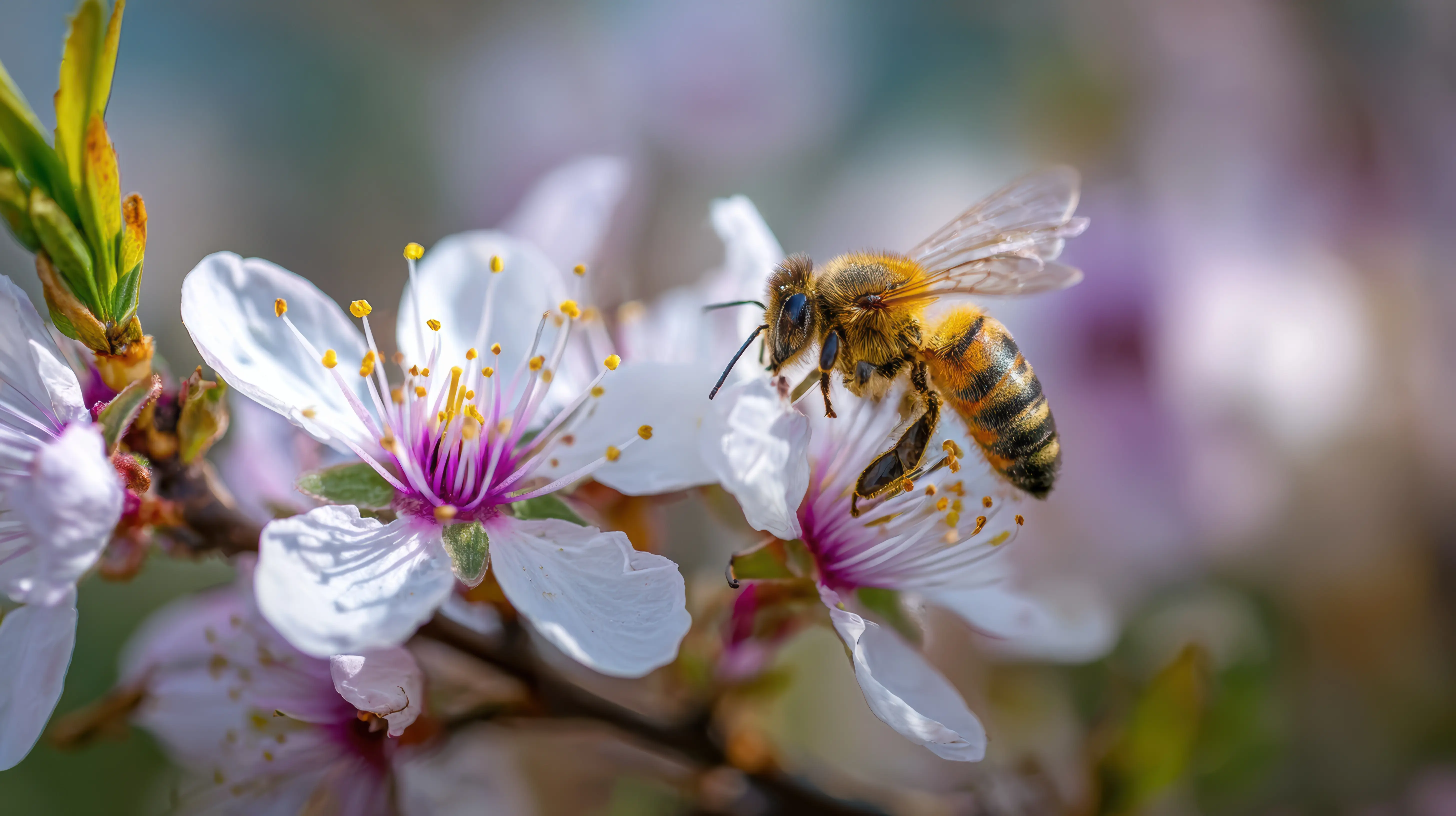
Honeybee on flower showing different life stages
By Gary Anderson||6 min read

How Long Do Bees Live?

Understanding bee lifespans by species and role within the colony.

A bee's lifespan is largely influenced by their species and the specific role they play within their colony. There are approximately 20,000 distinct bee species around the world with around 4,000 native species found in the United States.

Some species can live for over a year while others have a lifespan that spans a couple seasons before they die off in the winter. Worker bees typically have shorter lifespans with some species living for just a few weeks, while queens can live for several years.

Bee Lifespan Overview

Honeybee Queen: 1-6 years
Honeybee Worker: 5-6 weeks (up to 20 weeks if overwintering)
Bumblebee Queen: ~1 year
Carpenter Bee: ~1 year
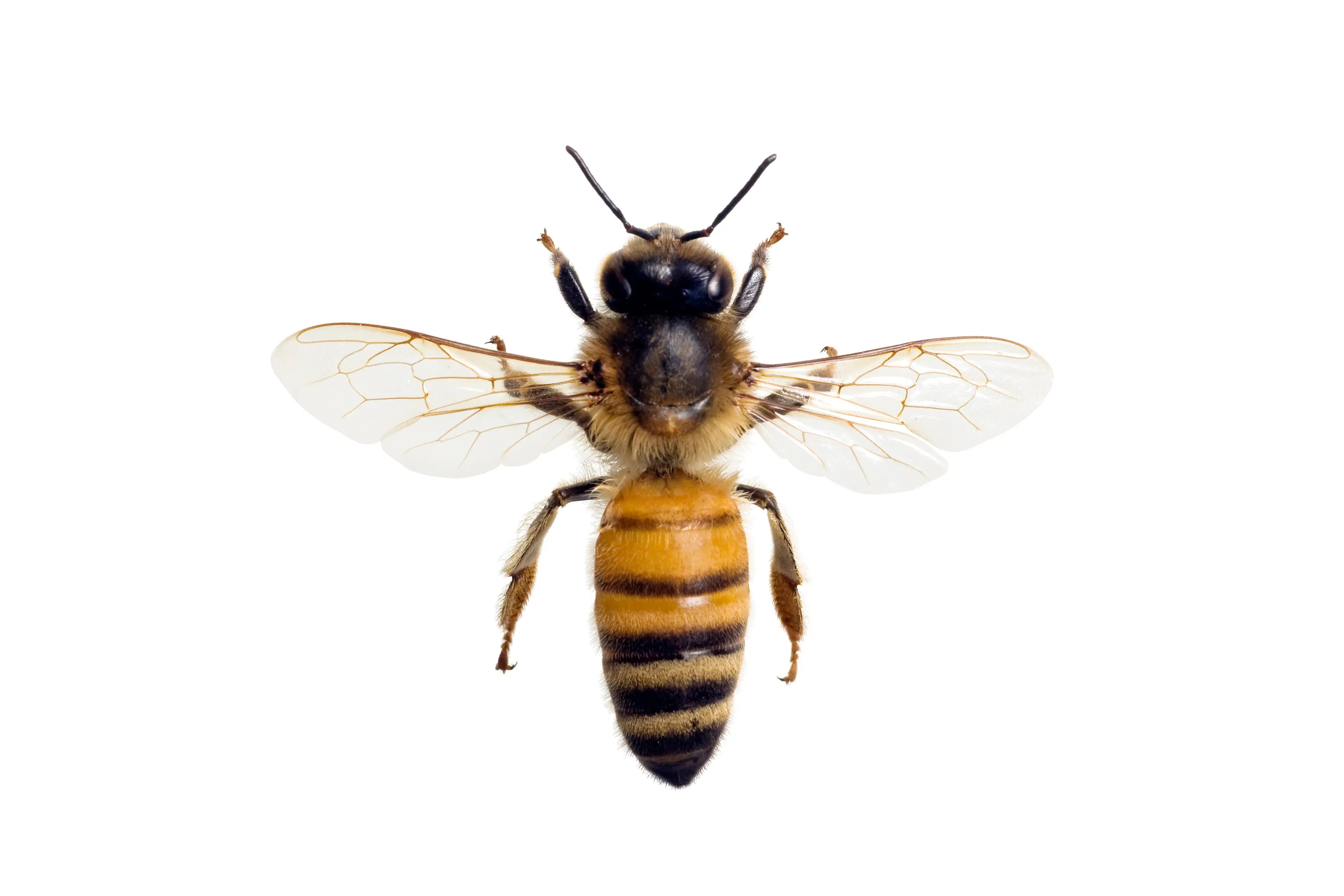
Life Cycle of Bees

The life cycle of bees begins when the queen lays her eggs. The development process takes approximately 3 weeks from egg to adult:

Egg

~3 days until hatching

Larva

~12 days of feeding

Pupa

7-10 days in cocoon

Adult

Emerges fully developed

After Emergence: Wings and exoskeleton harden so the bee can take its place in the colony. Workers first serve as nurses feeding larvae, then become foragers as they age.

How Long Do Honeybees Live?

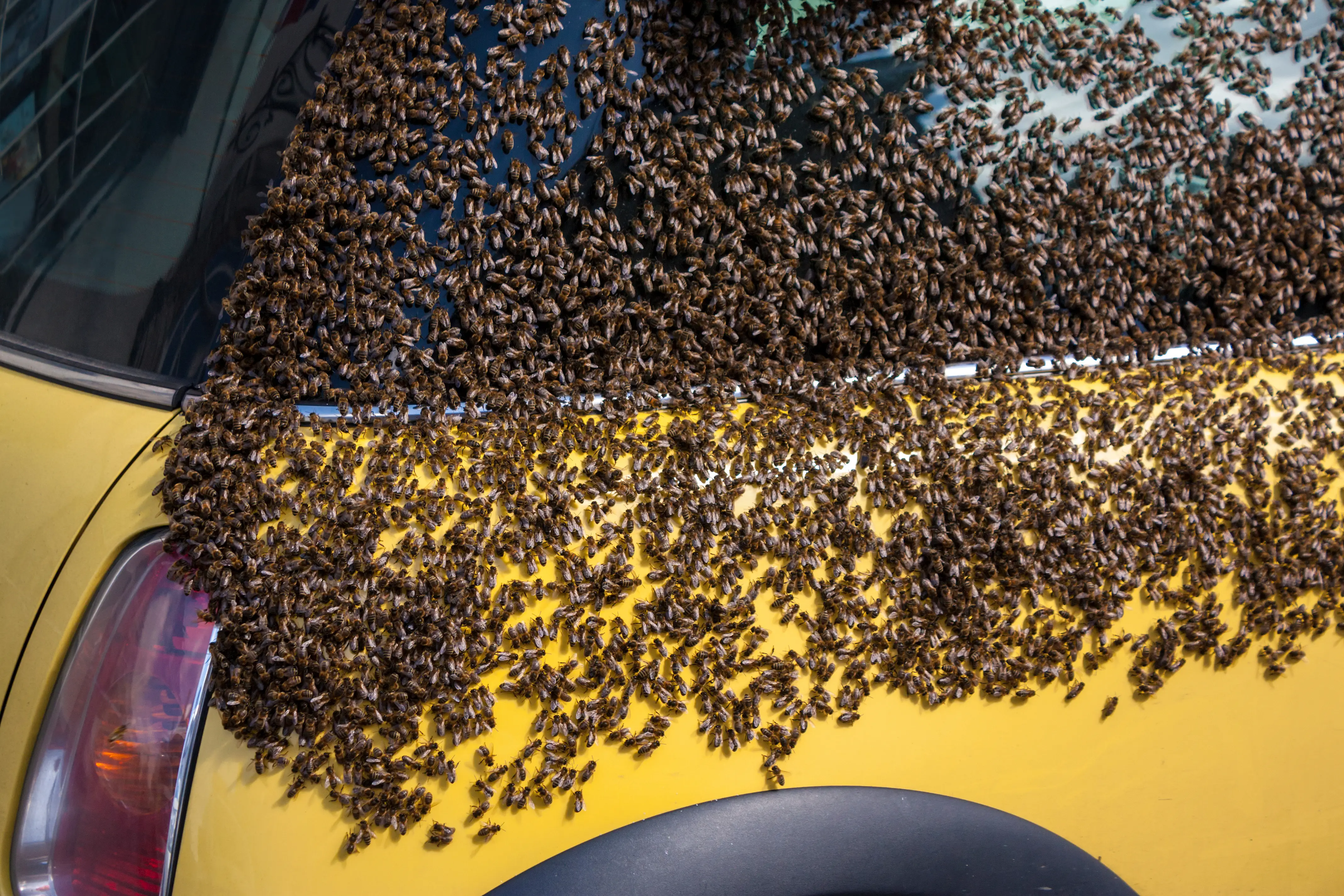
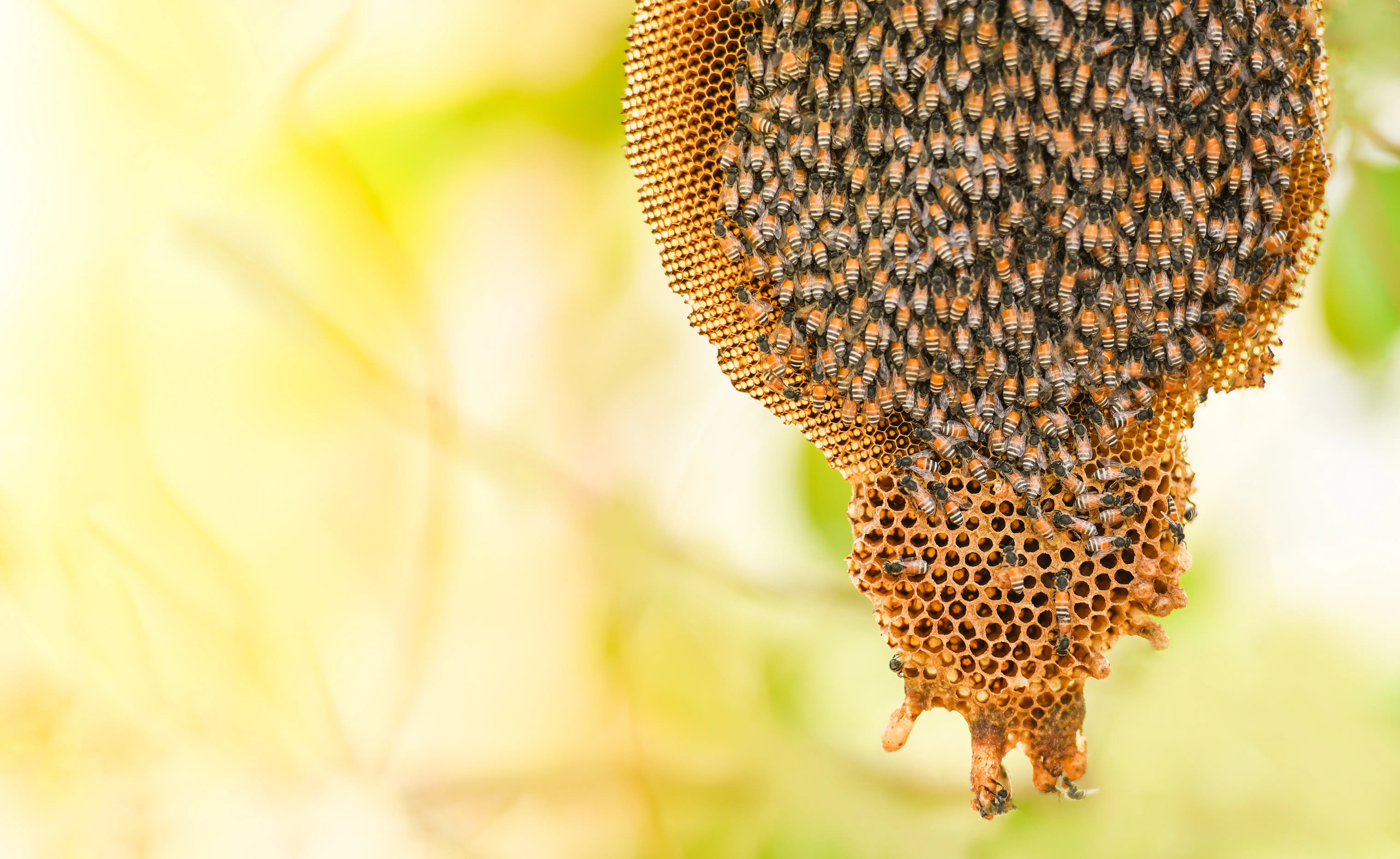
Honeybees are social insects that thrive in massive colonies. Bee colonies are considered "superorganisms" that can house between 50,000 to 60,000 bees. The role a bee plays combined with when it pupated dramatically influences its lifespan.

Queen Honeybees

1-6 Years

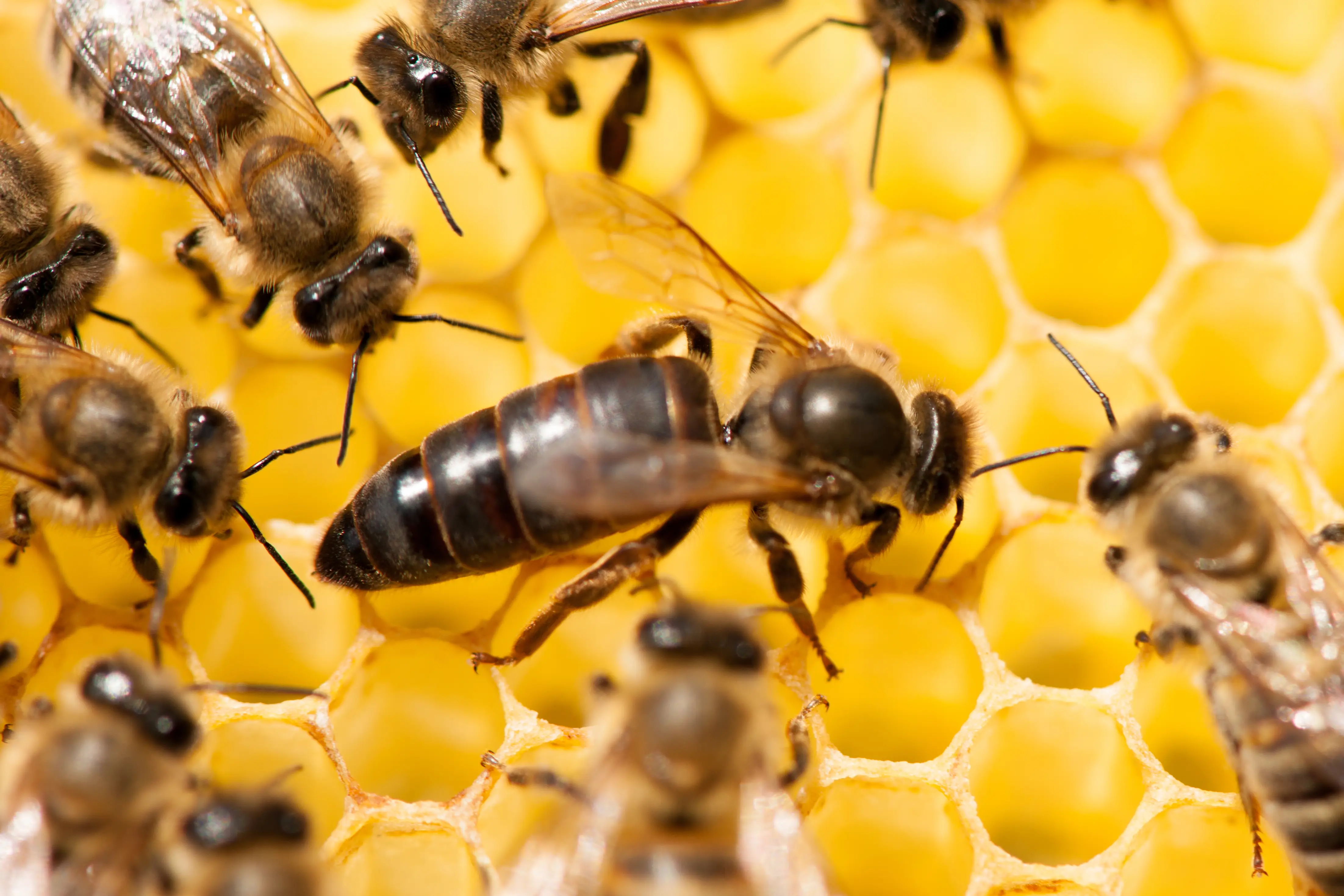
The queen is the sole reproductive honeybee in a colony. If the queen dies, the colony will collapse unless a new queen is raised. As queens age, egg production slows, and workers will identify a larva to feed "royal jelly" to develop into a replacement queen.

Why Do Queen Bees Live the Longest?

Better Nutrition:

Queens are fed "royal jelly" containing Royalactin protein which stimulates growth and egg production.

Less Activity:

Queens remain inside the colony, protected from elements and predators, while workers forage all day.

Worker Honeybees

5-20 Weeks

Workers make up the largest portion of a colony. Spring/summer bees live 5-6 weeks with busy lives feeding larvae, producing honeycomb, and foraging. Fall bees live up to 20 weeks as they overwinter, clustering around the queen to keep her warm.

Drone Honeybees (Males)

30-55 Days

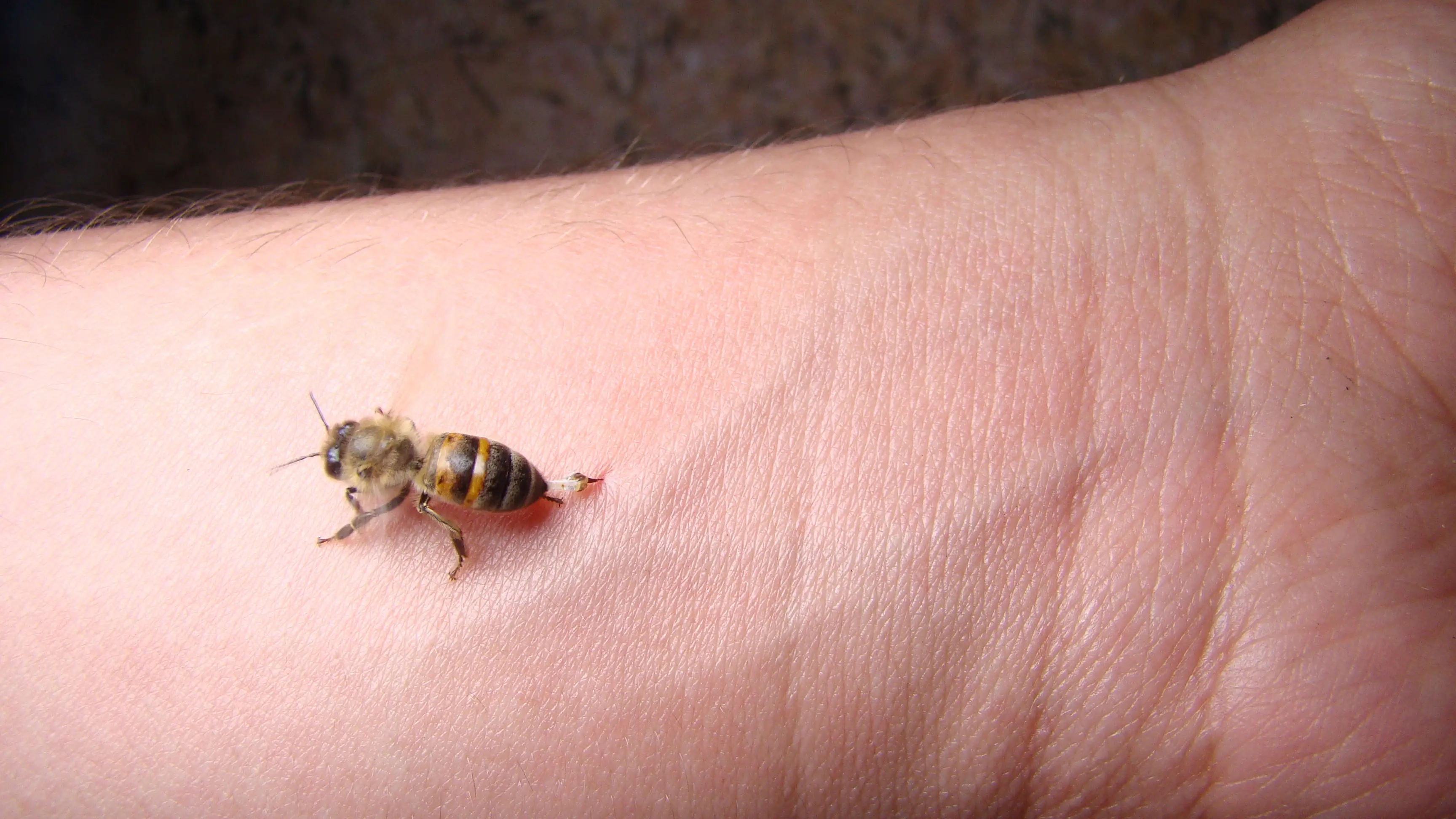
Drones exist only to fertilize queens. They die shortly after mating (losing reproductive organs) or are kicked out of the hive before winter since they do not contribute to productivity, leaving them to face the elements.

Bee Hive Near Your Home?

We provide safe, humane bee removal that protects both your family and these vital pollinators.

Call (866) 326-2847

How Long Do Bumblebees Live?

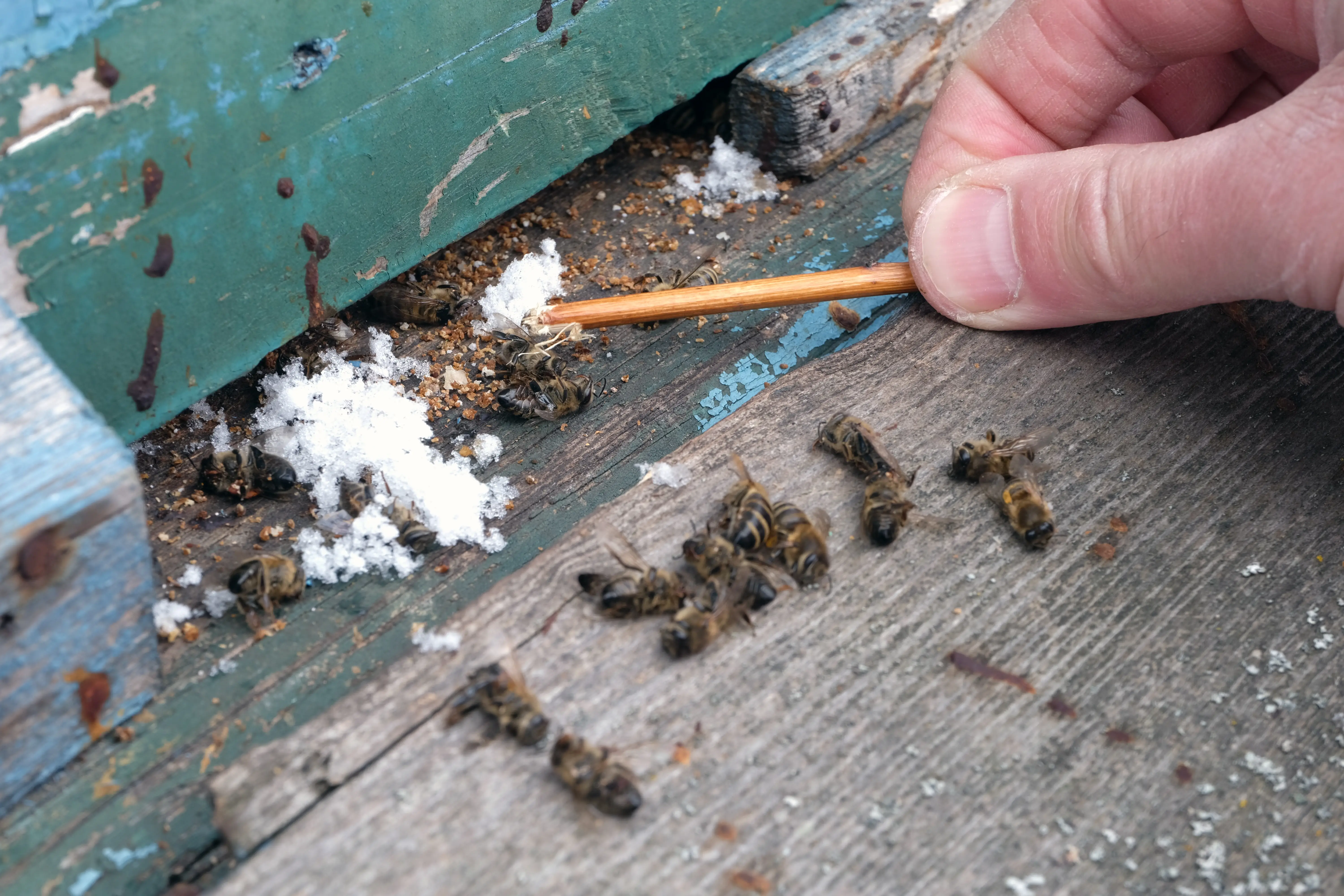
A bumblebee colony generally starts in the spring when a queen with fertilized eggs emerges from overwintering. Unlike honeybees, only the queen survives winter while all workers perish.

Queen

~1 Year

Fertilized queens emerge in late summer/autumn, hibernate over winter, then establish new colonies in spring. Some queens can live several years in favorable conditions.

Workers

2-6 Weeks

Lifespan depends on duties. Nest workers live longer than foragers who face predators, weather, and physical demands. All workers die at the start of cold season.

Males

~2 Weeks

Males leave the nest to mate with future queens and never return. Unlike queens, males do not hibernate and die when temperatures become too cold.

How Long Do Carpenter Bees Live?

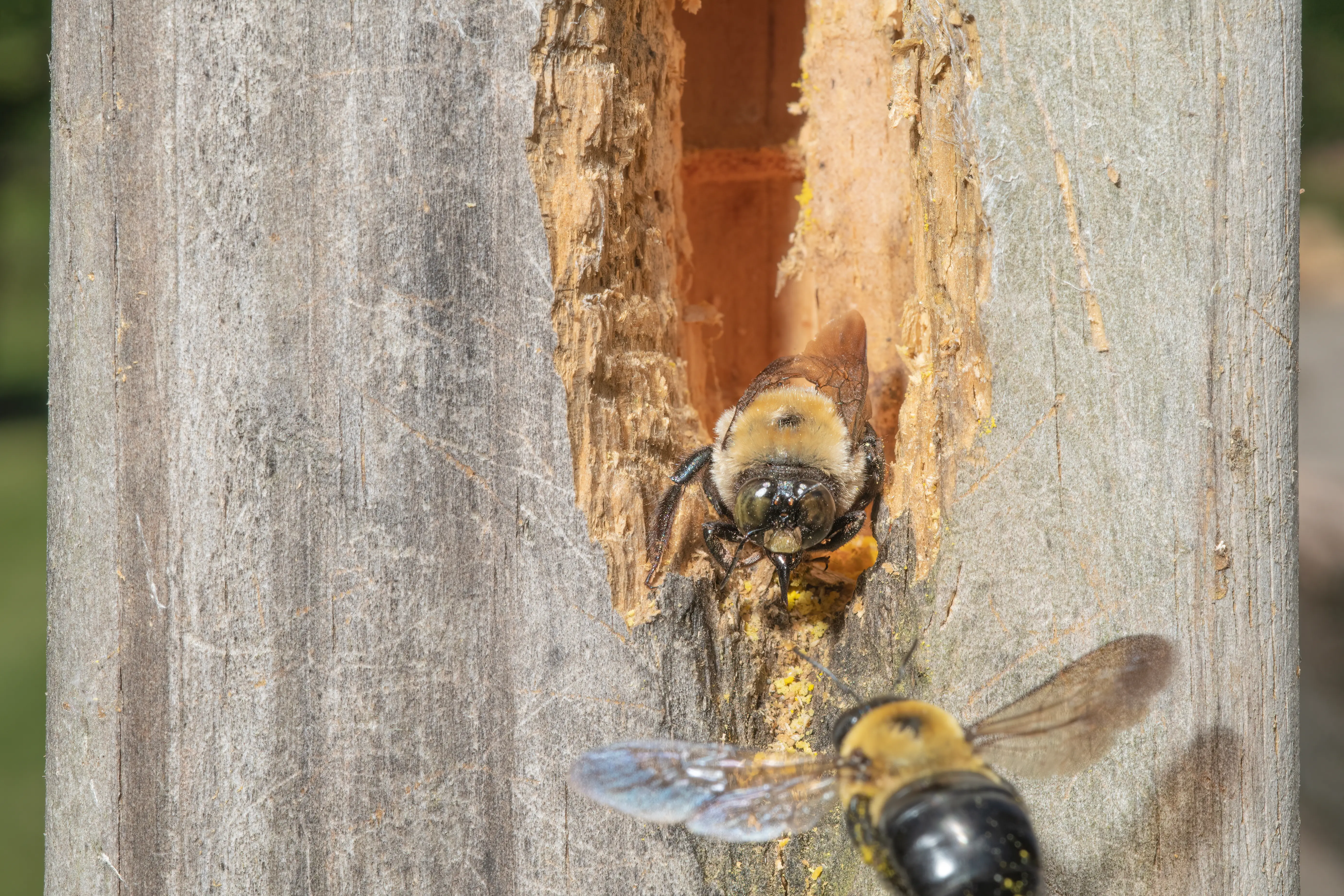
Carpenter bees are solitary bees that live for roughly one year. They do not breed large colonies and typically reside in small numbers within individual nests, with each nest housing just a single reproductive female and her young.

Female Carpenter Bees

~1 Year

Carpenter bees do not have a typical "queen." Instead, a female is the matriarch of a small number of offspring. She lays eggs in spring and forages through summer. It is rare for a female to survive two consecutive seasons.

Male Carpenter Bees

~1 Year

Unlike honeybee drones, male carpenter bees do not die after mating. They can engage in multiple mating sessions and help protect the nest while foraging for food throughout their year-long lifespan.

How Long Do Solitary Bees Live?

Solitary bees cover a vast array of species like mason bees, digger bees, and sweat bees. Unlike bees that live in colonies, female solitary bees operate independently, focusing on nest-building and rearing their young.

Solitary Bee Lifespan

The lifespan of solitary bees is generally much shorter than social bees and can span between a few weeks to a few months. Males typically focus solely on mating while females handle all nest construction and larval care independently.

What Can Impact a Bee's Lifespan?

Bees' lifespans are influenced by various internal and external factors:

Diet and Activity

Quality and abundance of pollen consumed vs. activity level. Queens eat better and work less, living much longer.

Pesticides

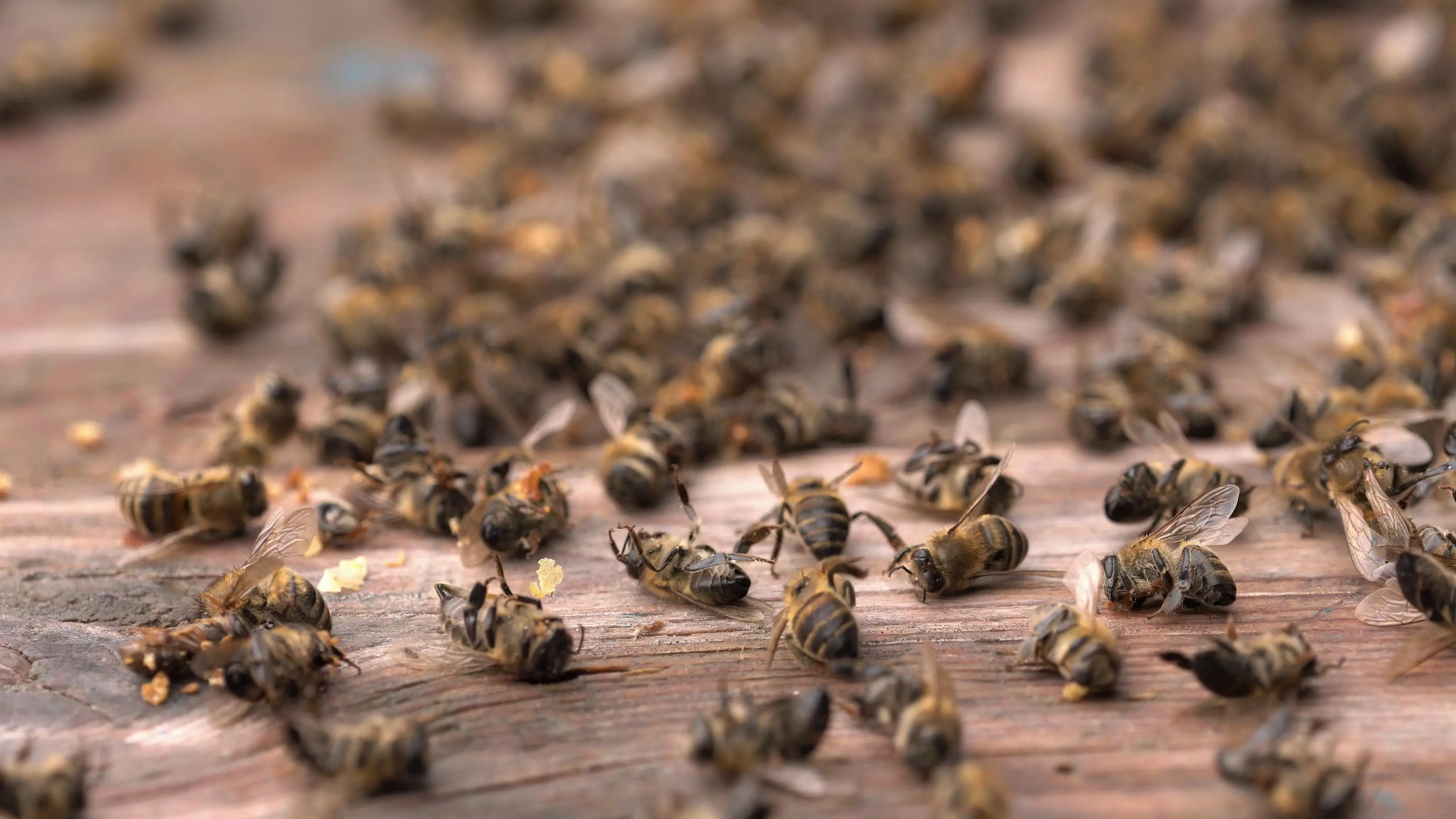
Exposure can kill instantly or cause gradual organ failure. Large-scale exposure can trigger colony collapse.

Climate Change

Extreme temperatures and unpredictable weather can disrupt reproductive cycles and resource availability.

Diseases and Pests

Threats from varroa mites, various diseases, and predators like yellow jackets and certain birds.

Habitat Loss

Urbanization has led to decline in clean water sources and diverse food essential for ideal bee habitats.

Contact EcoGuard if You Are Dealing with Bees

If you are dealing with a bee problem, contact the experts at EcoGuard Pest Management. Bees play an important role in our ecosystem so it is essential to address their presence with care. Whether you are looking to safely relocate a hive or need advice on managing bees around your property, EcoGuard's knowledgeable team is equipped to help you. Do not put yourself at risk. Prioritize both your safety and the well-being of these vital pollinators by contacting us today.

Call (866) 326-2847Get Free Quote

Bee Lifespan FAQs

How long do bees live naturally?

Bees' lifespans depend on their species and the role they play within their colony. Honeybee workers generally live for 5 to 6 weeks, while queens survive for 3 to 6 years. Male honeybees are known as drones and just live for a few weeks or until they mate. Bumble bee workers typically live for 4-6 weeks while the queens live for a year.

Why do bees have a short lifespan?

Bees' lifespans have evolved to remain optimized for colony efficiency and reproductive success. Worker bees lead rigorous lives which naturally wears them out quickly. Additionally, the rapid life cycle allows for rapid generation turnover which ensures the colony's adaptability and survival in changing environments.

From Our Blog

Related Articles

Are Honeybees Dangerous to Humans? Bee Safety Guide

Are Honeybees Dangerous to Humans? Bee Safety Guide

Learn when honeybees become dangerous, symptoms of bee stings, Africanized bees, and when to call professional bee...

Read Article
Are Honeybees Endangered Species in the US?

Are Honeybees Endangered Species in the US?

Learn about honeybee and native bee population status, Colony Collapse Disorder, why bees are declining, and how to...

Read Article
Do Bees Die After They Sting You? The Truth About Bee Stingers

Do Bees Die After They Sting You? The Truth About Bee Stingers

Learn which bees die after stinging, why honeybees sacrifice their lives, how the stinger works, and what to do if you...

Read Article
Do Bees Fly at Night? Nocturnal vs Diurnal Bee Behavior

Do Bees Fly at Night? Nocturnal vs Diurnal Bee Behavior

Learn which bees can fly at night, why most bees are diurnal, and how nocturnal bees have adapted to see in the dark....

Read Article
Do Bumble Bees Sting Humans? Stings, Reactions & Treatment

Do Bumble Bees Sting Humans? Stings, Reactions & Treatment

Learn if bumble bees sting, why they sting, how painful their stings are, allergic reactions, and treatment options for...

Read Article
Do Carpenter Bees Sting? Sting Treatment & Prevention

Do Carpenter Bees Sting? Sting Treatment & Prevention

Learn if carpenter bees sting, the difference between male and female carpenter bees, sting treatment, allergic...

Read Article
How Long Does a Queen Bee Live? Lifespan & Life Cycle Guide

How Long Does a Queen Bee Live? Lifespan & Life Cycle Guide

Learn how long queen bees live, their life cycle from egg to matriarch, mating flights, succession, and what happens...

Read Article
How to Get Rid of a Beehive Safely | Complete Removal Guide

How to Get Rid of a Beehive Safely | Complete Removal Guide

Learn how to safely remove a beehive from your property. Professional removal steps, DIY precautions, what to avoid,...

Read Article
How to Repel Bees Naturally from Your Yard

How to Repel Bees Naturally from Your Yard

Learn natural ways to repel bees including deterring plants, essential oils, and habitat modification. Keep bees away...

Read Article
Identifying Different Types of Bee Species | Complete Guide

Identifying Different Types of Bee Species | Complete Guide

Learn to identify different bee species including honeybees, bumblebees, carpenter bees, and more. Understand...

Read Article
When Are Bees Most Active? Daily & Seasonal Bee Activity

When Are Bees Most Active? Daily & Seasonal Bee Activity

Learn when bees are most active throughout the day and year. Understand bee seasons, temperature requirements, and when...

Read Article
Where Do Bees Go in the Winter?

Where Do Bees Go in the Winter?

Learn how honeybees, bumblebees, and solitary bees survive winter through clustering, hibernation, and dormancy, and...

Read Article
Why Do Bees Sting People if it Kills Them? | Complete Guide

Why Do Bees Sting People if it Kills Them? | Complete Guide

Learn why bees sting even when it kills them, which bees die after stinging, bee sting symptoms, treatment, and how to...

Read Article