EcoGuard Pest Management
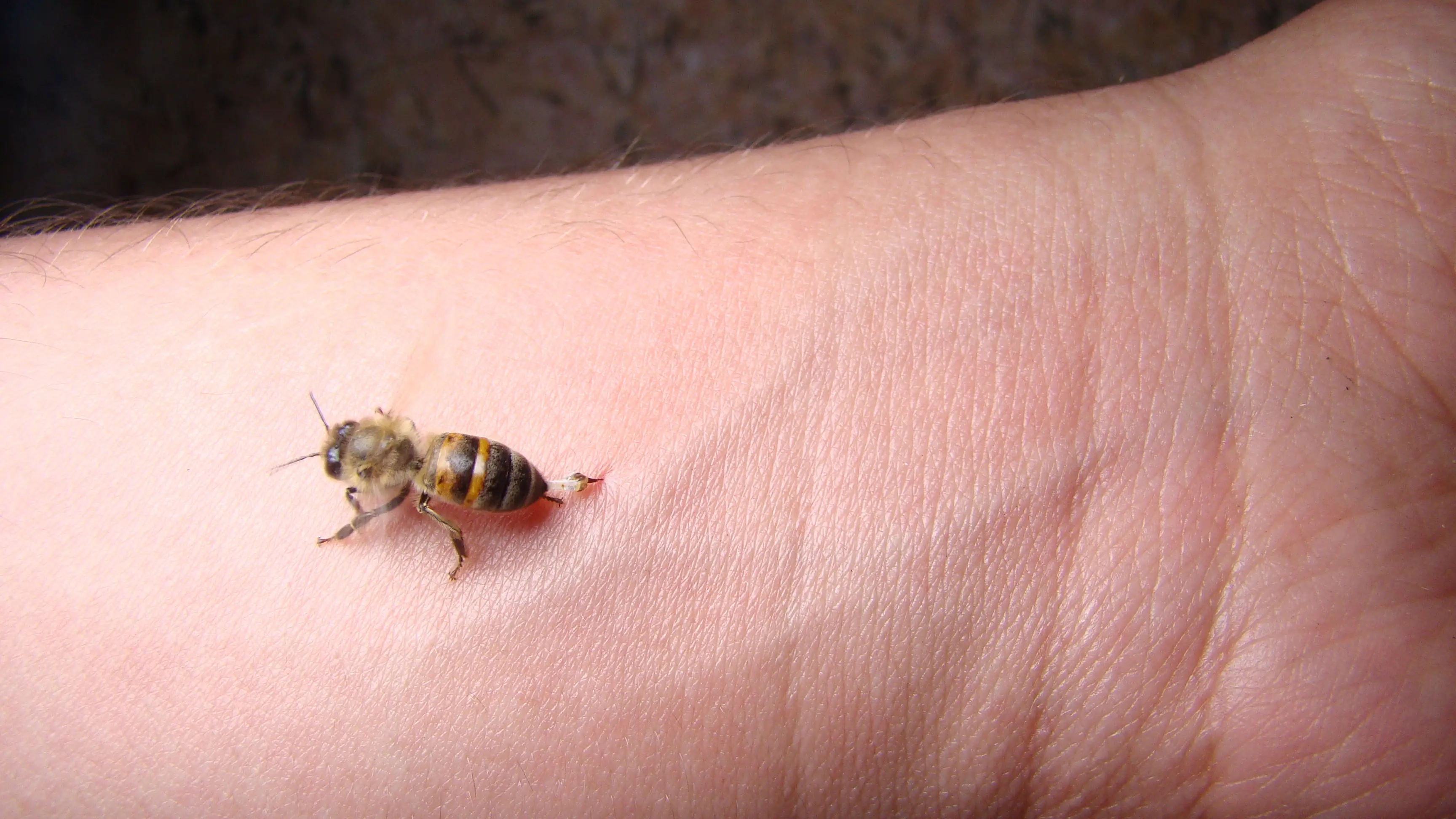
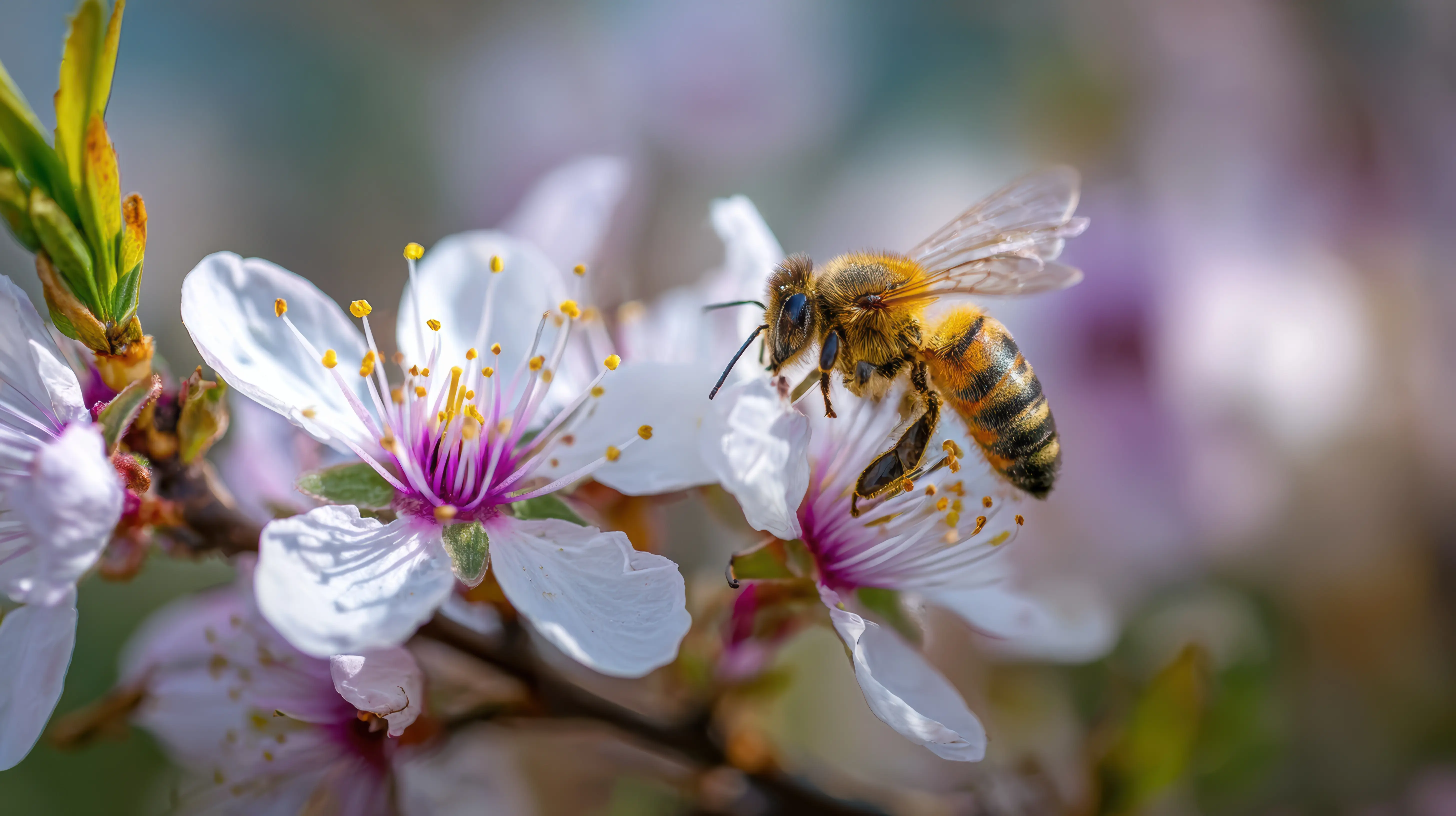
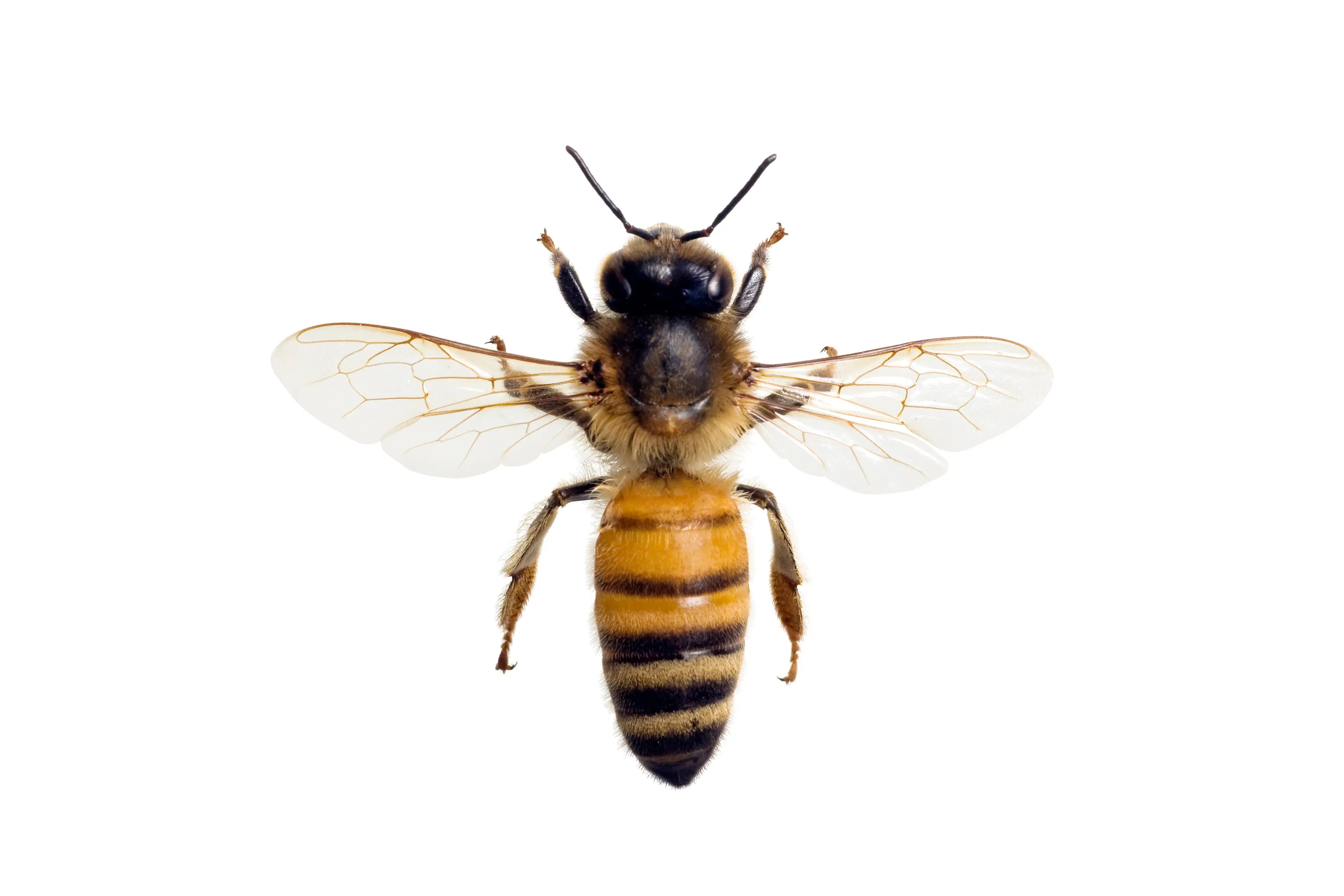
Honeybee on flower showing stinger
By Gary Anderson||4 min read

Are Honeybees Dangerous to Humans?

Mostly peaceful, but they can become aggressive when protecting their hive.

Honeybees can be dangerous, but they are mostly peaceful insects who spend their time foraging for nectar and pollen. They are extremely beneficial as pollinators and should be protected when possible.

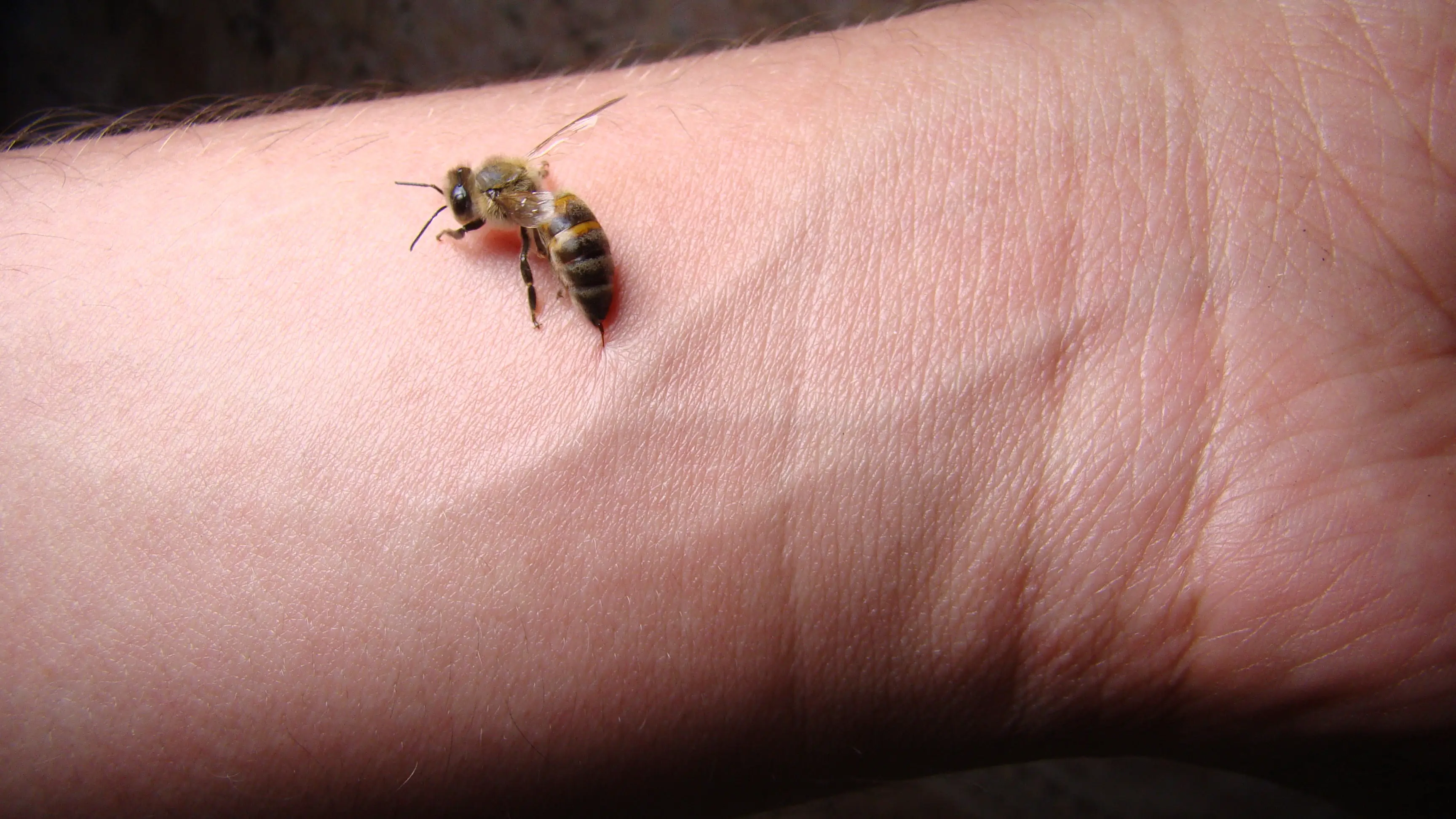
Bees become aggressive mostly when protecting the nest from a perceived threat. Worker bees will attempt to ward off threats by stinging multiple times. For humans, individual stings cause mild symptoms, but several stings can trigger a serious response. Those with severe allergies face the highest risk.

12+ Stings
Toxic Reaction Risk
1/4 Mile
Chase Distance
1000s
Bees Per Swarm
Are Bees a Threat?

Single Bee Sting

Not a major threat for people without allergies. Most experience mild pain and swelling for several hours. Only those with allergies face serious symptoms or death.

Multiple Stings (12+)

Yes, dangerous. Agitating a hive can result in many stings. The combined venom can cause toxic reaction: nausea, vomiting, diarrhea, headache, convulsions, fever, dizziness. Medical attention required.

Can Honeybees Kill Humans?

Yes, honeybees can kill when venom causes a deadly response due to allergy or multiple stings. An allergic response triggers anaphylaxis, where the immune system causes the body to go into shock.

Anaphylaxis Symptoms

Sudden drop in blood pressure
Weak vital signs
Nausea and vomiting
Dizziness
Rash and hives
Difficulty breathing
Swollen airways
Convulsions (multiple stings)

Have a Bee Hive on Your Property?

Professional removal protects both you and the bees.

Call (866) 326-2847

Are Bee Swarms a Threat?

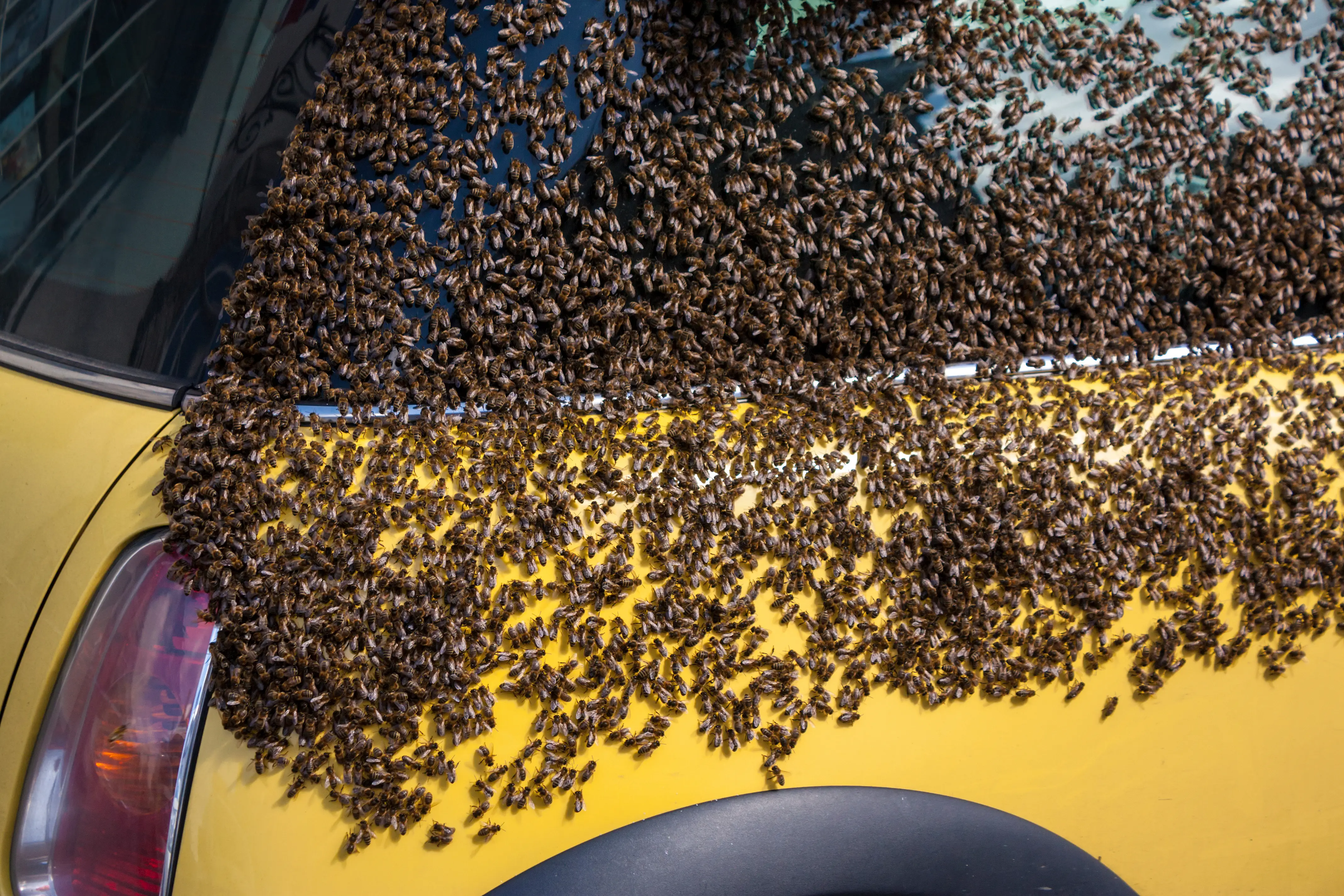
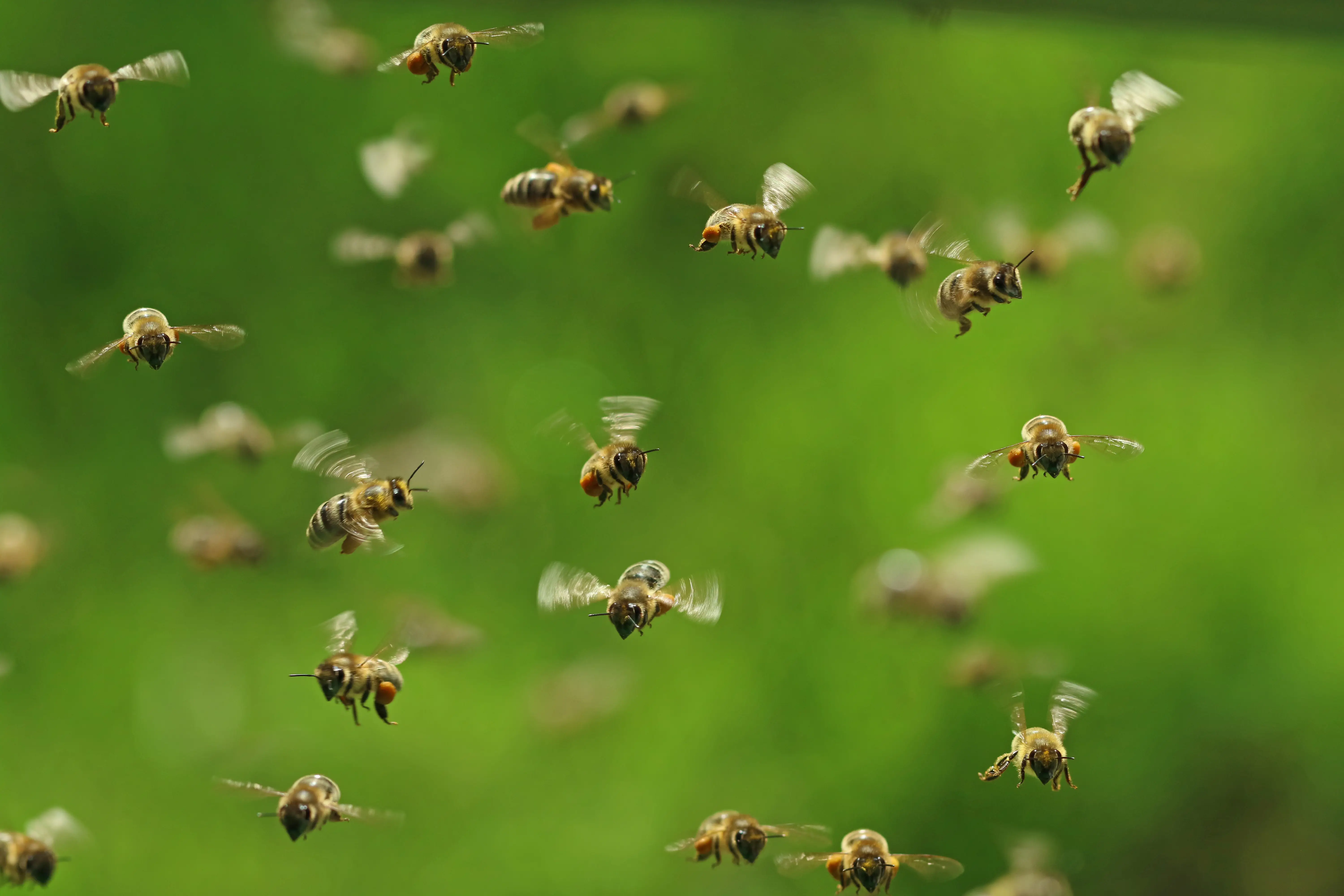
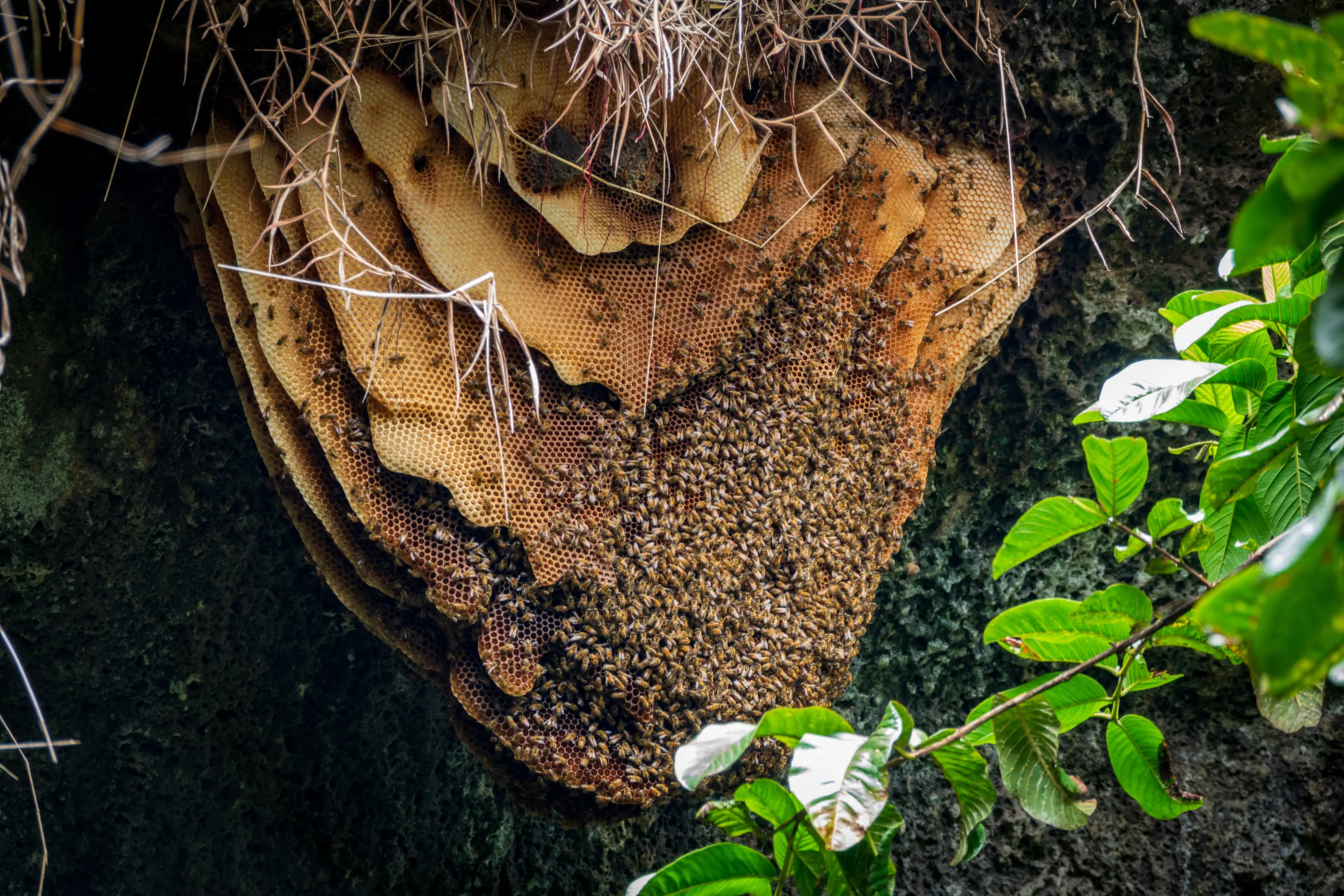
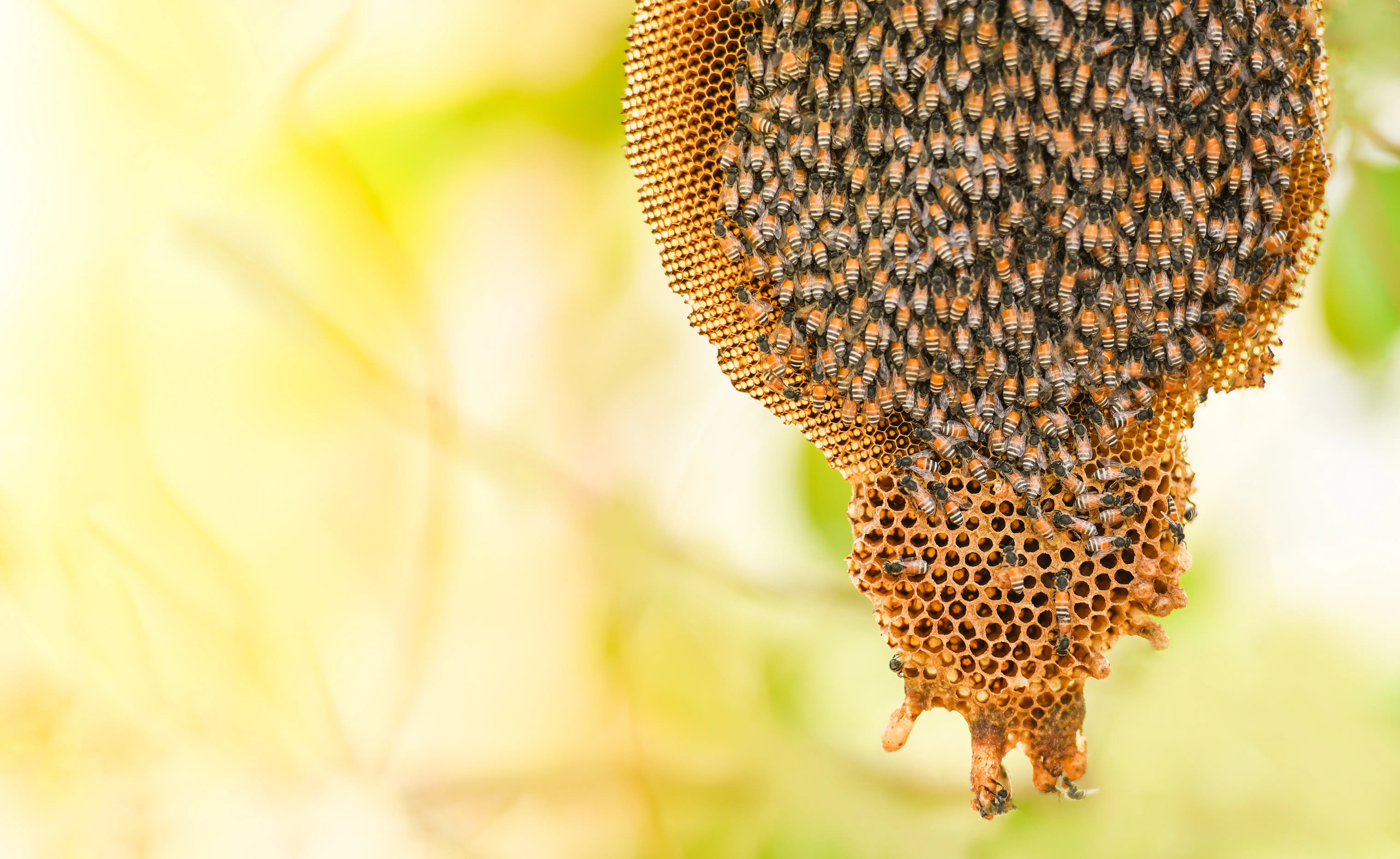
Honeybees swarm when a new queen branches off to find a new nesting location. Each swarm may contain thousands of bees, but they are generally very docile because there is no nest to protect. The cluster stays close to the queen while scouts search for a new home.

Warning: Defensive Pheromone

When bees sting, they release a defensive pheromone alerting other bees to a threat. This puts the colony on high alert and other workers will attack anything marked with that pheromone. Near a swarm, this can be especially dangerous.

Are Bees Aggressive?

Bees are mostly docile, but they can become aggressive in many situations:

Bees without a queen
Rain or wet weather
High heat and humidity
Predators seeking honey
Hostile interactions with other species
Overpopulated beehives
Nectar robbing
Parasite mite infestation
Alarm pheromone nearby
Africanization
Nectar dearth

What is Nectar Robbing?

When nectar is scarce, some honeybees steal resources from other hives. This causes bees to release high-alert pheromones, making them aggressive toward anything that comes close, including pets and family members.

Africanized Honeybees Are More Dangerous

Africanized "killer" bees resulted from crossbreeding East African honeybees with European honeybees. While designed to breed in higher numbers and develop faster, they also became much more defensive.

Attack with little provocation

Far more defensive of hives

Aggressive in numbers

More bees respond to threats

Chase farther

Pursue targets much longer distances

Release more venom

Stings cause more serious injury

Contact Professional Bee Removal Experts

If honeybees are causing a problem, call EcoGuard Pest Management. Our licensed bee removal experts will locate the hive, isolate the queen so the colony follows, then relocate the bees safely where they can thrive.

Call (866) 326-2847Get Free Quote

Are Bees Dangerous FAQs

Are honeybees friendly to humans?

Honeybees are mostly indifferent to humans. They do not see us as an immediate threat, so most of the time they pass by without incident. Africanized honeybees can be more aggressive and may sting with little provocation.

Why are my honeybees attacking me?

Honeybees are likely attacking because they feel you are a threat to the colony. You likely stepped too close or caused some damage to the beehive, which alerted them to a potential threat.

Do honeybees chase you?

Honeybees will chase you for a while if they think you are a threat to the beehive. It may take running a quarter mile before the bees relent. Africanized honeybees are more aggressive and stay with their target much longer.

From Our Blog

Related Articles

Are Honeybees Endangered Species in the US?

Are Honeybees Endangered Species in the US?

Learn about honeybee and native bee population status, Colony Collapse Disorder, why bees are declining, and how to...

Read Article
Do Bees Die After They Sting You? The Truth About Bee Stingers

Do Bees Die After They Sting You? The Truth About Bee Stingers

Learn which bees die after stinging, why honeybees sacrifice their lives, how the stinger works, and what to do if you...

Read Article
Do Bees Fly at Night? Nocturnal vs Diurnal Bee Behavior

Do Bees Fly at Night? Nocturnal vs Diurnal Bee Behavior

Learn which bees can fly at night, why most bees are diurnal, and how nocturnal bees have adapted to see in the dark....

Read Article
Do Bumble Bees Sting Humans? Stings, Reactions & Treatment

Do Bumble Bees Sting Humans? Stings, Reactions & Treatment

Learn if bumble bees sting, why they sting, how painful their stings are, allergic reactions, and treatment options for...

Read Article
Do Carpenter Bees Sting? Sting Treatment & Prevention

Do Carpenter Bees Sting? Sting Treatment & Prevention

Learn if carpenter bees sting, the difference between male and female carpenter bees, sting treatment, allergic...

Read Article
How Long Do Bees Live? Lifespan by Species & Role

How Long Do Bees Live? Lifespan by Species & Role

Learn how long different bee species live including honeybees, bumblebees, and carpenter bees. Discover lifespan...

Read Article
How Long Does a Queen Bee Live? Lifespan & Life Cycle Guide

How Long Does a Queen Bee Live? Lifespan & Life Cycle Guide

Learn how long queen bees live, their life cycle from egg to matriarch, mating flights, succession, and what happens...

Read Article
How to Get Rid of a Beehive Safely | Complete Removal Guide

How to Get Rid of a Beehive Safely | Complete Removal Guide

Learn how to safely remove a beehive from your property. Professional removal steps, DIY precautions, what to avoid,...

Read Article
How to Repel Bees Naturally from Your Yard

How to Repel Bees Naturally from Your Yard

Learn natural ways to repel bees including deterring plants, essential oils, and habitat modification. Keep bees away...

Read Article
Identifying Different Types of Bee Species | Complete Guide

Identifying Different Types of Bee Species | Complete Guide

Learn to identify different bee species including honeybees, bumblebees, carpenter bees, and more. Understand...

Read Article
When Are Bees Most Active? Daily & Seasonal Bee Activity

When Are Bees Most Active? Daily & Seasonal Bee Activity

Learn when bees are most active throughout the day and year. Understand bee seasons, temperature requirements, and when...

Read Article
Where Do Bees Go in the Winter?

Where Do Bees Go in the Winter?

Learn how honeybees, bumblebees, and solitary bees survive winter through clustering, hibernation, and dormancy, and...

Read Article
Why Do Bees Sting People if it Kills Them? | Complete Guide

Why Do Bees Sting People if it Kills Them? | Complete Guide

Learn why bees sting even when it kills them, which bees die after stinging, bee sting symptoms, treatment, and how to...

Read Article