EcoGuard Pest Management
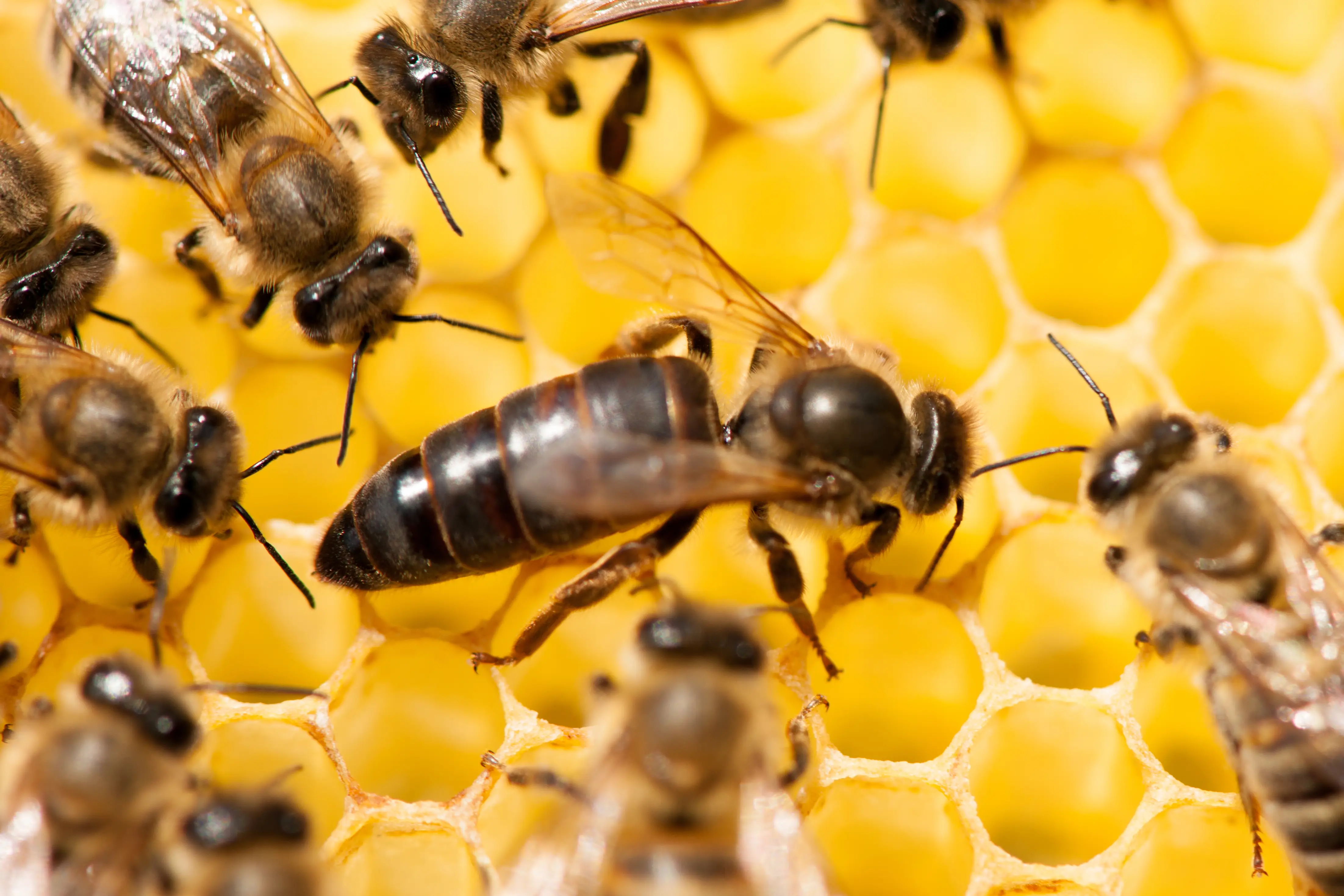
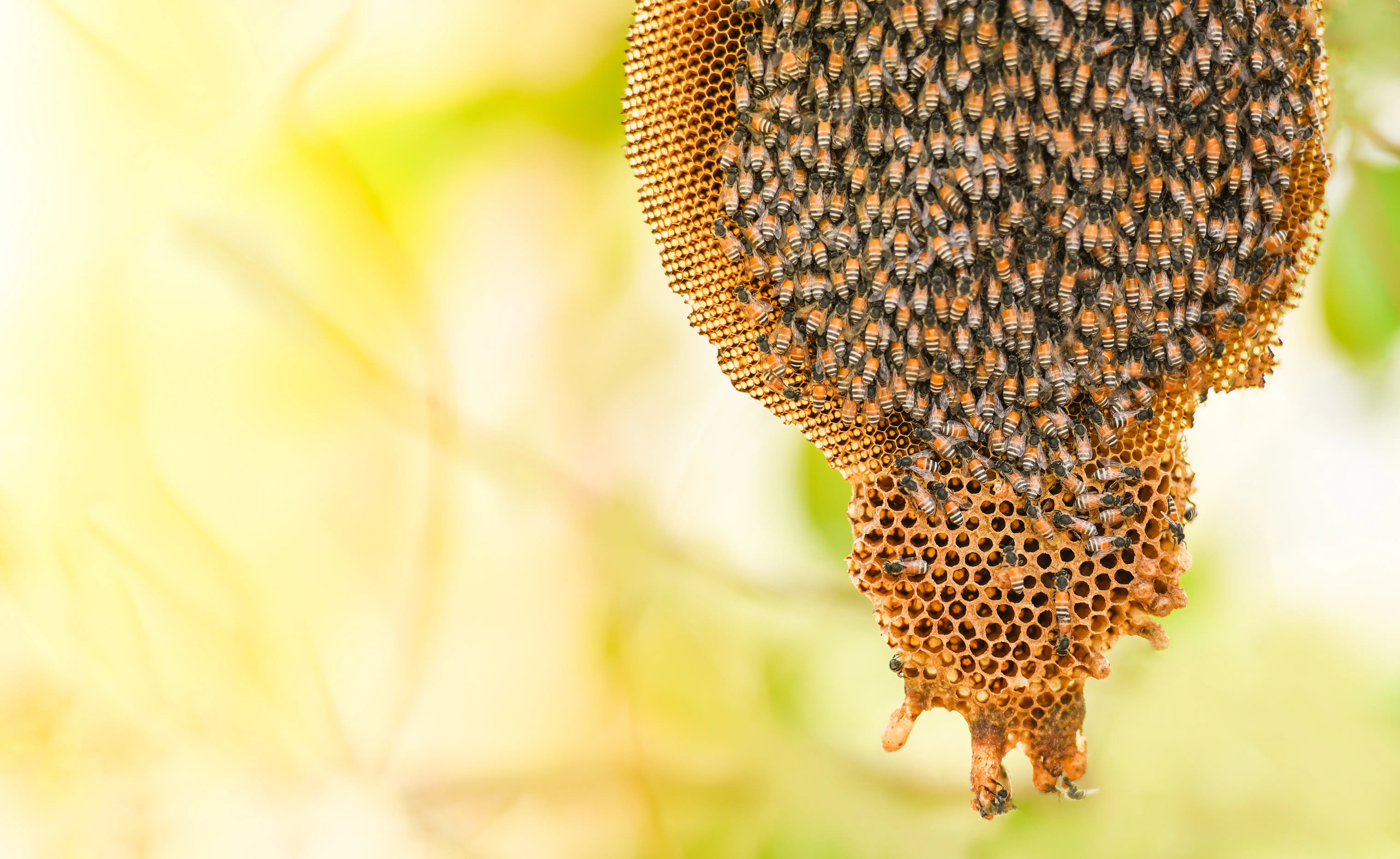
Honeybees clustered together inside a hive during winter
By Gary Anderson||10 min read

Where Do Bees Go in the Winter?

Bees do not simply disappear when temperatures drop. Different species use remarkably different strategies to survive the cold, from generating their own heat to months-long hibernation underground.

As the chill of winter sets in, the behavior of bees shifts dramatically as they prepare to survive the cold months ahead. The fate of these essential pollinators during winter varies greatly depending on their species. While some bees, like bumblebees, enter a form of hibernation where mated queens burrow deep into the ground, other species like honeybees take a more communal approach, gathering in tight clusters and vibrating their wings to generate heat.

Solitary bee species find refuge in hollow flower stems, under leaf piles, or in small crevices where they will lay dormant until warmer temperatures return. These varied survival methods reflect the remarkable adaptability of bees and explain why they have persisted for millions of years across nearly every climate on Earth.

Winter Survival at a Glance

Honeybees: Form a winter cluster inside the hive, generate heat by shivering, survive on stored honey
Bumblebees: Only mated queens survive winter; burrow into soil and enter hibernation
Solitary Bees: Overwinter in cocoons, larvae stages, or soil burrows depending on species
Winter Colony Loss: 32.2% of managed U.S. bee colonies did not survive the winter of 2021

Key Facts

2021 Colony Loss
32.2% of managed U.S. colonies did not survive winter
Cluster Core Temp
90 to 100 degrees Fahrenheit at the queen's position
Clustering Threshold
Bees form the winter cluster when temps fall below 50 degrees Fahrenheit
Winter Bee Lifespan
Up to 6 months vs. 6 weeks for normal worker bees
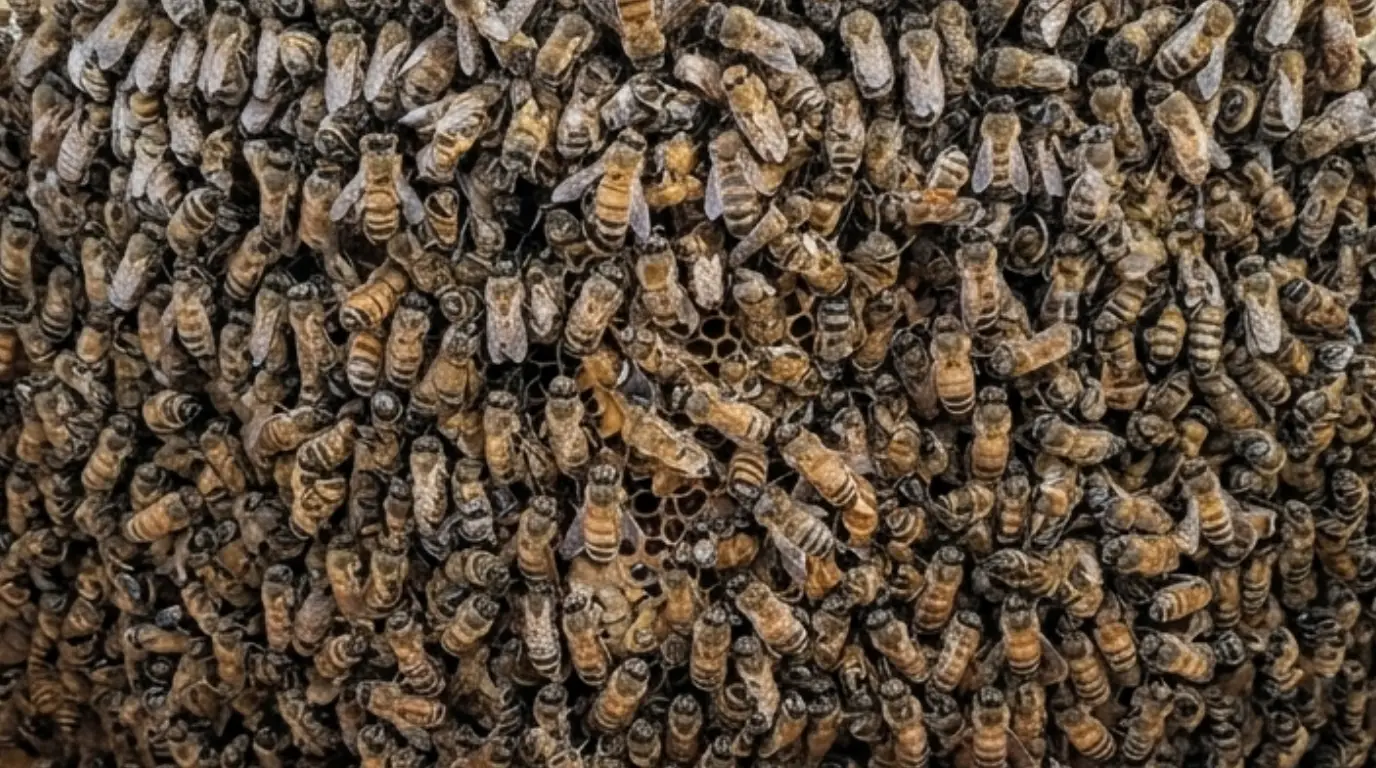
Honeybees forming a winter cluster inside a hive to generate heat and survive the cold

A honeybee winter cluster maintains core temperatures of 90 to 100 degrees Fahrenheit through continuous muscle vibration, even as outdoor temperatures drop well below freezing.
Do Bees Die in Winter?

During the winter months, the survival of bee colonies is never guaranteed, and some colonies do not make it through. In 2021, the United States witnessed significant managed bee colony losses during winter, with an estimated 32.2% of farmed bee colonies not surviving. This high rate of loss highlights both the challenges bees face and the importance of maintaining healthy, well-prepared colonies entering the cold season.

The loss of bees in winter is a concern not only for beekeepers but for ecosystems and agriculture as a whole, given the essential role bees play in pollination of food crops and wild plants.

Insufficient Population

A smaller bee population may struggle to generate enough heat to survive colder temperatures. Bees rely on clustering together for warmth, and colonies that enter winter with too few members cannot maintain a viable cluster.

Inadequate Food Stores

If a colony has not gathered enough honey during the warmer months, they may run out of resources before spring returns. Foraging is not possible in winter, making pre-winter honey stores the only lifeline for the colony.

Disease and Parasites

Colonies entering winter with existing diseases, parasites like Varroa mites, or viral infections are at significantly higher risk of not surviving. A weakened colony cannot generate or sustain the heat and activity required to make it through.

Do Bees Hibernate in the Winter?

The answer depends on the species. Some bees do enter a dormant phase, but they do not hibernate in the traditional sense the way many mammals do. Other species, most notably honeybees, never become inactive at all and instead work continuously throughout winter to stay warm.

Honeybees: Active Warmth

Honeybees do not hibernate. Instead, the colony collectively works to maintain warmth inside the hive throughout the cold months. Bees vigorously vibrate their flight muscles to generate heat, functioning like a continuously running biological furnace. This activity keeps the queen and the colony alive until spring.

Bumblebees: Queen Dormancy

Only newly mated bumblebee queens survive winter. The rest of the colony, including workers, males, and the old queen, die off in autumn. The surviving queens enter a dormant, hibernation-like state, burrowing into loose soil or other sheltered locations until spring.

Solitary Bees: Staged Dormancy

Solitary bees enter a state of torpor within their nest cells, but the stage at which they overwinter varies by species. Some overwinter as adults inside cocoons, others as larvae. This period of inactivity allows them to survive the cold without needing to feed.

How Do Honeybees Get Ready for Winter?

As winter approaches, honeybees engage in a series of meticulously planned activities to ensure their survival. Preparation begins months in advance during summer and accelerates through autumn.

1

Building Honey Reserves

Throughout summer, worker bees collect nectar and pollen from flowers, converting it into honey and storing it within the hive. This honey serves as their only food source during winter when foraging is impossible. Honeybees often produce far more honey than strictly needed as a safety buffer, because if the colony runs out of stores before warm temperatures return, the entire hive will perish.

2

Producing Winter Bees

As autumn sets in, the queen begins laying eggs that develop into a specialized type called the winter bee. Winter bees are physically different from their summer counterparts. They are slightly plumper and have a significantly longer lifespan of up to six months compared to the typical six-week lifespan of summer worker bees. Their primary role is to maintain hive warmth by clustering around the queen and vibrating to generate heat.

3

Evicting the Drones

Efficiency and resource conservation are critical heading into winter. Worker bees take pragmatic action by forcibly evicting all male drones from the hive in late fall. Since a drone's only role is to mate with the queen, and the queen does not take mating flights in winter, drones serve no purpose and consume precious food stores. Removing them extends the colony's survival window significantly.

Bees Near Your Home or Business?

Our team provides responsible, eco-friendly bee removal that protects both the bees and the people around them.

Call (866) 326-2847

How Do Honeybees Survive Winter: The Winter Cluster

When temperatures drop below 50 degrees Fahrenheit, honeybees retreat into their hives and form what is known as a winter cluster. This is essentially a large, tightly packed mass of bees that remains huddled together for warmth over several months. The winter cluster is essential for the hive's survival and requires a robust population of specially adapted winter bees, ample honey stores, and a secure hive structure.

Inside the cluster, bees generate heat by constantly shivering and contracting the muscles used to power their wings. The core of the cluster, where the queen is located, can maintain temperatures as high as 90 to 100 degrees Fahrenheit even in the dead of winter. The structure of the cluster is dynamic, with bees on the colder outer layer continuously rotating inward so that no single bee is exposed to the cold for too long.

Core Temperature

90 to 100 degrees Fahrenheit at the center of the cluster where the queen is located. This warmth is critical for her survival and for the entire colony.

Outer Mantle Temperature

Around 50 degrees Fahrenheit at the outer surface. Bees on the colder mantle continuously rotate inward to prevent any individual from freezing.

Dynamic Rotation

The cluster structure constantly shifts, with bees moving from the cold outer layer to the warm inner core in a continuous rotation that ensures every bee survives.

Honey Access

Bees cannot leave the cluster without risking freezing, so having honey stores within reach inside the hive is critical. If honey runs out, the colony starves even if bees are otherwise healthy.

Duration

Depending on the climate, the winter period requiring cluster behavior lasts between 4 and 6 months, which is why winter bees need to live far longer than their summer counterparts.

Cleansing Flights

On days when temperatures rise above 50 degrees Fahrenheit, bees seize the opportunity to briefly leave the hive for cleansing flights, necessary for hygiene and the cleanliness of the hive.

What Bees Make Up the Winter Cluster?

The social structure of a honeybee hive transforms significantly heading into winter. The typical summer hive consists of workers, drones, and the queen. As autumn arrives, drones are evicted and die off, leaving only the all-female group of worker bees and the queen to form the winter cluster. The composition of that cluster is what determines whether the colony survives.

The Queen

The queen occupies the warmest central position in the winter cluster. Her survival is the survival of the entire colony. All of the cluster's heat-generating activity is ultimately directed at keeping her alive and healthy so she can resume laying eggs when spring arrives.

Winter Bees

These specialized worker bees are produced in fall and fed a protein-scarce diet during the larval stage, resulting in an enlarged body with enhanced metabolism, a stronger immune system, and a lifespan of up to six months. They form the inner layers of the cluster, positioned closest to the queen.

Older Worker Bees

Older worker bees form the outer layer of the cluster, known as the mantle. This is the coldest position in the cluster. These bees continuously rotate inward so no individual is exposed to the outer cold for too long, ensuring the entire population survives until warmer weather returns.

Notable Difference: Winter bees live up to six months, which is ten times longer than the typical six-week lifespan of summer worker bees. This extended lifespan is the result of specific physiological adaptations triggered by the diet they receive as larvae in the fall.

What Do Bees Eat in the Winter?

The diet of honeybees shifts significantly in winter. Pollen is their normal nutritional source during the active season, but flowers are no longer blooming in winter, making pollen unavailable. Instead, honey becomes their exclusive food source. Honey is rich in sugar and provides the high-calorie energy necessary to sustain the constant muscle activity that generates heat inside the winter cluster.

This is why building up sufficient honey stores during summer and fall is a matter of survival for the colony. Bees cannot leave the cluster in cold temperatures without risking freezing to death, so all food must be within reach inside the hive. A colony that exhausts its honey stores before spring returns will perish, even if the bees themselves are physically healthy.

Stored Honey

The sole food source for the entire colony throughout winter. Produced and stored during spring, summer, and fall from nectar collected by forager bees.

High Caloric Demand

The process of generating heat through continuous muscle vibration demands a substantial and sustained caloric intake. Honey provides the energy density needed to keep this going for months.

No Pollen in Winter

Pollen is the main protein source during active months but is unavailable in winter. Winter bees are physiologically adapted to function without fresh pollen for extended periods.

Surplus as Survival Buffer

Honeybees intentionally produce far more honey than they need as a precaution. Without a surplus, a slightly longer or colder winter than expected can exhaust stores and kill an otherwise healthy colony.

How Do Bumblebees Survive Winter?

Bumblebees exhibit a unique approach to surviving winter that is quite different from honeybees. As autumn sets in, the bumblebee colony's lifecycle leads to the death of all workers, males, and the old queen. The only survivors are the newly mated queen bumblebees, who then prepare to enter a dormant overwintering state alone.

In recent years, some bumblebee species in milder regions and urban areas have been observed establishing overwintering nests near winter-flowering plants rather than going fully dormant. This behavioral shift may indicate a significant ecological change driven by climate and environmental factors.

1

Colony Collapse in Autumn

All workers, males, and the old queen die off as autumn arrives. Only newly mated queen bumblebees survive to carry the species through to the following spring.

2

Building Fat Reserves

Surviving queens consume large amounts of nectar and pollen to build up fat reserves essential for their months-long hibernation-like dormancy. These reserves provide all the energy needed to survive until spring.

3

Burrowing Underground

Queens seek out overwintering sites and burrow into loose soil, earth banks, or take refuge in sheltered man-made structures like flowerpots. They remain dormant here until early spring warmth arrives.

4

Emerging in Spring

With the arrival of spring, queens emerge from dormancy, replenish their energy with nectar, find suitable nesting sites, and lay the first brood of eggs that will become the new colony for the season.

How Do Solitary Bees Survive Winter?

Solitary bees encompass a diverse range of species including tawny mining bees and red mason bees. Unlike social bees, solitary bees do not form colonies. Each female bee independently builds a nest to support her offspring. After mating in spring, female solitary bees lay eggs in nest cells and provide them with pollen stores for nourishment.

Throughout summer, the larvae grow in these cells and eventually pupate and mature into adult bees by autumn. Instead of emerging immediately, these newly formed adults remain in a state of torpor within their cocoons and hibernate through the winter months, emerging when temperatures begin to rise and early flowers start blooming.

Tawny Mining Bees

Overwinter as adults inside their cocoons within underground burrows. They are among the earliest bees to emerge in spring, often appearing in March or April.

Red Mason Bees

Typically overwinter as adults inside sealed nest cells in hollow stems, holes in wood, or man-made bee hotels. They emerge in early spring to coincide with fruit tree blossom.

Leafcutter Bees

Spend the winter in the larval stage inside sealed leaf-lined cells. They complete their development and emerge as adults during summer rather than early spring.

Wool Carder Bees

Also overwinter in the larval stage. Their emergence timing is later in the season, typically late spring to summer, aligned with the blooming of their preferred plant species.

When Do Different Bee Species Emerge from Winter?

Different bee species have varied timing for emerging from their winter dormancy, driven primarily by ambient temperature and the availability of their preferred nectar sources.

Climate change is increasingly disrupting this natural cycle. There have been growing instances of bees emerging prematurely due to an unseasonably warm spell, only to find a lack of food sources if temperatures suddenly drop again. Premature emergence can be fatal and can have significant ecological consequences for the following season.

Queen Bumblebees

Late March to early April

Hibernate from autumn until spring. Among the earliest bees to emerge, they immediately begin foraging for nectar to replenish fat reserves and seek nesting sites.

Early Solitary Bees

March to April

Species like tawny mining bees and red mason bees emerge in early spring, often timed to coincide with early-blooming flowers and fruit trees.

Later Solitary Bees

Late spring to summer

Species like leafcutter and wool carder bees emerge later in the season, aligned with the blooming of their specific preferred plant species.

Honeybee Colonies

Varies by region, March to May

Honeybees do not hibernate but begin expanding the colony again in late winter when the queen resumes egg laying in preparation for spring. Full foraging activity resumes with the first major flowering.

Climate Change Impact: Warming winters and unseasonable weather patterns are disrupting the natural emergence timing of many bee species. Early emergence followed by a return to cold temperatures can be fatal when no food sources are yet available, with consequences that extend to the broader ecosystem for the entire following season.

Contact EcoGuard if You Are Dealing with Bees

If you find yourself facing an issue with bees near your home or business, it is important to handle it with care and expertise. EcoGuard Pest Management offers professional, eco-friendly bee removal solutions that ensure the safety of both the bees and the people in the vicinity. Our team is trained to manage bee situations responsibly, preserving the essential role these insects play in our ecosystem.

Call (866) 326-2847Get Free Quote

Do Bees Hibernate FAQs

How do bees survive in winter?

Bees survive winter through a combination of strategies that depend on the species. Honeybees gather in tight clusters inside their hives to maintain warmth, constantly shivering to generate heat and feeding on stored honey for energy. Bumblebee queens hibernate alone in protected spots like soil burrows, while solitary bees overwinter in various stages of development within their nesting cells.

What happens to ground bees in winter?

In winter, ground bees, which are generally solitary, enter a state of dormancy or hibernation. The females typically burrow into the ground or find shelter in existing cavities where they remain inactive and protected from the cold. They emerge again in spring when flowers begin blooming so they can forage for food and sustain nesting activities for the new season.

Do bees still come out in winter?

Bees' activity in winter greatly depends on the species and the climate. In colder regions, most bees including honeybees remain largely inactive inside their hives or nests to conserve energy. On warmer days when temperatures rise above 50 degrees Fahrenheit, honeybees may venture out for short cleansing flights or if they find a rare winter bloom.

Do bees migrate in the winter?

Bees generally do not migrate in the traditional sense like some birds or butterflies. Most bee species including honeybees and bumblebees stay in their hives or nests during winter, surviving on stored food supplies and using various strategies to keep warm. Solitary bees often hibernate in their nesting sites, while some bumblebee queens may find new sheltered locations to overwinter.

From Our Blog

Related Articles

Are Honeybees Dangerous to Humans? Bee Safety Guide

Are Honeybees Dangerous to Humans? Bee Safety Guide

Learn when honeybees become dangerous, symptoms of bee stings, Africanized bees, and when to call professional bee...

Read Article
Are Honeybees Endangered Species in the US?

Are Honeybees Endangered Species in the US?

Learn about honeybee and native bee population status, Colony Collapse Disorder, why bees are declining, and how to...

Read Article
Do Bees Die After They Sting You? The Truth About Bee Stingers

Do Bees Die After They Sting You? The Truth About Bee Stingers

Learn which bees die after stinging, why honeybees sacrifice their lives, how the stinger works, and what to do if you...

Read Article
Do Bees Fly at Night? Nocturnal vs Diurnal Bee Behavior

Do Bees Fly at Night? Nocturnal vs Diurnal Bee Behavior

Learn which bees can fly at night, why most bees are diurnal, and how nocturnal bees have adapted to see in the dark....

Read Article
Do Bumble Bees Sting Humans? Stings, Reactions & Treatment

Do Bumble Bees Sting Humans? Stings, Reactions & Treatment

Learn if bumble bees sting, why they sting, how painful their stings are, allergic reactions, and treatment options for...

Read Article
Do Carpenter Bees Sting? Sting Treatment & Prevention

Do Carpenter Bees Sting? Sting Treatment & Prevention

Learn if carpenter bees sting, the difference between male and female carpenter bees, sting treatment, allergic...

Read Article
How Long Do Bees Live? Lifespan by Species & Role

How Long Do Bees Live? Lifespan by Species & Role

Learn how long different bee species live including honeybees, bumblebees, and carpenter bees. Discover lifespan...

Read Article
How Long Does a Queen Bee Live? Lifespan & Life Cycle Guide

How Long Does a Queen Bee Live? Lifespan & Life Cycle Guide

Learn how long queen bees live, their life cycle from egg to matriarch, mating flights, succession, and what happens...

Read Article
How to Get Rid of a Beehive Safely | Complete Removal Guide

How to Get Rid of a Beehive Safely | Complete Removal Guide

Learn how to safely remove a beehive from your property. Professional removal steps, DIY precautions, what to avoid,...

Read Article
How to Repel Bees Naturally from Your Yard

How to Repel Bees Naturally from Your Yard

Learn natural ways to repel bees including deterring plants, essential oils, and habitat modification. Keep bees away...

Read Article
Identifying Different Types of Bee Species | Complete Guide

Identifying Different Types of Bee Species | Complete Guide

Learn to identify different bee species including honeybees, bumblebees, carpenter bees, and more. Understand...

Read Article
When Are Bees Most Active? Daily & Seasonal Bee Activity

When Are Bees Most Active? Daily & Seasonal Bee Activity

Learn when bees are most active throughout the day and year. Understand bee seasons, temperature requirements, and when...

Read Article
Why Do Bees Sting People if it Kills Them? | Complete Guide

Why Do Bees Sting People if it Kills Them? | Complete Guide

Learn why bees sting even when it kills them, which bees die after stinging, bee sting symptoms, treatment, and how to...

Read Article