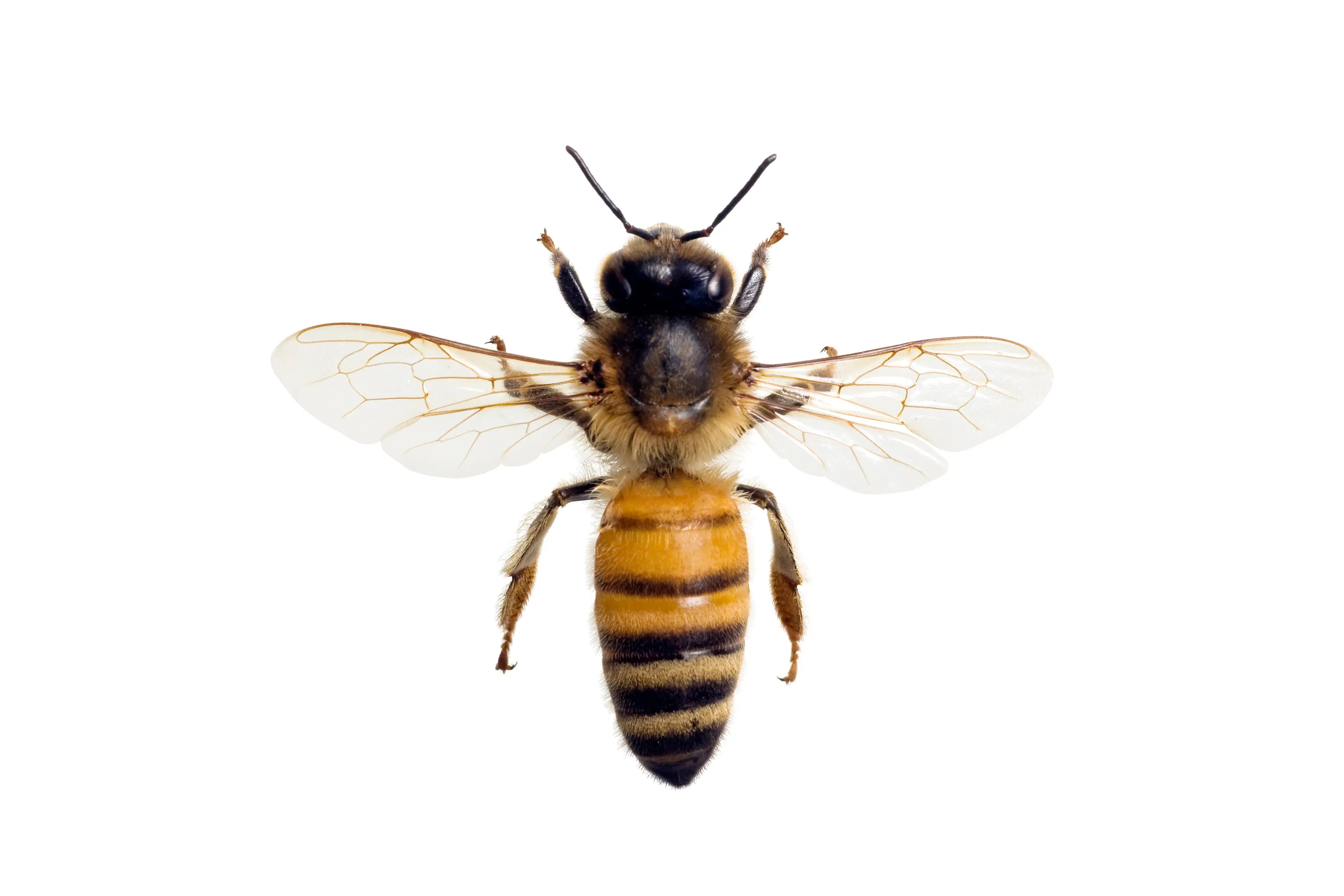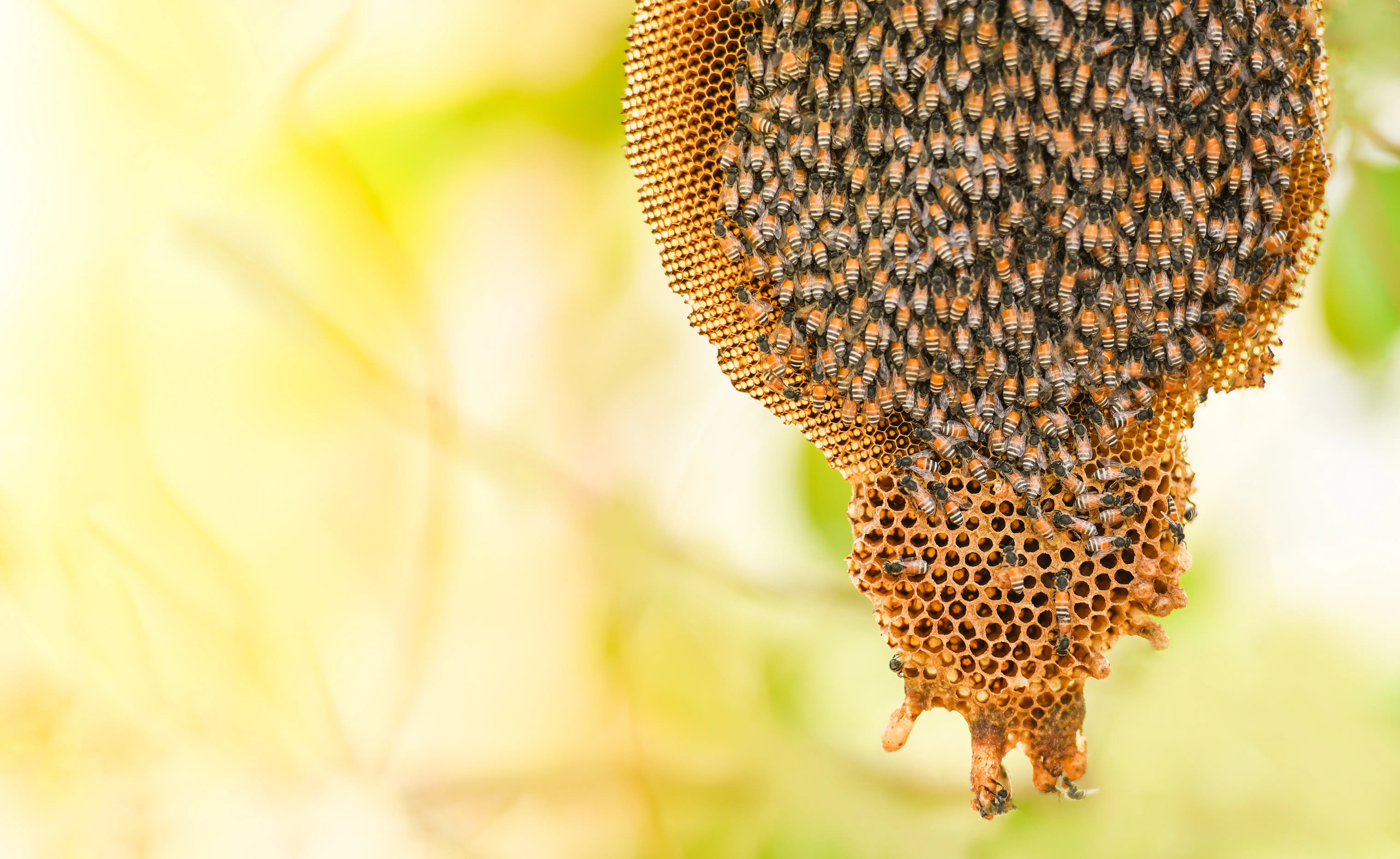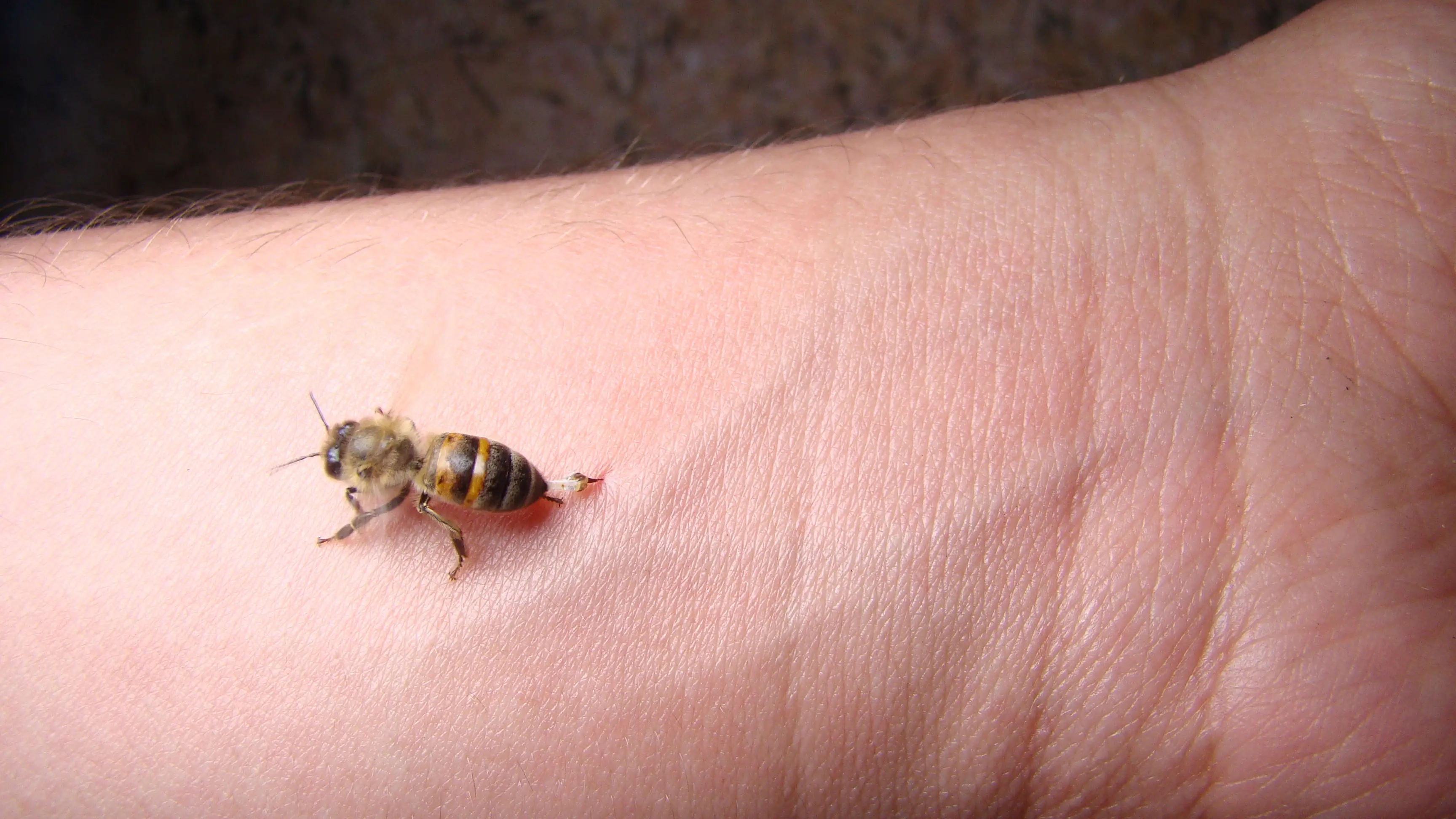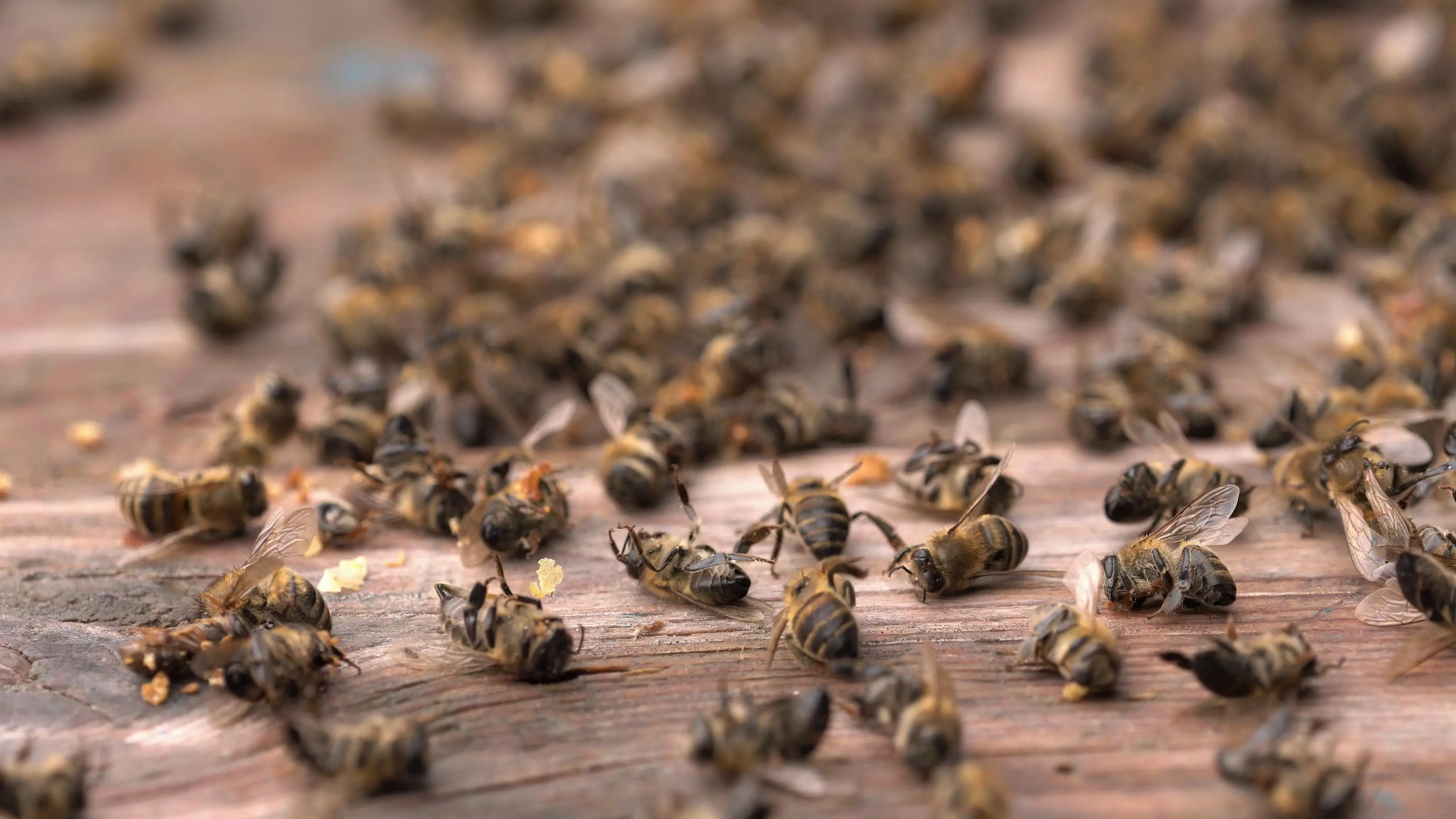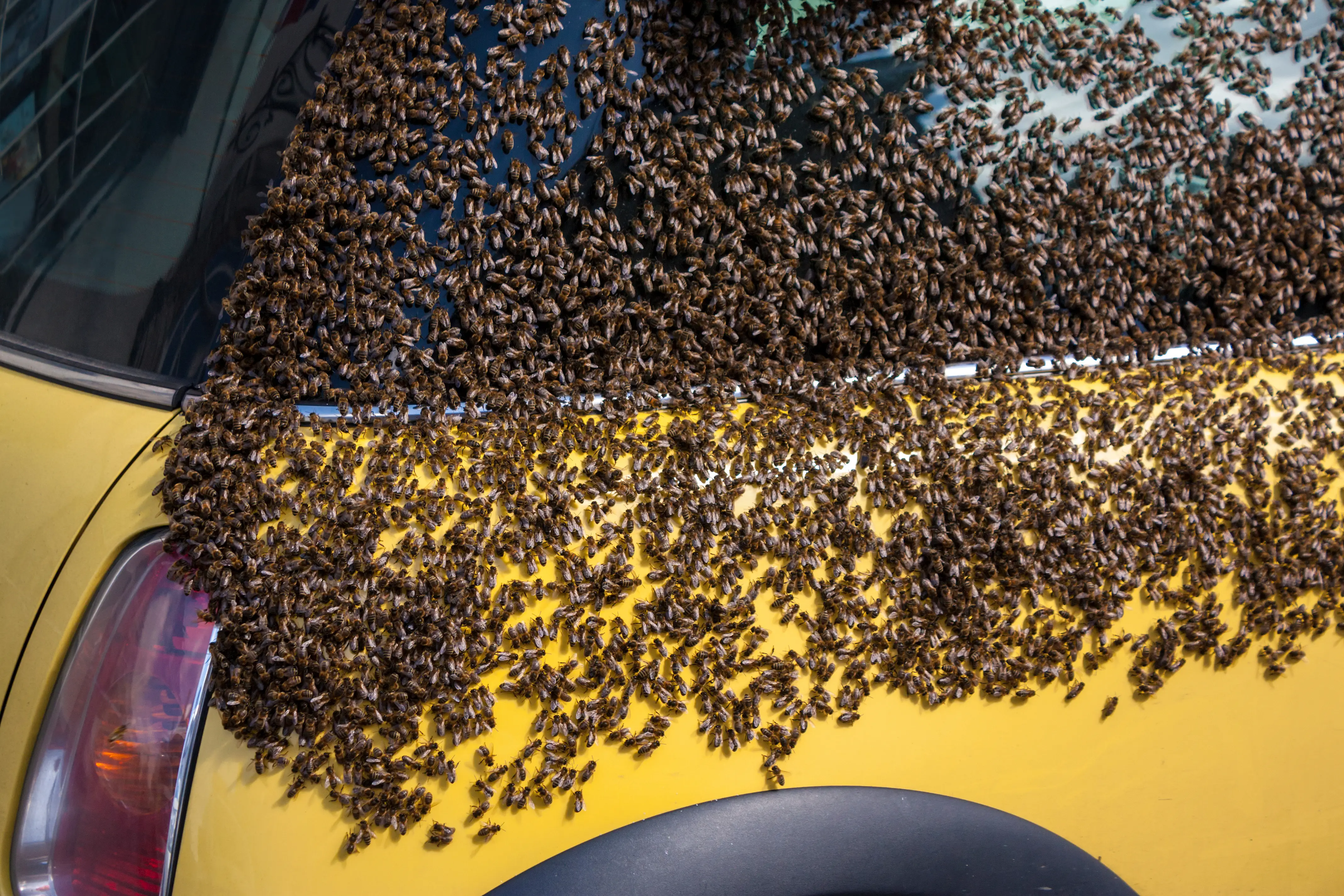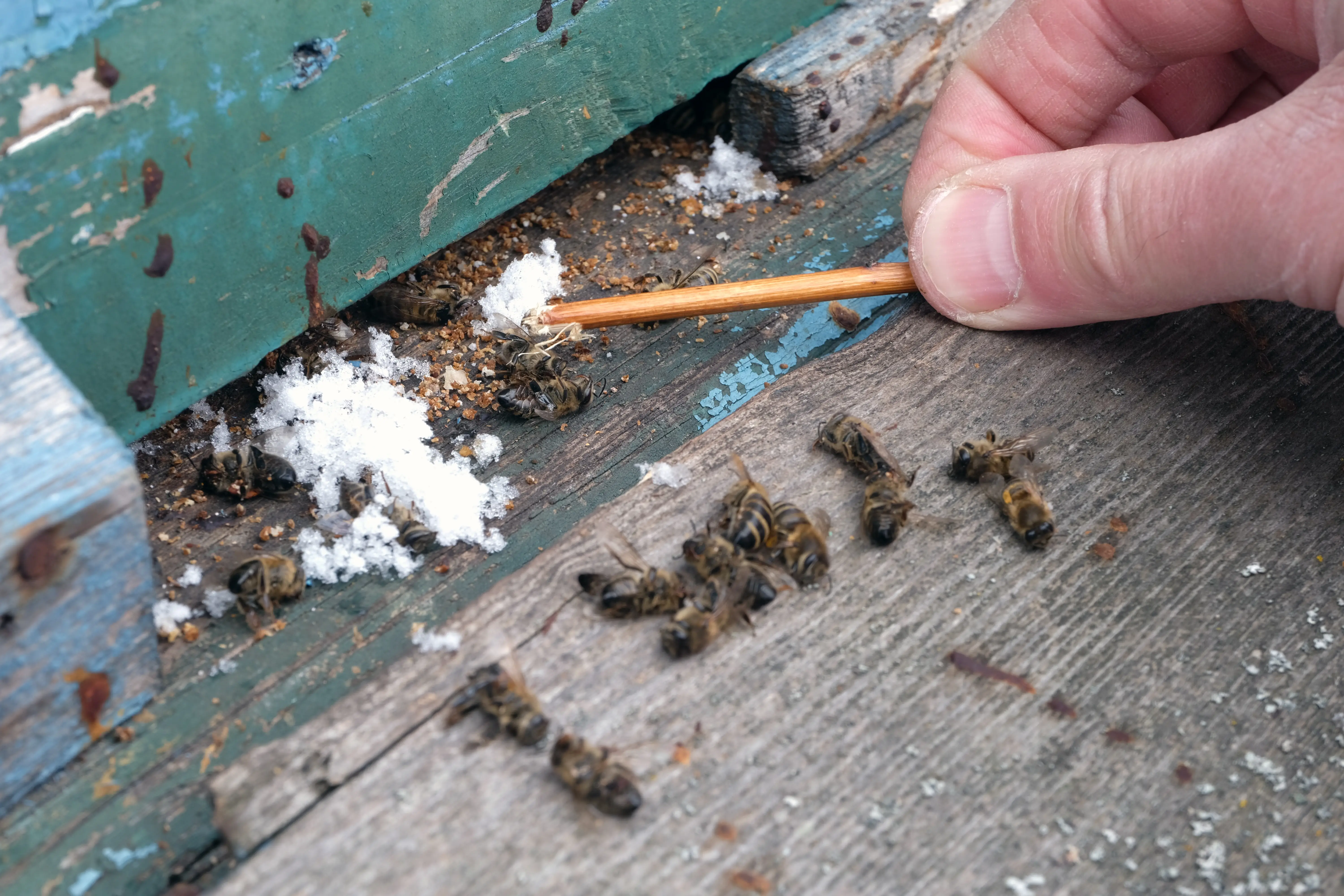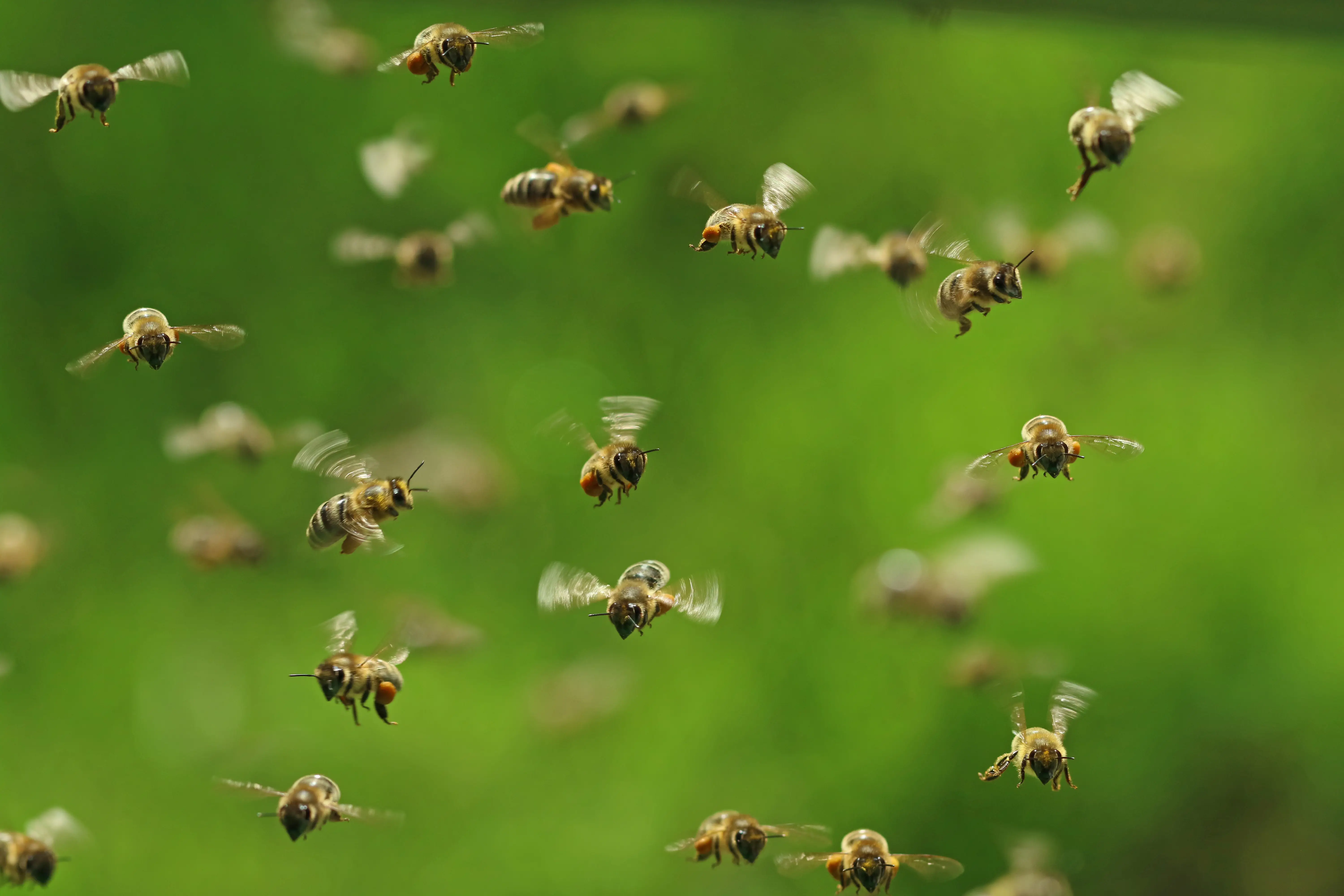
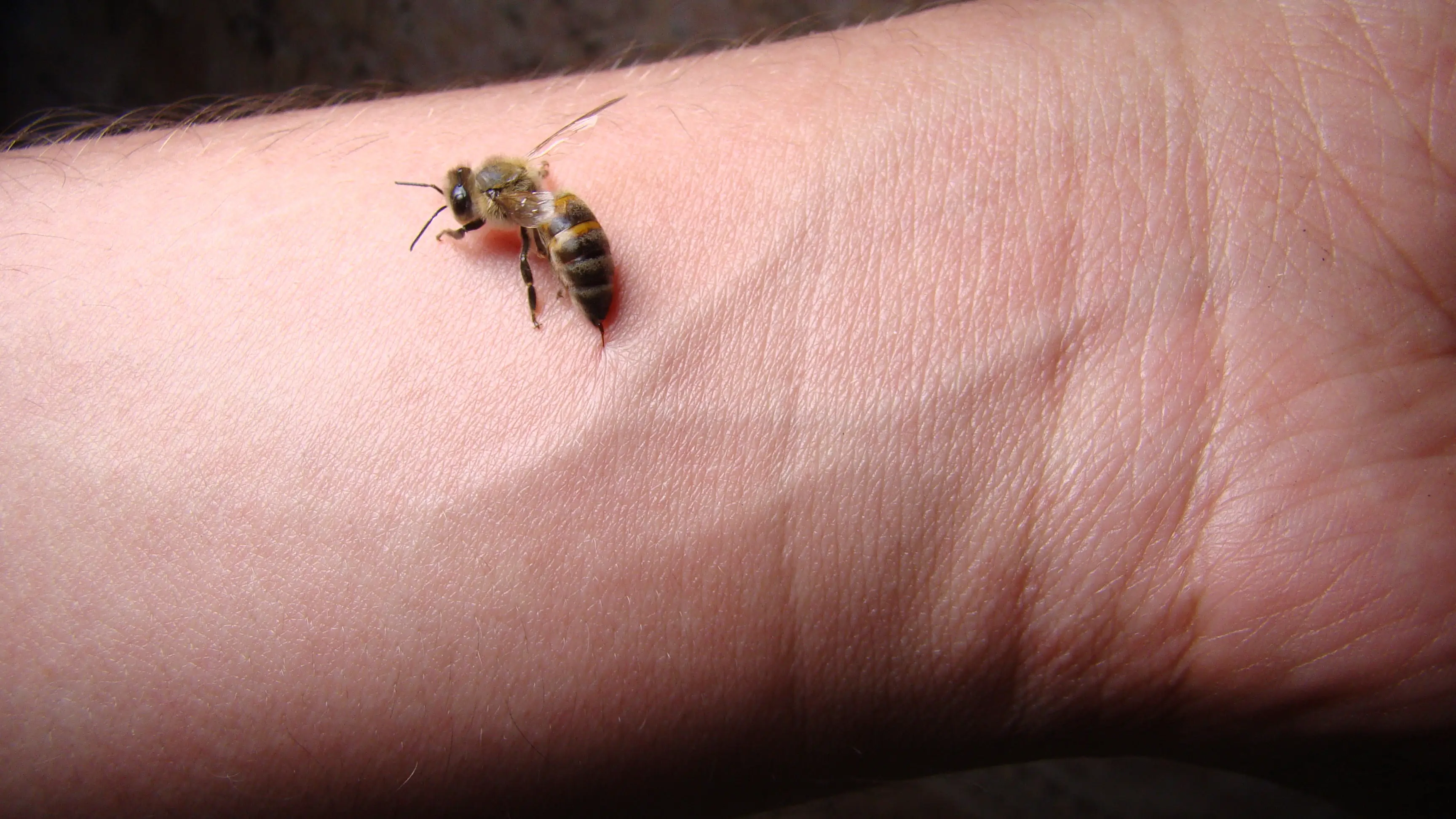
The common belief that bees die after stinging is not entirely accurate and varies depending on the bee species. Honeybees often die after stinging because their stingers are barbed and get lodged in the skin, causing fatal injury when they fly away.
In contrast, other bee species like bumblebees and solitary bees have smoother stingers without barbs, enabling them to sting multiple times without dying. Understanding bee stinging mechanisms helps us appreciate their crucial role as pollinators in our ecosystem.
Quick Answer
Only honeybees die after stinging humans — their barbed stingers get stuck in thick skin. Other bees (bumblebees, carpenter bees, even queen honeybees) have smooth stingers and can sting multiple times.
In This Article:
Stinger Types
Honeybee (Worker)
Barbed — dies after stinging
Barbed — dies after stinging
Bumblebee
Smooth — can sting multiple times
Smooth — can sting multiple times
Queen Honeybee
Smooth — can sting multiple times
Smooth — can sting multiple times
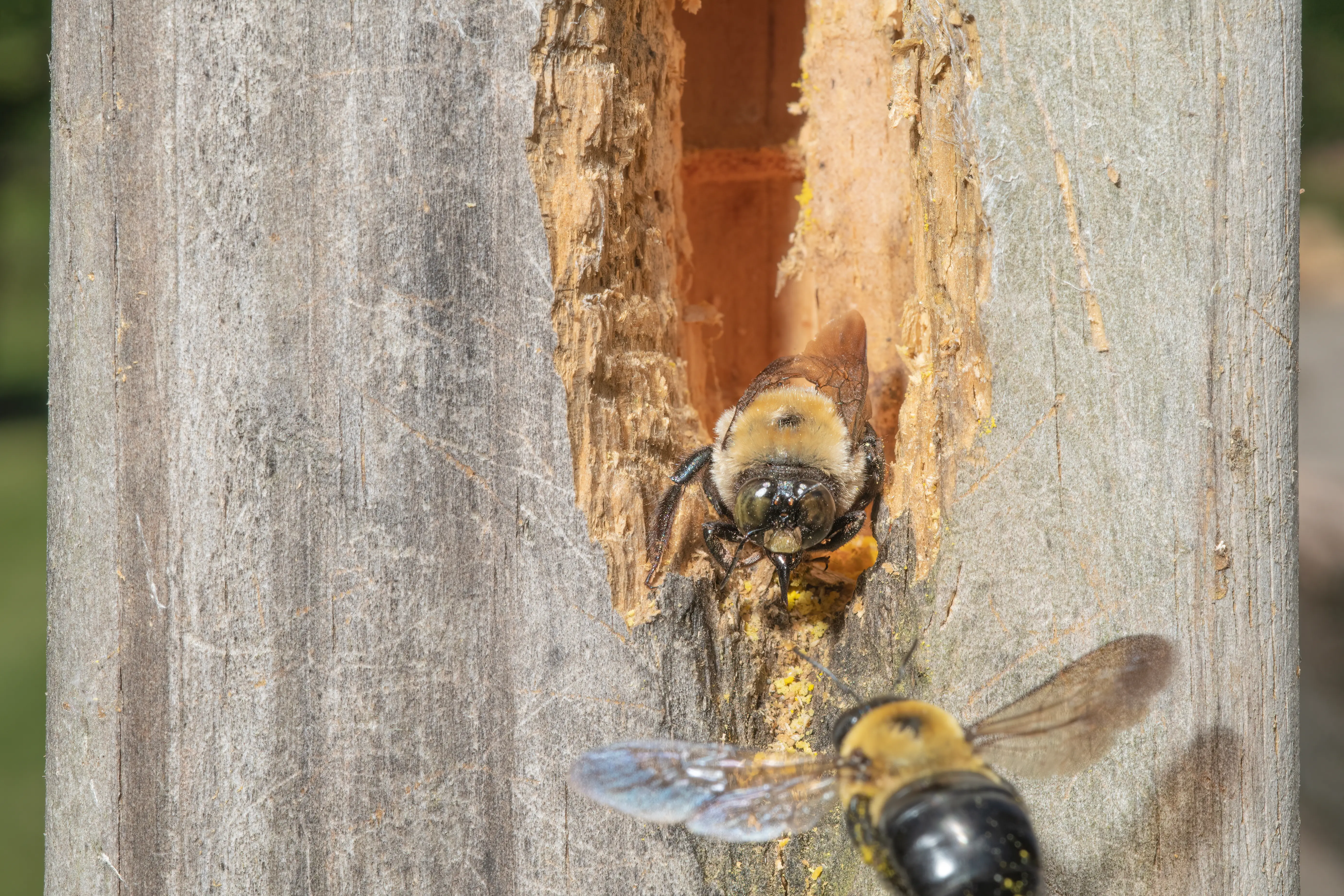
Carpenter Bee
Smooth — can sting multiple times
Smooth — can sting multiple times