EcoGuard Pest Management
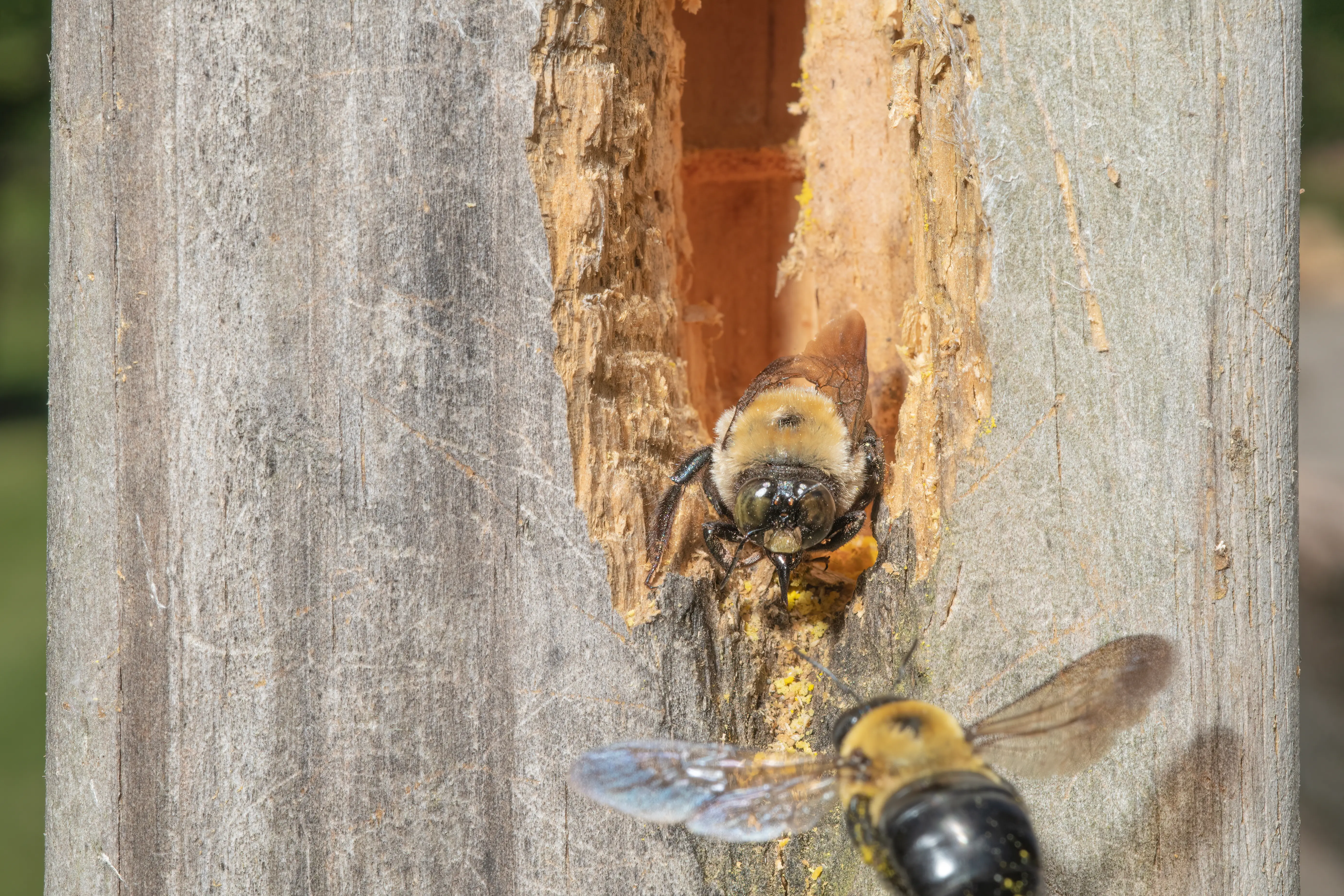
Carpenter bee on wood surface
By Gary Anderson||4 min read

Do Carpenter Bees Sting?

Female carpenter bees can sting, but males cannot.

Carpenter bees resemble honeybees but are slightly bigger with a shiny black body and upper thorax covered in yellow hairs. They are typically 1/4 to 1 inch long with six legs and long antennae.

While carpenter bees are typically docile, females possess a smooth stinger that can be used repeatedly to defend themselves and their nest. Males do not have stingers but will aggressively dive at perceived threats.

Male
No stinger, but aggressive dive-bombing behavior
Female
Smooth stinger, can sting multiple times
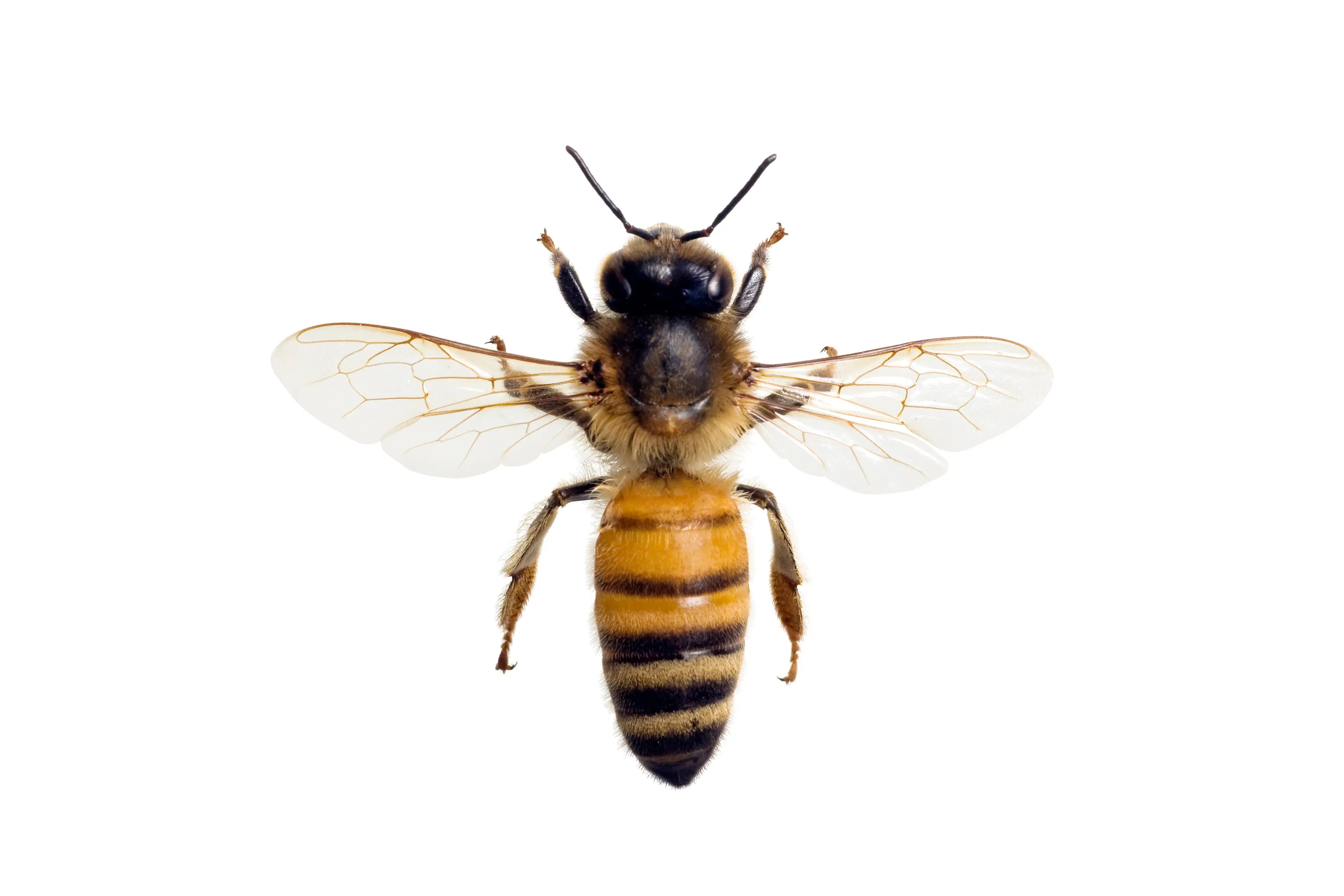
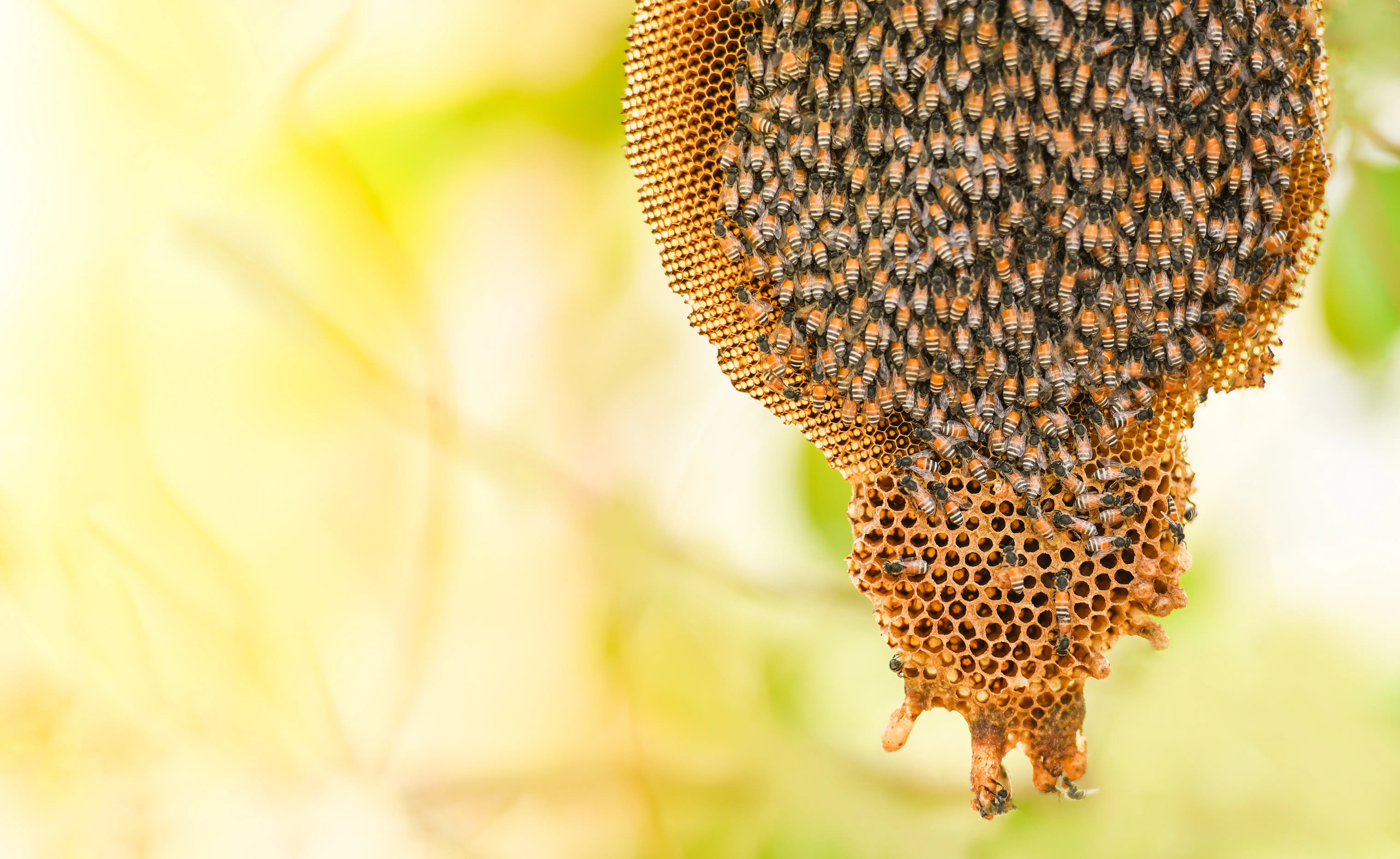
Male vs Female Carpenter Bees

Male Carpenter Bees

  • No stinger
  • Guard nest entrance aggressively
  • Dive-bomb perceived threats
  • Loud buzzing sounds intimidating
  • First line of defense for nest

Female Carpenter Bees

  • Have smooth stinger
  • Generally not aggressive
  • Only sting if threatened or provoked
  • Spend time foraging or protecting eggs
  • More likely aggressive if eggs in nest

Tip: If encountering a male carpenter bee, remain calm and move away slowly. If the threat fails to retreat, the female will become more agitated.

Carpenter Bees Damaging Your Wood?

They can cause immense structural damage if left unmanaged.

Call (866) 326-2847

Can Carpenter Bees Sting Repeatedly?

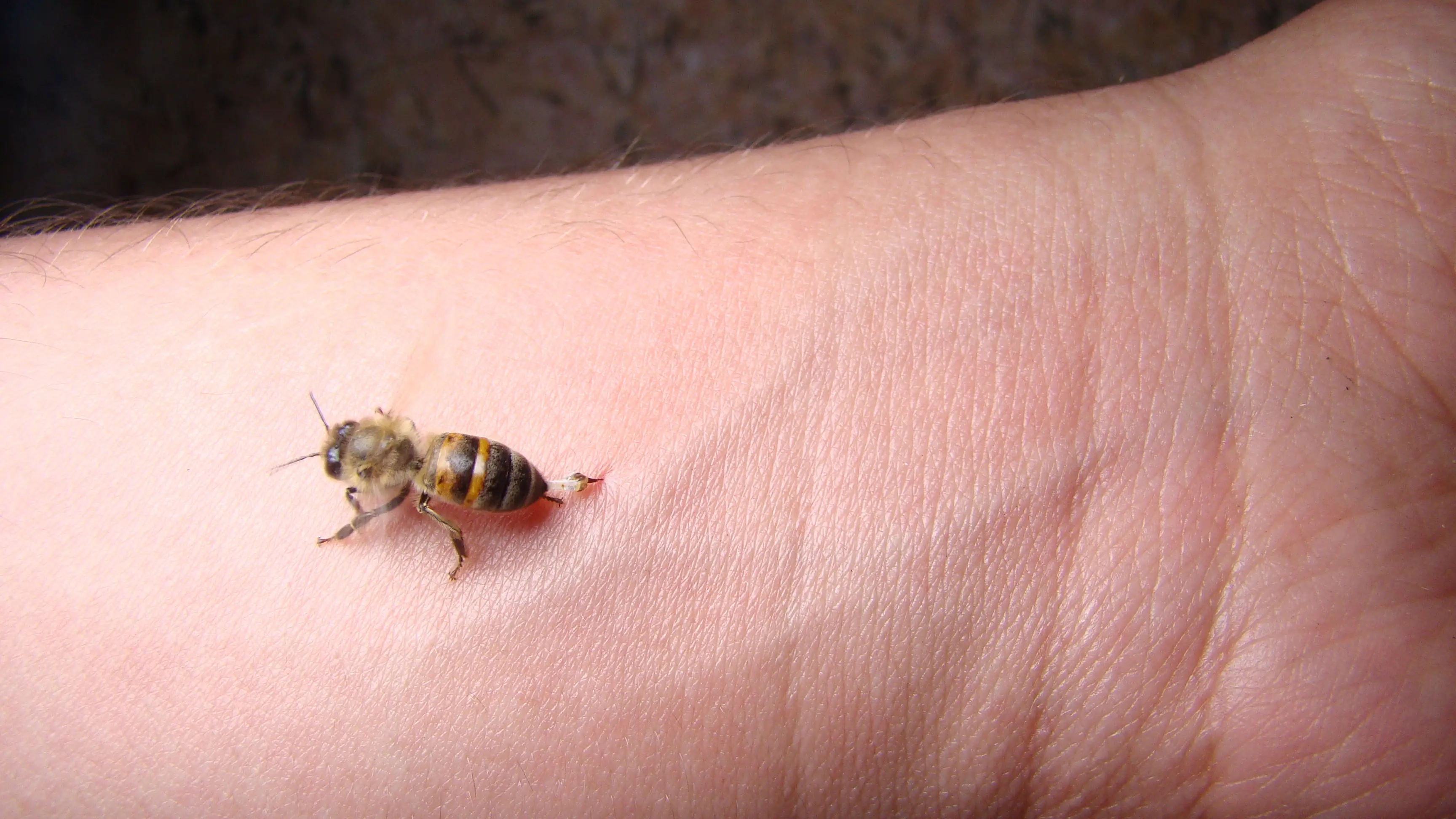
Unlike honeybees that die after stinging, female carpenter bees have a smooth stinger allowing them to sting multiple times. This defense mechanism developed because carpenter bees are solitary insects without a swarm to help defend their nest.

Good news: Carpenter bees are less hostile than wasps and will generally retreat after stinging once or twice.

Are Carpenter Bees Dangerous?

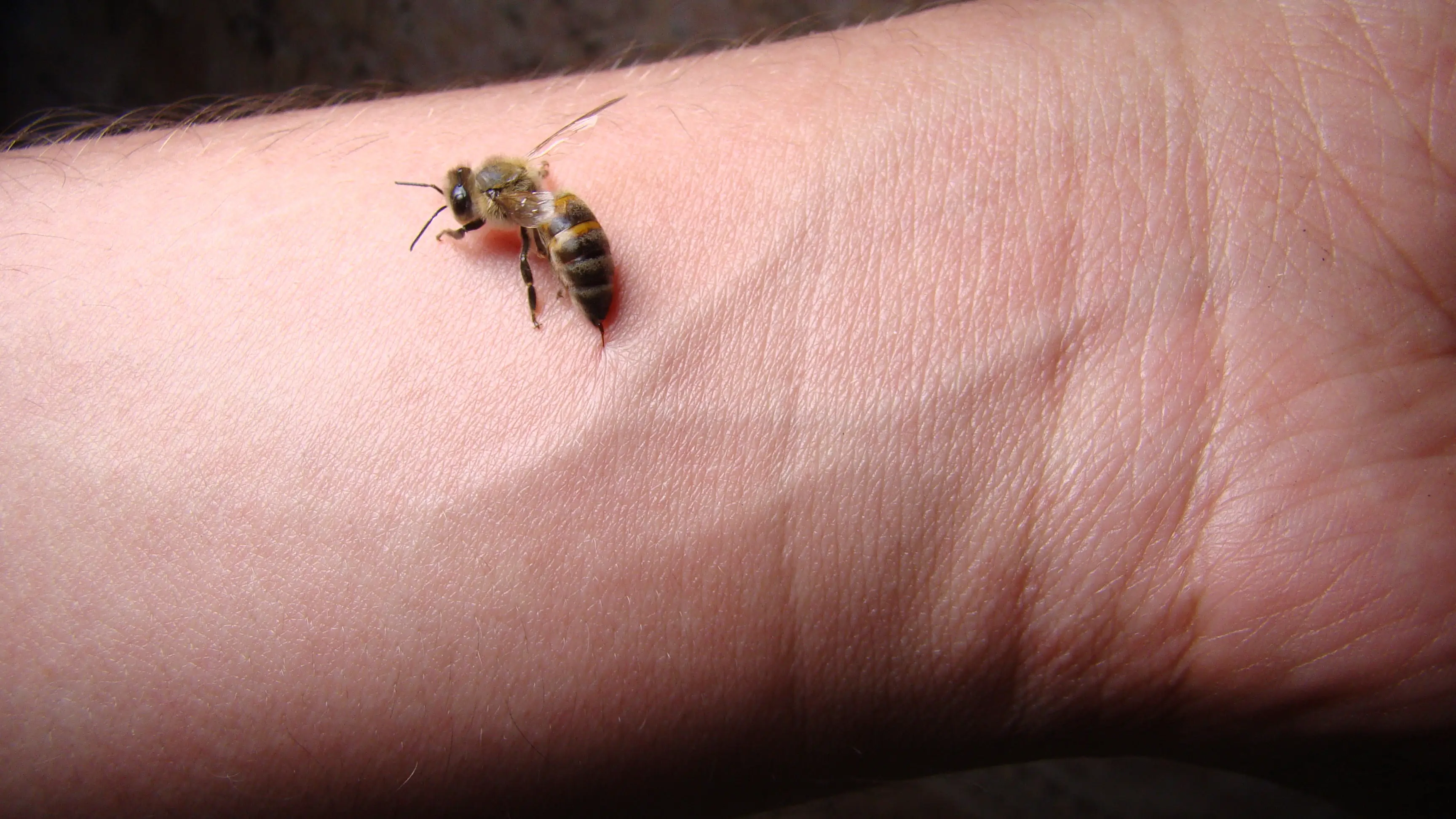
If stung by a carpenter bee, it will be painful. The venom contains melittin, a peptide that causes pain and burning by tricking nerve cells into thinking they are burning.

Sting Symptoms

  • Swelling and redness at sting site
  • Sharp initial pain
  • Dull throbbing pain lasting hours
  • Painful but not fatal unless highly allergic

Carpenter bees are solitary, so they do not swarm and rarely sting more than once.

Carpenter Bee Sting Treatment

Do Not Rub

Rubbing causes venom to spread in the skin

Clean the Area

Wash with antibacterial soap and let it breathe

Apply Cool Compress

Use if swelling occurs

Seek Medical Help

For any severe allergic reactions

Severe Allergic Reaction Signs

Spreading rash
Difficulty breathing
Swollen throat/tongue
Anaphylactic shock

Emergency treatment may include: Oxygen, epinephrine, IV antihistamines, inhaler

The Problem with Carpenter Bees

Carpenter bees bore into wood to create nests. They do not eat wood but prefer untreated wood including fences, porches, decks, siding, and eaves. They can cause immense structural damage if left unmanaged.

Fences
Porches
Decks
Siding
Eaves
Outdoor furniture

How to Control Carpenter Bees

Avoid killing carpenter bees as they are vital pollinators. Instead, take steps to prevent them from damaging your property:

Stain or Paint Wood

Carpenter bees prefer untreated wood

Plug Openings

Seal potential entry points

Keep Doors Shut in Spring

Spring is nesting season

Cover Sugary Drinks

Remove attractants

Keep Trash Sealed

Prevent attracting bees

Tip: Use Sound Vibrations

Set up a radio or speaker emitting bass directly against the carpenter bee nest. Vibrations will disrupt their activity and scare the bees away.

Contact EcoGuard for Carpenter Bee Removal

Carpenter bees may be pollinators, but they can threaten your home if left untreated. If you have not had luck deterring them from your property, enlist help from qualified pest control experts. EcoGuard can eliminate your carpenter bee problem and implement preventative measures so they do not come back.

Call (866) 326-2847Get Free Quote

Carpenter Bee Sting FAQs

Can a carpenter bee hurt you?

A female carpenter bee can sting if threatened or provoked, causing sharp pain and burning. Male carpenter bees do not have a stinger and cannot sting.

Should I kill carpenter bees?

It is best not to kill carpenter bees as they are vital pollinators and great for gardens. Instead, try prevention methods to keep them from being attracted to your home.

Can you get bit by a carpenter bee?

Carpenter bees do not bite, they sting. Female carpenter bees can sting if provoked, although it is rare.

Are carpenter bees dangerous to humans?

Females can sting but only if provoked. The sting is painful and there is a chance of serious allergic reaction in some individuals.

From Our Blog

Related Articles

Are Honeybees Dangerous to Humans? Bee Safety Guide

Are Honeybees Dangerous to Humans? Bee Safety Guide

Learn when honeybees become dangerous, symptoms of bee stings, Africanized bees, and when to call professional bee...

Read Article
Are Honeybees Endangered Species in the US?

Are Honeybees Endangered Species in the US?

Learn about honeybee and native bee population status, Colony Collapse Disorder, why bees are declining, and how to...

Read Article
Do Bees Die After They Sting You? The Truth About Bee Stingers

Do Bees Die After They Sting You? The Truth About Bee Stingers

Learn which bees die after stinging, why honeybees sacrifice their lives, how the stinger works, and what to do if you...

Read Article
Do Bees Fly at Night? Nocturnal vs Diurnal Bee Behavior

Do Bees Fly at Night? Nocturnal vs Diurnal Bee Behavior

Learn which bees can fly at night, why most bees are diurnal, and how nocturnal bees have adapted to see in the dark....

Read Article
Do Bumble Bees Sting Humans? Stings, Reactions & Treatment

Do Bumble Bees Sting Humans? Stings, Reactions & Treatment

Learn if bumble bees sting, why they sting, how painful their stings are, allergic reactions, and treatment options for...

Read Article
How Long Do Bees Live? Lifespan by Species & Role

How Long Do Bees Live? Lifespan by Species & Role

Learn how long different bee species live including honeybees, bumblebees, and carpenter bees. Discover lifespan...

Read Article
How Long Does a Queen Bee Live? Lifespan & Life Cycle Guide

How Long Does a Queen Bee Live? Lifespan & Life Cycle Guide

Learn how long queen bees live, their life cycle from egg to matriarch, mating flights, succession, and what happens...

Read Article
How to Get Rid of a Beehive Safely | Complete Removal Guide

How to Get Rid of a Beehive Safely | Complete Removal Guide

Learn how to safely remove a beehive from your property. Professional removal steps, DIY precautions, what to avoid,...

Read Article
How to Repel Bees Naturally from Your Yard

How to Repel Bees Naturally from Your Yard

Learn natural ways to repel bees including deterring plants, essential oils, and habitat modification. Keep bees away...

Read Article
Identifying Different Types of Bee Species | Complete Guide

Identifying Different Types of Bee Species | Complete Guide

Learn to identify different bee species including honeybees, bumblebees, carpenter bees, and more. Understand...

Read Article
When Are Bees Most Active? Daily & Seasonal Bee Activity

When Are Bees Most Active? Daily & Seasonal Bee Activity

Learn when bees are most active throughout the day and year. Understand bee seasons, temperature requirements, and when...

Read Article
Where Do Bees Go in the Winter?

Where Do Bees Go in the Winter?

Learn how honeybees, bumblebees, and solitary bees survive winter through clustering, hibernation, and dormancy, and...

Read Article
Why Do Bees Sting People if it Kills Them? | Complete Guide

Why Do Bees Sting People if it Kills Them? | Complete Guide

Learn why bees sting even when it kills them, which bees die after stinging, bee sting symptoms, treatment, and how to...

Read Article