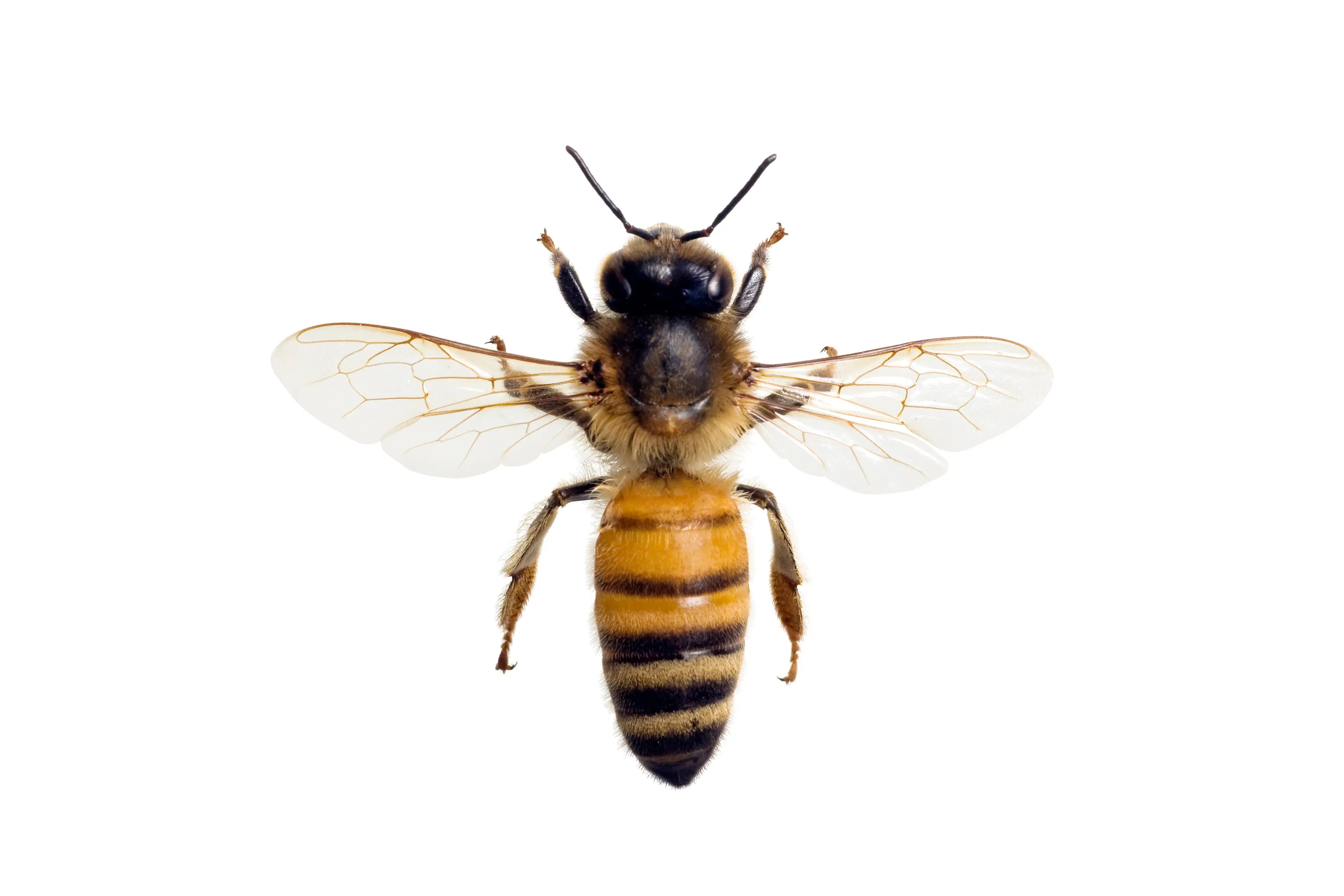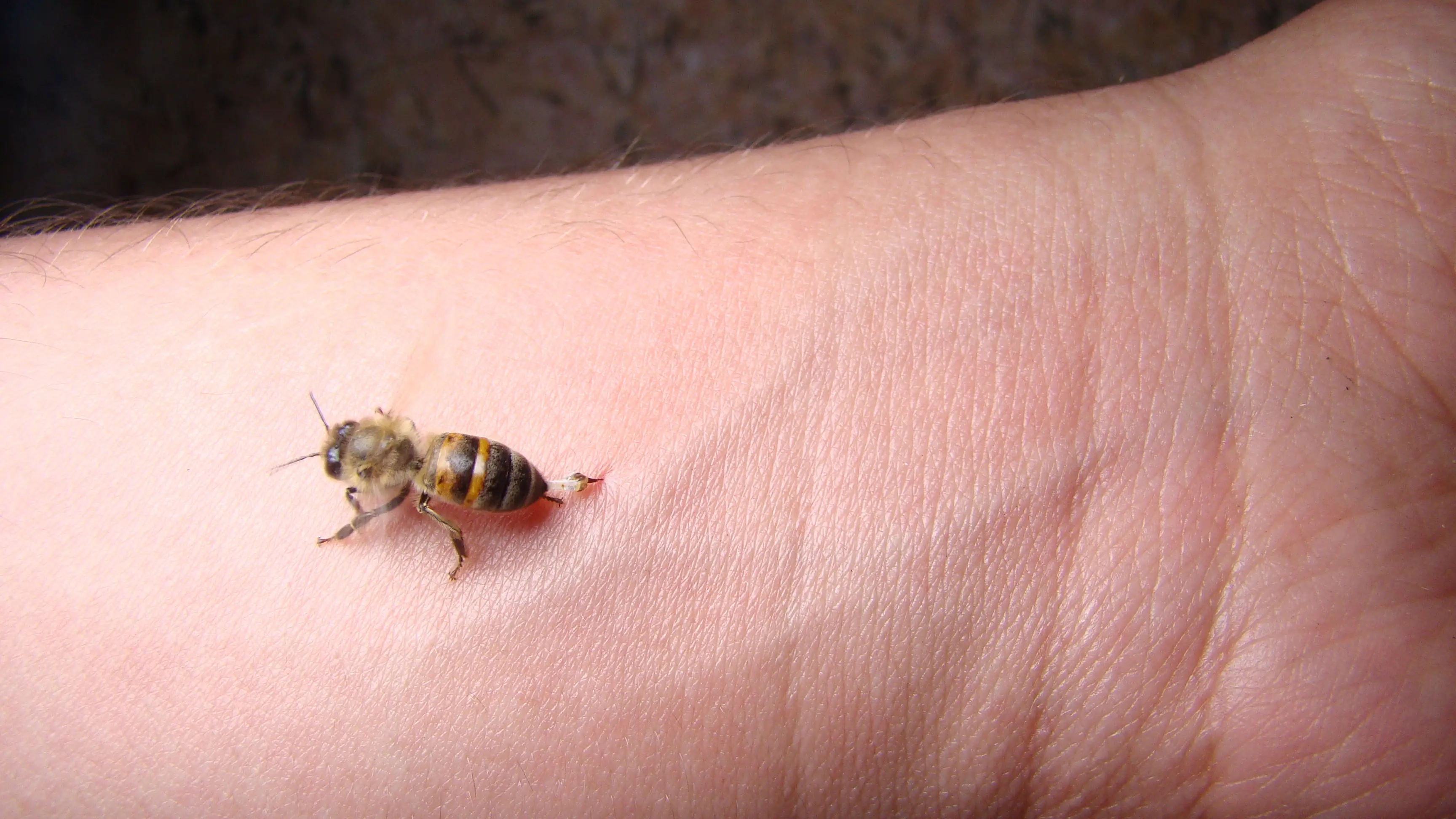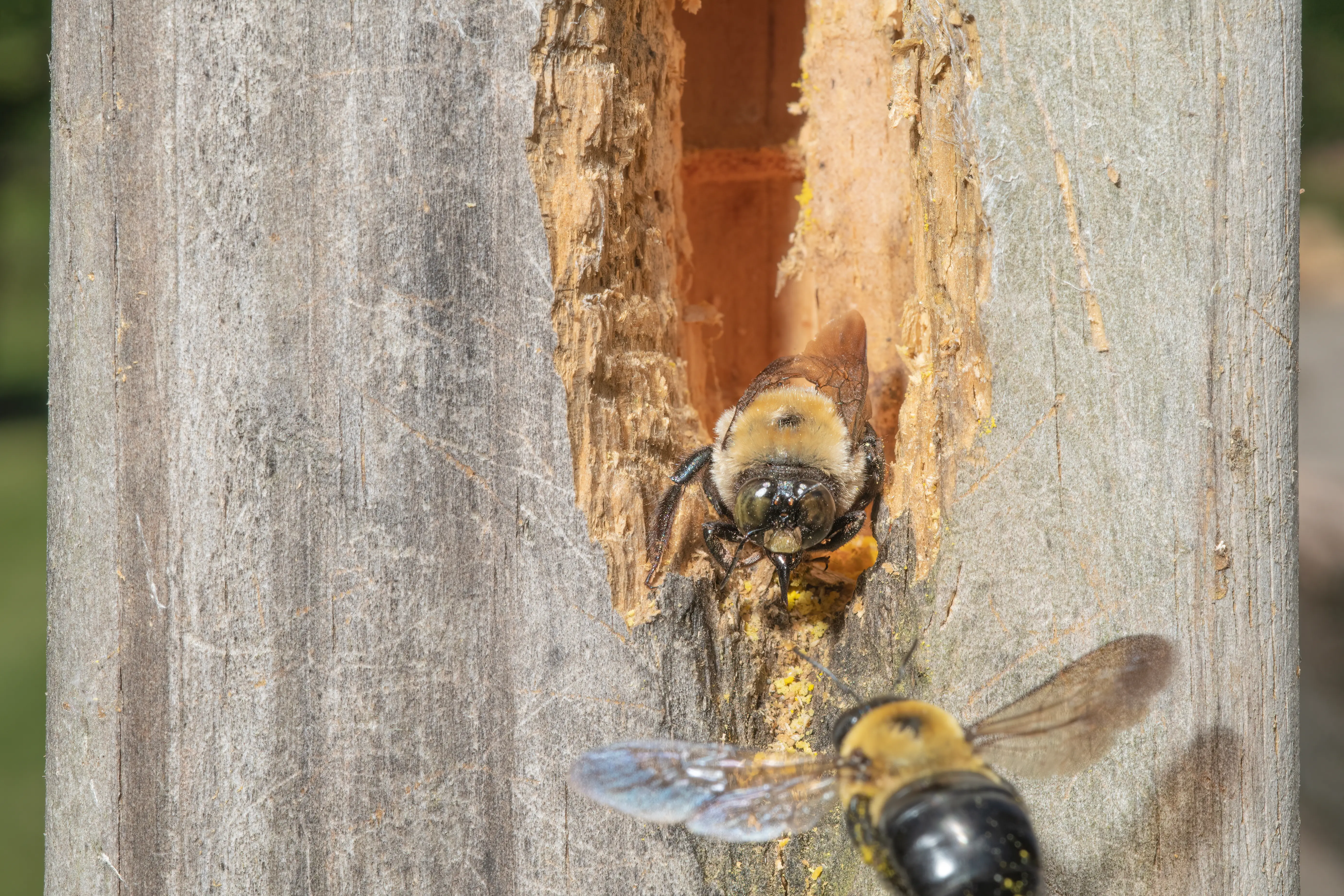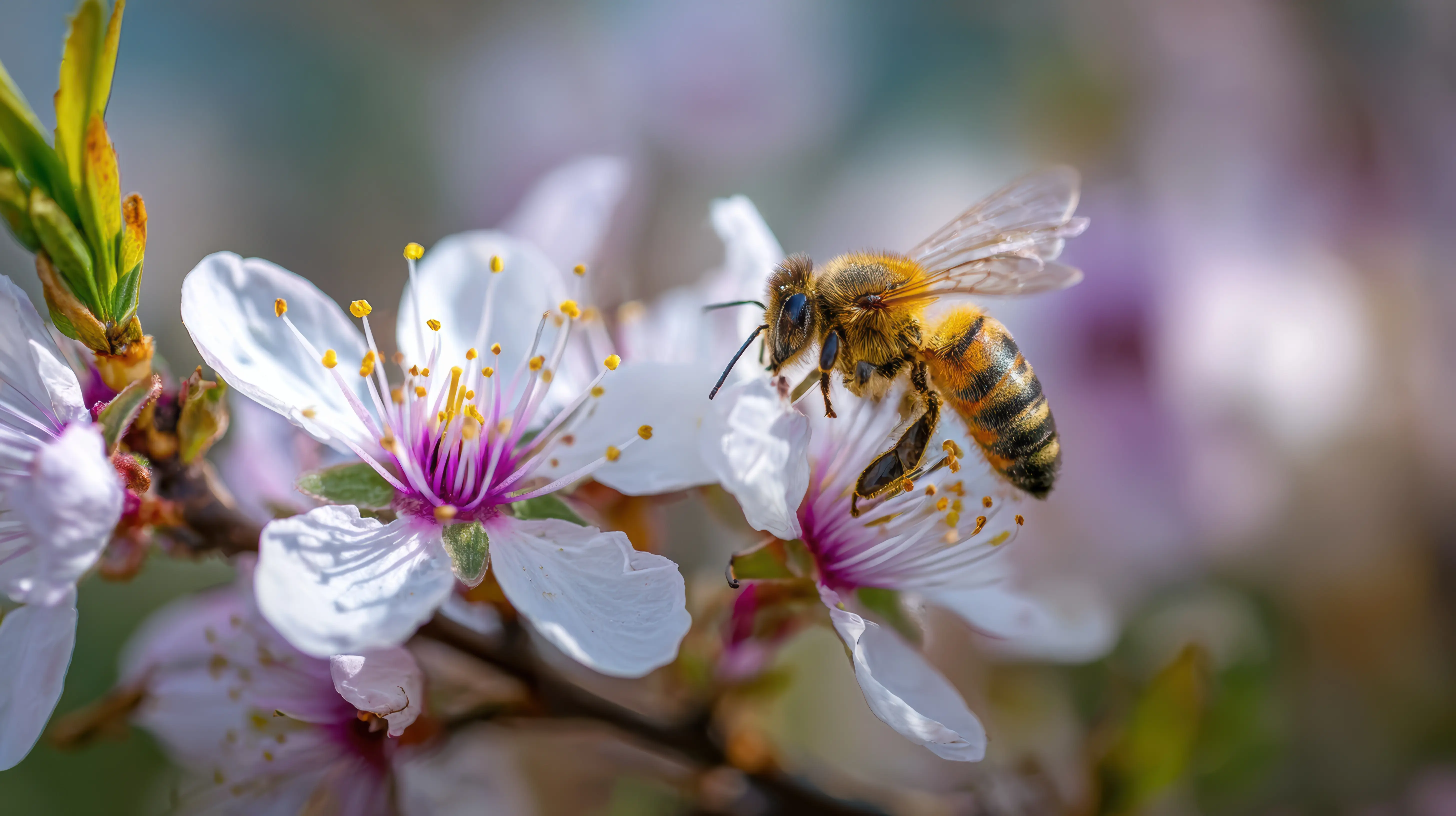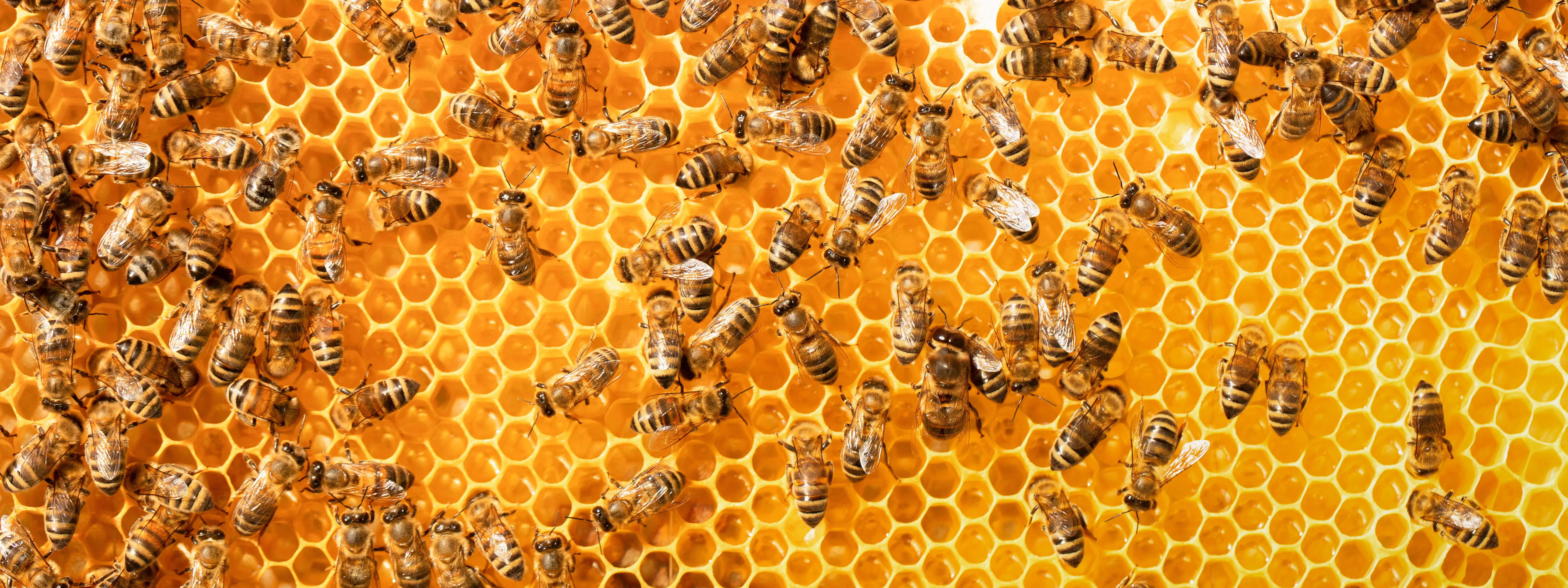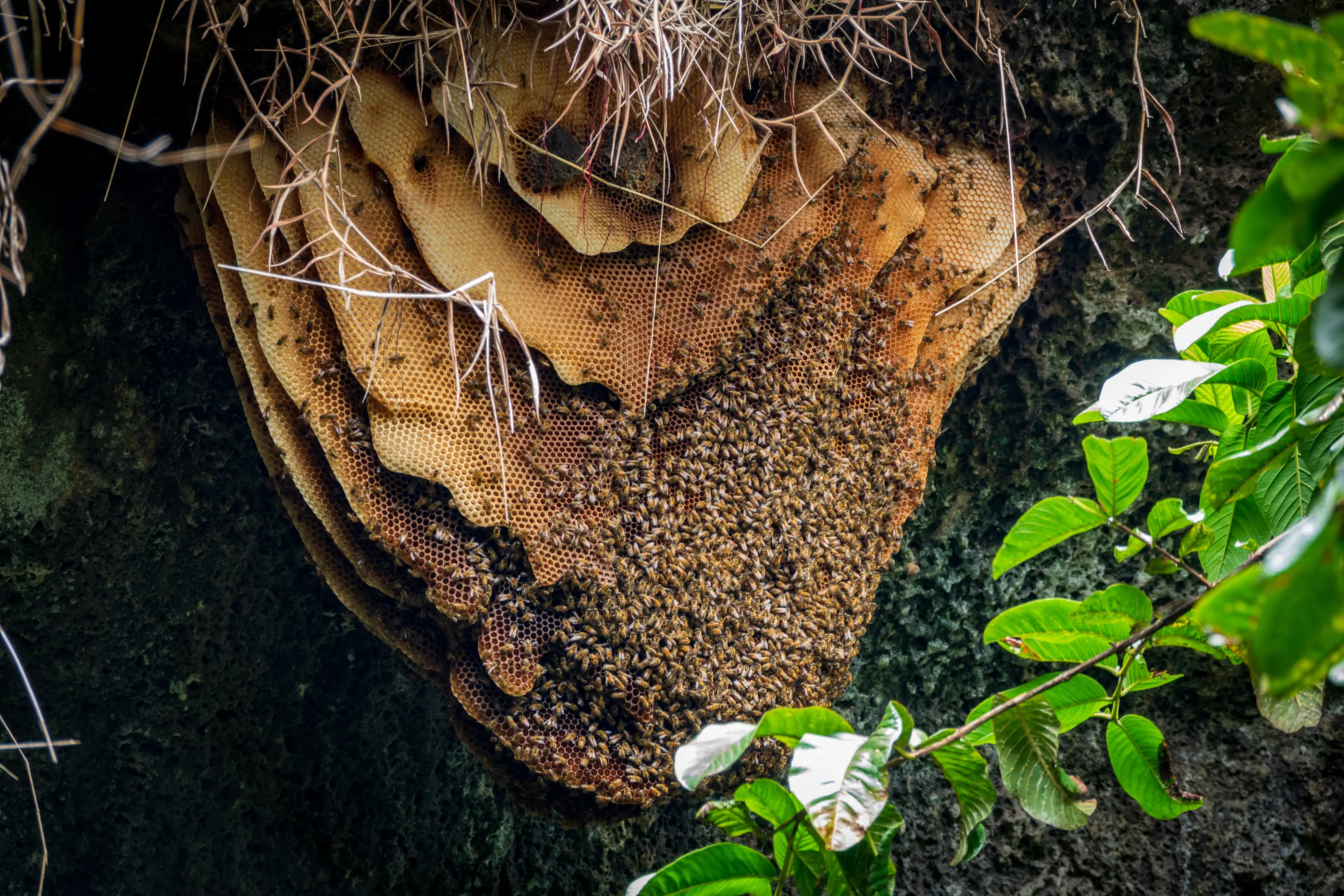
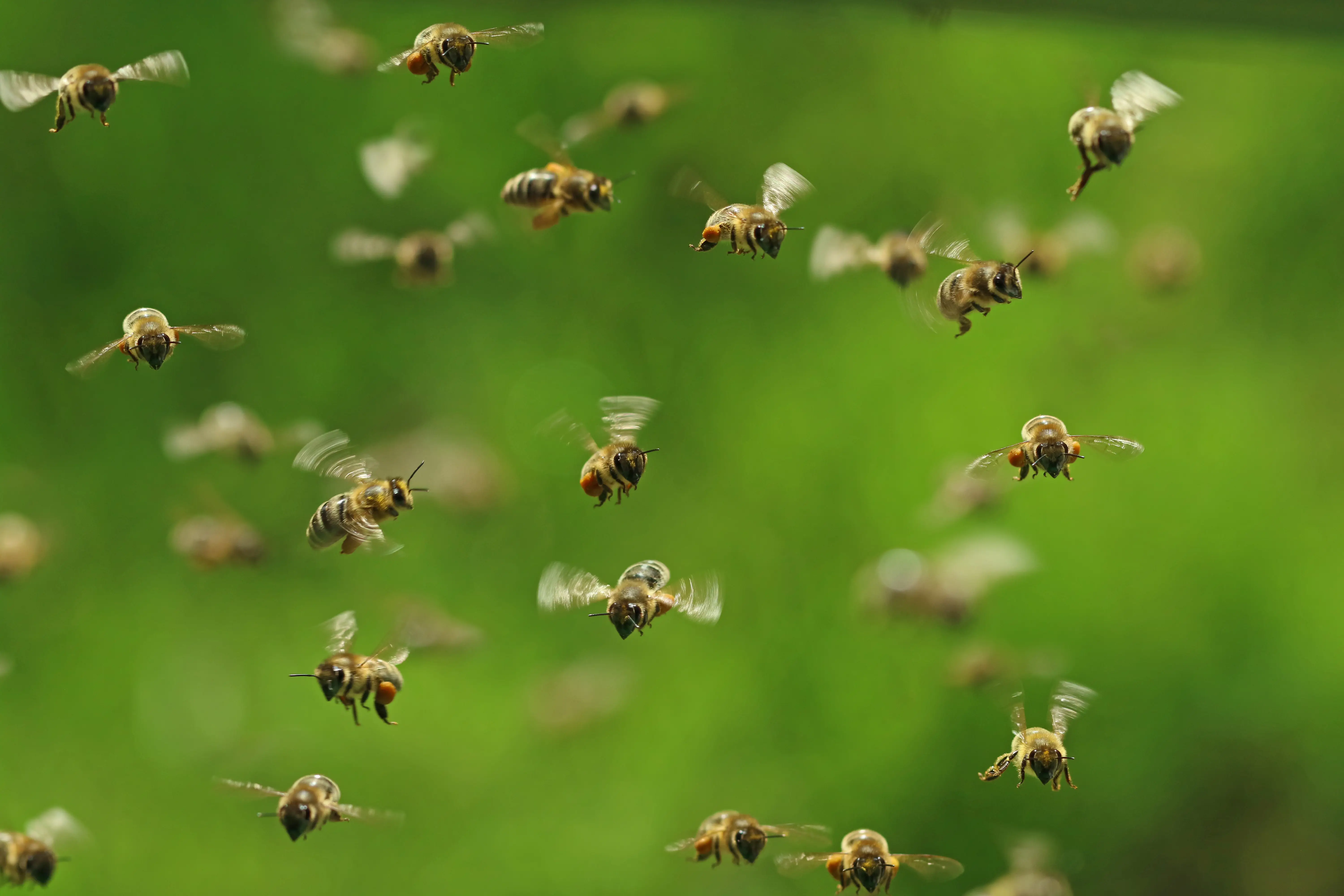
The world of bees is primarily a daytime affair, with most species being diurnal creatures that rely heavily on sunlight for their activities. Honeybees and bumblebees are unable to navigate in darkness, restricting their flight to daylight hours. This behavior is rooted in their visual system, which depends on polarized light from the sun for orientation.
However, the bee world isn't entirely devoid of nocturnal activity. Some rare species, particularly in tropical regions, have evolved the ability to fly and forage in low light or complete darkness through specialized adaptations.
Quick Answer
Most bees cannot fly at night — about 99% of bee species are diurnal. Only around 250 species (~1%) have evolved nocturnal or crepuscular (twilight) flight capabilities.
In This Article:
Activity Patterns
Active in daylight only
Active at dawn/dusk
Can fly in complete darkness