EcoGuard Pest Management
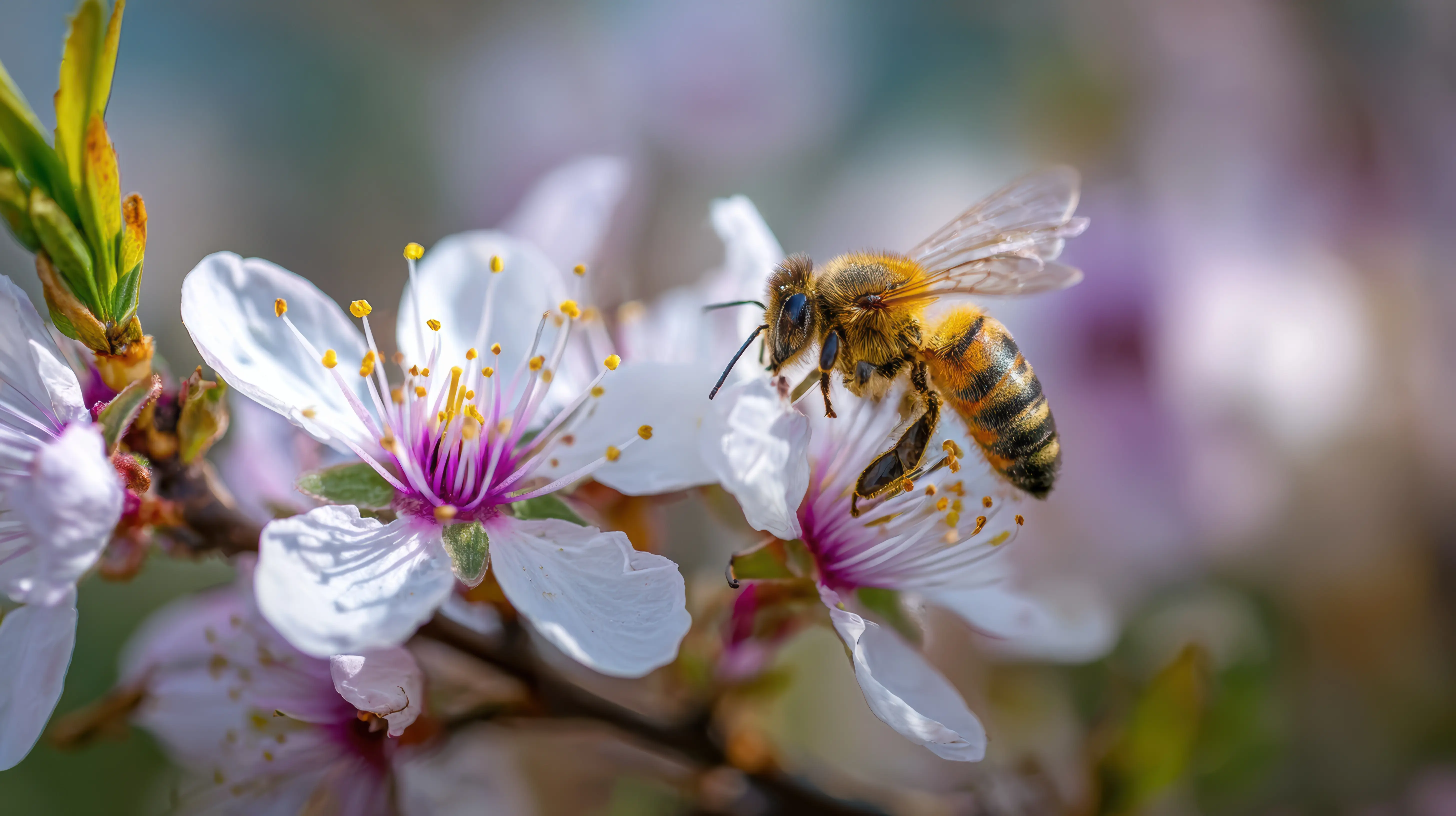
Bee on flower representing bee stinging behavior
By Gary Anderson||10 min read

Why Do Bees Sting People if it Kills Them?

Understanding why bees sacrifice themselves to protect their hive, which bees die after stinging, and how to prevent and treat bee stings.

Despite bees' crucial ecological contributions, many people harbor a fear of bee stings. However, bees are actually docile creatures that will not usually sting unless absolutely necessary. When bees do sting, they sacrifice themselves and die shortly after.

Understanding why bees sting, even when it results in their own death, can help shed light on these important insects and potentially reduce the fear associated with them.

Quick Answer

Bees sting to protect themselves and their hive. They are not aware that stinging will kill them. The survival of the colony is paramount, and individual bees instinctively sacrifice themselves to ensure the safety of the hive.

Do They Die After Stinging?

Honeybee
Yes, dies after stinging
Bumblebee
No, can sting multiple times
Carpenter Bee
No, females can sting multiple times
Africanized Bee
Yes, dies after stinging

Why Do Bees Sting?

Bees sting primarily as a means of self-defense and to protect their hive. Understanding these reasons can help us coexist peacefully with these important pollinators.

Self-Defense

Bees sting when they feel threatened. This could happen if you swat at them, try to catch them, or accidentally step on them. The sting is a bee's last resort to protect itself from perceived danger.

Hive Defense

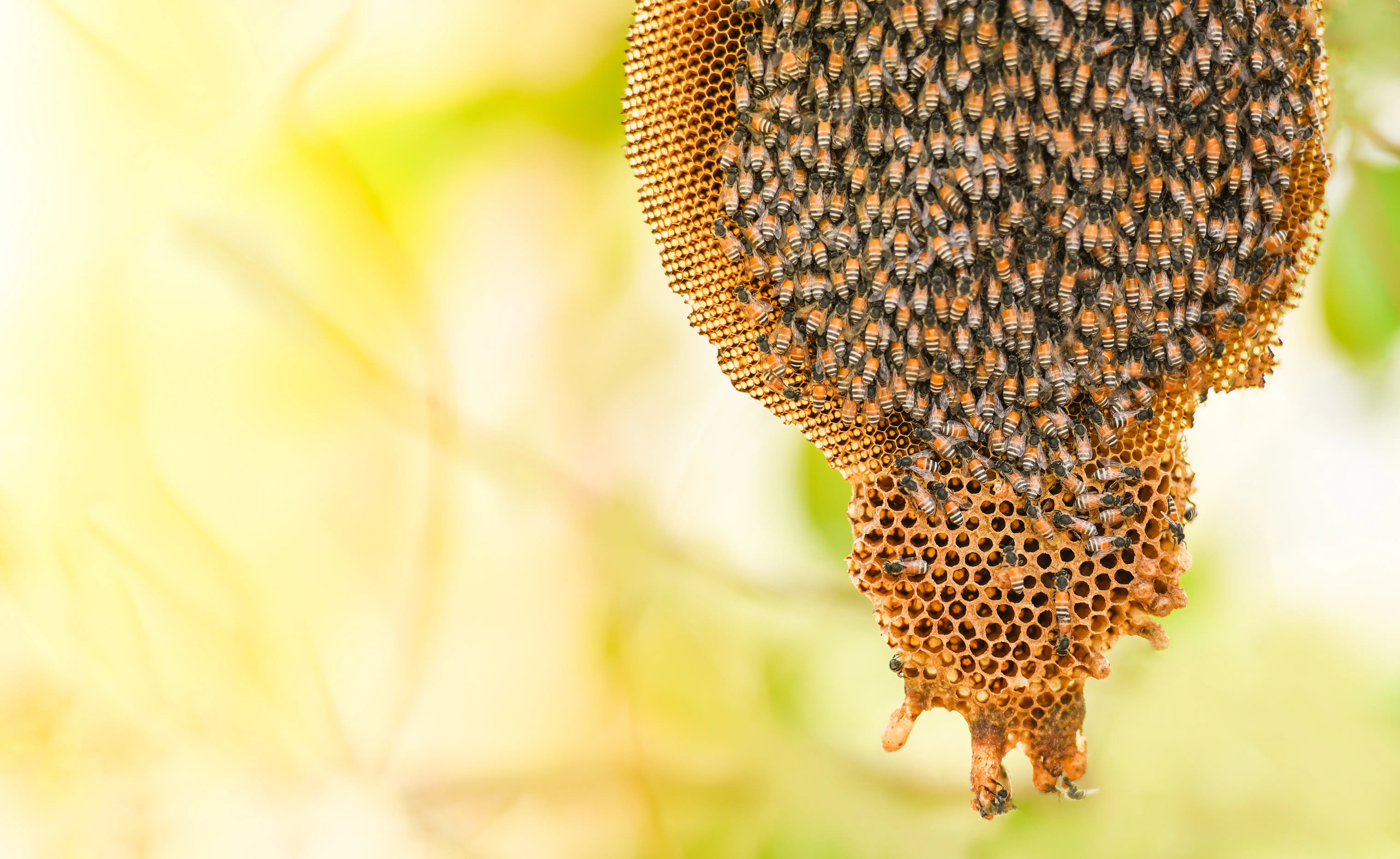
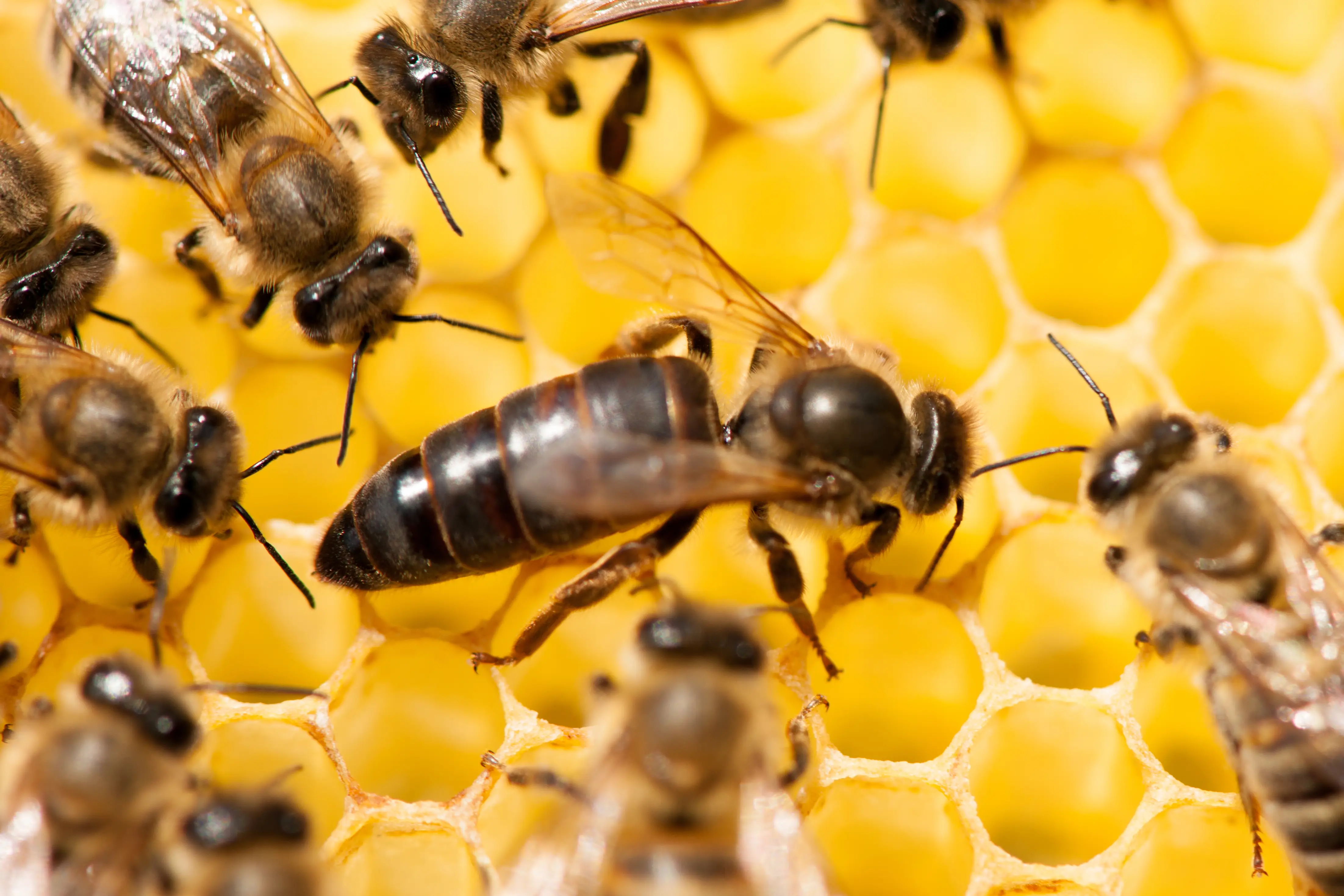
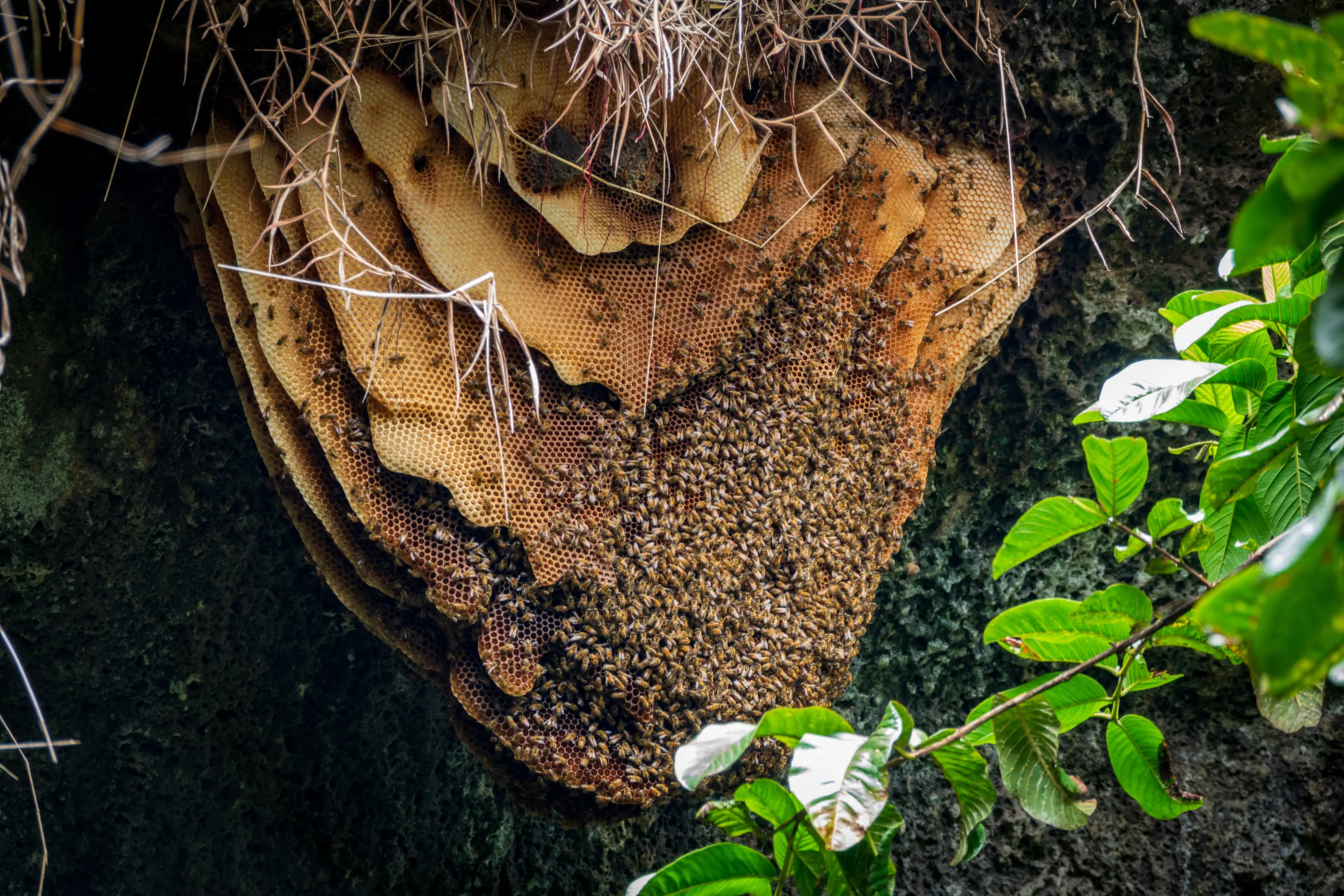
Bees are highly protective of their hive, which houses their queen, brood, and food stores. If they sense a threat to their hive, they will sting to defend it. This is why it is crucial to avoid disturbing beehives.

Alarm Pheromones

When a bee stings, it releases a pheromone that signals other bees to come to its aid. This alarm pheromone can quickly mobilize the colony, which can lead to multiple stings if the threat is not removed.

What Types of Bees Sting?

Several types of bees can sting when they feel threatened. Understanding their behavior can help you avoid unnecessary encounters.

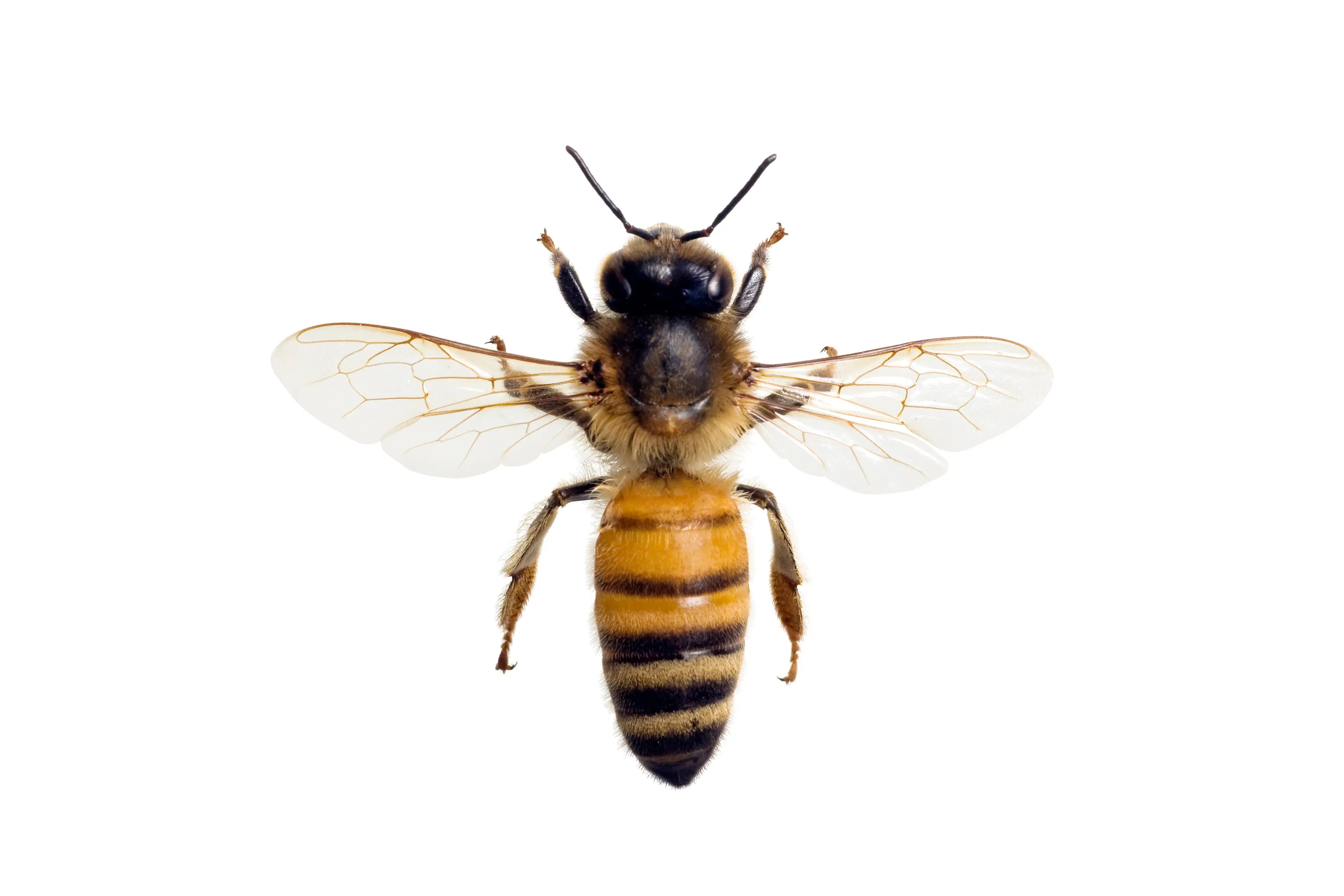
Honeybee

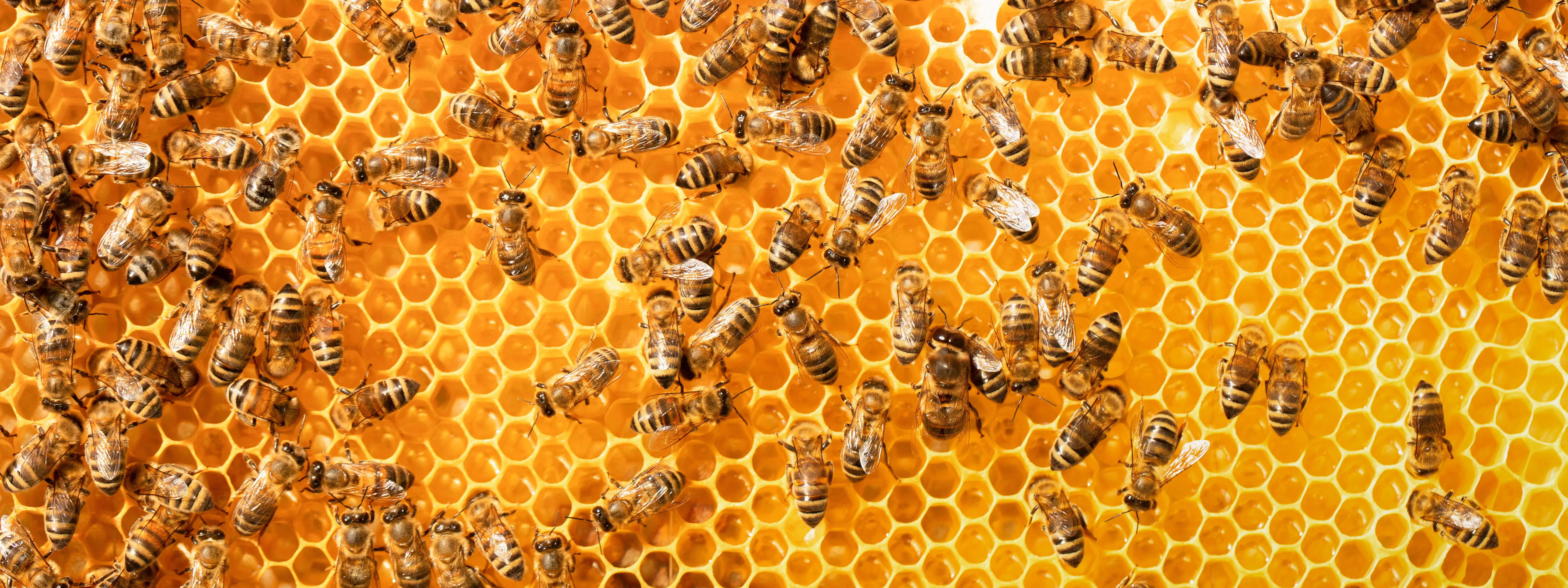
About half an inch long with slender, furry bodies featuring pale yellow or tan stripes. They live in hives in hollow trees, on branches, or in man-made bee boxes. Honeybees die after stinging due to their barbed stingers.

Bumblebee

Large, oval-shaped, furry insects with black bodies and yellow stripes (0.5 to 1 inch). They typically nest in the ground and do not die after stinging because they have smooth stingers.

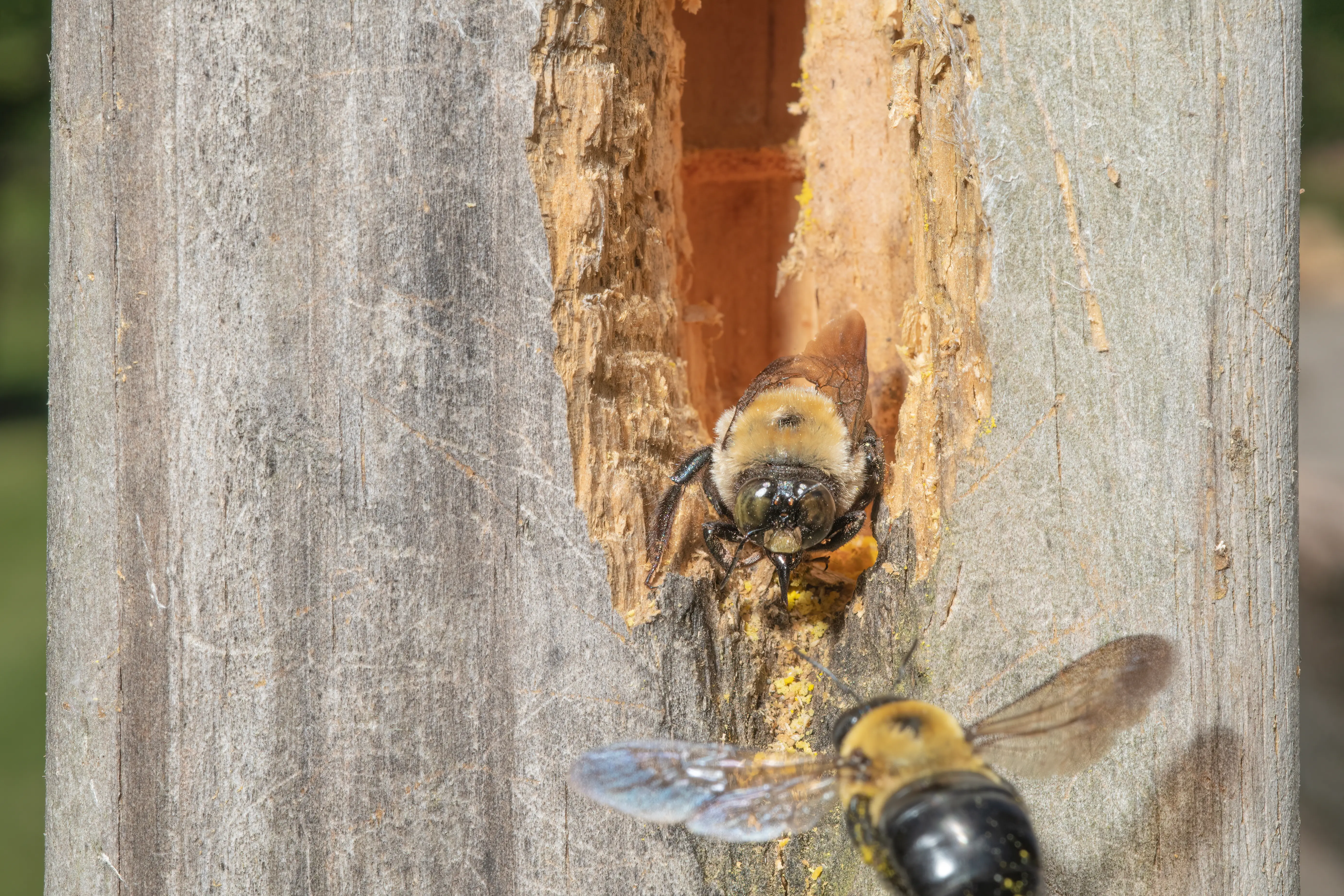
Carpenter Bee

Larger flying insects (0.75 to 1 inch) with shiny black bodies and yellow hairs on their thorax. They nest in wood. Only females can sting, and males are unable to sting at all.

Sweat Bee

Small, often metallic-colored bees (0.12 to 0.5 inches) attracted to human sweat. Generally not aggressive but can sting if provoked.

Africanized Honeybee

Also known as "killer bees." Similar to regular honeybees but far more aggressive and likely to swarm unprovoked. They sting in large numbers and can be very dangerous.

Do All Bees Die When They Sting?

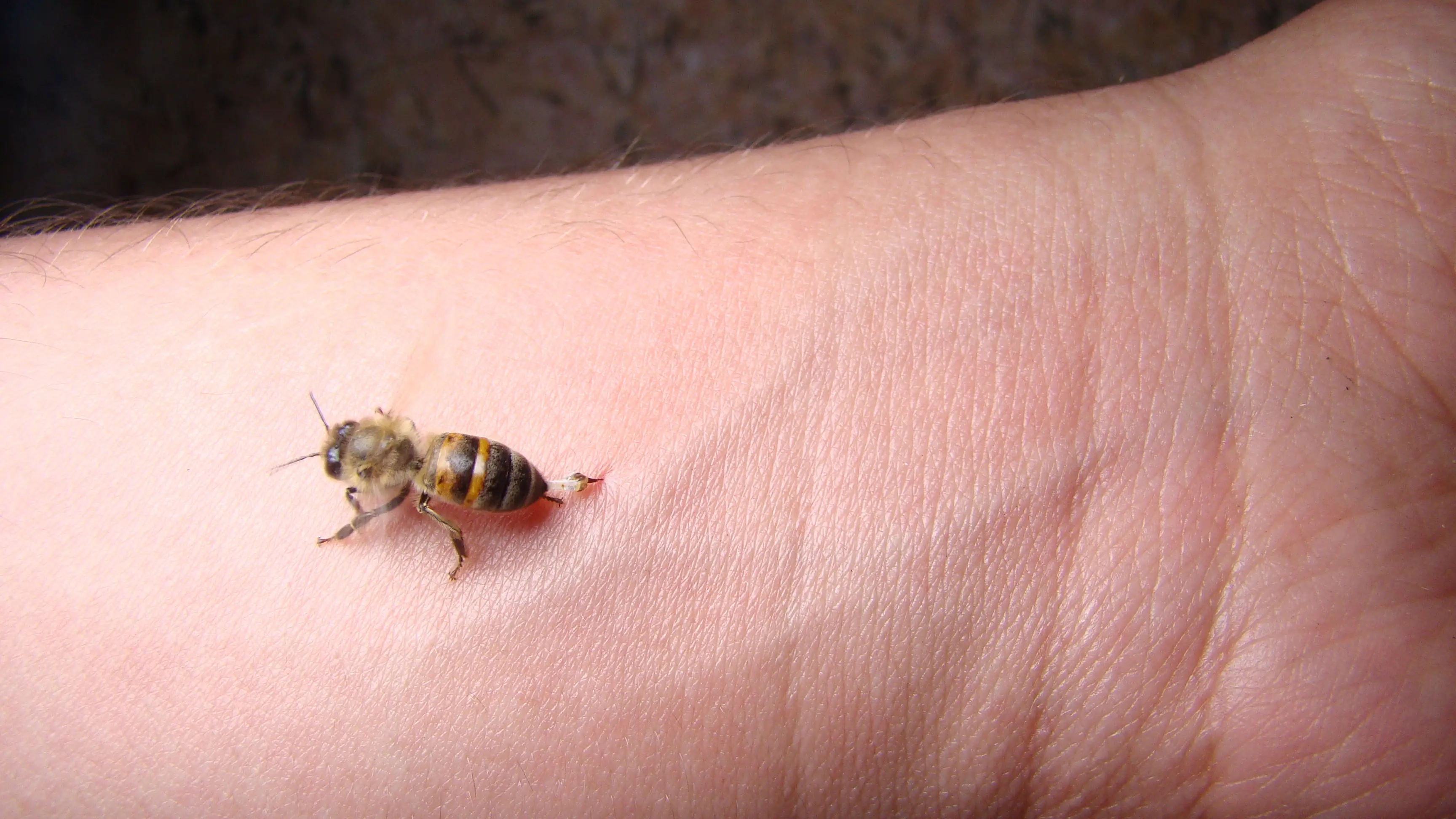
Not all bees die when they sting, but honeybees do. This is due to the unique structure of their stinger, which has barbs much like a fishhook.

Honeybees Die

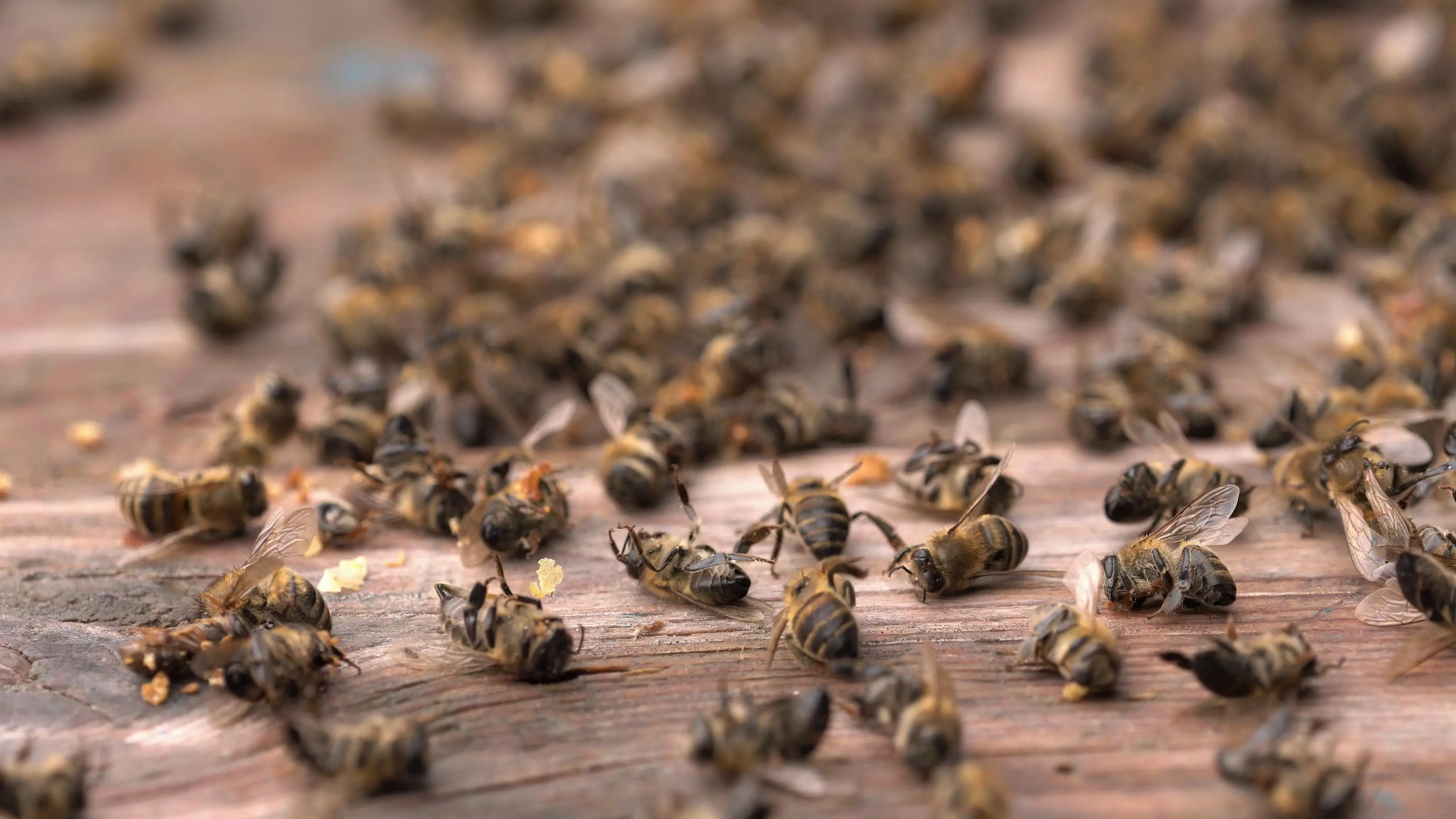
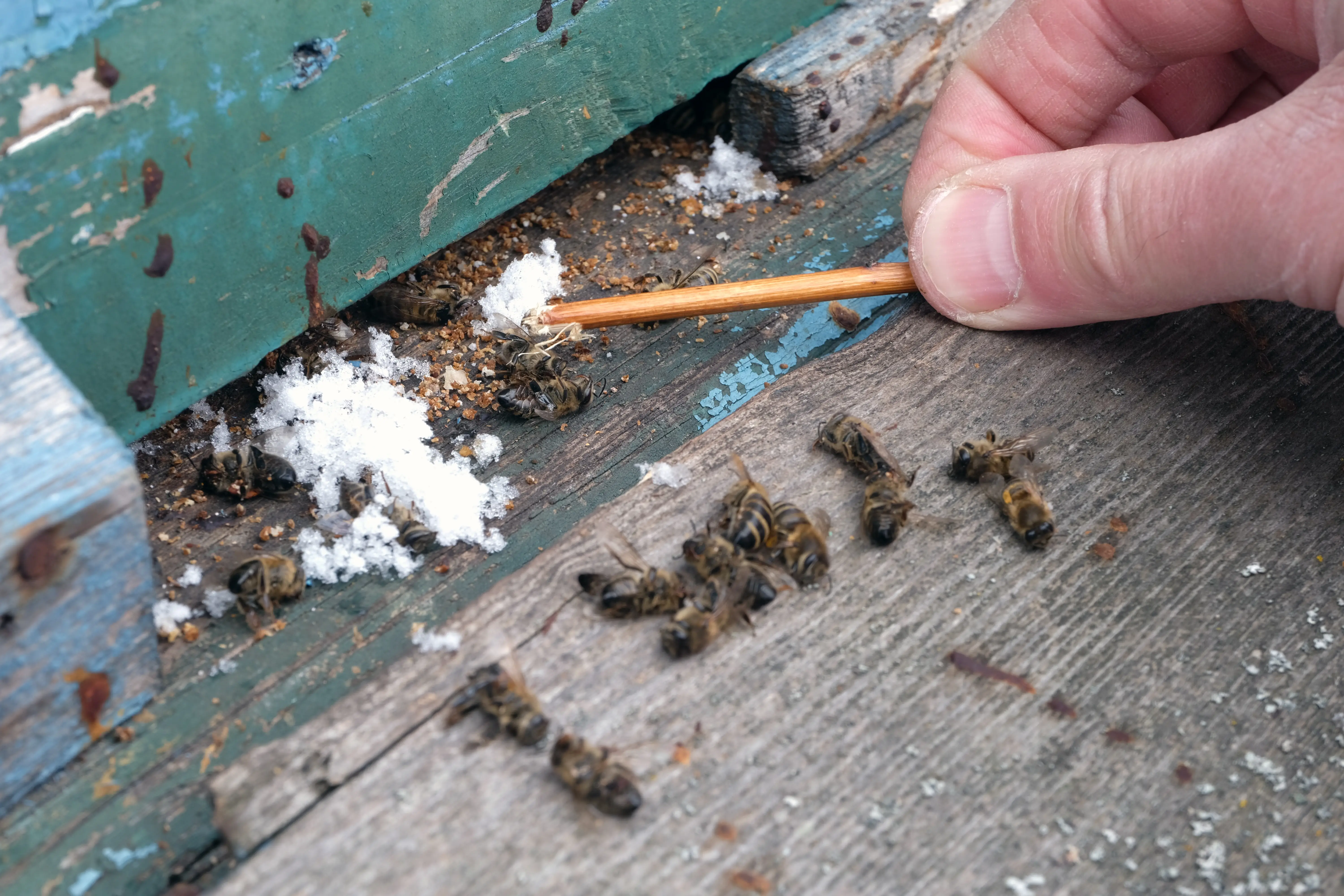
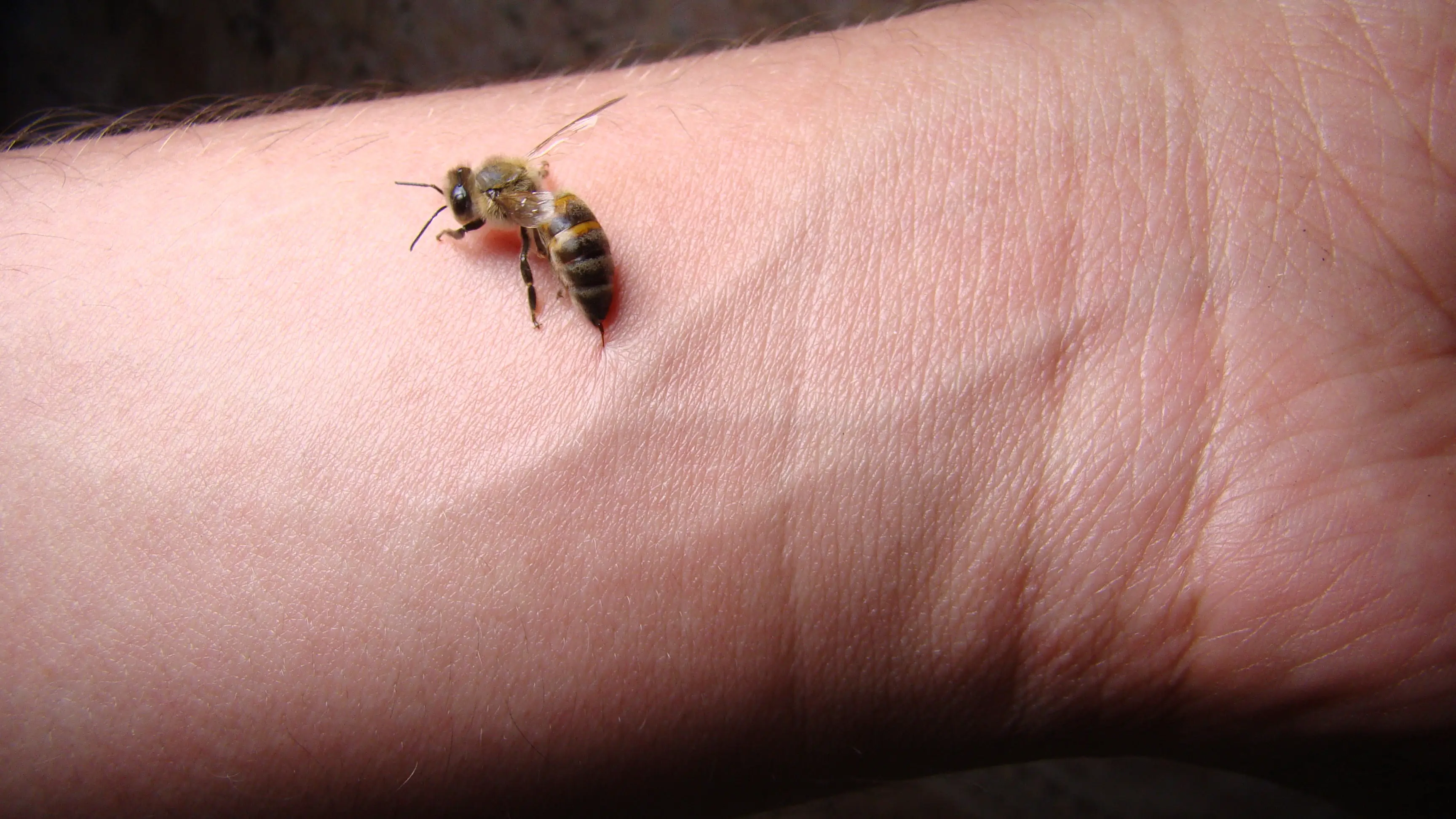
When a honeybee stings, the barbed stinger becomes lodged in skin. As the bee pulls away, the stinger and venom sac are ripped from its body. This fatal injury leads to the bee's death. The detached stinger continues to inject venom for up to ten minutes.

Other Bees Survive

Most other bee species do not die after stinging. Bumblebee stingers are smooth, which allows them to sting multiple times without losing their stinger or sustaining fatal injuries.

Why Do Bees Sting if it Kills Them?

Bees are not aware that stinging will kill them. Their primary objective is to defend their colony, the queen, and the hive from threats. The survival of the hive is paramount, and individual bees instinctively sacrifice themselves to ensure the colony's safety and continuity.

Dealing with a Bee Infestation?

Our experts safely remove or relocate bees while protecting these essential pollinators.

Call (866) 326-2847

What Increases Your Risk of Being Stung?

Bee stings are common during warm weather when bees are most active. Several factors can increase your risk:

Proximity to Hives

Being close to hives in gardens, parks, or near flowering trees significantly increases sting likelihood.

Bright Clothing

Wearing bright colors and floral patterns can attract bees, as they may mistake you for a flower.

Strong Scents

Perfumes, scented lotions, and hair products can attract bees and increase sting risk.

Open Food & Drinks

Bees are attracted to sugary foods and drinks, so consuming these outdoors can draw bees closer.

Outdoor Activities

Gardening, hiking, or playing sports can expose you to areas where bees are active.

Disturbing Hives

Attempting to remove or destroy a beehive can provoke bees and lead to multiple stings.

Bee Sting Symptoms

Bee stings are painful due to the venom injected. The pain comes from toxic components designed to cause immediate pain and deter threats.

Common Symptoms

  • Burning pain that radiates from the sting site
  • Redness and swelling around the area
  • Itchy skin surrounding the sting
  • Skin discoloration at the sting location

Pain-Causing Agents in Venom

  • Melittin: Binds to red blood cells, causes hemoglobin release
  • A-Hyaluronidase: Breaks down cells, helps venom spread
  • Phospholipase-A: Disrupts biochemical reactions, causes cell breakdown

Bee Sting Allergies

Bee sting allergies can range from mild to severe. A small percentage of people experience life-threatening reactions known as anaphylactic shock, which requires immediate medical attention.

Allergic Reaction Symptoms (Seek Emergency Help)

• Hives• Difficulty breathing• Swelling of tongue/throat• Lightheadedness or dizziness• Stomach cramps• Nausea or diarrhea• Rapid pulse• Tightness in chest• Loss of consciousness

Epinephrine Autoinjector

Individuals with known bee sting allergies should carry an EpiPen, which provides a life-saving injection to stimulate the heart and relax airways.

Desensitization Program

For severe allergies, a series of venom injections in gradually increasing doses can build tolerance. This takes several months but has a high success rate. Always administered by a physician.

How to Prevent Bee Stings

Being aware of your surroundings and taking precautionary measures can significantly reduce your risk of getting stung:

1

Stay Calm

Avoid swatting at bees. Sudden movements make them feel threatened.

2

Wear Light Colors

Bees are less attracted to light-colored clothing compared to dark or bright colors.

3

Skip the Perfume

Avoid flowery perfumes and scented lotions outdoors. Opt for unscented products.

4

Cover Food & Drinks

Keep sugary items covered when outdoors to avoid attracting bees.

5

Wear Shoes

Many stings occur when people step on bees. Always wear shoes in grassy areas.

6

Avoid Hives

Keep your distance from beehives. Contact a professional for safe removal.

Are Bee Swarms Dangerous?

Generally Not Dangerous

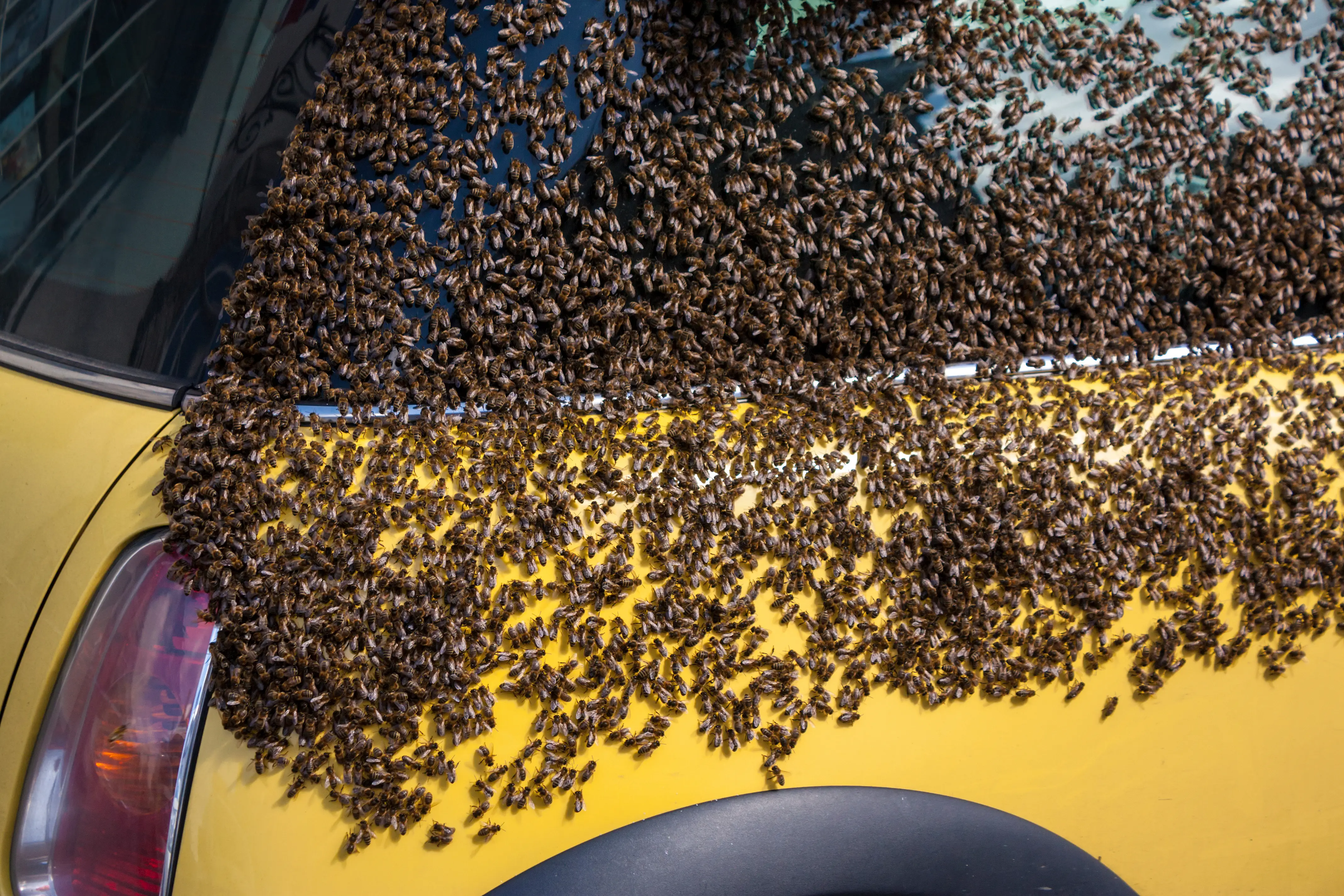
When bees swarm, they are relocating to a new home. They are less likely to sting because they are focused on finding a nesting site. Bees also gorge on honey before leaving, which makes them less capable of stinging.

What to Do

If a swarm settles in an inconvenient location, contact a local beekeeping association. Experienced beekeepers can safely relocate the swarm without harming the bees or posing a threat to people.

Bee Sting Treatment

When treating a bee sting, act quickly to minimize the effects of the venom:

1

Remove the Stinger

Use a fingernail, credit card, or gauze to gently scrape it out. Do not use tweezers as squeezing can inject more venom.

2

Clean the Wound

Wash the area thoroughly with soap and water to prevent infection.

3

Apply Ice

Wrap an ice pack in a towel and place it on the sting site to reduce swelling and numb pain.

4

Take Medication

Antihistamines (Benadryl) can reduce itching/swelling. Pain relievers (ibuprofen, acetaminophen) can help with pain. Calamine lotion or hydrocortisone cream can ease itching.

Watch for Severe Reactions

Monitor the sting site for signs of severe allergic reactions like difficulty breathing or swelling that spreads beyond the sting area. If serious symptoms occur, seek emergency medical attention immediately.

What to Do If Attacked by Bees

If you are attacked by bees, act quickly and follow these steps:

Stay Calm

Panicking can escalate the situation and make bees more aggressive.

Cover Your Head

Use a shirt or jacket to cover your head and face. Bees often target these areas.

Run to Safety

Move steadily in a straight line toward a building or vehicle.

Seek Shelter

Get inside a sealed environment where bees cannot follow you.

Do NOT Hide Underwater

Bees will wait for you to surface. Find enclosed shelter instead.

Do NOT Swat

Swatting releases alarm pheromones that attract more bees to attack.

Contact EcoGuard for Professional Bee Removal

If you are dealing with bees on your property, it is essential to handle the situation carefully. While bees play a crucial role in our ecosystem, their presence can sometimes pose a threat to your safety. Our team is equipped with the knowledge and expertise to safely manage bee infestations, ensuring your home and surroundings are secure.

Call (866) 326-2847Get Free Quote

Bee Sting FAQs

What attracts a bee to sting you?

Bees are most likely to sting when they feel threatened or provoked. This can happen if you accidentally disturb their hive, swat at them, or step on one. Bright colors, strong scents like perfumes, and sweet drinks can also attract bees, which increases the likelihood of getting stung.

What happens to a bee when it stings you?

When a honeybee stings you, its barbed stinger gets lodged in your skin, which causes the bee to tear away part of its abdomen as it flies off. This injury is fatal to the bee. The stinger continues to pump venom into the wound, which is why it is important to remove it quickly.

Do bees sting if you are scared?

Bees do not sting simply because you are scared. However, if you react by swatting at them or making sudden movements, they may feel threatened and be more likely to sting in self-defense. Remaining calm and still is the best way to avoid provoking a bee.

Do bees intentionally sting?

Bees do not sting intentionally or out of aggression. They sting primarily in self-defense or to protect their hive. When a bee feels threatened or perceives danger to its colony, it may sting to ward off the threat.

From Our Blog

Related Articles

Are Honeybees Dangerous to Humans? Bee Safety Guide

Are Honeybees Dangerous to Humans? Bee Safety Guide

Learn when honeybees become dangerous, symptoms of bee stings, Africanized bees, and when to call professional bee...

Read Article
Are Honeybees Endangered Species in the US?

Are Honeybees Endangered Species in the US?

Learn about honeybee and native bee population status, Colony Collapse Disorder, why bees are declining, and how to...

Read Article
Do Bees Die After They Sting You? The Truth About Bee Stingers

Do Bees Die After They Sting You? The Truth About Bee Stingers

Learn which bees die after stinging, why honeybees sacrifice their lives, how the stinger works, and what to do if you...

Read Article
Do Bees Fly at Night? Nocturnal vs Diurnal Bee Behavior

Do Bees Fly at Night? Nocturnal vs Diurnal Bee Behavior

Learn which bees can fly at night, why most bees are diurnal, and how nocturnal bees have adapted to see in the dark....

Read Article
Do Bumble Bees Sting Humans? Stings, Reactions & Treatment

Do Bumble Bees Sting Humans? Stings, Reactions & Treatment

Learn if bumble bees sting, why they sting, how painful their stings are, allergic reactions, and treatment options for...

Read Article
Do Carpenter Bees Sting? Sting Treatment & Prevention

Do Carpenter Bees Sting? Sting Treatment & Prevention

Learn if carpenter bees sting, the difference between male and female carpenter bees, sting treatment, allergic...

Read Article
How Long Do Bees Live? Lifespan by Species & Role

How Long Do Bees Live? Lifespan by Species & Role

Learn how long different bee species live including honeybees, bumblebees, and carpenter bees. Discover lifespan...

Read Article
How Long Does a Queen Bee Live? Lifespan & Life Cycle Guide

How Long Does a Queen Bee Live? Lifespan & Life Cycle Guide

Learn how long queen bees live, their life cycle from egg to matriarch, mating flights, succession, and what happens...

Read Article
How to Get Rid of a Beehive Safely | Complete Removal Guide

How to Get Rid of a Beehive Safely | Complete Removal Guide

Learn how to safely remove a beehive from your property. Professional removal steps, DIY precautions, what to avoid,...

Read Article
How to Repel Bees Naturally from Your Yard

How to Repel Bees Naturally from Your Yard

Learn natural ways to repel bees including deterring plants, essential oils, and habitat modification. Keep bees away...

Read Article
Identifying Different Types of Bee Species | Complete Guide

Identifying Different Types of Bee Species | Complete Guide

Learn to identify different bee species including honeybees, bumblebees, carpenter bees, and more. Understand...

Read Article
When Are Bees Most Active? Daily & Seasonal Bee Activity

When Are Bees Most Active? Daily & Seasonal Bee Activity

Learn when bees are most active throughout the day and year. Understand bee seasons, temperature requirements, and when...

Read Article
Where Do Bees Go in the Winter?

Where Do Bees Go in the Winter?

Learn how honeybees, bumblebees, and solitary bees survive winter through clustering, hibernation, and dormancy, and...

Read Article