
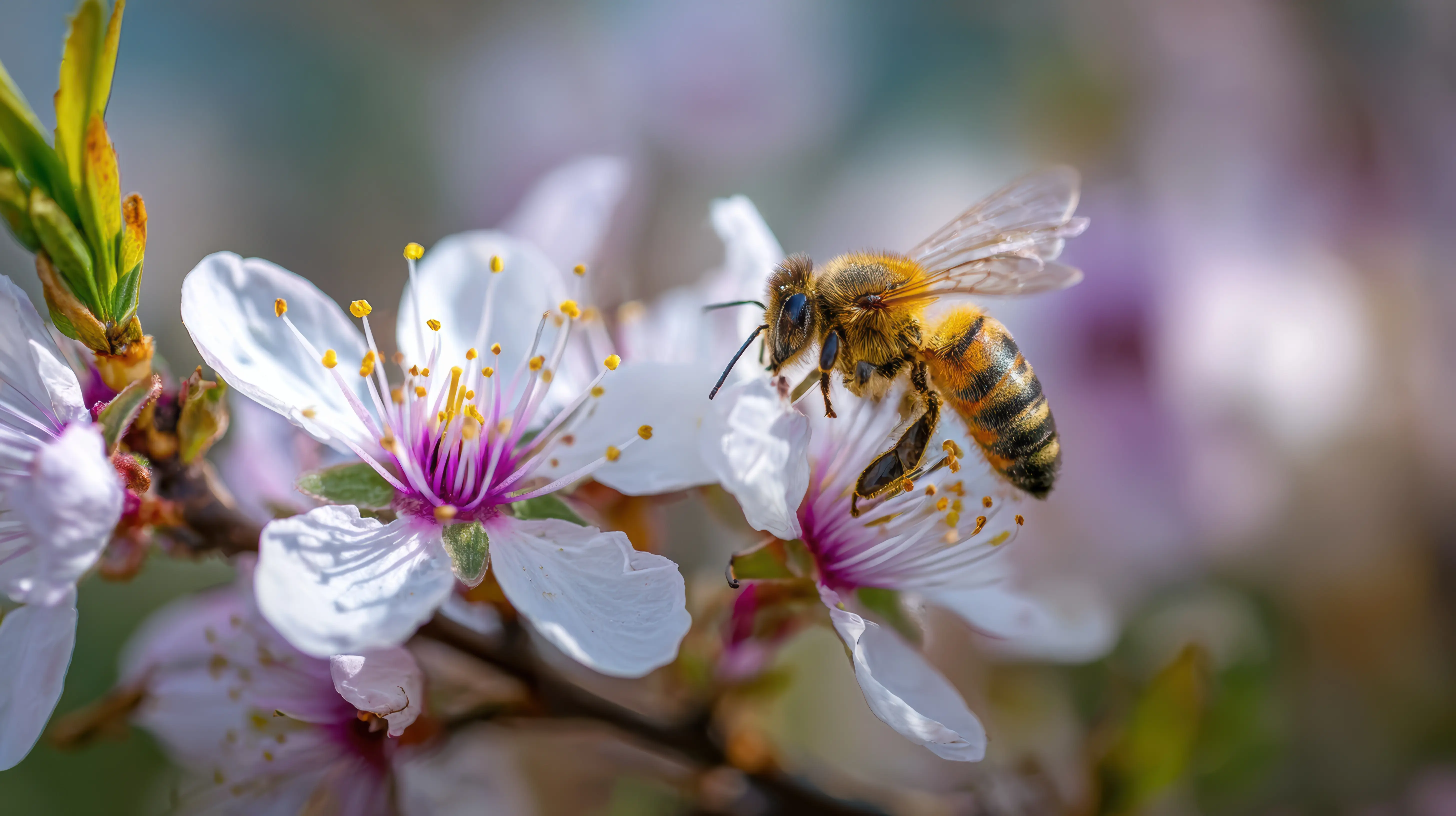
Bees are a crucial component of our ecosystem, contributing to the pollination of flowers, fruit trees, and food crops. There are around 20,000 species of bees, which can be categorized into numerous types. Each species has distinct characteristics, making identification valuable for those who interact with these insects in gardens or farms.
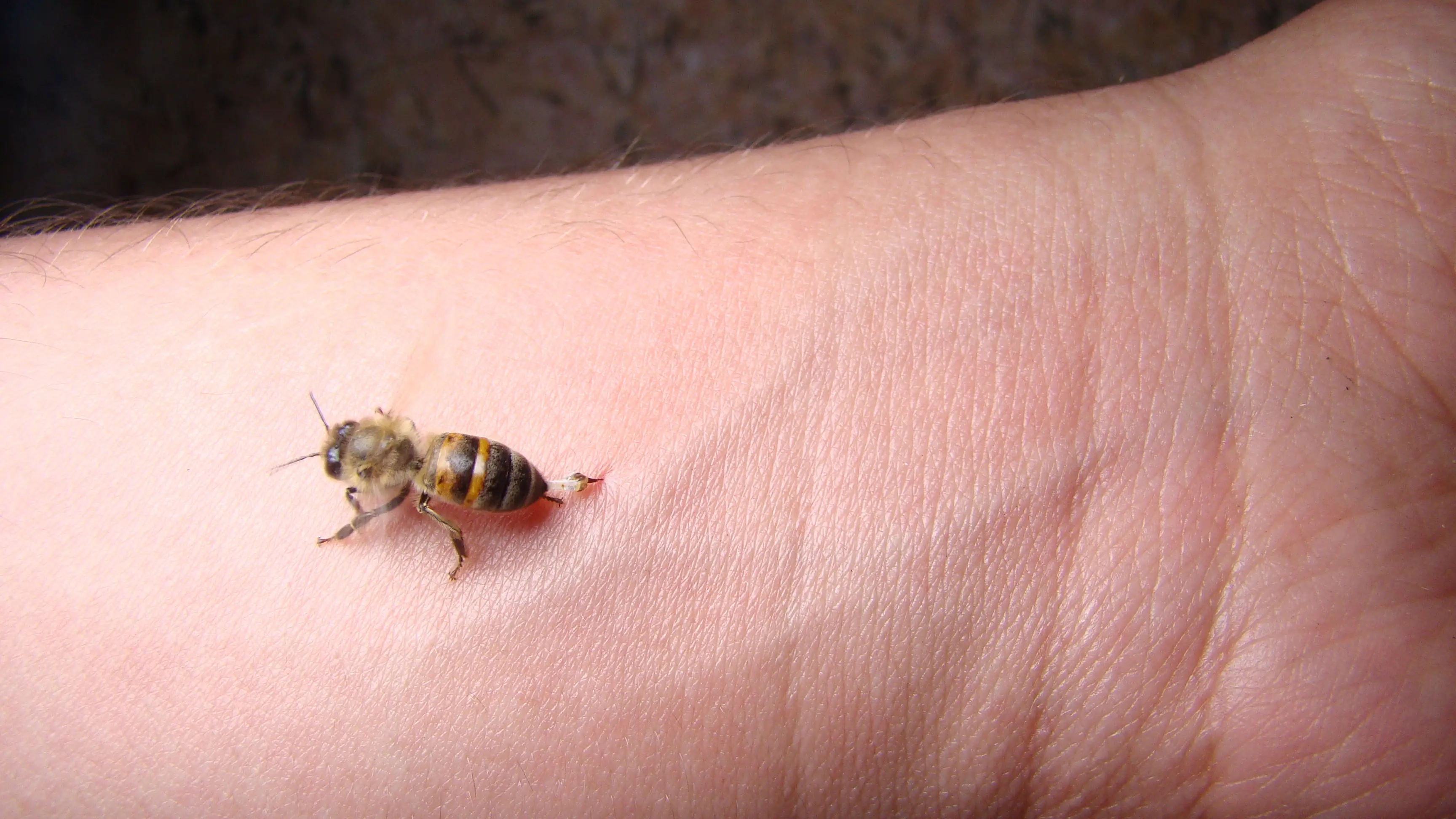
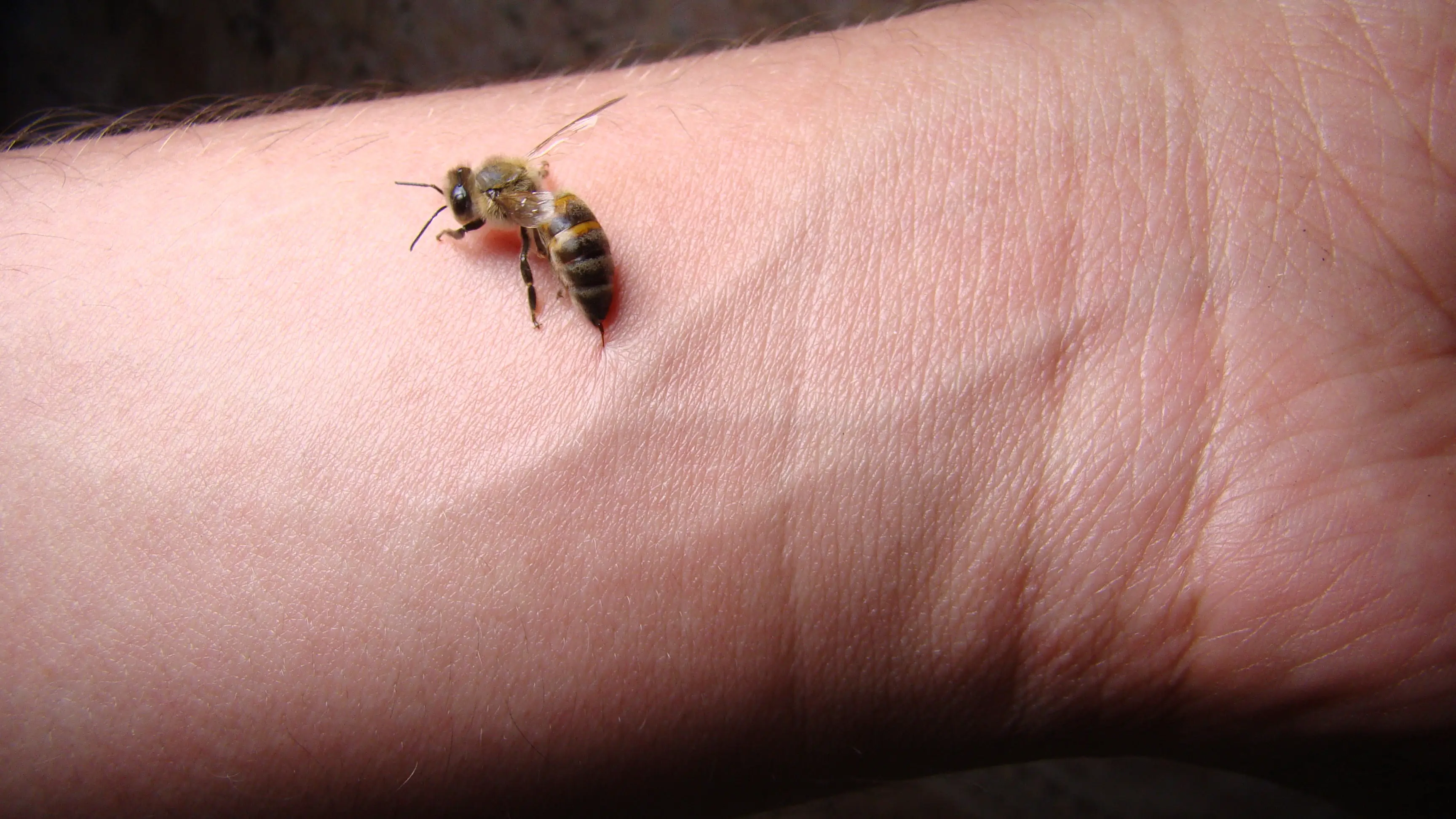
Although all bees can sting, they are typically non-aggressive unless provoked. Bees show more interest in plants than humans. However, accurate identification is important for conservation, ecological reasons, and safety — especially since wasps and hornets are far more aggressive.
Key Classification
Bees fit into two major classifications: Social bees (honeybees, bumblebees) live in colonies with complex social structures. Solitary bees (most species) live and operate independently.
In This Article:
Quick ID Guide
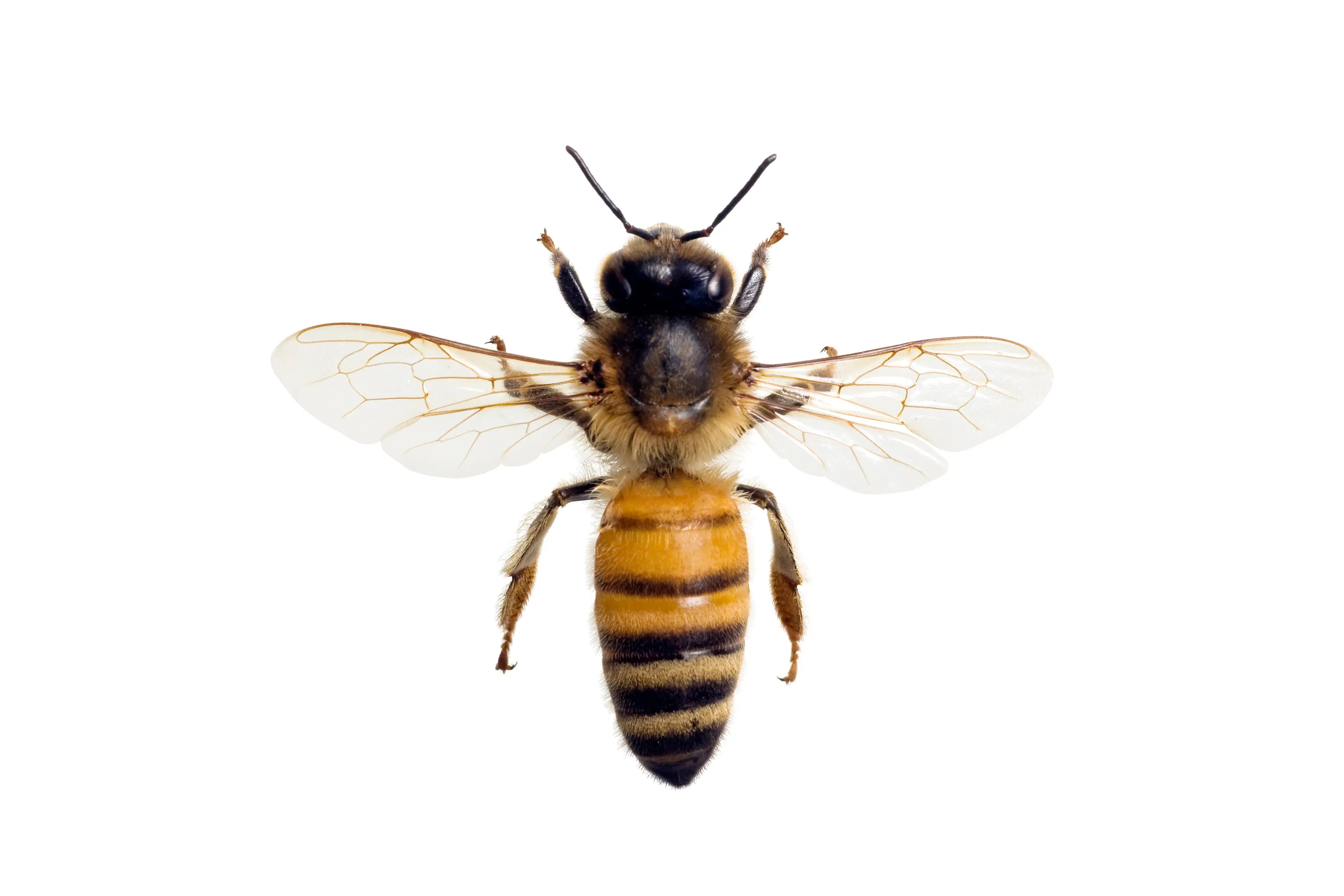
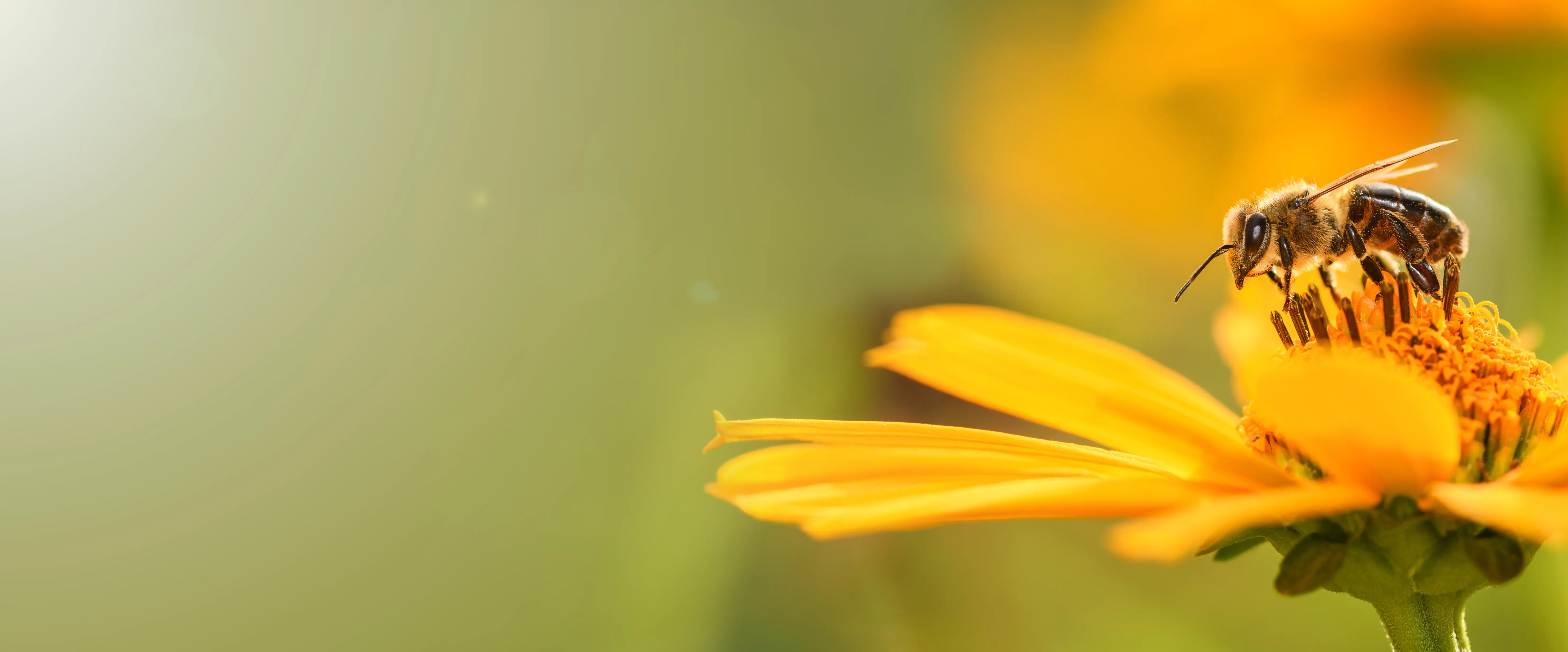
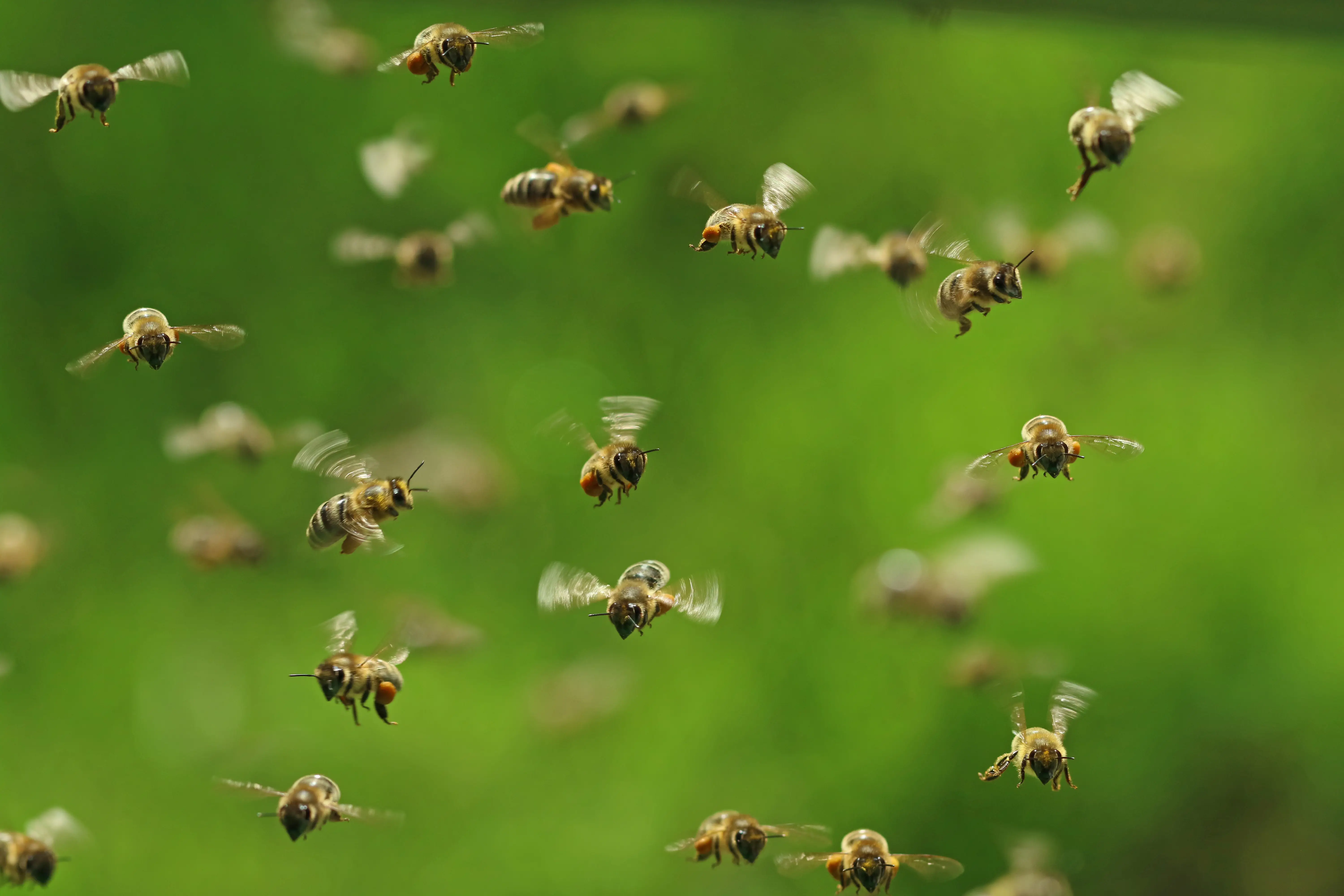
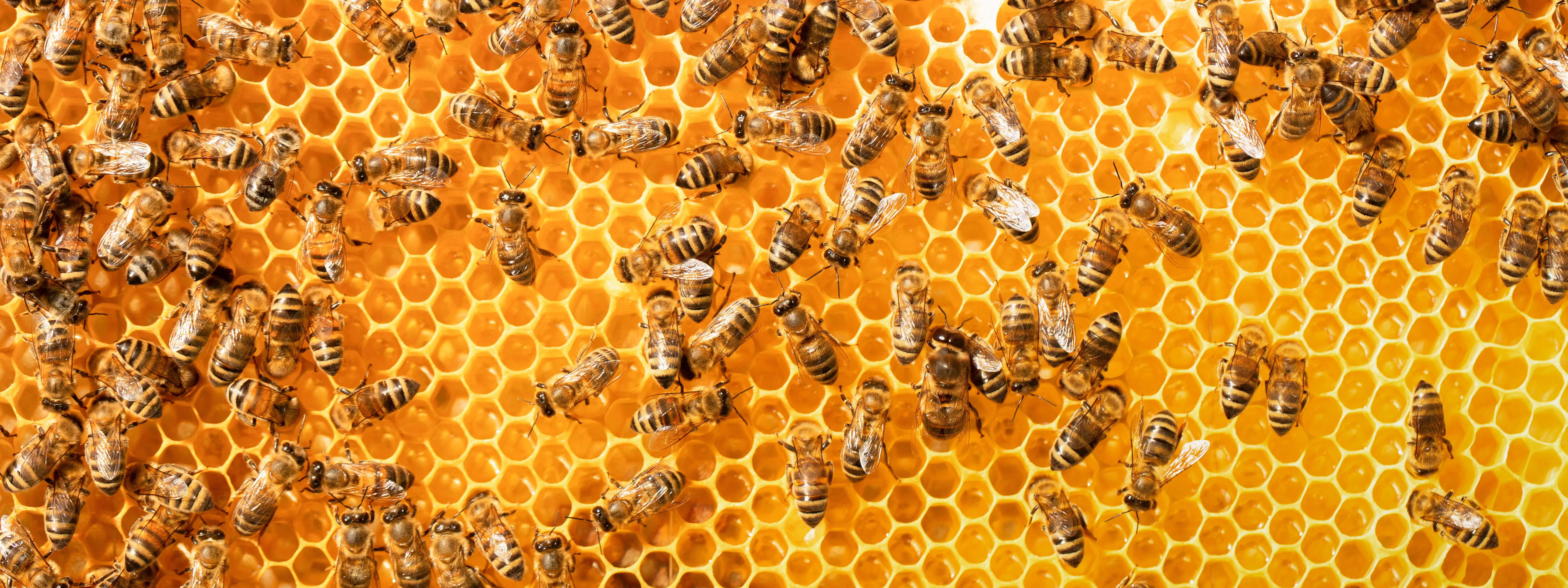
Golden brown, black stripes, 0.5-1 inch
Chunky, fuzzy, black/yellow, 0.5-1 inch
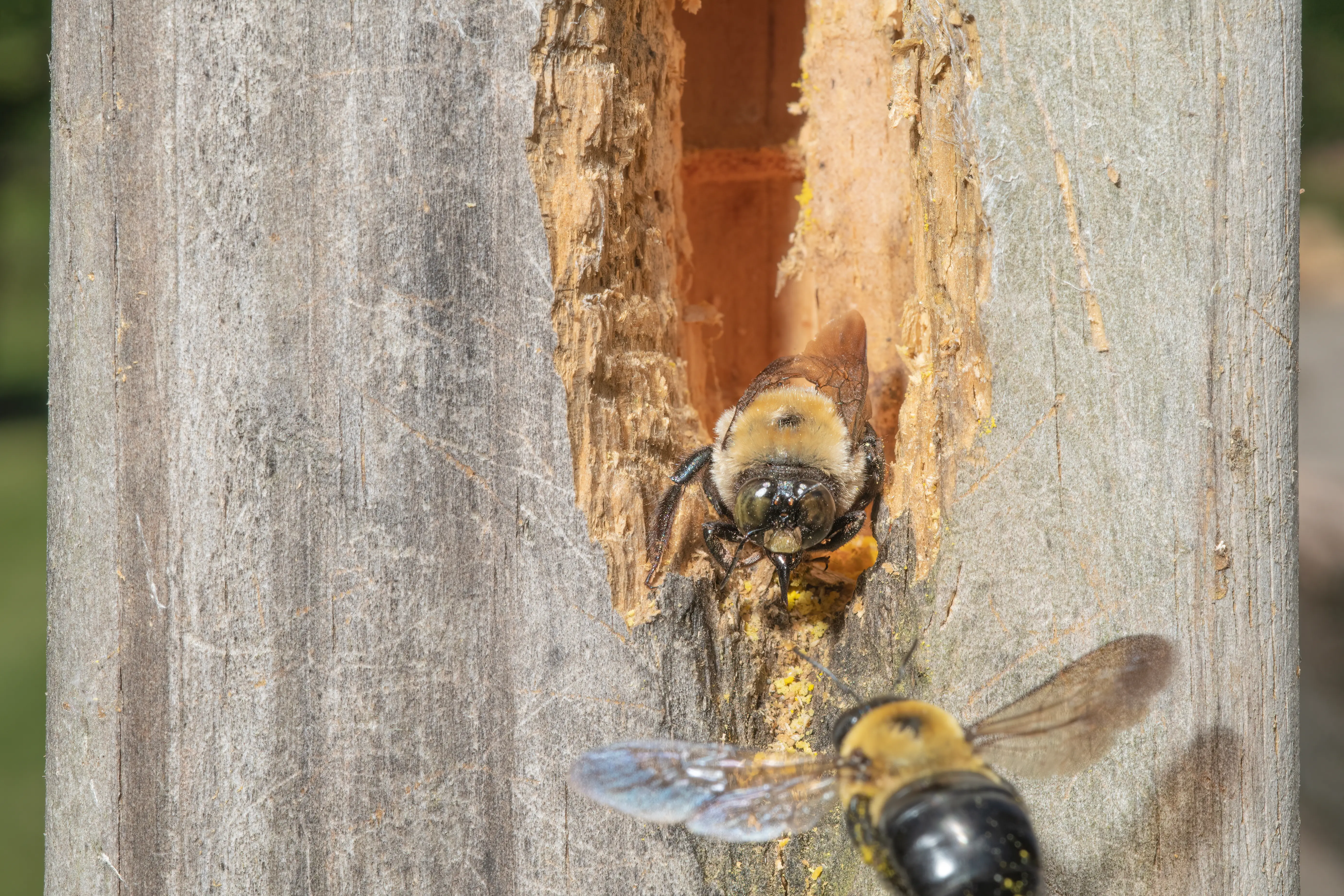
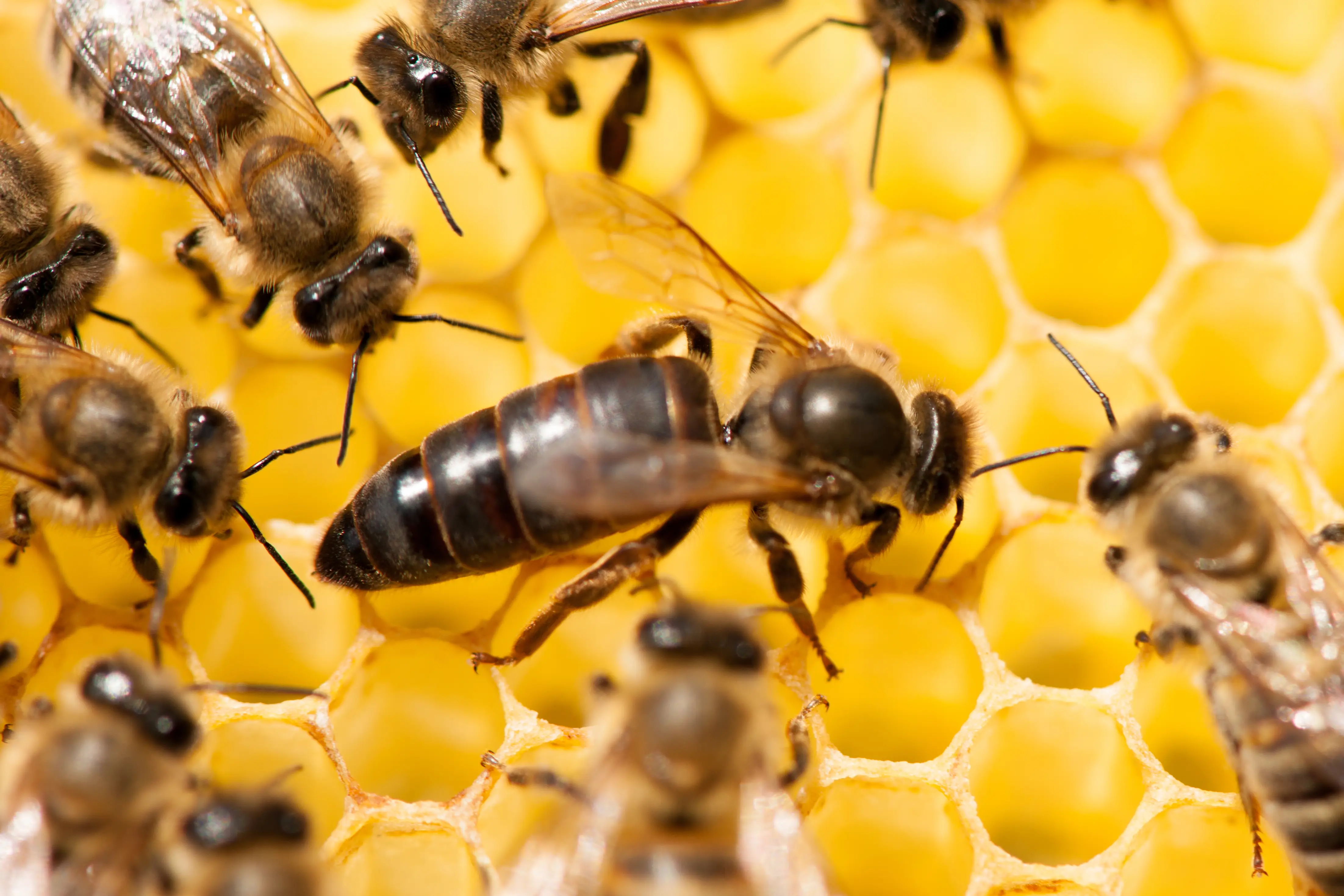
Large, shiny black abdomen, 0.5-1 inch
Like honeybee, more aggressive
Social Bees
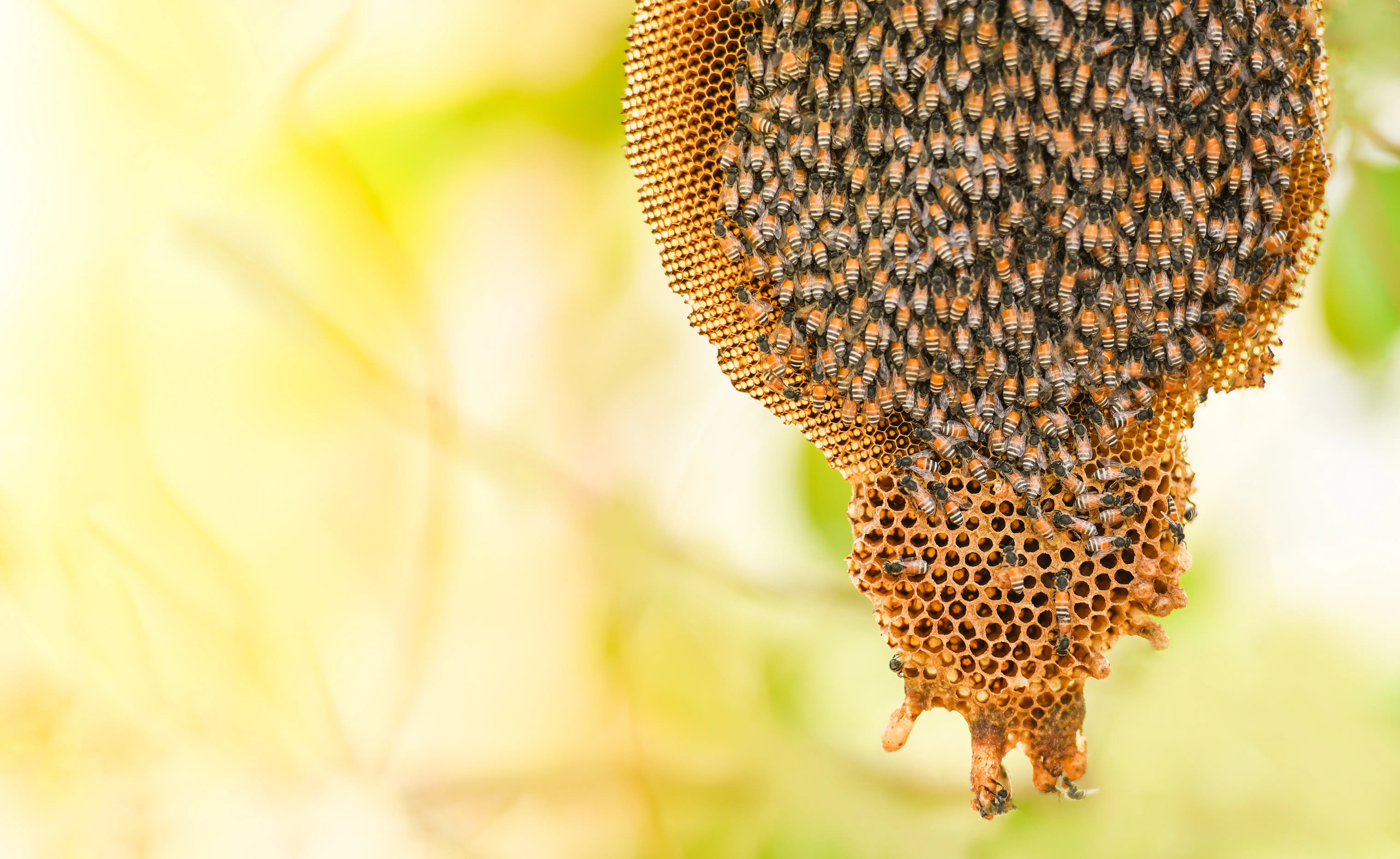
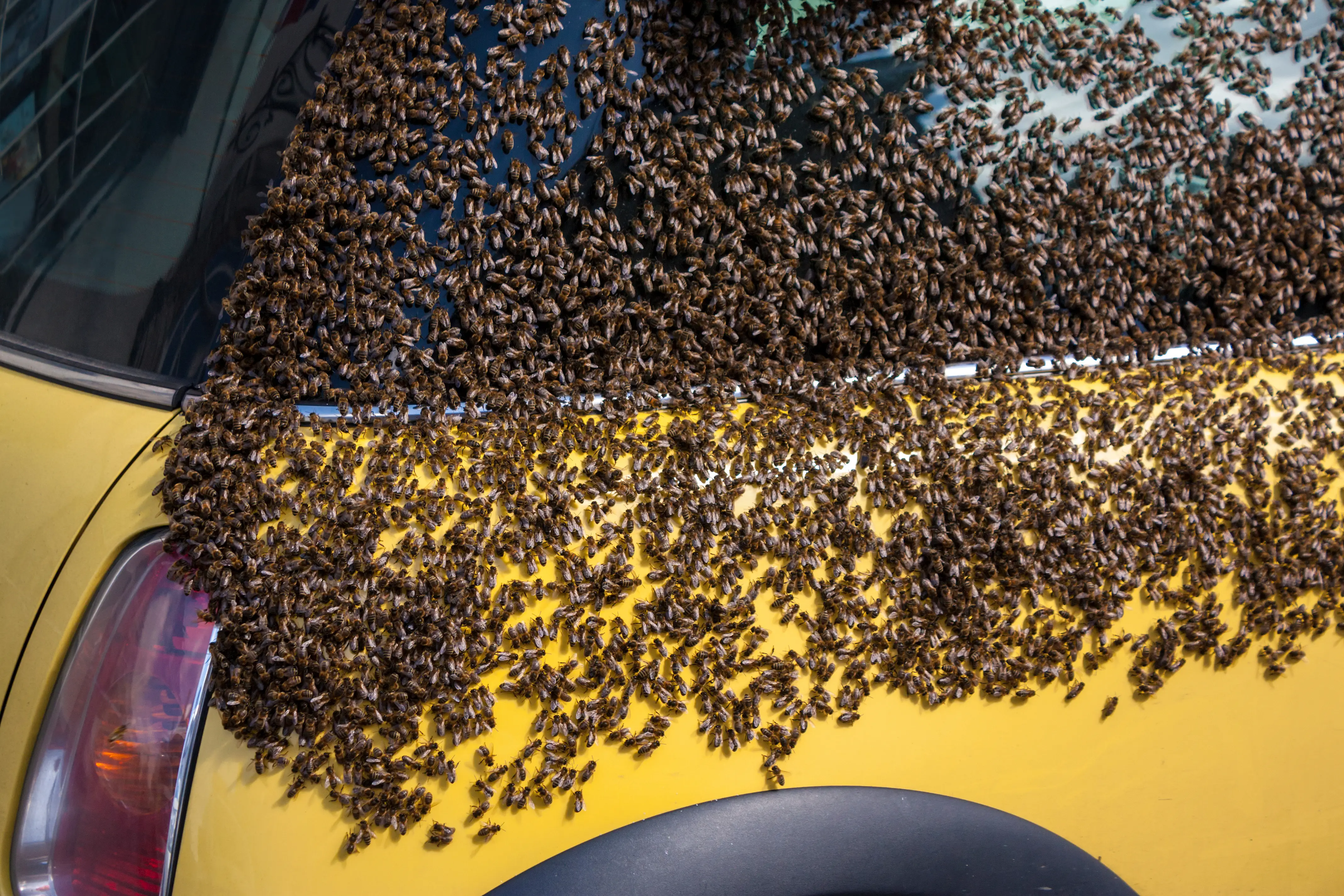
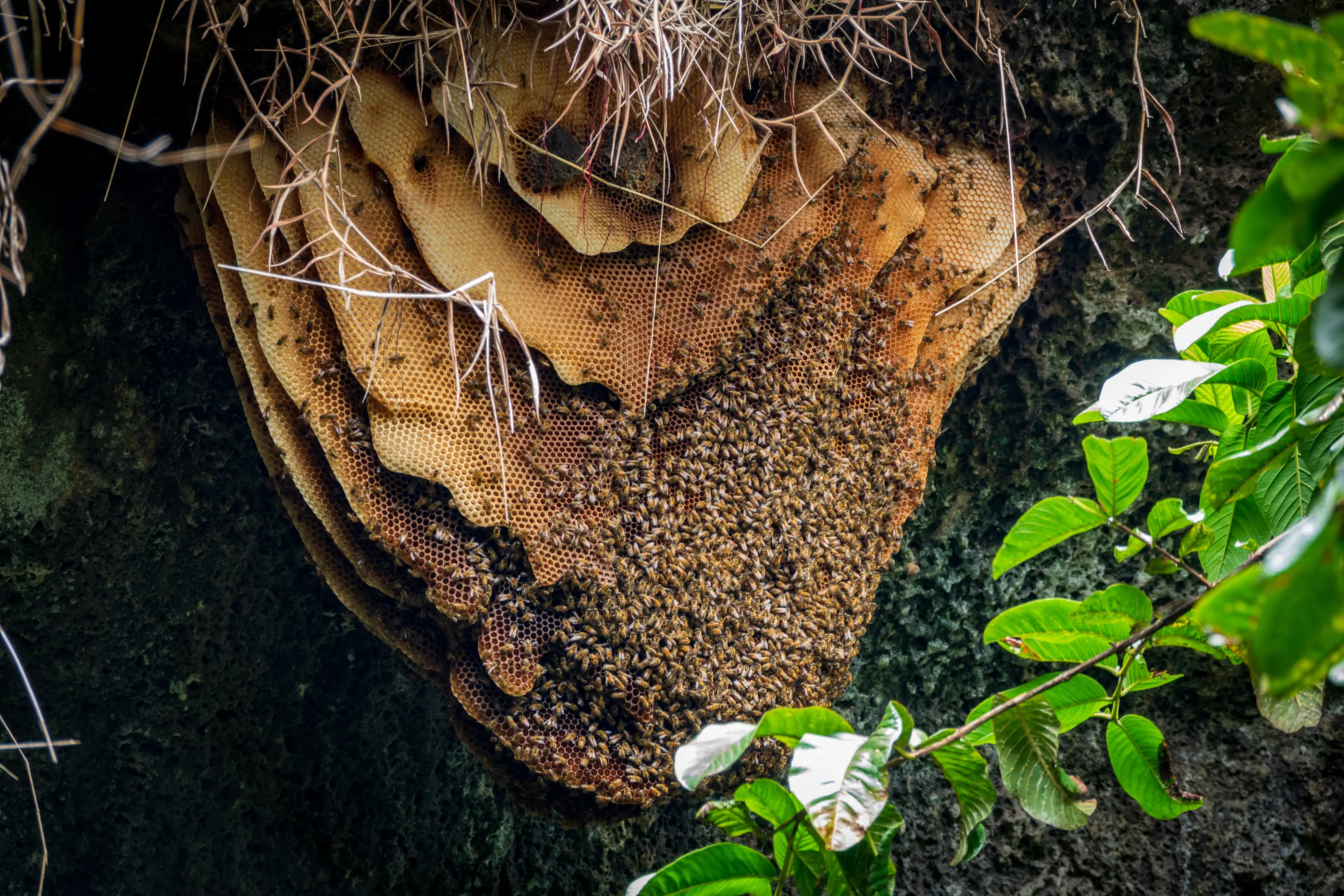
Social bees are known for their complex communal structures. These species form large colonies where each bee has a designated role — from comb production to larval nourishment to honey making. These are the bees typically observed constructing hives or working in unison.