EcoGuard Pest Management
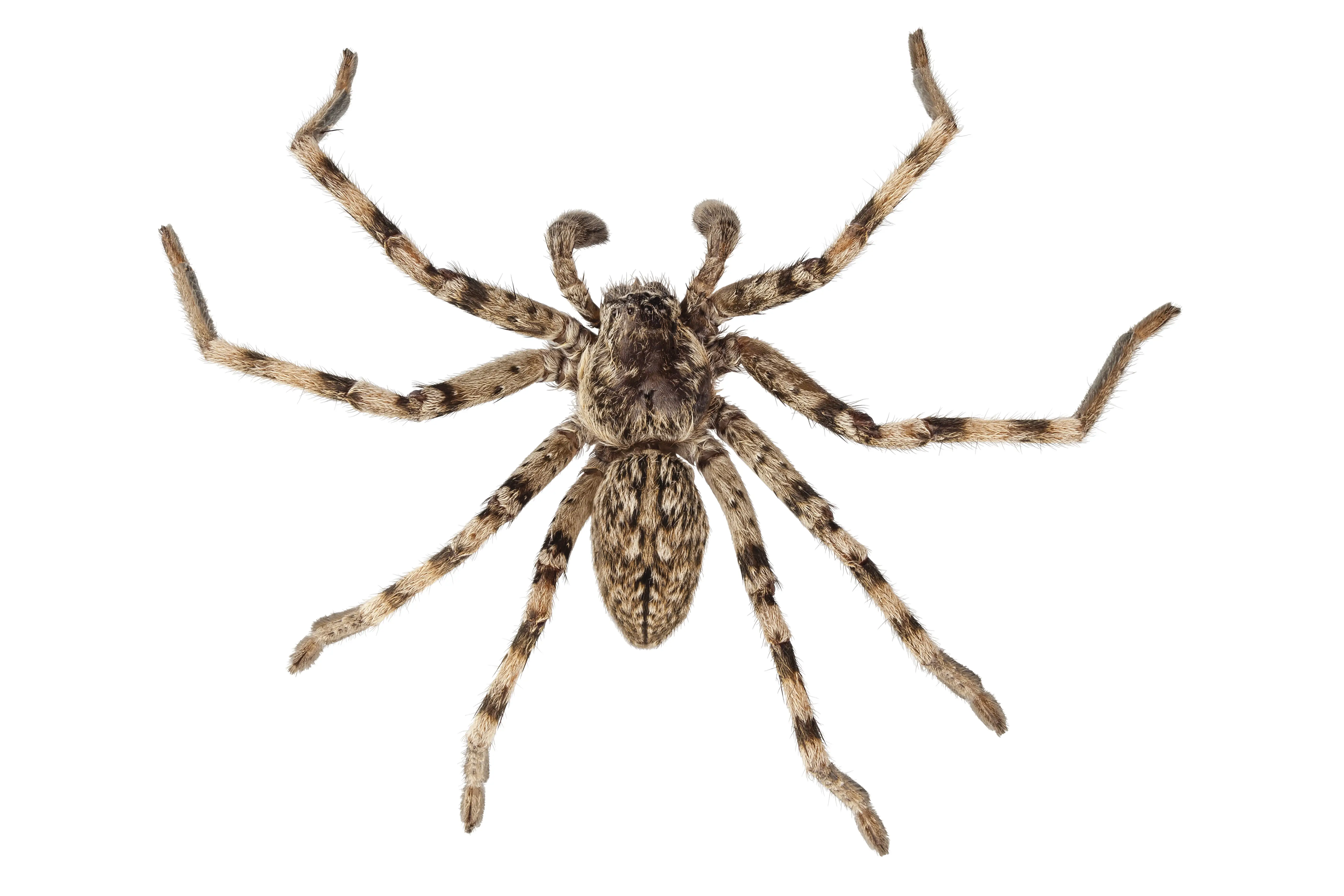
Wolf spider close-up
By Gary Anderson||5 min read

Are Wolf Spiders Poisonous?

Wolf spider bites, symptoms, treatment, and how to keep them out of your home.

Not Poisonous
Venom is mild
Wasp-Like Sting
Similar pain level
Few Days
Symptoms fade

Wolf spiders are not poisonous despite their intimidating look. However, they do have a venomous bite used to subdue prey. They generally will not attack, but if they do, there is a small chance you may need treatment.

Wolf spiders would rather run away and hide when threatened by larger creatures. They only attack or bite in self-defense. If you get bitten, expect pain and swelling similar to a wasp sting.

Good to Know: Wolf spiders are beneficial hunters that keep other pest populations low. There is no real reason to kill them.
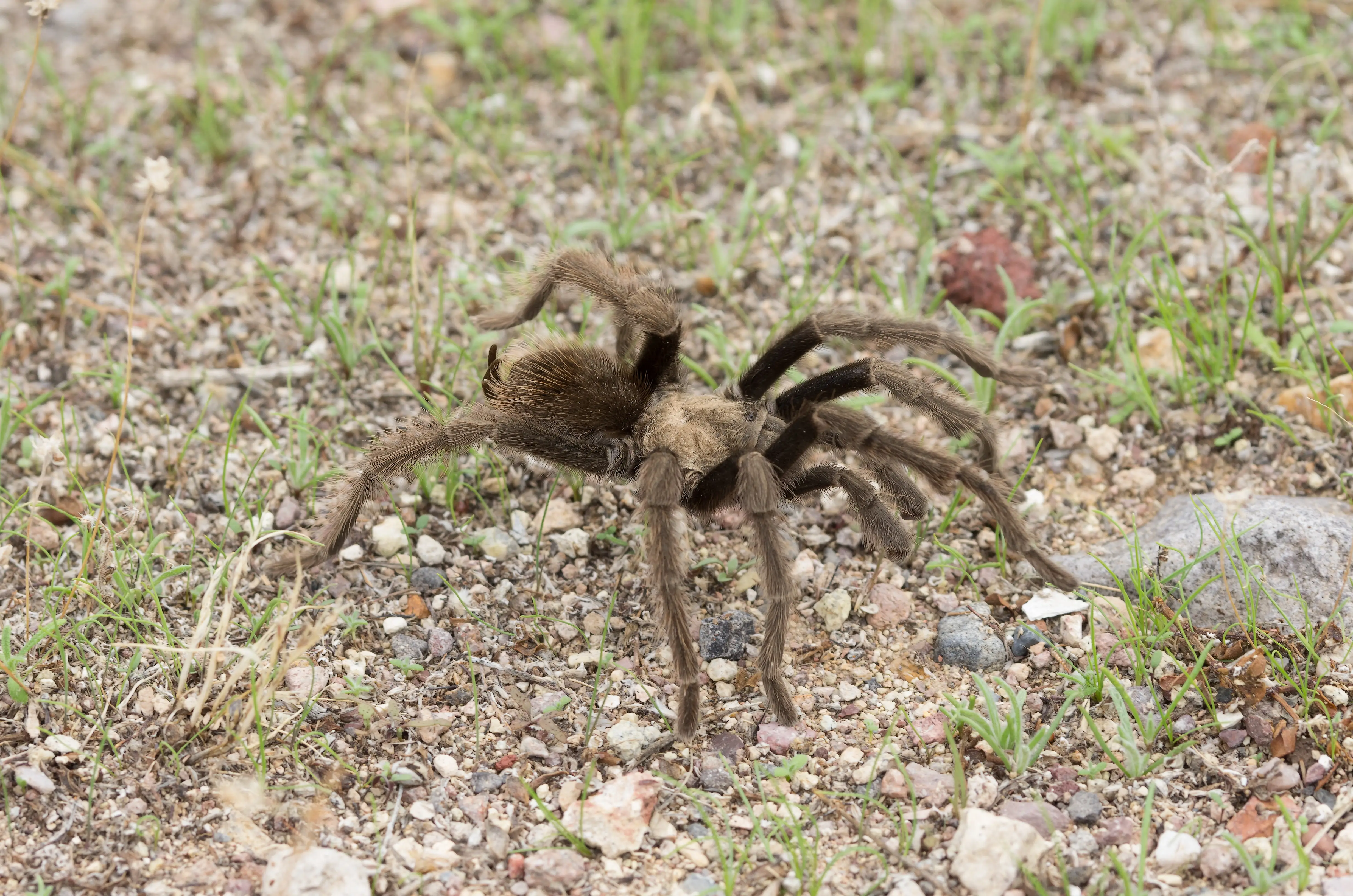
Do Wolf Spiders Bite?

Wolf spiders do not attack unless provoked, and their venom is usually harmless to large animals and people. You will rarely notice getting bitten, and when you do, it is most likely because you accidentally disturbed them.

Low Risk

Little health risk unless you have an allergic reaction to spider venom.

Self-Defense Only

They only bite when feeling trapped or threatened. Do not hold or touch them.

First Aid

Clean the wound and use something cold to minimize swelling.

Why Do Wolf Spiders Have Venom?

Wolf spiders carry venom to help them neutralize prey when hunting. Unlike other spiders, wolf spiders do not have webs, so they need to hunt and catch their prey directly.

After attacking, the venom slows and kills prey enough for the wolf spider to start feeding. Due to the sheer size of animals and humans, the venom is not enough to do much unless there is a severe allergic reaction.

Wolf Spider Bite Symptoms

Wolf spider bites generally look and react like other small insect bites. There may be an itchy red bump for a couple days but most initial pain wears off almost immediately. For less severe reactions, swelling and itching may go down after a few days.

Signs You May Need Medical Attention:

Veins darkening or rash from bite mark
Difficulty breathing
Swelling in face, mouth, or throat
Hives or red bumps around bite
Dizziness and nausea
Unconsciousness
Cramping or tight muscles around bite
Sweating with hot/cold fluctuations
Nausea or vomiting
Fever
Weakness or uncontrollable shaking
Intense headache

If symptoms persist: Your doctor may prescribe antihistamines to minimize allergic reaction or antibiotics for potential infection.

Wolf Spiders in Your Home?

Professional perimeter treatment stops spiders from entering.

Call (866) 326-2847

How to Treat Wolf Spider Bites

Treating a wolf spider bite is similar to how you would treat other insect bites:

1

Clean the Bite

Use antibacterial soap and water to kill bacteria and pathogens. Apply antibiotic ointment after cleaning.

2

Cold Compress

Use a cold compress to help reduce swelling.

3

Watch for Reactions

Pay attention for signs of severe allergic reactions.

4

Seek Help if Needed

In the event of severe allergic reactions, contact medical assistance right away.

5

Monitor the Bite

Watch for signs of extreme bruising, decay, or rot.

How to Prevent Wolf Spiders

Wolf spiders are shy and prefer outdoors but will find their way inside in search of food or shelter. Keep entry points sealed, house clean, and clutter removed. Vacuum darker areas where spiders like to hide.

Eliminate Hiding Places

They hide in undisturbed areas like closets and storage. Use sealed containers and clean these areas regularly.

Vacuum Regularly

Vacuum under furniture, drapes, and overlooked areas to disturb and catch lingering spiders.

Eliminate Food Sources

If you have other pest problems, there is a healthy food supply for apex spiders. Address other pests first.

Lemon Juice Deterrent

Wipe surfaces with lemon juice. It has been shown to be an effective spider deterrent.

Professional Spider Control

If there are signs of wolf spiders and you want to ensure they are no longer a problem, call EcoGuard Pest Management today to get a licensed technician out to apply a perimeter insecticide application. This preventative strategy should stop wolf spiders from coming into your home.

Call (866) 326-2847Get Free Quote

Wolf Spider FAQs

Should I kill a wolf spider?

Wolf spiders generally do not present a threat to humans. They are beneficial hunters that keep other pest populations low, so there is no real reason to kill a wolf spider.

What happens if a wolf spider bites you?

For most people, the bite may be painful with some immediate swelling and redness or itchiness. In rare cases, an allergic reaction could cause more severe symptoms like headache, fever, chills, and anaphylaxis.

Are wolf spiders dangerous to pets?

Pets may feel minor discomfort from a wolf spider bite but symptoms rarely last. This could result in some short-term limping. Wolf spider venom is not potent enough to seriously harm even the smallest pets.

Do wolf spiders jump at you?

Wolf spiders jump on their prey to catch them, but the odds of them jumping at a human are very small. They tend to move away from humans and prefer to stay hidden.

From Our Blog

Related Articles

21 Different Types of Spiders in North America

21 Different Types of Spiders in North America

Comprehensive guide to spider species in North America including black widows, brown recluses, wolf spiders, house...

Read Article
Are Black Widows Dangerous? Bites, Symptoms & Treatment

Are Black Widows Dangerous? Bites, Symptoms & Treatment

Learn if black widow spiders are dangerous, bite symptoms, what to do if bitten, risk factors, and when to seek medical...

Read Article
Do Spiders Lay Eggs in the House? Identification & Removal

Do Spiders Lay Eggs in the House? Identification & Removal

Learn about spider eggs, how to identify egg sacs, where spiders lay eggs in homes, how many eggs they lay, and how to...

Read Article
House Spiders: Complete Guide to Indoor Spider Identification & Control

House Spiders: Complete Guide to Indoor Spider Identification & Control

Learn to identify common house spiders, distinguish harmless from dangerous species, and implement effective prevention...

Read Article
How Long Do Garden Spiders Live? Complete Lifespan Guide

How Long Do Garden Spiders Live? Complete Lifespan Guide

Learn how long garden spiders live, their annual life cycle, factors affecting longevity, and practical management...

Read Article
How to Get Rid of Black Widow Spiders

How to Get Rid of Black Widow Spiders

Learn how to get rid of black widow spiders using pesticides, natural methods, habitat modifications, and exclusion...

Read Article
How to Get Rid of Spiders in Your Home and Yard

How to Get Rid of Spiders in Your Home and Yard

Learn how to get rid of spiders using traps, cleaning, pesticides, natural deterrents, and prevention tips. Indoor and...

Read Article
Most Venomous Spiders in North America & the World

Most Venomous Spiders in North America & the World

Learn about the most venomous spiders including black widows, brown recluses, funnel-web spiders, and Brazilian...

Read Article
What are Black Widow Spiders? Identification, Habitat & Bites

What are Black Widow Spiders? Identification, Habitat & Bites

Learn about black widow spiders including identification, diet, habitat, reproduction, life cycle, bite symptoms, and...

Read Article
What Do Black Widow Spiders Eat? Complete Diet Guide

What Do Black Widow Spiders Eat? Complete Diet Guide

Discover what black widow spiders eat including insects, arthropods, and other prey. Learn about their hunting methods,...

Read Article
Where Do Black Widow Spiders Live? Habitat Guide

Where Do Black Widow Spiders Live? Habitat Guide

Discover where black widow spiders live in America, their preferred habitats indoors and outdoors, and how to prevent...

Read Article
Where Do Brown Recluse Spiders Live?

Where Do Brown Recluse Spiders Live?

Learn where brown recluse spiders live, the 16 states they are native to, where they hide indoors and outdoors, bite...

Read Article