EcoGuard Pest Management
Venomous spider showing fangs
By Gary Anderson||5 min read

Most Venomous Spiders Around the World and North America

Identification, venom effects, and safety information for dangerous spiders.

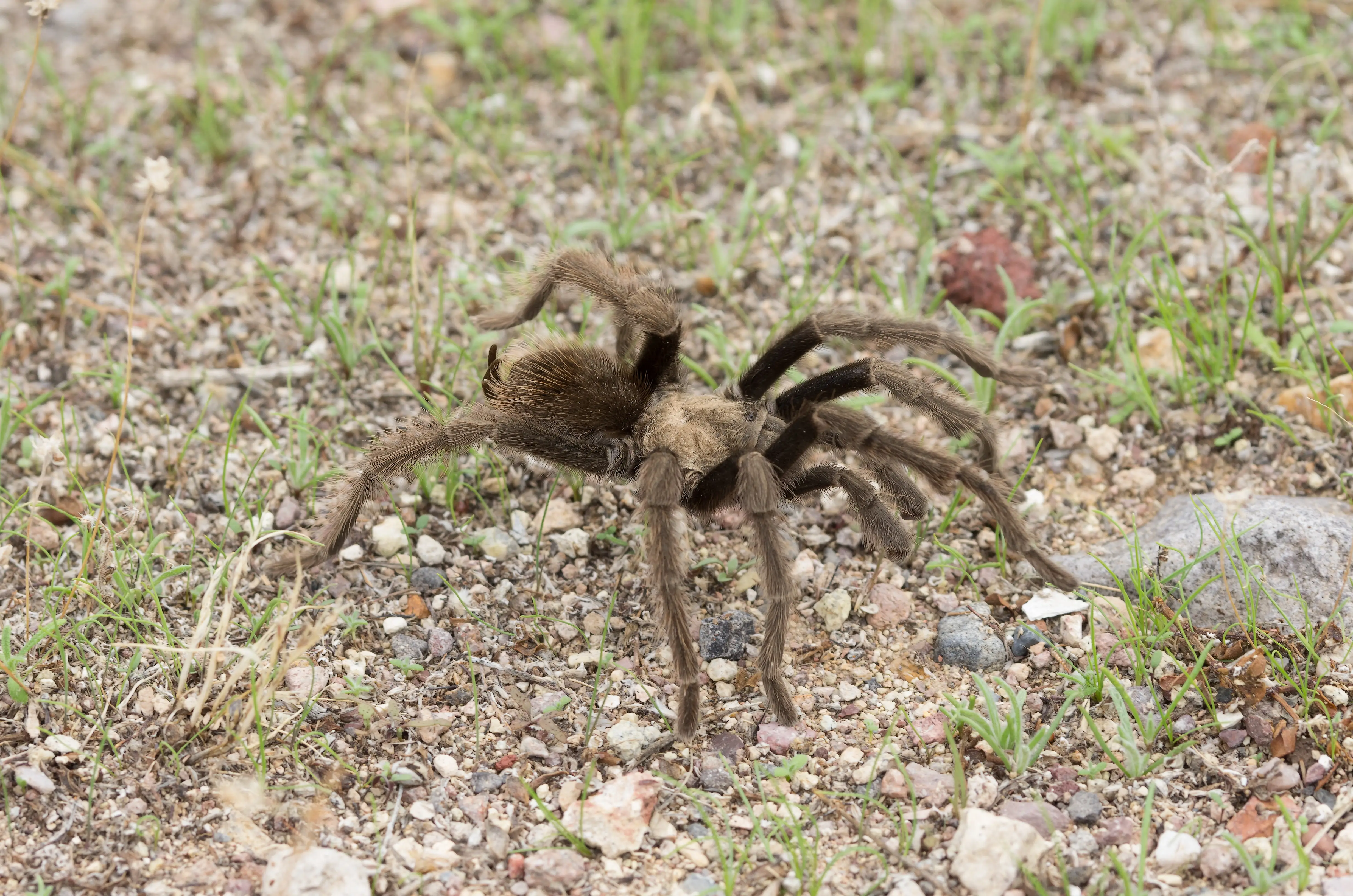
Out of the 43,000 known spider species worldwide, only a small percentage pose any significant threat to humans. While nearly all spiders are venomous (using venom to subdue prey), only about 25 species have been identified as potentially lethal or harmful to humans.

The most notorious include funnel-web spiders, black widow spiders, banana spiders, and recluse spiders. Even though complications from spider bites do occur, fatalities are exceedingly rare.

The Reality of Spider Bites

~3,500
US spider bites reported (2021)
40
Major complications
1
Death (brown recluse)

Venomous vs Poisonous: What is the Difference?

Venomous

Inject toxins through anatomical features like fangs or stingers. These act as syringes to deliver toxins into prey. Spiders are venomous.

Poisonous

Contain toxins within their tissues that pose a threat when eaten or touched. The term is often incorrectly used for spiders.

Most Venomous Spiders in North America

MOST DANGEROUS

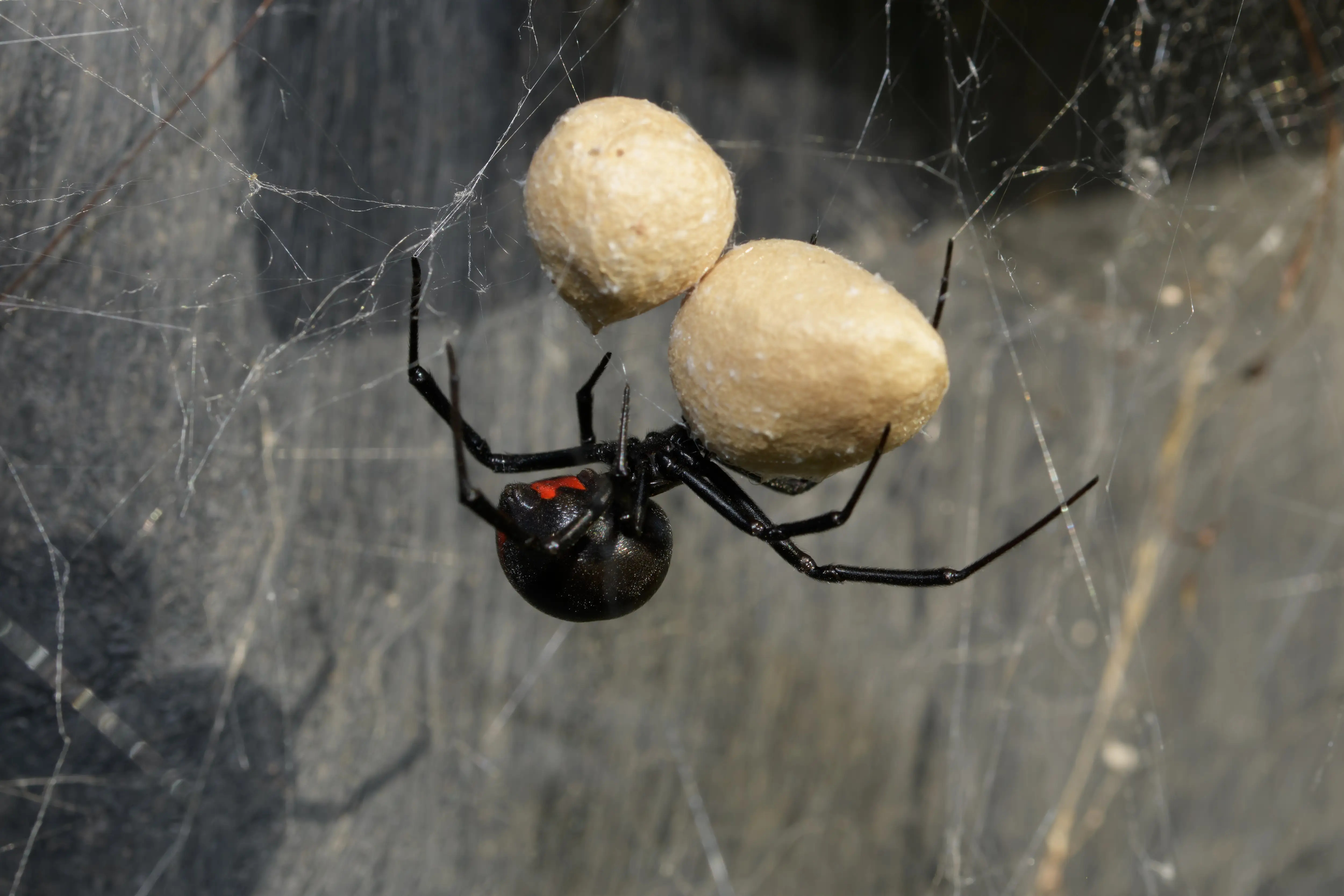
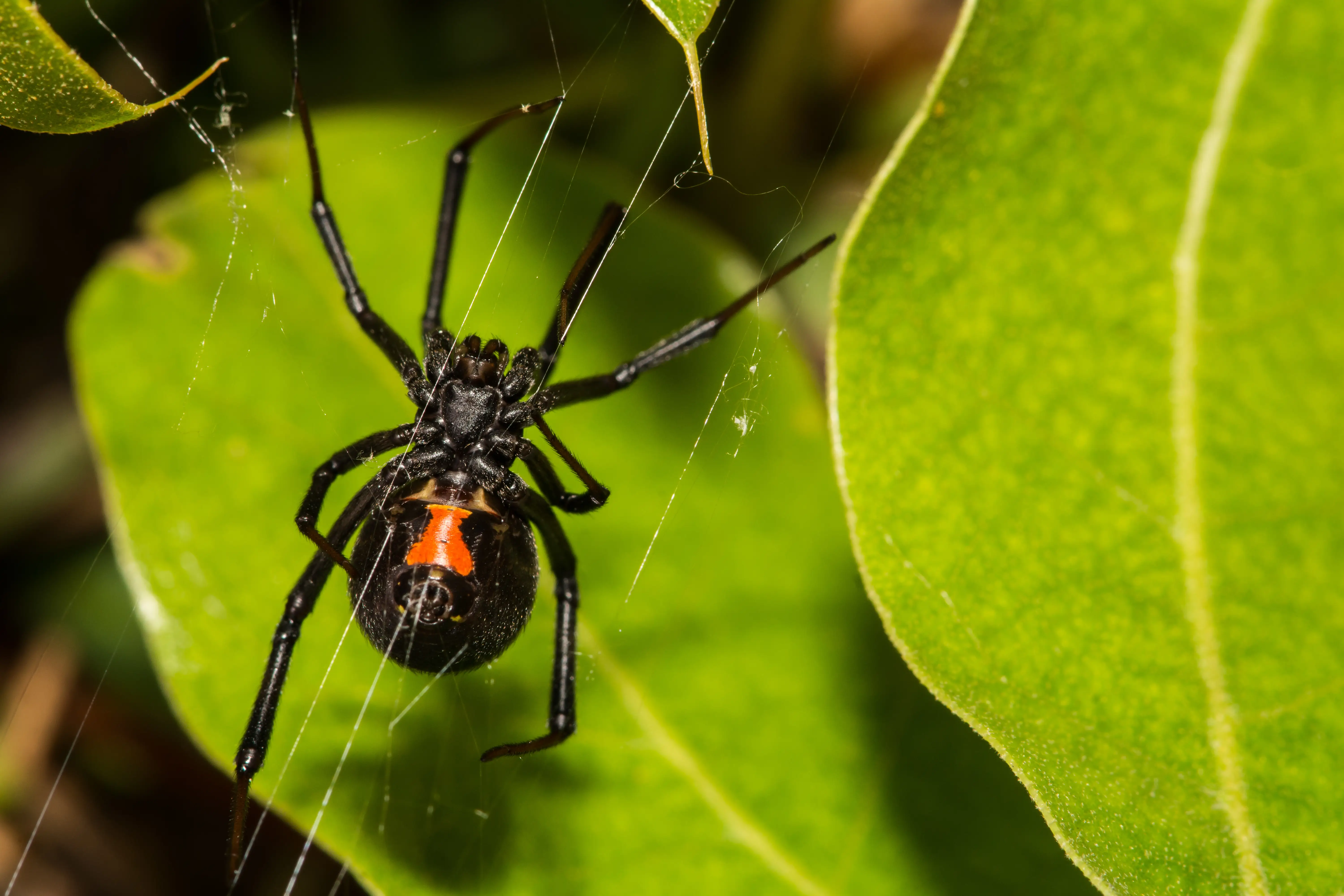
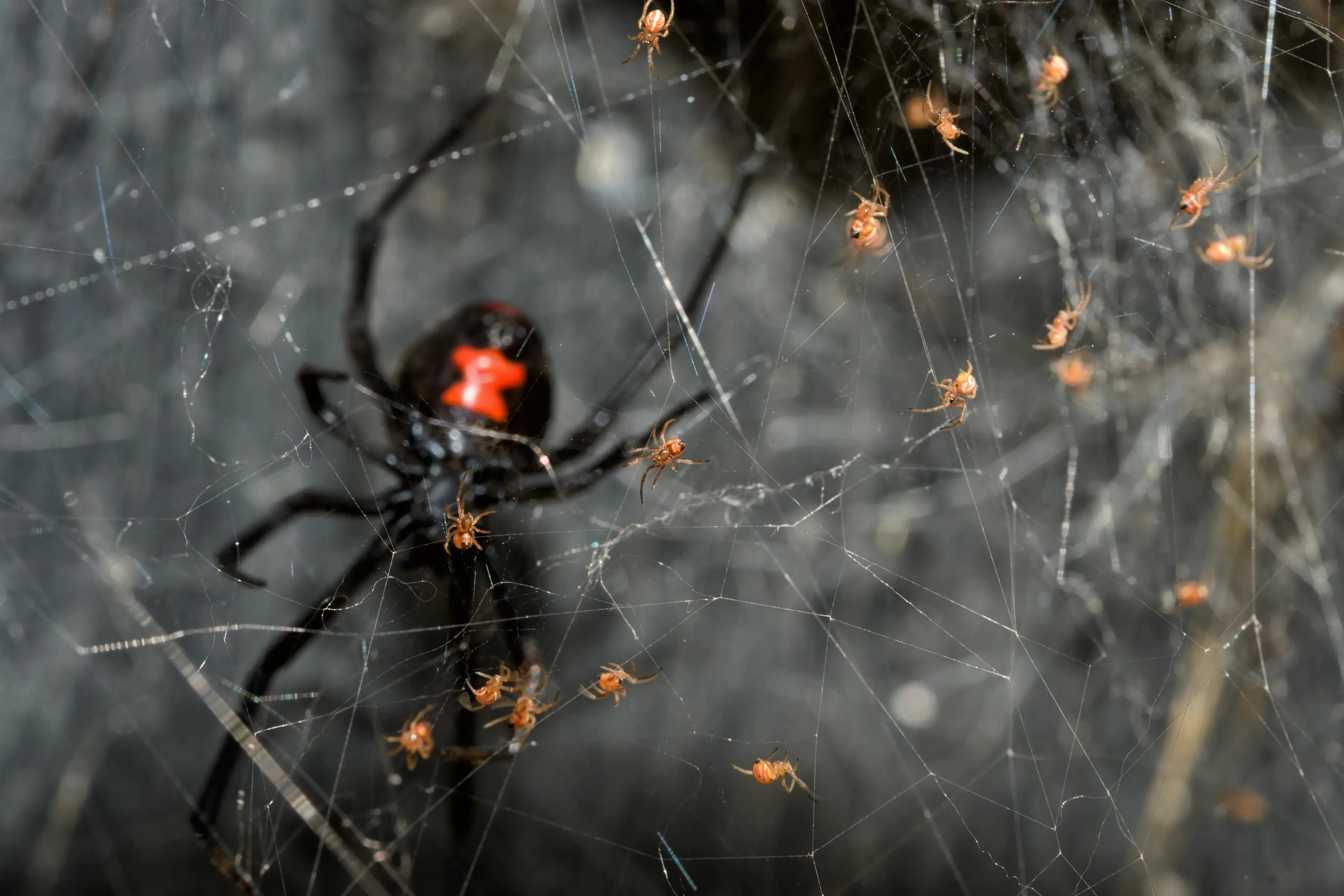
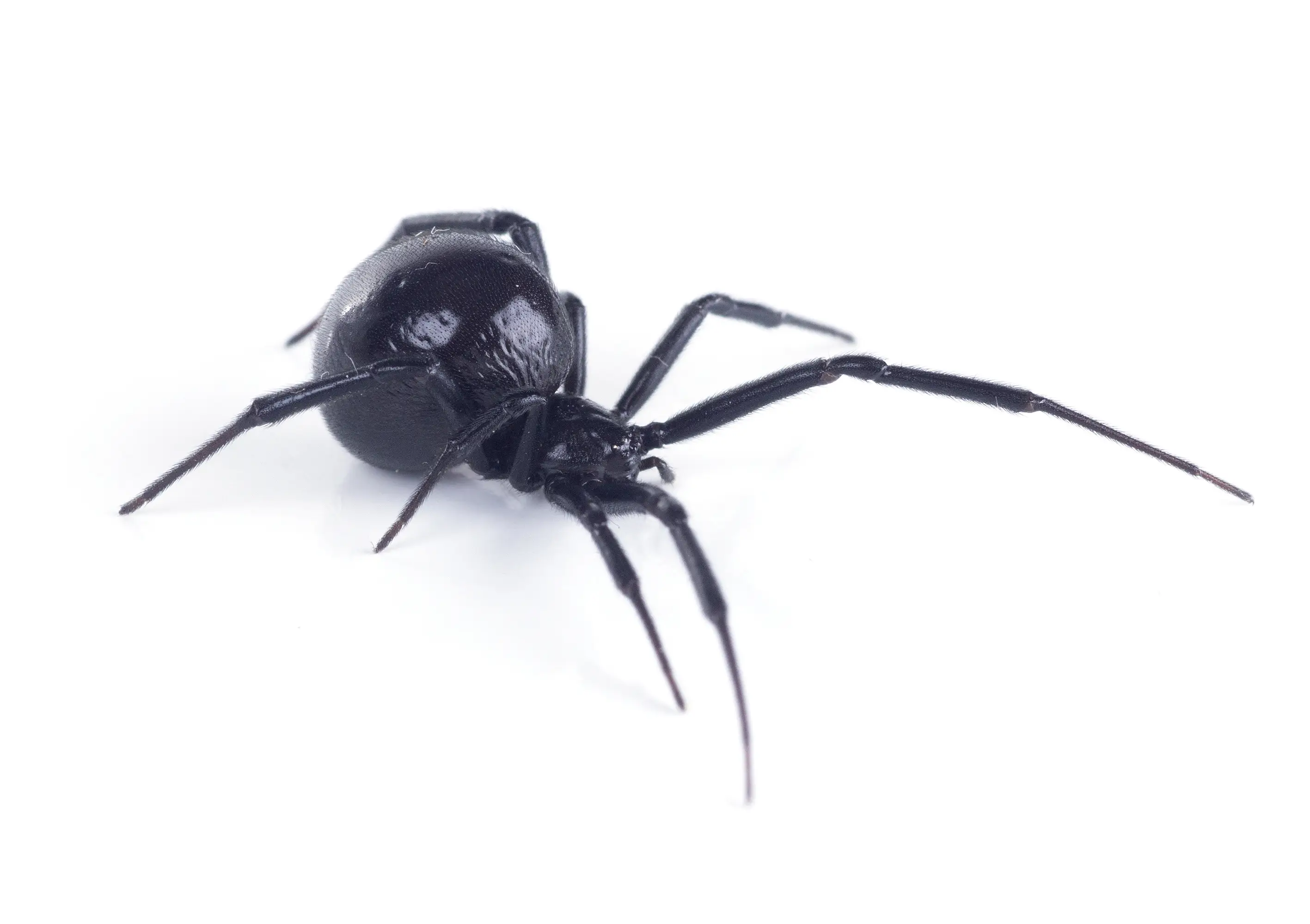
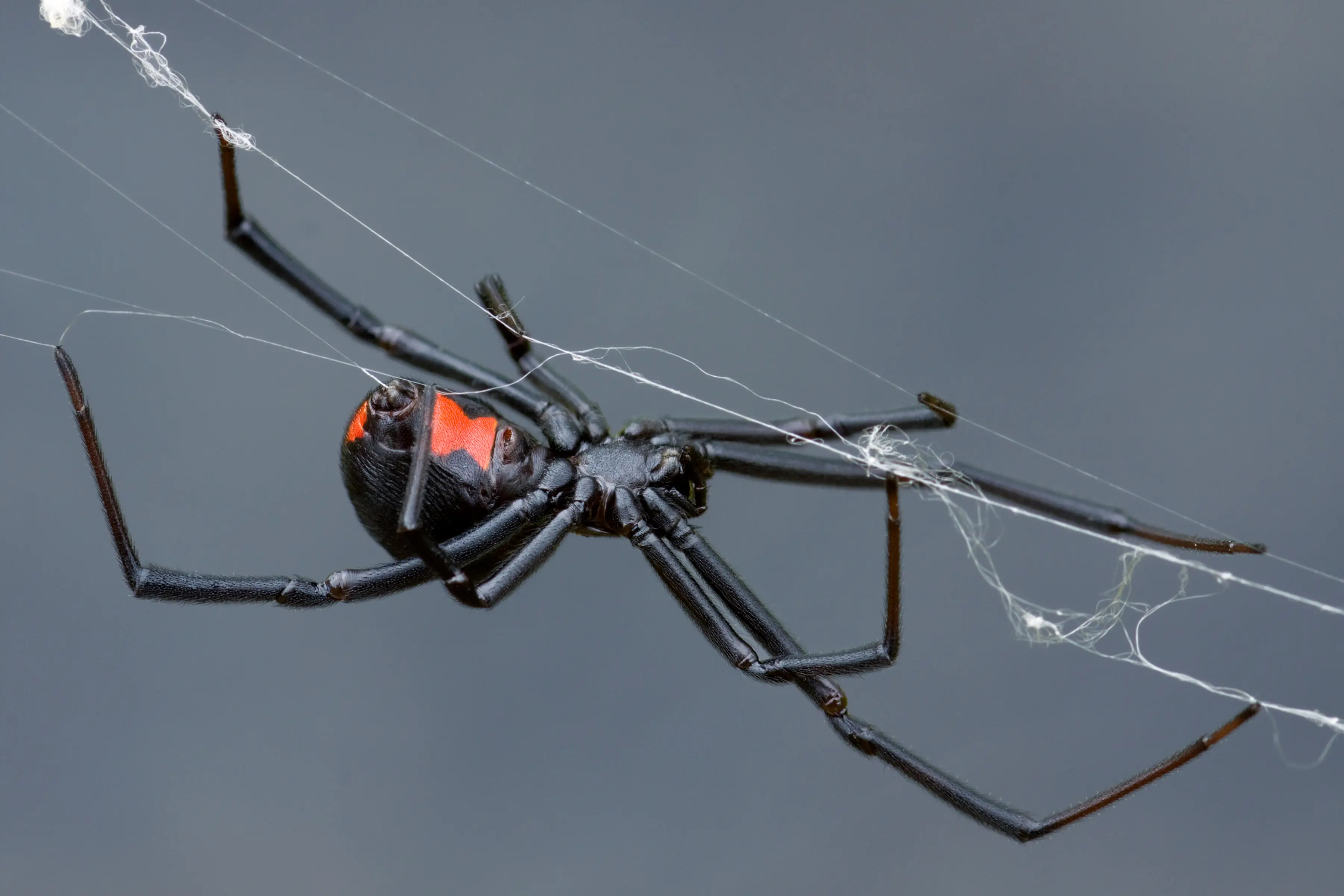
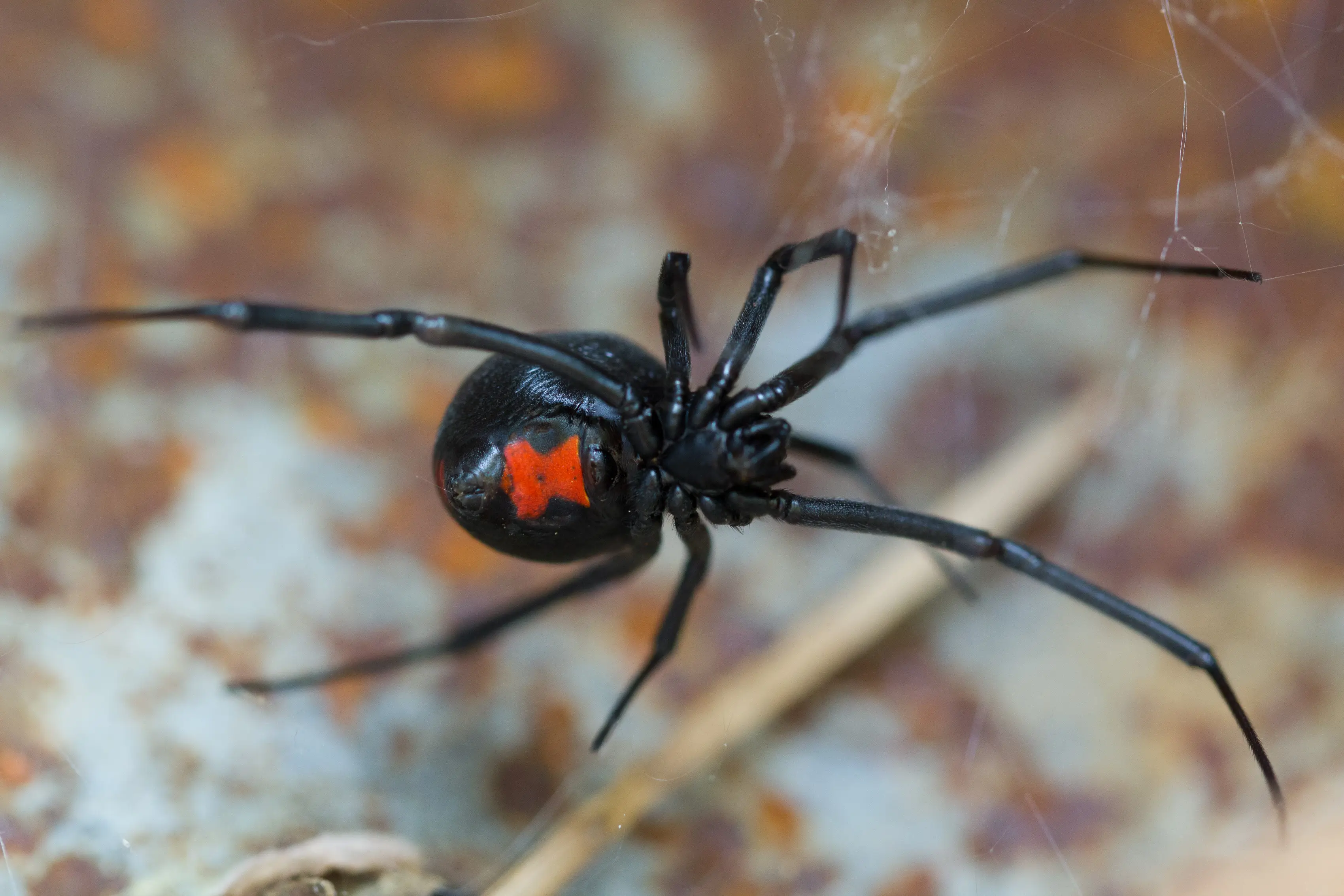
Black Widow Spider

Latrodectus mactans

Prevalent in southwestern states. Females identified by red hourglass symbol on shiny black abdomen, growing to about 1 inch. Venom is 15 times stronger than rattlesnake venom but in much smaller doses.

Symptoms: Muscle pain, cramps, nausea, difficulty breathing
Location: Garages, storage, decks, basements
Note: Often uses non-venomous "dry bites" defensively
MOST DANGEROUS

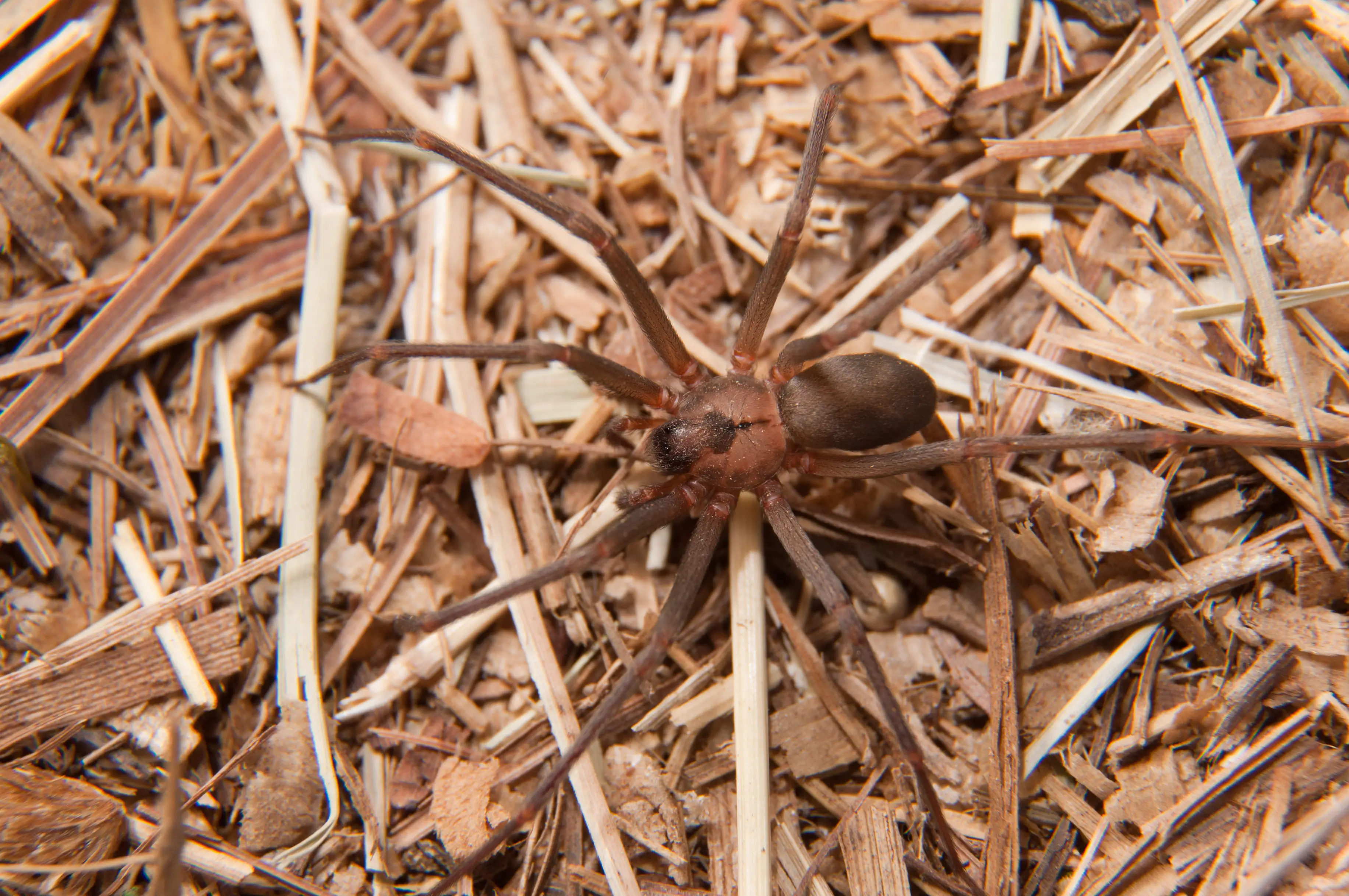
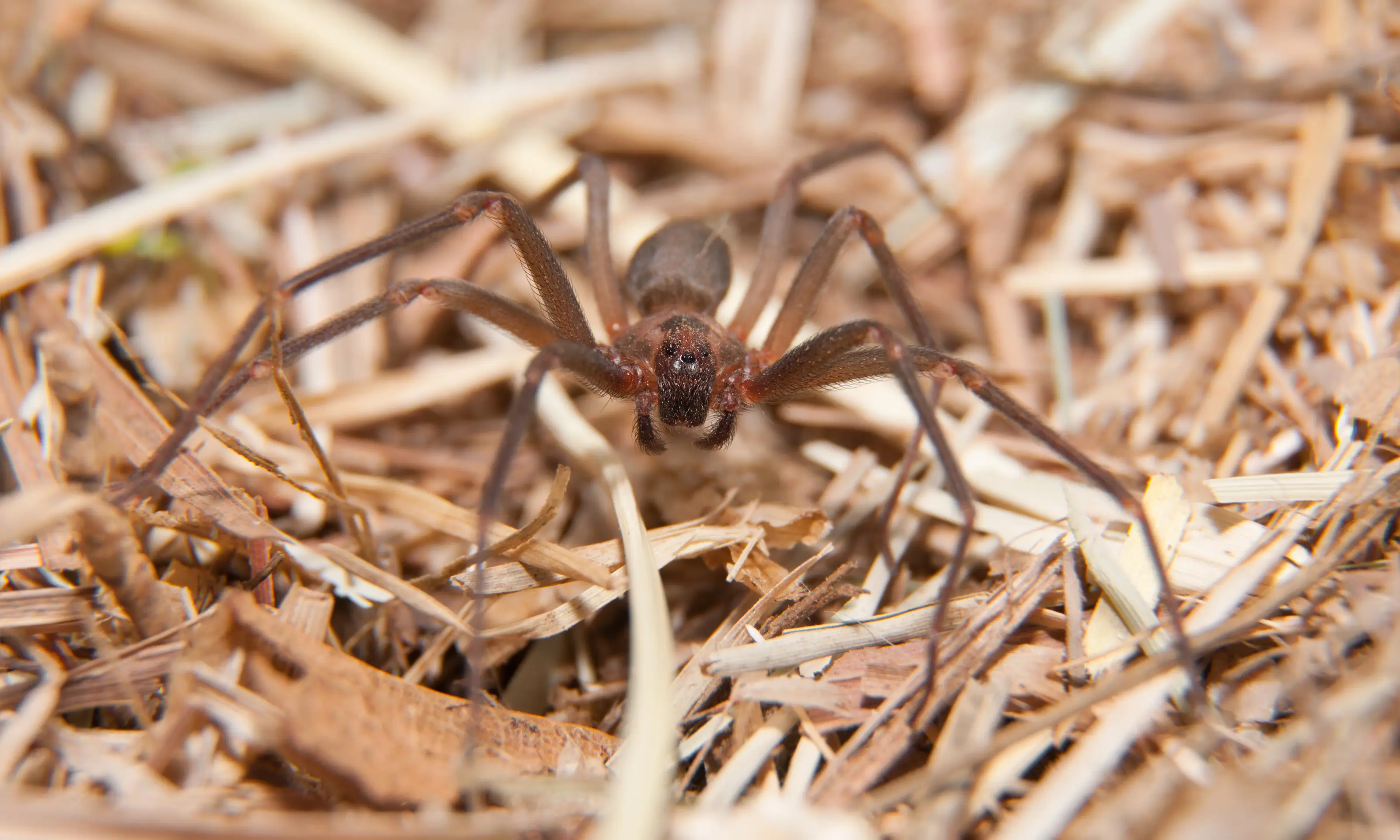
Brown Recluse Spider

Loxosceles reclusa

Native to central, southern, and midwestern states. Recognized by violin-shaped marking on brown body, measuring 1/4 to 1/2 inch. Venom contains enzymes that cause skin necrosis.

Symptoms: Skin necrosis, nausea, vomiting, fever, rashes
Location: Attics, storage, wall cavities
Severe: Deep open sores, rare organ damage

Brown Widow Spider

Latrodectus geometricus

Originally from Africa, now found in California and Gulf states. Orange hourglass on brown abdomen. Venom is twice as powerful as black widow but they inject less and are less aggressive.

Red Widow Spider

Latrodectus bishop

Found in palmetto scrublands of central and southern Florida. Reddish legs and cephalothorax. Female leg span 1.5-2 inches. Symptoms mirror black widow bites.

Yellow Sac Spider

Cheiracanthium inclusum

Prevalent across the US, Mexico, and South America. About 1 inch with pale yellow or beige body. Venom contains cytotoxins. Symptoms typically resolve within a week.

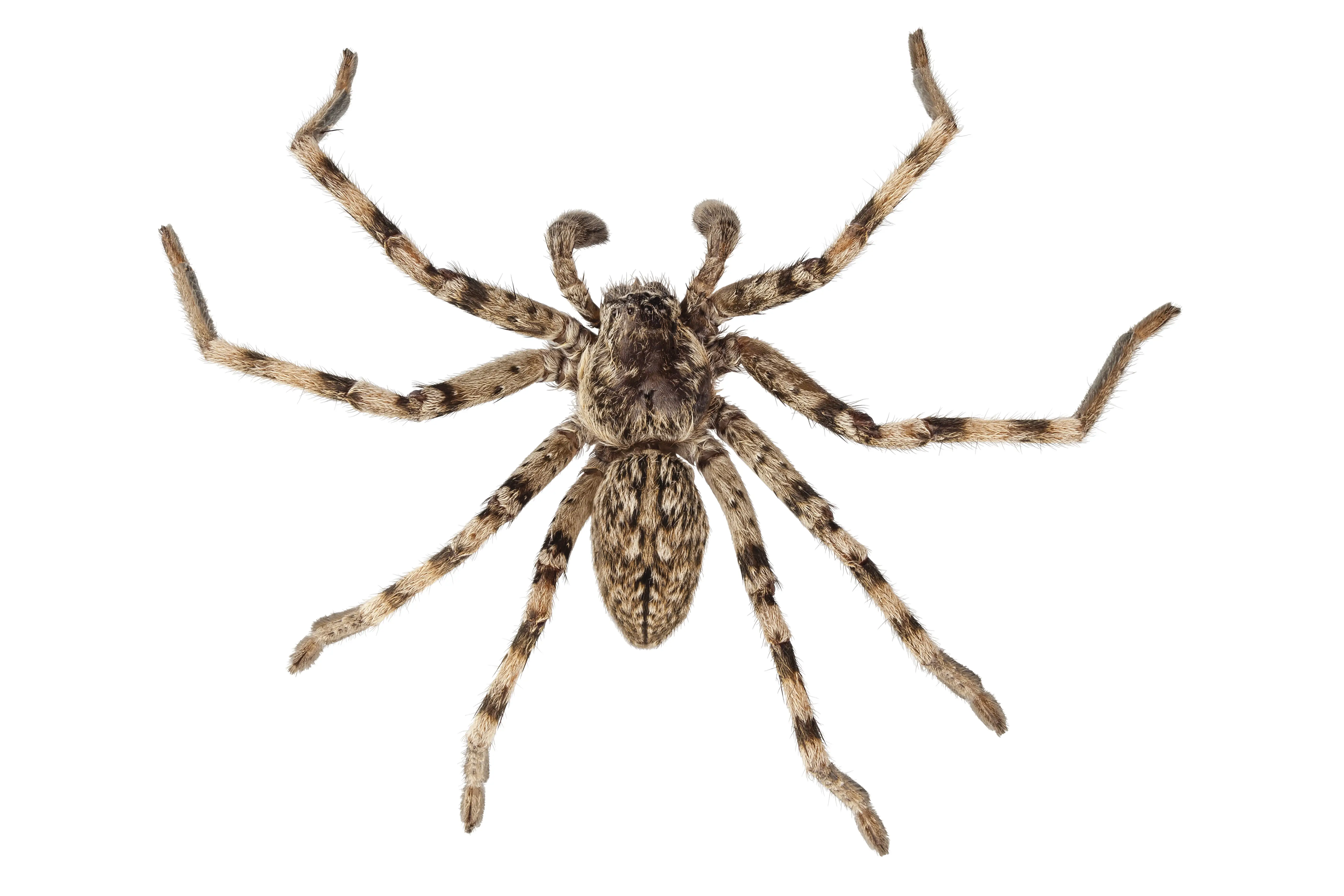
Wolf Spider

Lycosidae family

About 125 species in North America. Dark brown, hairy, up to 2 inches. Hunters, not web builders. Venom causes bee-sting-like symptoms. Females carry egg sacs and spiderlings on their backs.

Spotted a Venomous Spider?

Do not attempt to handle dangerous spiders. Get professional removal for your safety.

Call (866) 326-2847

Most Venomous Spiders Around the World

Of approximately 43,000 spider species globally, only 25-30 are consistently linked to human deaths. Treatments like antivenom are typically effective.

#1 MOST VENOMOUS

Brazilian Wandering Spider

Phoneutria fera (Banana Spider)

Considered the deadliest spider by Guinness World Records. Native to Brazil, often found in banana shipments. Takes aggressive defense posture when threatened. Venom is neurologically active. Powerful antivenom has made deaths rare.

Symptoms: Severe burning, sweating, irregular heartbeat, vertigo
#2 MOST VENOMOUS

Sydney Funnel-Web Spider

Atrax robustus

Native to Australia. Venom contains over 40 toxic proteins that damage the nervous system. Uniquely, male venom is 4-6x more potent than female. No fatalities since antivenom developed in 1980s.

Chilean Recluse Spider

Loxosceles laeta

Most hazardous among recluse spiders. Causes severe necrosis. Mortality in approximately 3-4% of bite cases. Wounds can take months or years to heal.

Six-Eyed Sand Spider

Sicarius thomisoides

Found in South America. Venom causes tissue necrosis and blood thinning. Ambush predators that bury in sand. Human encounters rare; not aggressive.

Redback Spider

Latrodectus hasselti

Australia's counterpart to black widow. 10,000 reported bites annually in Australia. Last recorded death was 1956. Commonly nests in human homes in urban areas.

Contact EcoGuard If You Are Dealing with a Dangerous Spider Problem

If you suspect the presence of venomous spiders in your vicinity, it is crucial to prioritize your safety and that of your loved ones. EcoGuard Pest Management boasts a team of experienced spider control experts who are well-equipped to handle these arachnids safely and efficiently. Reach out today and let us ensure your environment remains spider-free and safe.

Call (866) 326-2847Get Free Quote

Venomous Spider FAQs

What is the most venomous spider in the world?

The Brazilian wandering spider, often referred to as the banana spider, is frequently labeled as the most venomous spider in the world. Native to Brazil, its venom is highly neurotoxic and can lead to severe medical complications or even death if bitten and left untreated.

What is the 2nd most venomous spider?

The Sydney funnel-web spider is commonly recognized as the second most venomous spider. Found in regions of Australia, its bite can be lethal to humans, especially if the venom is not promptly neutralized with the appropriate antivenom.

How rare are venomous spiders?

While there are thousands of spider species globally, only a small percentage are venomous to humans. Of these venomous species, an even smaller fraction pose a significant threat which makes truly dangerous spiders relatively rare in the grand scope of arachnid diversity.

Is a dead spider still poisonous?

Yes, a dead spider can still be poisonous. If a venomous spider is ingested or if someone were to come into contact with its fangs, the venom could still be transferred and remain potent for a time after the spider's death. However, the risk of envenomation from a deceased spider is considerably lower than from a living one.

From Our Blog

Related Articles

21 Different Types of Spiders in North America

21 Different Types of Spiders in North America

Comprehensive guide to spider species in North America including black widows, brown recluses, wolf spiders, house...

Read Article
Are Black Widows Dangerous? Bites, Symptoms & Treatment

Are Black Widows Dangerous? Bites, Symptoms & Treatment

Learn if black widow spiders are dangerous, bite symptoms, what to do if bitten, risk factors, and when to seek medical...

Read Article
Are Wolf Spiders Poisonous? Bites, Symptoms & Treatment

Are Wolf Spiders Poisonous? Bites, Symptoms & Treatment

Learn if wolf spiders are poisonous, bite symptoms, treatment steps, allergic reactions, and how to prevent them from...

Read Article
Do Spiders Lay Eggs in the House? Identification & Removal

Do Spiders Lay Eggs in the House? Identification & Removal

Learn about spider eggs, how to identify egg sacs, where spiders lay eggs in homes, how many eggs they lay, and how to...

Read Article
House Spiders: Complete Guide to Indoor Spider Identification & Control

House Spiders: Complete Guide to Indoor Spider Identification & Control

Learn to identify common house spiders, distinguish harmless from dangerous species, and implement effective prevention...

Read Article
How Long Do Garden Spiders Live? Complete Lifespan Guide

How Long Do Garden Spiders Live? Complete Lifespan Guide

Learn how long garden spiders live, their annual life cycle, factors affecting longevity, and practical management...

Read Article
How to Get Rid of Black Widow Spiders

How to Get Rid of Black Widow Spiders

Learn how to get rid of black widow spiders using pesticides, natural methods, habitat modifications, and exclusion...

Read Article
How to Get Rid of Spiders in Your Home and Yard

How to Get Rid of Spiders in Your Home and Yard

Learn how to get rid of spiders using traps, cleaning, pesticides, natural deterrents, and prevention tips. Indoor and...

Read Article
What are Black Widow Spiders? Identification, Habitat & Bites

What are Black Widow Spiders? Identification, Habitat & Bites

Learn about black widow spiders including identification, diet, habitat, reproduction, life cycle, bite symptoms, and...

Read Article
What Do Black Widow Spiders Eat? Complete Diet Guide

What Do Black Widow Spiders Eat? Complete Diet Guide

Discover what black widow spiders eat including insects, arthropods, and other prey. Learn about their hunting methods,...

Read Article
Where Do Black Widow Spiders Live? Habitat Guide

Where Do Black Widow Spiders Live? Habitat Guide

Discover where black widow spiders live in America, their preferred habitats indoors and outdoors, and how to prevent...

Read Article
Where Do Brown Recluse Spiders Live?

Where Do Brown Recluse Spiders Live?

Learn where brown recluse spiders live, the 16 states they are native to, where they hide indoors and outdoors, bite...

Read Article