EcoGuard Pest Management
Various spider species found in North America
By Gary Anderson||4 min read

21 Different Types of Spiders in North America

Identification guide covering venomous and harmless spider species.

Spiders found in the United States are largely harmless creatures that play a critical role in their ecosystems. While their movements might be unsettling, these arachnids are usually far more beneficial than harmful.

Close to 3,000 species exist in North America, with about 40,000 worldwide. Common species like household spiders help maintain pest populations. However, some species like black widows and brown recluses can deliver venomous bites.

Spider Facts

40,000+
Species worldwide
~3,000
In North America
8
Legs (always)
6-8
Eyes

Types of Spider Hunters

Passive Hunters (Web Builders)

Create intricate webs that capture prey in sticky fibers. They wait for victims to get stuck rather than actively pursuing them.

Active Hunters

Do not create complex webs. Instead, they actively pursue prey, relying on mobility and predatory instincts.

Venomous Spiders

DANGEROUS

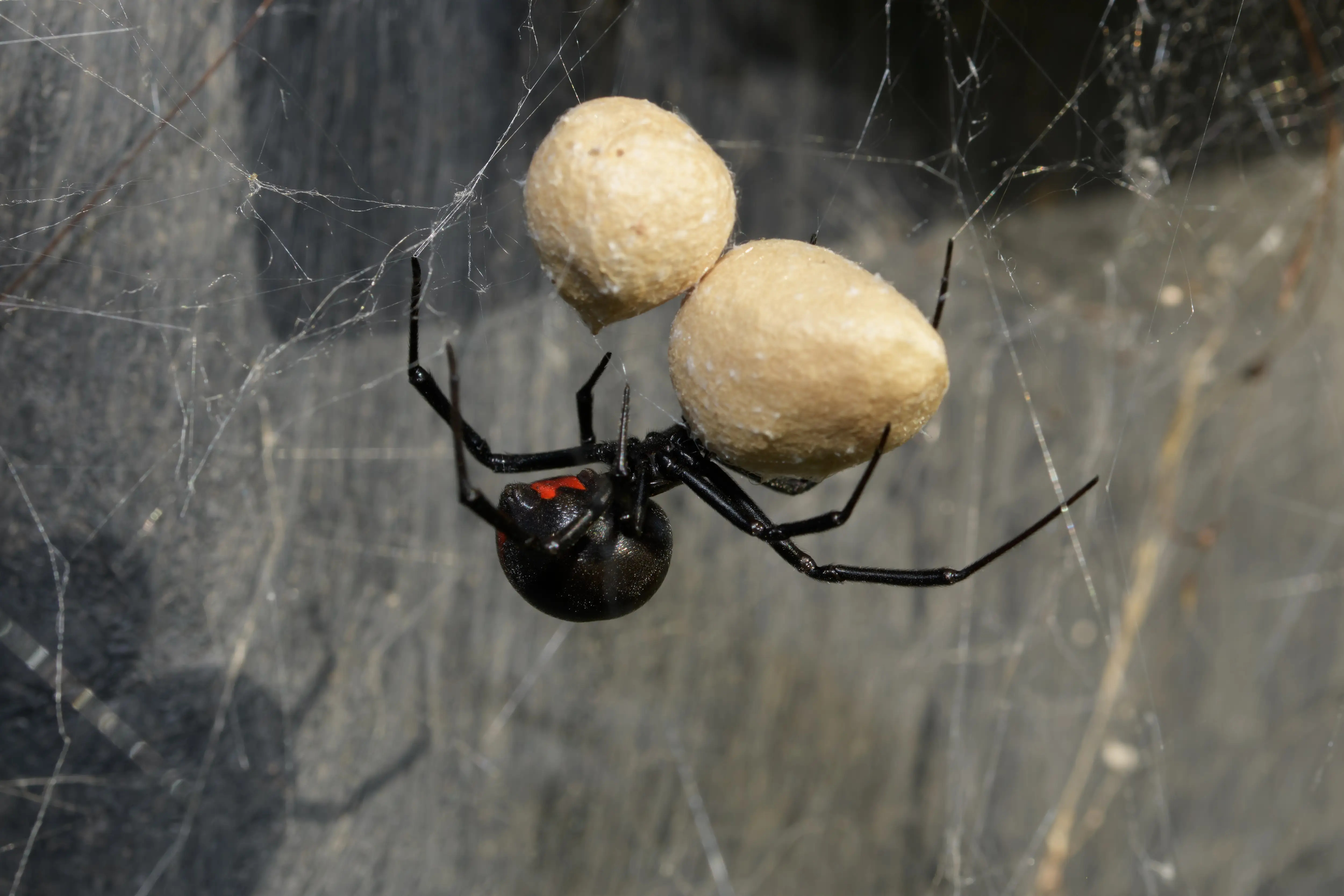
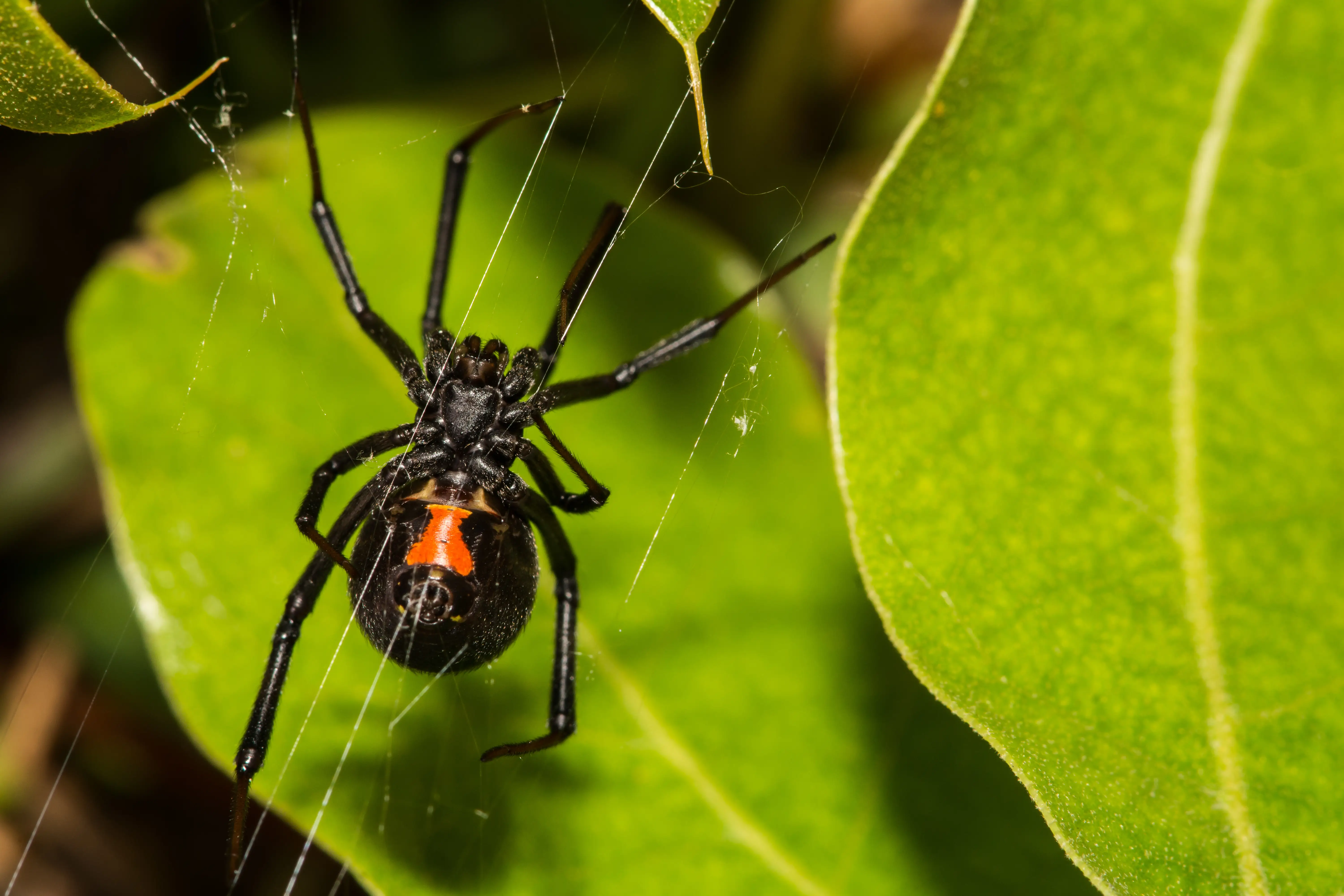
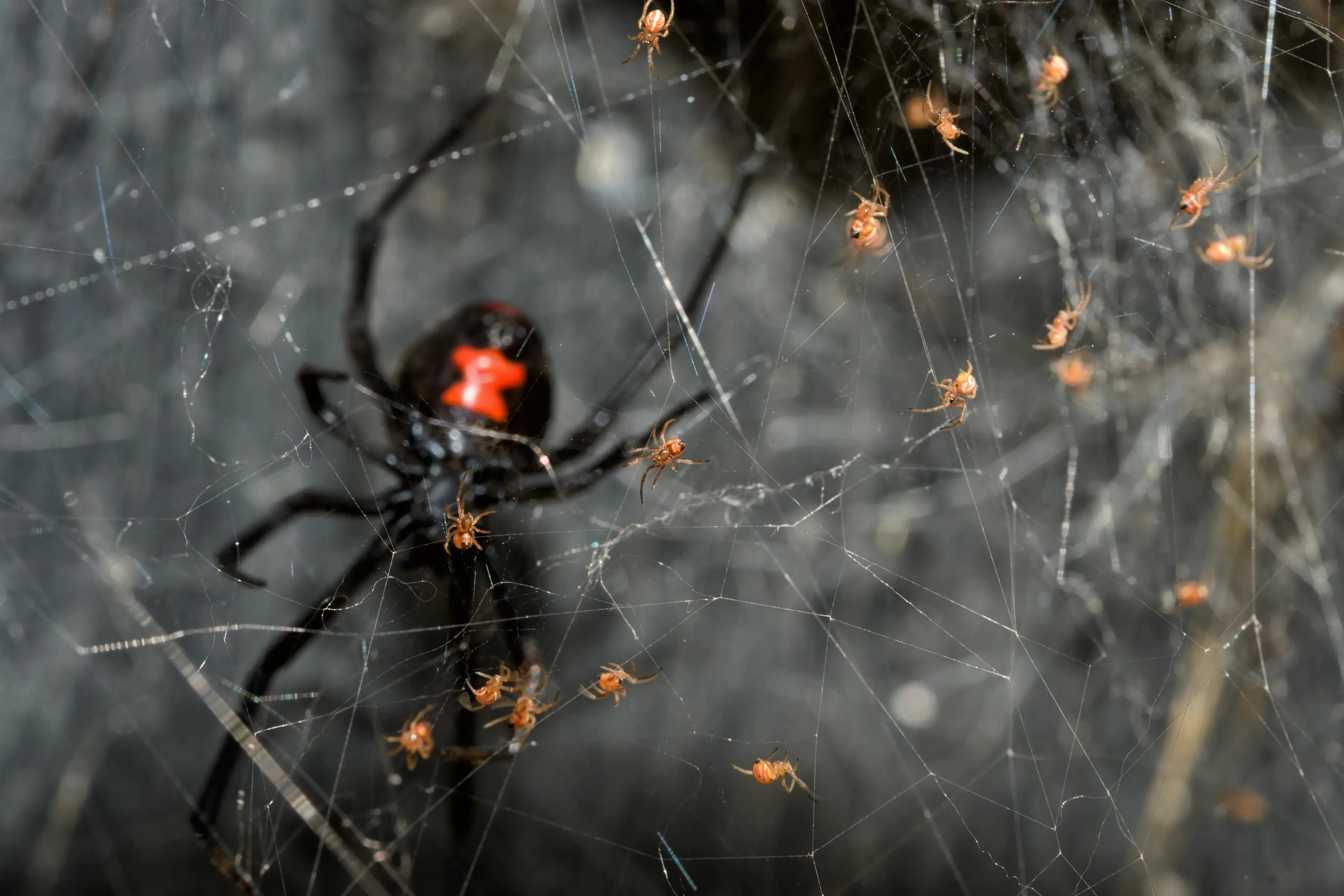
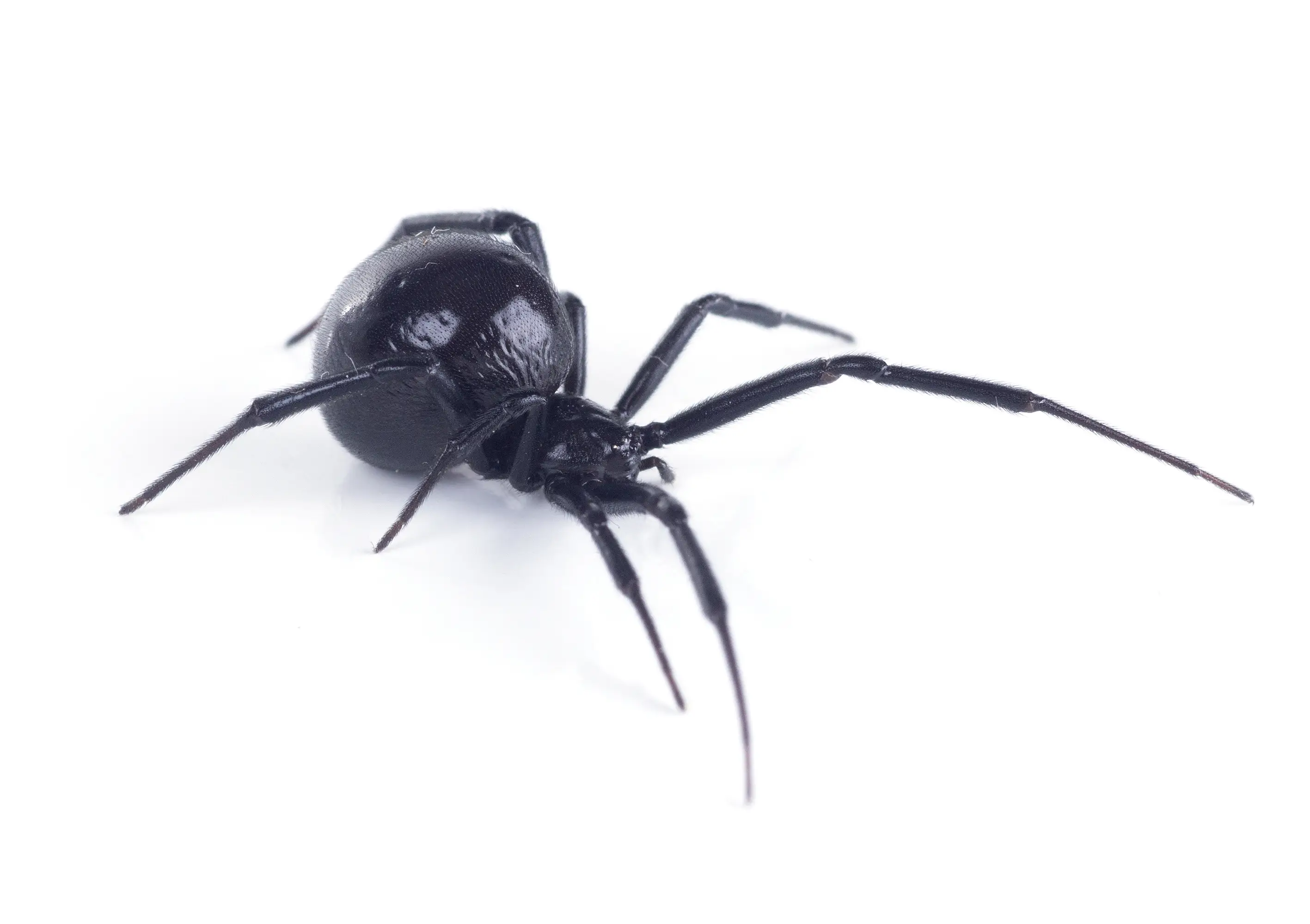
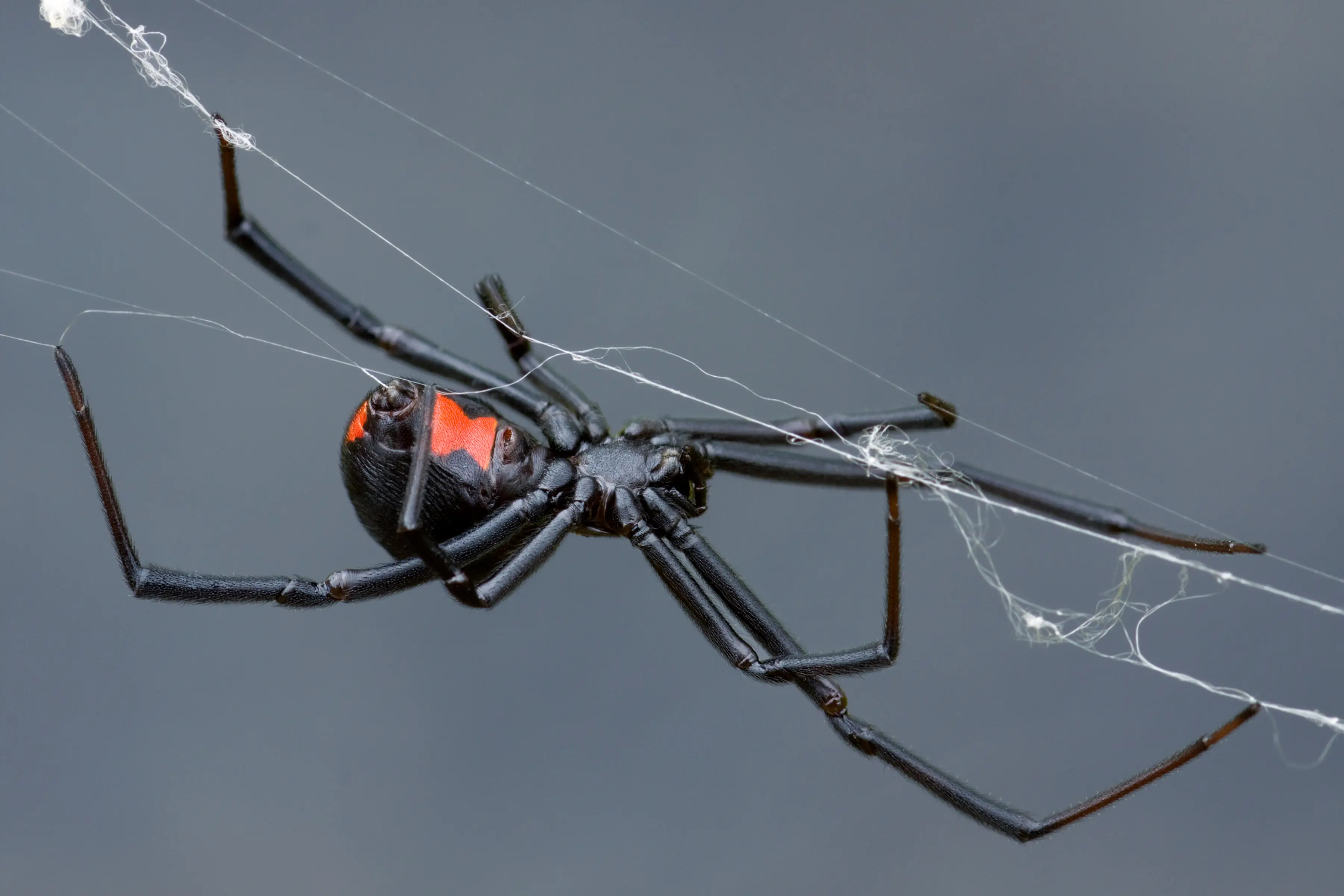
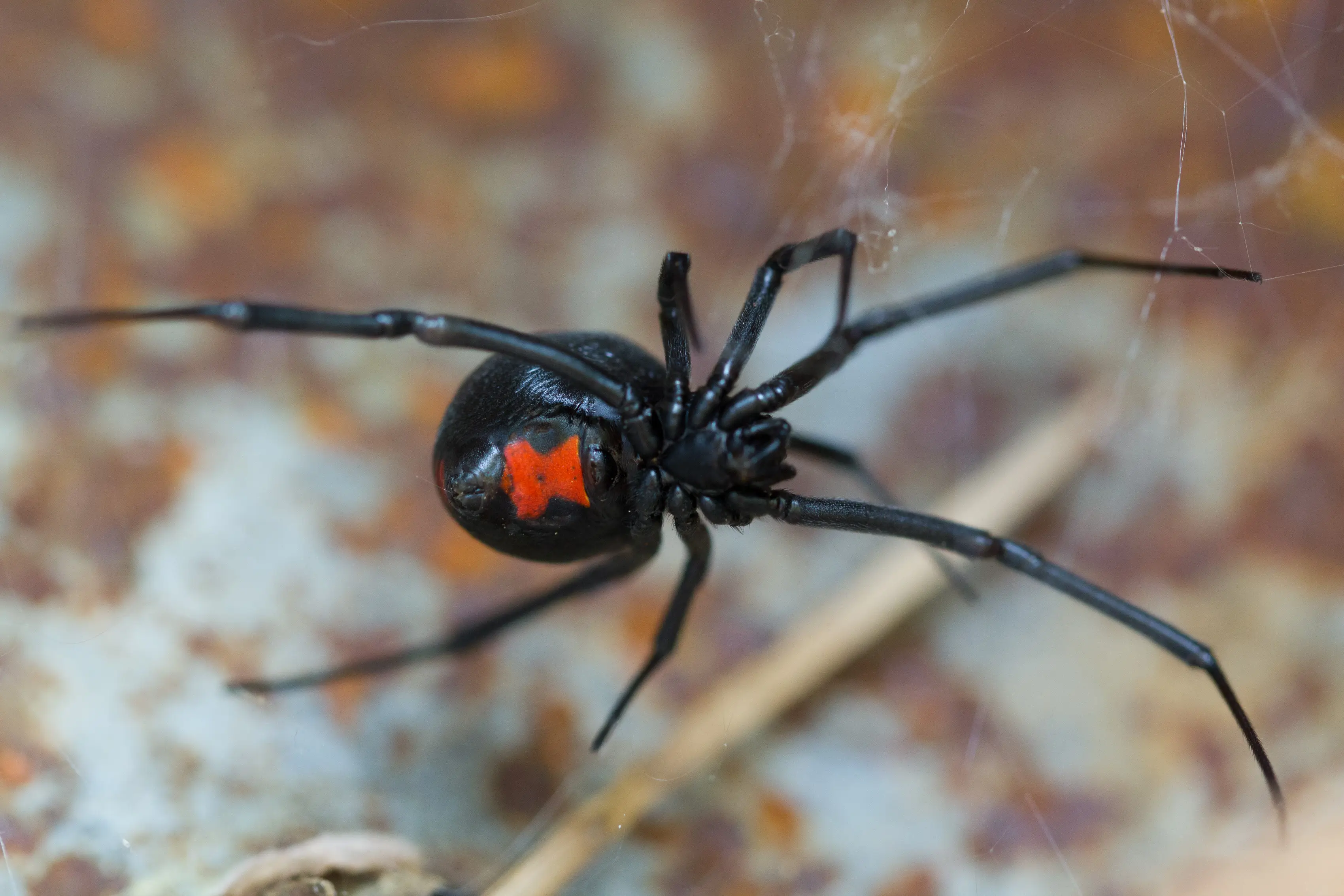
Black Widow

Shiny black with red hourglass on abdomen. Found in warmer southern regions. Prefers dark, undisturbed locations like garages, sheds, firewood piles. Females bite when guarding eggs. No US fatalities since 1983.

Symptoms: Fever, increased blood pressure, sweating, nausea
DANGEROUS

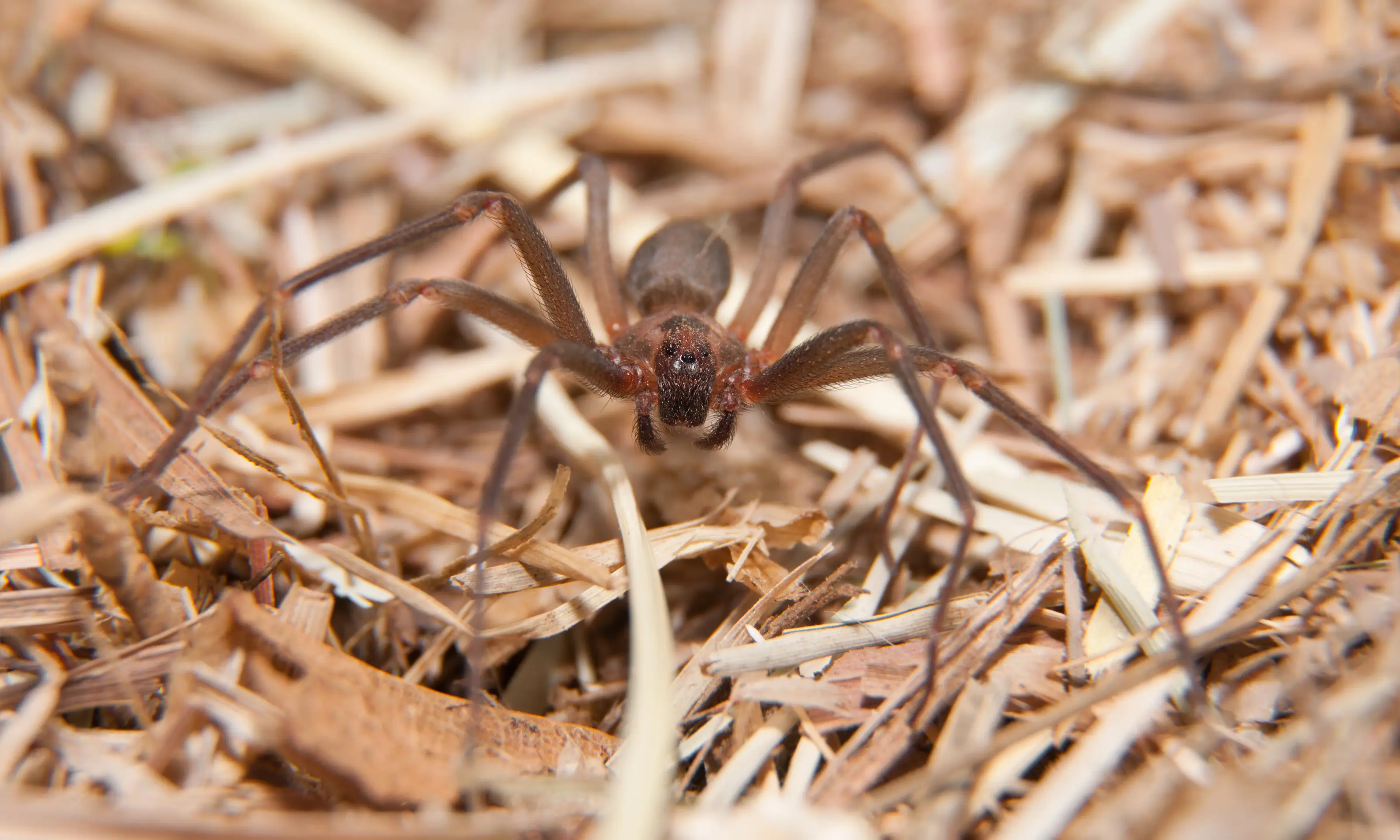
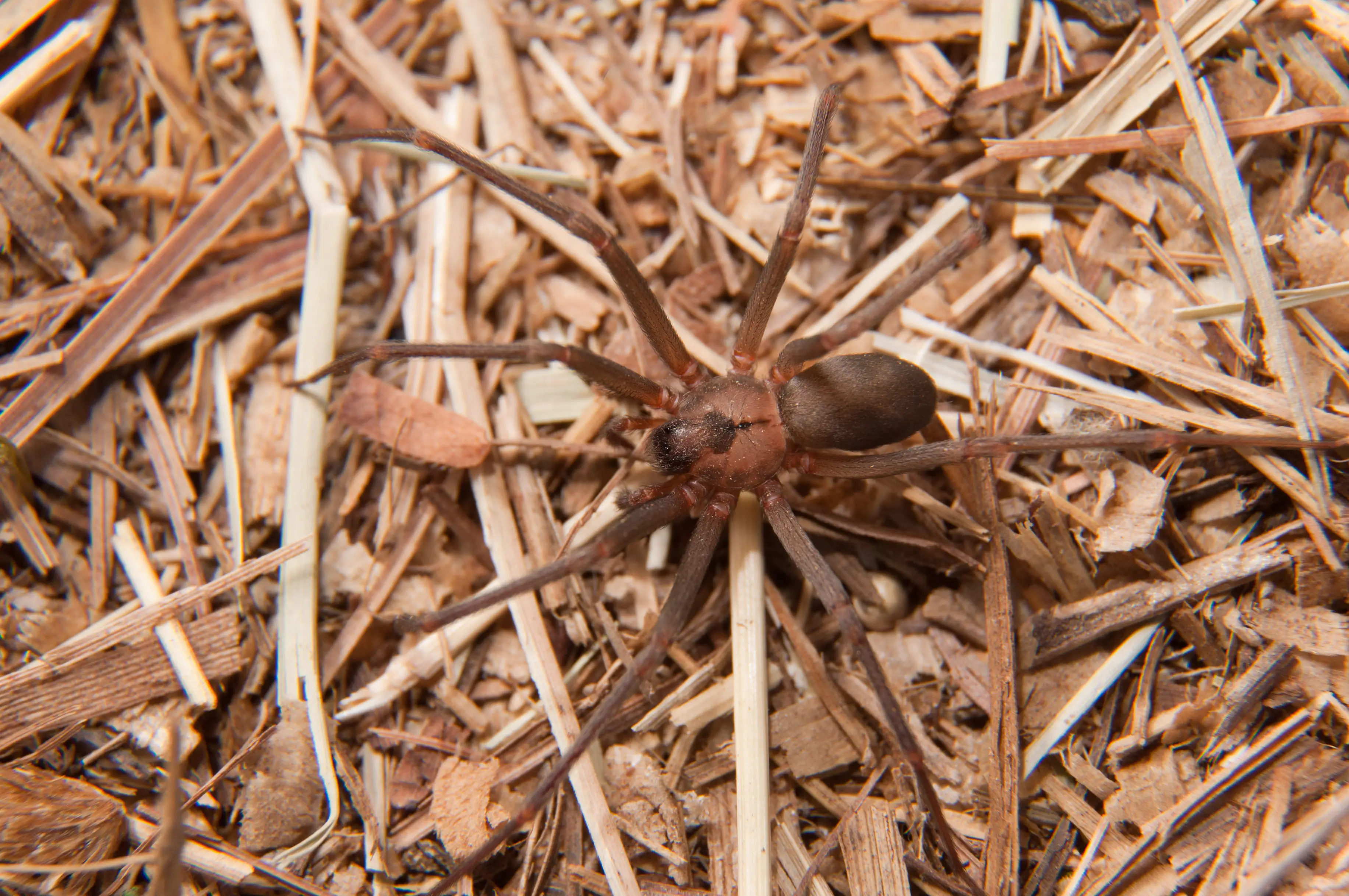
Brown Recluse

Violin-shaped marking on light to dark brown body. 1/4 to 3/4 inch. Central Midwest US. Found in laundry rooms, basements, crawl spaces, attics. Not aggressive but bites in self-defense. Venom causes skin necrosis.

Brown Widow

Tan to dark brown with yellow/orange hourglass. Southern US. Less likely to bite than black widow and venom less potent. Found in debris, hollow tree trunks, garden furniture.

Yellow Sac Spider

Pale beige, green, or yellow with dark brown feet. Midwest and eastern US. Active hunters that build silk tubes for hiding. More aggressive than most house spiders but venom not dangerous. More prevalent during fall.

Not Sure What Spider You Found?

Our experts can identify spider species and recommend appropriate treatment.

Call (866) 326-2847

Common Household Spiders

American House Spider

Yellow-brown, 1/10-1/4 inch. Found in closets, crawl spaces, basements. Non-aggressive, harmless.

Domestic House Spider

Shades of brown with pale/black stripes. Found in cupboards, under furniture, attics. Not dangerous.

Southern House Spider

Females mistaken for tarantulas, males for brown recluse. Dark, undisturbed places. Harmless.

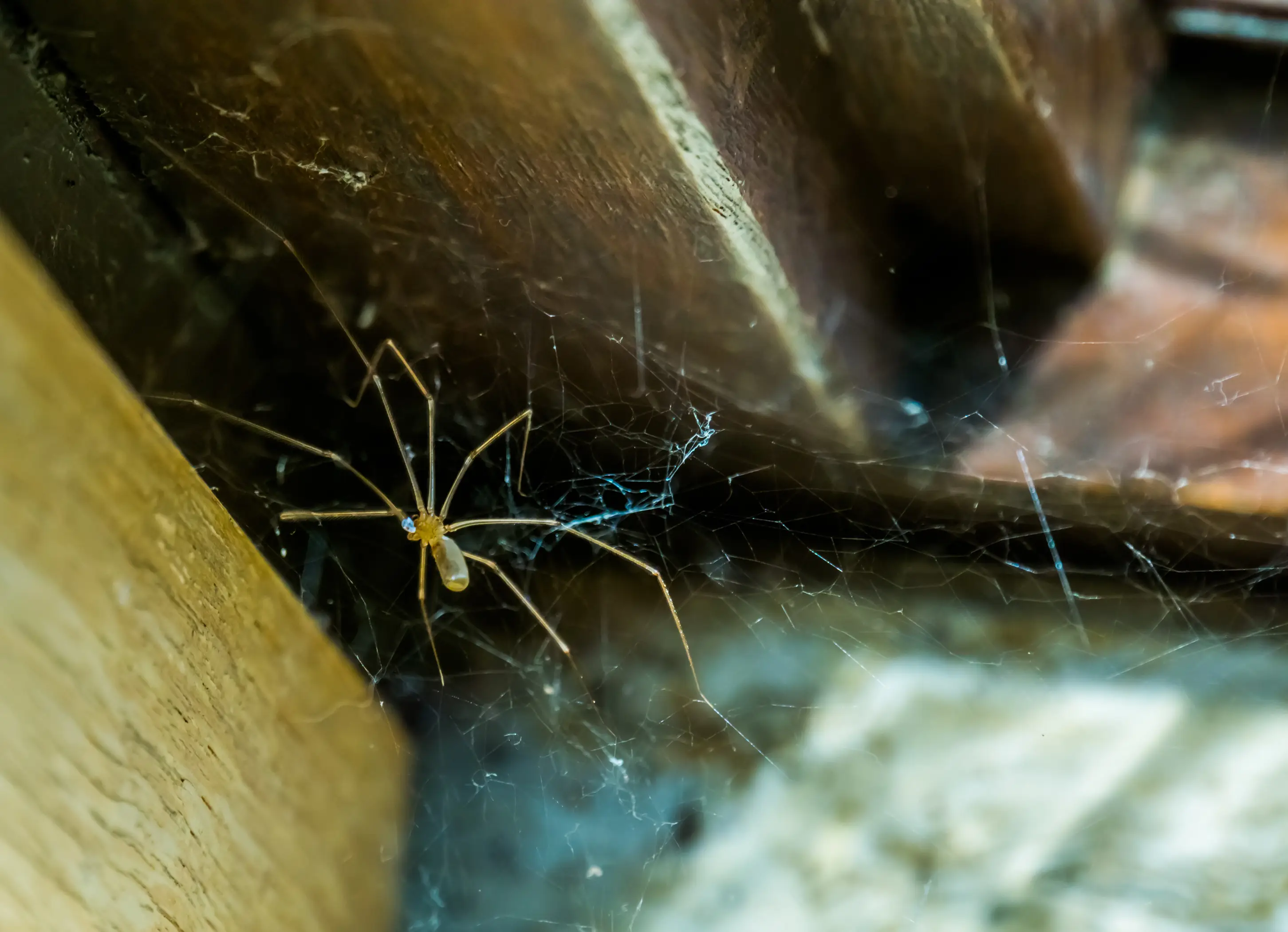
Long-Bodied Cellar Spider

Pale yellow to light brown, legs up to 2 inches. "Daddy long-legs." Basements, cellars. No threat to humans.

Jumping Spider

Compact, colorful markings. Best vision of all spiders. Can jump 10-50x body length. Harmless.

Cobweb Spider

Create haphazard, non-symmetrical webs. Most harmless, but includes widow species.

Outdoor & Other Common Spiders

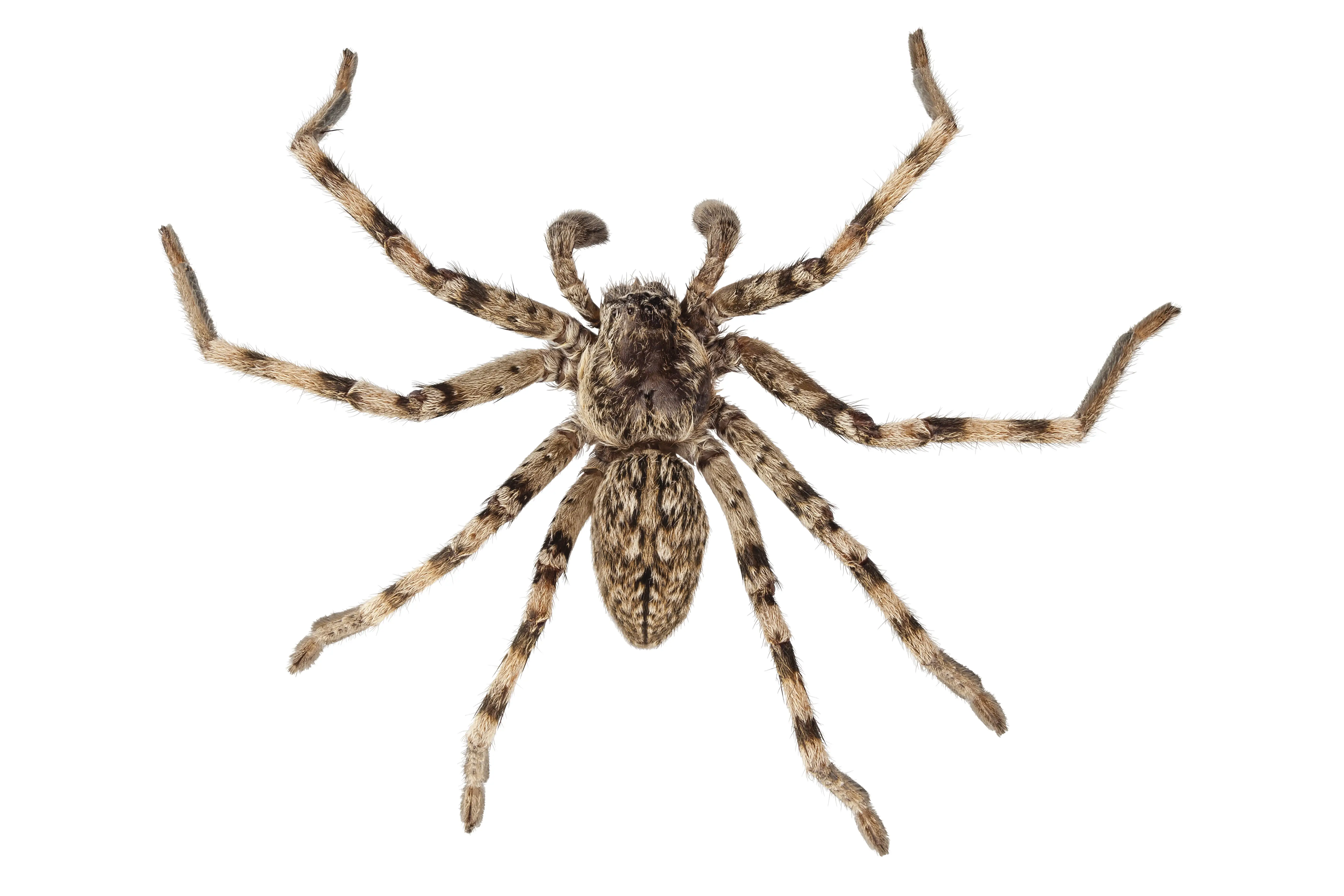
Wolf Spider

Large, hairy, dark brown. Active hunters that chase prey. Females carry egg sacs. Bites cause bee-sting-like symptoms.

Funnel Spider

Brown/gray with elongated body. Create funnel-shaped retreat webs. Not aggressive, bites not serious.

Grass Spider

Brown with long spinnerets. Found around home foundations. Males may enter homes. Generally harmless.

Ground Spider

Red or gray-brown. Nocturnal hunters under rocks, leaves, logs. No medical threat to humans.

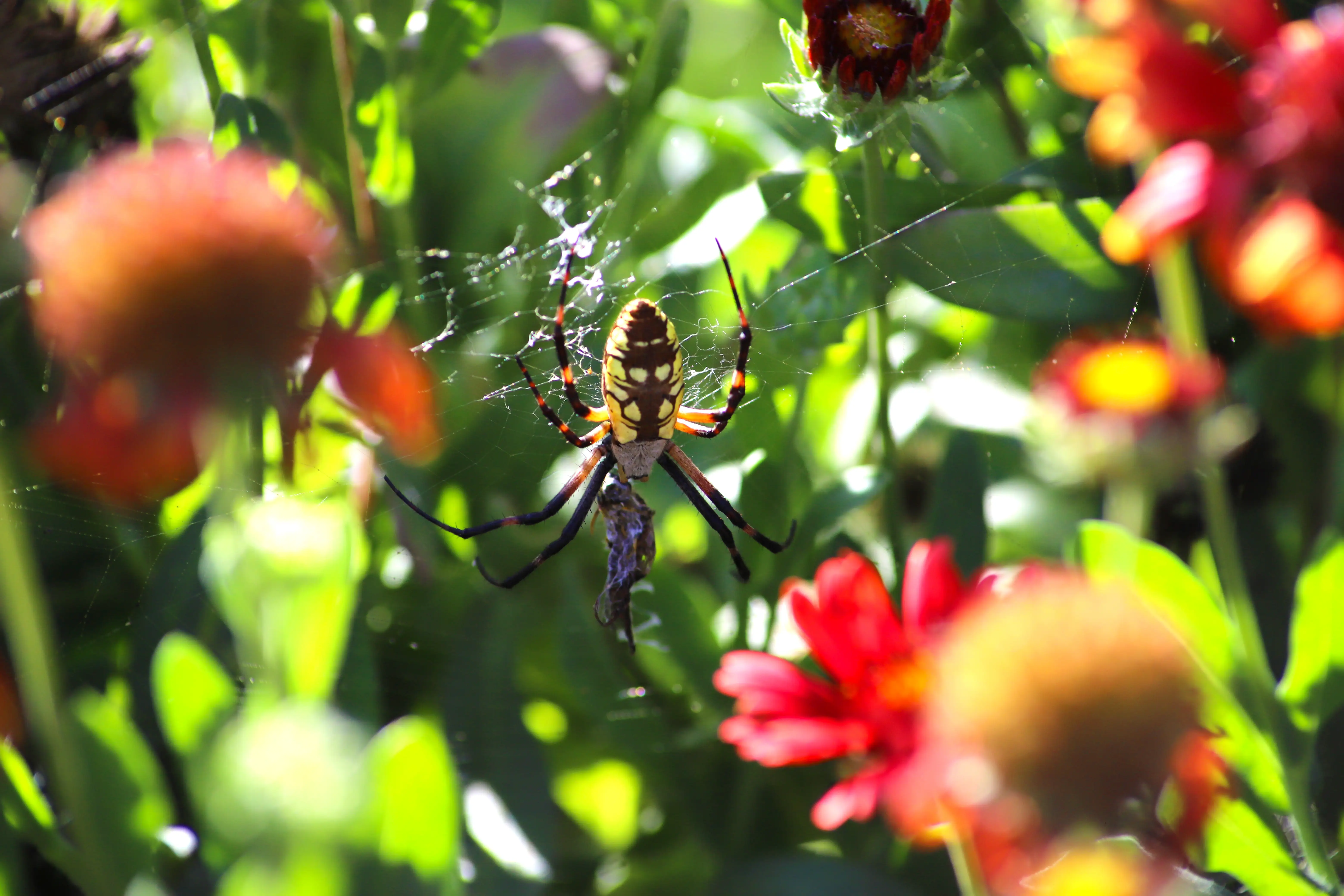
Orb Weaving Spider

Build large geometric webs daily. Spiny or smooth abdomens. Harmless and beneficial pest predators.

Hobo Spider

Brown with chevron markings. Despite rumors, CDC does not list as venomous to humans.

Crab Spider

Leg arrangement like crabs. Can change color to match flowers. Ambush predators. Not harmful.

Woodlouse Spider

Red legs, large fangs for eating pill bugs. Nocturnal. Bite painful but not medically significant.

Huntsman Spider

Large, gold colored (US species). Very fast. Shy, avoids humans. Bite painful but not serious.

Harvestmen

"Daddy long-legs" - actually not spiders. Single body segment. Non-venomous, no threat to humans.

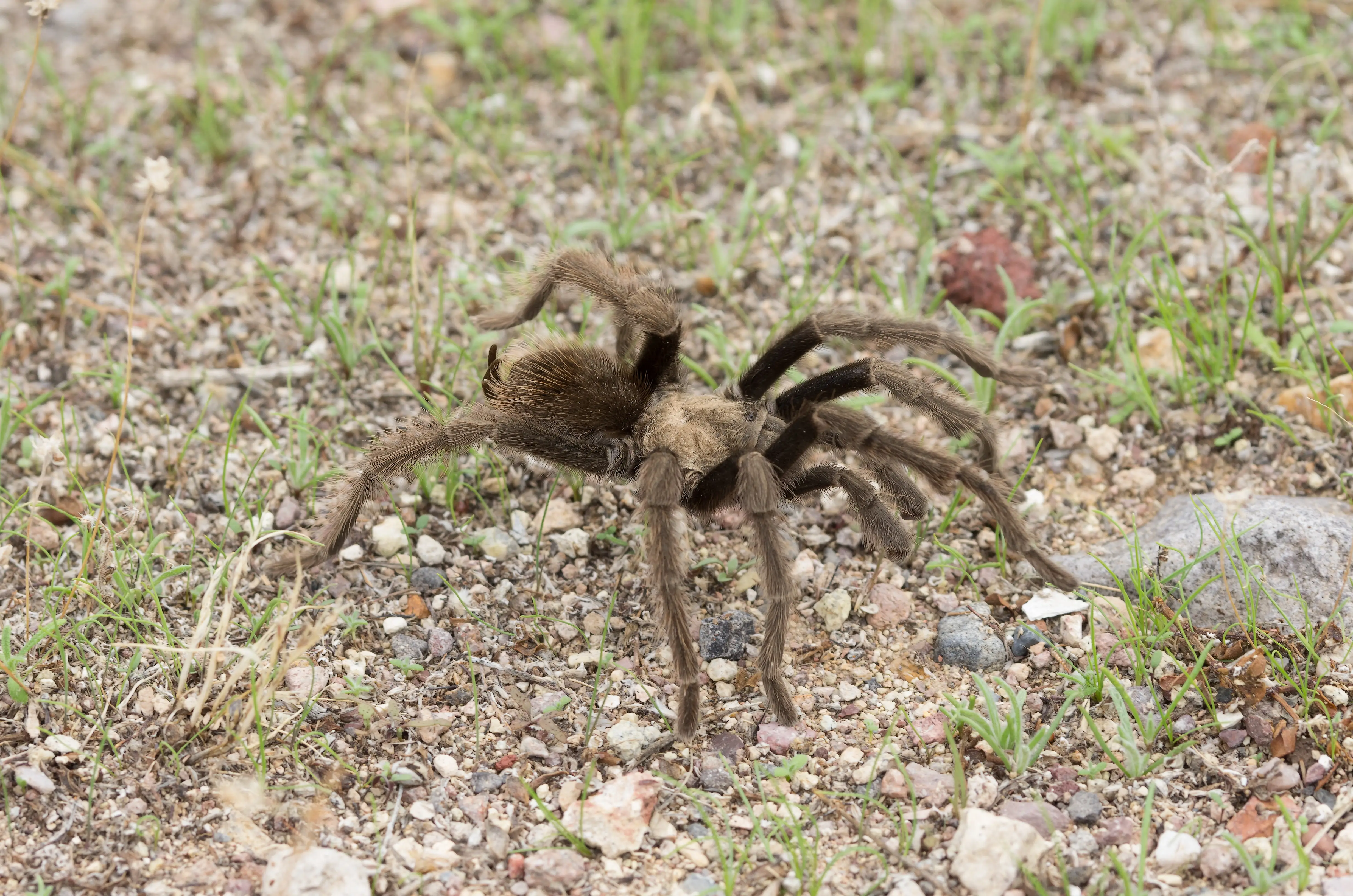
Tarantula

Up to 11 inches. Burrow dwellers. Non-aggressive. Venom non-lethal but bites painful due to fang size.

Control & Prevention

Prevention

  • Maintain clean, clutter-free environment
  • Keep garages, attics, basements tidy
  • Do not leave clothing/shoes on floor
  • Seal cracks and crevices
  • Remove rocks, wood piles, compost heaps

Control Methods

  • Vacuum/brush away webs regularly
  • Manual removal with gloves or container
  • Sticky traps along baseboards
  • Control other insects (spider prey)
  • Residual insecticides (pyrethroids)

Natural Deterrent: Mix 1/2 cup white vinegar, 1.5 cups water, and 20 drops peppermint essential oil. Spray around windowsills and entryways.

Contact EcoGuard Pest Management If You Are Dealing with Spiders

Spiders can be a nuisance and cause anxiety for many individuals. EcoGuard Pest Management specializes in handling spider infestations with expertise and eco-friendly approaches. Our skilled team will identify the spider species and tailor a targeted treatment plan to eliminate the problem.

Call (866) 326-2847Get Free Quote

Types of Spiders FAQs

What are the most harmless spiders?

The most harmless spider is generally considered to be the daddy longlegs or cellar spider (Pholcidae family). Despite urban myths, these spiders pose no threat to humans and their venom is not dangerous.

What is the deadliest spider in the world?

The Brazilian Wandering Spider, also known as the banana spider (Phoneutria), is often cited as the deadliest spider in the world. It possesses a potent neurotoxic venom, and while bites are rare, they can be dangerous to humans, especially if not treated promptly.

What is the most common spider?

The most common spider varies by region, but in many parts of the world, it is the Common House Spider (Parasteatoda tepidariorum). This spider is prevalent in human habitations and is generally harmless.

How do I identify a spider I found?

Note its size, color, shape, and any distinctive markings. Consider the type of web it weaves (if any) and where it was found. Use this information to search in a field guide or online database or consult an expert. Always do this from a safe distance to avoid potential bites.

From Our Blog

Related Articles

Are Black Widows Dangerous? Bites, Symptoms & Treatment

Are Black Widows Dangerous? Bites, Symptoms & Treatment

Learn if black widow spiders are dangerous, bite symptoms, what to do if bitten, risk factors, and when to seek medical...

Read Article
Are Wolf Spiders Poisonous? Bites, Symptoms & Treatment

Are Wolf Spiders Poisonous? Bites, Symptoms & Treatment

Learn if wolf spiders are poisonous, bite symptoms, treatment steps, allergic reactions, and how to prevent them from...

Read Article
Do Spiders Lay Eggs in the House? Identification & Removal

Do Spiders Lay Eggs in the House? Identification & Removal

Learn about spider eggs, how to identify egg sacs, where spiders lay eggs in homes, how many eggs they lay, and how to...

Read Article
House Spiders: Complete Guide to Indoor Spider Identification & Control

House Spiders: Complete Guide to Indoor Spider Identification & Control

Learn to identify common house spiders, distinguish harmless from dangerous species, and implement effective prevention...

Read Article
How Long Do Garden Spiders Live? Complete Lifespan Guide

How Long Do Garden Spiders Live? Complete Lifespan Guide

Learn how long garden spiders live, their annual life cycle, factors affecting longevity, and practical management...

Read Article
How to Get Rid of Black Widow Spiders

How to Get Rid of Black Widow Spiders

Learn how to get rid of black widow spiders using pesticides, natural methods, habitat modifications, and exclusion...

Read Article
How to Get Rid of Spiders in Your Home and Yard

How to Get Rid of Spiders in Your Home and Yard

Learn how to get rid of spiders using traps, cleaning, pesticides, natural deterrents, and prevention tips. Indoor and...

Read Article
Most Venomous Spiders in North America & the World

Most Venomous Spiders in North America & the World

Learn about the most venomous spiders including black widows, brown recluses, funnel-web spiders, and Brazilian...

Read Article
What are Black Widow Spiders? Identification, Habitat & Bites

What are Black Widow Spiders? Identification, Habitat & Bites

Learn about black widow spiders including identification, diet, habitat, reproduction, life cycle, bite symptoms, and...

Read Article
What Do Black Widow Spiders Eat? Complete Diet Guide

What Do Black Widow Spiders Eat? Complete Diet Guide

Discover what black widow spiders eat including insects, arthropods, and other prey. Learn about their hunting methods,...

Read Article
Where Do Black Widow Spiders Live? Habitat Guide

Where Do Black Widow Spiders Live? Habitat Guide

Discover where black widow spiders live in America, their preferred habitats indoors and outdoors, and how to prevent...

Read Article
Where Do Brown Recluse Spiders Live?

Where Do Brown Recluse Spiders Live?

Learn where brown recluse spiders live, the 16 states they are native to, where they hide indoors and outdoors, bite...

Read Article