EcoGuard Pest Management
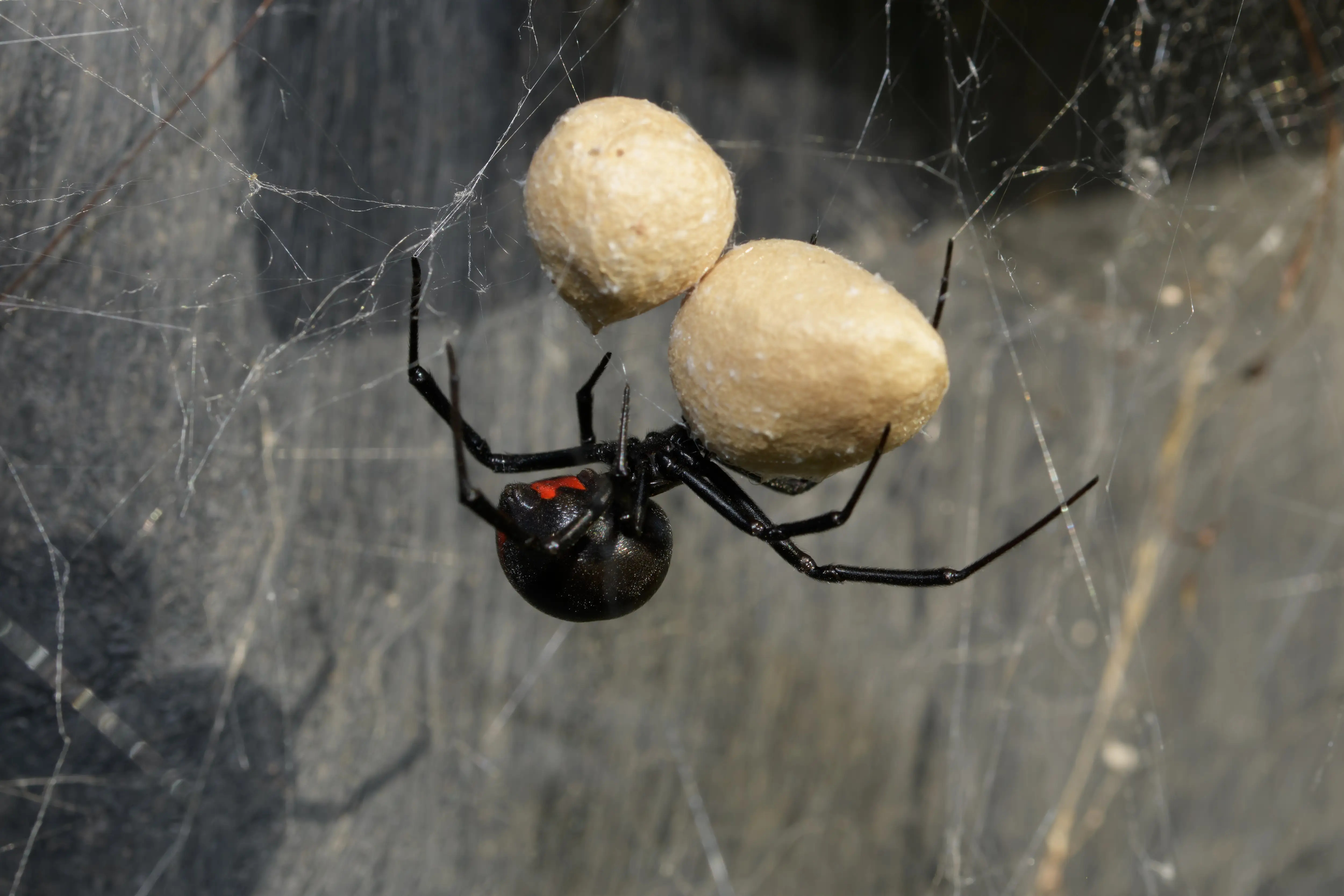
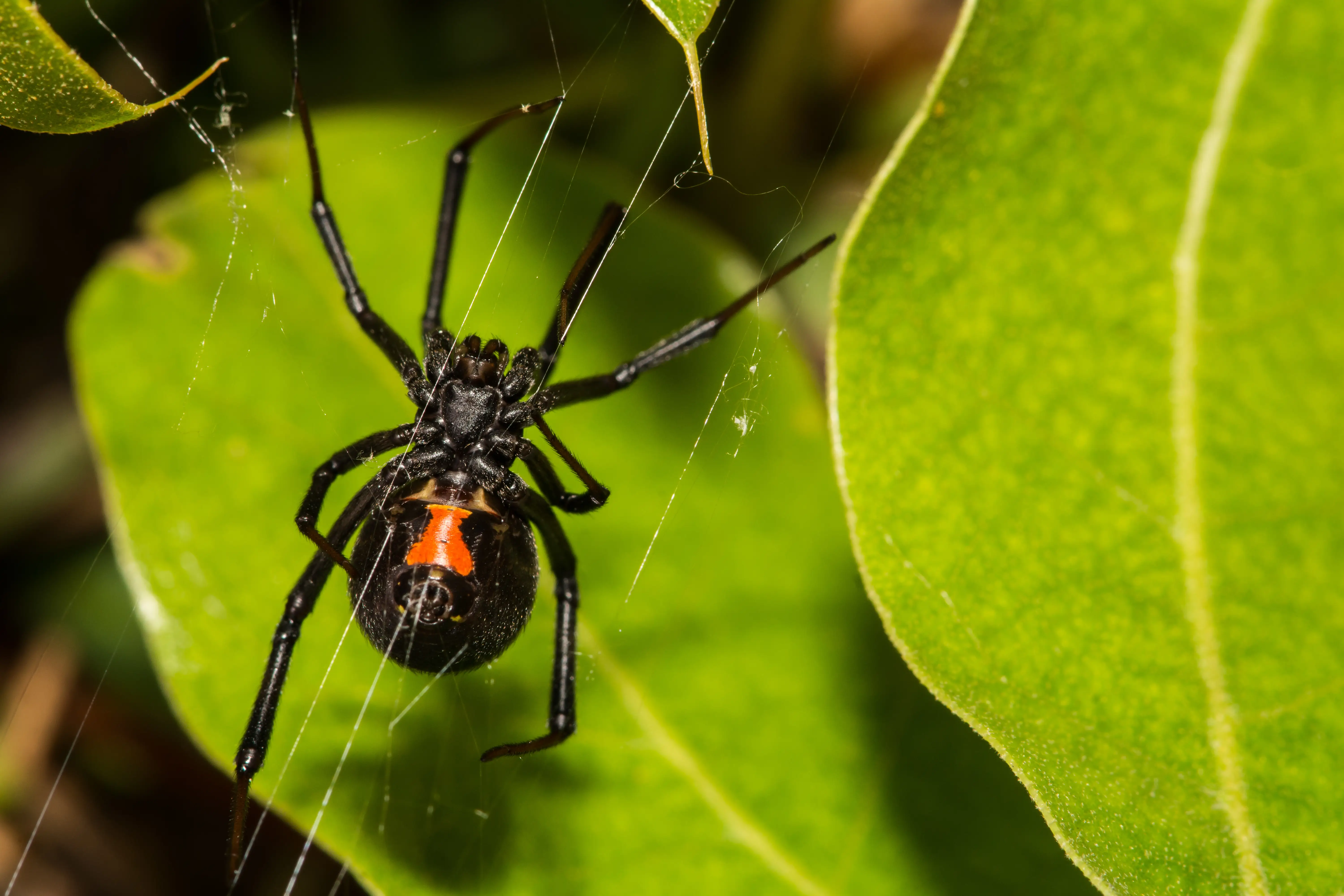
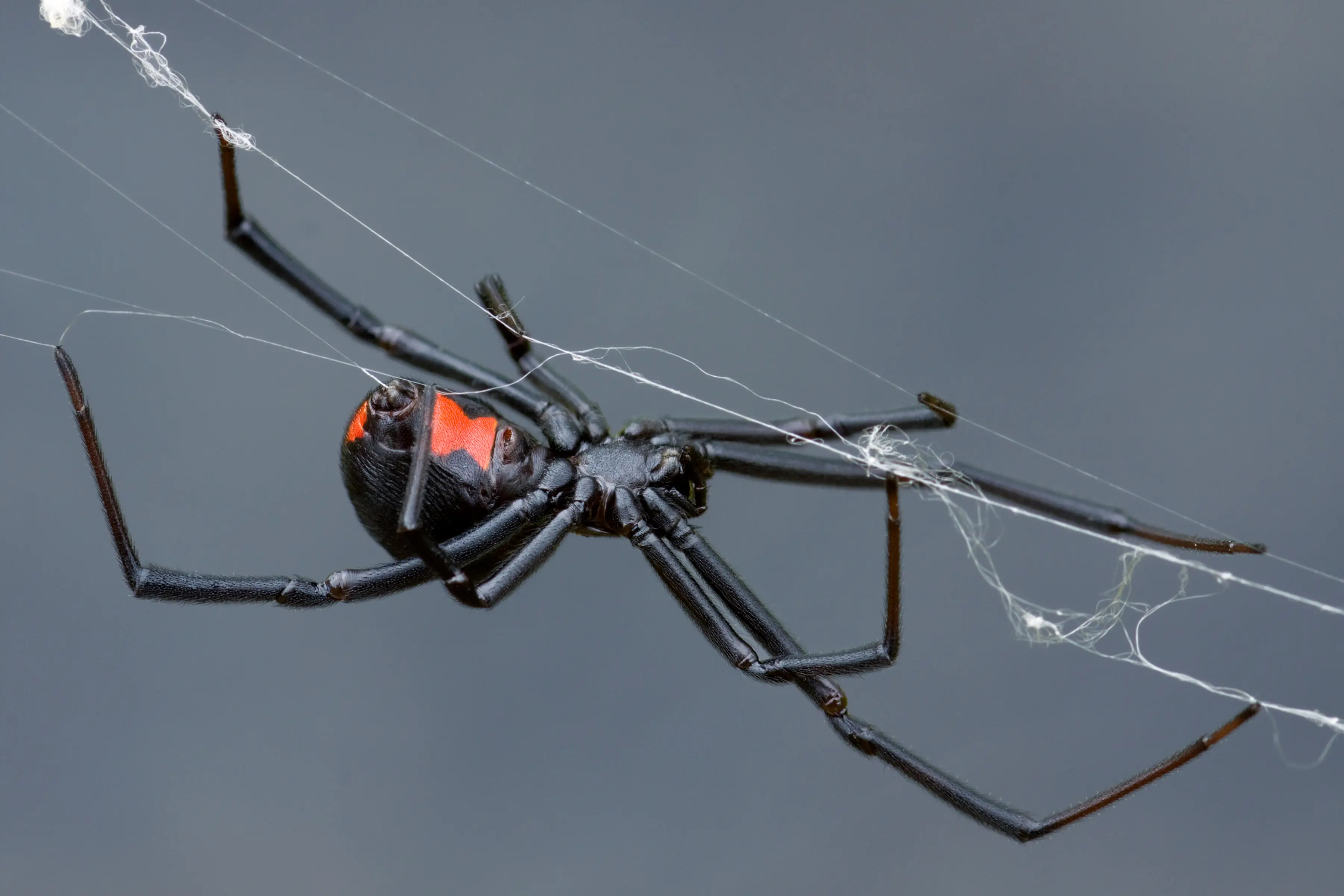
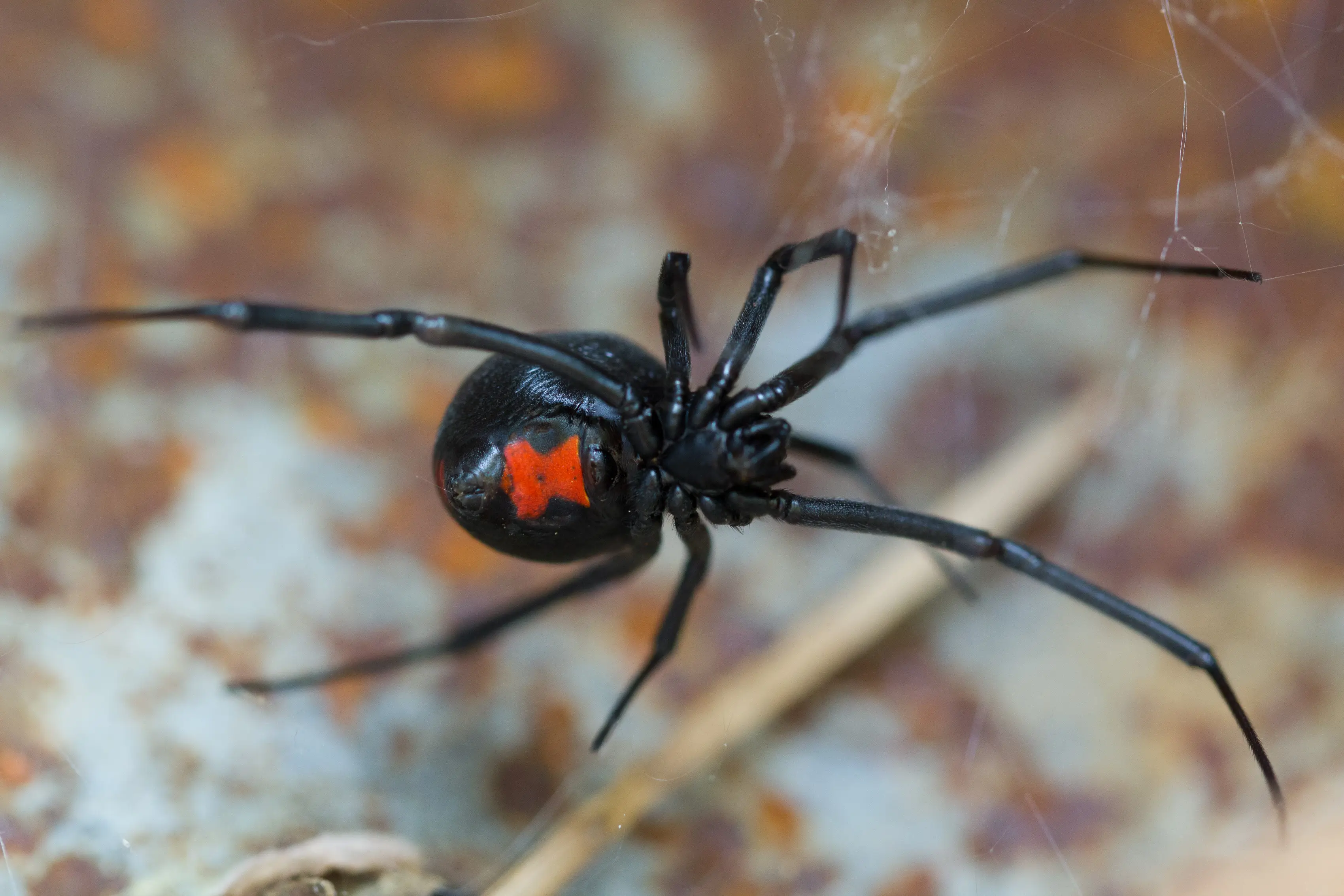
Black widow spider in natural habitat
By Gary Anderson||8 min read

Where Do Black Widow Spiders Live?

Learn where these venomous spiders are found and how to identify potential habitats around your home.

Black widow spiders are some of the most recognizable spiders in North America due to their distinctive appearance. They are also one of the most venomous spiders in the world. Given their reputation for potent venom, understanding their habitats and locations is important for safety and avoidance.

Geographically, black widow spiders have adapted to a range of climates and environments found in various parts of North America. Their habitats extend across the United States where they particularly thrive in warmer regions. These spiders typically prefer secluded, undisturbed areas to set up their webs.

Quick Facts About Black Widow Habitats

Preferred Climate: Warm, dry, and arid regions
Web Location: Near ground level for catching crawling insects
Environment: Dark, secluded, undisturbed areas

Key Facts

3 US Species
Southern, Northern, Western
Female Size
Up to 1.5 inches with legs
Identifying Mark
Red hourglass on abdomen

Where Do Black Widows Live in America?

Black widow spiders are mostly found in warmer climates, making them common in various regions across the southern United States and Northern Mexico. This climate preference makes them prevalent pests in each of the 4 major southwest deserts that reach from California to the Gulf States and Mexico.

Southern Black Widow (Latrodectus mactans)

Mainly inhabits the Southeastern states, but sightings of this species have reached as far as New York and Arizona.

Northern Black Widow (Latrodectus variolus)

Used to be found mainly in the Northeast, but is now prevalent in the Gulf States as well.

Western Black Widow (Latrodectus hesperus)

Can adapt to a variety of environments, from dry deserts to high mountains. Predominant throughout the West Coast from Mexico to Canada, and has spread to Midwest states reaching as far east as Texas, Oklahoma, and Kansas.

What Conditions Do Black Widows Like?

Black widow spiders are known to thrive in dry and arid climates. These types of environments offer the ideal setting for their survival and proliferation.

Dry and Arid Climates

Southwestern desert regions provide perfect conditions for survival.

Undisturbed Areas

Secluded spots where they can spin webs and catch prey with minimal interference.

Dark Sheltered Spots

Under rocks, in woodpiles, hollow tree stumps, or under eaves.

Near Ground Level

Webs are positioned low for easy access to crawling insects and pests.

What Do Black Widows Look Like?

Black widow spiders are known for their distinctive appearance, but the males and females exhibit stark differences in their physical characteristics.

Female Black Widow

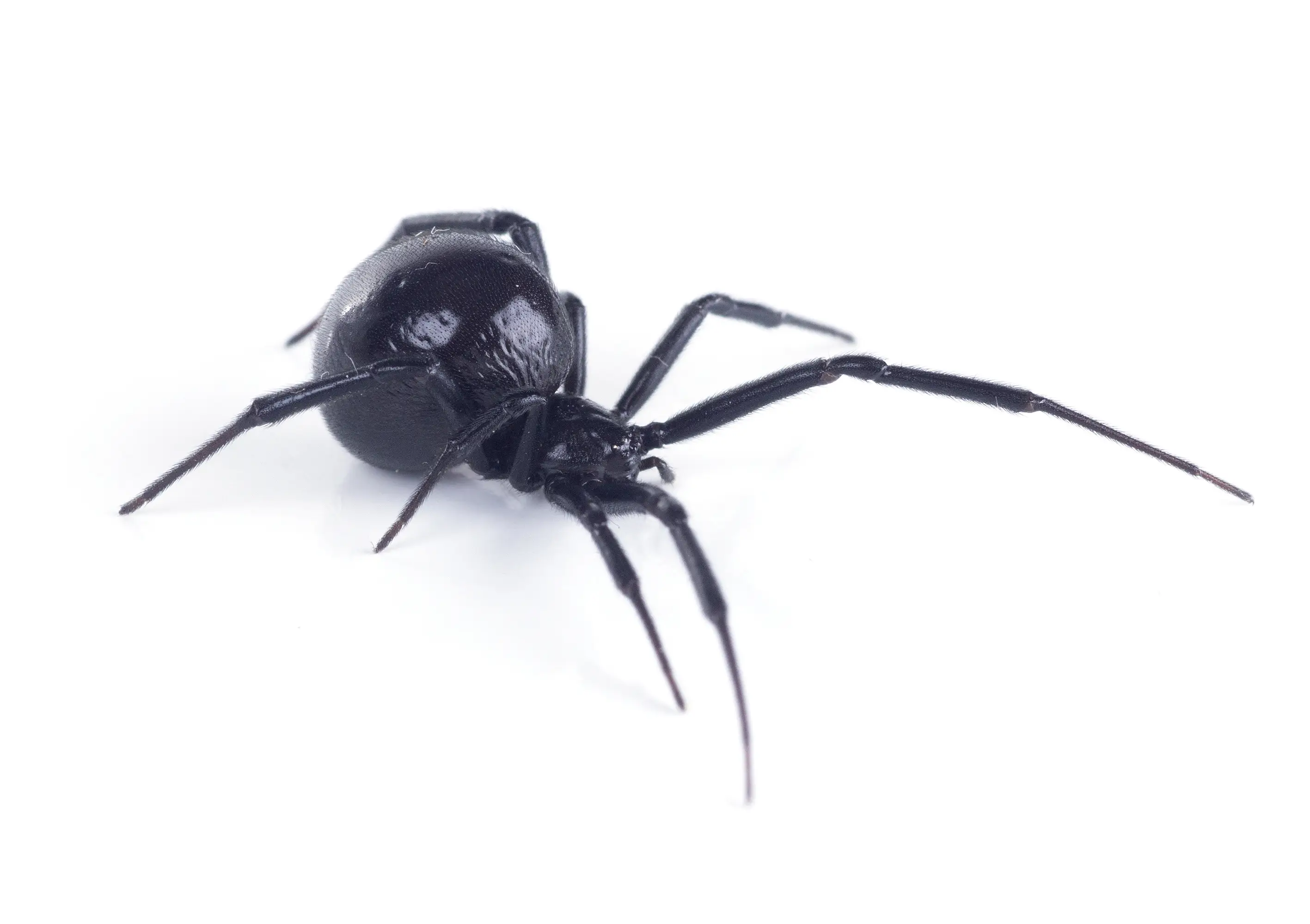
The more visually striking of the two sexes, with a shiny black exoskeleton and a vivid red hourglass marking on the underside of their abdomen. This unique pattern makes them one of the most recognized spiders in North America. Females measure up to 1.5 inches in length when legs are fully extended.

Male Black Widow

Significantly smaller than females, measuring about half the size. The coloration of males is also drastically different, with males being a much lighter shade of tan rather than the distinctive black of females.

Black Widow Habitats

Black widow spiders are extremely adaptable creatures that inhabit a variety of environments ranging from arid deserts to forests and grasslands. Black widow webs are generally found near the ground where they have easy access to their diet of crawling insects and pests.

Outdoor Habitats

Woodpiles

Hidden among logs and stacked wood

Gravel and Mulch

Areas with loose bark provide cover

Hollow Logs

Natural shelters in wooded areas

Under Stones

Cool, dark hiding spots

Burrows and Holes

Ground-level openings

Trees and Bushes

Ideal web-spinning spots

Water Meters

Dark, quiet man-made structures

Decks and Patios

Underneath and in crevices

Sheds and Wells

Outbuildings with dark corners

Indoor Habitats

While predominantly outdoor creatures, black widows can establish habitats inside homes in areas that offer darkness and seclusion. They are drawn to spaces that are poorly lit and less frequented by humans.

Garages

Quiet corners and cluttered areas

Basements

Dark, undisturbed spaces

Crawl Spaces

Rarely accessed areas

Cardboard Boxes

Storage areas and clutter

Rarely Worn Shoes

Dark, enclosed spaces

Pipe Gaps and Vents

Hidden entry points

What Attracts Black Widows to Your House?

Black widow spiders are primarily drawn to homes that offer ample food sources and suitable locations for web construction. If there are other pest intruders like cockroaches or house crickets, there is a higher likelihood of black widow activity.

Undisturbed Outdoor Structures

Garages, sheds, and barns that are quieter and less disturbed

Overgrown Landscaping

Bushes and grass that provide shelter and harbor insects

Clutter

Leaves, wood piles, and cardboard boxes provide hiding spots

Light Sources

Outdoor and porch lights attract insects that black widows prey on

Found Black Widows on Your Property?

Do not risk a venomous bite. Our experts can safely remove black widows and prevent future infestations.

Call (866) 326-2847

Black Widow Webs

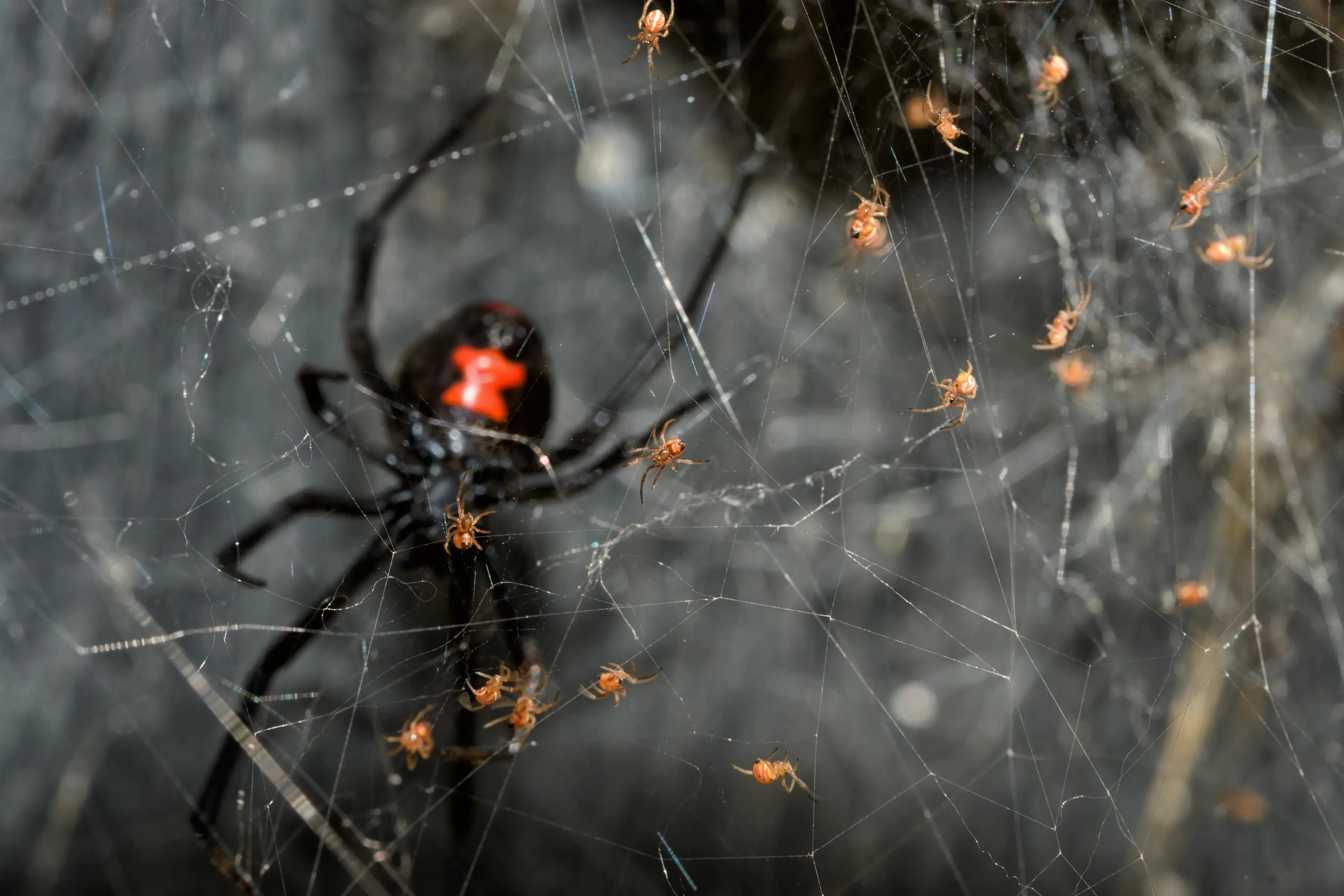
Black widow spider webs are unique and intricate structures that serve multiple purposes. Unlike the orderly and geometric webs of some other spider species, black widow webs are often irregular and seemingly chaotic in design.

Prey Capture

The web structure can entangle both predators and prey, making it a highly effective trap. Once an insect is caught, the spider quickly immobilizes it by wrapping it in silk.

Protection

Webs provide shelter from predators and a barrier against harsh weather conditions. They also play a role in communication during mating.

Food Storage

After administering a lethal dose of venom and subduing prey, the black widow methodically prepares its meal and often stores portions within the web for later consumption.

How to Prevent Black Widows

Preventing black widow spiders from taking up residence in and around your home involves a combination of vigilance, maintenance, and environmental control.

Regular Inspections

Conduct thorough checks of your home, especially in corners and poorly lit areas. Use a flashlight to identify webs that can be difficult to see in the dark.

Seal Entry Points

Check your home for any crevices, openings, or gaps around windows and doors. Ensure these are sealed properly to prevent spiders from entering.

Maintain Cleanliness

Keep your home clean and free of debris to eliminate cluttered areas where black widows can establish webs and reduce other pests they feed on.

Yellow Outdoor Lighting

Consider using yellow light bulbs outside. Yellow light is less attractive to insects that black widows prey upon, reducing their food sources near your home.

Outdoor Maintenance

Keep your lawn mowed and tidy. Trim vines and plants to prevent them from touching your house. Store woodpiles and debris away from your home.

Contact EcoGuard if You Are Dealing with Black Widows

If you are facing challenges with black widow spiders around your home, it is important to address the issue promptly. EcoGuard Pest Management offers expert solutions to safely and efficiently deal with black widow infestations. Our team of professionals is equipped with the knowledge and tools necessary to ensure that your home remains safe and spider-free. Contact us today for a thorough inspection and tailored pest control solutions.

Call (866) 326-2847Get Free Quote

Black Widow Habitat FAQs

Where are black widows mostly found?

Black widow spiders are predominantly found in warmer regions, particularly in the Southern United States. They thrive in areas like the four southwestern deserts in states such as California, Arizona, Texas, Nevada, New Mexico, and Utah. These spiders prefer secluded, undisturbed environments in outdoor locations like woodpiles, rubble, and dark corners of garages and sheds but will also settle for garages, basements, and crawlspaces.

How poisonous is a black widow?

The venom of a black widow spider is highly potent and is considered one of the most toxic to humans among North American spiders. While a bite can be quite painful and cause significant symptoms like muscle pain, nausea, and difficulty breathing, it is rarely fatal to healthy adults. However, the venom can be more dangerous for young children, the elderly, and individuals with compromised immune systems, making prompt medical treatment essential after a bite.

Are black widows common inside homes?

Black widow spiders are not typically found inside homes because they prefer their natural outdoor environments that are less disturbed and offer ample hiding places. However, they can occasionally be found indoors, especially in less frequented and cluttered areas like garages, basements, and crawl spaces. Since most homes do not harbor a large number of insects, significant populations of black widows inside homes are relatively uncommon.

From Our Blog

Related Articles

21 Different Types of Spiders in North America

21 Different Types of Spiders in North America

Comprehensive guide to spider species in North America including black widows, brown recluses, wolf spiders, house...

Read Article
Are Black Widows Dangerous? Bites, Symptoms & Treatment

Are Black Widows Dangerous? Bites, Symptoms & Treatment

Learn if black widow spiders are dangerous, bite symptoms, what to do if bitten, risk factors, and when to seek medical...

Read Article
Are Wolf Spiders Poisonous? Bites, Symptoms & Treatment

Are Wolf Spiders Poisonous? Bites, Symptoms & Treatment

Learn if wolf spiders are poisonous, bite symptoms, treatment steps, allergic reactions, and how to prevent them from...

Read Article
Do Spiders Lay Eggs in the House? Identification & Removal

Do Spiders Lay Eggs in the House? Identification & Removal

Learn about spider eggs, how to identify egg sacs, where spiders lay eggs in homes, how many eggs they lay, and how to...

Read Article
House Spiders: Complete Guide to Indoor Spider Identification & Control

House Spiders: Complete Guide to Indoor Spider Identification & Control

Learn to identify common house spiders, distinguish harmless from dangerous species, and implement effective prevention...

Read Article
How Long Do Garden Spiders Live? Complete Lifespan Guide

How Long Do Garden Spiders Live? Complete Lifespan Guide

Learn how long garden spiders live, their annual life cycle, factors affecting longevity, and practical management...

Read Article
How to Get Rid of Black Widow Spiders

How to Get Rid of Black Widow Spiders

Learn how to get rid of black widow spiders using pesticides, natural methods, habitat modifications, and exclusion...

Read Article
How to Get Rid of Spiders in Your Home and Yard

How to Get Rid of Spiders in Your Home and Yard

Learn how to get rid of spiders using traps, cleaning, pesticides, natural deterrents, and prevention tips. Indoor and...

Read Article
Most Venomous Spiders in North America & the World

Most Venomous Spiders in North America & the World

Learn about the most venomous spiders including black widows, brown recluses, funnel-web spiders, and Brazilian...

Read Article
What are Black Widow Spiders? Identification, Habitat & Bites

What are Black Widow Spiders? Identification, Habitat & Bites

Learn about black widow spiders including identification, diet, habitat, reproduction, life cycle, bite symptoms, and...

Read Article
What Do Black Widow Spiders Eat? Complete Diet Guide

What Do Black Widow Spiders Eat? Complete Diet Guide

Discover what black widow spiders eat including insects, arthropods, and other prey. Learn about their hunting methods,...

Read Article
Where Do Brown Recluse Spiders Live?

Where Do Brown Recluse Spiders Live?

Learn where brown recluse spiders live, the 16 states they are native to, where they hide indoors and outdoors, bite...

Read Article