EcoGuard Pest Management
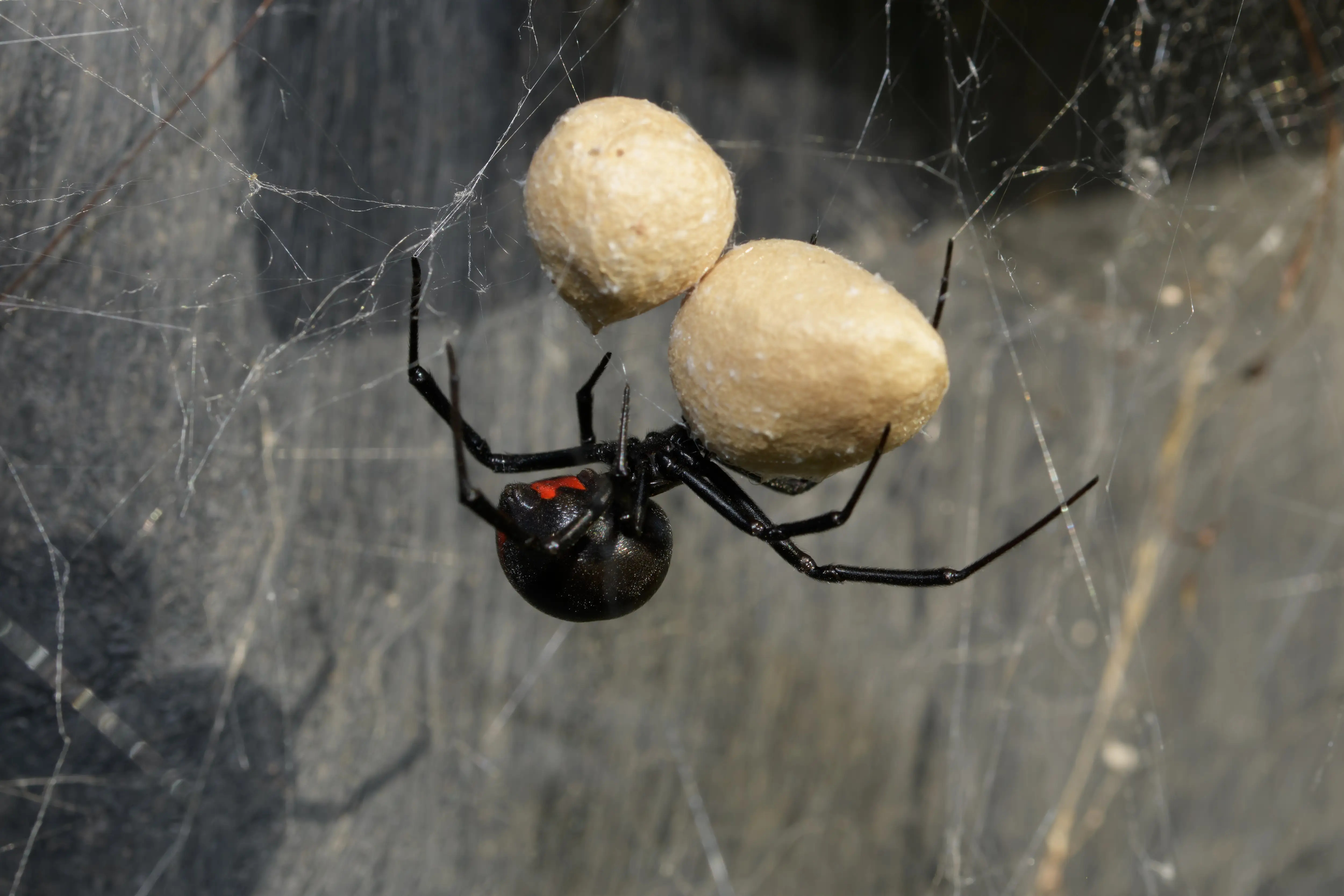
Spider egg sac attached to web
By Gary Anderson||4 min read

Do Spiders Lay Eggs in the House?

Identification, egg sac locations, hatching timeline, and prevention tips.

Spiders that inhabit homes are generally harmless to humans and often feed on bugs which help keep pest populations down. However, once they find their way into a household, spiders begin laying eggs which can lead to infestations.

Unlike other insects, spiders typically lay their eggs inside a silk egg sac. This sac is usually hidden within a web, attached to a surface, or carried by the female spider. A single spider can generate multiple egg sacs during their lifetime with each sac containing several hundred eggs.

Why This Matters

Understanding spider reproduction helps prevent infestations. By recognizing where spiders lay eggs and what their egg sacs look like, homeowners can identify problems before they escalate.

Quick Facts

Eggs laid in silk sacs
30-300 eggs per sac typical
Hatch in 2-3 weeks
Breed year-round indoors
How Do You Identify Spider Egg Sacs?

Most spider egg sacs look like small white pearls encased in silk and hanging in cobwebs. However, they can vary by species:

Pea to Grape
Size range
White (most)
Color of spider silk
Brown/Green
Some species
Spherical
Typical shape

Tip: The type of web holding the egg sac is usually a good indicator of the spider species. Notable web types include orbs, cobwebs/tangles, funnels, sheet webs, and wooly webs.

Where Do Spiders Lay Eggs?

Spiders seek hidden, protected locations safe from parasites and the elements:

Indoor Locations

  • Dark, damp, secluded areas
  • Attics and basements
  • Garages
  • Corners and crevices
  • Under furniture

Outdoor Locations

  • Woodpiles
  • Building overhangs
  • Under stones
  • Leaf piles and debris
  • In foliage

How Many Eggs Do Spiders Lay?

The number varies greatly by species. Common house spiders lay around 100 eggs per sac, while some species lay up to 2,000. The overall range is typically 100-4,000 eggs in a spider's lifespan.

Spider TypeEggs per SacNumber of Sacs
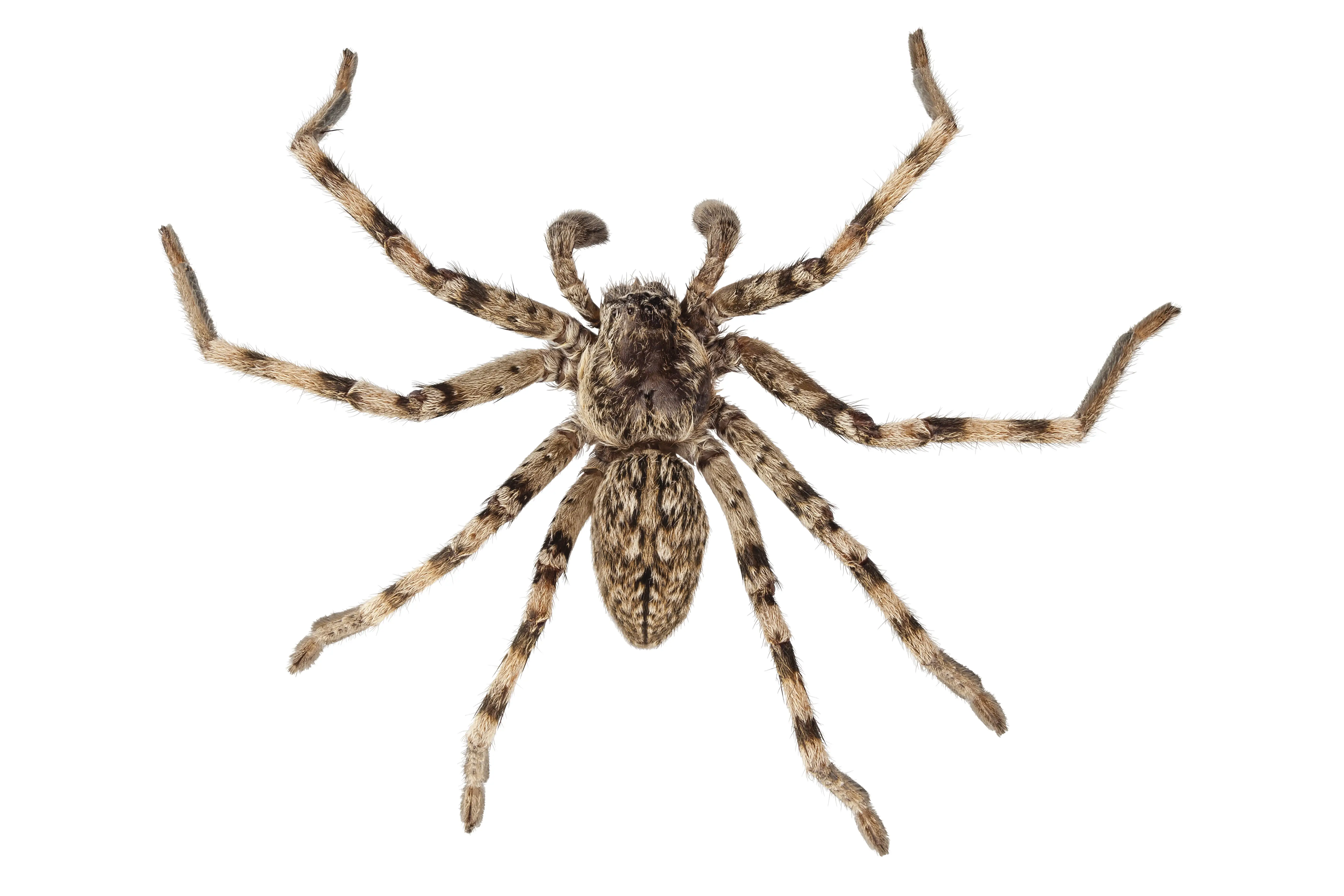
Wolf spiders100+1-2
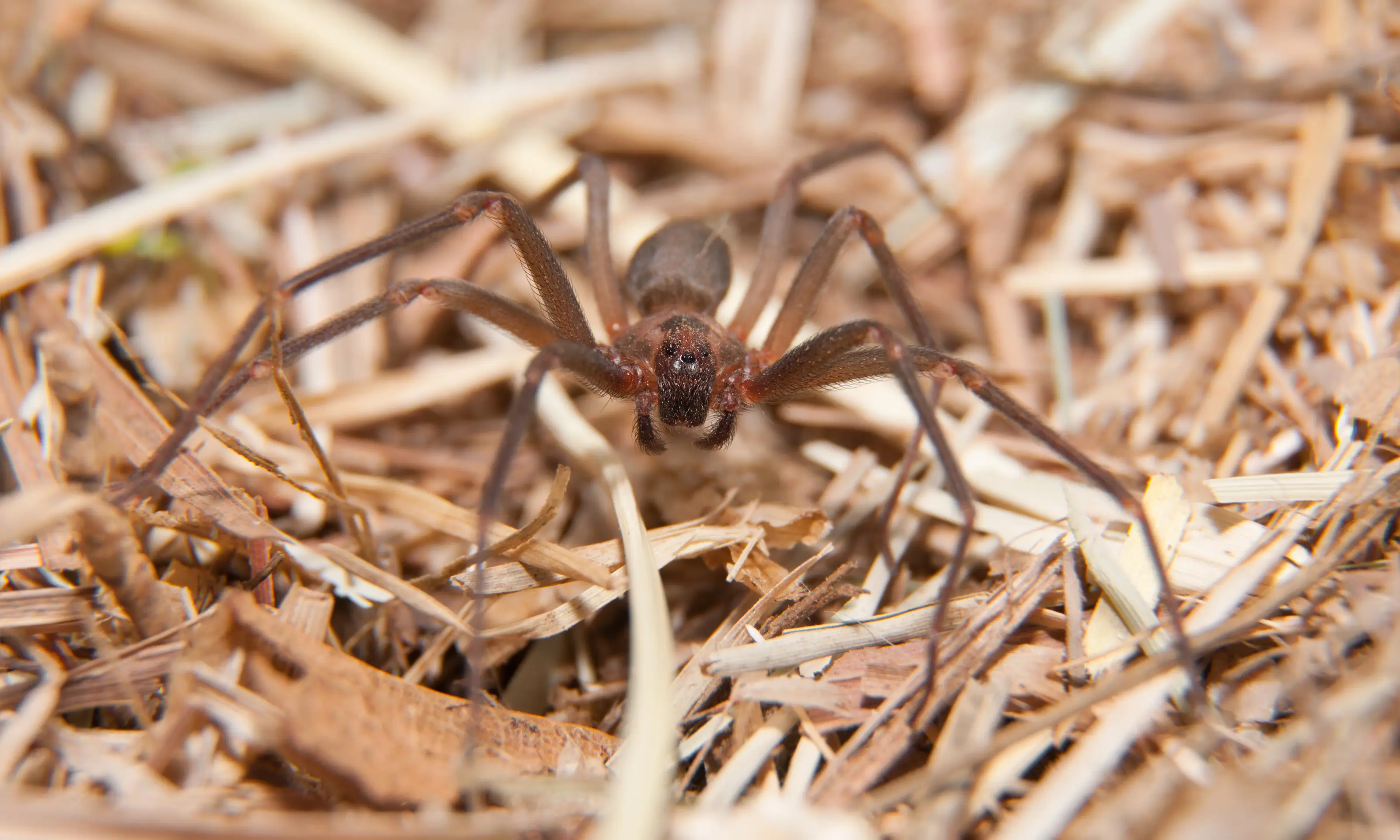
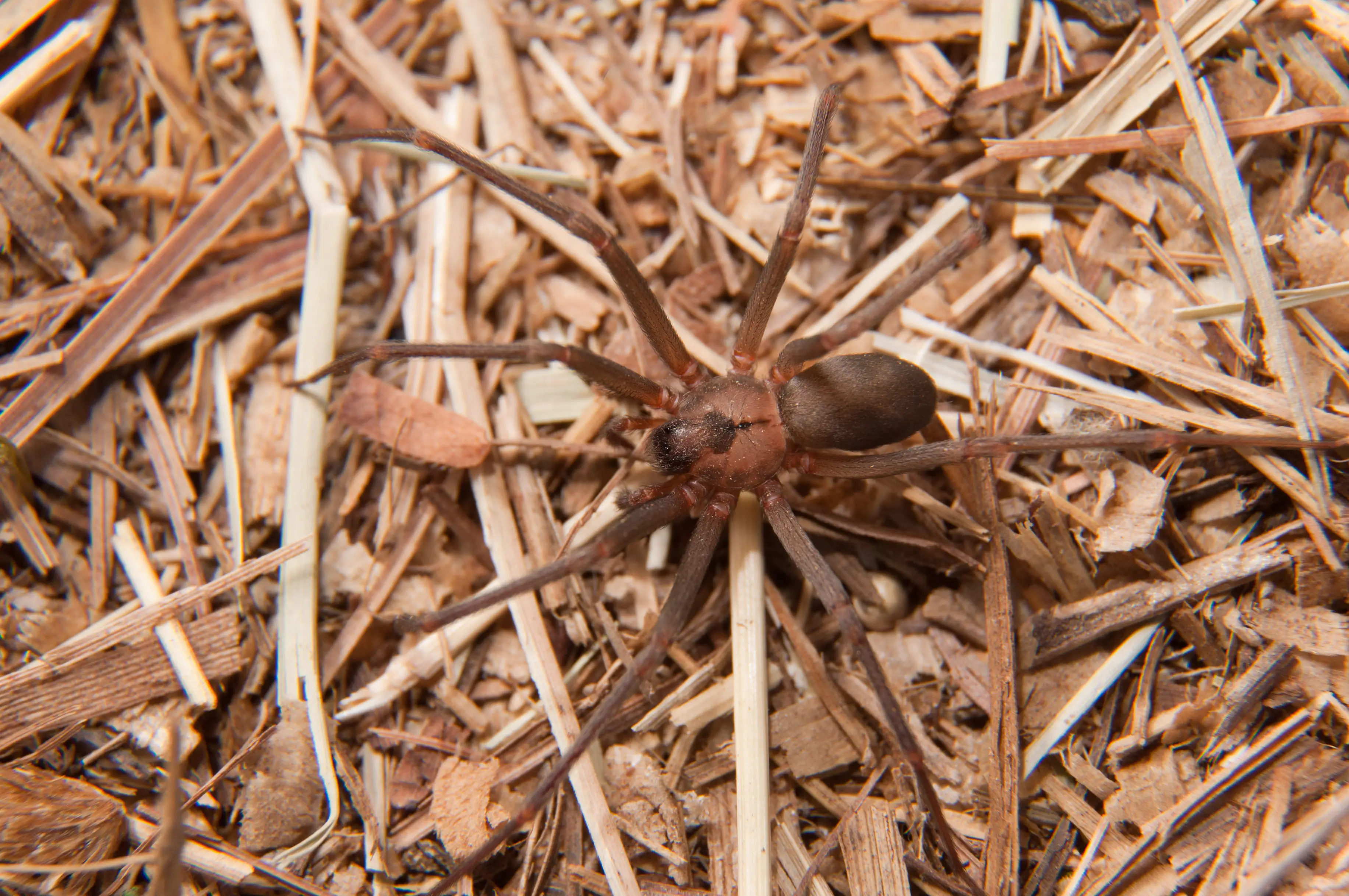
Brown recluse spiders40-505
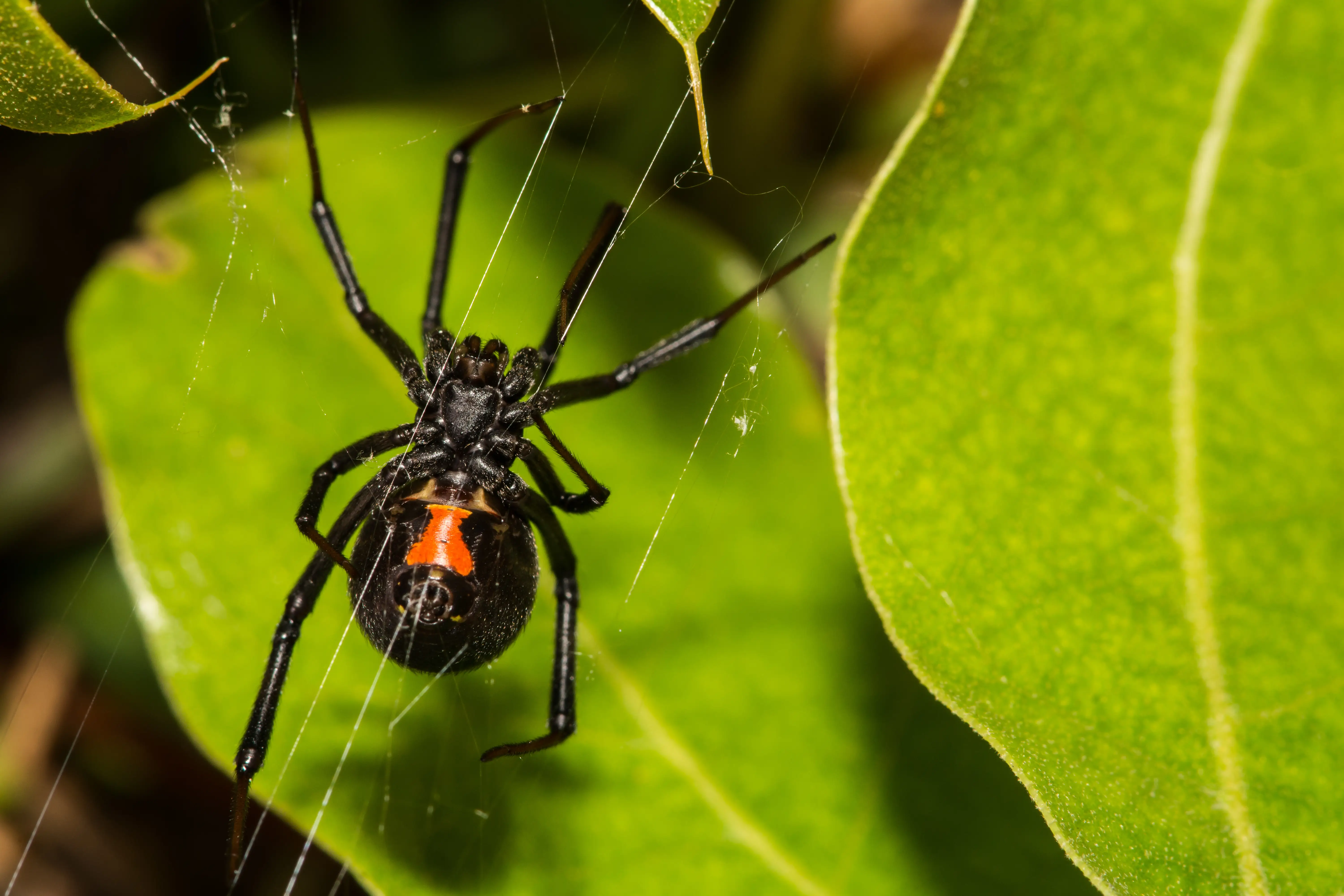
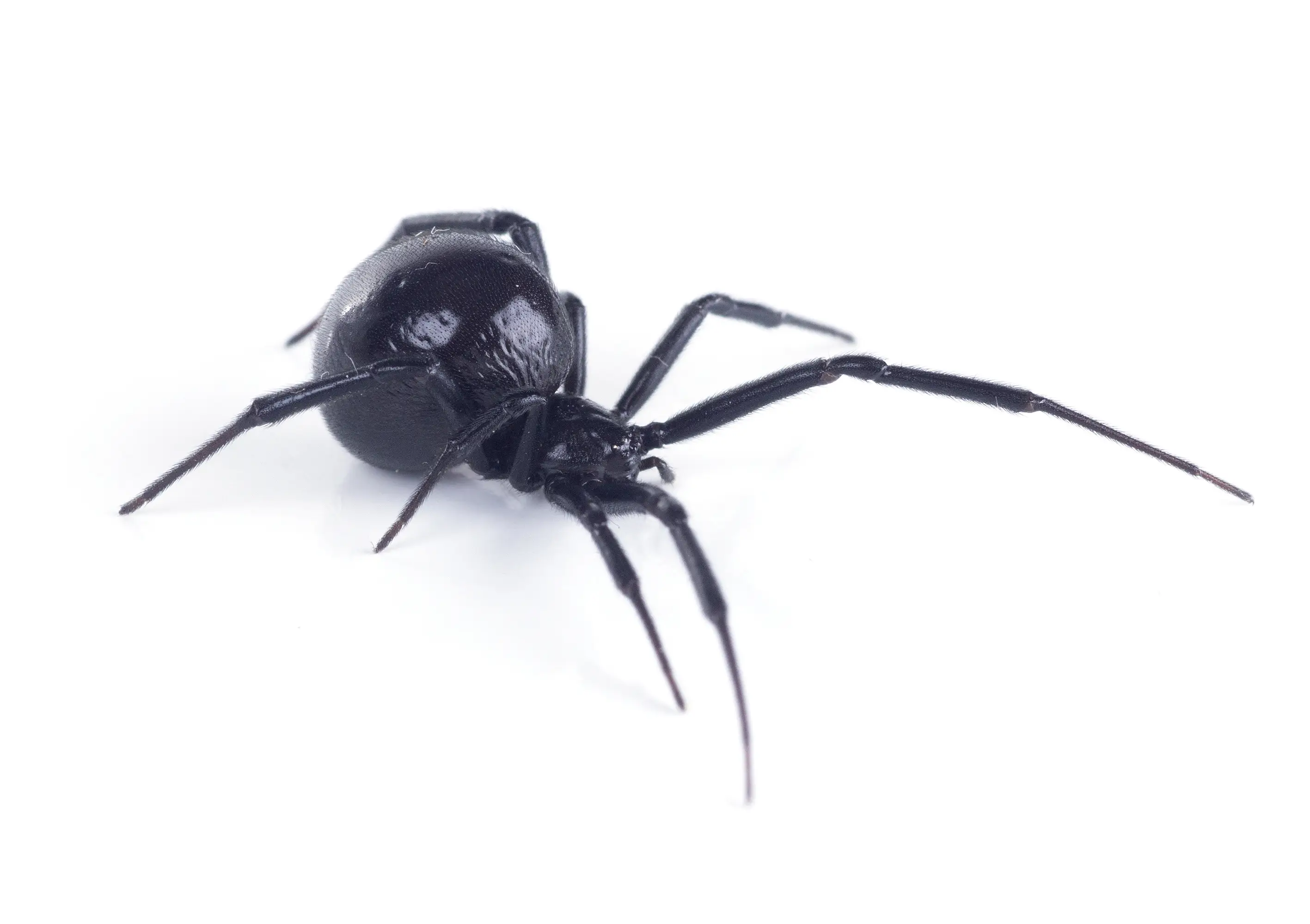
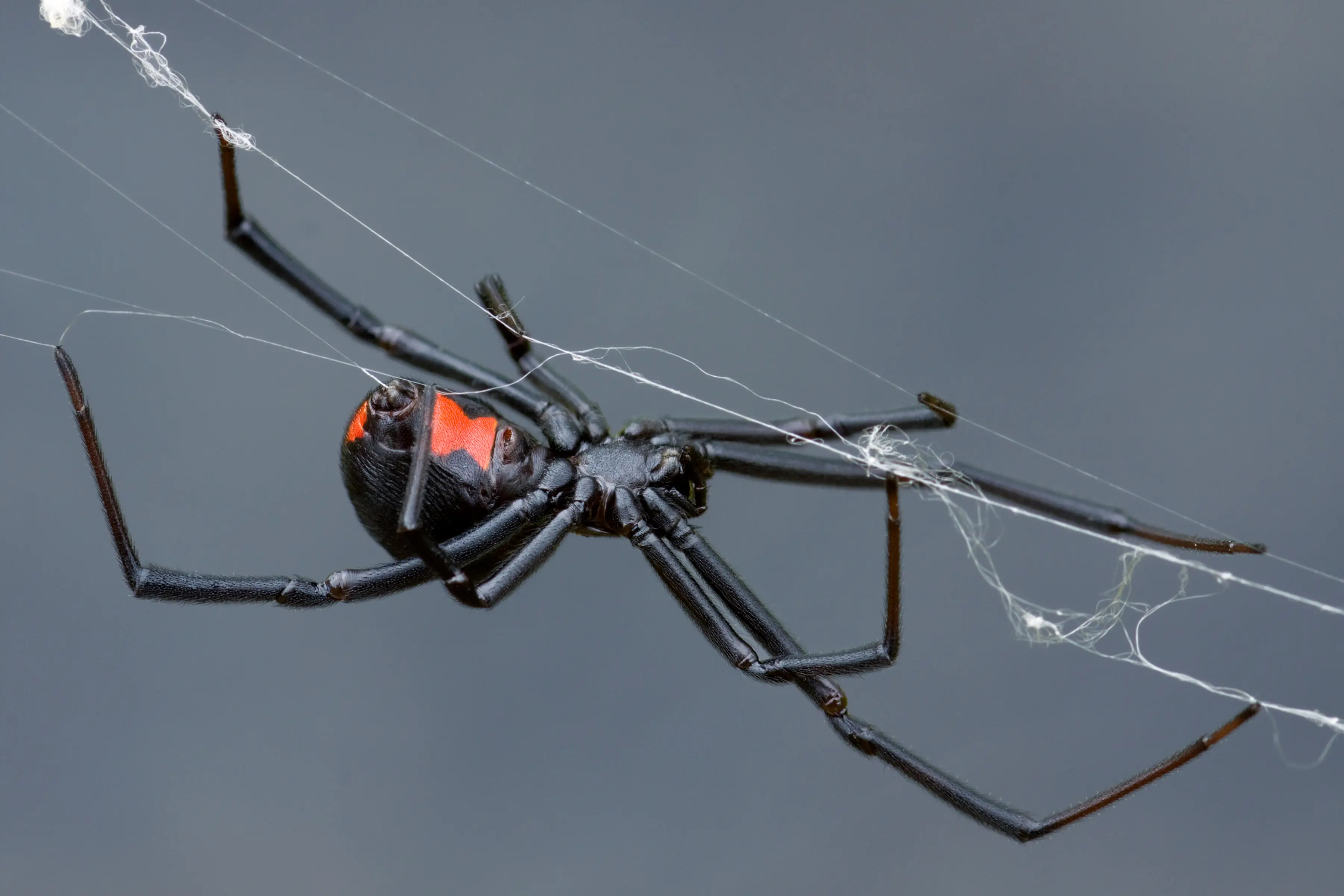
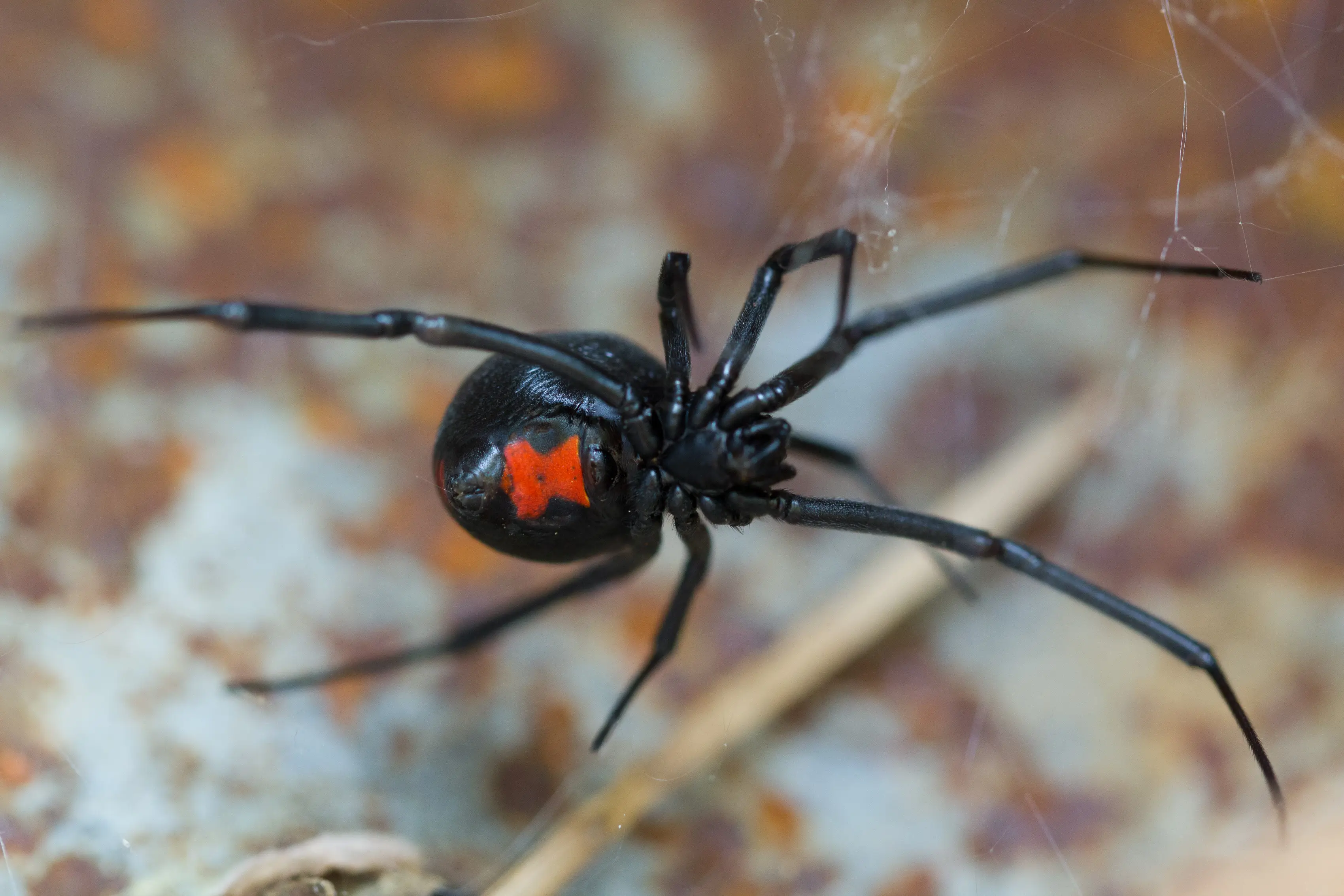
Black widow spiders2555
Yellow sac spiders30-505
Jumping spiders30-1706
Hobo spiders50-1001-4
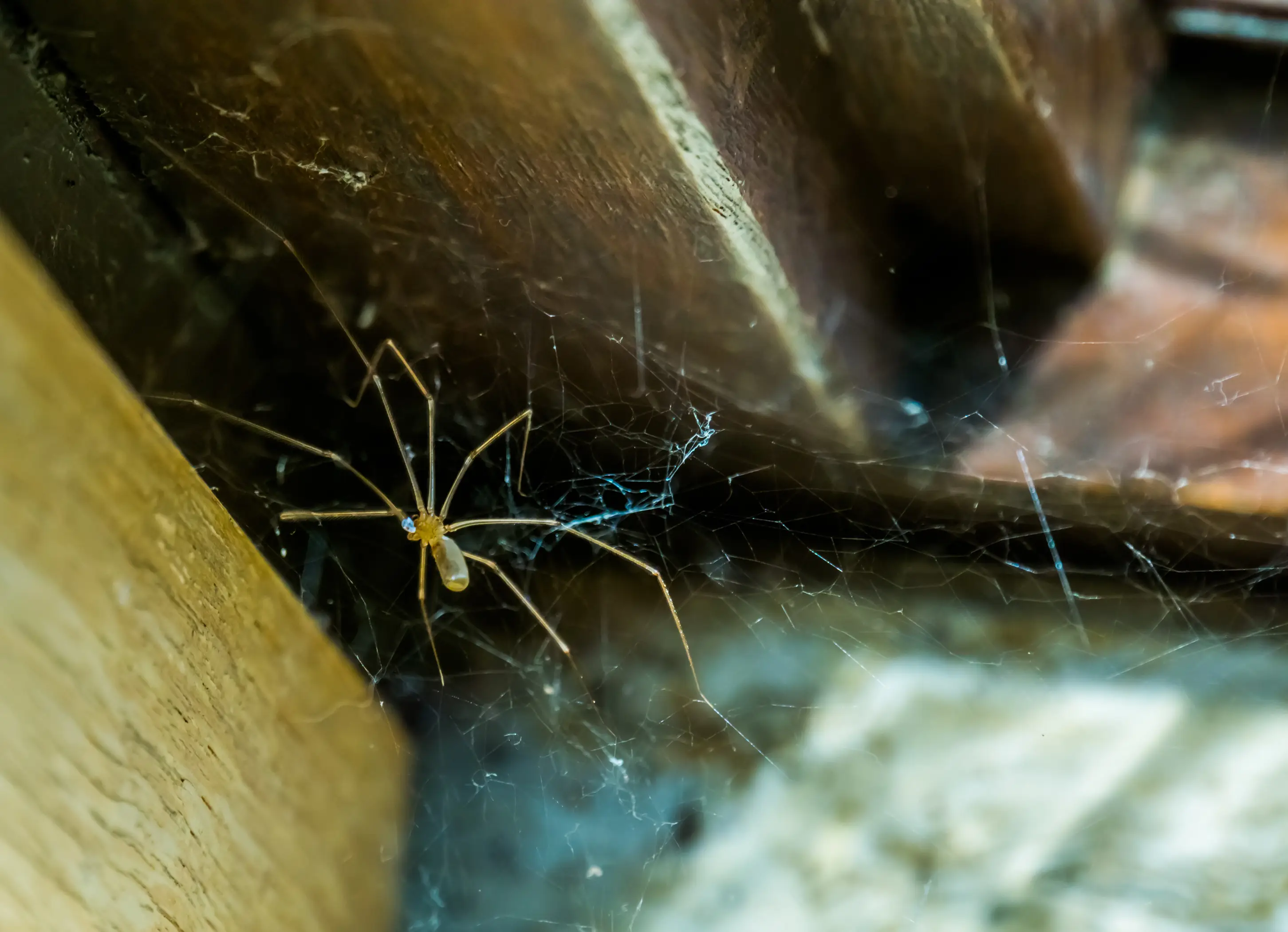
Daddy long legs508
American house spiders25017
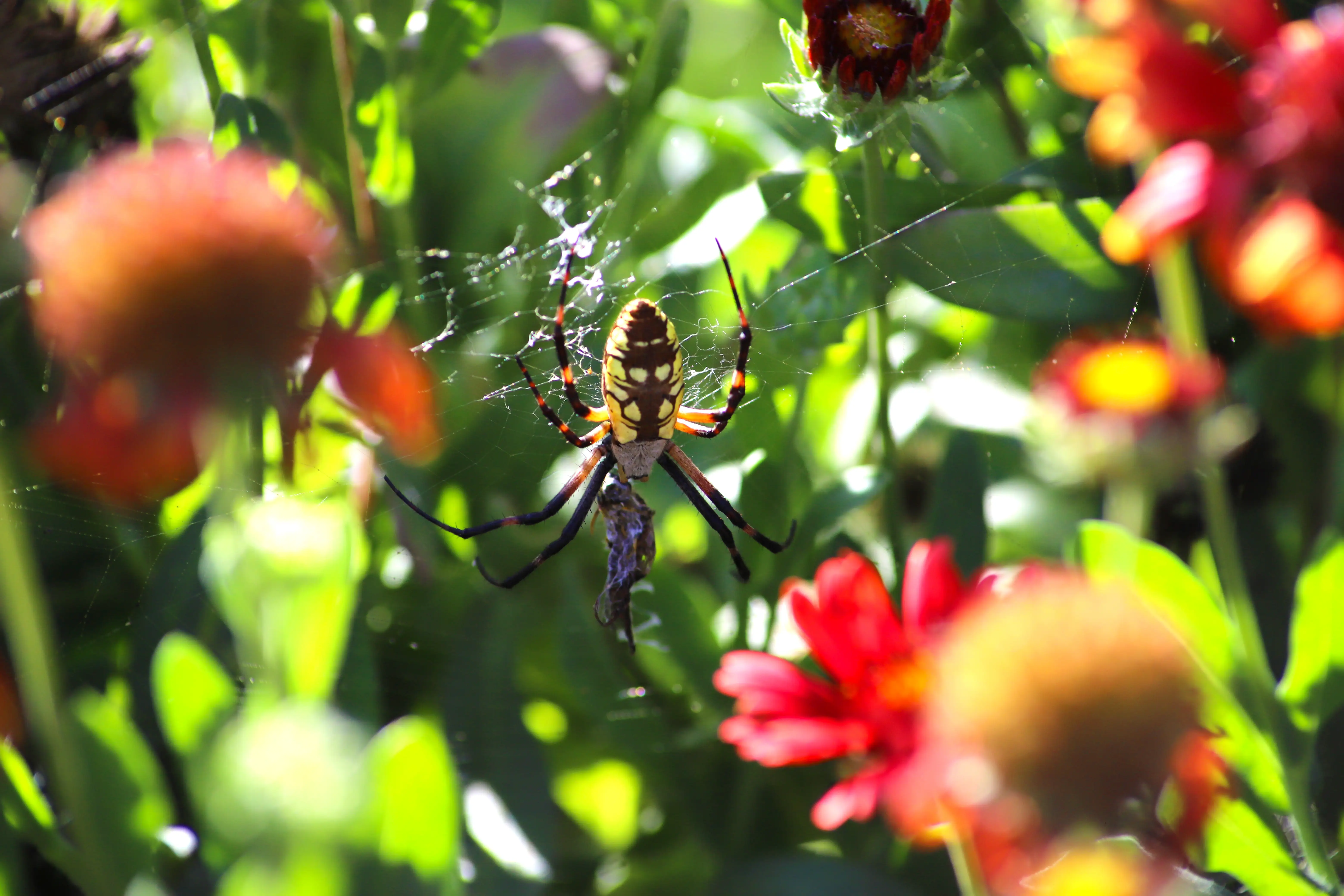
Orb-weaver spiders100-3001-4

Found Spider Egg Sacs in Your Home?

One egg sac can contain hundreds of spiders. Get professional treatment before they hatch.

Call (866) 326-2847

Hatching & Dispersal

Hatching Timeline

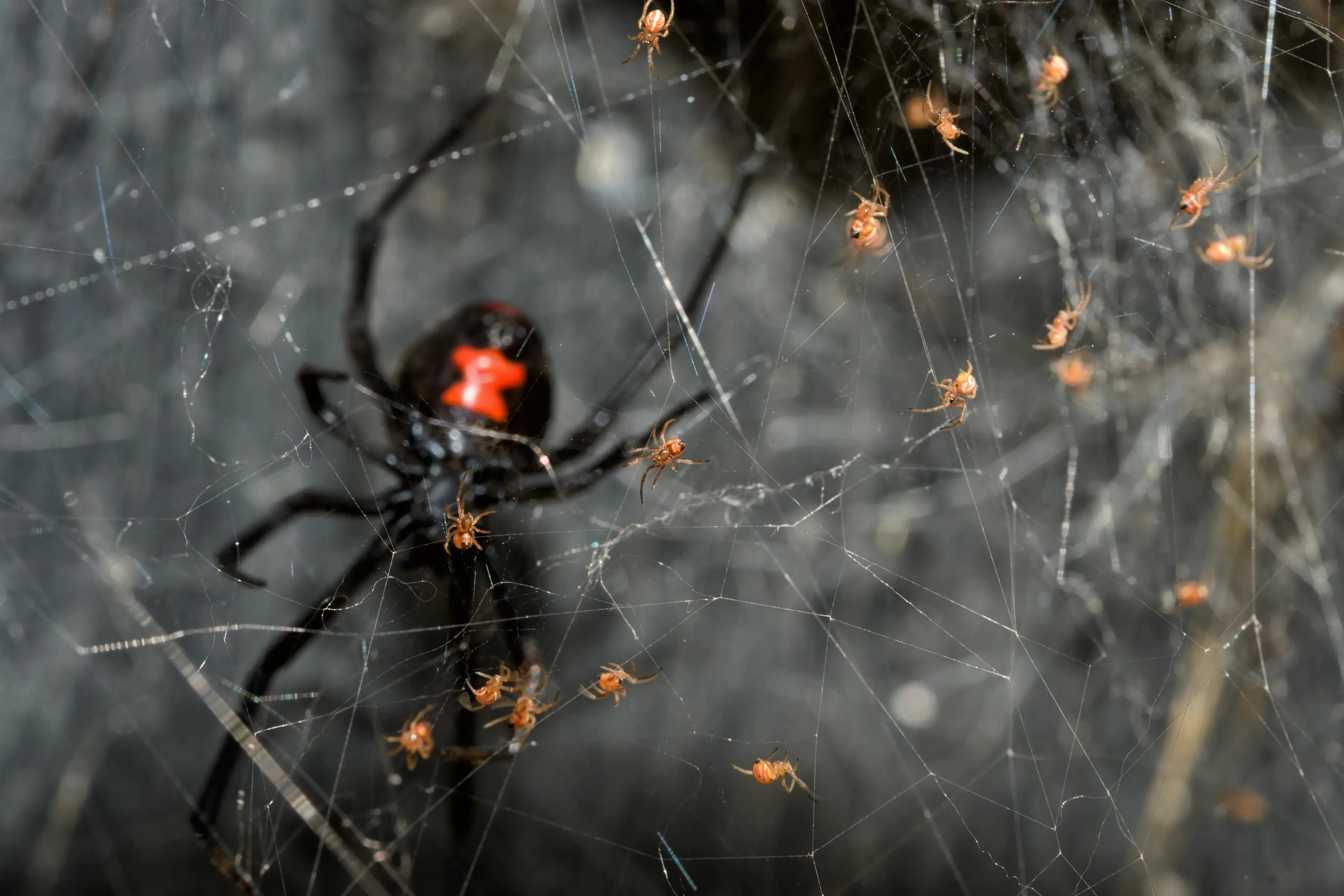
Spider eggs typically hatch in 2-3 weeks. Before leaving the sac, spiderlings undergo their first molt, shedding their skin. They then use their fangs to create an exit.

After Hatching

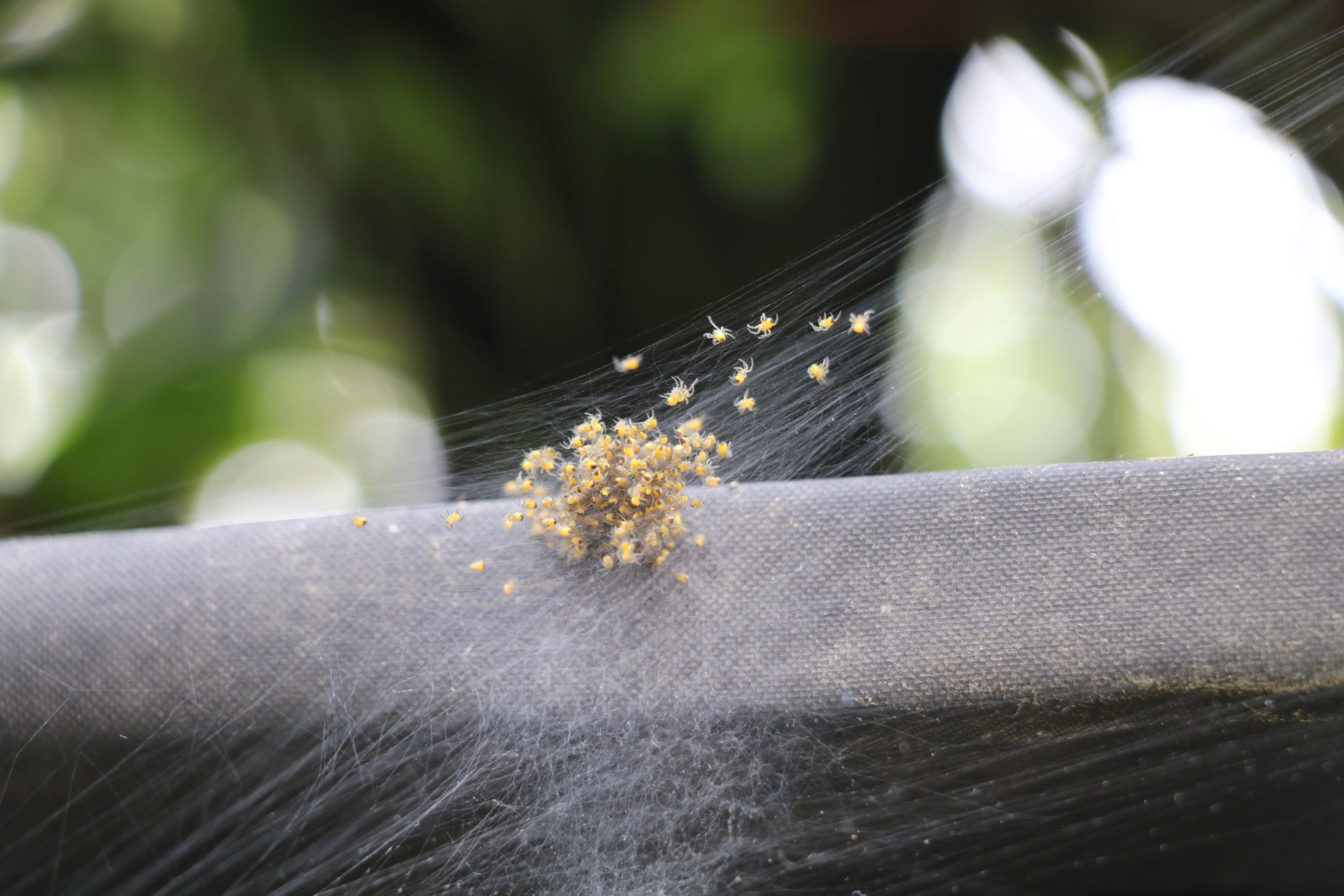
Spiderlings cluster near the sac and feed on yolk remnants. As they grow, they disperse to stake out territories, which prevents sibling cannibalism.

Dispersal Methods

  • Ballooning: Spin silk caught by wind
  • Walking: Ground-dwelling species
  • Bridging: Swing via silk between branches

How to Tell if an Egg Sac is Empty

Empty sacs move easily when air flows over them. They often lose their spherical shape with visible holes where spiderlings emerged.

How to Remove Spider Eggs

Water & Bleach Solution

Spray directly on visible egg sacs

Vacuum Cleaner

Suction removes sacs; dispose bag immediately

Oil-Based Pesticides

Apply to sacs and surrounding areas

Note: DIY solutions address visible sacs but may not tackle hidden infestations. If numerous baby spiders appear, contact professional pest control.

How to Prevent Spiders from Infesting Your Home

Seal Entry Points

Cracks in foundation, walls, doors, windows. First barrier of defense.

Perimeter Treatment

Chemical pesticides around structure that kill spiders on contact.

Declutter

Remove wood piles, cardboard boxes. Spiders nest in dark, protected spaces.

Landscape Management

Trim hedges and trees touching your house. Spiders use plants as bridges.

Remove Attractants

Keep mulch, woodpiles, compost, and rocks away from house foundation.

Professional Inspections

Regular pest control assessments identify and address unique issues.

Contact EcoGuard If You Are Dealing with Spiders

Managing spiders involves proactive measures and informed choices. For comprehensive, effective, and stress-free solutions to spider control, reach out to EcoGuard Pest Management. Our team of pest control experts will help you keep your home spider-free, ensuring your safety and peace of mind.

Call (866) 326-2847Get Free Quote

Spider Egg FAQs

How do you identify a spider egg?

Spider eggs are typically housed in silken sacs, which may vary in size, shape, and color depending on the species. These sacs can be identified by their web-like material and are often found in tucked-away areas such as corners, under furniture, or in basements.

Do spiders give birth or lay eggs?

Spiders do not give birth like mammals; instead, they lay eggs. The female spider will deposit her eggs into a silken sac that she creates specifically for this purpose.

How many eggs are in a spider egg sac?

The number of eggs in a spider egg sac can vary widely depending on the species of spider. Some spiders may lay just a few dozen eggs while others, especially larger species, can lay up to several thousand eggs in one sac.

From Our Blog

Related Articles

21 Different Types of Spiders in North America

21 Different Types of Spiders in North America

Comprehensive guide to spider species in North America including black widows, brown recluses, wolf spiders, house...

Read Article
Are Black Widows Dangerous? Bites, Symptoms & Treatment

Are Black Widows Dangerous? Bites, Symptoms & Treatment

Learn if black widow spiders are dangerous, bite symptoms, what to do if bitten, risk factors, and when to seek medical...

Read Article
Are Wolf Spiders Poisonous? Bites, Symptoms & Treatment

Are Wolf Spiders Poisonous? Bites, Symptoms & Treatment

Learn if wolf spiders are poisonous, bite symptoms, treatment steps, allergic reactions, and how to prevent them from...

Read Article
House Spiders: Complete Guide to Indoor Spider Identification & Control

House Spiders: Complete Guide to Indoor Spider Identification & Control

Learn to identify common house spiders, distinguish harmless from dangerous species, and implement effective prevention...

Read Article
How Long Do Garden Spiders Live? Complete Lifespan Guide

How Long Do Garden Spiders Live? Complete Lifespan Guide

Learn how long garden spiders live, their annual life cycle, factors affecting longevity, and practical management...

Read Article
How to Get Rid of Black Widow Spiders

How to Get Rid of Black Widow Spiders

Learn how to get rid of black widow spiders using pesticides, natural methods, habitat modifications, and exclusion...

Read Article
How to Get Rid of Spiders in Your Home and Yard

How to Get Rid of Spiders in Your Home and Yard

Learn how to get rid of spiders using traps, cleaning, pesticides, natural deterrents, and prevention tips. Indoor and...

Read Article
Most Venomous Spiders in North America & the World

Most Venomous Spiders in North America & the World

Learn about the most venomous spiders including black widows, brown recluses, funnel-web spiders, and Brazilian...

Read Article
What are Black Widow Spiders? Identification, Habitat & Bites

What are Black Widow Spiders? Identification, Habitat & Bites

Learn about black widow spiders including identification, diet, habitat, reproduction, life cycle, bite symptoms, and...

Read Article
What Do Black Widow Spiders Eat? Complete Diet Guide

What Do Black Widow Spiders Eat? Complete Diet Guide

Discover what black widow spiders eat including insects, arthropods, and other prey. Learn about their hunting methods,...

Read Article
Where Do Black Widow Spiders Live? Habitat Guide

Where Do Black Widow Spiders Live? Habitat Guide

Discover where black widow spiders live in America, their preferred habitats indoors and outdoors, and how to prevent...

Read Article
Where Do Brown Recluse Spiders Live?

Where Do Brown Recluse Spiders Live?

Learn where brown recluse spiders live, the 16 states they are native to, where they hide indoors and outdoors, bite...

Read Article