EcoGuard Pest Management
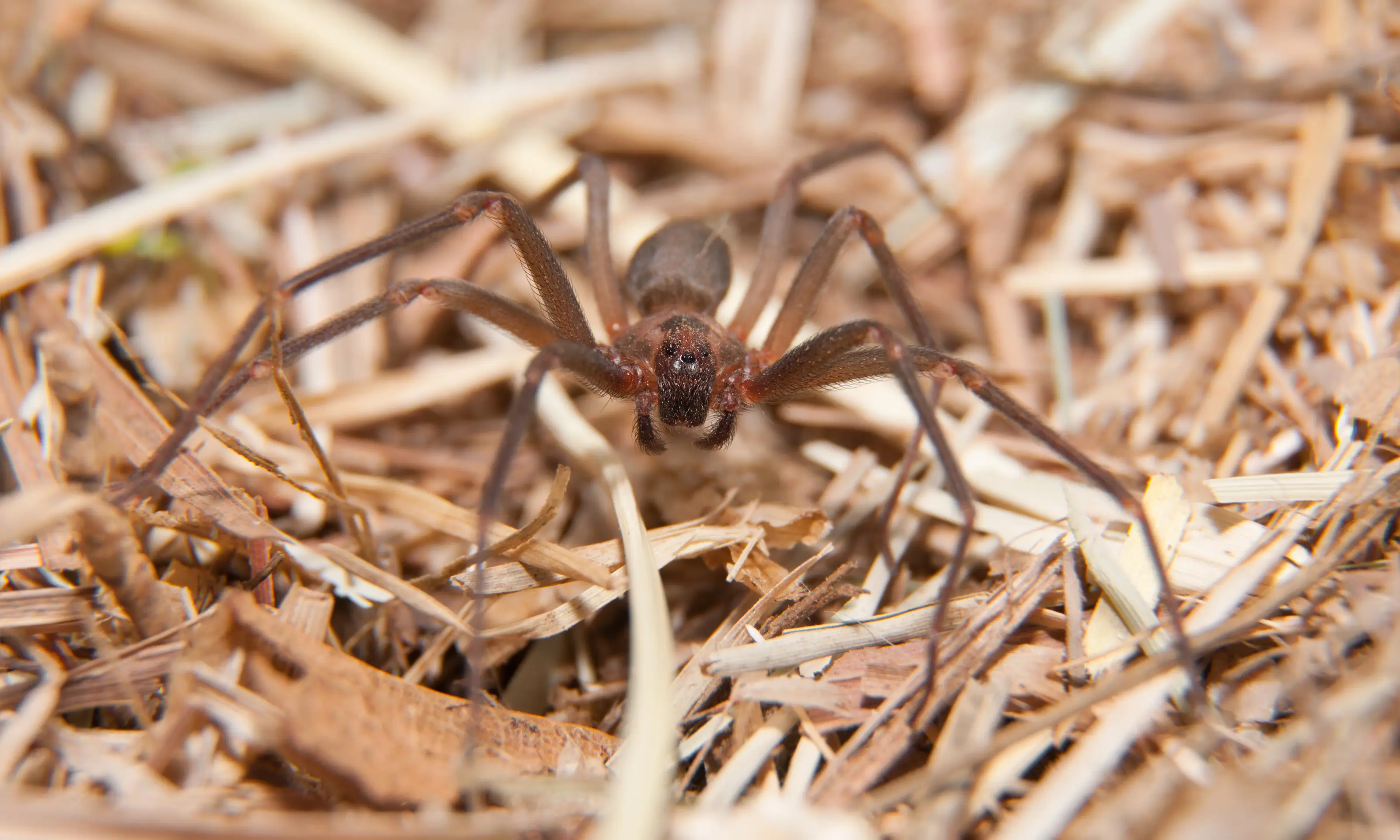
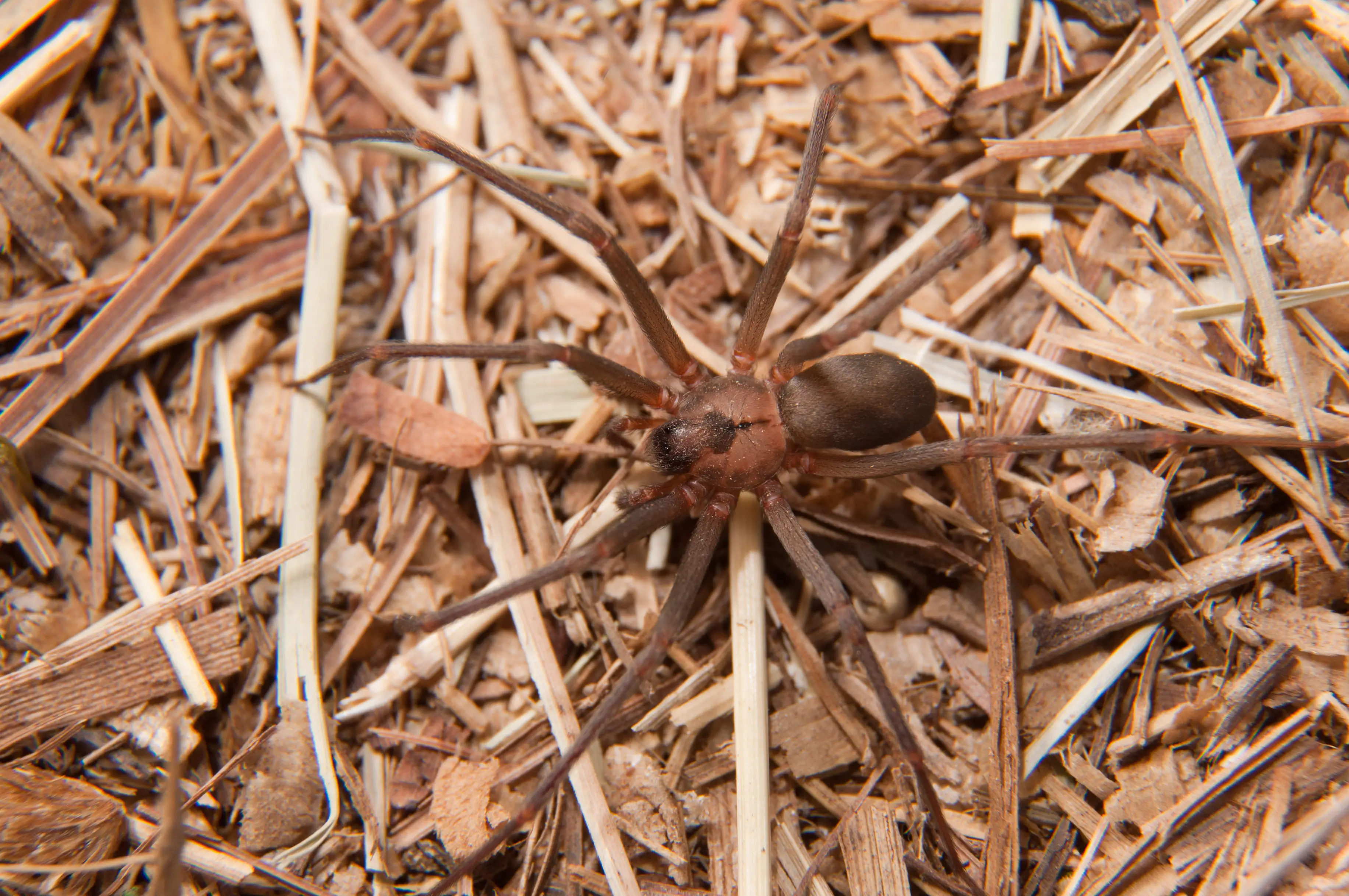
Brown recluse spider resting on a surface showing its violin marking
By Gary Anderson||9 min read

Where Do Brown Recluse Spiders Live?

Brown recluse spiders are native to 16 south-central and midwestern states and are experts at hiding in dark, undisturbed spaces inside your home. Here is everything you need to know.

Brown recluse spiders (Loxosceles reclusa) are predominantly found in the south-central and midwestern United States, ranging from the Gulf States north to Nebraska and Ohio. In terms of habitat, they show a strong preference for secluded and undisturbed environments. Outdoors they inhabit areas beneath rocks and logs, while indoors they gravitate toward dark corners, storage boxes, furniture, closets, basements, and cellars.

Brown recluses are especially drawn to cardboard because it mimics their natural preference for rotting tree bark. This affinity for cardboard boxes is also the primary way they are accidentally transported to areas outside their native range.

Quick Identification

Size: 1/4 to 1/2 inch body length
Color: Light brown with a velvet-like appearance from fine body hairs
Key Marking: Violin-shaped mark on the cephalothorax (darker in mature spiders)
Eyes: Six eyes arranged in a semicircle (most spiders have eight)
Scientific Name: Loxosceles reclusa

Key Facts

Native States
16 south-central and midwestern US states
Eggs Per Sac
Up to 50 eggs; hatch in approximately one month
Survival Without Food
Up to 6 months in extreme drought and starvation conditions
Bites Per Year
90% of bites heal with only minor symptoms
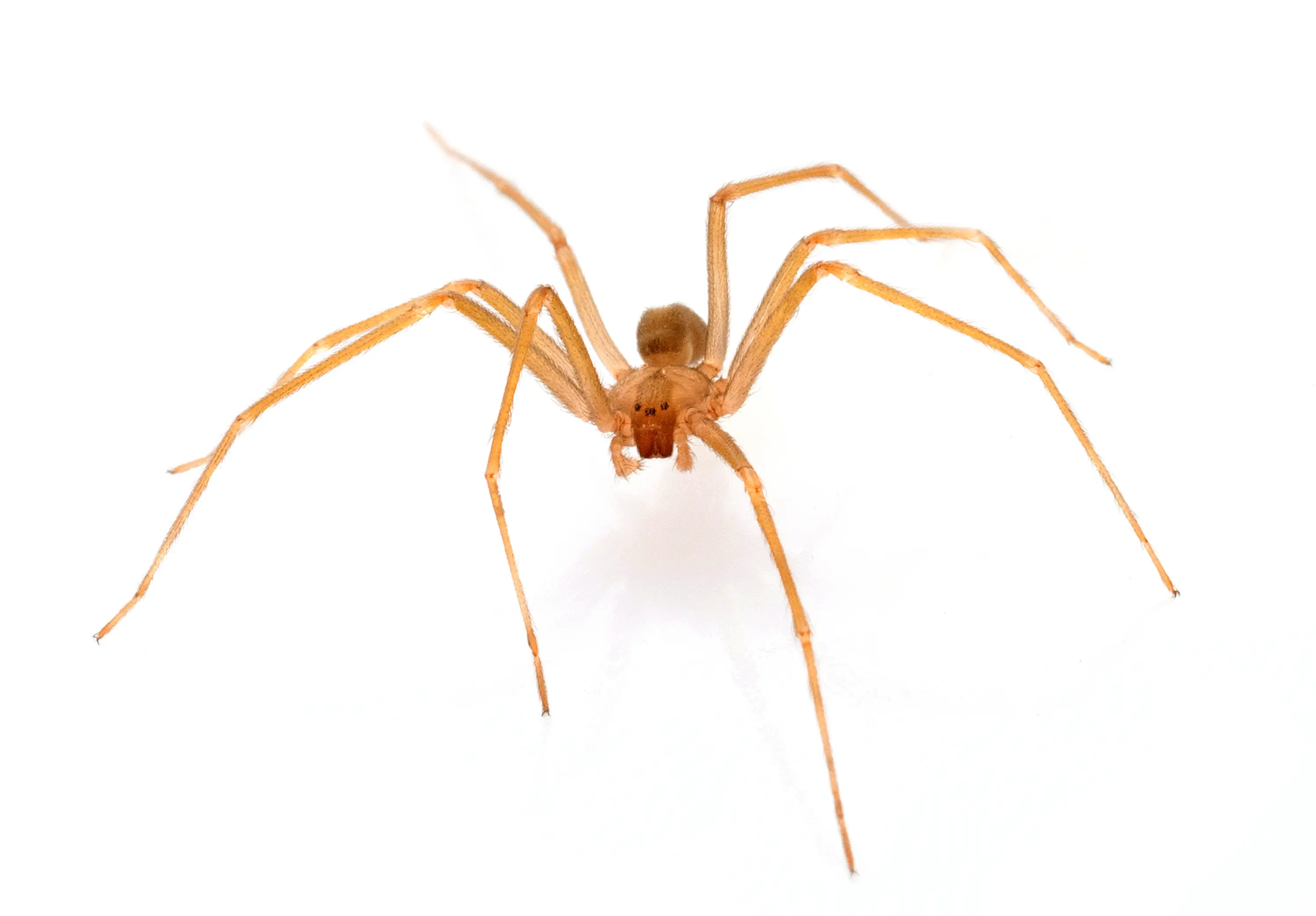
Close-up of a brown recluse spider showing its violin-shaped marking on the cephalothorax

The violin-shaped marking on the cephalothorax and six eyes arranged in a semicircle are the two most reliable ways to identify a brown recluse spider.
Where Can You Find Brown Recluse Spiders?

Brown recluse spiders are indigenous to the United States with their native habitat spanning 16 states. Despite occasionally being found in non-native regions, they have no established populations outside this traditional range. Sightings in states like California are rare and are often the result of misidentification with closely related recluse spider relatives, or accidental transport via cardboard boxes.

16 Native States

Alabama
Arkansas
Georgia
Illinois
Indiana
Iowa
Kansas
Kentucky
Louisiana
Mississippi
Missouri
Nebraska
Ohio
Oklahoma
Tennessee
Texas

Geographic Range

The brown recluse native range covers the south-central and midwestern United States, bounded roughly by the Gulf States to the south and Nebraska and Ohio to the north.

Outside the Range: Brown recluses found outside these 16 states are almost always the result of accidental transport in moving boxes or shipments, not established local populations. Sightings in California are particularly prone to misidentification with other native recluse spider species.

Brown Recluse Habitat

Brown recluse spiders primarily reside outdoors in woodpiles where they can hide under rotting tree bark, their preferred natural habitat. They are also highly adaptable to human-inhabited environments. Their particular affinity for cardboard boxes, which resemble the bark texture of trees, makes them easy to accidentally transport to areas far outside their native range.

Outdoor Habitats

Woodpiles and rotting logs (their preferred natural habitat)

Beneath rocks, stones, and ground-level debris

Under leaf piles and organic debris near the foundation

Inside tree hollows and beneath loose bark

Garden equipment sheds and outbuildings

Outdoor furniture that sits undisturbed for long periods

Indoor Habitats

Cardboard boxes in storage areas (closely mimics rotting bark)

Basements, cellars, and crawl spaces

Closets and infrequently opened cabinets

Attics, especially in stored items and insulation

Inside furniture, especially pieces left undisturbed

Within stacked tires, rarely used shoes, and gloves

Where Do Brown Recluses Hide Indoors?

Brown recluse spiders are known for their preference for seclusion and typically inhabit dark, undisturbed areas within homes. They are extremely adaptable, capable of surviving in freezing basements during winter and hot attics in summer. Common indoor hiding spots include tight spaces in attics and basements as well as within boxes, tires, and furniture.

While adult females usually stay close to their nests, males and older juveniles may travel farther in search of food. Brown recluses may also leave their nests due to overcrowding, nest disturbance during cleaning, or displacement following a pesticide application.

Cardboard Boxes

The single most common indoor hiding spot. Cardboard closely resembles rotting tree bark, their preferred natural harborage. Moving or shipping boxes are also the primary way brown recluses are transported to new locations.

Basements and Cellars

Cool, dark, and undisturbed. Basements provide ideal year-round conditions including the temperature extremes brown recluses can tolerate.

Closets and Wardrobes

Particularly in items stored long-term such as seasonal clothing, shoes, and accessories. The interior corners and shelving of rarely opened closets are prime spots.

Attics

Hot attics in summer pose no problem for brown recluses. They hide within stored items, insulation, and the tight spaces between framing members.

Clothing and Shoes on the Floor

A significant bite risk. Brown recluses frequently hide in garments, shoes, and gloves left on the floor or in low storage. Always shake out items that have been undisturbed.

Furniture

Particularly the undersides of rarely moved furniture and inside upholstered items. Both indoor and outdoor furniture left undisturbed for extended periods can become harborage.

High Risk Scenario: Most brown recluse bites occur when a person puts on clothing, shoes, or gloves that have been left on the floor or undisturbed in storage. Always shake out these items before wearing them, especially in areas where brown recluses are known to be present.

Suspect Brown Recluses in Your Home?

Our experts know where brown recluses hide and how to eliminate them effectively. We provide thorough inspections of all suspected harborage areas.

Call (866) 326-2847

What Do Brown Recluses Look Like?

Brown recluse spiders are typically between 1/4 and 1/2 inch in body length and can be identified by several key characteristics. Knowing these identifiers is important because brown recluses are frequently confused with other harmless spider species.

Violin Marking

The most widely known identifier. A violin-shaped marking appears on the cephalothorax (the fused head and thorax region), with the neck of the violin pointing toward the abdomen. This marking is often darker in mature spiders and does not always clearly resemble a violin in younger individuals.

Six Eyes in Semicircle

The most reliable identifier. Unlike most spiders that have eight eyes, brown recluses possess only six eyes arranged in a semicircle of three pairs around the front of the cephalothorax. This eye pattern definitively distinguishes them from other species.

Color and Texture

Light brown body covered in tiny fine hairs that give it a velvet-like appearance. The abdomen is typically uniform in color with no distinctive markings or spots.

Legs

Long, slender legs also covered in fine hairs. When the spider is at rest, the legs are held in a characteristic slanting position. Legs are the same light brown as the body with no banding or markings.

Identification Tip: The violin marking is well known but unreliable for positive identification because many other spider species have similar markings and it fades in younger individuals. The six-eye arrangement in a semicircle is the definitive identifier. When in doubt, contact a pest professional rather than attempting to handle the spider.

Brown Recluse Spider Habits and Reproduction

Brown recluse spiders typically rest near their webs during the day and are mainly active at night when they hunt. Their diet consists primarily of insects abundant in the regions they occupy, including cockroaches and crickets. Their ability to survive without food for several months, combined with their adaptability to temperature extremes, makes them extremely difficult to eliminate without professional help.

Activity and Diet

Nocturnal hunters that rest near their webs during the day. Their diet consists primarily of soft-bodied insects including cockroaches, crickets, and other small arthropods. They are capable of surviving up to six months in conditions of extreme drought and food scarcity, a durability that makes DIY elimination efforts consistently unreliable.

Reproduction

Brown recluses have a unique reproductive strategy: females can mate just once and then produce eggs throughout their entire lifespan. Peak reproductive activity runs from May through July, during which females generate several egg sacs containing up to 50 eggs each. Eggs hatch in approximately one month and spiderlings take roughly a year to reach full maturity.

Why Infestations Grow Quickly

A single female can establish a large infestation in a new location quickly because she only needs to mate once. Combined with six months of food-free survival, adaptability to temperature extremes, and a tendency to hide in the most inaccessible areas, brown recluse infestations are among the most challenging to control without professional intervention.

Are Brown Recluses Aggressive?

Brown recluse spiders are generally not aggressive. When threatened, their defensive behavior tends to be passive rather than confrontational. These spiders are far more likely to play dead or flee than to attack. They typically bite only when they have no other option or when they are inadvertently pressed directly against human skin.

This most often occurs when a person rolls onto one in their sleep or when putting on clothing, gloves, or shoes that the spider has been using as a hiding spot. These incidents are most common during summer months when human activity increases in areas where brown recluses are likely to be living. While brown recluses are not inherently aggressive, their tendency to dwell in close proximity to humans increases the potential for harmful encounters.

Most Common Bite Scenario

Rolling onto one in bed, or putting on clothing, a shoe, or a glove that has been left undisturbed on the floor or in storage where the spider was hiding.

Seasonal Risk

Bite incidents are most common during summer when human activity increases in garages, storage areas, and outdoor spaces where brown recluses are most active.

Defensive Response

When cornered or threatened, the brown recluse is far more likely to play dead or run away than to bite. Biting is a last resort when the spider perceives no escape route.

No Territorial Aggression

Brown recluses do not aggressively defend their webs or nests the way some other spider species do. Stumbling across a nest does not trigger an attack response.

Are Brown Recluses Dangerous?

Brown recluse spiders are known for possessing venom that is more potent than a rattlesnake's. However, they deliver it in much smaller quantities that are significantly less harmful to humans in most cases. Combined with their non-aggressive nature, brown recluses are more frightening than they are statistically dangerous. There are no reported deaths in the US that have been attributed to brown recluse bites.

That said, bites can be painful and do warrant medical attention. Treatment significantly reduces the risk of bacterial infection and promotes faster recovery, particularly in cases involving more severe reactions.

90% of Bites: Minor Symptoms

The majority of brown recluse bites heal on their own within a few days to a couple of weeks with minor symptoms including mild itching and localized pain at the bite site. Medical attention is still recommended to rule out complications and receive appropriate care.

10% of Bites: Severe Symptoms

In more serious cases, the amount of venom injected and the individual's sensitivity determine the severity. Severe reactions can include:

  • Fever and chills
  • Nausea
  • Muscle pain
  • Convulsions
  • Necrosis (tissue death around the bite)

Necrosis: The most severe reaction to a brown recluse bite. Necrosis occurs when the tissue around the bite dies, forming a large open wound. These wounds take significantly longer to heal, leave scars, and may require extensive treatment including pain medication, anti-inflammatories, antibiotics, and in serious cases, skin grafts.

What Does a Brown Recluse Spider Bite Look Like?

A brown recluse bite progresses through several distinct stages. Knowing what to look for enables faster identification and earlier medical intervention when needed.

1

Initial Mark

The bite begins as a red mark identified by two faint fang impressions. This initial mark may be accompanied by a mild stinging or burning sensation at the site.

2

Bull's-Eye Pattern

Within a few hours, the bite develops into a bull's-eye pattern with a central red spot surrounded by a ring of pale or white skin, then a second outer red ring. This distinctive pattern is a strong indicator of a brown recluse bite.

3

Blister Formation

After more time passes, the center of the bite may harden, turn white, and form a blister. This stage typically develops within 24 to 72 hours of the initial bite.

4

Tissue Changes

In more severe cases, the blister may eventually turn blue or black as the tissue infected by the brown recluse venom dies. This is the beginning of necrosis and indicates an immediate need for medical attention.

Seek Medical Attention: If you suspect you have been bitten by a brown recluse, seek medical attention promptly even if symptoms appear mild. Early treatment significantly reduces the risk of bacterial infection, controls inflammation, and can prevent the progression to more severe tissue damage.

How to Prevent Brown Recluse Spiders

Preventing brown recluse infestations requires habitat modification to eliminate the dark, undisturbed spaces they prefer. Chemical control methods are often ineffective because brown recluses are adept at avoiding treated surfaces. Non-chemical methods like sticky traps are far more effective for capture and monitoring.

Outdoors

Minimize debris such as woodpiles, boxes, and trash kept close to the house

Seal entry points around doors, windows, electrical conduits, and plumbing fixtures

Install weatherstripping and door sweeps to close off ground-level access points

Store outdoor equipment like gardening gloves in tightly sealed bags or bins when not in use

Indoors

Check furniture and storage areas regularly for irregular webbing or shed skins

Position beds away from walls, remove bed skirts, and keep the area under the bed clear

Avoid leaving clothing and shoes on the floor, especially in rooms that are infrequently used

Replace cardboard storage boxes with sealed plastic bins that cannot be colonized

Use sticky traps along baseboards in storage areas to monitor and capture brown recluses

Reduce clutter in basements, attics, and closets to eliminate undisturbed hiding areas

Key Tip: Replacing cardboard storage boxes with sealed plastic bins is one of the single most effective steps you can take. Cardboard is the primary attractant for brown recluses indoors and is also the main vehicle by which they are accidentally transported into homes from outside their native range.

Contact EcoGuard Pest Management if You Are Dealing with Brown Recluse Spiders

If you suspect the presence of brown recluse spiders in your home or are seeking preventive measures, EcoGuard Pest Management is here to help. Our team of experienced professionals is equipped with the expertise and tools necessary to effectively manage and eliminate brown recluse infestations, ensuring your home remains a safe environment.

Call (866) 326-2847Get Free Quote

Where Do Brown Recluse Spiders Live FAQs

Where are brown recluse spiders found the most?

Brown recluse spiders are native from the Gulf States to Nebraska and Ohio. Their natural habitat is outdoors in dry, undisturbed areas such as woodpiles and rotting logs. Indoors, they are most commonly found in garages, crawl spaces, closets, and under furniture.

What attracts brown recluse spiders in the house?

Brown recluse spiders are attracted to undisturbed, cluttered areas in homes that provide a safe environment free from disturbance. They seek out basements, closets, garages, attics, and anywhere there are boxes, old clothing, or other rarely disturbed items. Reducing clutter and replacing cardboard boxes with sealed plastic bins can significantly deter these spiders.

How likely is a brown recluse to bite?

Brown recluse spiders are generally not aggressive and are unlikely to bite unless provoked or pressed against the skin. Most bites occur accidentally, such as when a spider is trapped against a person's skin by clothing or bedding that has been left undisturbed.

From Our Blog

Related Articles

21 Different Types of Spiders in North America

21 Different Types of Spiders in North America

Comprehensive guide to spider species in North America including black widows, brown recluses, wolf spiders, house...

Read Article
Are Black Widows Dangerous? Bites, Symptoms & Treatment

Are Black Widows Dangerous? Bites, Symptoms & Treatment

Learn if black widow spiders are dangerous, bite symptoms, what to do if bitten, risk factors, and when to seek medical...

Read Article
Are Wolf Spiders Poisonous? Bites, Symptoms & Treatment

Are Wolf Spiders Poisonous? Bites, Symptoms & Treatment

Learn if wolf spiders are poisonous, bite symptoms, treatment steps, allergic reactions, and how to prevent them from...

Read Article
Do Spiders Lay Eggs in the House? Identification & Removal

Do Spiders Lay Eggs in the House? Identification & Removal

Learn about spider eggs, how to identify egg sacs, where spiders lay eggs in homes, how many eggs they lay, and how to...

Read Article
House Spiders: Complete Guide to Indoor Spider Identification & Control

House Spiders: Complete Guide to Indoor Spider Identification & Control

Learn to identify common house spiders, distinguish harmless from dangerous species, and implement effective prevention...

Read Article
How Long Do Garden Spiders Live? Complete Lifespan Guide

How Long Do Garden Spiders Live? Complete Lifespan Guide

Learn how long garden spiders live, their annual life cycle, factors affecting longevity, and practical management...

Read Article
How to Get Rid of Black Widow Spiders

How to Get Rid of Black Widow Spiders

Learn how to get rid of black widow spiders using pesticides, natural methods, habitat modifications, and exclusion...

Read Article
How to Get Rid of Spiders in Your Home and Yard

How to Get Rid of Spiders in Your Home and Yard

Learn how to get rid of spiders using traps, cleaning, pesticides, natural deterrents, and prevention tips. Indoor and...

Read Article
Most Venomous Spiders in North America & the World

Most Venomous Spiders in North America & the World

Learn about the most venomous spiders including black widows, brown recluses, funnel-web spiders, and Brazilian...

Read Article
What are Black Widow Spiders? Identification, Habitat & Bites

What are Black Widow Spiders? Identification, Habitat & Bites

Learn about black widow spiders including identification, diet, habitat, reproduction, life cycle, bite symptoms, and...

Read Article
What Do Black Widow Spiders Eat? Complete Diet Guide

What Do Black Widow Spiders Eat? Complete Diet Guide

Discover what black widow spiders eat including insects, arthropods, and other prey. Learn about their hunting methods,...

Read Article
Where Do Black Widow Spiders Live? Habitat Guide

Where Do Black Widow Spiders Live? Habitat Guide

Discover where black widow spiders live in America, their preferred habitats indoors and outdoors, and how to prevent...

Read Article