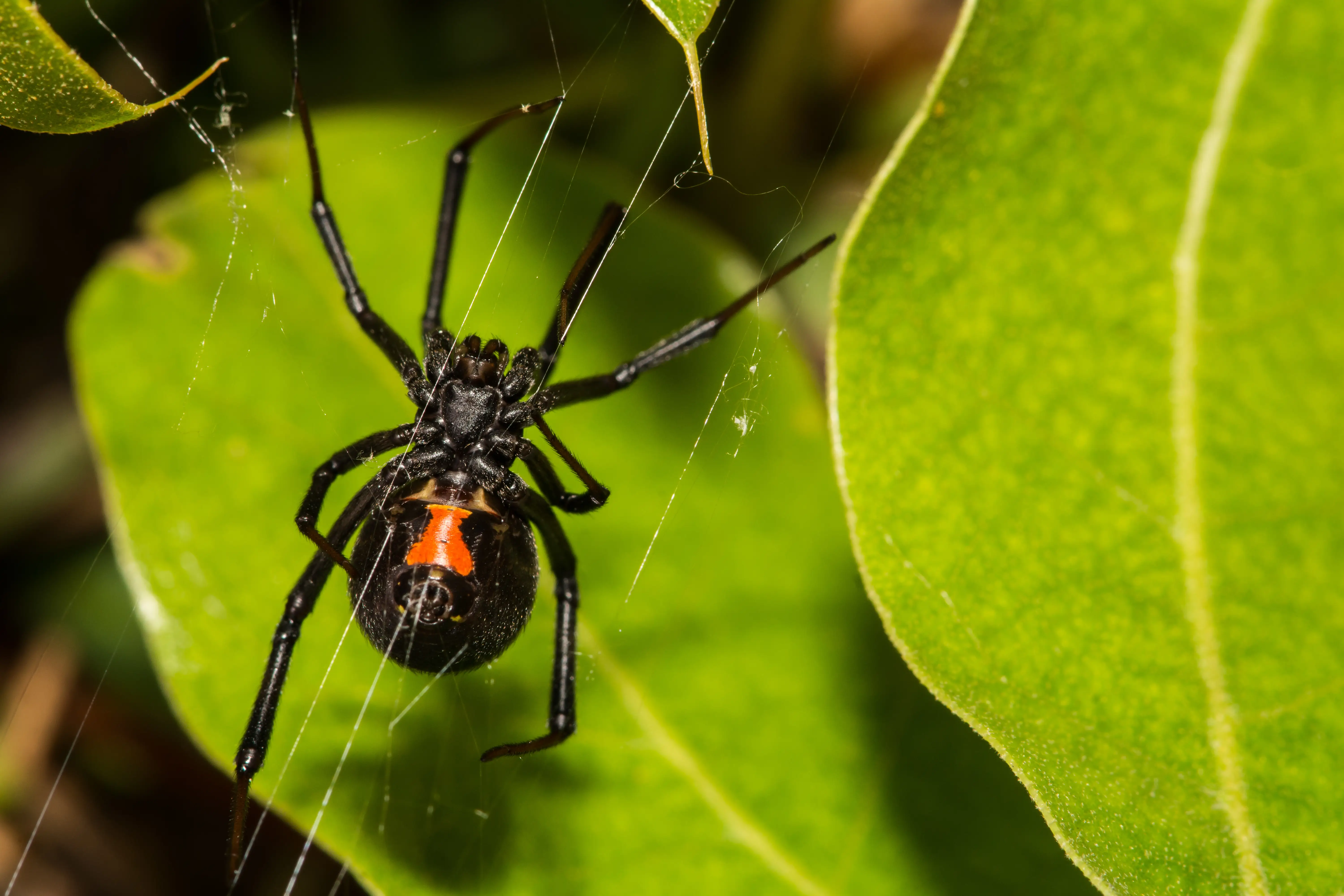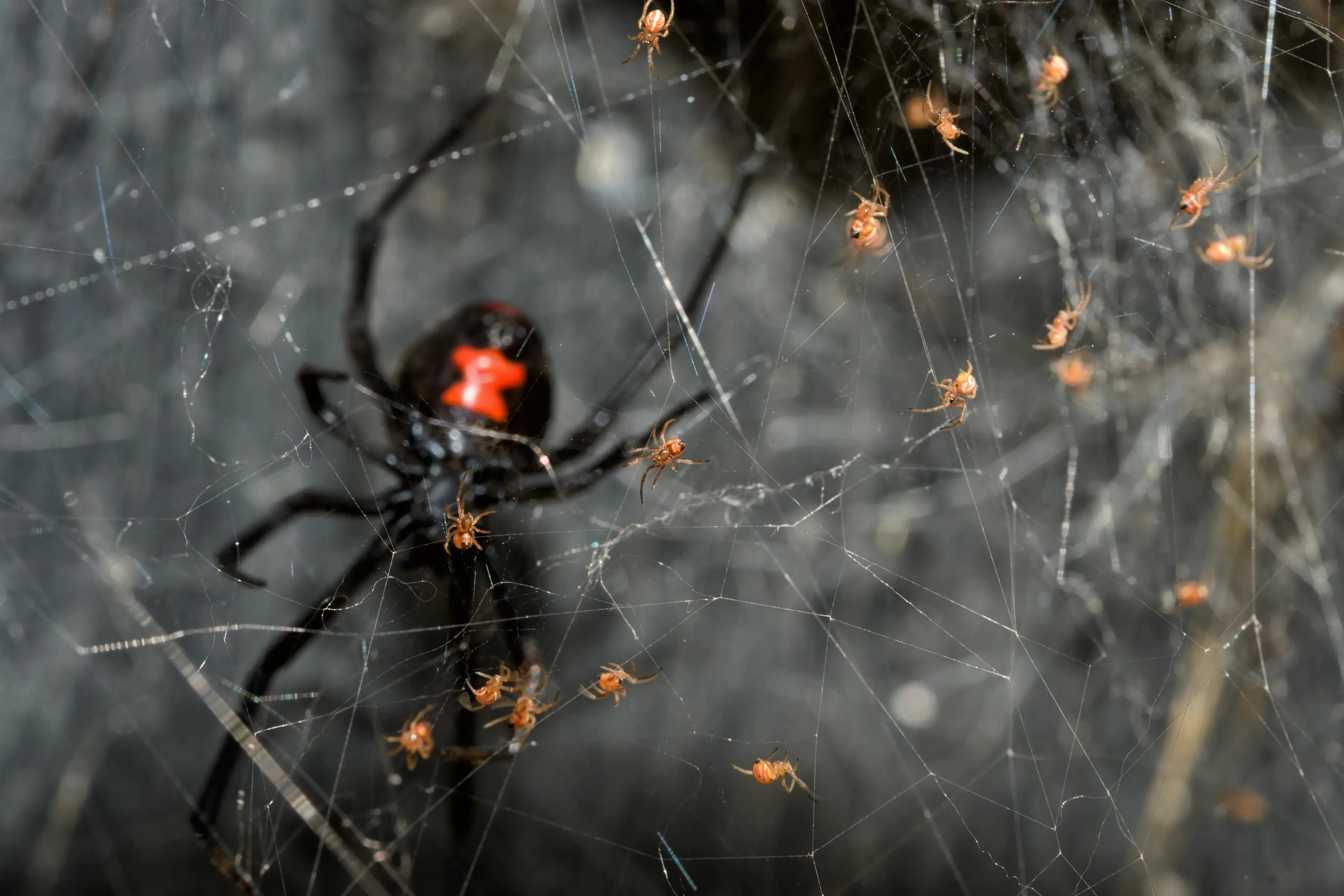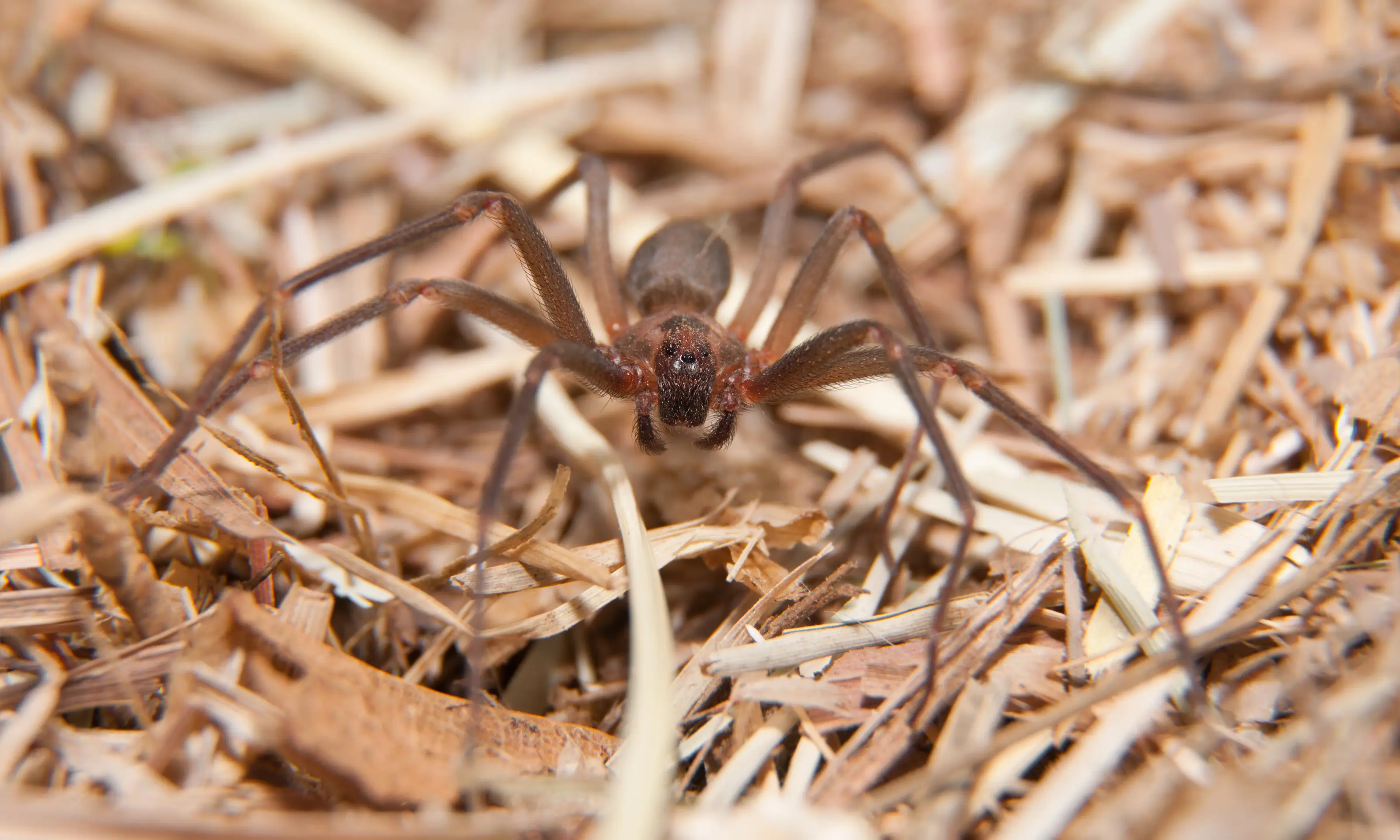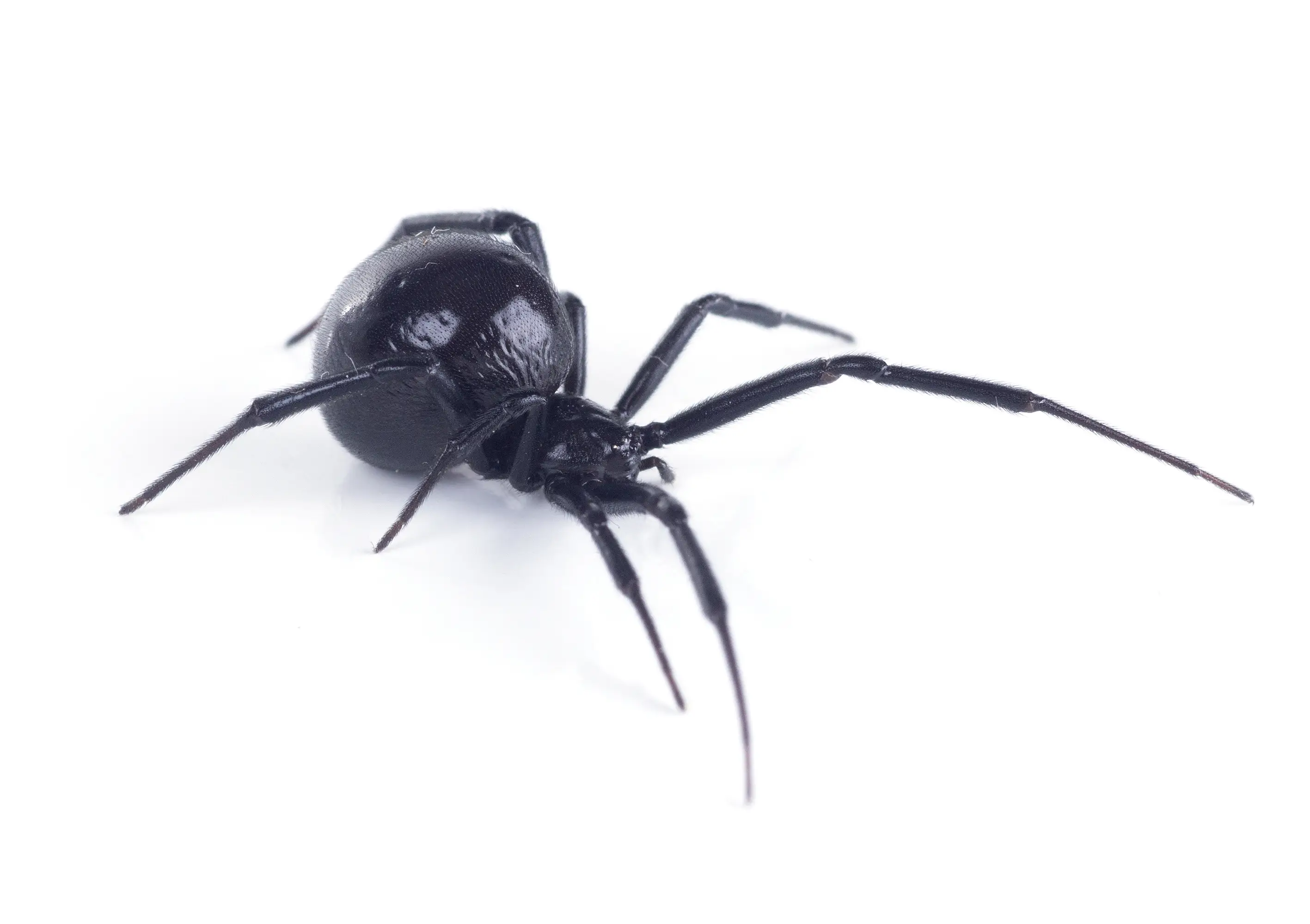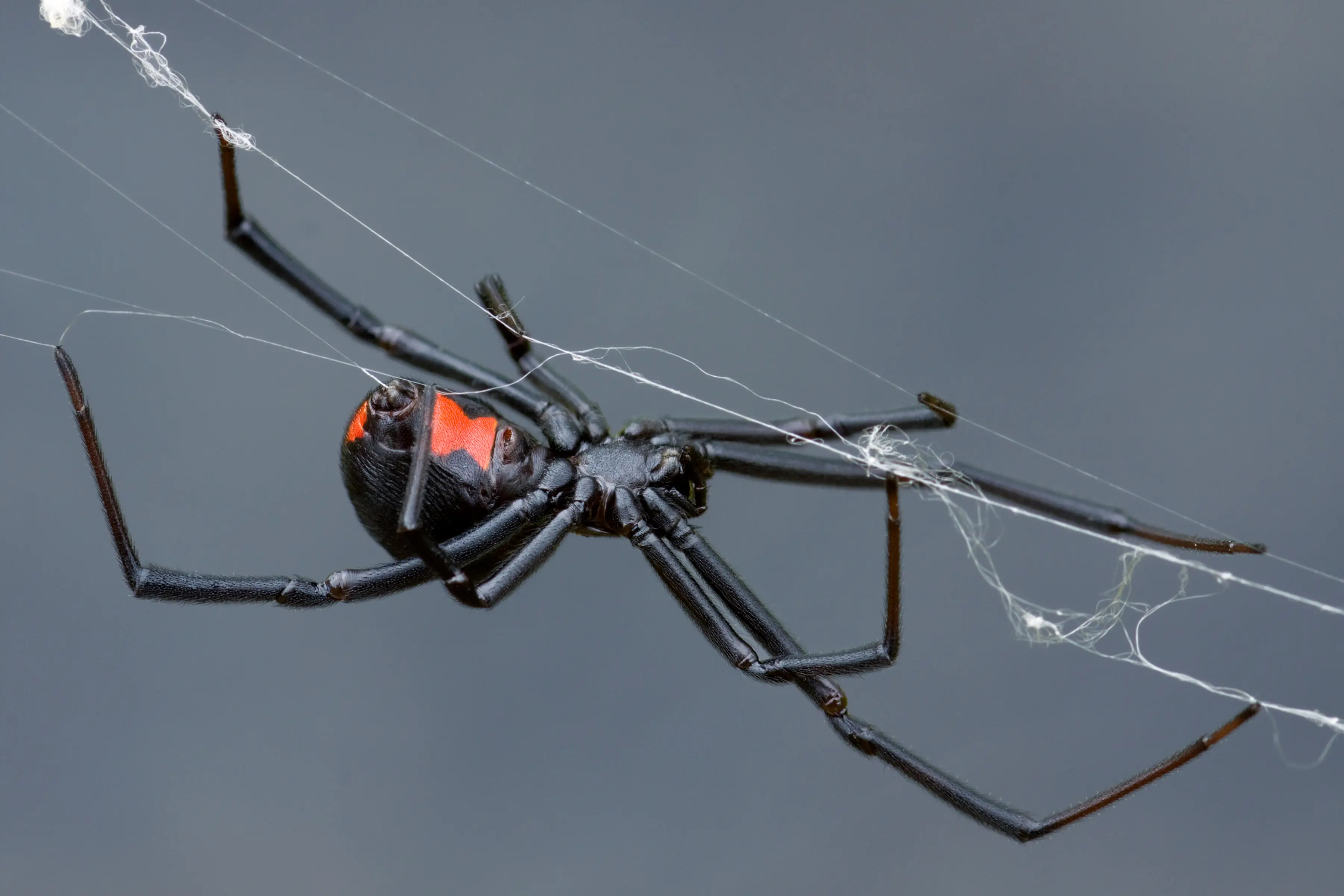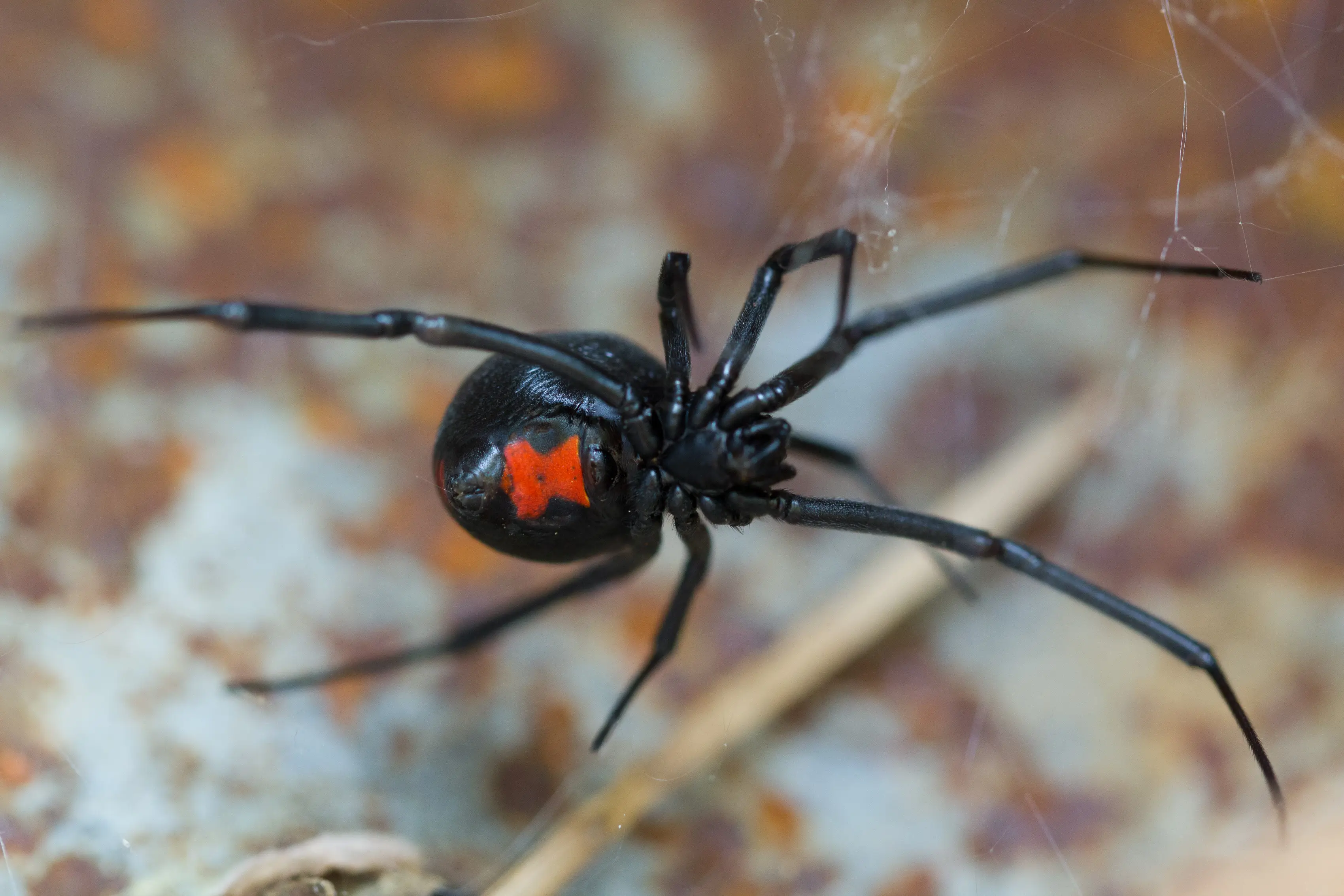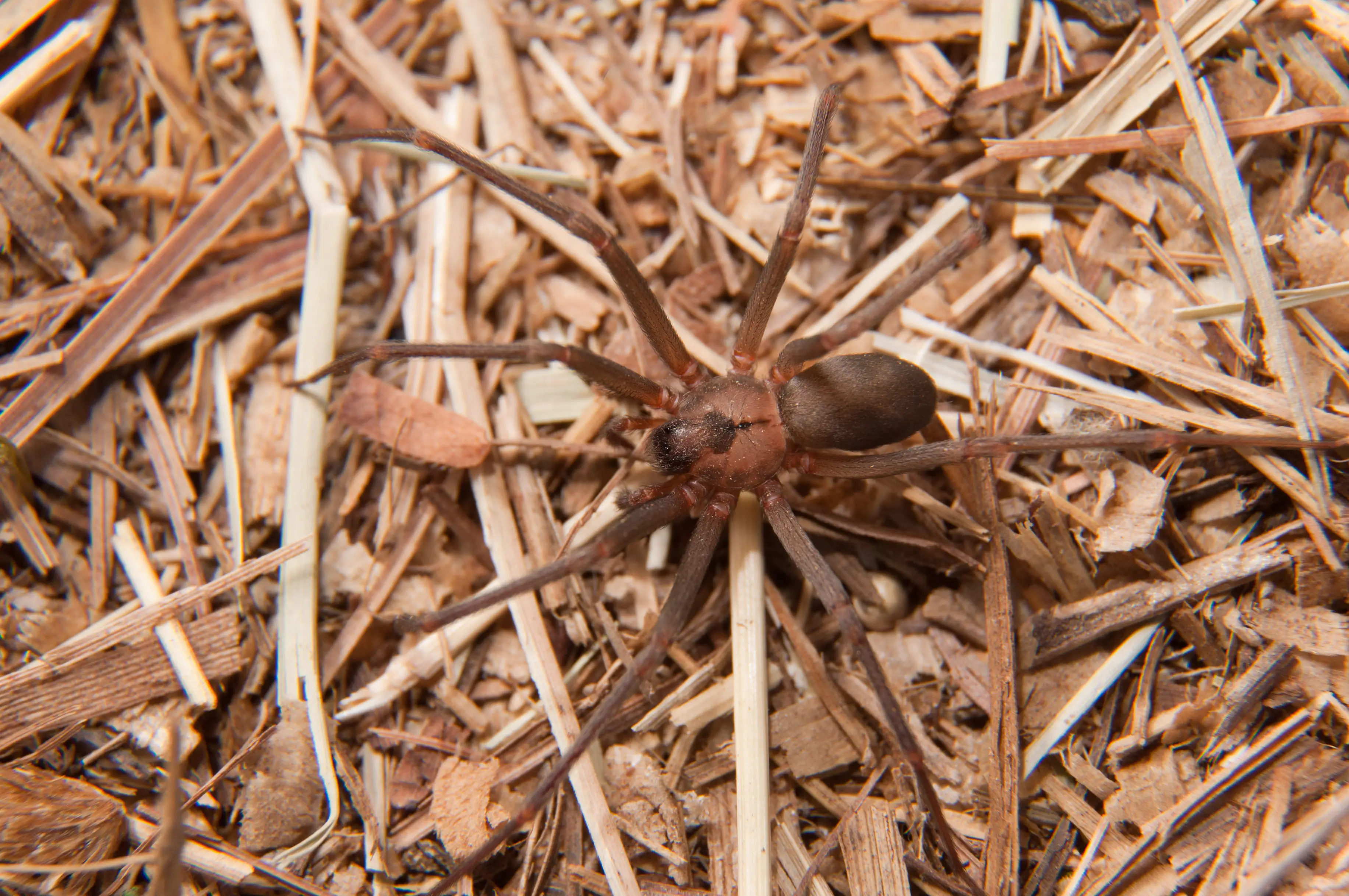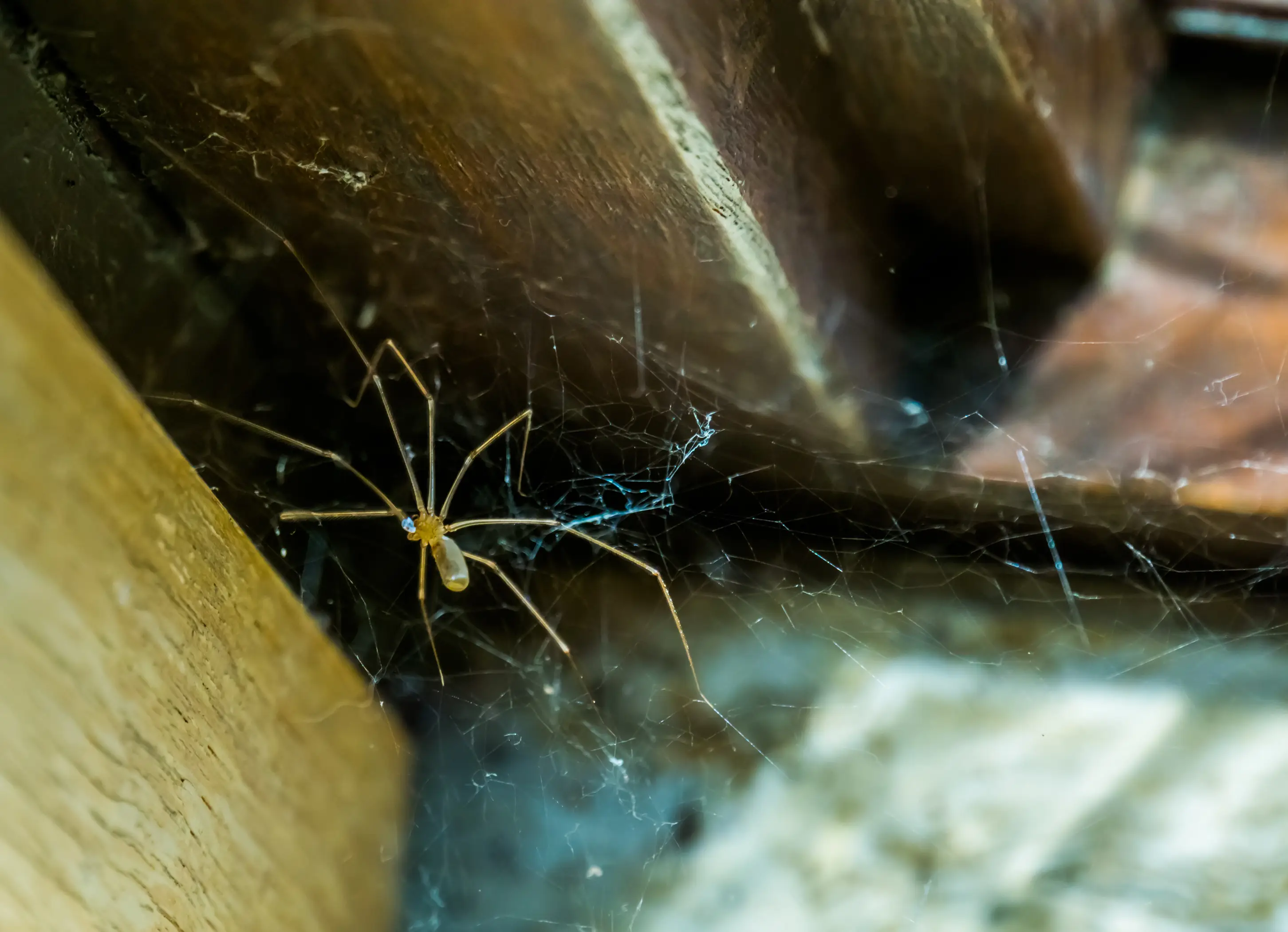
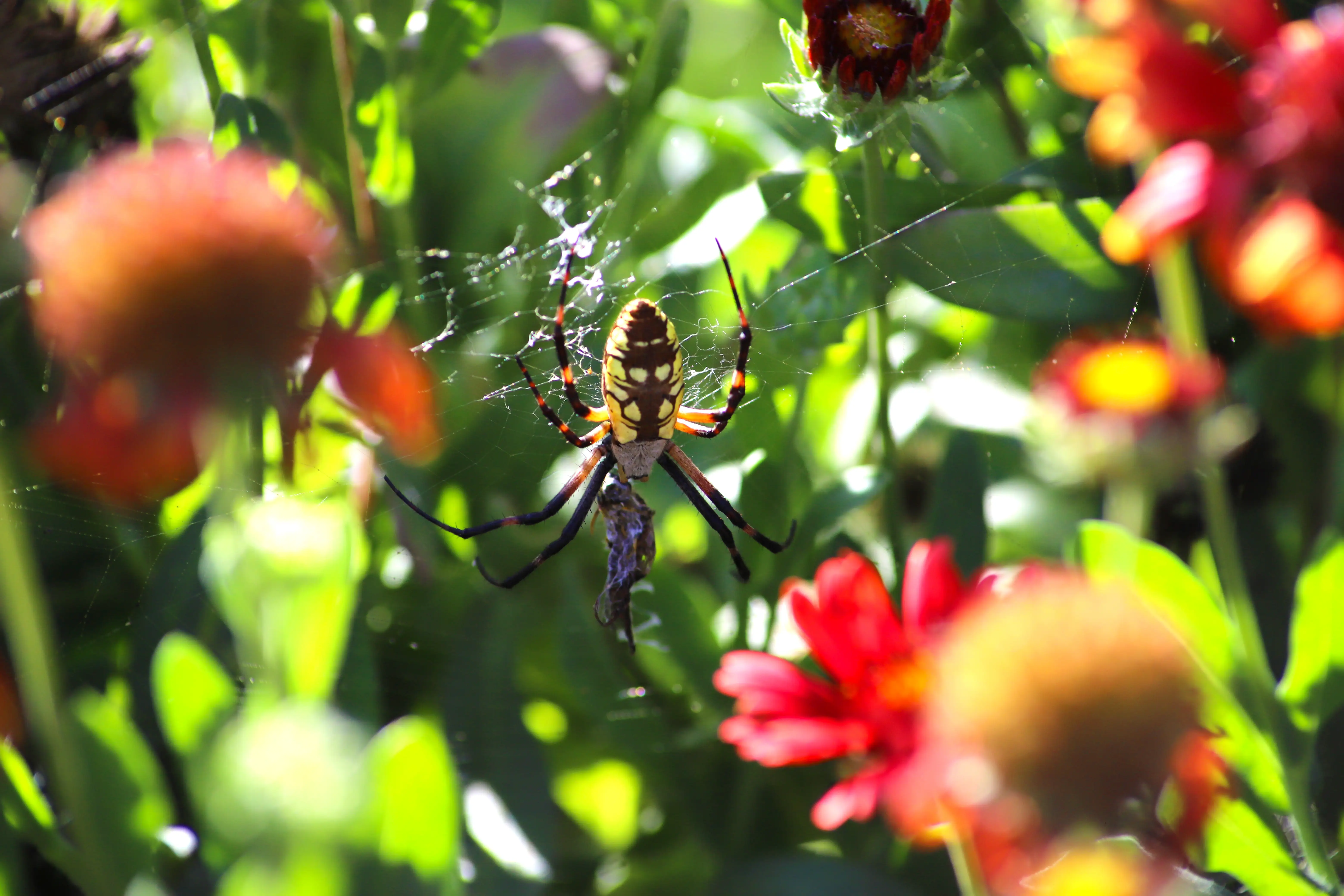
Every autumn, homeowners across North America discover massive, intricate spider webs that seemingly appear overnight in gardens, between shrubs, and along building eaves. These magnificent webs — which can measure up to 24 inches across — are the handiwork of garden spiders, particularly the distinctive black and yellow garden spider (Argiope aurantia).
Despite their intimidating size and bold markings, these arachnids follow a remarkably predictable life cycle that explains both their sudden autumn prominence and their equally sudden disappearance.
Quick Answer
Garden spiders typically live for about one year, with females dying during the first hard frost after mating and males dying shortly after mating itself. In warmer climates or captivity, females may live for several years.
In This Article:
Lifespan by Species
~1 year (annual cycle)
2-3 years
1-3 years
Up to 20+ years