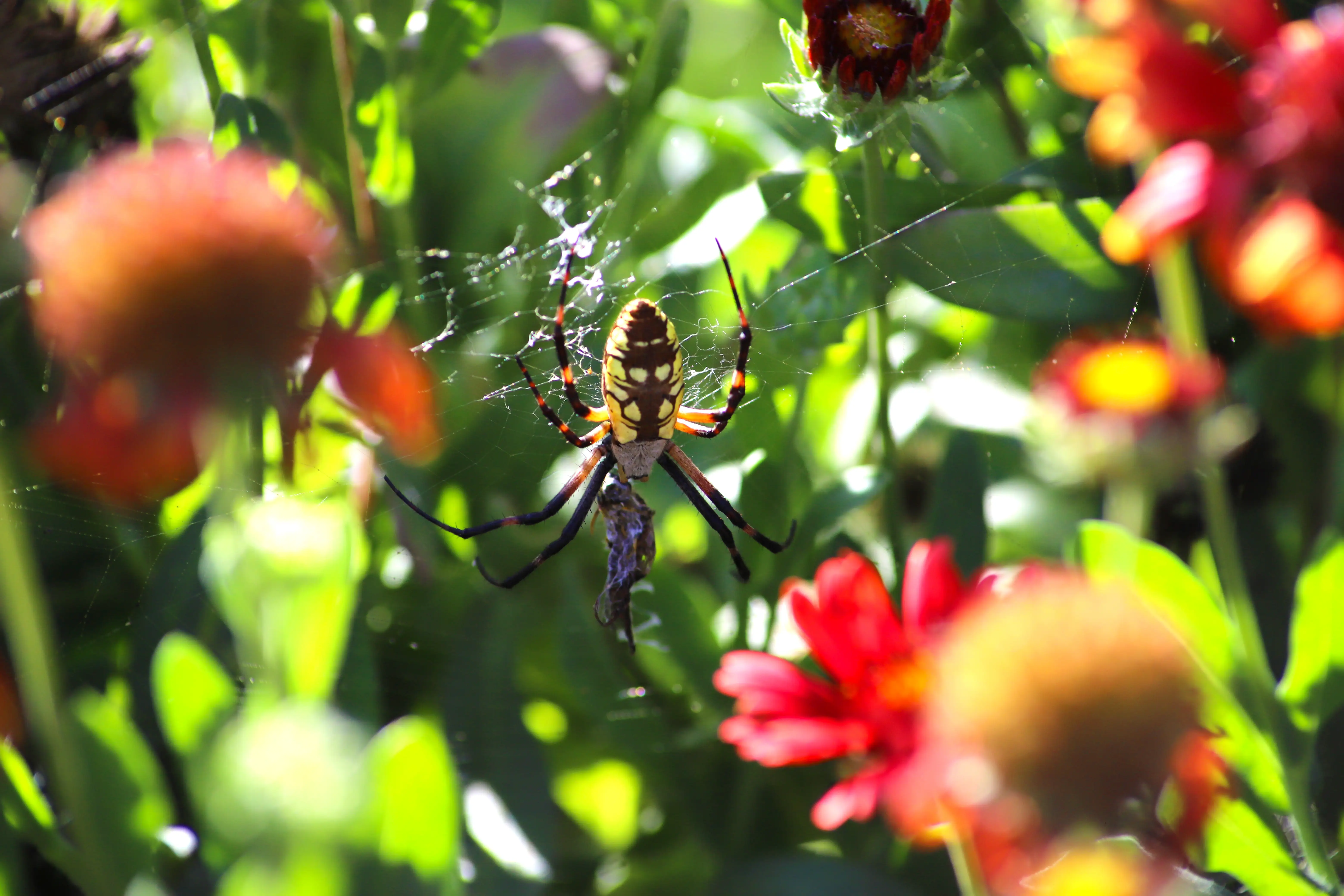
What are the most common house spiders found in American homes?
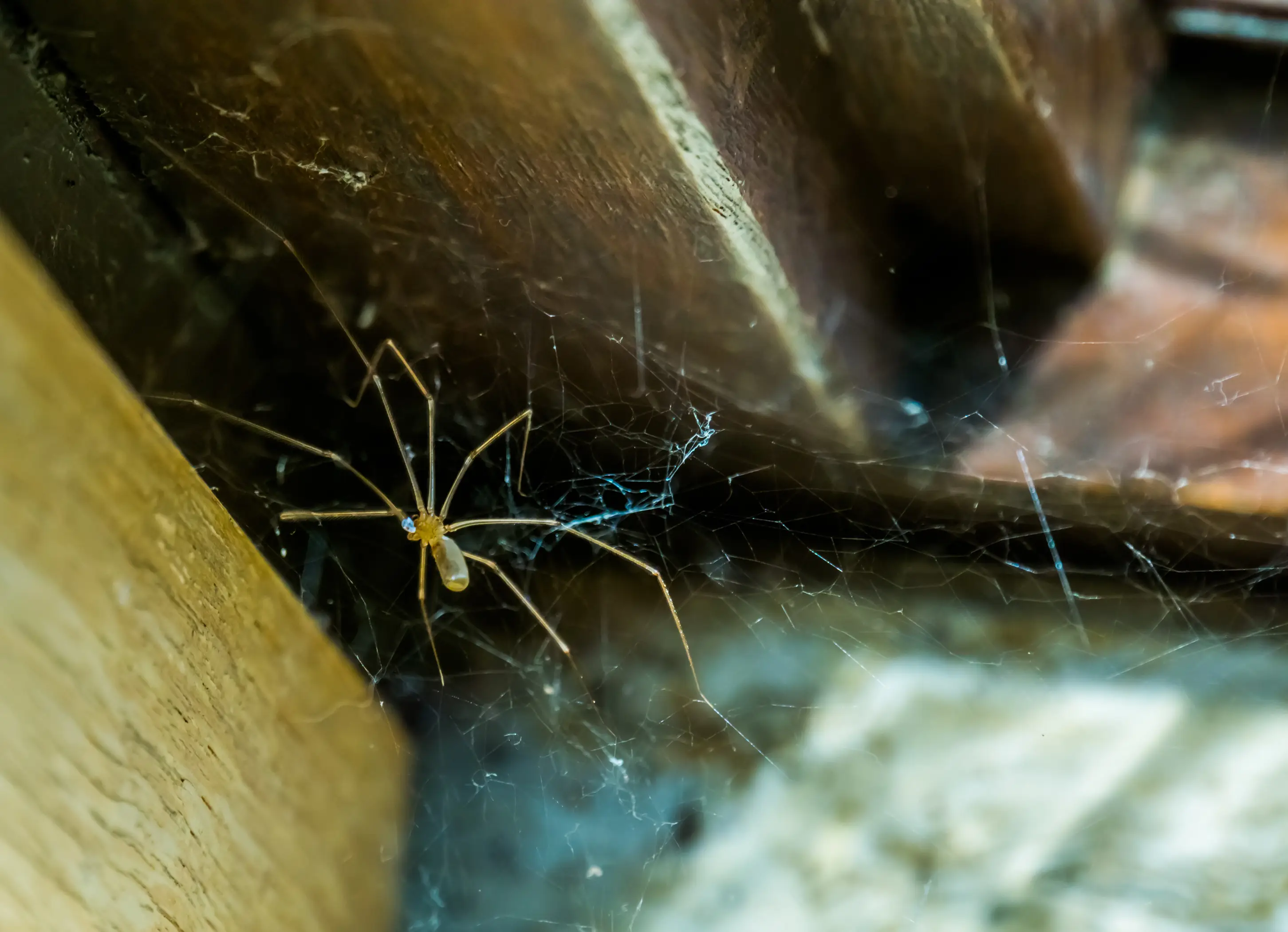
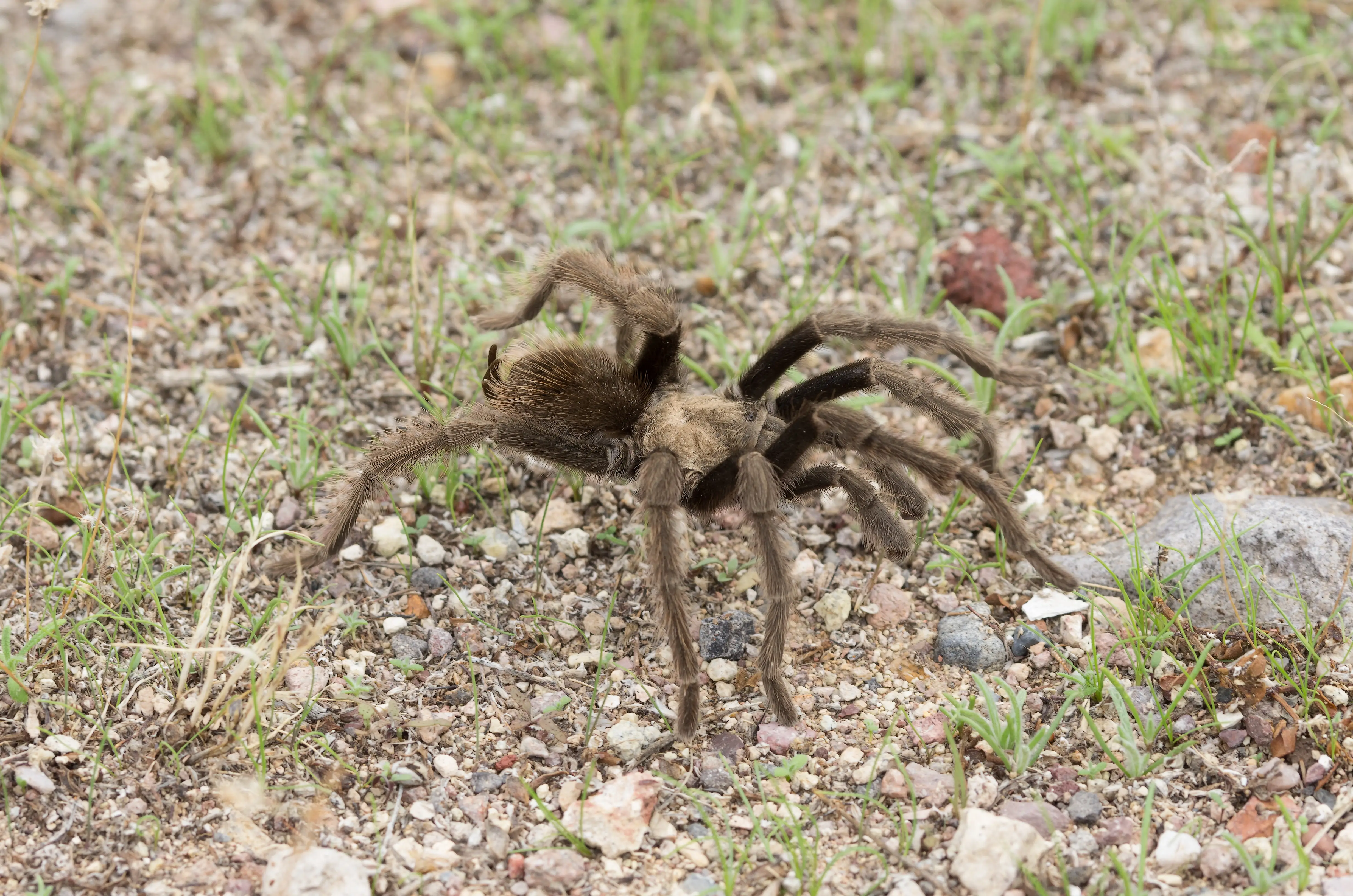
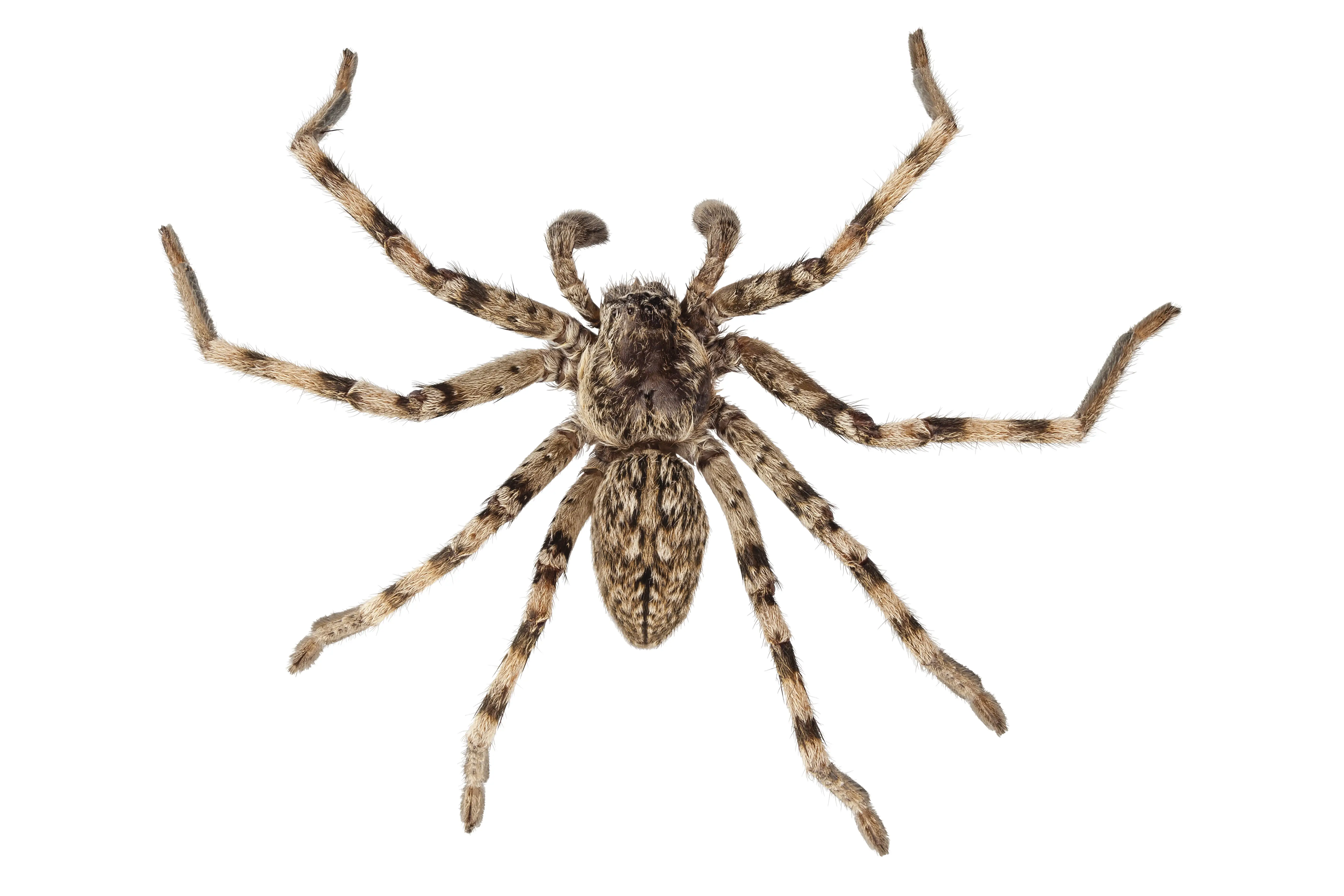
The most frequently encountered house spider species include the American house spider, cellar spiders (daddy longlegs spiders), wolf spiders, jumping spiders, and yellow sac spiders. These species have successfully adapted to indoor environments and typically pose no threat to humans while providing valuable pest control services by consuming flies, mosquitoes, ants, and other insects.
Are house spiders dangerous to humans?
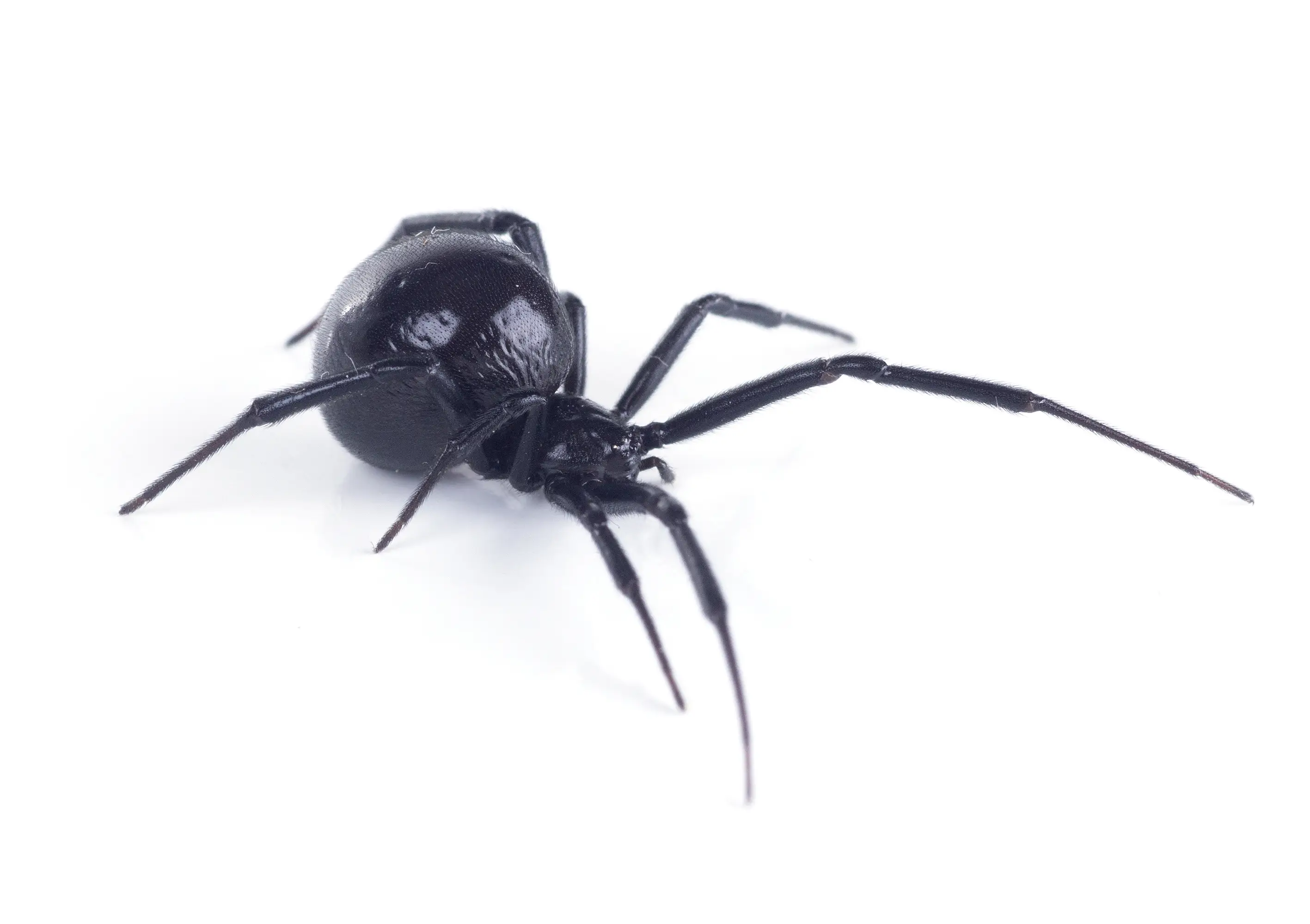
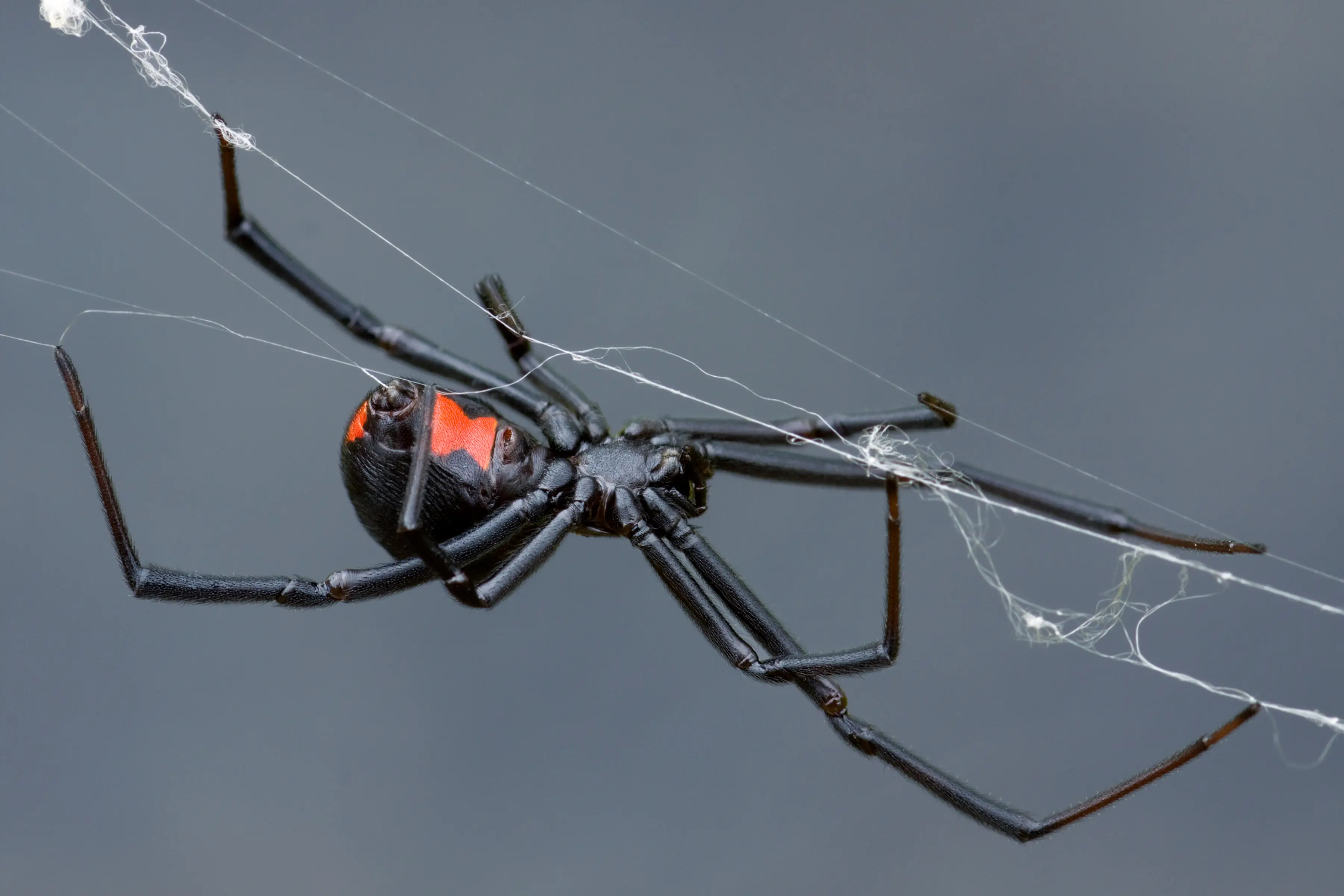
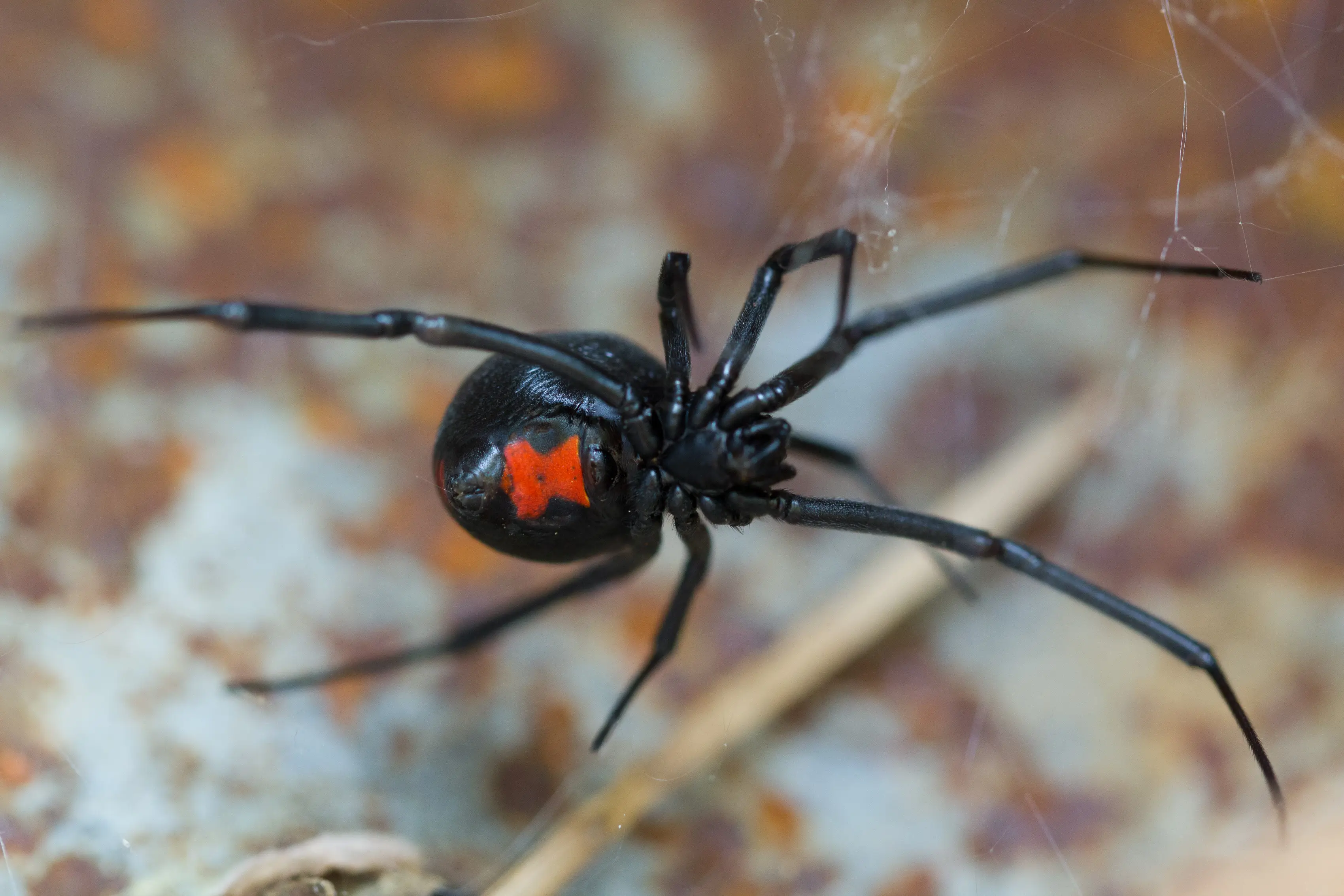
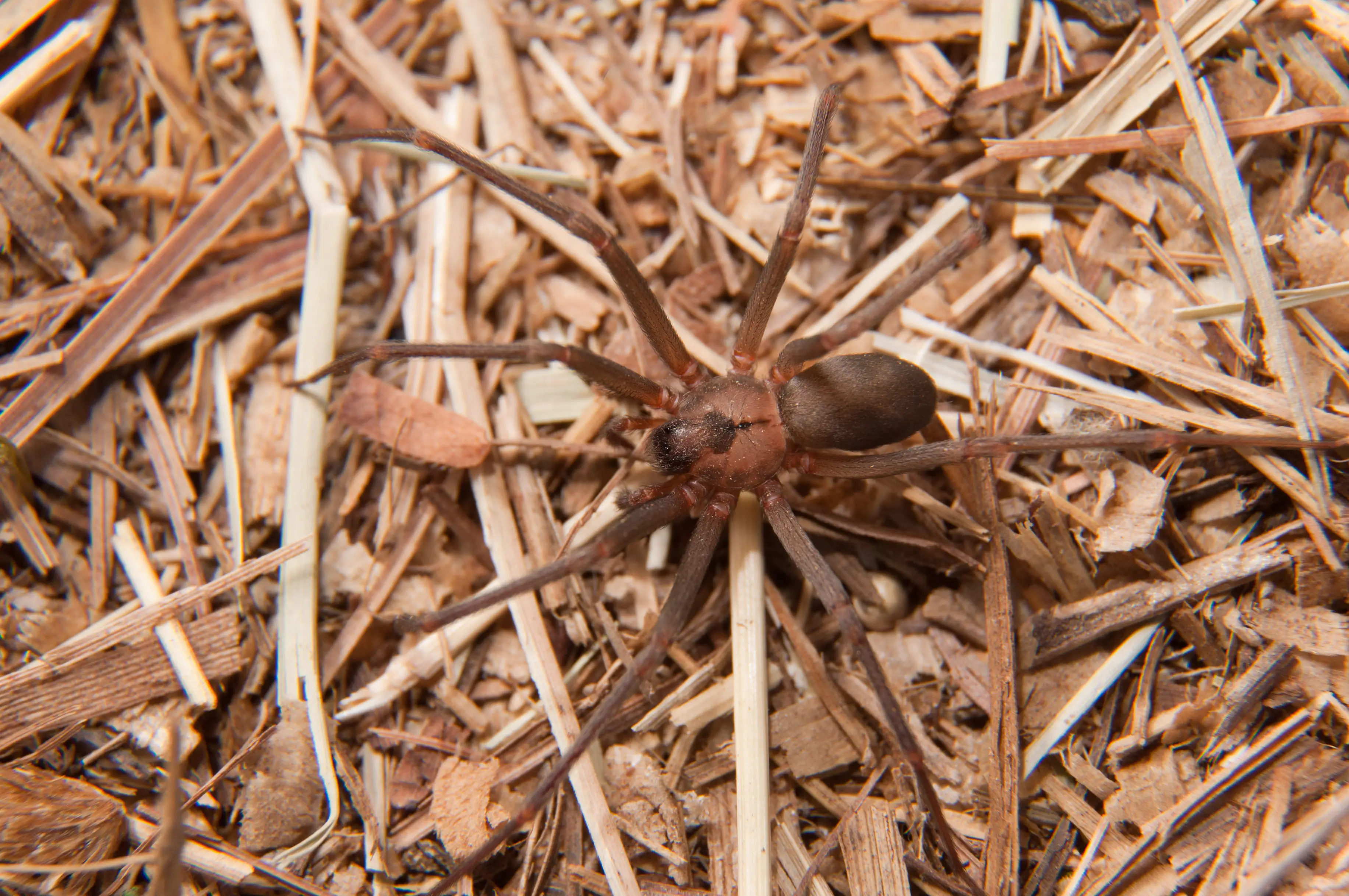
The vast majority of house spider species are completely harmless to humans and cannot produce medically significant bites due to their small fang size or mild venom composition. Only two spider species commonly found in American homes pose potential health risks: the brown recluse spider, limited to south-central states, and the black widow spider, which has broader distribution but typically avoids human contact.
How do I identify a dangerous spider in my home?
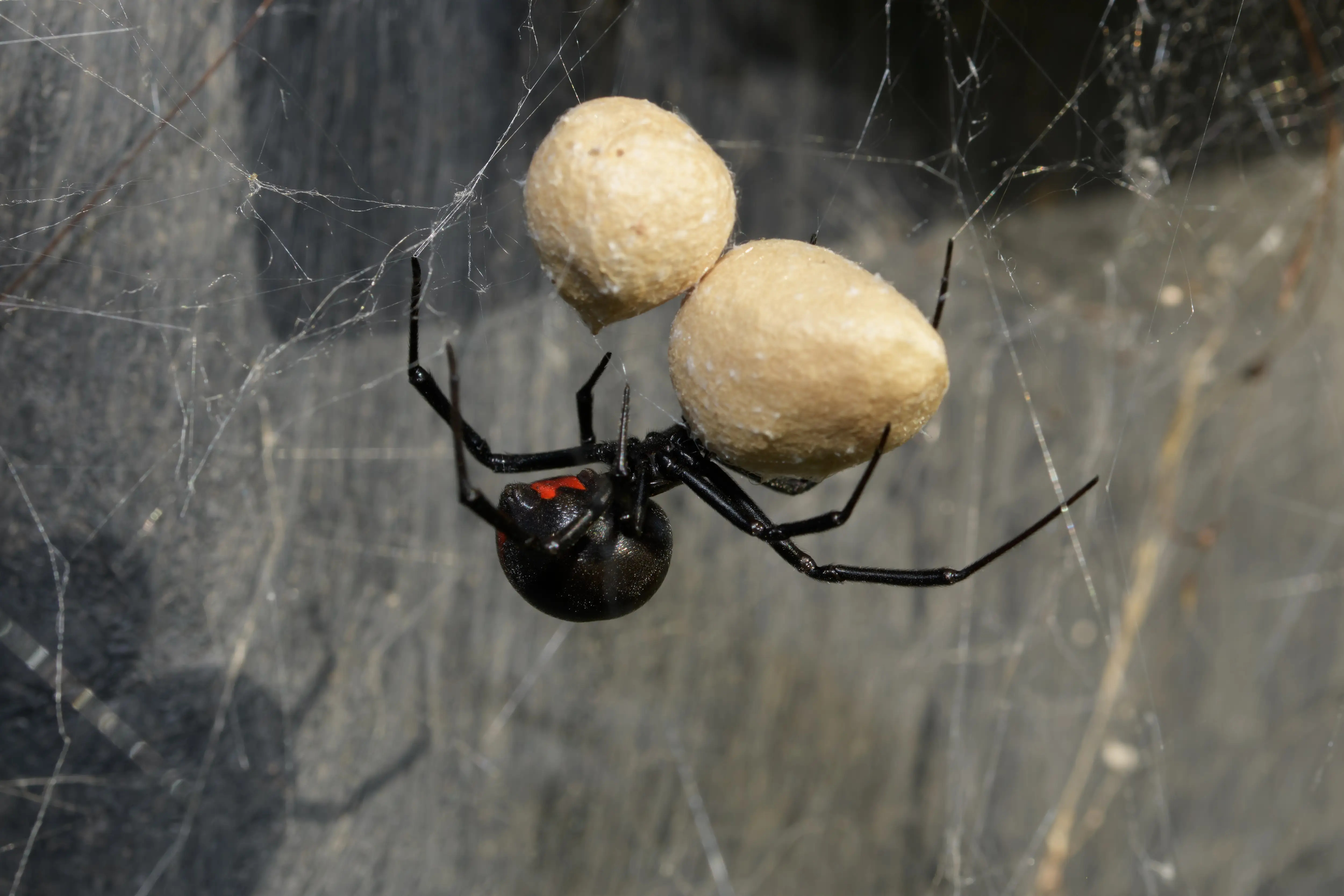
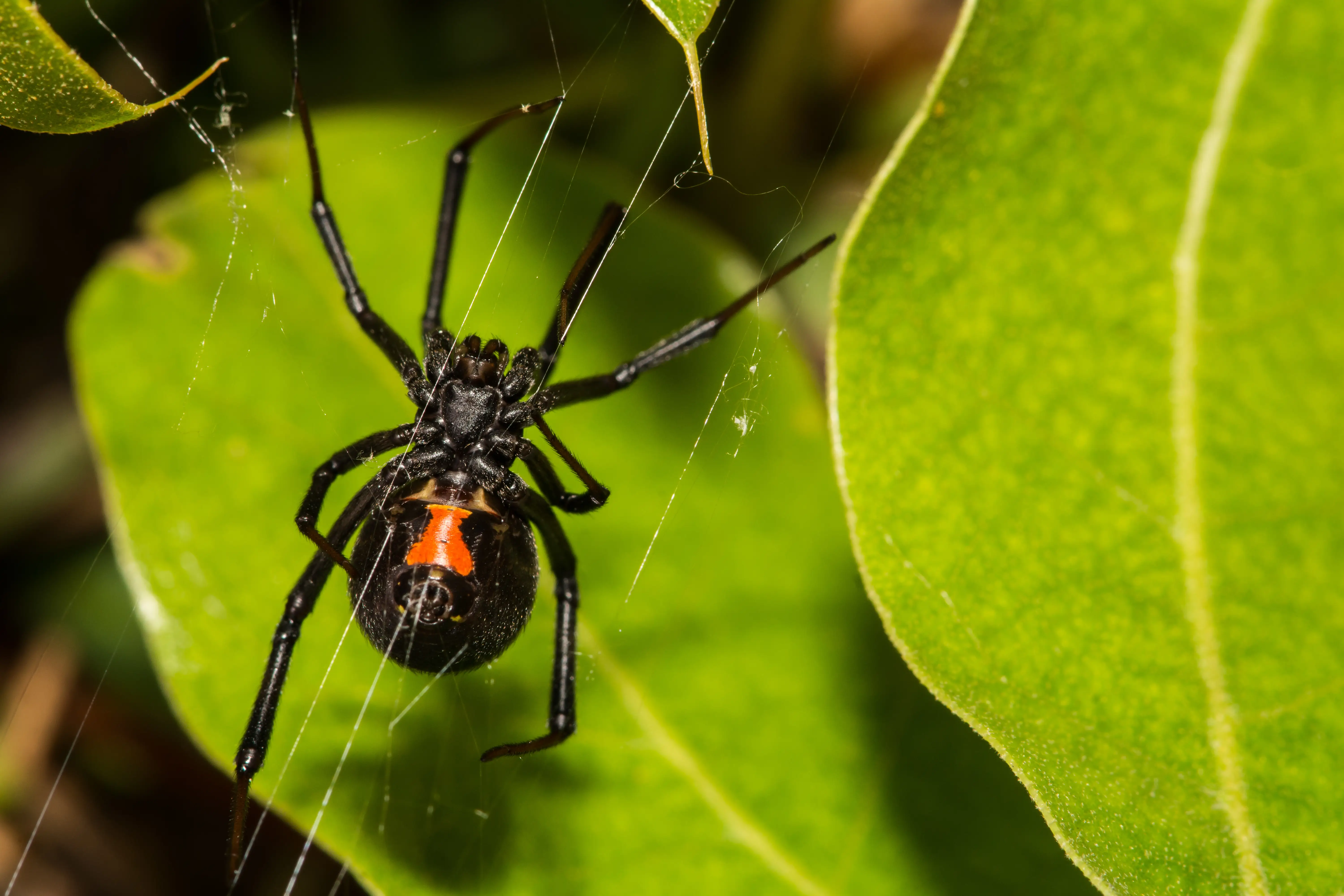
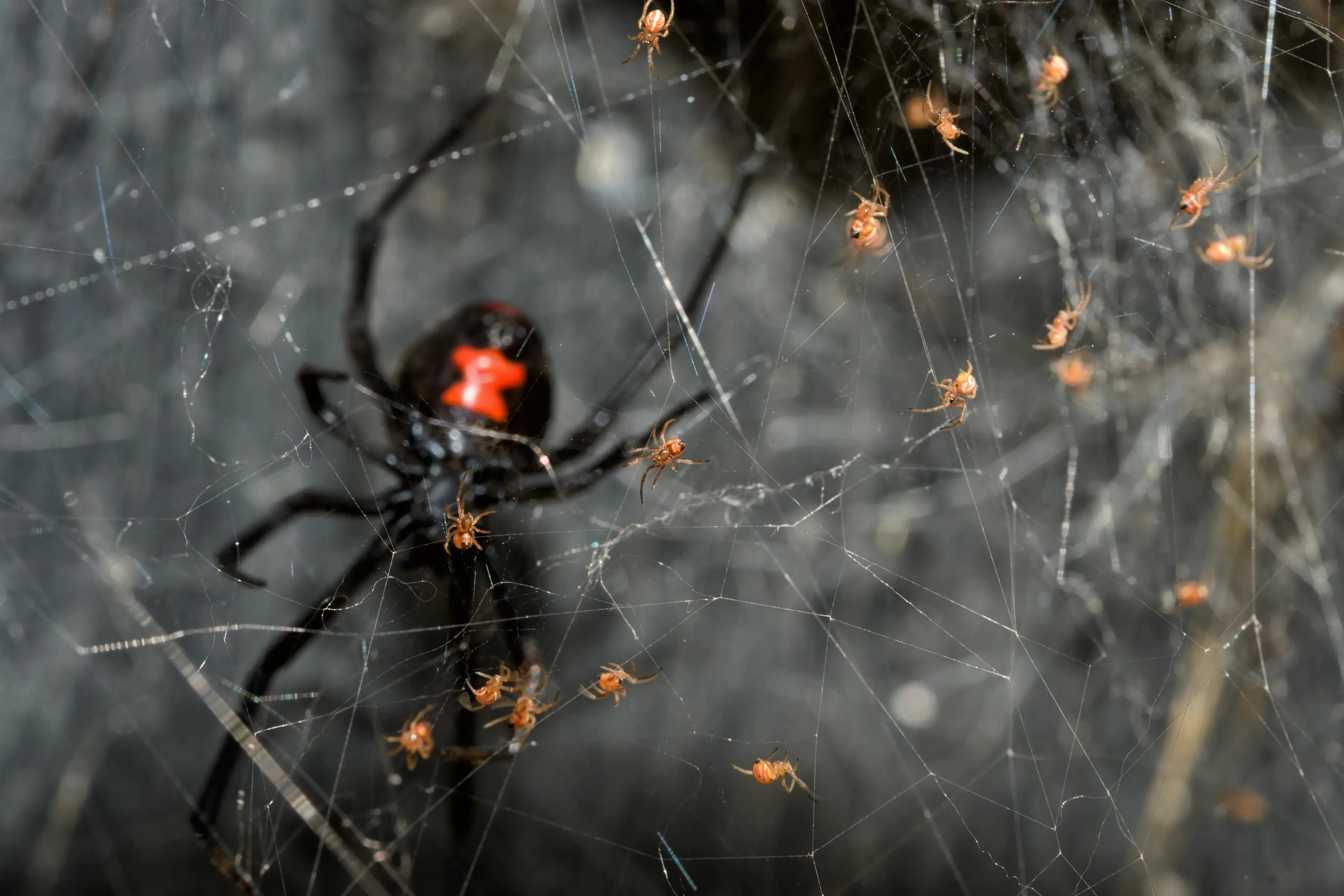
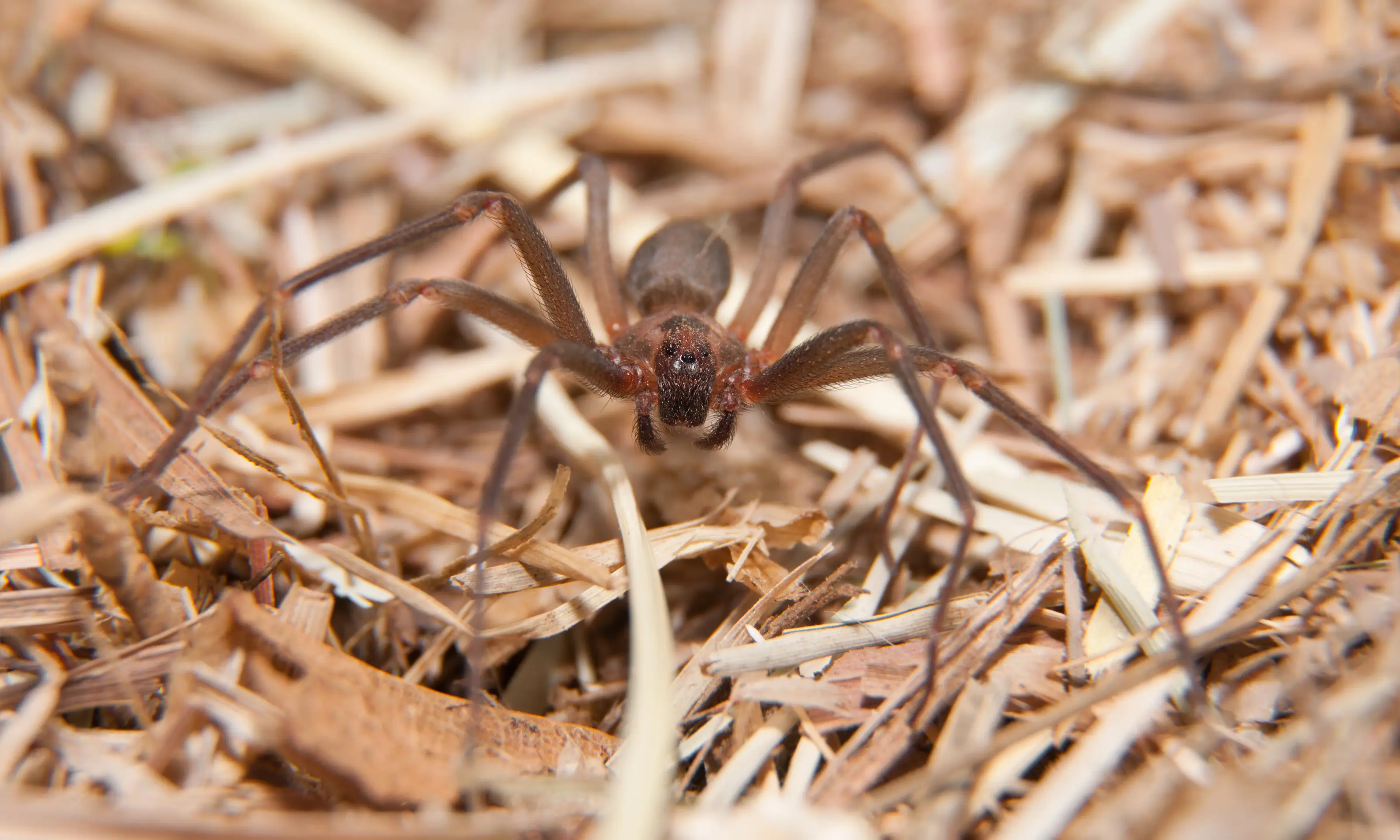
Brown recluse spiders display a distinctive dark violin-shaped marking on their cephalothorax pointing toward the abdomen and possess only six eyes arranged in three pairs rather than the typical eight eyes. Black widow spiders are easily identified by their shiny black coloration and prominent red hourglass marking on the underside of their bulbous abdomen. Both species prefer undisturbed, secluded areas.
What attracts spiders to houses?
Spiders enter homes primarily in search of prey insects, suitable shelter from environmental extremes, and favorable conditions for reproduction and survival. The consistent temperatures, abundant hiding places, and steady food sources provided by heated homes make them attractive to many spider species, particularly during seasonal transitions when outdoor conditions become unfavorable.
How can I prevent spiders from entering my home?
Effective spider prevention involves sealing entry points such as gaps around windows and doors, eliminating clutter that provides hiding places, controlling moisture levels in basements and crawl spaces, and managing prey insect populations through proper sanitation and food storage practices. Regular maintenance of screens, weather stripping, and caulking helps exclude spiders while removing outdoor debris reduces populations around the home's perimeter.
When should I call a professional for spider control?
Professional pest management services are recommended when spider populations exceed manageable levels through routine homeowner efforts, when potentially dangerous species are suspected or confirmed, when accurate species identification is needed, or when prevention efforts consistently fail to provide adequate long-term control. Professional intervention is particularly important for recurring problems that suggest underlying environmental conditions favoring spider establishment.