EcoGuard Pest Management
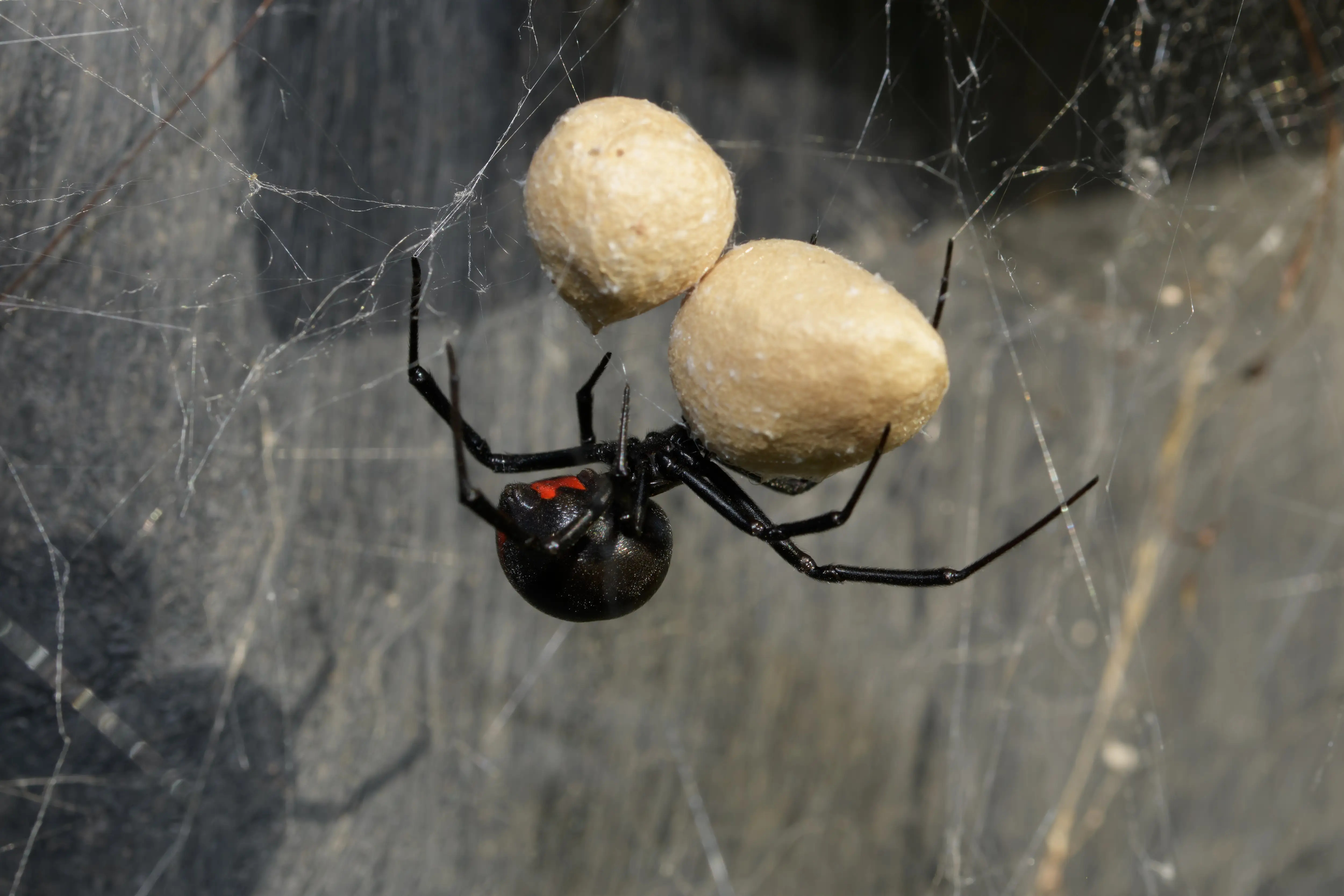
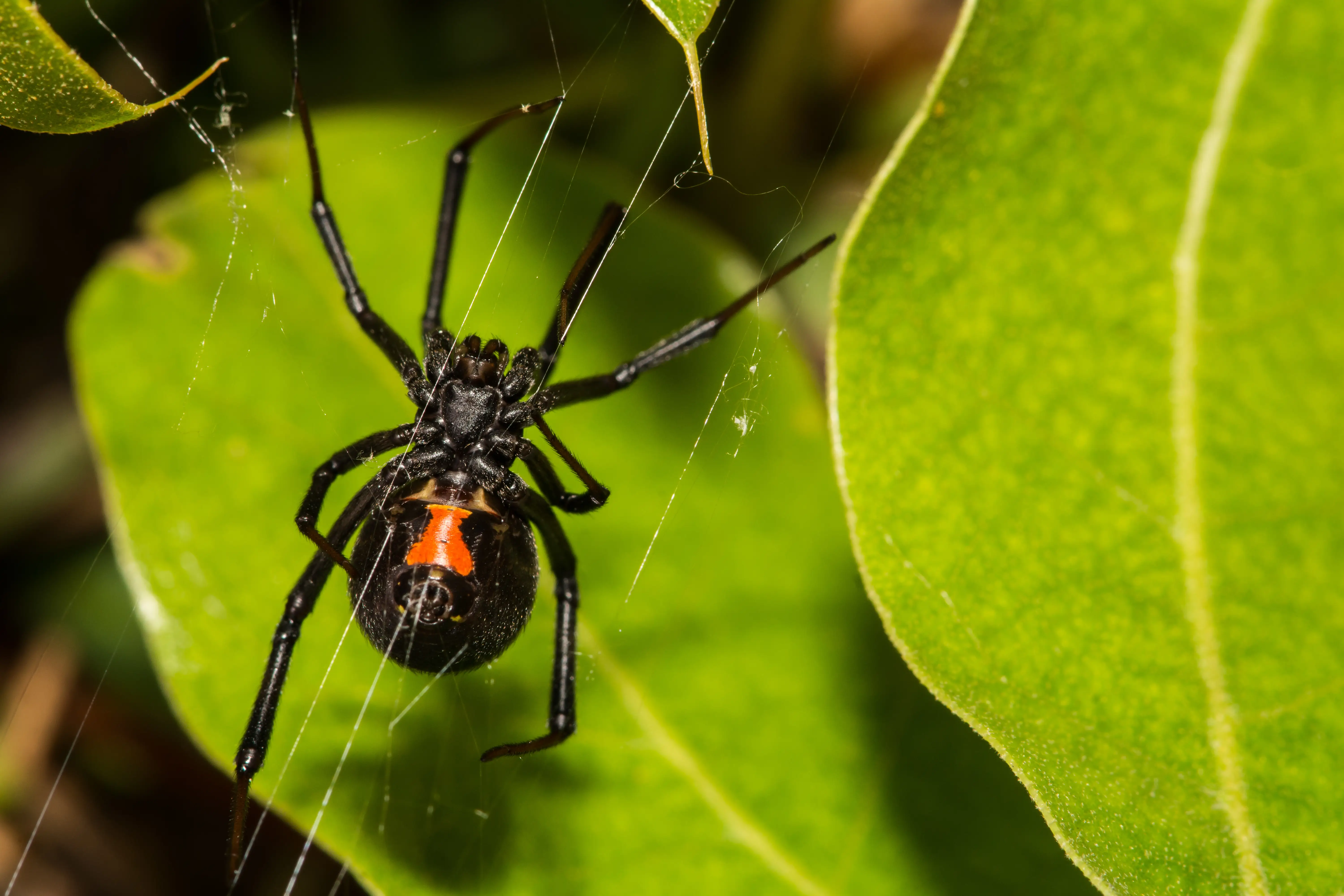
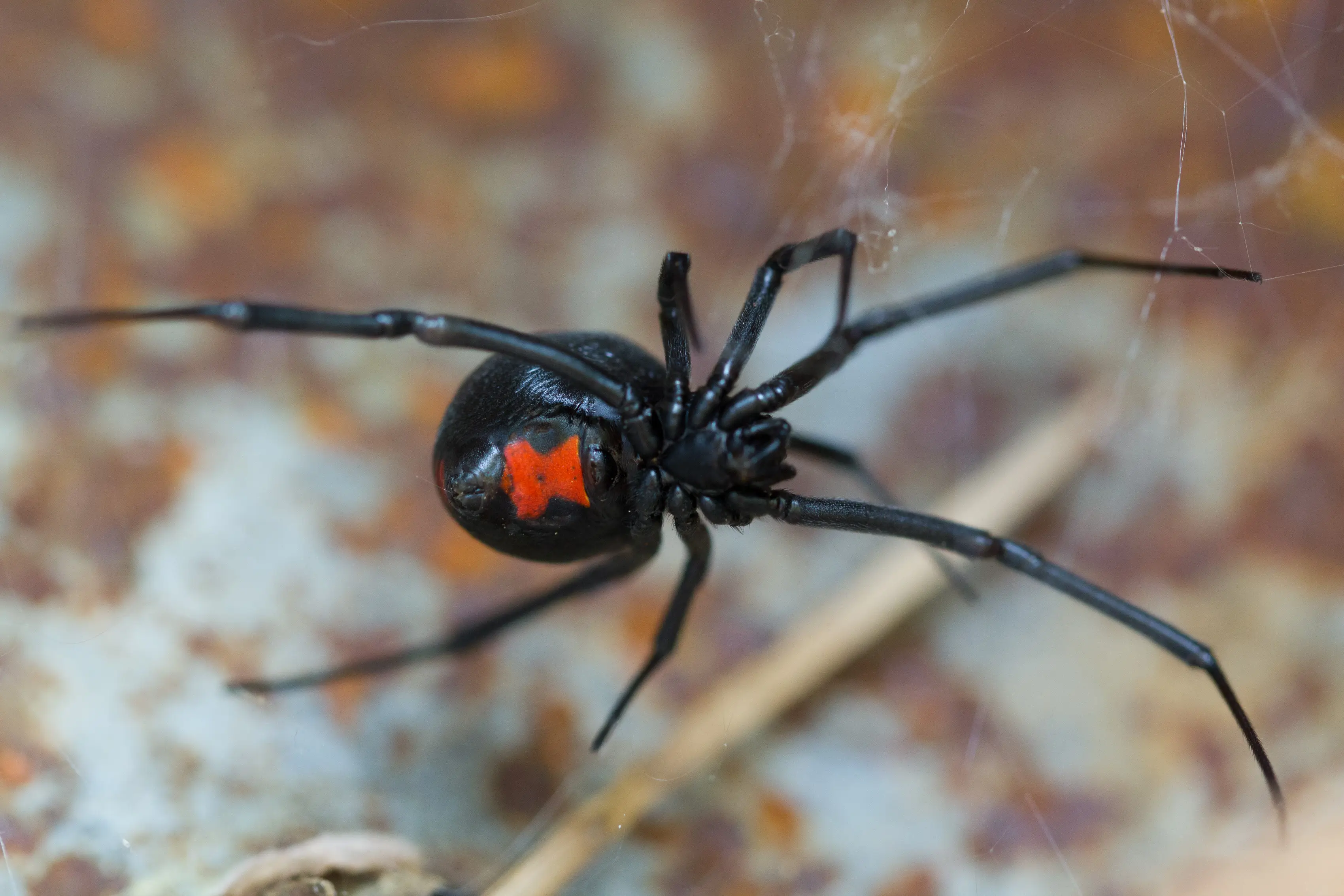
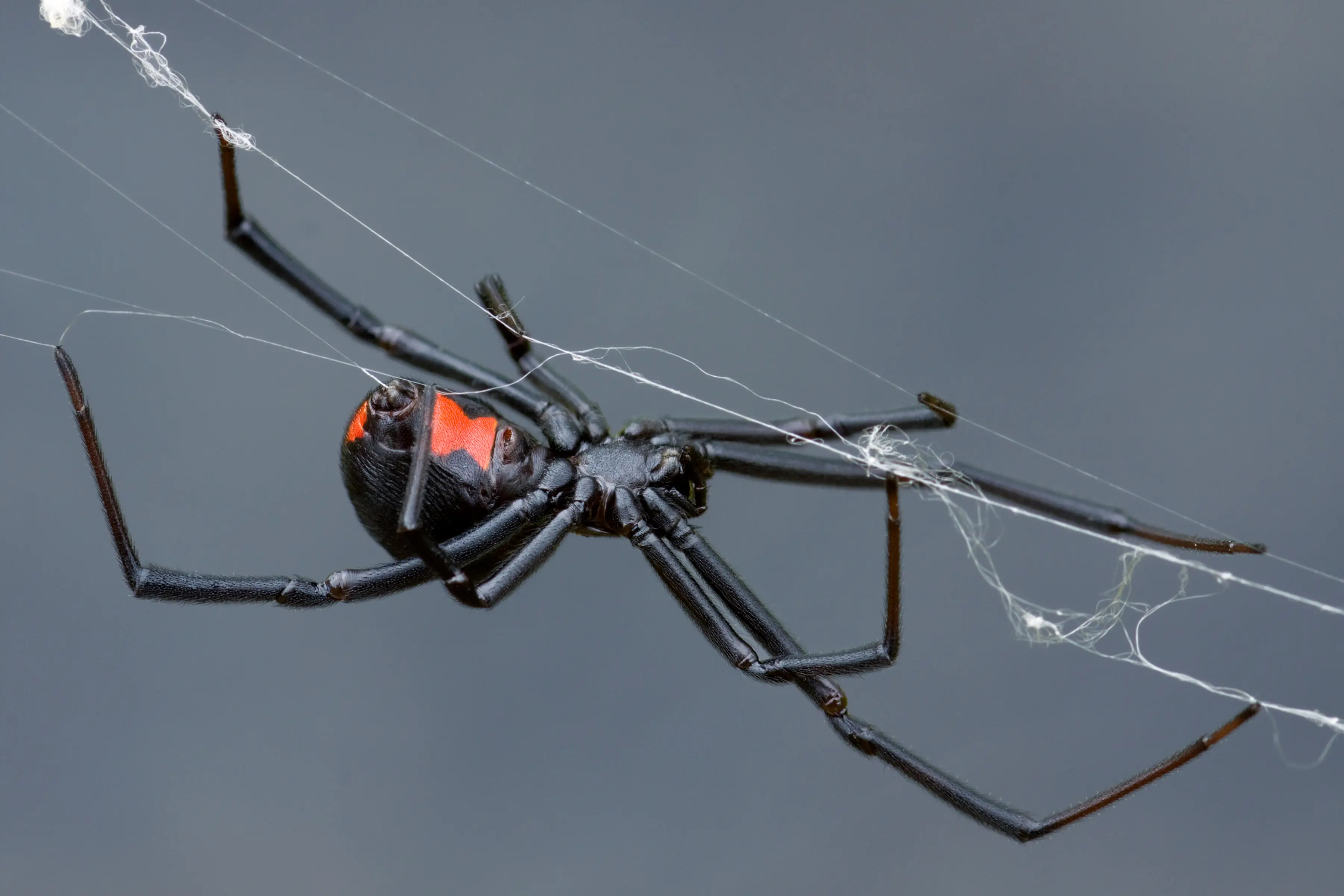
Black widow spider on web
By Gary Anderson||7 min read

What Do Black Widow Spiders Eat?

Discover the diverse diet of these venomous predators and learn how they capture their prey.

Black widow spiders are renowned for their distinctive appearance and potent venom, and they are skilled predators with a diverse diet. These arachnids have evolved to be opportunistic hunters capable of subduing a wide range of prey.

Their menu primarily consists of various insects and arthropods, but they are not picky eaters and will adapt their diet based on availability. From tiny flies to creatures several times their size, black widows demonstrate remarkable versatility in their feeding habits, using their powerful venom and strong silk to capture and consume their meals.

Quick Facts About Black Widow Diet

Primary Diet: Insects and arthropods
Hunting Method: Web-based ambush predator
Survival: Can live up to a year without food

Key Facts

Venom Potency
15x stronger than rattlesnake
Web Strength
Can trap small vertebrates
Hunting Time
Primarily nocturnal

What Are the Main Staples of the Black Widow Diet?

The black widow spider's diet is primarily composed of various bugs, showcasing their adaptability as predators. Their menu includes a wide array of insects, other arachnids, scorpions, and even small animals. This diverse palate allows black widows to thrive in different environments.

Insects

Black widow spiders are voracious insectivores that rely heavily on various insects as their primary food source. Their diet typically includes:

Flies (house, fruit)MosquitoesGrasshoppersBeetlesAntsMothsCaterpillarsCockroachesBees and Wasps

Arthropods

Black widows extend their diet beyond just insects to include a diverse range of joint-legged invertebrates. They often construct webs near scorpion burrows, demonstrating a targeted approach to capturing these formidable prey:

ScorpionsCentipedesMillipedesMites and Ticks

Other Spiders

Black widows occasionally consume other spiders for several reasons: territorial defense against encroaching spiders, opportunistic feeding when smaller spiders become entangled in their webs, as a survival strategy during food scarcity, or when they have a size advantage over smaller species. However, this is not their preferred feeding method.

Small Animals (Rare)

While not typical, black widows occasionally prey on small animals when the opportunity presents itself, highlighting why they are apex predators at the top of the insect food chain:

Frogs

Small frogs accidentally entangled in webs

Small Birds

Very small species caught in strong silk

Lizards

Small lizards venturing into web territory

Snakes

Very small snakes trapped in webs

Do Female Black Widow Spiders Eat Their Mates?

The notion of female black widow spiders consuming their mates after mating is a widely circulated myth that, while not entirely false, is far more nuanced than popular belief suggests.

The Reality

Sexual cannibalism among black widows is not universal or inevitable. The prevalence varies significantly among different species and geographical regions. In North American species like the western black widow, it has never been observed in the wild.

Regional Differences

Mate cannibalism is more common in Southern Hemisphere species. Even in the eastern black widow where it does occur, it is not the norm and most males survive to mate again.

Spiderling Cannibalism

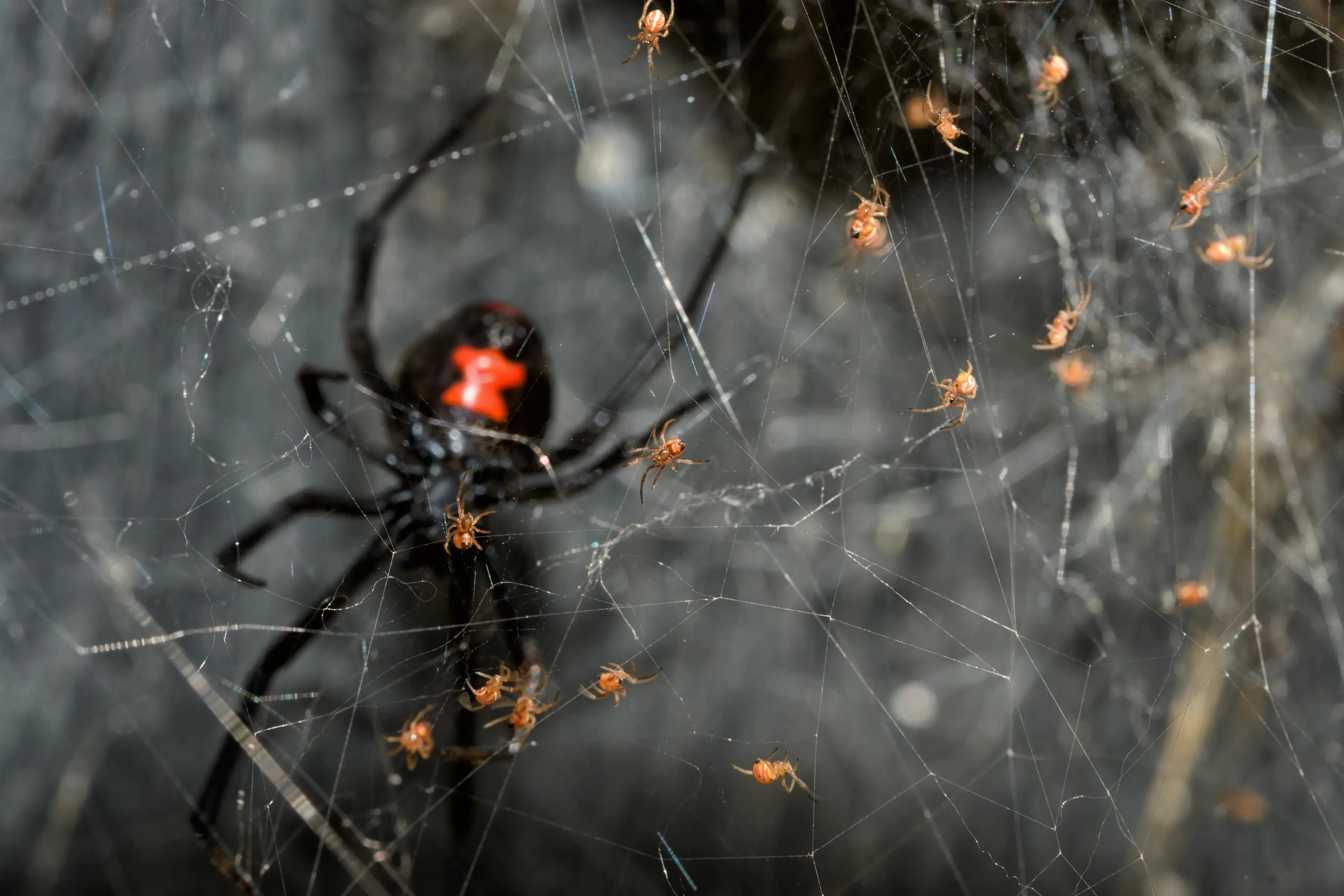
A more common form of cannibalism within the black widow family occurs among newly hatched spiderlings, who may consume their siblings upon emerging from their eggs.

How Do Black Widows Eat Their Prey?

The feeding process of black widow spiders is a remarkable display of predatory efficiency and biological ingenuity.

1

Detection

When prey becomes ensnared in their intricate web, the spider is alerted by vibrations of the struggling victim.

2

Approach and Location

The black widow descends swiftly, using her front legs as sensory probes to locate the prey precisely.

3

Silk Wrapping

She immobilizes the prey by rapidly encasing it in silk, using comb-like structures on her hind legs to manipulate the threads with astonishing dexterity.

4

Venom Injection

Carefully timed bites deliver a potent cocktail of venom and digestive enzymes that paralyze the prey and initiate breakdown of internal tissues.

5

Feeding

After a brief retreat to allow enzymes to take effect, the black widow returns to extract the liquefied contents through her fangs, leaving only an empty husk.

Found Black Widows on Your Property?

Do not risk a venomous bite. Our experts can safely remove black widows and prevent future infestations.

Call (866) 326-2847

Do Black Widows Eat Their Webs?

Black widow spiders engage in a fascinating process of web recycling that involves consuming portions of their own silken structures.

Why They Recycle

As webs accumulate dust, debris, and lose their adhesive properties over time, black widows systematically dismantle and ingest sections of their web.

Nutrient Reclamation

The silk is rich in proteins and other valuable compounds. By consuming it, these resources are reabsorbed into the spider's body for conservation and reuse.

Reconstruction

Following recycling, the spider reconstructs a fresh, pristine web optimized for prey capture. This cyclical process maintains peak hunting efficiency while minimizing energy expenditure.

How Long Can a Black Widow Survive Without Food?

Black widow spiders demonstrate remarkable resilience when it comes to surviving periods of food scarcity. These arachnids possess the ability to endure extended fasts, with some individuals capable of persisting for several months without a meal. In extreme cases, certain black widows have been documented to survive for nearly a year in the absence of prey, showcasing their impressive metabolic adaptability.

Contact EcoGuard if You Are Dealing with Black Widows

If you have encountered black widow spiders on your property, it is crucial to address the situation promptly and safely. While these arachnids play a role in controlling insect populations, their presence near human dwellings can pose risks. EcoGuard Pest Management specializes in effectively managing black widow infestations using environmentally conscious methods. Our team can assess your situation, implement targeted control strategies, and provide guidance on prevention techniques. Contact us today for professional, reliable spider control services.

Call (866) 326-2847Get Free Quote

Black Widow Diet FAQs

Are black widows good to keep around?

While black widow spiders play a beneficial role in controlling insect populations, their presence around human habitations can pose significant health risks due to their potent venom. The potential danger to humans, especially children and the elderly, generally outweighs any pest control benefits they might offer. It is advisable to manage black widow populations near homes and frequently used outdoor areas to minimize the risk of accidental encounters and bites.

What are black widow spiders attracted to?

Black widow spiders are primarily attracted to dark, secluded areas that offer protection and ample hunting opportunities. They tend to gravitate towards cluttered spaces like woodpiles, garages, basements, and dense vegetation where they can construct their webs undisturbed. Additionally, these arachnids are drawn to areas with high insect activity, as this ensures a steady food supply for their survival and reproduction.

How poisonous is a black widow?

Black widow spiders are considered one of the most venomous arachnids in North America, with a potent neurotoxin that can cause severe pain and other systemic symptoms in humans. While their bites are rarely fatal to healthy adults, they can be particularly dangerous for children, the elderly, and individuals with compromised immune systems. Despite their fearsome reputation, black widows typically only bite humans as a defensive measure when threatened or accidentally pressed against the skin.

From Our Blog

Related Articles

21 Different Types of Spiders in North America

21 Different Types of Spiders in North America

Comprehensive guide to spider species in North America including black widows, brown recluses, wolf spiders, house...

Read Article
Are Black Widows Dangerous? Bites, Symptoms & Treatment

Are Black Widows Dangerous? Bites, Symptoms & Treatment

Learn if black widow spiders are dangerous, bite symptoms, what to do if bitten, risk factors, and when to seek medical...

Read Article
Are Wolf Spiders Poisonous? Bites, Symptoms & Treatment

Are Wolf Spiders Poisonous? Bites, Symptoms & Treatment

Learn if wolf spiders are poisonous, bite symptoms, treatment steps, allergic reactions, and how to prevent them from...

Read Article
Do Spiders Lay Eggs in the House? Identification & Removal

Do Spiders Lay Eggs in the House? Identification & Removal

Learn about spider eggs, how to identify egg sacs, where spiders lay eggs in homes, how many eggs they lay, and how to...

Read Article
House Spiders: Complete Guide to Indoor Spider Identification & Control

House Spiders: Complete Guide to Indoor Spider Identification & Control

Learn to identify common house spiders, distinguish harmless from dangerous species, and implement effective prevention...

Read Article
How Long Do Garden Spiders Live? Complete Lifespan Guide

How Long Do Garden Spiders Live? Complete Lifespan Guide

Learn how long garden spiders live, their annual life cycle, factors affecting longevity, and practical management...

Read Article
How to Get Rid of Black Widow Spiders

How to Get Rid of Black Widow Spiders

Learn how to get rid of black widow spiders using pesticides, natural methods, habitat modifications, and exclusion...

Read Article
How to Get Rid of Spiders in Your Home and Yard

How to Get Rid of Spiders in Your Home and Yard

Learn how to get rid of spiders using traps, cleaning, pesticides, natural deterrents, and prevention tips. Indoor and...

Read Article
Most Venomous Spiders in North America & the World

Most Venomous Spiders in North America & the World

Learn about the most venomous spiders including black widows, brown recluses, funnel-web spiders, and Brazilian...

Read Article
What are Black Widow Spiders? Identification, Habitat & Bites

What are Black Widow Spiders? Identification, Habitat & Bites

Learn about black widow spiders including identification, diet, habitat, reproduction, life cycle, bite symptoms, and...

Read Article
Where Do Black Widow Spiders Live? Habitat Guide

Where Do Black Widow Spiders Live? Habitat Guide

Discover where black widow spiders live in America, their preferred habitats indoors and outdoors, and how to prevent...

Read Article
Where Do Brown Recluse Spiders Live?

Where Do Brown Recluse Spiders Live?

Learn where brown recluse spiders live, the 16 states they are native to, where they hide indoors and outdoors, bite...

Read Article