EcoGuard Pest Management
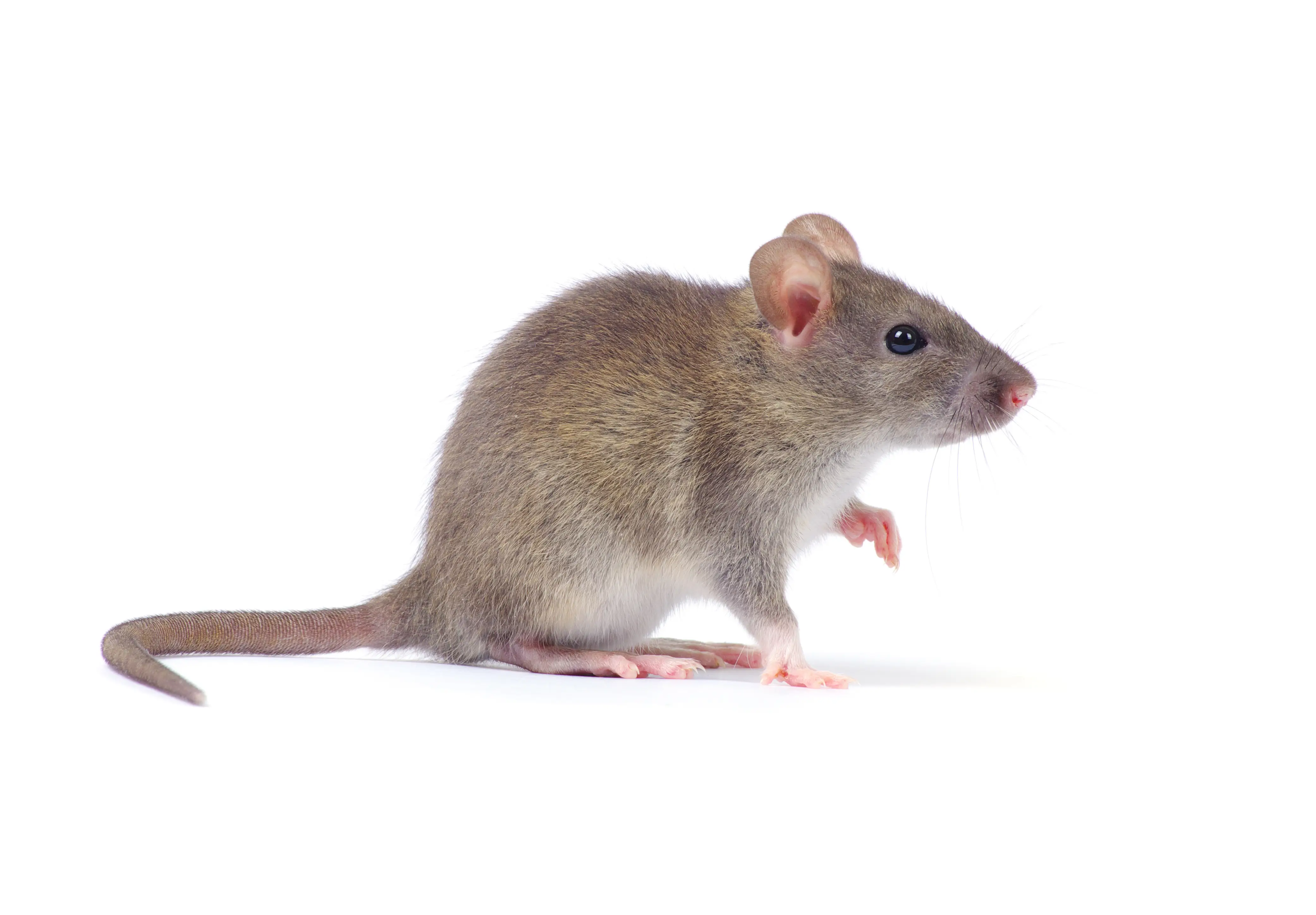
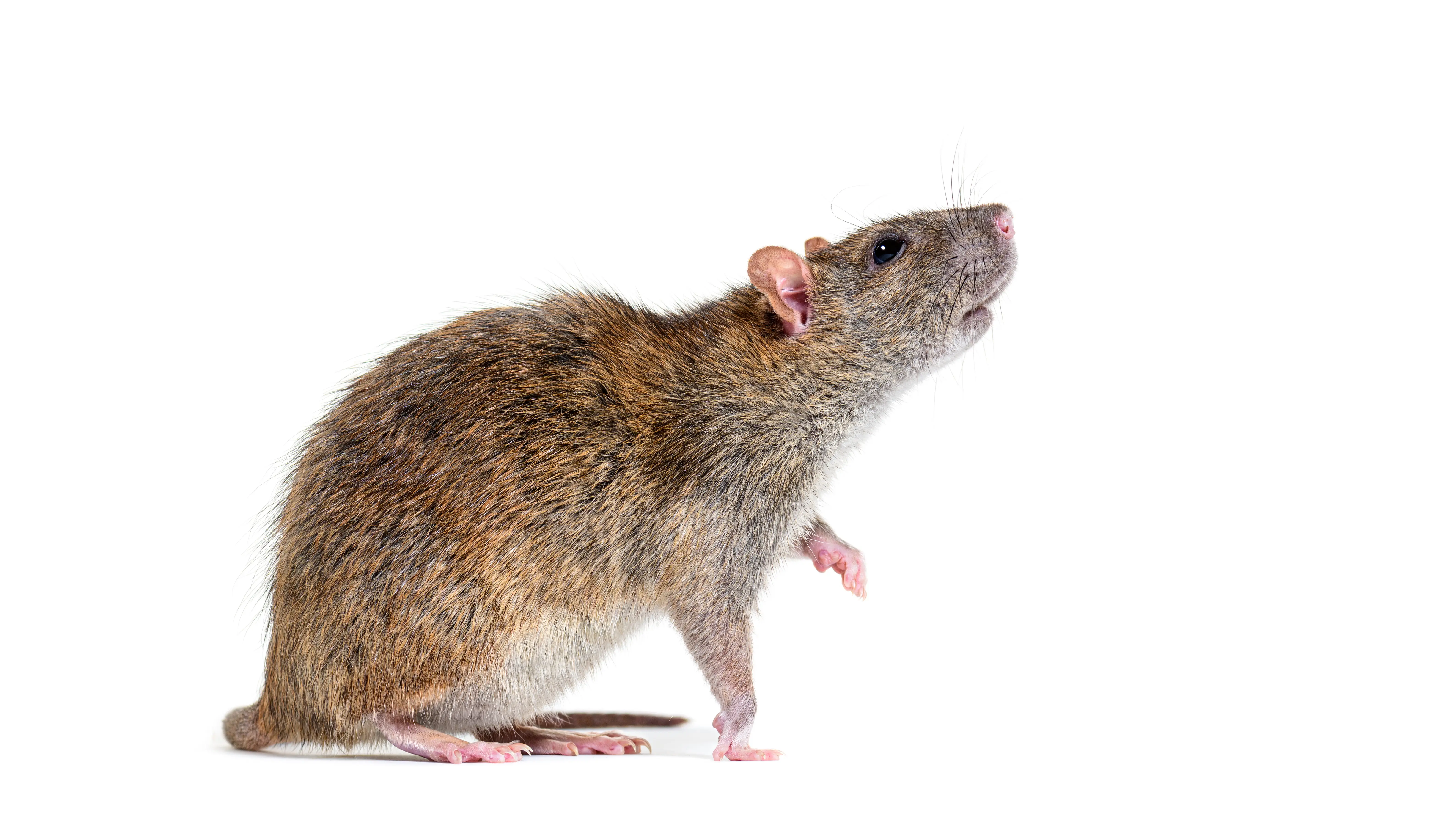
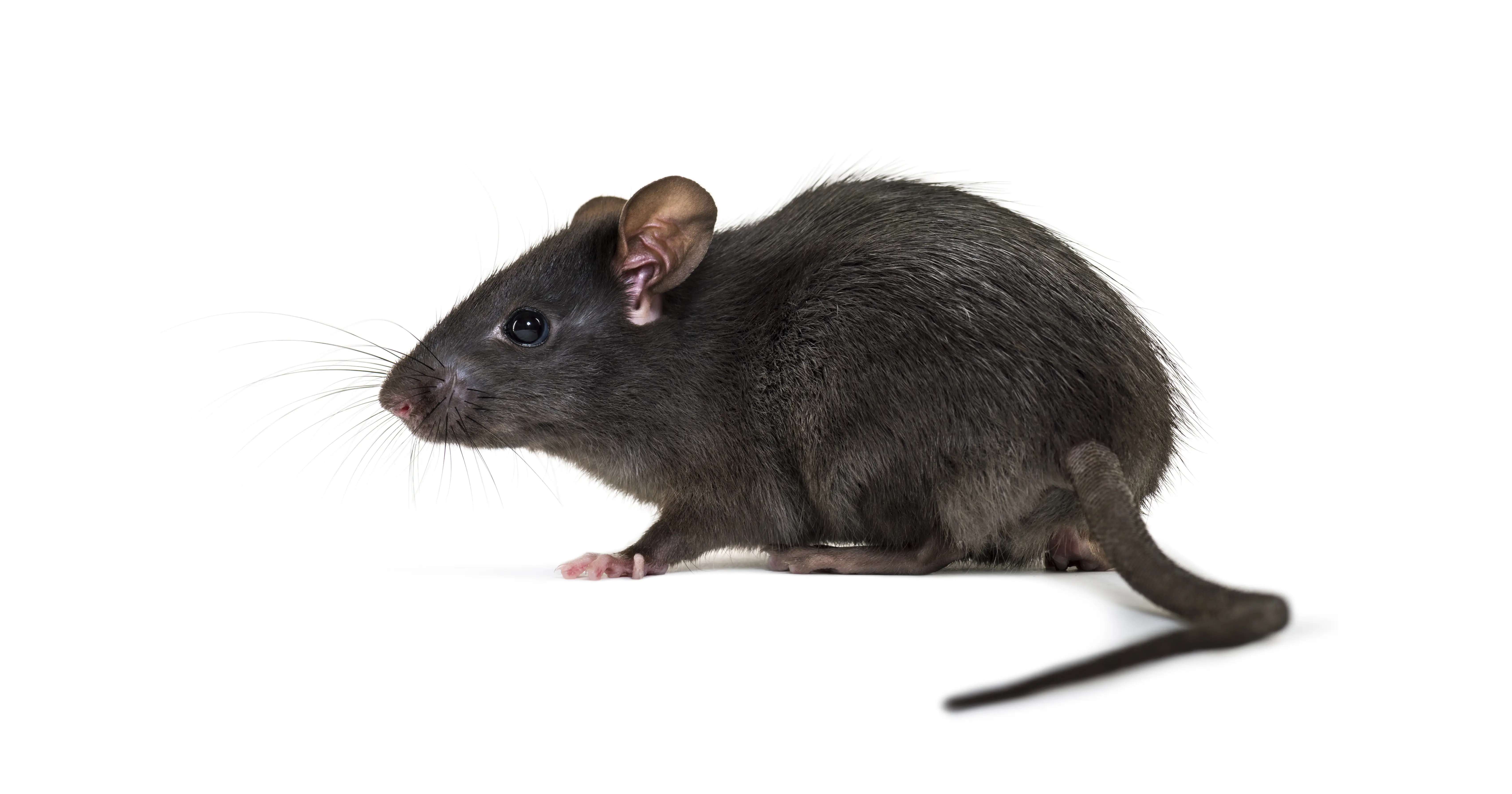
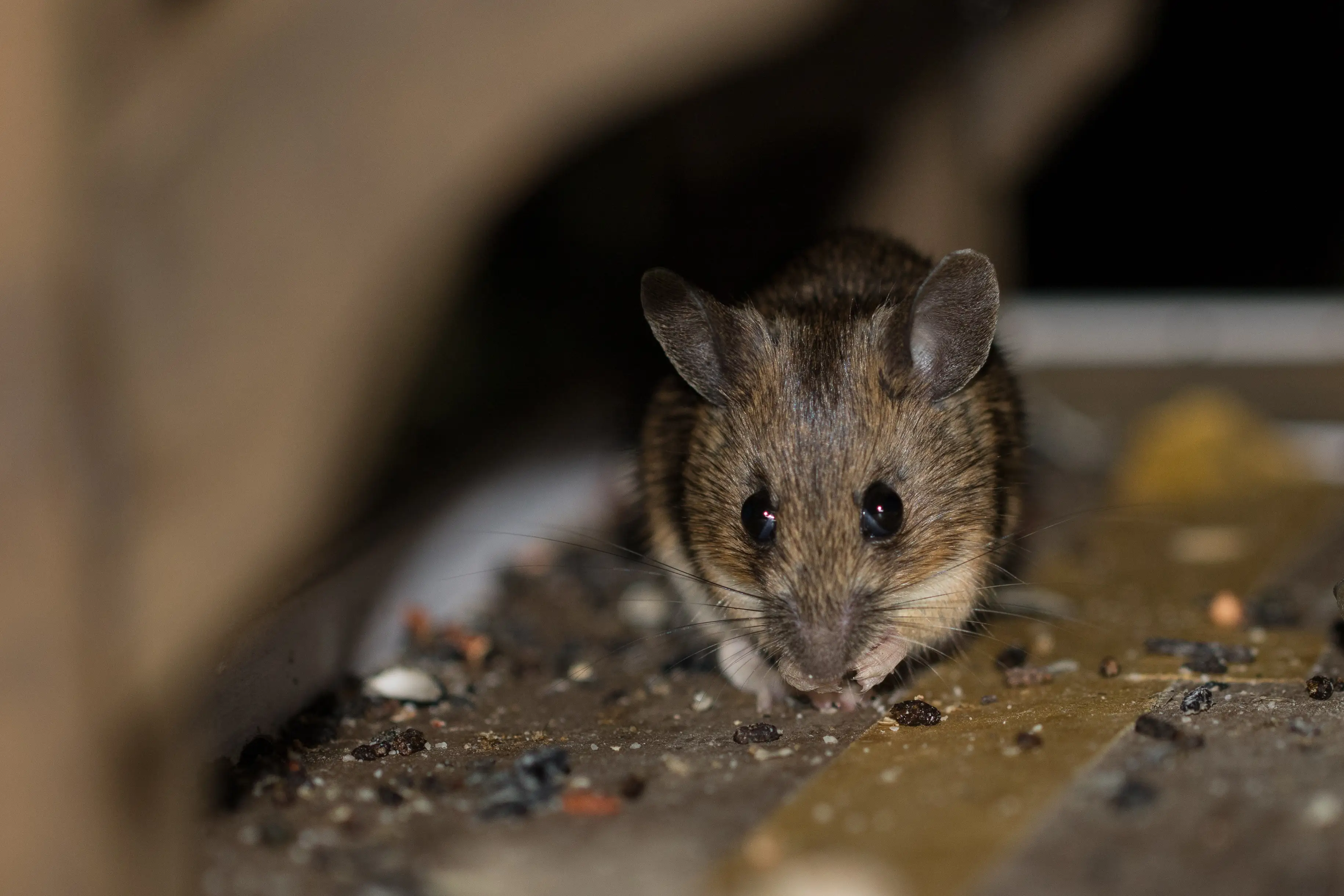
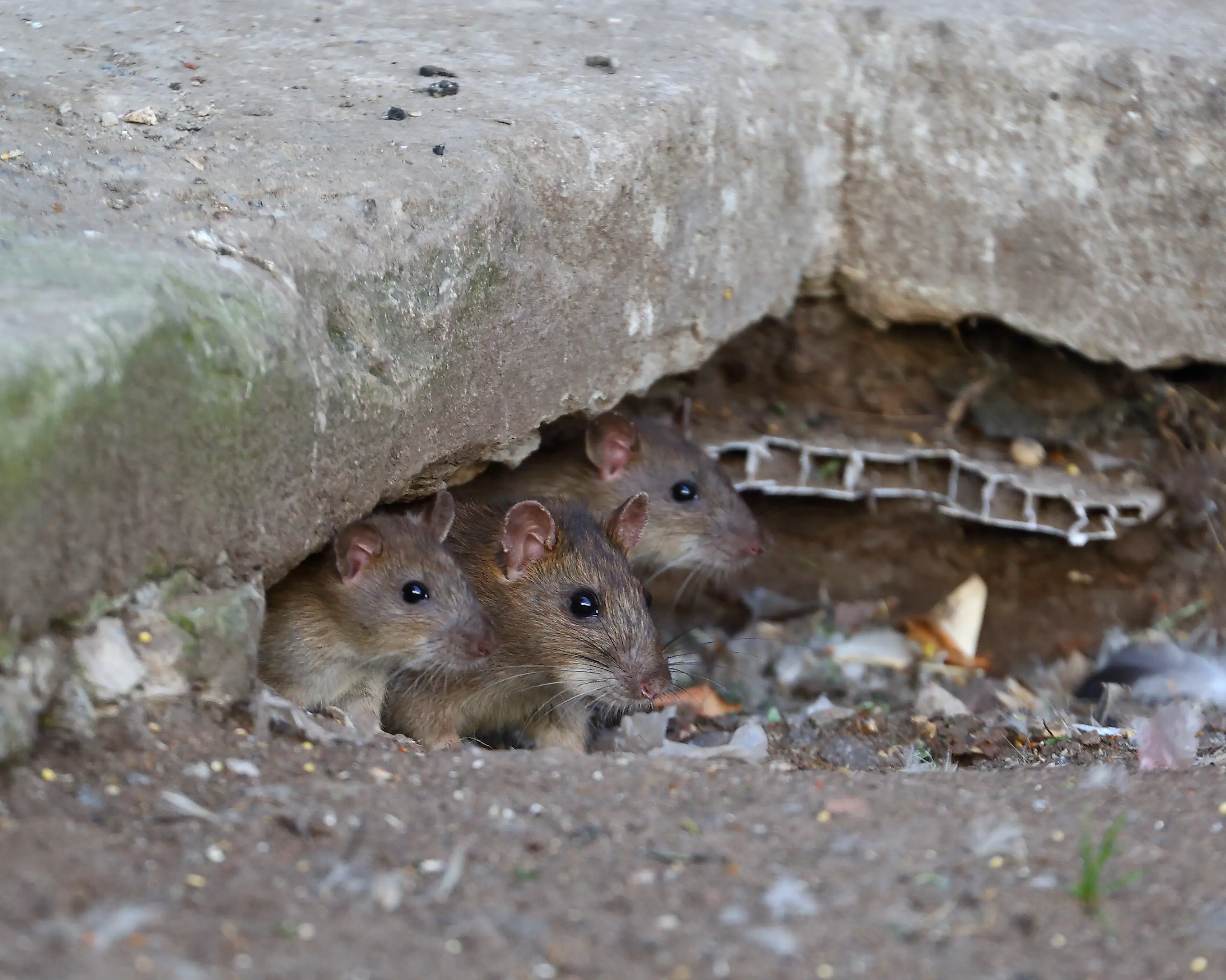
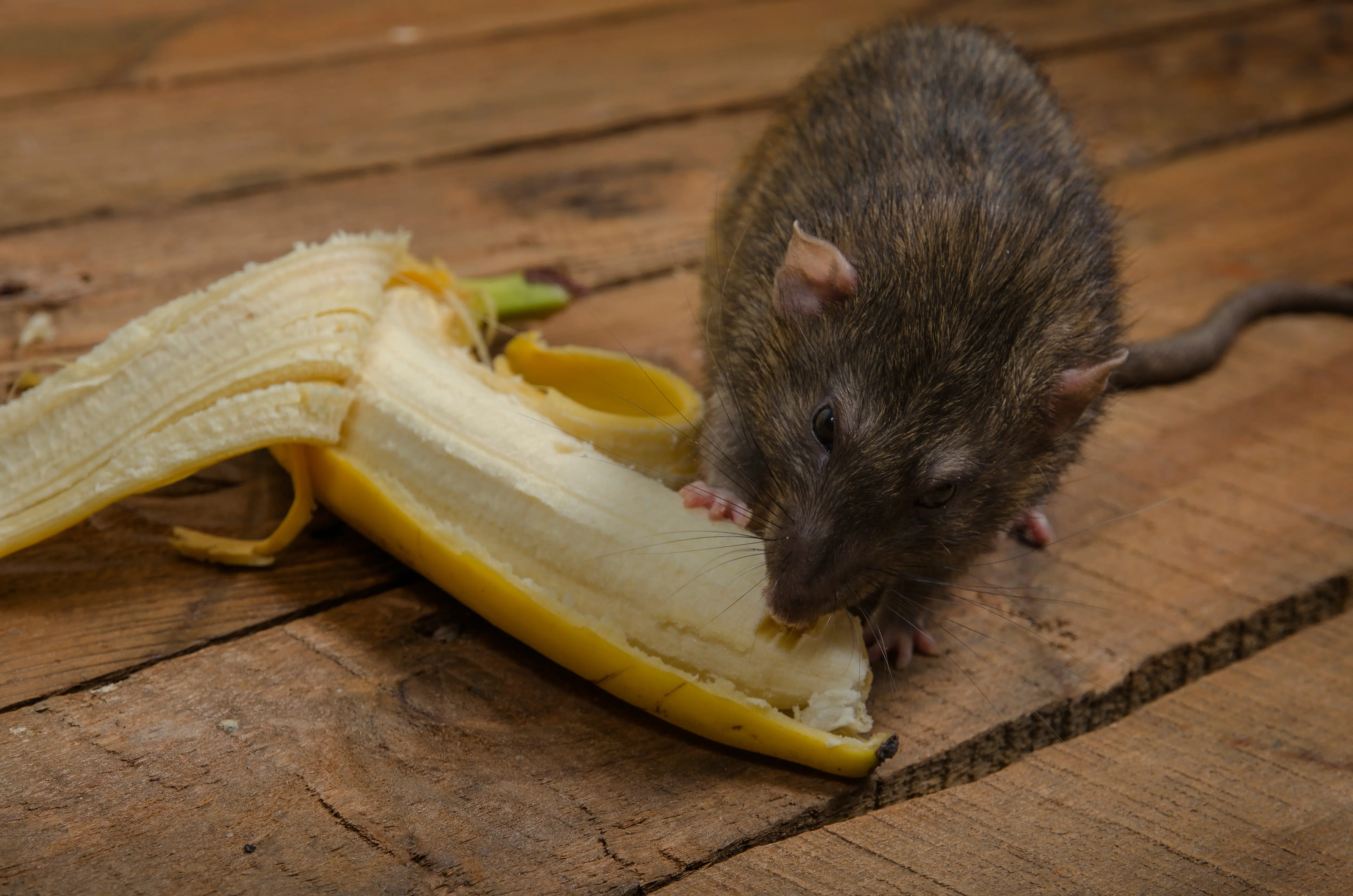
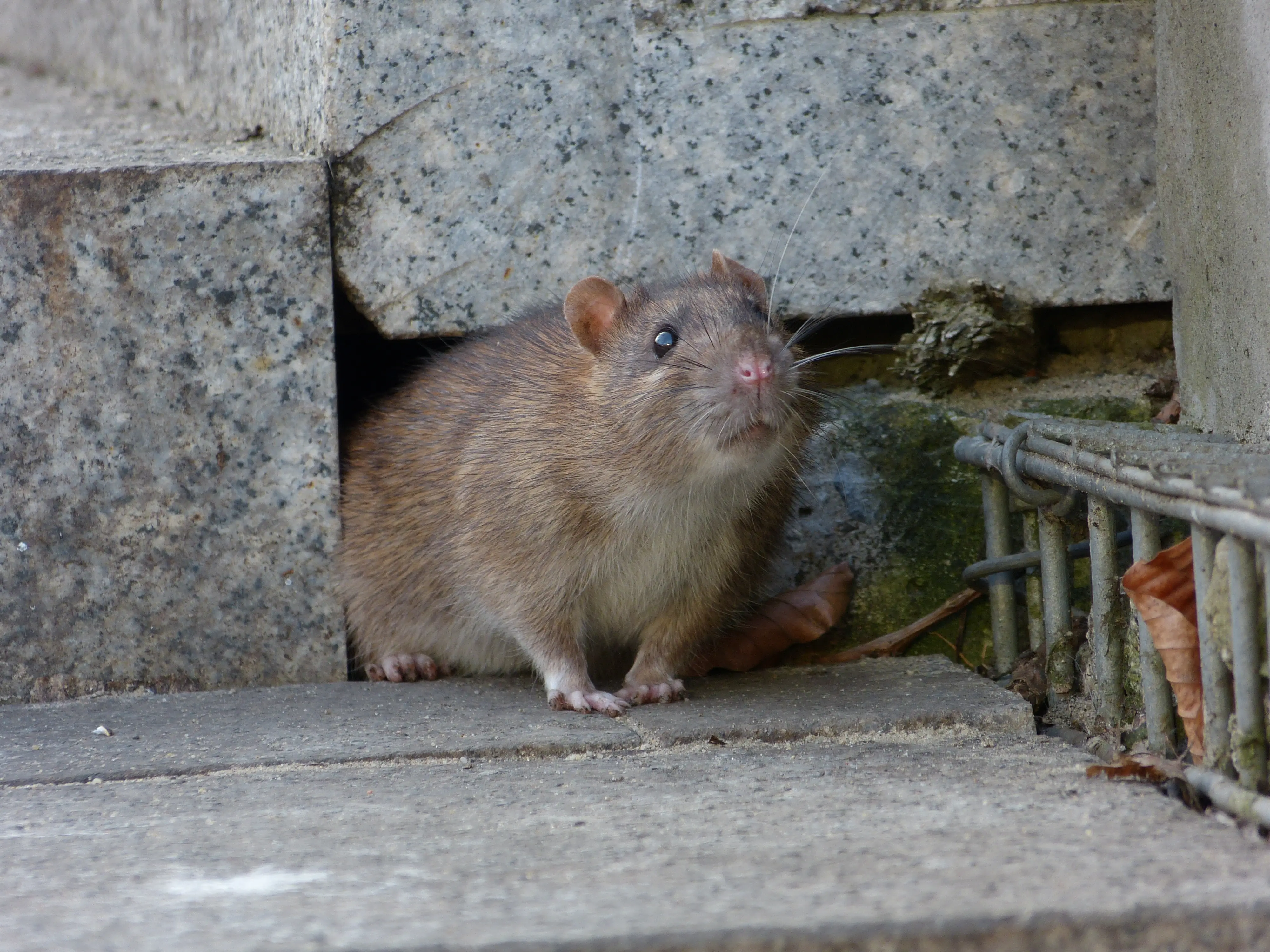
Rat foraging for food showing dietary behavior
By Gary Anderson||5 min read

What Do Rats Eat?

Understand rat diets to prevent infestations and trap effectively.

Rats are omnivorous rodents that exhibit a wide range of dietary preferences. Their sharp teeth are always growing and need frequent chewing to manage their growth.

In natural environments, rats lean towards a vegetarian diet and predominantly consume fruits, plants, and seeds. Urban rats have adapted to scavenging and often feast on garbage, meat, pet food, and human leftovers.

Why Understanding Diet Matters

Understanding rat dietary habits provides insight into their behavior and aids in devising effective pest control strategies. To deter these pests, securely store food and ensure trash bins are tightly sealed.
What Attracts Rats to Your Yard?

Rats are primarily attracted to yards in search of three essentials: food, water, and shelter.

Food Sources

  • Seeds and grains
  • Garbage
  • Pet food left outside
  • Fallen fruits and nuts
  • Vegetables in gardens
  • Compost heaps

Water Sources

  • Leaky faucets
  • Storm drains
  • Birdbaths
  • Pet water bowls
  • Standing water

Shelter

  • Stacks of firewood
  • Brick piles
  • Accumulated debris
  • Overgrown vegetation
  • Storage sheds

What Attracts Rats Into Your Home?

Rats are drawn to homes primarily for food and shelter, especially during colder months when external food sources become scarce and temperatures become too cold to survive.

Indoor Food Attractants

Cereals, oats, rice, vegetables, pet food, unsealed garbage cans, and residues of oils or fats on kitchen surfaces and stoves.

Nesting Spots

Rats seek warm, dark, and enclosed spaces. Common spots include rarely used furniture, storage boxes, and insulation in walls or attics.

Rats Getting Into Your Food?

Rat infestations pose health risks through food contamination. Get professional help today.

Call (866) 326-2847

What Do Rats Like to Eat?

Adaptive Behavior: Rats nibble on unfamiliar foods as a survival tactic. By consuming small quantities, they gauge safety. This explains why some control methods lose effectiveness as rats learn to associate lures with danger.

Plants, Fruits & Vegetables

Wild rats consume a variety of plants, seeds, and grains. Fruits and berries are particularly appealing for their sweetness and energy content. Keep gardens harvested.

Meat

Omnivores with no problem consuming meat if available. Urban rats feast on remnants like hamburgers or hotdogs. Can eat roadkill, carrion, and insects.

Nuts & Seeds

Highly favored for high protein content. Go-to plant-based protein source when meat is unavailable. Seeds are convenient and ideal for their diet.

Eggs

A protein-rich delicacy rats are particularly fond of. Farmers observe rats maneuvering chicken eggs toward their dwellings. Low-risk, high-nutrition food.

Species Differences

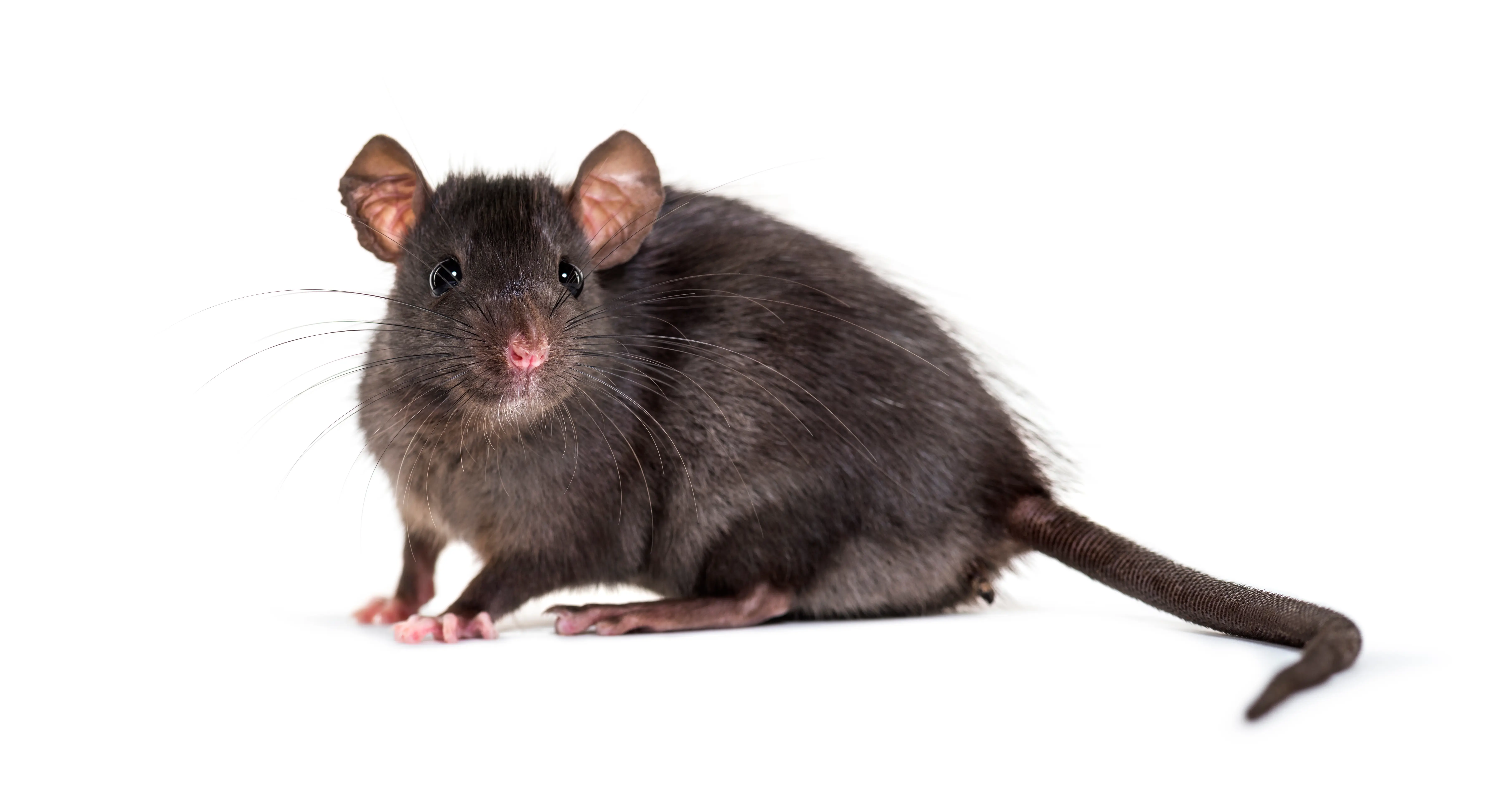
Norway rats prefer protein-rich foods like meat scraps and pet food. Roof rats (also called "fruit rats") have a preference for fruits, explaining their natural inclination to climb trees.

What Foods Are Toxic to Rats?

Certain foods can be harmful or toxic to rats. These should not be used as bait as they could cause rats to die within walls, leading to additional complications.

Blue Cheese
Licorice
Poppy Seeds
Bitter Almonds
Green Potatoes
Rhubarb
Fungus on Grains
Caffeine
Lemon Peels
Mango
Raw Beans
Sweet Potatoes
Wild Insects

What Food is Best for Trapping Rats?

Selecting the right bait is critical. Rats are drawn to foods rich in nutrients, fat, and protein. The following have proven effective:

Peanut Butter

Sticky, hard to steal

Bacon

High fat content

Dried Fruit

Sweet and appealing

Chocolates

Irresistible treat

Trapping Tips

  • Place bait so it is accessible to rats
  • Rats often take small bites before fully committing
  • Combine treats with a sticky binder like peanut butter to trigger snap traps
  • Offer a variety of baits to identify the rat's preference
  • Once determined, use that specific bait in traps around the house

When to Call EcoGuard Pest Management

Rats pose serious health risks and can damage your property. If you find yourself facing a rat infestation, reach out to the experts at EcoGuard Pest Management. We have a proven track record of trapping rats and effectively removing them from your property. Our team combines expertise with eco-friendly solutions to ensure your home or business is rat-free.

Call (866) 326-2847Get Free Quote

Rat Diet FAQs

What do rats like to eat most?

Rats are omnivorous and have a diverse diet, but they particularly favor foods high in fat and protein. Common favorites include peanut butter, meats, fruits, and seeds. Their opportunistic nature means they will often consume whatever is readily available, especially in urban environments where they have access to human leftovers and trash.

What do indoor rats eat?

Indoor rats typically consume whatever is accessible, often feeding on human food scraps, stored grains, and pet food. They are also known to gnaw on various materials not for nutrition but to keep their teeth in check. In homes, they might be attracted to unsealed food items, fruits, cereals, and other edibles.

Does a rat eat insects?

Yes, rats do eat insects. Being omnivores, their diet is diverse, and they will consume insects as a source of protein, especially when other food sources are scarce. In the wild, insects can be a regular part of a rat's diet.

From Our Blog

Related Articles

Different Types of Rat Species in North America

Different Types of Rat Species in North America

Learn about common rat species including brown rats, black rats, packrats, and marsh rats. Identification, behavior,...

Read Article
How Big Can Rats Get? Size Guide by Species

How Big Can Rats Get? Size Guide by Species

Learn how big rats can get by species, from common brown and black rats to giant species. Discover what factors affect...

Read Article
How Long Do Rats Live? Lifespan, Life Cycle & Reproduction

How Long Do Rats Live? Lifespan, Life Cycle & Reproduction

Learn about rat lifespan, life cycle stages, reproduction rates, and factors affecting longevity. Understand why rat...

Read Article
How to Get Rid of Rats: Complete Control Guide

How to Get Rid of Rats: Complete Control Guide

Learn how to get rid of rats in your house and yard. Traps, prevention, exclusion, deterrents, and when to call...

Read Article
How to Identify and Get Rid of Rat Holes and Burrows

How to Identify and Get Rid of Rat Holes and Burrows

Learn how to identify rat holes and burrows, understand the dangers they pose, and discover effective methods to...

Read Article
How to Repel Rats: A Comprehensive Guide

How to Repel Rats: A Comprehensive Guide

Learn effective rat repellent strategies including natural deterrents, chemical options, exclusion tactics, and where...

Read Article
Mice & Rat Diseases: Transmission, Symptoms & Prevention

Mice & Rat Diseases: Transmission, Symptoms & Prevention

Learn about diseases transmitted by rats and mice including hantavirus, plague, salmonella, and rat bite fever....

Read Article
What are Rats? Species, Behavior, Signs & Control

What are Rats? Species, Behavior, Signs & Control

Learn about rats including Norway and roof rat species, behavior, diet, reproduction, signs of infestation, and how to...

Read Article
What are Roof Rats? Identification, Prevention & Control

What are Roof Rats? Identification, Prevention & Control

Learn about roof rats (black rats), their behavior, what attracts them, signs of infestation, and how to prevent and...

Read Article
What Does Rat Poop Look Like? Identification and Health Risks

What Does Rat Poop Look Like? Identification and Health Risks

Learn how to identify rat droppings, understand the health risks they pose, and discover safe cleanup methods. Complete...

Read Article