EcoGuard Pest Management
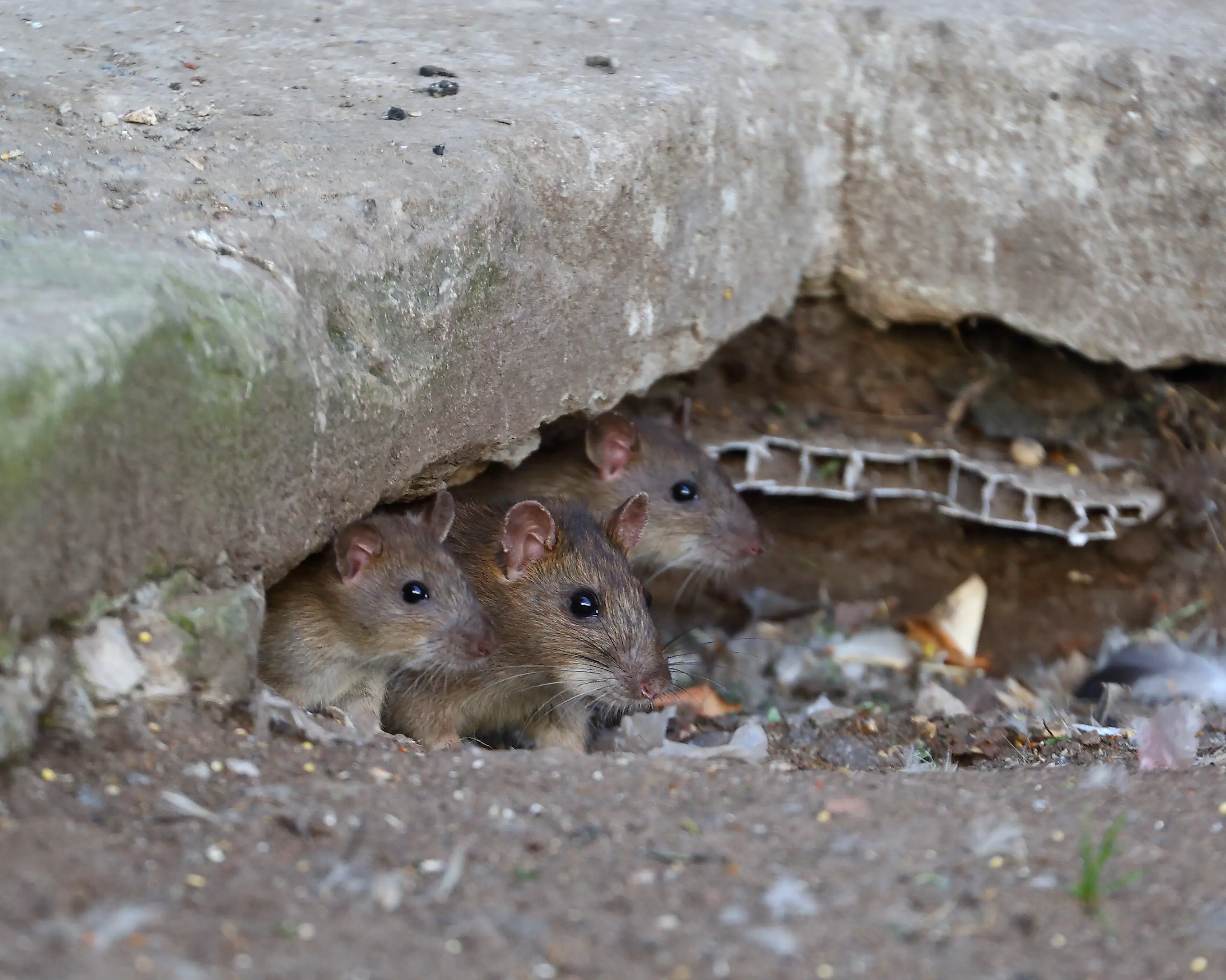
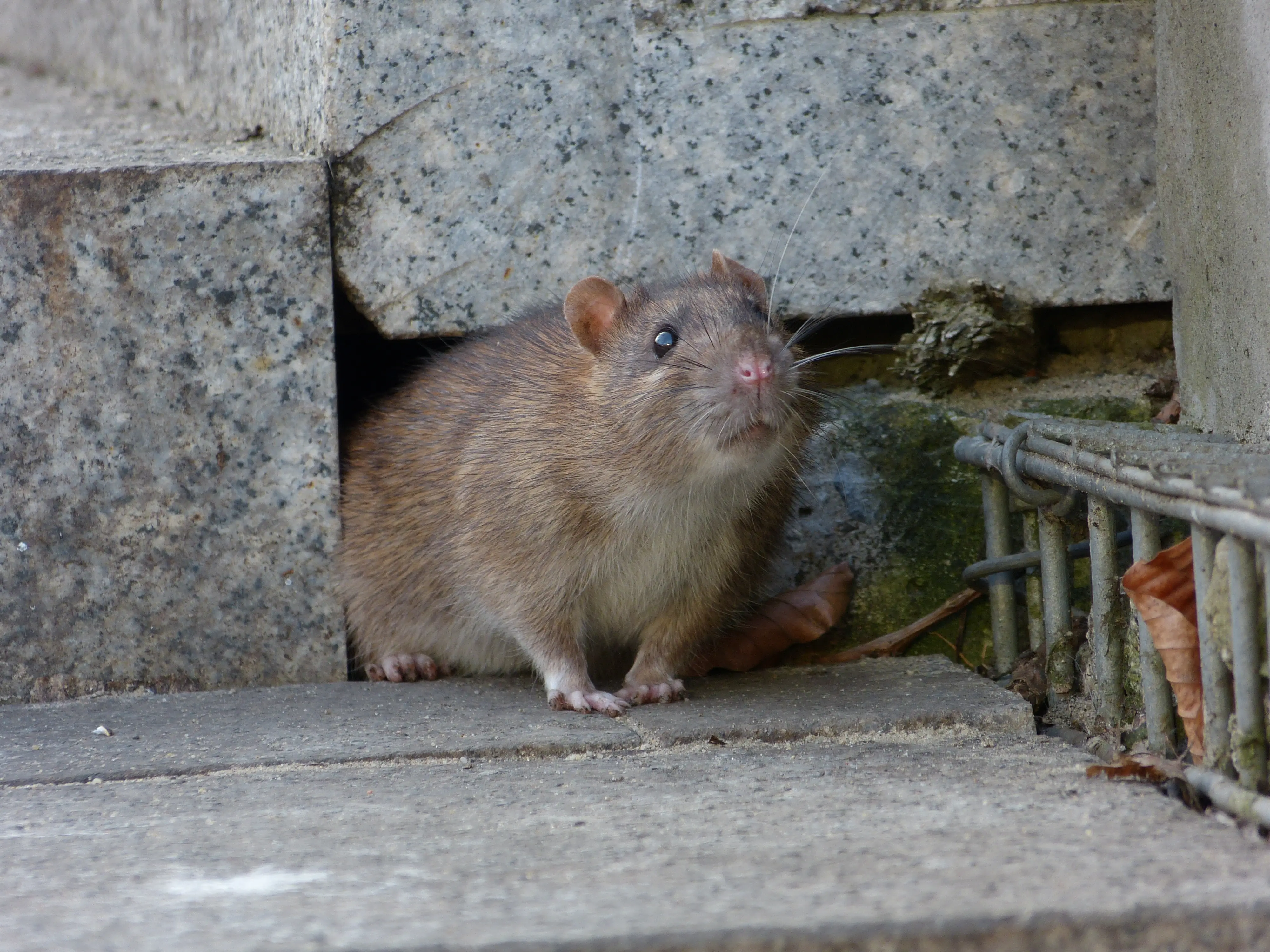
Rat hole burrow entrance near building foundation
By Gary Anderson||8 min read

How to Identify and Get Rid of Rat Holes and Burrows

Identify rat burrows, understand the risks, and learn effective elimination and prevention methods.

Discovering holes around the foundation of your home or in your garden is never a pleasant sight. These burrows often indicate that some creature is either seeking shelter or attempting to gain access to your home. If these burrows belong to rats, it can be especially worrying due to the potential risk they pose to structural integrity and health.

Rats are highly intelligent and resourceful animals capable of adapting to various environments. They often create burrows in close proximity to food sources and shelter, making gardens and foundations ideal locations for their nests.

Quick Identification

Size: 2 to 4 inches in diameter
Depth: 12 to 18 inches (up to 4 feet near foundations)
Appearance: Smooth walls, hard-packed dirt, fan-shaped soil pile
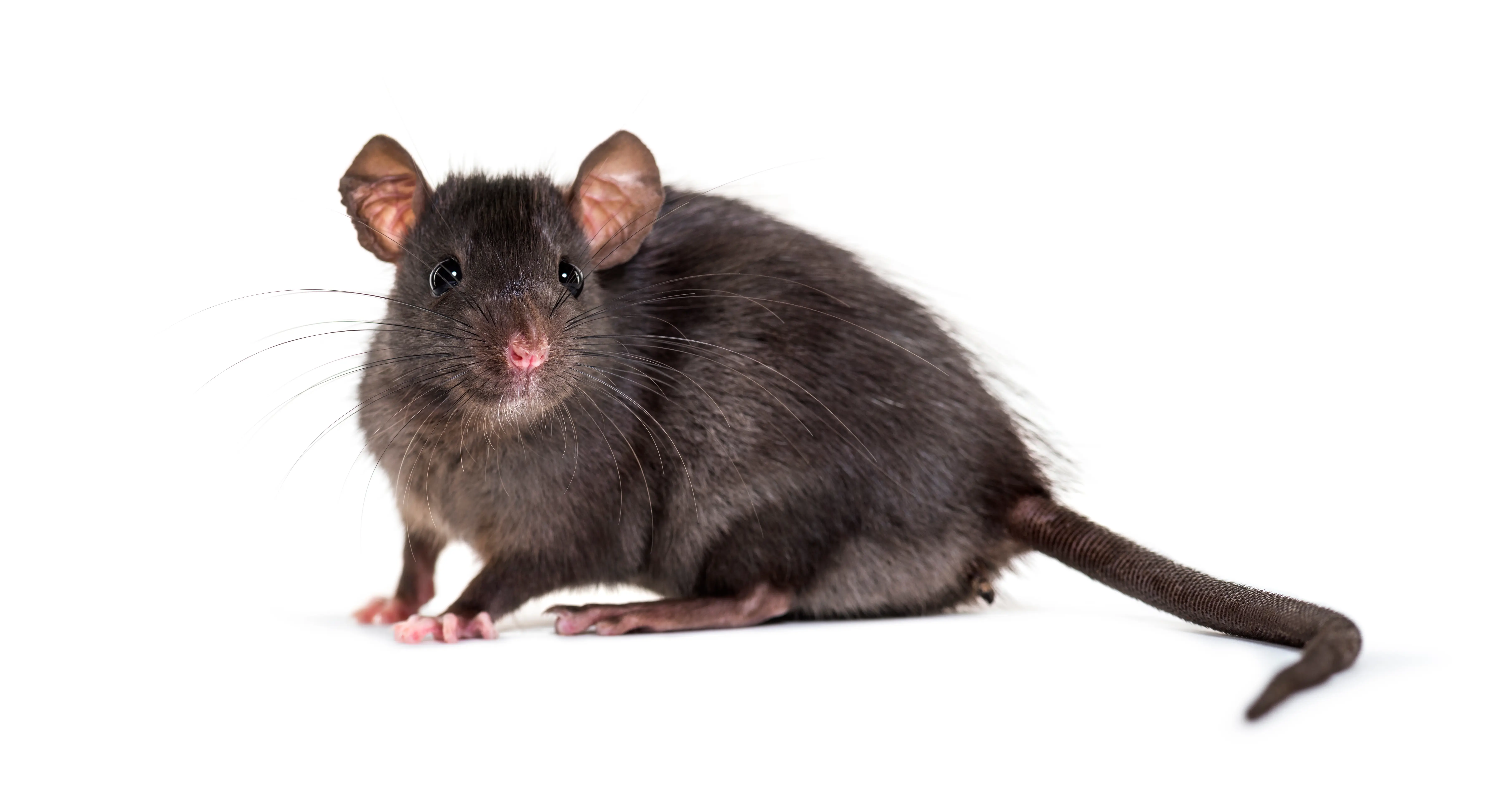
What Are Rat Holes?

Rat holes, also known as rat burrows, are underground tunnels created by rats as a nesting area and a means of travel. These structures often belong to Norway rats and serve as their primary habitat when they live outdoors.

Main Entry Hole

Usually 2 to 4 inches in diameter and smooth from frequent use. This is the primary entrance rats use daily.

Exit Holes

One or two less obvious holes that allow rats to escape quickly if they sense danger approaching.

Tunnel Network

Complex network of tunnels and chambers extending up to 3 feet, typically no deeper than 18 inches beneath the surface.

What Does a Rat Burrow Look Like?

A rat burrow typically appears as a small hole in the ground with these distinguishing characteristics:

Diameter2 to 4 inches
ShapeRound or slightly oval
WallsSmooth inside
EntranceHard-packed dirt, fan-shaped pile

Common Locations

Rat burrows are commonly found along walls, sidewalk edges, or in soft garden soil. Rats also build burrows in concealed areas like under bushes, in overgrown vegetation, or beneath porches, decks, sheds, woodpiles, and compost heaps.

Rat Holes vs Other Animal Burrows

Understanding the differences between rat holes and other animal burrows is crucial for effective pest control:

Rat Hole vs Mouse Hole

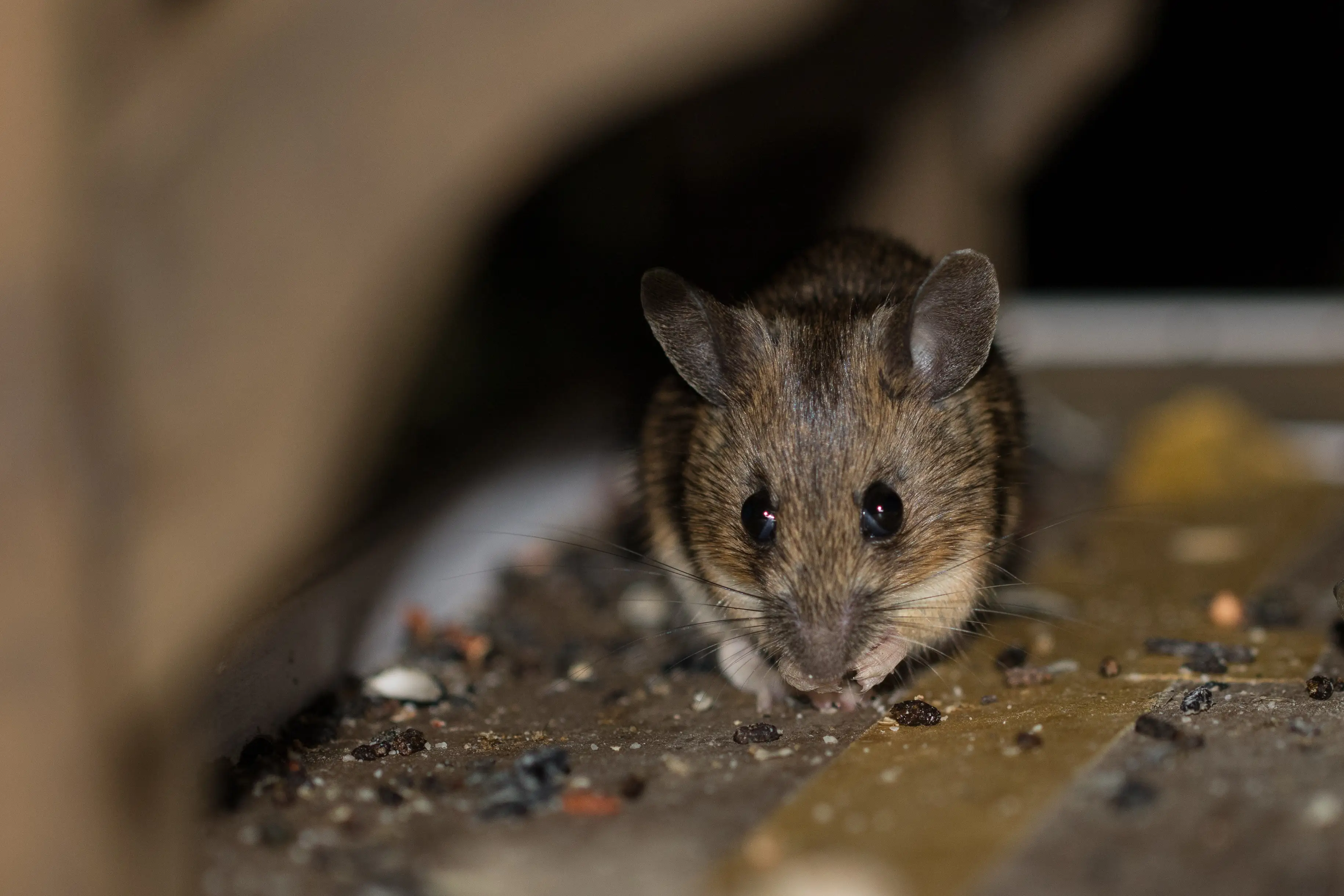
Mouse holes are dime-sized; rat holes are 2 to 4 inches. Mouse holes are often indoors near food; rat holes are usually outdoors.

Rat Hole vs Chipmunk Hole

Chipmunk holes can sometimes be plugged, whereas rat burrow entrances are usually left open for quick access.

Rat Hole vs Rabbit Hole

Rabbit holes (warrens) have a single entrance sloping inward at a shallow angle. Rat holes are scattered with multiple entrances.

Rat Hole vs Squirrel Hole

Squirrels dig shallow holes (no deeper than 2 inches) to stash nuts. Rat holes lead into deep tunnel systems.

Rat Hole vs Mole Hole

Mole holes are circular mounds resembling mini volcanoes covering tunnel entrances. Rat hole entrances are visible and not buried.

Rat Hole vs Vole Hole

Voles dig small holes (under 2 inches) in the middle of lawns. Rat holes are larger and found near fences, walls, or under bushes.

Other Signs of Rats Near Burrows

In addition to visible holes, these signs indicate rat activity and the existence of burrows:

Fecal Droppings

Shiny black, capsule-shaped with blunt ends, 3/4 to 1 inch long. Found along runways or feeding areas.

Strong Odor

Strong, musky odor from frequent urination along pathways. More intense in sheds, garages, or basements.

Gnaw Marks

Chew marks on garden hoses, wood, and plastic. Clear indication of rat activity nearby.

Well-Defined Paths

Visible trails in grass leading directly to burrow entrances from repeated use of the same routes.

Footprints and Tail Marks

Four-toed front feet and five-toed hind feet in dusty or muddy areas, with distinctive tail drag marks.

Found Rat Burrows on Your Property?

Our experts can locate all burrows, eliminate the rats, and prevent them from returning.

Call (866) 326-2847

Are Rat Holes Dangerous?

Rat holes in your yard or garden are more than just an eyesore. They pose several significant risks:

Disease Transmission

Rats carry diseases such as hantavirus, salmonella, and leptospirosis. Their presence increases health risks significantly.

Home Invasion

Rats can enter through openings as small as 1 inch. Burrows near your home could lead to indoor infestation, especially in colder months.

Aggression Risk

Cornered or threatened rats can become aggressive, posing danger to pets and children. Bites and scratches can cause serious infections.

Physical Hazards

Rat holes are large enough to accidentally step into, which can lead to twisted ankles, sprains, or other injuries.

How to Get Rid of Rat Holes

To effectively get rid of rat holes, first confirm the burrows belong to rats. Then choose from these proven removal methods:

Flush Out the Burrow

Use a garden hose to flood burrows with water. This disruption causes rats to abandon their nests. Best used in late winter or early spring before breeding season. Caution: Avoid near foundations to prevent structural damage.

Apply Capsaicin

Sprinkle powdered pepper around and inside the rat hole. Capsaicin irritates rats, causing them to avoid nests and discouraging new digging. This natural deterrent is safe for plants.

Use Traps

Live traps: Capture without harm for safe removal.
Snap traps: Traditional, instant kill.
Electronic traps: High-voltage, quick and humane.
Place along rat pathways and release captured rats 5+ miles away.

Close the Burrow

After eliminating rats, fill holes with concrete, sand, or tightly packed soil. Stuff entrances with steel wool or hardware mesh which rats cannot chew through. Also seal cracks in foundations.

Methods to Avoid

Sealing Active Burrows

Rats may dig new entrances or die inside, causing odor issues.

Dry Ice

Hazardous without training; best left to professionals.

Poison

Risks to pets, children, and wildlife. Dead rats cause odor problems.

Bleach

Ineffective on rats and contaminates soil.

How to Prevent Rat Holes in the Future

Preventing rat holes involves eliminating factors that attract rodents. Make your property less hospitable:

Remove Food Access

Store pet food, birdseed, and animal feed in sealed containers. Remove fallen fruits and vegetables regularly.

Seal Garbage and Compost

Use bins with tightly fitted lids to prevent rats from accessing waste and compost materials.

Fix Water Leaks

Eliminate water sources by repairing leaking pipes and faucets promptly. Rats need water access.

Maintain Vegetation

Keep lawns mowed and trim overgrown bushes and trees to reduce hiding spots near your home.

Install Wire Mesh

Use sturdy wire mesh around gardens and compost bins. Place mesh 1/2 inch below soil around plants to prevent digging.

Regular Inspections

Routinely check for holes, tracks, chewed items, or droppings. Take immediate action if any are found.

Contact EcoGuard if You Are Dealing with Rats

Dealing with rat holes and the potential damage rats bring can be overwhelming, but you do not have to face it alone. EcoGuard Pest Management is here to provide expert assistance in eliminating rat infestations and ensuring your home and garden remain rat-free. With our professional services, you can trust that the job will be done safely and effectively.

Call (866) 326-2847Get Free Quote

Rat Hole FAQs

How do you identify a rat hole?

To identify a rat hole, look for small, round openings in the ground that are typically 2 to 4 inches in diameter with smooth walls and hard-packed dirt around the entrance. Additionally, you may notice loose soil forming a fan shape outside the hole and signs of rat activity such as droppings, gnaw marks, and greasy track marks nearby.

What to do if you have rat holes?

If you discover rat holes, start by confirming they are indeed from rats and not another animal. Implement control measures such as setting traps and once the rats are eliminated, seal the holes with durable materials like concrete or steel wool to prevent future infestations. For comprehensive and effective results, consider contacting a professional pest control service.

Should I block up a rat hole?

You should only block up a rat hole after ensuring it is no longer active. Sealing an active burrow can cause rats to dig new entrances or die inside, which can lead to unpleasant odors. It is best to eliminate the rats first, then seal the hole with durable materials to prevent re-entry.

From Our Blog

Related Articles

Different Types of Rat Species in North America

Different Types of Rat Species in North America

Learn about common rat species including brown rats, black rats, packrats, and marsh rats. Identification, behavior,...

Read Article
How Big Can Rats Get? Size Guide by Species

How Big Can Rats Get? Size Guide by Species

Learn how big rats can get by species, from common brown and black rats to giant species. Discover what factors affect...

Read Article
How Long Do Rats Live? Lifespan, Life Cycle & Reproduction

How Long Do Rats Live? Lifespan, Life Cycle & Reproduction

Learn about rat lifespan, life cycle stages, reproduction rates, and factors affecting longevity. Understand why rat...

Read Article
How to Get Rid of Rats: Complete Control Guide

How to Get Rid of Rats: Complete Control Guide

Learn how to get rid of rats in your house and yard. Traps, prevention, exclusion, deterrents, and when to call...

Read Article
How to Repel Rats: A Comprehensive Guide

How to Repel Rats: A Comprehensive Guide

Learn effective rat repellent strategies including natural deterrents, chemical options, exclusion tactics, and where...

Read Article
Mice & Rat Diseases: Transmission, Symptoms & Prevention

Mice & Rat Diseases: Transmission, Symptoms & Prevention

Learn about diseases transmitted by rats and mice including hantavirus, plague, salmonella, and rat bite fever....

Read Article
What are Rats? Species, Behavior, Signs & Control

What are Rats? Species, Behavior, Signs & Control

Learn about rats including Norway and roof rat species, behavior, diet, reproduction, signs of infestation, and how to...

Read Article
What are Roof Rats? Identification, Prevention & Control

What are Roof Rats? Identification, Prevention & Control

Learn about roof rats (black rats), their behavior, what attracts them, signs of infestation, and how to prevent and...

Read Article
What Do Rats Eat? Diet, Food Preferences & Trapping Baits

What Do Rats Eat? Diet, Food Preferences & Trapping Baits

Learn what rats eat, what attracts them to your home and yard, toxic foods for rats, and the best foods for trapping...

Read Article
What Does Rat Poop Look Like? Identification and Health Risks

What Does Rat Poop Look Like? Identification and Health Risks

Learn how to identify rat droppings, understand the health risks they pose, and discover safe cleanup methods. Complete...

Read Article