EcoGuard Pest Management
Rat lifespan and life cycle
By Gary Anderson||5 min read

How Long Do Rats Live?

Rat lifespan, life cycle stages, reproduction rates, and factors affecting longevity.

1 Year
Average wild lifespan
6-12 Pups
Per litter
4-7 Litters
Per year
21 Days
Gestation period

Rats typically live up to a year on average, but in that time, they proliferate rapidly. Rats are notorious for breeding quickly and frequently once they reach sexual maturity.

Baby rats grow up fast and can take care of themselves by week 3. They reach sexual maturity by week 5-12. While most wild rats live around 1 year, rats in optimal conditions can live 2-3 years.

Population Explosion: One fertile rat can produce 70-80 rats in a year. That rat and offspring can compound into well over a million rats in under a year.

Rat Life Cycle

Each stage of a rat's life comes with its own risks and threats. Rats enter this world in litters with 6-12 other baby rats. They start blind, bald, and unable to support themselves but quickly grow into capable rats.

Week 1-2: Pinkies

Extremely vulnerable and dependent on mother. Eyes and ears closed, completely hairless. By week 2, eyes open, ears unfold, fur develops. 100% rely on mother for survival.

Week 3-4: Pups/Kits

Adolescents start moving and venturing out. Critical period for learning to forage, hide from predators, and socialize. Without skills, may be picked off by predators.

Week 5-9: Adults

Completely independent, leave mother, seek own meals. Rats are pack animals that nest together with dominant male as pack leader.

Week 6-12: Sexual Maturity

Males ready to reproduce weeks 6-10, females weeks 8-12. Females strive to mate with dominant male for strongest offspring.

When Do Rats Reach Maturity?

Roof Rats

  • Sexual maturity: 1.5 - 2 months
  • Litter size: 4-8 pups
  • Litters per year: 4-6
  • Can get pregnant again in less than 48 hours

Norway Rats

  • Sexual maturity: 3 months
  • Litter size: 8-12 pups
  • Litters per year: 4-7
  • Can get pregnant again within 2-day window

Note: If resources are readily available, rats breed regularly. Wild rats without secure food/shelter limit reproduction to spring and fall.

What Determines a Rat's Lifespan?

Diagram showing 8 factors that can impact the lifespan of a rat

Lifespan depends on species, sex, health, genetics, circumstances, and access to food and shelter. Female rats typically live longer than males, possibly because males are more exploratory and aggressive.

Wild Rats

Open to predation, starvation, diseases, and elements. Average lifespan: about 1 year.

Domesticated Rats

Given what they need to survive, no predator worries. Live 2-3 times longer than wild rats.

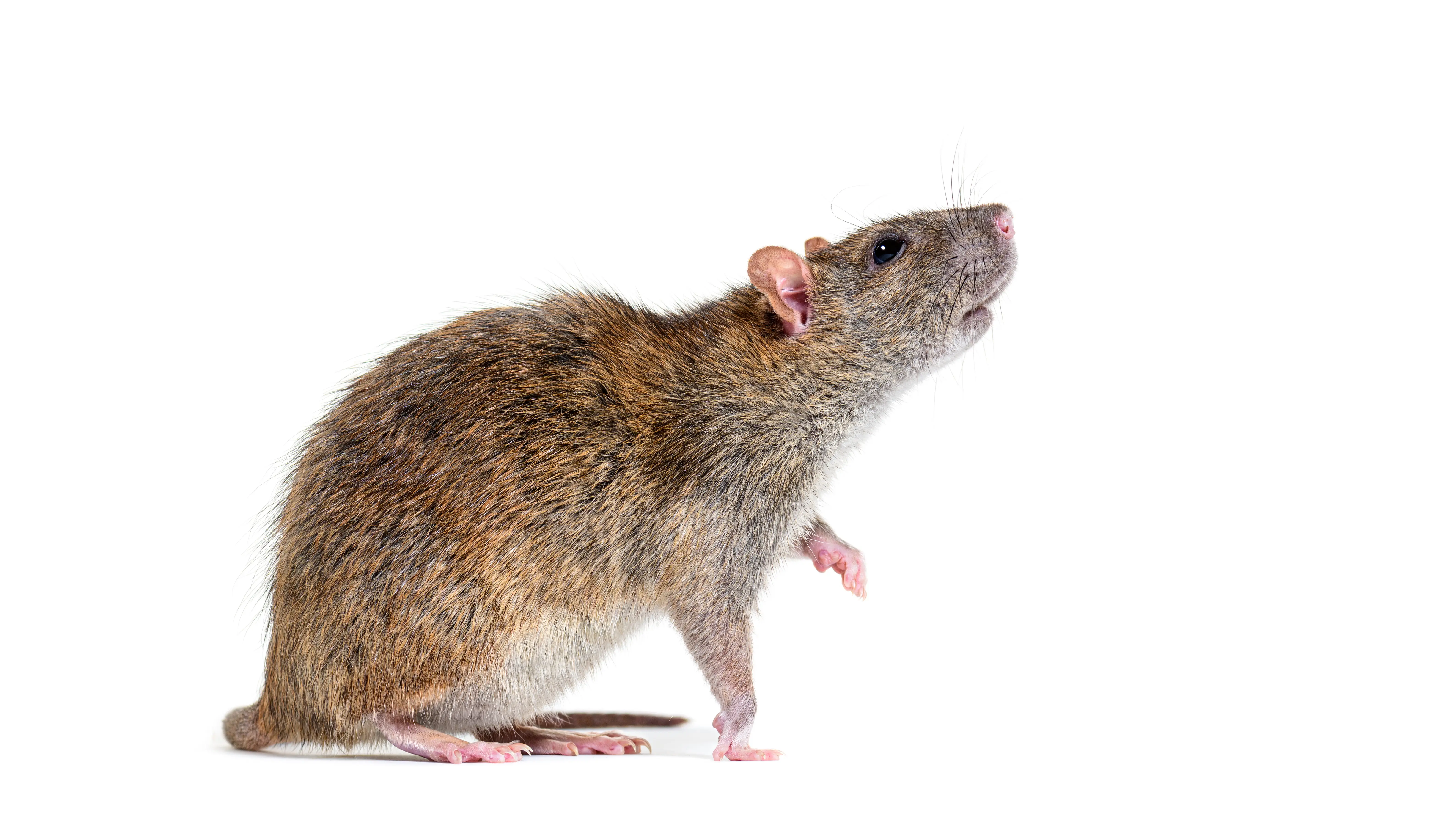
Brown/Norway Rats

Average 2 years. Live in burrows and sewers away from predators.

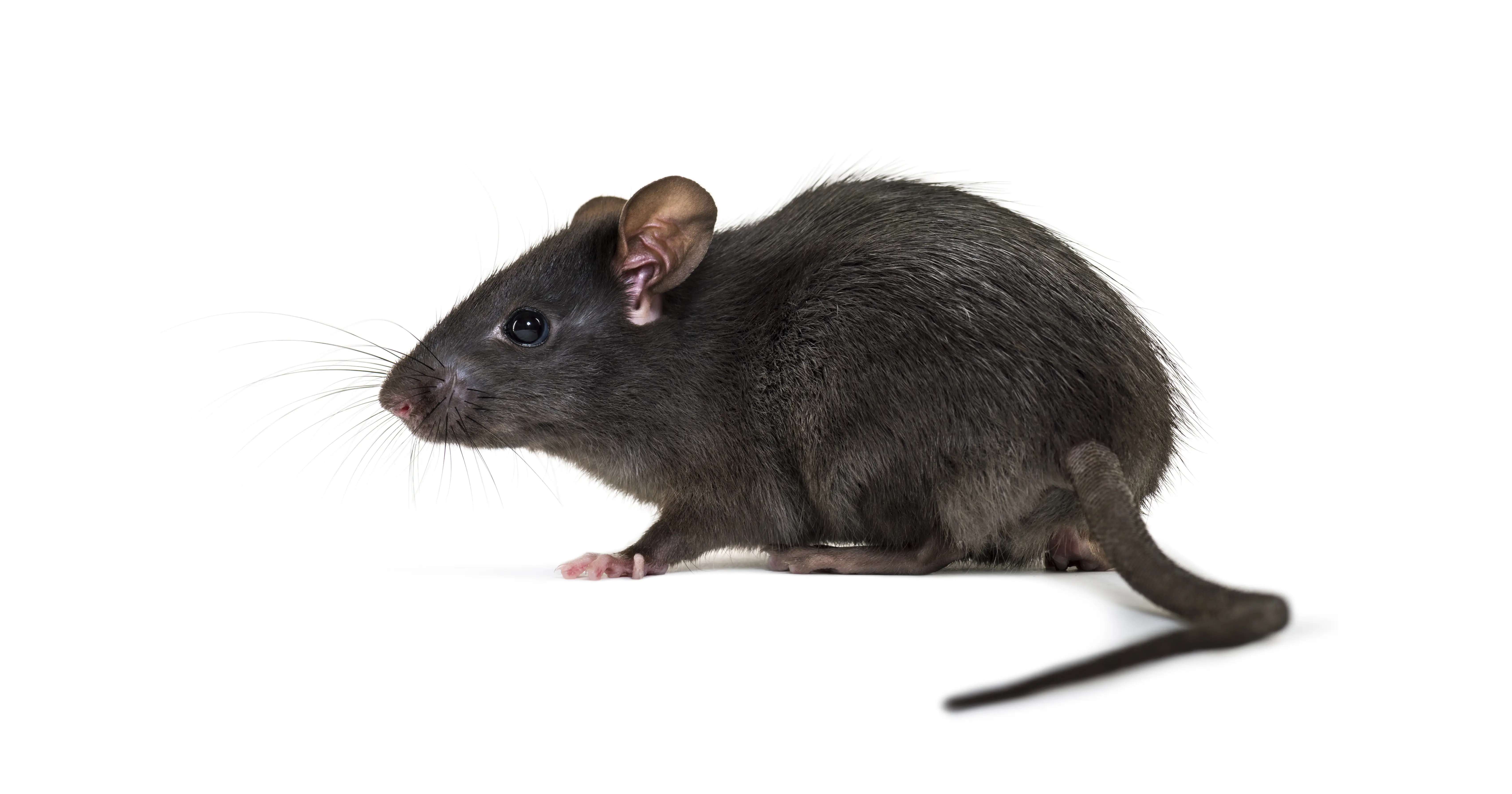
Black/Roof Rats

Average 1 year. Live in trees and roofs, exposed to predatory birds and cats.

Rat Population Growing Fast?

Professional extermination stops the exponential breeding cycle.

Call (866) 326-2847

How Long Can Rats Live Without Food & Water?

Without Food

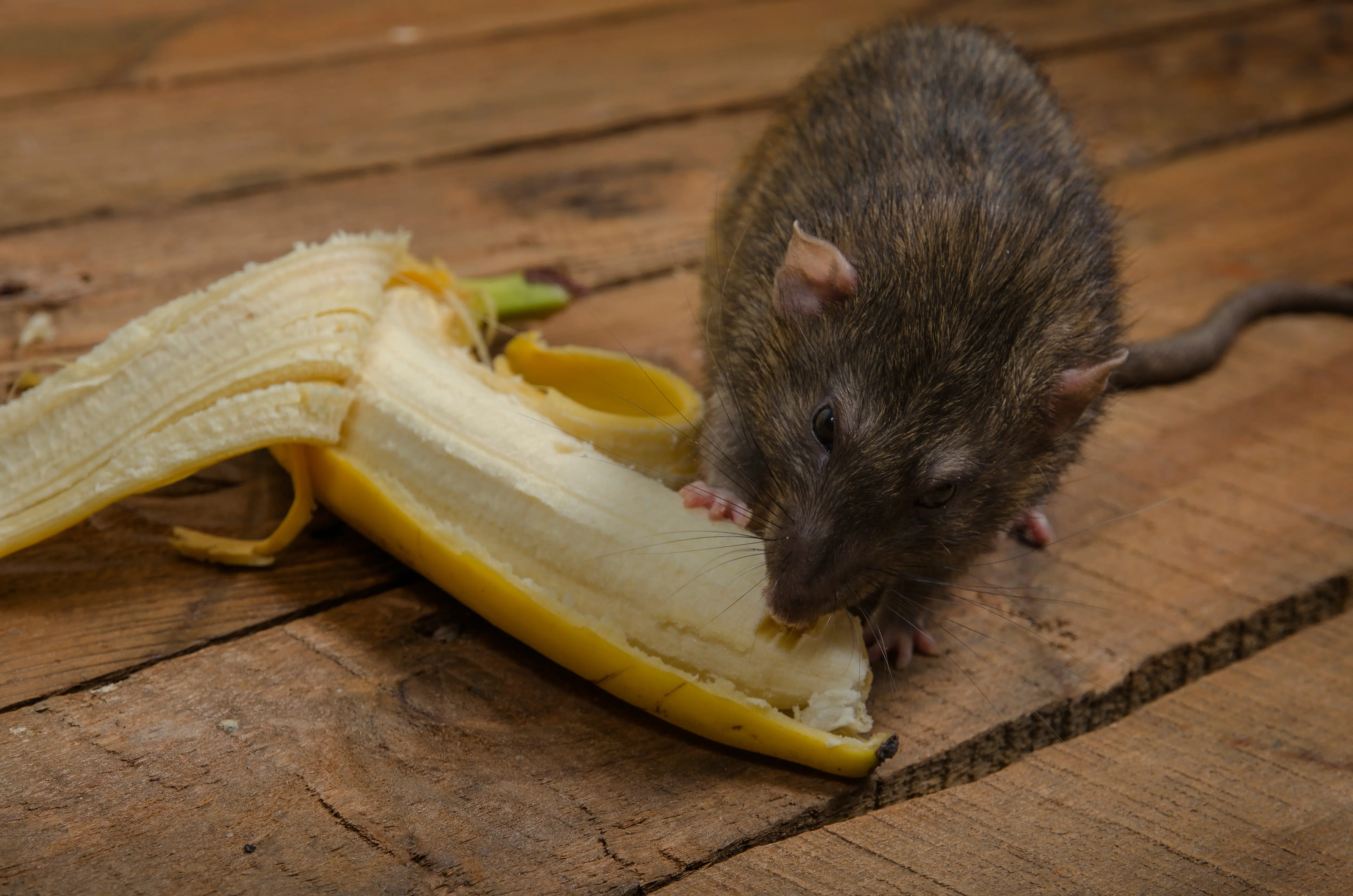
Most rats survive roughly a week without food. Before starving, they become desperate and consume just about anything. Rats also store food like squirrels for times of need.

Without Water

Rats are small enough that water needs are not difficult to maintain. They get most water from food they eat, so they do not need to drink as much.

Health Problems That Shorten Rat Lifespan

Diagram showing the different health problems that shorten the life span of rats

Respiratory Problems

Cause disease and infection in young rats with weak immune systems. Constant exposure to filth and contaminants leads to early death.

Heart Disease

Extremely common cause of death. Likely genetic defect that weakens the heart. Spreads quickly through interbreeding within packs.

Cancer

Regular occurrence in rats. Multiple types affecting different body parts.

Parasites

Protozoa, tapeworms, and pinworms infect rats. Causes malnourishment, bleeding, and death.

How Long Do Rats Live After Eating Poison?

Rats generally do not eat rodenticide and die on the spot. Poisons work slow enough for the rat to wander off and die elsewhere. Speed depends on poison type:

Anti-coagulants

Warfarin and Fumarin. Slow-acting, works over a couple days.

Bromethalin

Neurotoxin attacking liver and brain. Takes a couple hours to kill.

Vitamin-based

Causes overdose of Vitamins A, D, E, K. Takes about a day to kill.

Important: Use baits outside only with proper exclusion to prevent rats dying inside walls. Remove and discard poisoned rats properly to avoid passing poison to predators or pets.

Signs of Rats? Act Now Before They Multiply

If rats are making their way into your home, they can become a significant problem very quickly. EcoGuard Pest Management specializes in exterminating rats using integrated pest management techniques and rodent exclusion strategies. Our services include rodent cleanup to ensure all rat problems are completely resolved. Call today to schedule a rat inspection.

Call (866) 326-2847Get Free Quote

Rat Lifespan FAQs

How many times a year do rats have babies?

Female rats have between 4-7 litters every year. This depends on available resources; otherwise litters are limited to spring and fall.

Why do rats reproduce so fast?

Rats reproduce quickly because their gestation and recovery period are extremely quick. Rats have a litter in as short as 21 days and can become pregnant again in less than 48 hours after birth.

What age can rats breed?

Female rats reach sexual maturity between 8-12 weeks and males in 6-10 weeks. This is when they start to breed and produce litters.

From Our Blog

Related Articles

Different Types of Rat Species in North America

Different Types of Rat Species in North America

Learn about common rat species including brown rats, black rats, packrats, and marsh rats. Identification, behavior,...

Read Article
How Big Can Rats Get? Size Guide by Species

How Big Can Rats Get? Size Guide by Species

Learn how big rats can get by species, from common brown and black rats to giant species. Discover what factors affect...

Read Article
How to Get Rid of Rats: Complete Control Guide

How to Get Rid of Rats: Complete Control Guide

Learn how to get rid of rats in your house and yard. Traps, prevention, exclusion, deterrents, and when to call...

Read Article
How to Identify and Get Rid of Rat Holes and Burrows

How to Identify and Get Rid of Rat Holes and Burrows

Learn how to identify rat holes and burrows, understand the dangers they pose, and discover effective methods to...

Read Article
How to Repel Rats: A Comprehensive Guide

How to Repel Rats: A Comprehensive Guide

Learn effective rat repellent strategies including natural deterrents, chemical options, exclusion tactics, and where...

Read Article
Mice & Rat Diseases: Transmission, Symptoms & Prevention

Mice & Rat Diseases: Transmission, Symptoms & Prevention

Learn about diseases transmitted by rats and mice including hantavirus, plague, salmonella, and rat bite fever....

Read Article
What are Rats? Species, Behavior, Signs & Control

What are Rats? Species, Behavior, Signs & Control

Learn about rats including Norway and roof rat species, behavior, diet, reproduction, signs of infestation, and how to...

Read Article
What are Roof Rats? Identification, Prevention & Control

What are Roof Rats? Identification, Prevention & Control

Learn about roof rats (black rats), their behavior, what attracts them, signs of infestation, and how to prevent and...

Read Article
What Do Rats Eat? Diet, Food Preferences & Trapping Baits

What Do Rats Eat? Diet, Food Preferences & Trapping Baits

Learn what rats eat, what attracts them to your home and yard, toxic foods for rats, and the best foods for trapping...

Read Article
What Does Rat Poop Look Like? Identification and Health Risks

What Does Rat Poop Look Like? Identification and Health Risks

Learn how to identify rat droppings, understand the health risks they pose, and discover safe cleanup methods. Complete...

Read Article