EcoGuard Pest Management
Understanding rats and rat control
By Gary Anderson||5 min read

What are Rats?

Complete guide to rat species, behavior, threats, signs of infestation, and control methods.

50+ Species
Found worldwide
30+ Diseases
Transmittable to humans
500K+ Hairs
Shed per year
Nocturnal
Active at dusk

Rats are small rodents closely related to mice and squirrels. They are extremely adaptive and found all over the world where resources are available. Anywhere humans are, there are rats thriving off our trash.

They are a common household pest that introduces disease, property damage, and parasites. While sometimes domesticated as pets, rats are still generally known as vermin.

Classification & Appearance

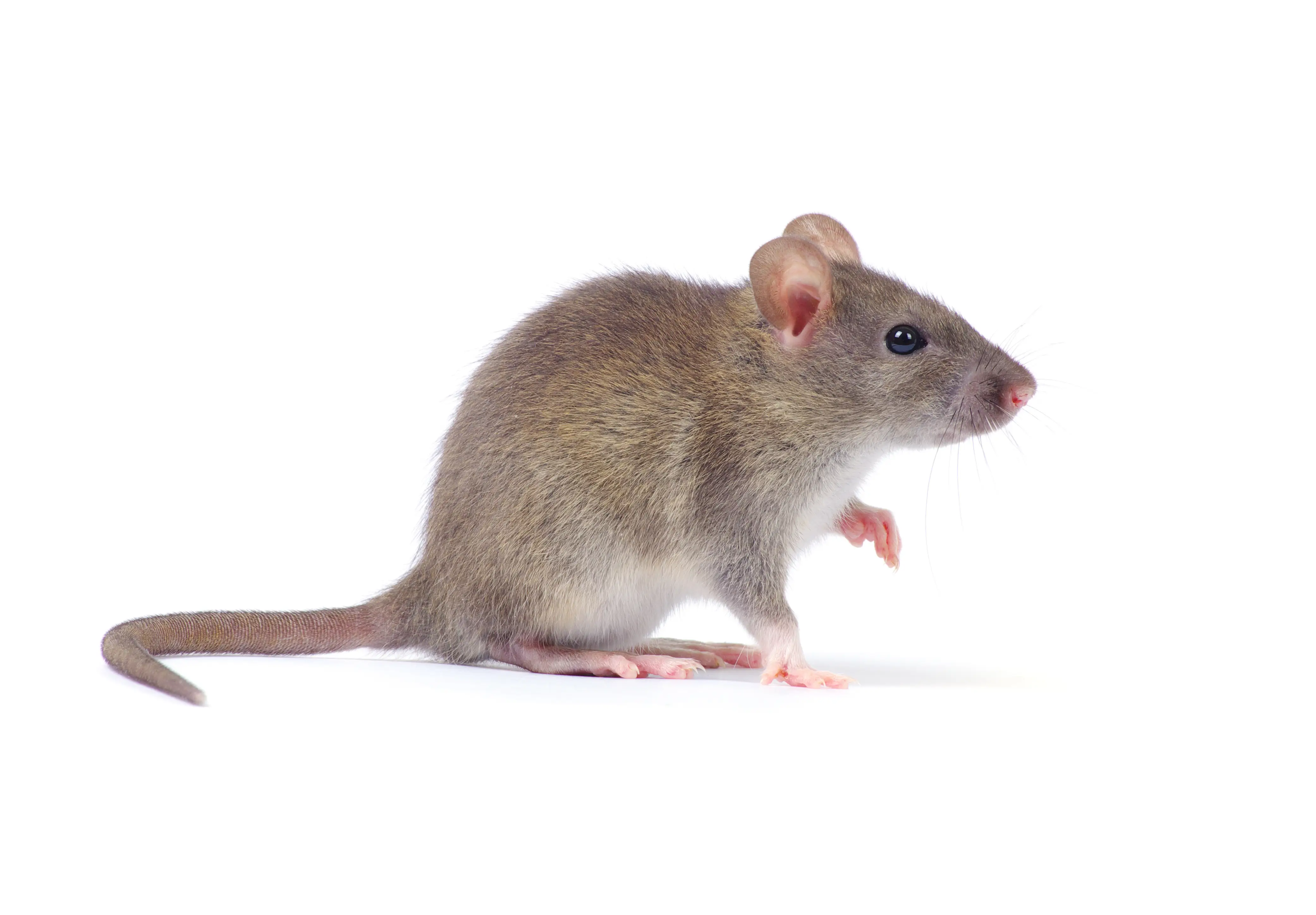
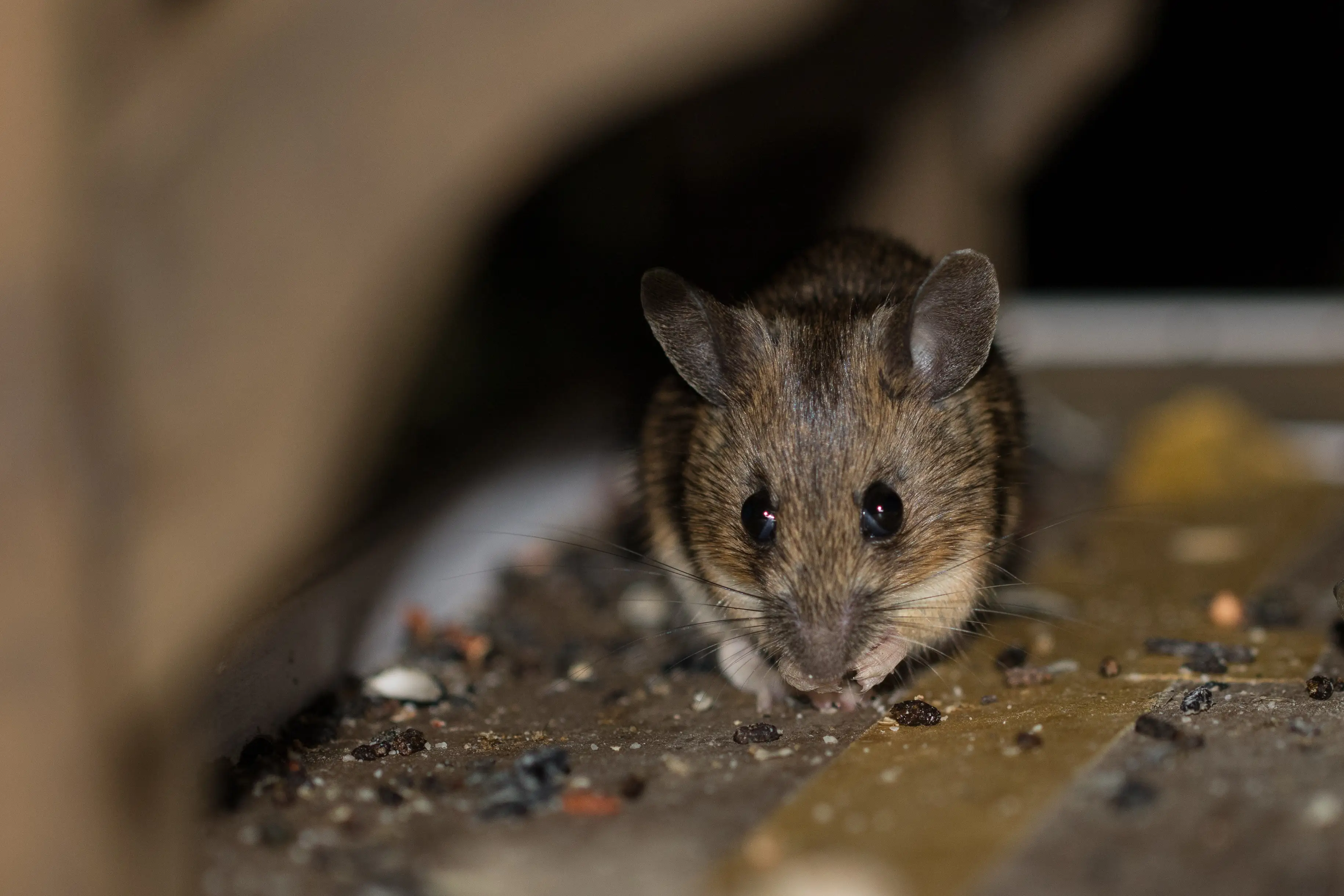
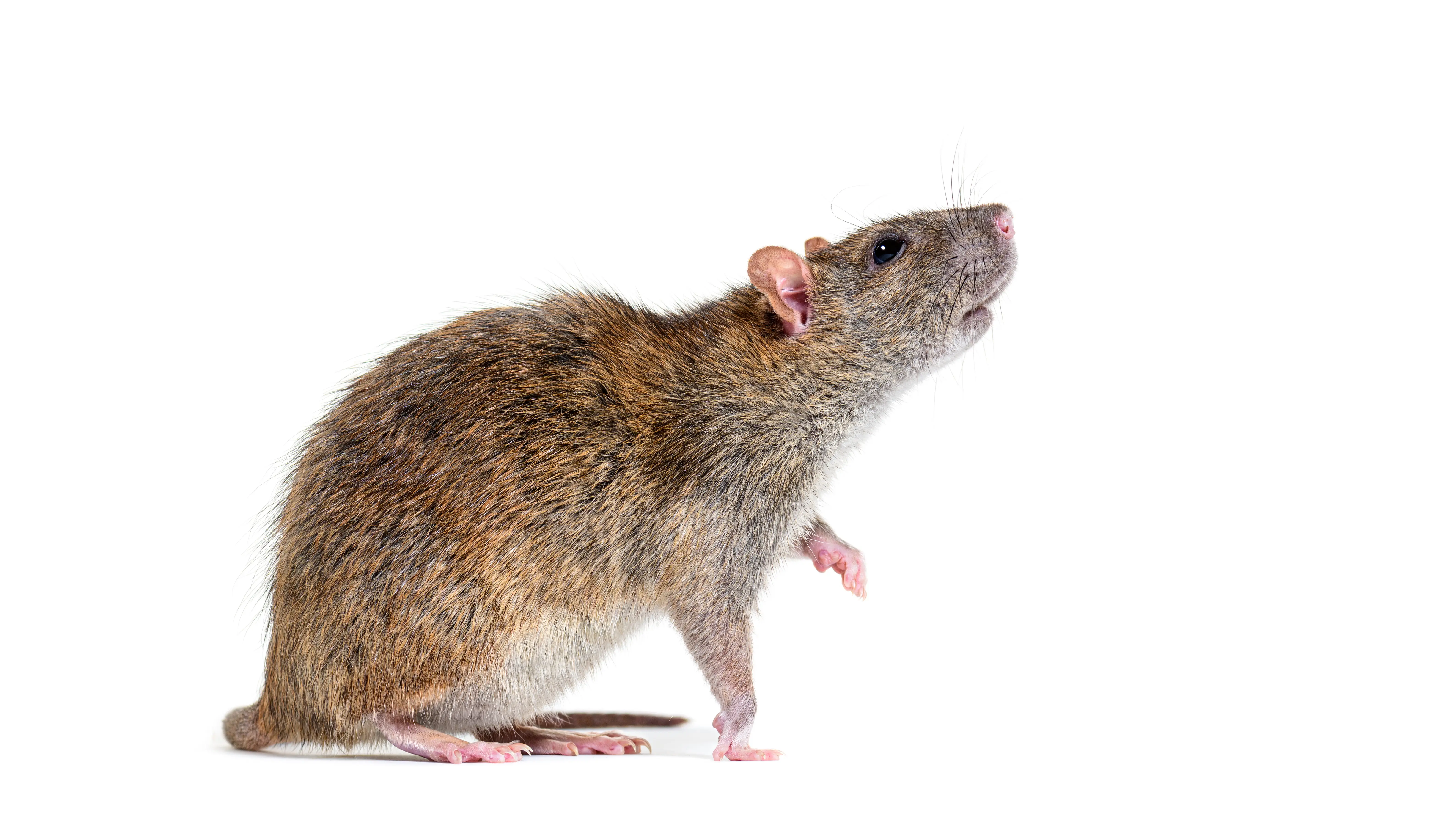
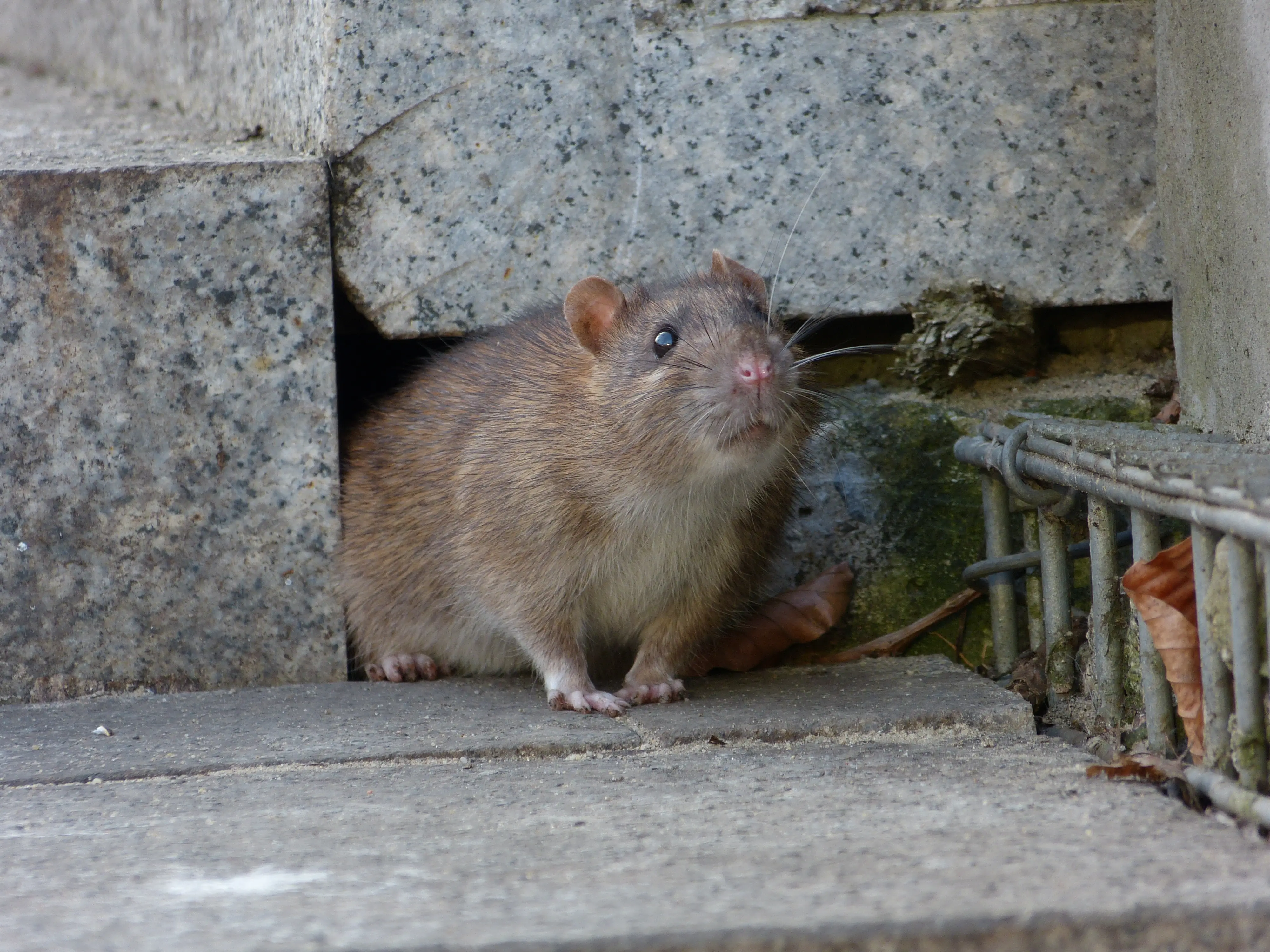
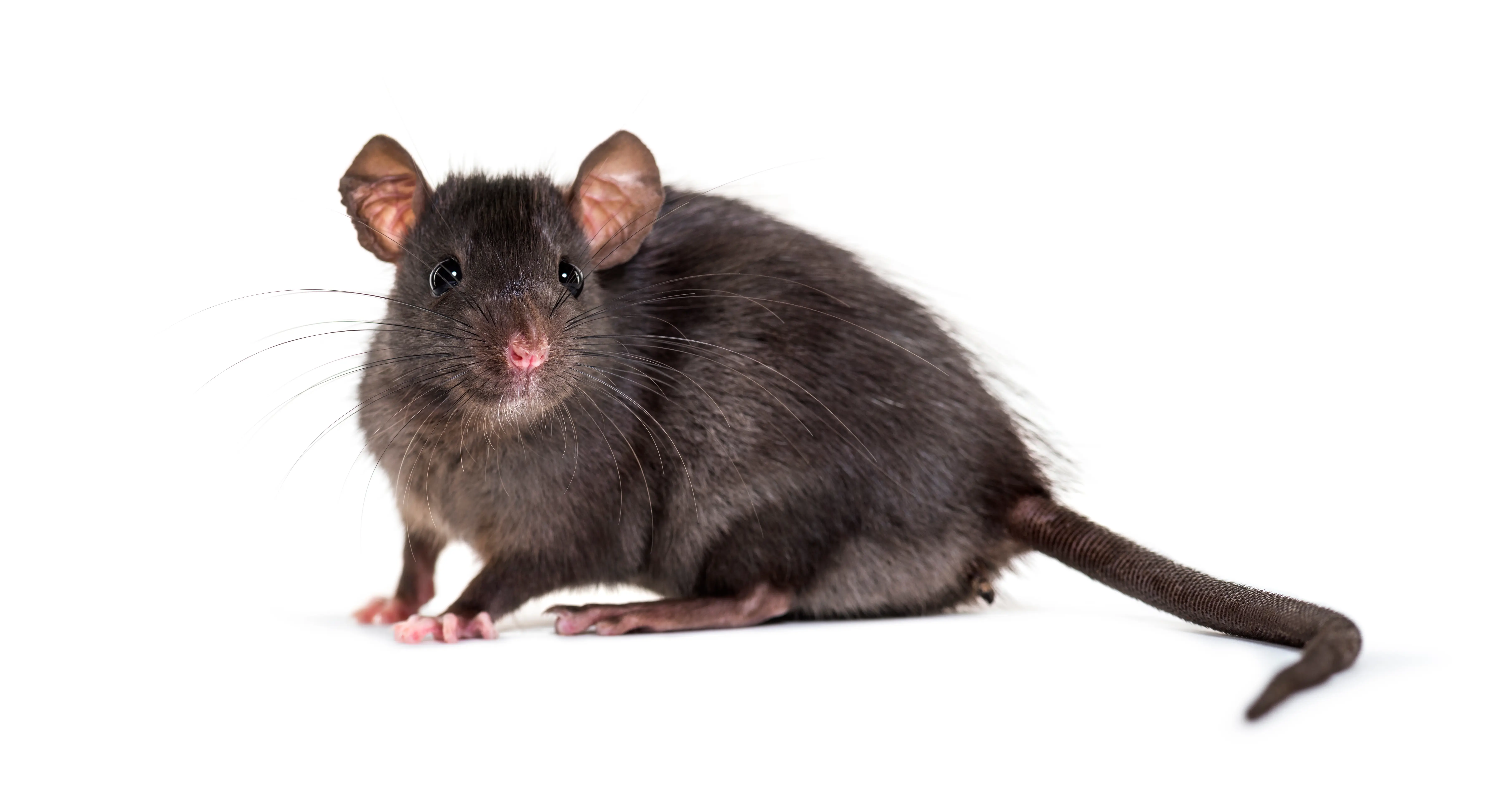
Rats are classified under the mammalian order Rodentia and in the genus Rattus. They are larger than mice with long hairless tails, squarer heads (vs. pointed mouse snout), smaller laid-back ears, and large front teeth that never stop growing. Coats can be black, brown, gray, red, white, or spotted.
Different Rat Species

Over 50 known species of rats exist worldwide, but the 2 "true" rats most common to California are Norway Rats and Roof Rats.

Norway Rats (Rattus Norvegicus)

Also known as sewer rats

  • Body: 6-11 inches, up to 16 oz
  • Tail: 5-9 inches (hairless)
  • Brown or gray, lighter underbelly
  • Strong, aggressive, adaptable
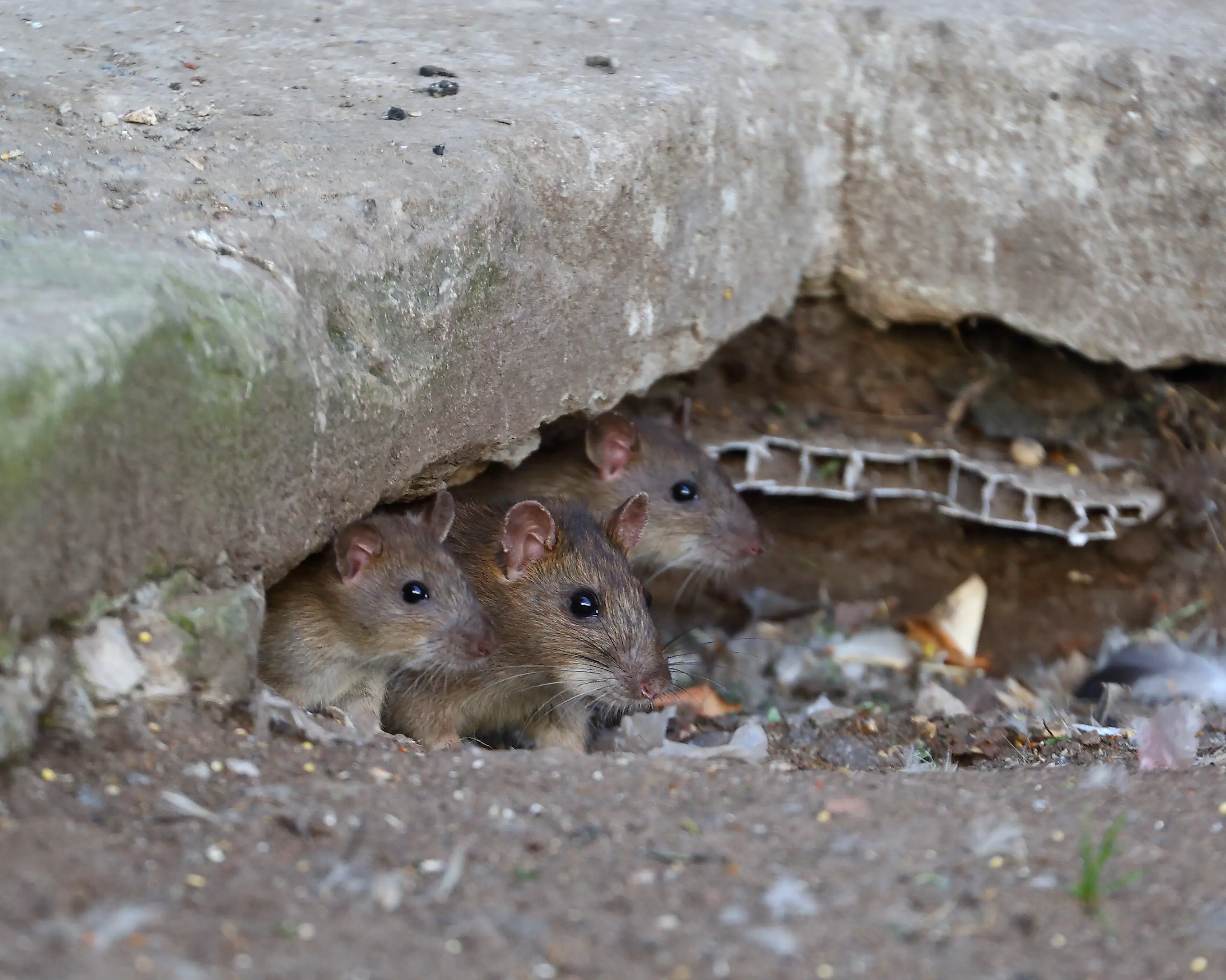
  • Prefer burrows, basements, sewers
  • Excellent swimmers

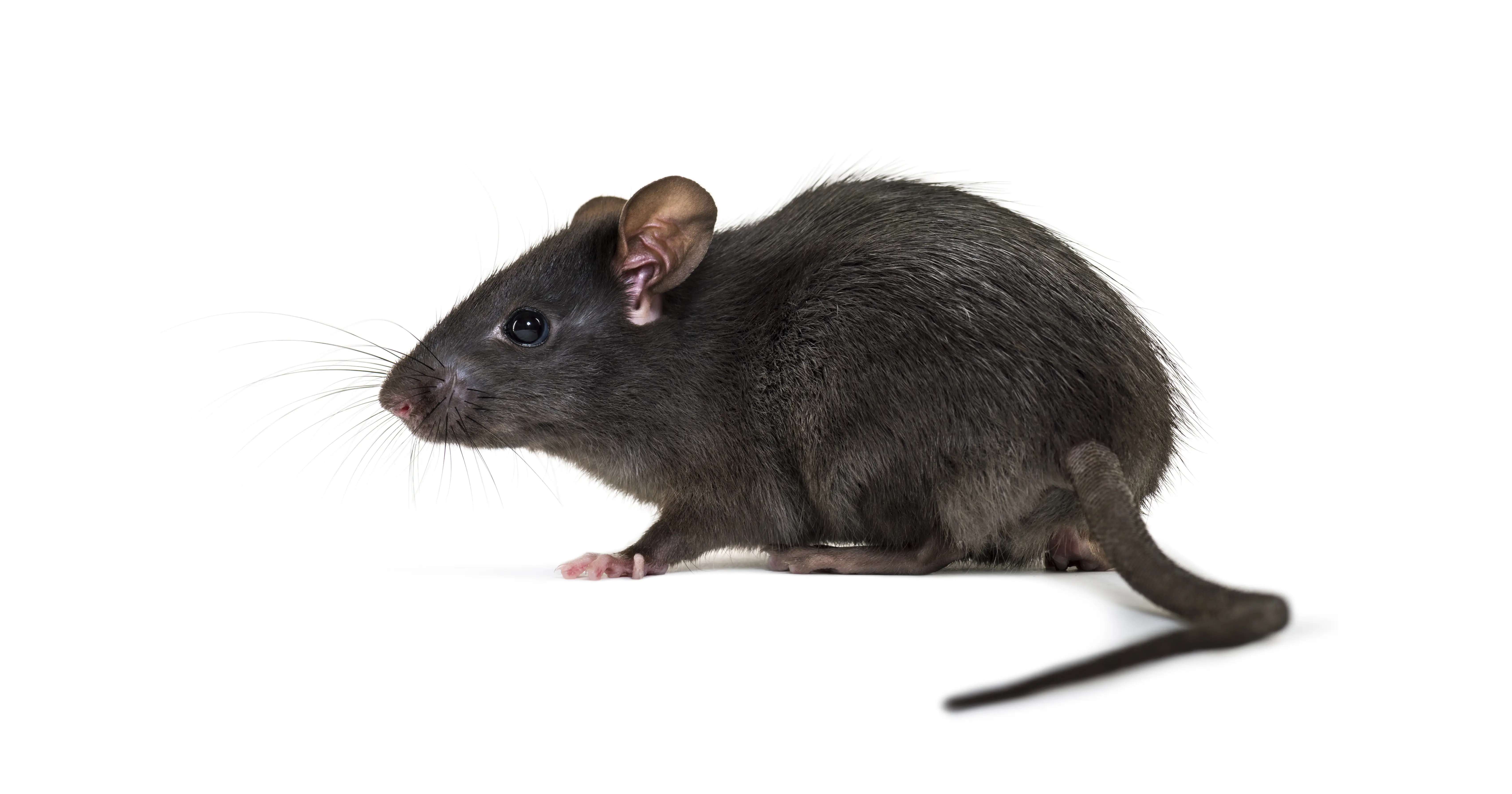
Roof Rats (Rattus Rattus)

Also known as black rats or tree rats

  • Body: 6-7 inches, up to 8 oz
  • Tail: 6-9 inches (longer than body)
  • Black with lighter underbelly
  • Prefer milder climates
  • Live in trees, roofs, attics
  • Nimble climbers

Rat Behavior

Diet

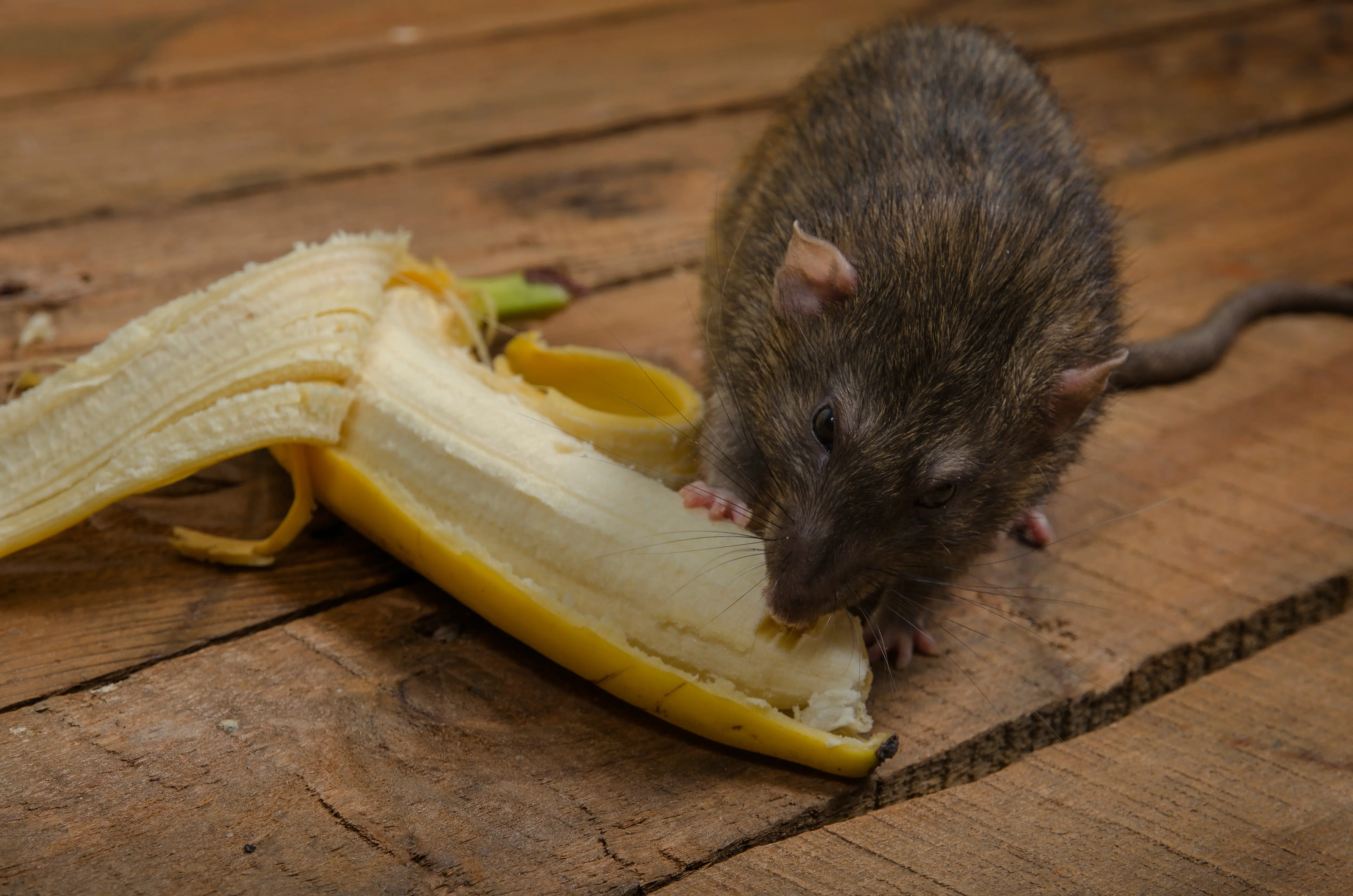
Eat at least 1/3 their weight daily. Omnivorous: grains, fruits, veggies, proteins, plus soap, leather, bugs, even dog poop. Store food like squirrels. Need 1 oz water daily.

Reproduction

Sexual maturity: 5 weeks to 3 months. Litters every 2-3 months with 4-12 pups. 21-day gestation, pregnant again in 48 hours. Wild rats live about 1 year.

Nesting

Need warmth, food/water access, nest materials. Norway rats: burrows, basements, sewers. Roof rats: trees, attics. Build nests from paper, cloth, insulation.

What Attracts Rats?

Plants & Gardens

Roof rats love fruits: lemons, oranges, peaches, avocados, figs, walnuts, almonds. Clean up fallen rotting fruit.

Smells

Strong food odors from trash, BBQs, bird feeders, gardens, pet food left outside. Keep areas clean and organized.

Debris & Clutter

Firewood, leaf piles, untrimmed bushes provide coverage from predators like cats and birds.

Water Sources

Standing water in pet dishes, bird baths, leaks, and irrigation systems.

Suspect a Rat Infestation?

Professional inspection identifies entry points and extent of the problem.

Call (866) 326-2847

Are Rats a Threat?

Property Damage

Hundreds of millions in damage yearly. Chew building materials (structural damage), wires (fire risk), vehicles, furniture, books, clothes. Devastate gardens and crops.

Rat Bites

Rare, but rats can be aggressive when cornered. Risk of infection from rabies and rat bite fever.

Diseases

Spread through contact, bites, droppings, contaminated food/water, and parasites. The Black Death pandemic was caused by fleas from rats.

Signs of a Rat Infestation

Rat droppings:Black, pellet-shaped like rice grains
Rat tracks:Visible in dust on surfaces
Gnaw marks:Teeth marks on plastic, wood, concrete
Burrow entrances:Along foundations, fences, under vegetation
Runways:Worn-down pathways from repeated use
Grease marks:Oily stains along baseboards and floors
Urine stains/smell:Strong ammonia smell in large quantities
Nests:Shredded cloth/paper in quiet areas
Chewed food packaging:Bite marks and gnawed sections
Wall sounds:Scratching noises at night
Funky smells:Strong musk scent plus urine smell

How to Get Rid of Rats

Prevention (3 Steps)

1. Cleaning/Sanitizing

Remove trash and attractants. Seal food sources. Disinfect surfaces with bleach.

2. Exclusion

Seal access points. Install vent caps, screen mesh, cut back branches, seal gaps.

3. Deterrents

Least effective alone. Only works if rat is not desperate for a meal.

Trapping Methods

Snap Traps

Spring-loaded mechanism. Leave unset for days first so rats get familiar. Use peanut butter as bait.

Glue Traps

Less humane. Strong adhesive prevents rat from moving.

Live Traps

Cage traps rats alive for release or removal.

Rat Baits: Use outside only. Baits take hours to days to work, so rats may die inside walls if used indoors.

When to Call a Professional

If you have been dealing with rats or have seen signs of rat activity, call an EcoGuard Pest Management rodent expert to inspect your property. We will design a custom plan to ensure that rats no longer present a problem for you and your home.

Call (866) 326-2847Get Free Quote

Rat FAQs

Why are rats a problem?

Rats are vectors for disease and carry over 30 diseases transmittable to humans. They are also extremely destructive, and populations can get out of hand quickly.

What kills rats immediately?

The most effective method uses snap traps to exterminate rats. When placed properly in areas of high rat activity, snap traps are extremely effective.

What are rats afraid of?

Rats can be deterred by anything that irritates their senses, but they are most afraid of predators. Studies show a rat's anxiety and stress response intensify around cats and predatory birds.

From Our Blog

Related Articles

Different Types of Rat Species in North America

Different Types of Rat Species in North America

Learn about common rat species including brown rats, black rats, packrats, and marsh rats. Identification, behavior,...

Read Article
How Big Can Rats Get? Size Guide by Species

How Big Can Rats Get? Size Guide by Species

Learn how big rats can get by species, from common brown and black rats to giant species. Discover what factors affect...

Read Article
How Long Do Rats Live? Lifespan, Life Cycle & Reproduction

How Long Do Rats Live? Lifespan, Life Cycle & Reproduction

Learn about rat lifespan, life cycle stages, reproduction rates, and factors affecting longevity. Understand why rat...

Read Article
How to Get Rid of Rats: Complete Control Guide

How to Get Rid of Rats: Complete Control Guide

Learn how to get rid of rats in your house and yard. Traps, prevention, exclusion, deterrents, and when to call...

Read Article
How to Identify and Get Rid of Rat Holes and Burrows

How to Identify and Get Rid of Rat Holes and Burrows

Learn how to identify rat holes and burrows, understand the dangers they pose, and discover effective methods to...

Read Article
How to Repel Rats: A Comprehensive Guide

How to Repel Rats: A Comprehensive Guide

Learn effective rat repellent strategies including natural deterrents, chemical options, exclusion tactics, and where...

Read Article
Mice & Rat Diseases: Transmission, Symptoms & Prevention

Mice & Rat Diseases: Transmission, Symptoms & Prevention

Learn about diseases transmitted by rats and mice including hantavirus, plague, salmonella, and rat bite fever....

Read Article
What are Roof Rats? Identification, Prevention & Control

What are Roof Rats? Identification, Prevention & Control

Learn about roof rats (black rats), their behavior, what attracts them, signs of infestation, and how to prevent and...

Read Article
What Do Rats Eat? Diet, Food Preferences & Trapping Baits

What Do Rats Eat? Diet, Food Preferences & Trapping Baits

Learn what rats eat, what attracts them to your home and yard, toxic foods for rats, and the best foods for trapping...

Read Article
What Does Rat Poop Look Like? Identification and Health Risks

What Does Rat Poop Look Like? Identification and Health Risks

Learn how to identify rat droppings, understand the health risks they pose, and discover safe cleanup methods. Complete...

Read Article