
EcoGuard Pest Management
Different rat species found in North America
By Gary Anderson||6 min read

Different Types of Rat Species in North America

Identify rat species and understand their behaviors to effectively manage infestations.

In North America, the primary rat species of concern within the genus Rattus are the black rat (Rattus rattus) and the brown rat (Rattus norvegicus).

While many rodents are referred to as "rats" due to similarities in appearance, not all belong to the Rattus genus. The distinction between rats and mice often hinges on size, with larger muroid rodents typically labeled as rats.

Why Identification Matters

These rodents are frequently found near human habitats, making it essential for homeowners to know their distinguishing characteristics. Proper identification aids in effective management and control of these disease-carrying rodents.

North American Rat Species Comparison

SpeciesAlso Known AsRegionMax SizeColorBehavior
Brown RatNorway rat, sewer rat, wharf ratWest Coast, Southeast, Gulf States11 in / 12 ozGrey / BrownSwims, burrows
Black RatRoof rat, ship rat, house ratWest Coast, Southeast, Gulf States7 in / 8 ozBlack / Light BrownSwims, climbs
Pack RatWoodrat, trade ratWestern US16 in / 21 ozGrey / Brown / CreamCollects, nests
Marsh RatRice ratSoutheast US, Gulf States10 in / 3 ozGrey / Brown / RedSwims

Different North American Rat Species

MOST COMMON

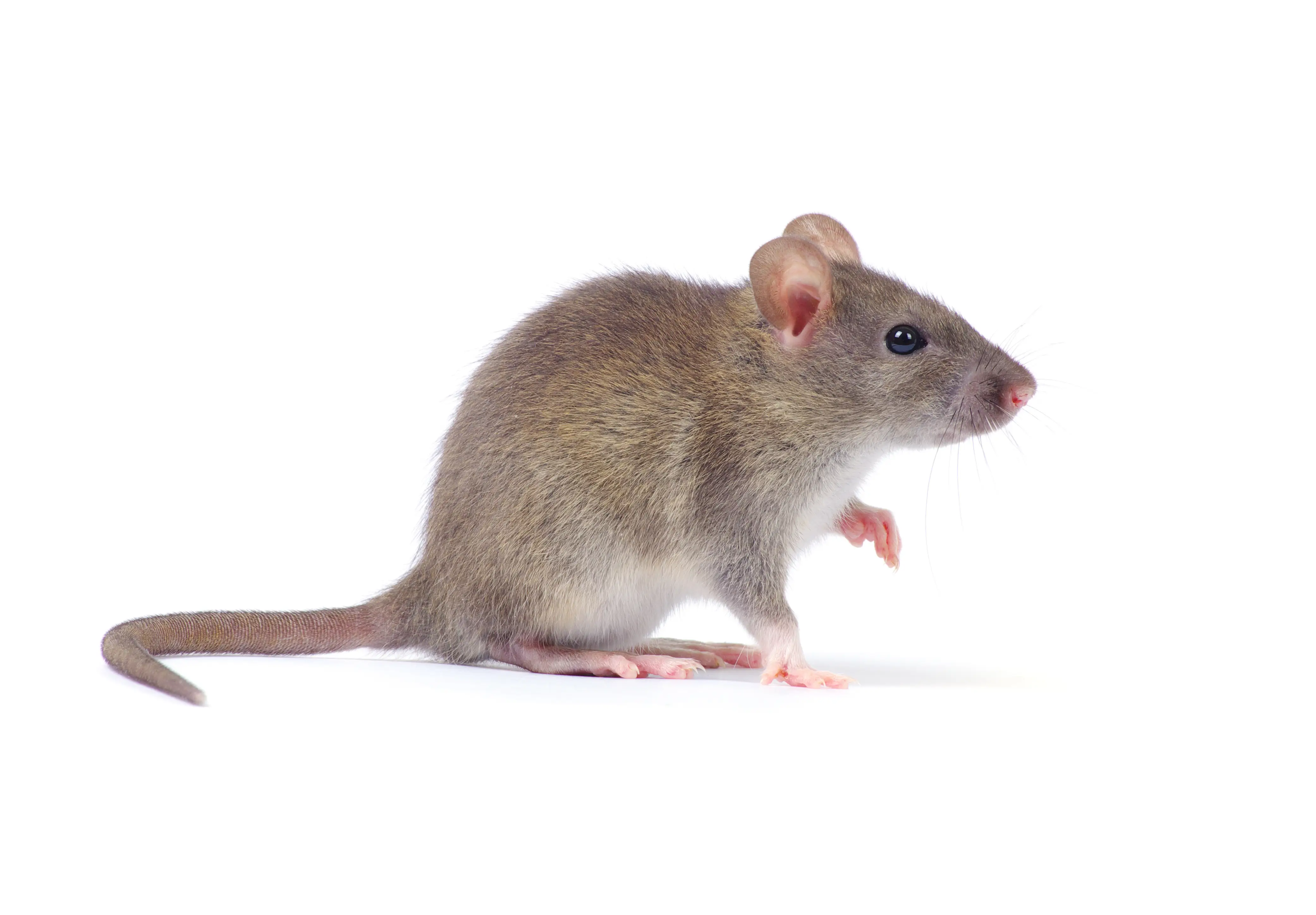
Brown Rat (Norway Rat)

Also known as sewer rats and wharf rats. Can weigh 9-12 ounces and measure up to 11 inches with a tail almost as long. Fur ranges from brown to dark grey with lighter underbelly. Originated from China and now found on every continent except Antarctica.

Habitat

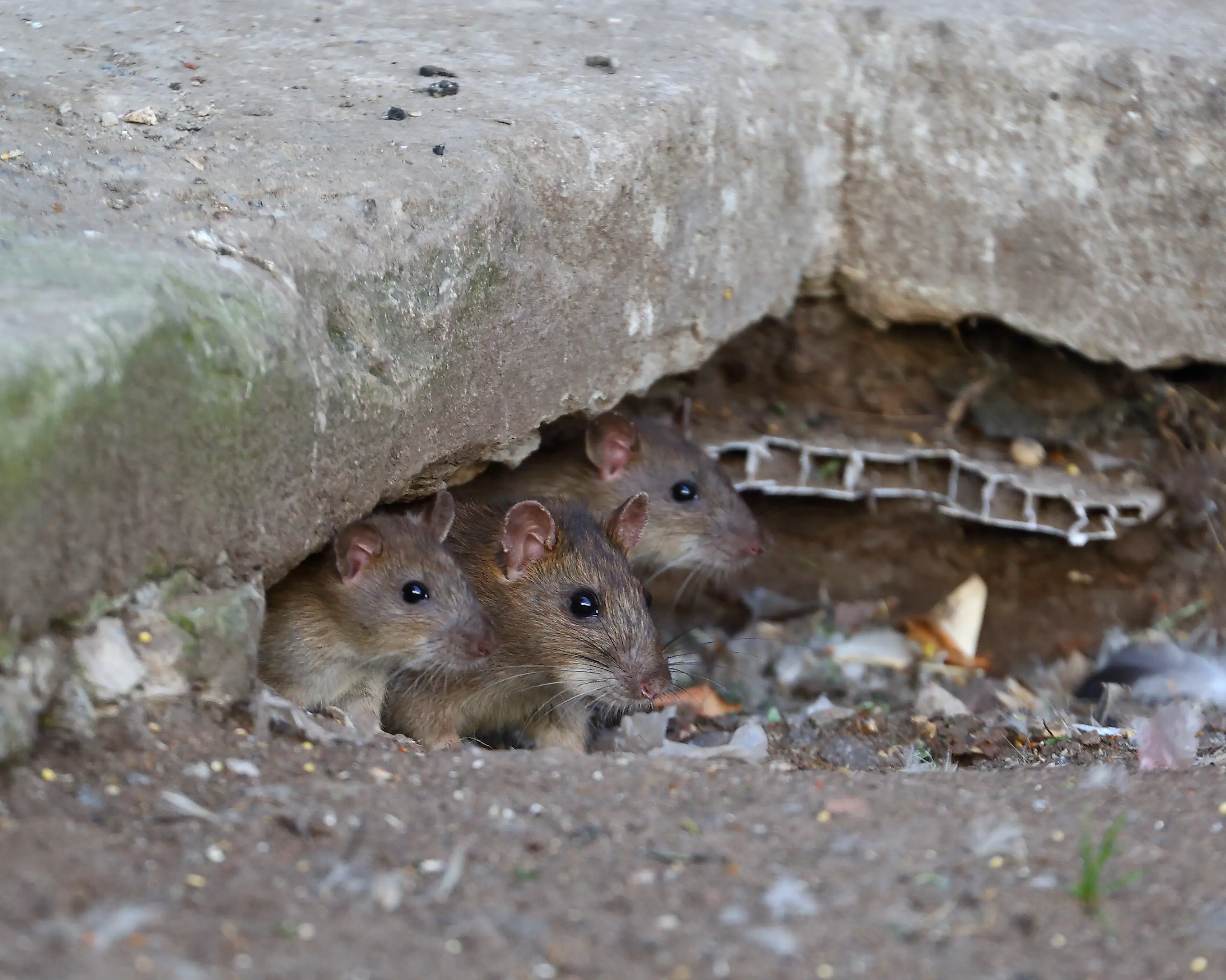
Burrows near water, sewers, harbors

Abilities

Strong swimmers, can swim 600+ meters

Reproduction

6-12 offspring per litter, multiple litters/year

HISTORIC PLAGUE CARRIER

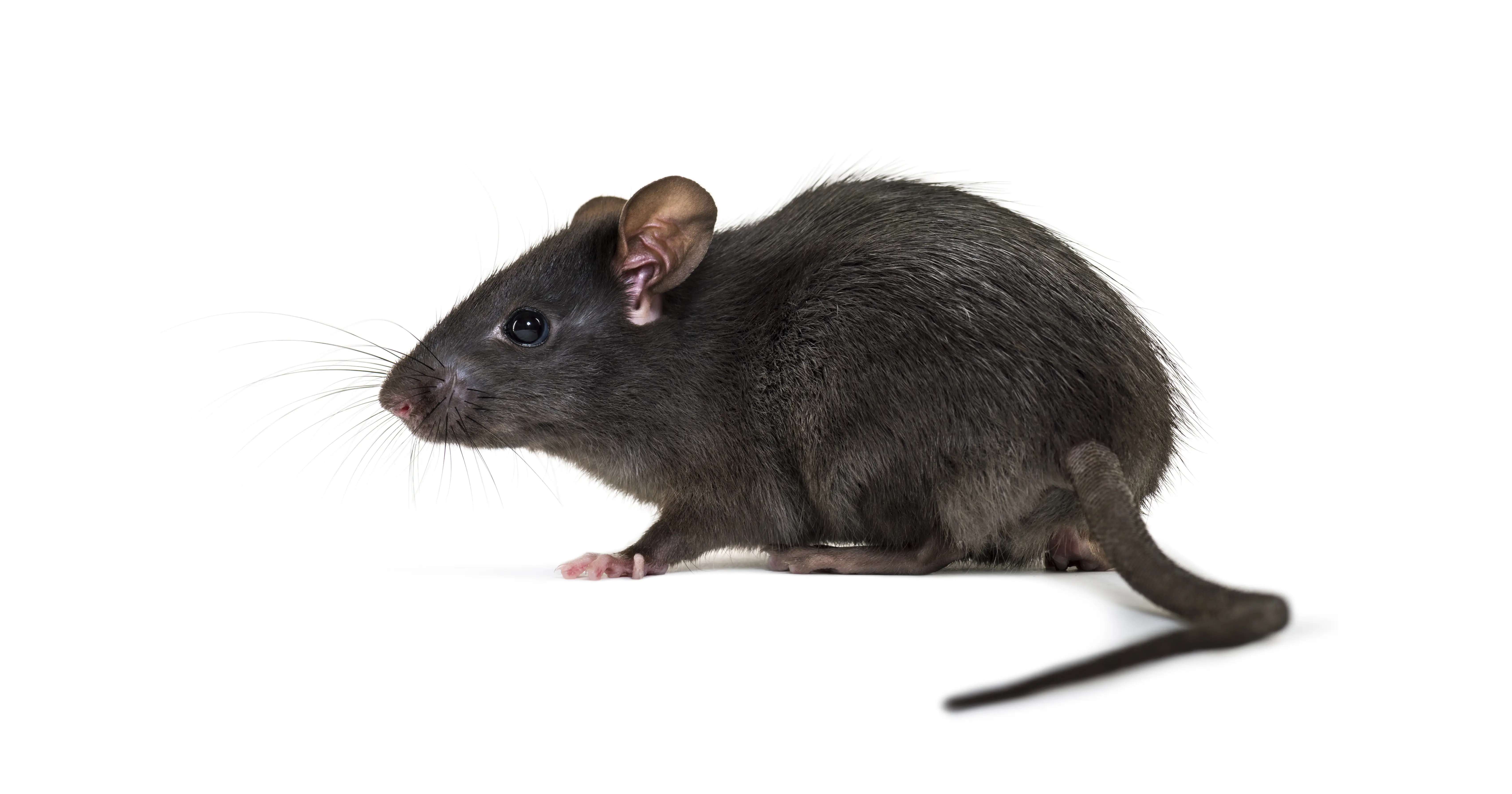
Black Rat (Roof Rat)

Smaller than brown rat, measuring 5-7 inches with a 6-9 inch tail, weighing 6-8 ounces. Fur ranges from black to light brown. Originated from India and spread globally aboard ships (hence "ship rat"). Excellent climbers that nest in attics and treetops.

Habitat

Attics, garages, trees, rooftops

Abilities

Excellent climbers, raid bird nests

Adaptability

Thrives in tropical to cold climates

PROPERTY DAMAGE

Packrat (Wood Rat)

Larger species reaching 21 ounces and 16 inches. Large black eyes, pronounced ears, long tails. Found throughout western states. Create nests using wooden materials. Particularly destructive when inside homes, chewing through wiring and insulation.

Habitat

Forests, rocky crevices, vehicle engines

Behavior

Noisy, communicates with high-pitched sounds

Diet

Fruits, plants, any available food

Marsh Rat (Rice Rat)

Medium-sized, predominantly found in Southeastern US with heavy presence along Gulf and Florida. Males weigh up to 3 ounces, length up to 10 inches. Adapted for wetland habitat with coat that traps air for buoyancy and webbed digits for swimming.

Habitat

Wetlands, swamps, marshes

Diet

Insects, fish, bird eggs, crabs, aquatic plants

Breeding

25-day cycle, populations peak in summer

Suspect a Rat Infestation?

Rat infestations can cause serious damage and spread disease. Act quickly before the problem grows.

Call (866) 326-2847

Risks Associated with Rats

Rats carry several serious diseases that pose significant health risks to humans:

Salmonella

Bacterial infection causing fever, abdominal cramps, diarrhea. Transmitted when rats contaminate food. Symptoms appear within 3 days.

Leptospirosis

From contact with infected rat urine. Causes fever, headache, chills, vomiting. Can lead to kidney damage, liver failure, meningitis.

Plague

Spread by fleas carried by rats. Causes fever, chills, weakness. Serious cases show painful swollen lymph nodes. Requires potent antibiotics.

Hantavirus

Found in rat urine, droppings, saliva. Spreads through contact or inhalation. Causes fever, muscle aches, respiratory difficulties.

Rat-Bite Fever

Results from rat bite or scratch. Symptoms include fever, vomiting, headache, rash. Can cause pneumonia, meningitis, heart problems.

How to Deal with Rat Infestations

Why DIY Often Fails

Rats can learn to avoid traps. Baiting can introduce poisons ingested by pets or cause rats to die in inaccessible areas, creating odor and attracting other pests. Large infestations can overtake a property quickly as rats are prolific breeders.

If the rat problem is too big to handle, enlist professionals who can devise a strategic plan to effectively terminate the problem.

How to Prevent Rats from Returning

Seal Access Points

Inspect for cracks, holes, and vents rats can use. Check crawl spaces, attics, basements, garages, and laundry rooms for vulnerable points.

Clean and Sanitize

Remove remnants of previous infestation. Rat urine contains pheromones that attract other rats. Sanitize nests and contaminated areas properly.

Secure Food and Trash

Store food and trash in containers with tightly fitted lids. Remove attractants that draw rats to your property.

Contact EcoGuard If You Are Dealing with a Rat Problem

If you are dealing with a rat infestation, it is important to act right away before the problem gets further out of hand. Rat infestations can cause serious structural damage and introduce diseases that put your family's health at risk. EcoGuard Pest Management offers expert solutions tailored to your specific needs. Reach out today to schedule an inspection.

Call (866) 326-2847Get Free Quote

Different Rat Species FAQs

What are the 2 main types of rats?

The two primary types of rats are the brown rat (Norway rat) and the black rat (roof rat). The brown rat is larger with grayish brown fur, blunt snout, and a tail shorter than its body. The black rat is smaller with a pointed snout, pronounced ears, and a tail longer than its body.

What is the rarest rat?

The Sumatran bamboo rat (Rhizomys sumatrensis) is among the rarest rats, native to the highlands of Sumatra, Indonesia. This rat is unique due to its specialized diet of bamboo and adaptation to high-altitude forest habitats. Its rarity is attributed to habitat loss and limited geographic distribution.

What are the 7 classifications of rat?

The seven taxonomic classifications are Kingdom (Animalia), Phylum (Chordata), Class (Mammalia), Order (Rodentia), Family (Muridae), Genus (Rattus), and Species. The species name specifies the exact type, such as Rattus norvegicus for the Norway rat or Rattus rattus for the roof rat.

From Our Blog

Related Articles

How Big Can Rats Get? Size Guide by Species

How Big Can Rats Get? Size Guide by Species

Learn how big rats can get by species, from common brown and black rats to giant species. Discover what factors affect...

Read Article
How Long Do Rats Live? Lifespan, Life Cycle & Reproduction

How Long Do Rats Live? Lifespan, Life Cycle & Reproduction

Learn about rat lifespan, life cycle stages, reproduction rates, and factors affecting longevity. Understand why rat...

Read Article
How to Get Rid of Rats: Complete Control Guide

How to Get Rid of Rats: Complete Control Guide

Learn how to get rid of rats in your house and yard. Traps, prevention, exclusion, deterrents, and when to call...

Read Article
How to Identify and Get Rid of Rat Holes and Burrows

How to Identify and Get Rid of Rat Holes and Burrows

Learn how to identify rat holes and burrows, understand the dangers they pose, and discover effective methods to...

Read Article
How to Repel Rats: A Comprehensive Guide

How to Repel Rats: A Comprehensive Guide

Learn effective rat repellent strategies including natural deterrents, chemical options, exclusion tactics, and where...

Read Article
Mice & Rat Diseases: Transmission, Symptoms & Prevention

Mice & Rat Diseases: Transmission, Symptoms & Prevention

Learn about diseases transmitted by rats and mice including hantavirus, plague, salmonella, and rat bite fever....

Read Article
What are Rats? Species, Behavior, Signs & Control

What are Rats? Species, Behavior, Signs & Control

Learn about rats including Norway and roof rat species, behavior, diet, reproduction, signs of infestation, and how to...

Read Article
What are Roof Rats? Identification, Prevention & Control

What are Roof Rats? Identification, Prevention & Control

Learn about roof rats (black rats), their behavior, what attracts them, signs of infestation, and how to prevent and...

Read Article
What Do Rats Eat? Diet, Food Preferences & Trapping Baits

What Do Rats Eat? Diet, Food Preferences & Trapping Baits

Learn what rats eat, what attracts them to your home and yard, toxic foods for rats, and the best foods for trapping...

Read Article
What Does Rat Poop Look Like? Identification and Health Risks

What Does Rat Poop Look Like? Identification and Health Risks

Learn how to identify rat droppings, understand the health risks they pose, and discover safe cleanup methods. Complete...

Read Article