EcoGuard Pest Management
Natural rat repellent methods and deterrent strategies
By Gary Anderson||5 min read

How to Repel Rats: A Comprehensive Guide

Effective strategies to deter rats before they become an infestation.

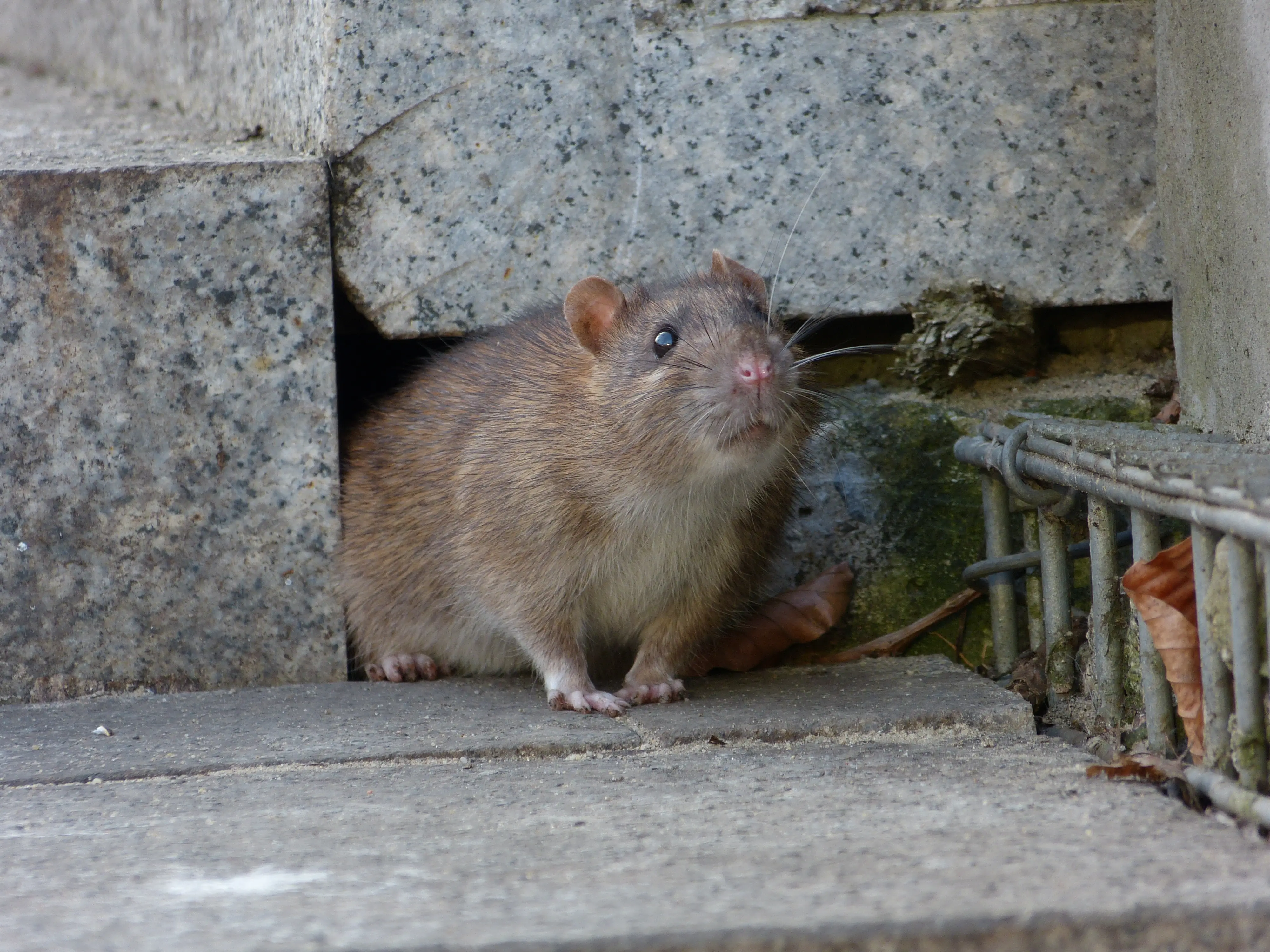
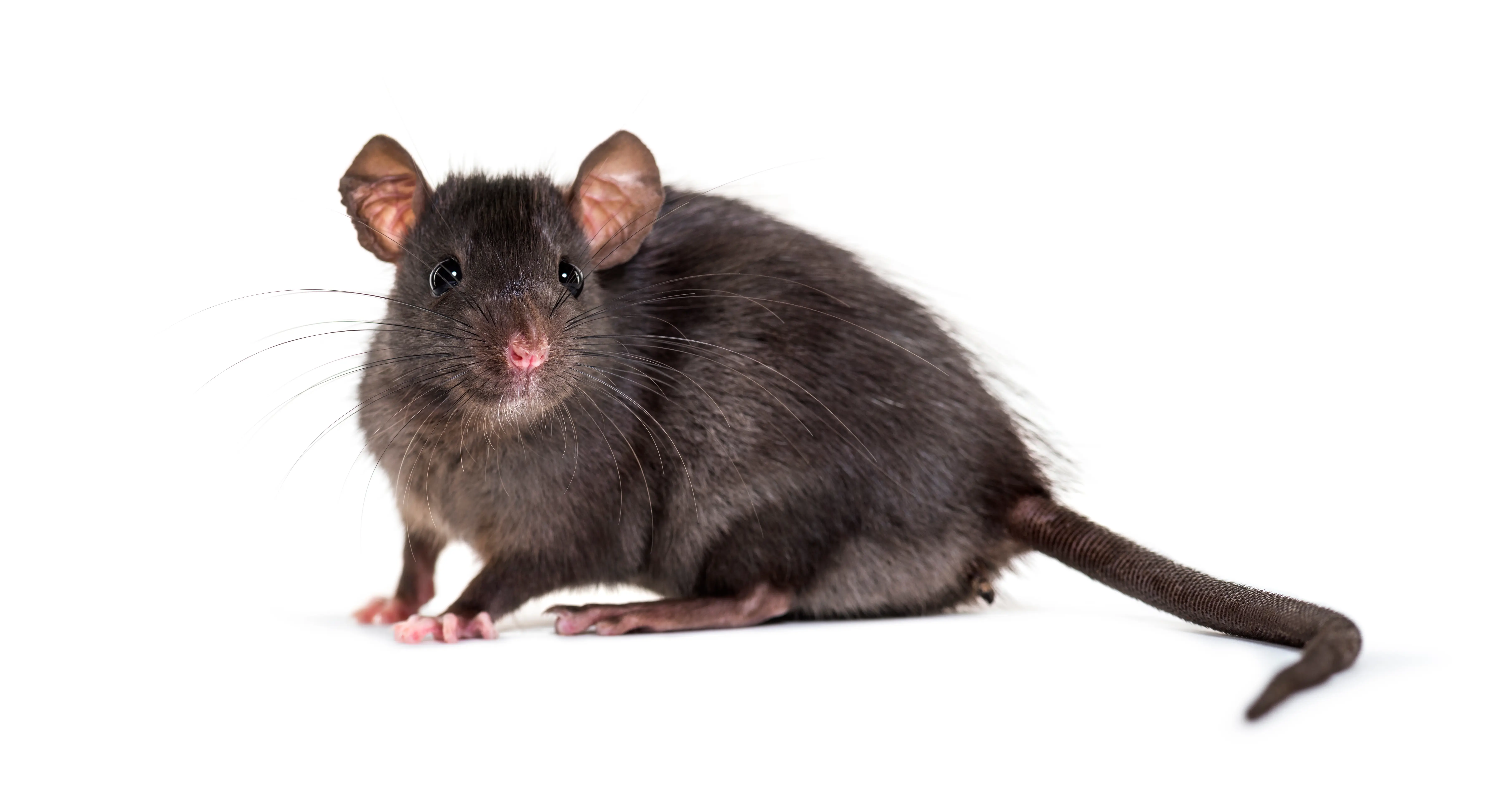
Seeing signs of rats can be extremely worrisome because rats can be one of the most devastating pests once an infestation gets out of control. They carry deadly rodent pathogens harmful to you, your family, and pets.

Rats are ravenous creatures constantly seeking food, water, and a place to breed. In their search, they will chew through drywall, wood, plastic, and even soft metals.

Prevention is Easier Than Removal

Repelling rats from your home is much easier than dealing with them after they have managed to find their way in. Implementing rat repellents before an infestation will help reduce the potential for a full-blown problem.
Rat Repelling Tactics

Rats are incredibly intelligent creatures, so repelling them takes the combined efforts of several strategies:

Rat Exclusion

The first line of defense. Seal cracks and crevices, cap vents, seal holes, and cut back tree branches. Use expandable foam with steel wool since rats can chew through most materials but steel wool acts as reinforcement.

Eliminating Resources

Rats are attracted to food, water, and shelter. Eliminate these attractants:

Food

Cover trash, harvest gardens, store pet food properly

Shelter

Trim bushes/trees, maintain landscaping, clear debris

Water

Fix leaky faucets, check irrigation, remove water bowls

Rat Repellents

Come in many forms with varying success. These work by overwhelming the rat's sense of smell or hearing. If rats are desperate, they may ignore discomfort, which is why multiple lines of defense are recommended.

What Smells Do Rats Hate?

Rats have an acute sense of smell which helps make up for poor eyesight. Rat repellents use smells that are overwhelming to their sensitive noses or warn of potential predators.

Peppermint

Eucalyptus

Citronella

Chili/Cayenne

Ammonia

White Vinegar

Bleach

Cat Scent

Repellents Not Working?

Professional treatment is recommended to eradicate all signs of rat activity and prevent infestation.

Call (866) 326-2847

Natural Rat Repellents

Note: Natural repellents are generally the least effective and require consistent application. Even with sensitive noses, rats can survive in trash and sewers.

Mint / Mint Oil

Strong odors from peppermint and spearmint. Use concentrated oils on cotton balls in drawers, closets, cabinets. Grow mint plants around home perimeter.

Chili Powder / Cayenne Pepper

Acts like pepper spray on rats. Sprinkle around baseboards and access points to create an irritating barrier.

Eucalyptus / Eucalyptus Oil

Milder scent but effective when diffused in small, confined areas.

Citronella

Acts as a deterrent and appetite suppressant for rats.

Sagebrush / Sagebrush Oil

Strong odor deters rats. Caution: Can be toxic to humans if ingested.

Fresh Herbs

Use oregano, sage, rosemary, and basil around the house and garden.

Chemical Rat Repellents

Chemical smells are typically more effective because they are harsher on a rat's nose. Use caution as some can be toxic to pets and humans.

Ammonia

Effective because it smells like predator urine. Dilute at 2 cups in 6 oz of water. Leave mixture in areas of high rat activity to scare them off.

Bleach

Harsh smell irritates rats. Dilute in water for cleaning. Added benefit: disinfects rodent-infested areas contaminated with rat waste.

USE CAUTION

Naphthalene Mothballs

Lasting odor deters rats, mice, and insects. Effectiveness varies and can be harmful to humans. May not be the best choice.

Predator Rat Repellents

Cats and Cat Urine

Rats are prey to cats, ferrets, snakes, raccoons, and weasels. Studies show the smell of cats creates intense stress and anxiety in rats. Rodents avoid areas and items that smell like predators.

Tip: Use cat urine deposits from litter boxes and strategically place them around the exterior of your home to increase rat repellent coverage.

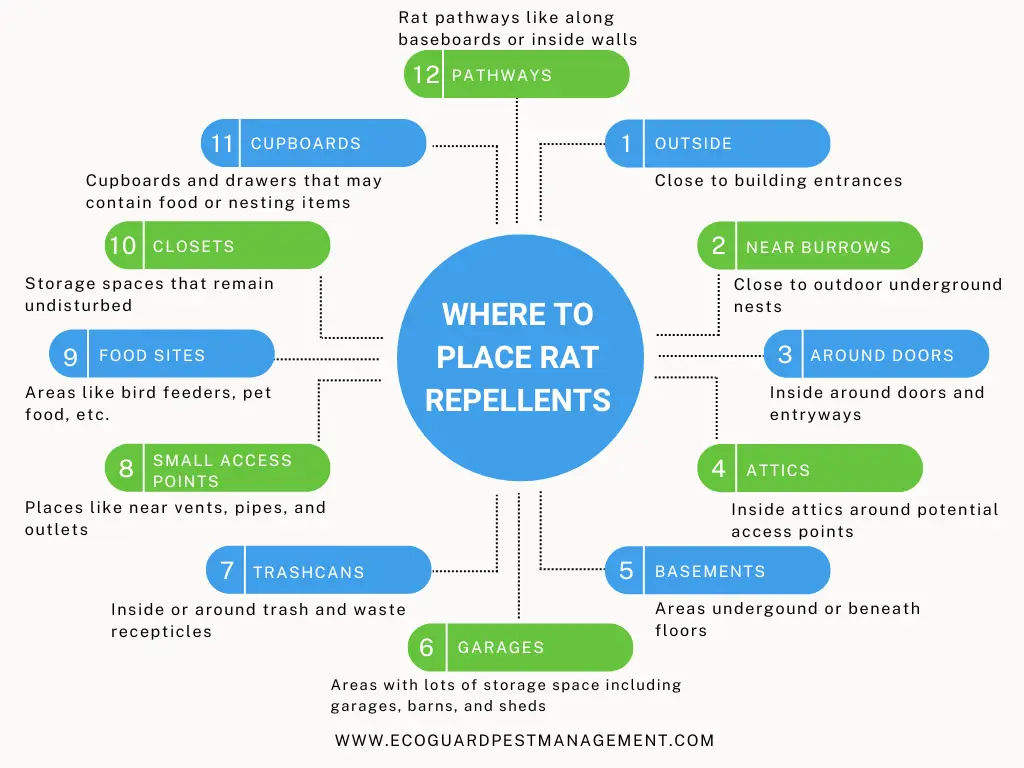
Where to Place Rat Repellents

Even an effective repellent can fail if not placed strategically. The most common places to introduce rat repellents:

Building entrances (outside)
Near burrows in landscaping
Around doors and entry ways
Attics and attic vents/eaves
Basements and crawl spaces
Garages, sheds, and barns
Near trashcans
Near vent caps and pipes
Near bird feeders/pet food
Inside closets and storage
Inside cupboards/drawers
Along rat pathways

Which Repellents Work Best Where

Mothballs/commercial: Drawers, storage, cupboards

Herbs/plants: Outside near entry points

Chili powder: Baseboards, wall cavities

Essential oils/ammonia: Surfaces, diffused areas

Ultrasonic emitters: One per room inside

When All Else Fails, Call an EcoGuard Rodent Control Specialist

Preventing and repelling rats can be a massive headache. Professional treatment is recommended to eradicate all signs of rat activity. This is critical to avoid a full-blown infestation which can cause immense damage and spread disease. If you have seen signs of rat activity, call EcoGuard to get a licensed and trained rodent control expert out to inspect your house.

Call (866) 326-2847Get Free Quote

Rat Repellent FAQs

What scent will keep rats away?

The smell of peppermint, chili pepper, eucalyptus, citronella, and sagebrush are all effective at keeping rats away if applied in the right concentration. They are also deterred by chemical smells like ammonia and bleach.

What are rats afraid of?

Rats are afraid of predators which makes the smell of a cat or wild animal a great rat deterrent. This also works with ammonia because ammonia shares a similar smell to cat urine.

How do you repel rats naturally?

Using certain essential oils like peppermint, spearmint, and clove oil are all effective rat repellents. This should be used with other deterrent and control strategies to minimize the potential for a rat infestation.

From Our Blog

Related Articles

Different Types of Rat Species in North America

Different Types of Rat Species in North America

Learn about common rat species including brown rats, black rats, packrats, and marsh rats. Identification, behavior,...

Read Article
How Big Can Rats Get? Size Guide by Species

How Big Can Rats Get? Size Guide by Species

Learn how big rats can get by species, from common brown and black rats to giant species. Discover what factors affect...

Read Article
How Long Do Rats Live? Lifespan, Life Cycle & Reproduction

How Long Do Rats Live? Lifespan, Life Cycle & Reproduction

Learn about rat lifespan, life cycle stages, reproduction rates, and factors affecting longevity. Understand why rat...

Read Article
How to Get Rid of Rats: Complete Control Guide

How to Get Rid of Rats: Complete Control Guide

Learn how to get rid of rats in your house and yard. Traps, prevention, exclusion, deterrents, and when to call...

Read Article
How to Identify and Get Rid of Rat Holes and Burrows

How to Identify and Get Rid of Rat Holes and Burrows

Learn how to identify rat holes and burrows, understand the dangers they pose, and discover effective methods to...

Read Article
Mice & Rat Diseases: Transmission, Symptoms & Prevention

Mice & Rat Diseases: Transmission, Symptoms & Prevention

Learn about diseases transmitted by rats and mice including hantavirus, plague, salmonella, and rat bite fever....

Read Article
What are Rats? Species, Behavior, Signs & Control

What are Rats? Species, Behavior, Signs & Control

Learn about rats including Norway and roof rat species, behavior, diet, reproduction, signs of infestation, and how to...

Read Article
What are Roof Rats? Identification, Prevention & Control

What are Roof Rats? Identification, Prevention & Control

Learn about roof rats (black rats), their behavior, what attracts them, signs of infestation, and how to prevent and...

Read Article
What Do Rats Eat? Diet, Food Preferences & Trapping Baits

What Do Rats Eat? Diet, Food Preferences & Trapping Baits

Learn what rats eat, what attracts them to your home and yard, toxic foods for rats, and the best foods for trapping...

Read Article
What Does Rat Poop Look Like? Identification and Health Risks

What Does Rat Poop Look Like? Identification and Health Risks

Learn how to identify rat droppings, understand the health risks they pose, and discover safe cleanup methods. Complete...

Read Article