EcoGuard Pest Management
Rat control and removal methods
By Gary Anderson||5 min read

How to Get Rid of Rats

Complete guide to rat control: traps, prevention, exclusion, and outdoor methods.

Disease Vectors
Spread pathogens
Rapid Breeding
Large, frequent litters
Property Damage
Chew wiring & pipes

Rats are a constant problem that home and business owners must watch for. They are extremely adaptive and can cause significant damage in a very short period.

Creating a strategy to get rid of rats quickly is critical because if they go undiscovered, a rat population can explode. They are also vectors for disease that need to be controlled to mitigate the spread of airborne and surface-borne pathogens.

Caution: Extreme care is recommended when dealing with rats and their waste. Exposure and improper handling can result in illness.
Rat Inspection

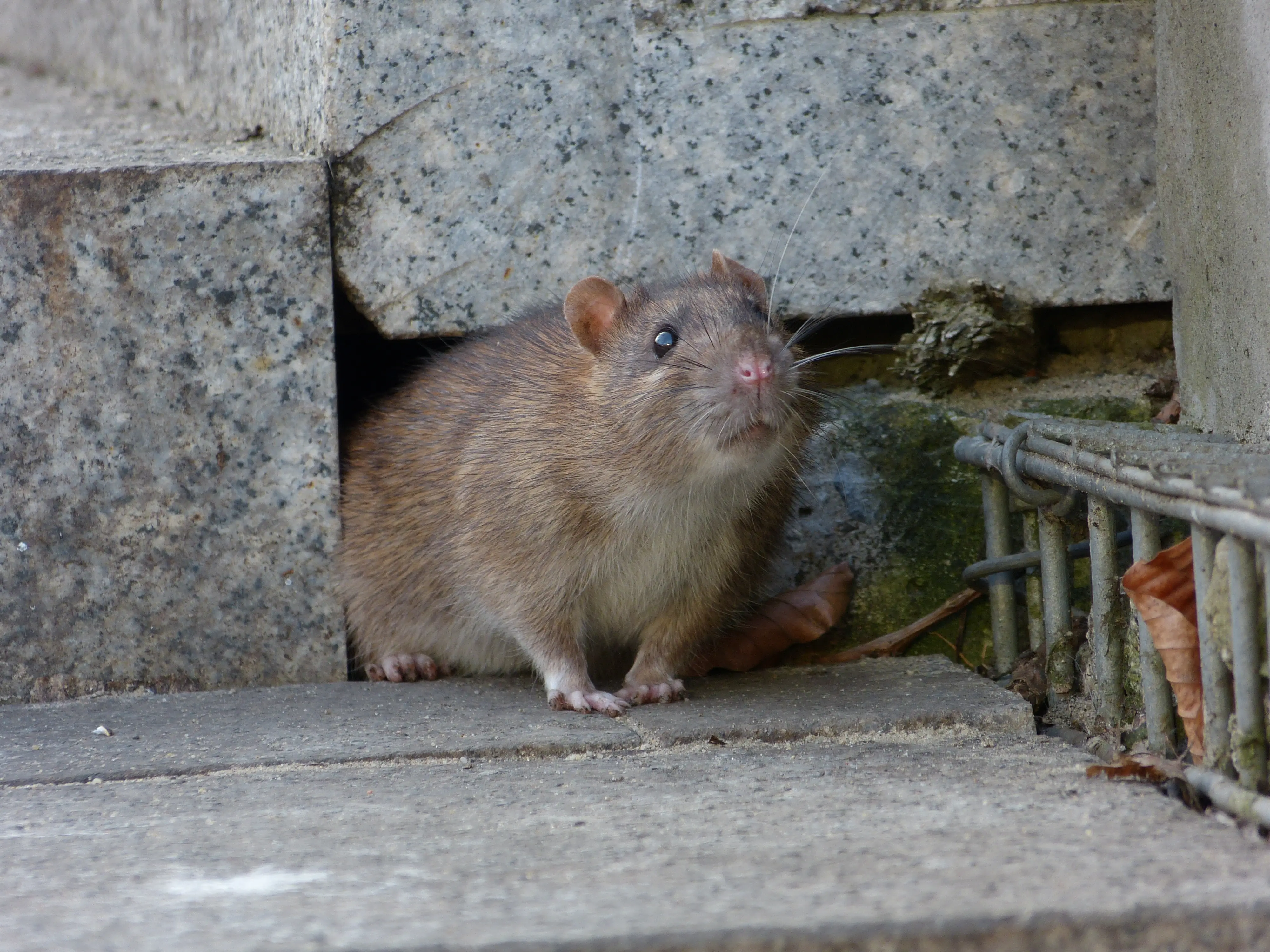
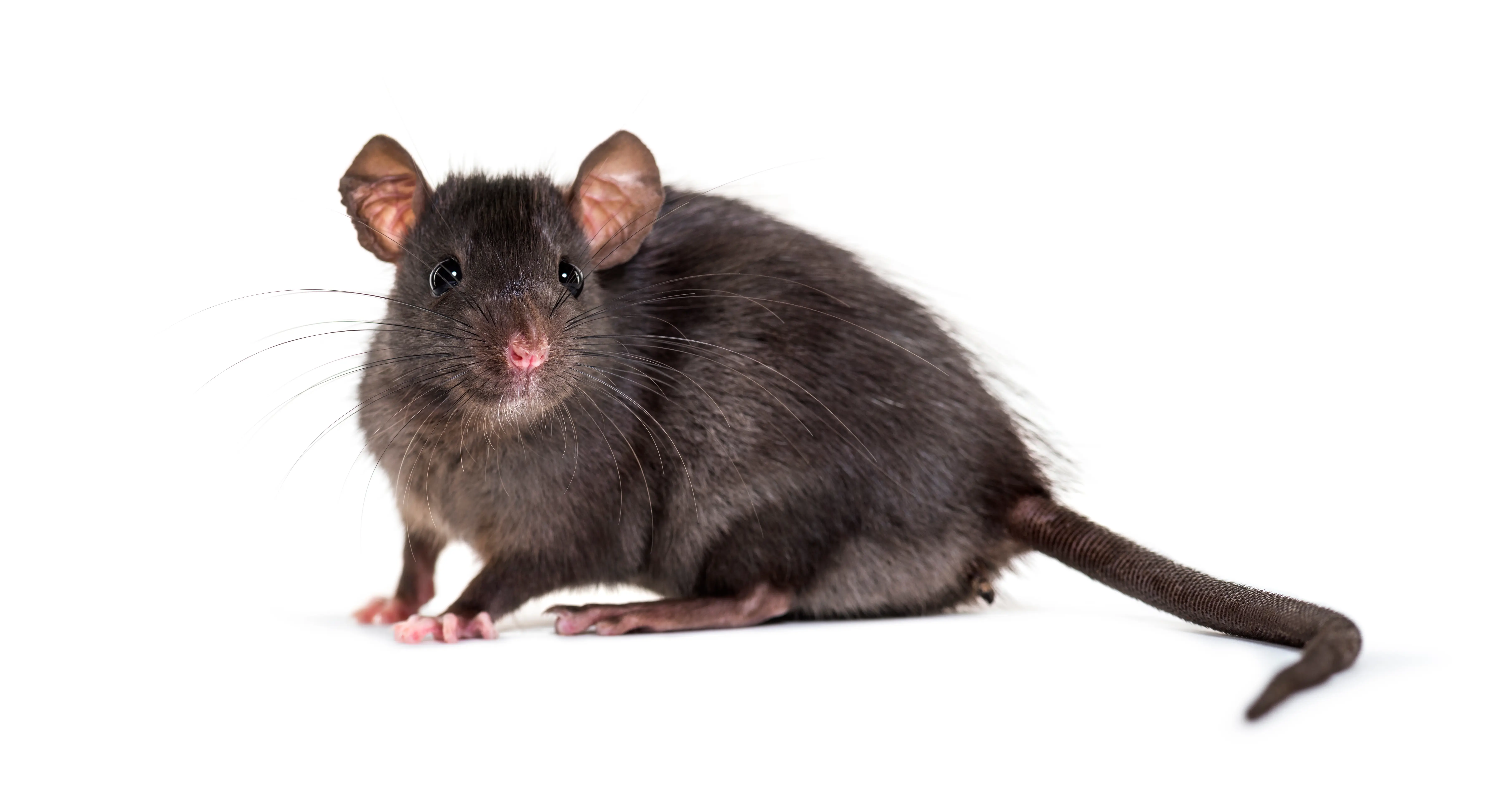
Before implementing a control strategy, a thorough inspection must discover areas of activity, entry points, and determine the rat species if possible. Inspect inside and outside for:

Damaged drains
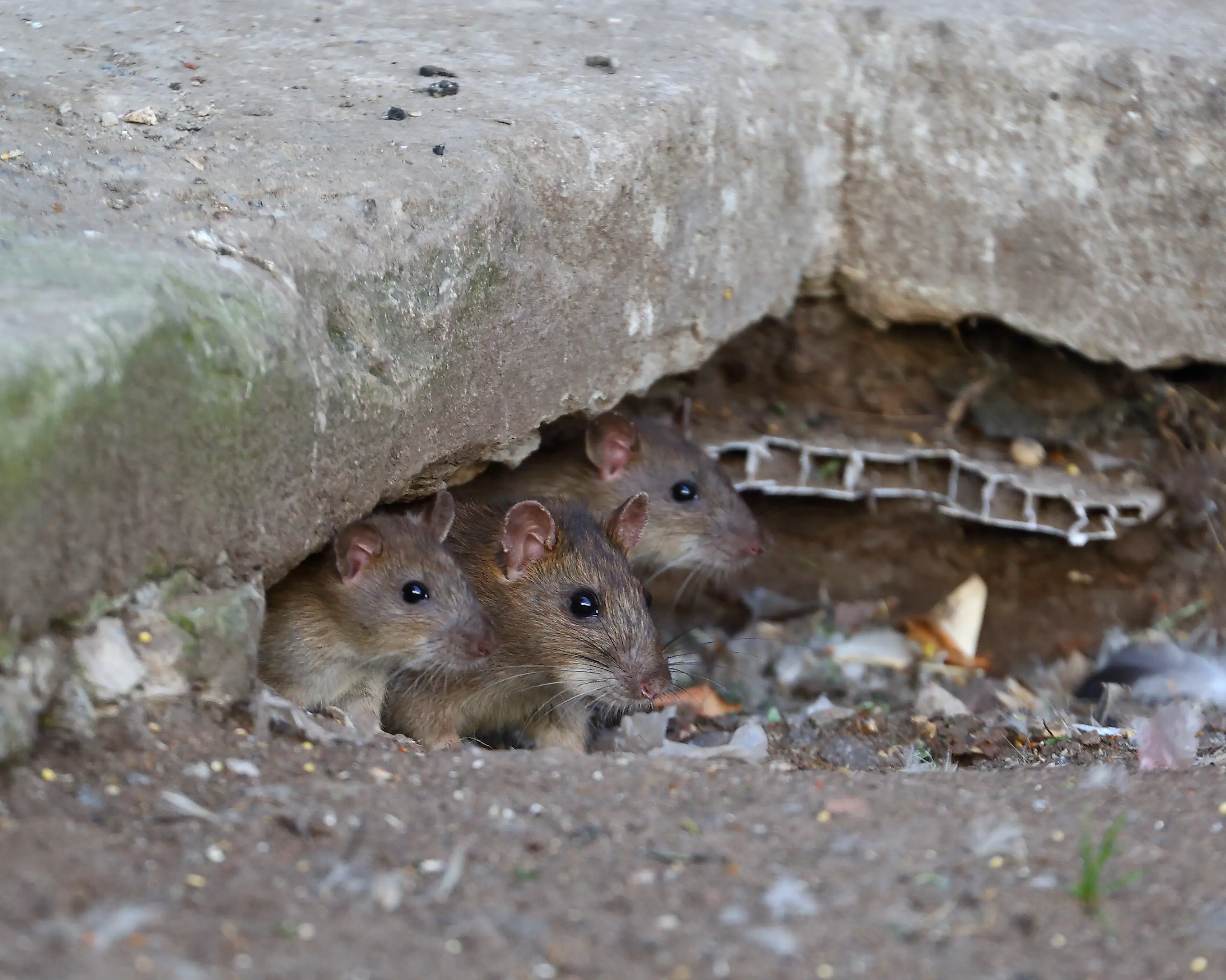
Cracks and crevices leading into garages/outbuildings
Gaps around vents, pipes, and drains
Big foundation cracks
Signs of rat activity and waste

Rat Traps

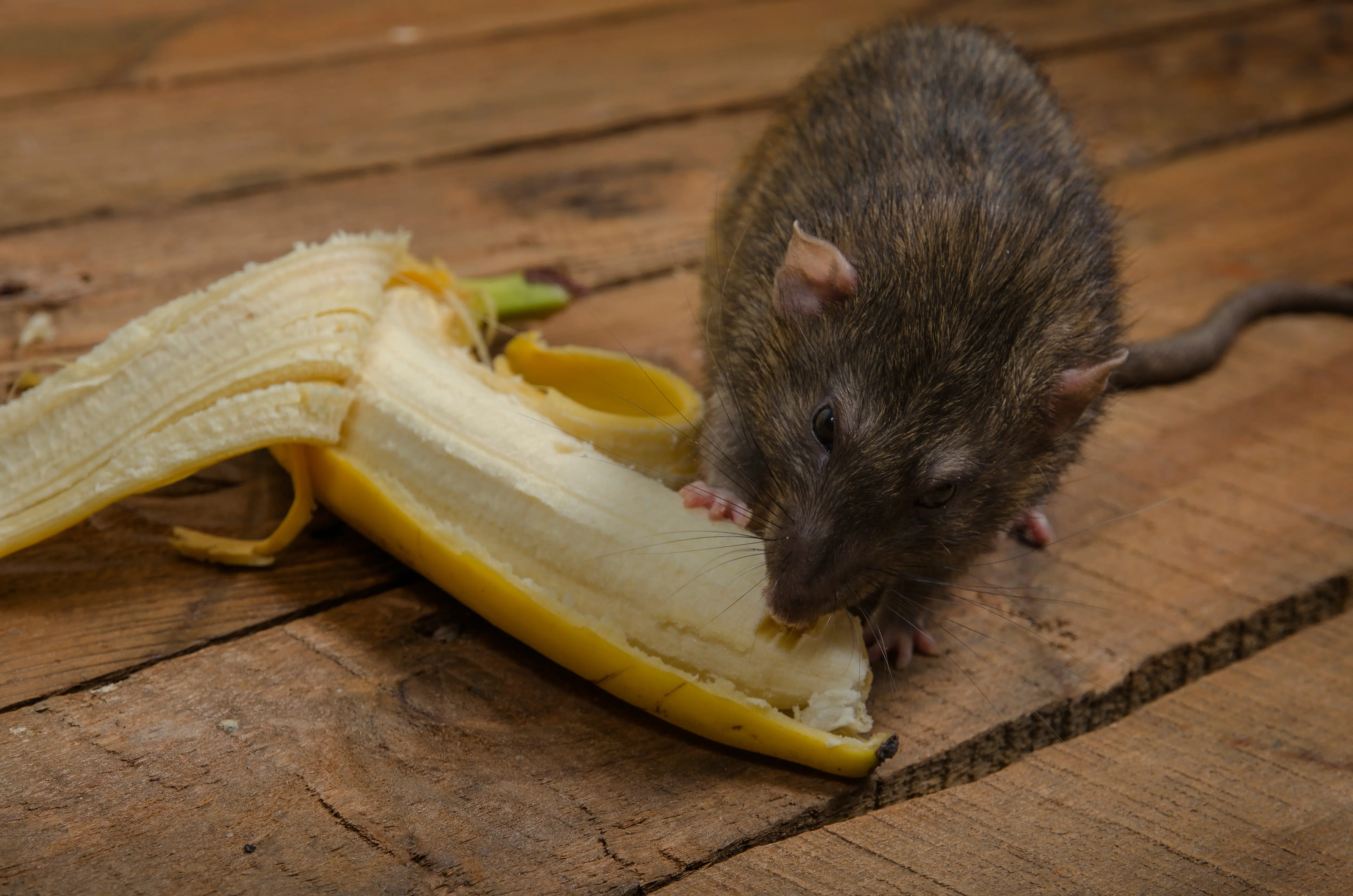
Traps are generally the most effective strategy and allow easy removal once the rat is caught. This prevents exposure to decay smell and increased bug activity from dead rats in unknown locations. Place in high-activity areas using effective baits like fruits, grains, or common rat diet items.

Snap Traps

Use trigger plate that releases spring-loaded mechanism. Traditional wooden or newer plastic versions. Inexpensive but dangerous to pets and children if placed incorrectly.

Glue Traps

Flat plastic with extra-sticky adhesive. Place in pathways showing activity. Least humane as rat is stuck and disposed of alive.

Live Traps

Most humane method. Cage trap shuts after rat triggers lock. Must check regularly to avoid starvation. Release far from home so rat does not return.

Note: Mouse traps of the same style are generally not strong enough to kill rats but may injure them, causing them to die somewhere inaccessible.

Rat Prevention

Prevention is equally important. If rats can continue to get in, there will be another to replace any that have been removed.

Clean Up

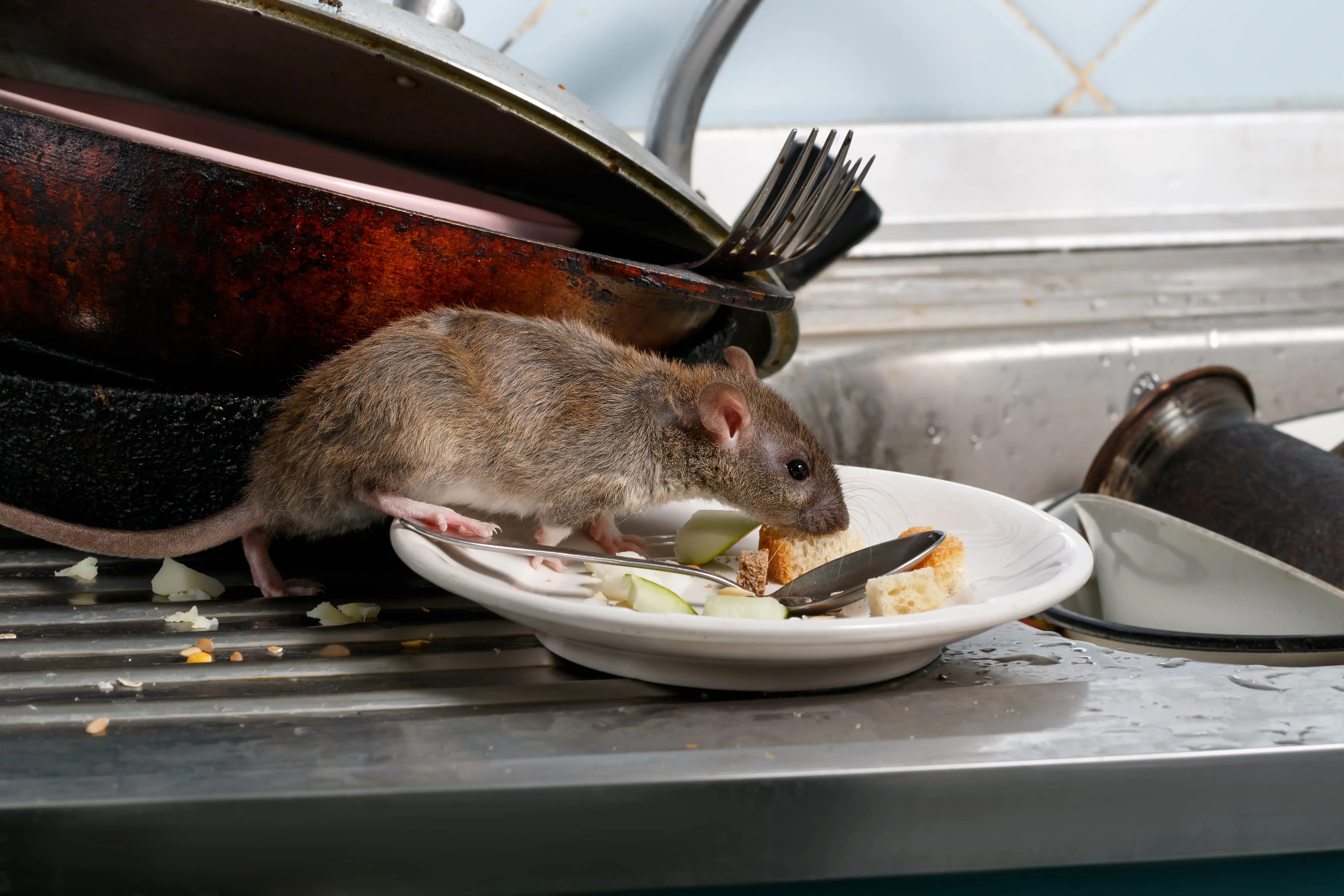
Rats need food, water, and shelter. Clean debris to eliminate hiding places. Clean food, spills, and trash. Seal leaks and eliminate high moisture areas.

Rat Exclusion

Block open access points. Rats fit through gaps as small as 2 inches. Seal with chicken wire mesh, close gaps by pipes, install vent caps, use door sweeps.

Cut Back Vegetation

Cut tree branches touching home (roof rat access). Cut brush, bushes, grass. Rats know exposure without cover puts them in danger of predators.

Store Food Safely

Rats chew through most plastics. Use glass or metal containers for food and pet food storage.

Store Trash Away

Trash is a primary harborage point. Keep bins away from your home to reduce chances that rats finding trash will find your house.

Seeing Signs of Rats?

Professional inspection reveals the full extent of the problem and provides quick solutions.

Call (866) 326-2847

How to Get Rid of Rats Outside

If rats have not made their way inside yet, treat them before they find your home.

Garden & Yard Cleanup

Trim grass, remove debris, clean up fallen or rotting fruits and vegetables to reduce food and shelter.

Recruit Predators

Cats and predatory birds like owls hunt rats. Attract owls with nest boxes and bird baths. Be careful with bird feed as grains are also rat food.

Use Dry Ice

Effective for Norway rats in burrows. CO2 fills burrow and causes peaceful asphyxiation. Keeps rats underground for easy disposal.

Rat Baits

Outdoor use only. Follow instructions closely as poisons harm non-targets. Check local laws (California bans some rodenticides).

When to Call a Professional

When you see a rat, involve professional help. An inspection will reveal the extent of the problem. Rats are extremely cautious, so if you see one, there are likely more.

Rats in Walls

Can chew through plumbing and wiring causing extensive damage.

Multiple Rats

Indicates enough rats to reproduce.

Different Sizes

Rats of different sizes indicate breeding has already occurred.

Professional Rat Control Services

EcoGuard Pest Management has experienced rodent control experts who can inspect your home or business, identify entry points, and create a customized plan to effectively eliminate your rat problem. Call today to schedule your inspection!

Call (866) 326-2847Get Free Quote

How to Get Rid of Rats FAQs

Can I get rid of rats myself?

DIY rat control can be done for minor problems. However, it is difficult to determine when a rat problem is small. A professional helps ensure the severity is correctly identified and correct measures are taken.

What kills rats instantly outside?

Dry ice against Norway rats in burrows is a humane and efficient way to kill rats quickly. It keeps them underground for easy disposal and works for burrows that cannot be dug up.

Where do roof rats nest?

Roof rats stay in the attic or roof. Place traps along rafters and beams where they connect to each other along exterior walls.

Where do Norway rats nest?

Norway rats generally nest underground in burrows but sometimes enter basements or crawl spaces. Traps are most effective in dark areas under the house, basement, or under decks and patios.

From Our Blog

Related Articles

Different Types of Rat Species in North America

Different Types of Rat Species in North America

Learn about common rat species including brown rats, black rats, packrats, and marsh rats. Identification, behavior,...

Read Article
How Big Can Rats Get? Size Guide by Species

How Big Can Rats Get? Size Guide by Species

Learn how big rats can get by species, from common brown and black rats to giant species. Discover what factors affect...

Read Article
How Long Do Rats Live? Lifespan, Life Cycle & Reproduction

How Long Do Rats Live? Lifespan, Life Cycle & Reproduction

Learn about rat lifespan, life cycle stages, reproduction rates, and factors affecting longevity. Understand why rat...

Read Article
How to Identify and Get Rid of Rat Holes and Burrows

How to Identify and Get Rid of Rat Holes and Burrows

Learn how to identify rat holes and burrows, understand the dangers they pose, and discover effective methods to...

Read Article
How to Repel Rats: A Comprehensive Guide

How to Repel Rats: A Comprehensive Guide

Learn effective rat repellent strategies including natural deterrents, chemical options, exclusion tactics, and where...

Read Article
Mice & Rat Diseases: Transmission, Symptoms & Prevention

Mice & Rat Diseases: Transmission, Symptoms & Prevention

Learn about diseases transmitted by rats and mice including hantavirus, plague, salmonella, and rat bite fever....

Read Article
What are Rats? Species, Behavior, Signs & Control

What are Rats? Species, Behavior, Signs & Control

Learn about rats including Norway and roof rat species, behavior, diet, reproduction, signs of infestation, and how to...

Read Article
What are Roof Rats? Identification, Prevention & Control

What are Roof Rats? Identification, Prevention & Control

Learn about roof rats (black rats), their behavior, what attracts them, signs of infestation, and how to prevent and...

Read Article
What Do Rats Eat? Diet, Food Preferences & Trapping Baits

What Do Rats Eat? Diet, Food Preferences & Trapping Baits

Learn what rats eat, what attracts them to your home and yard, toxic foods for rats, and the best foods for trapping...

Read Article
What Does Rat Poop Look Like? Identification and Health Risks

What Does Rat Poop Look Like? Identification and Health Risks

Learn how to identify rat droppings, understand the health risks they pose, and discover safe cleanup methods. Complete...

Read Article