EcoGuard Pest Management
Identifying rat droppings for pest control
By Gary Anderson||7 min read

What Does Rat Poop Look Like?

Learn to identify rat droppings, understand the health risks, and discover safe cleanup methods.

Identifying rat droppings in your home is often the first sign of a lurking rodent problem. Rat poop typically appears as small, dark brown or black pellets that are slightly larger than grains of rice. Rats frequently leave their droppings in concentrated areas as they use their feces and urine to mark trails.

The presence of these droppings not only signifies an infestation but also poses serious health risks as rat feces can spread diseases such as leptospirosis, tularemia, and salmonella.

Quick Identification

Size: 1/2 to 1 inch long
Shape: Cylindrical with blunt ends (Norway rat) or curved with pointed ends (roof rat)
Color: Dark and shiny when fresh; gray and dusty when old

Key Facts

Daily Output
Up to 50 droppings per rat
Size Comparison
3x larger than mouse droppings
Fresh vs Old
Shiny = fresh, Gray = old

How to Identify Rat Poop

Rat droppings are typically cylindrical, about half an inch to one inch in length, and are often found clustered together. These droppings are generally dark and shiny when fresh but turn gray and dustier as they age.

Roof Rat Droppings

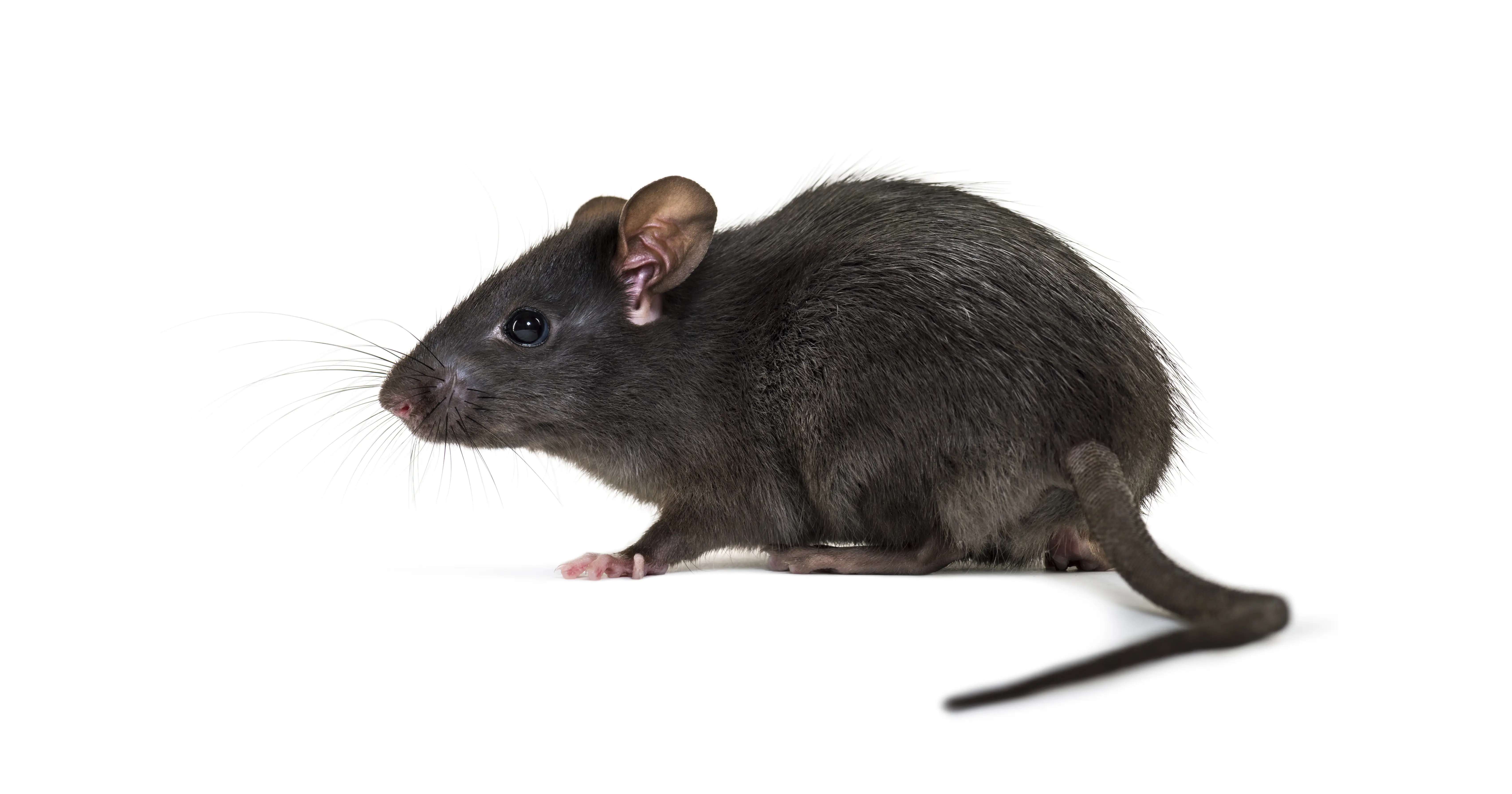
Also known as black rats

Slightly curved with pointed ends, resembling a banana shape. Generally smaller than Norway rat droppings.

Norway Rat Droppings

Also known as brown rats

Larger, blunter feces resembling the shape of a burrito. About 3/4 inch long with rounded ends.

Freshness Test: Fresh droppings are smooth and will slide rather than crumble when handled with gloves. If a dropping crumbles easily under pressure from a pencil, it is older. If it mushes down, it is relatively fresh.

Where is Rat Poop Found?

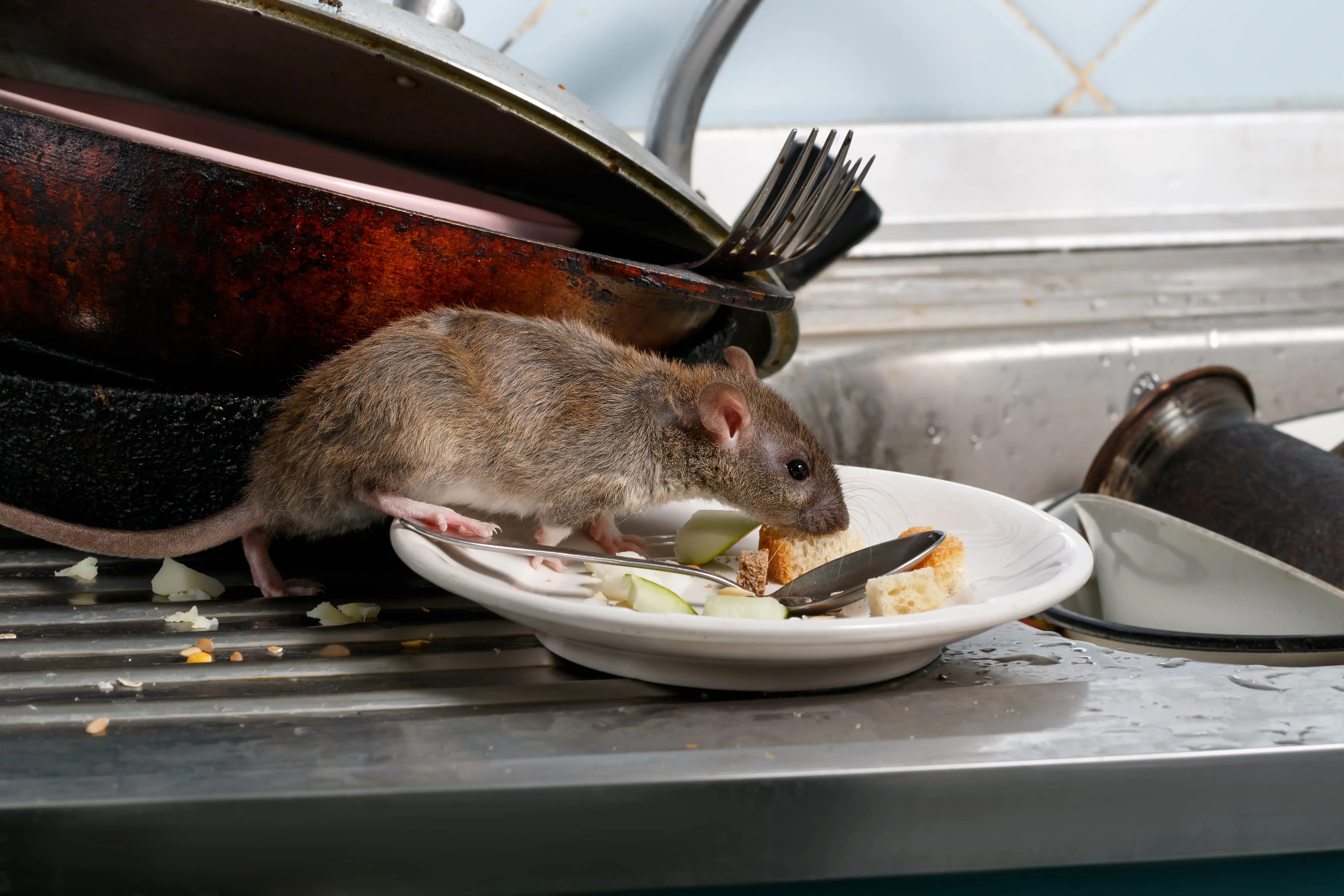
Rats prefer to deposit their droppings in secluded, dimly lit areas where they feel safe. However, their search for food leads them to explore various parts of a home:

Behind Refrigerator

A warm place with potential food crumbs that attracts rats seeking warmth and food.

In Your Garage

Less frequented by humans and often a storage area for pet food and other items.

Under Tables

Crumbs and food scraps can accumulate here, attracting foraging rats.

On Counters

Small pieces of food can lure rats to these easily accessible areas.

Underneath Beds

Quiet, undisturbed areas with soft nesting materials make ideal hiding spots.

Behind Toilets

Less trafficked, often dark, with moisture for rats to stay hydrated.

Rat Poop vs Poop from Other Pests

Distinguishing between rat poop and the droppings of other pests is crucial for identifying the type of infestation:

Rat Droppings

About 1/2 inch in length, banana-shaped with blunt ends. Scattered throughout as rats use droppings to mark territory.

Mouse Droppings

About 1/4 inch or less, more spindle-shaped like dark chocolate sprinkles. Much smaller than rat droppings.

Squirrel Droppings

Similar in size and shape to rat droppings, but squirrels use a consistent spot for defecation rather than scattering.

Spotted Rat Droppings in Your Home?

Our experts can safely remove the infestation, sanitize affected areas, and prevent future problems.

Call (866) 326-2847

Is Rat Poop Dangerous? Health Risks

Rat poop is indeed dangerous and poses significant health risks due to the variety of pathogens it can carry. Handle cleanup with care to avoid contamination:

Hantavirus

Infection through inhalation of contaminated dust. Can lead to Hantavirus Pulmonary Syndrome (HPS) with high mortality rate.

Leptospirosis

Bacterial disease spreading through contaminated water or cuts in skin. Causes fever, jaundice, and abdominal discomfort.

Salmonella

Transmitted through direct contact with contaminated feces. Causes severe diarrhea, fever, and abdominal cramps.

Rat-bite Fever

Bacterial infection from contact with infected feces or urine. Potentially fatal in about 10% of cases.

Lymphocytic Choriomeningitis

Viral infection causing flu-like symptoms that can worsen to meningitis. Particularly harmful during pregnancy.

Risks for Pregnant Women

The bacterium Leptospira poses significant risks and can lead to severe complications including miscarriages, kidney failure, and liver failure.

Risks for Pets

Dogs can contract leptospirosis (causing kidney and liver damage), toxoplasmosis, tularemia, roundworm, and even plague from rat droppings.

How to Clean Up Rat Poop Safely

Cleaning up rat poop safely is crucial to avoid the transmission of dangerous diseases. Follow these steps to minimize risk:

1

Ventilate the Area

Open windows and doors for at least 30 minutes before starting cleanup.

2

Wear Protective Gear

Put on rubber gloves, a dust mask, and protective goggles.

3

Spray with Disinfectant

Spray droppings with disinfectant or 10% bleach solution (1.5 cups bleach per gallon water). Let sit 5 minutes.

4

Wipe and Dispose

Use paper towels to pick up droppings. Place in a sealed plastic bag for disposal.

5

Disinfect and Wash

Mop or sponge the area with bleach solution. Dispose of gloves and wash hands thoroughly with soap.

Important: Never sweep or vacuum rat droppings as this can aerosolize dangerous pathogens that can be inhaled.

How to Get Rid of and Prevent Rats

A multi-faceted approach combining sanitation, exclusion, and population control is necessary:

Eliminate Shelter

Clear dense vegetation, shrubs, and clutter. Keep compost piles and wood stacks away from your home.

Control Food Sources

Secure garbage, pet food, and bird seed in sturdy containers with tight lids. Remove leftover food promptly.

Seal Entry Points

Seal cracks larger than 1/4 inch in foundations, walls, and around doors, windows, and utility entry points.

Set Traps

Use snap traps, live traps, or glue traps in dark corners, along walls, or where droppings are visible.

Use Poison with Caution

Rat poison presents risks to pets, wildlife, and humans. Use as a last resort with tamper-resistant bait stations.

Professional Pest Control

For severe infestations, professionals have access to more effective tools and can ensure safe, thorough removal.

Contact EcoGuard Pest Management if You Are Dealing with Rats

If you are facing challenges with rats in your home or business, do not wait for the problem to escalate. EcoGuard Pest Management offers expert, reliable solutions tailored to effectively address and resolve your rat infestation. Contact us today to schedule a consultation and take the first step towards a rat-free environment.

Call (866) 326-2847Get Free Quote

Rat Poop FAQs

How do you identify rat poop?

Rat poop is typically easy to identify due to its distinctive characteristics. It appears as dark, shiny pellets that are about half an inch long, often with blunt ends, resembling a large grain of rice. These droppings are usually found clustered in areas where rats frequent like near food sources or in hidden, less-disturbed areas like behind appliances or in basements.

Are rat droppings toxic?

Rat droppings are considered toxic and can pose serious health risks. They can harbor harmful pathogens that transmit diseases such as hantavirus, leptospirosis, and salmonella. It is crucial to handle and clean up rat droppings with care. Be sure to use protective gloves and a face mask to avoid direct contact and inhalation of contaminated dust.

How to get rid of rat poop?

To safely get rid of rat poop, start by ventilating the area to minimize your risk of inhaling contaminated dust. Wear rubber gloves and a face mask, then spray the droppings with a disinfectant or a bleach solution (one part bleach to ten parts water) before cleaning them up to prevent disturbing any pathogens. Use a paper towel to pick up the droppings, dispose of them in a sealed bag, and thoroughly clean the area with the disinfectant. Finally, wash your hands and any exposed skin thoroughly after completing the cleanup.

Is rat poop messy?

Rat poop can be quite messy and problematic. The droppings are often found in large quantities and because rats defecate frequently (up to 50 times per day), they can accumulate quickly in hidden or less-frequented areas of a home or building. This can create unsanitary conditions and requires careful cleaning to ensure the area is hygienic and to prevent the spread of diseases associated with rat feces.

From Our Blog

Related Articles

Different Types of Rat Species in North America

Different Types of Rat Species in North America

Learn about common rat species including brown rats, black rats, packrats, and marsh rats. Identification, behavior,...

Read Article
How Big Can Rats Get? Size Guide by Species

How Big Can Rats Get? Size Guide by Species

Learn how big rats can get by species, from common brown and black rats to giant species. Discover what factors affect...

Read Article
How Long Do Rats Live? Lifespan, Life Cycle & Reproduction

How Long Do Rats Live? Lifespan, Life Cycle & Reproduction

Learn about rat lifespan, life cycle stages, reproduction rates, and factors affecting longevity. Understand why rat...

Read Article
How to Get Rid of Rats: Complete Control Guide

How to Get Rid of Rats: Complete Control Guide

Learn how to get rid of rats in your house and yard. Traps, prevention, exclusion, deterrents, and when to call...

Read Article
How to Identify and Get Rid of Rat Holes and Burrows

How to Identify and Get Rid of Rat Holes and Burrows

Learn how to identify rat holes and burrows, understand the dangers they pose, and discover effective methods to...

Read Article
How to Repel Rats: A Comprehensive Guide

How to Repel Rats: A Comprehensive Guide

Learn effective rat repellent strategies including natural deterrents, chemical options, exclusion tactics, and where...

Read Article
Mice & Rat Diseases: Transmission, Symptoms & Prevention

Mice & Rat Diseases: Transmission, Symptoms & Prevention

Learn about diseases transmitted by rats and mice including hantavirus, plague, salmonella, and rat bite fever....

Read Article
What are Rats? Species, Behavior, Signs & Control

What are Rats? Species, Behavior, Signs & Control

Learn about rats including Norway and roof rat species, behavior, diet, reproduction, signs of infestation, and how to...

Read Article
What are Roof Rats? Identification, Prevention & Control

What are Roof Rats? Identification, Prevention & Control

Learn about roof rats (black rats), their behavior, what attracts them, signs of infestation, and how to prevent and...

Read Article
What Do Rats Eat? Diet, Food Preferences & Trapping Baits

What Do Rats Eat? Diet, Food Preferences & Trapping Baits

Learn what rats eat, what attracts them to your home and yard, toxic foods for rats, and the best foods for trapping...

Read Article