
EcoGuard Pest Management
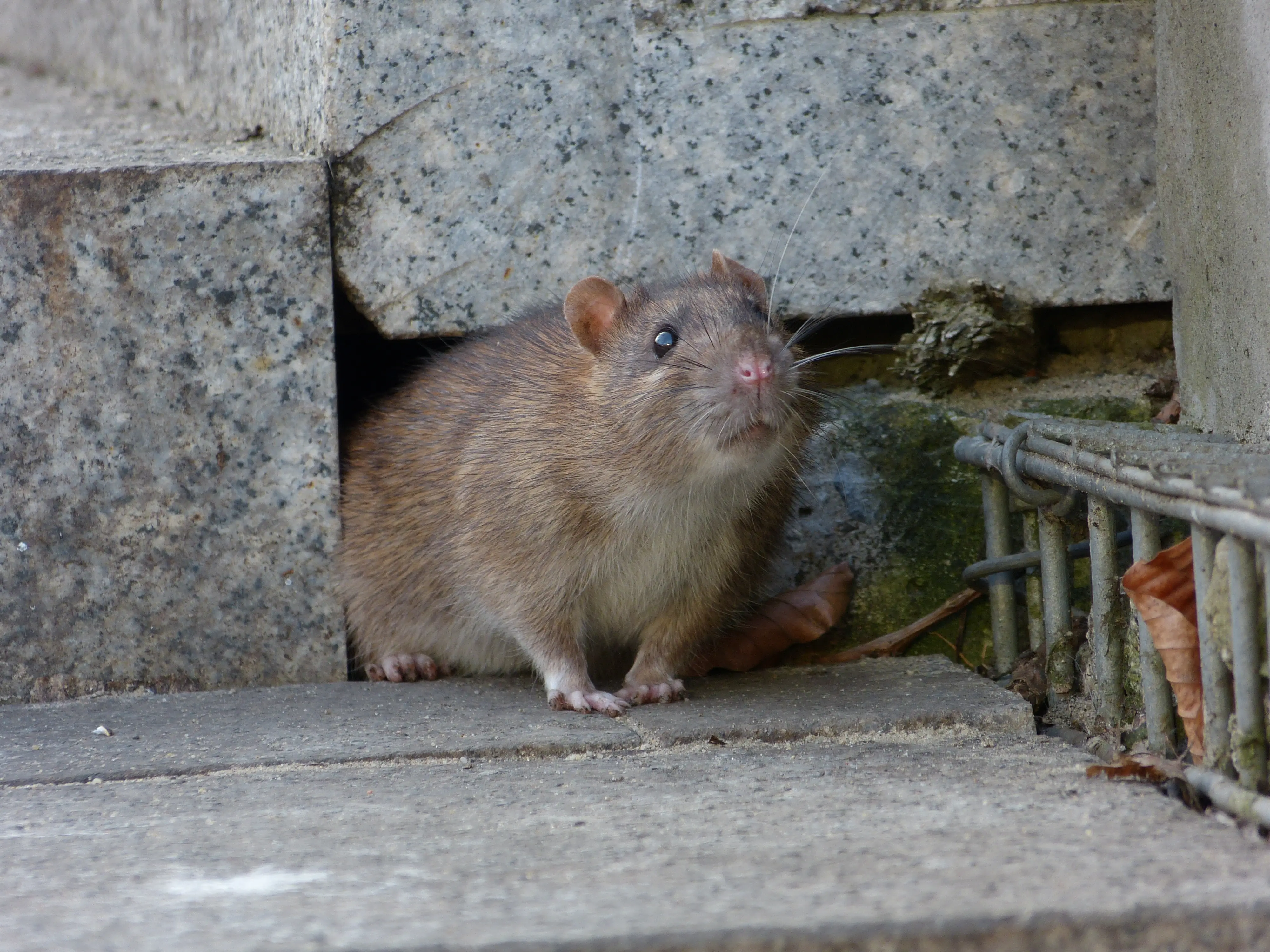
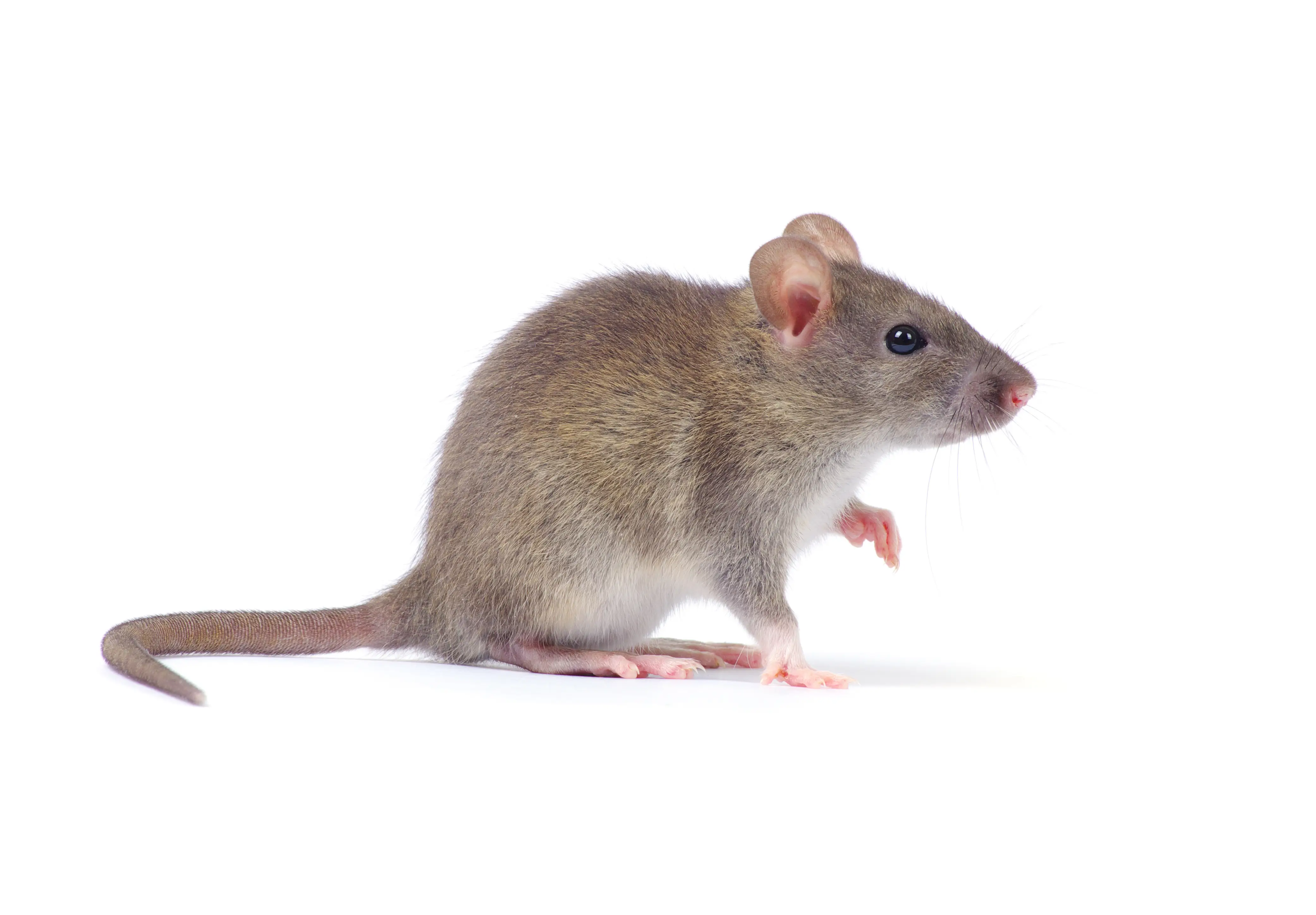
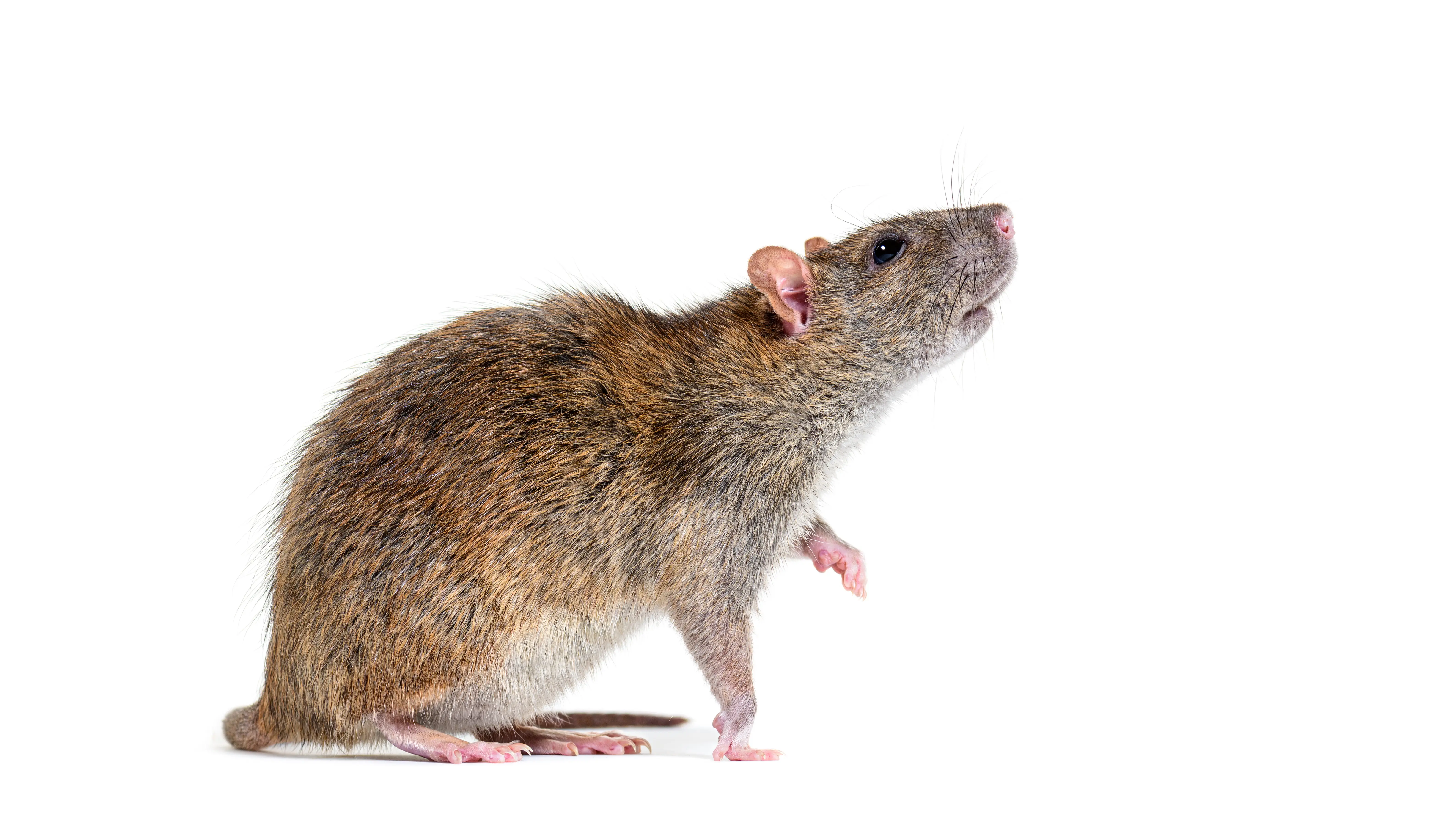
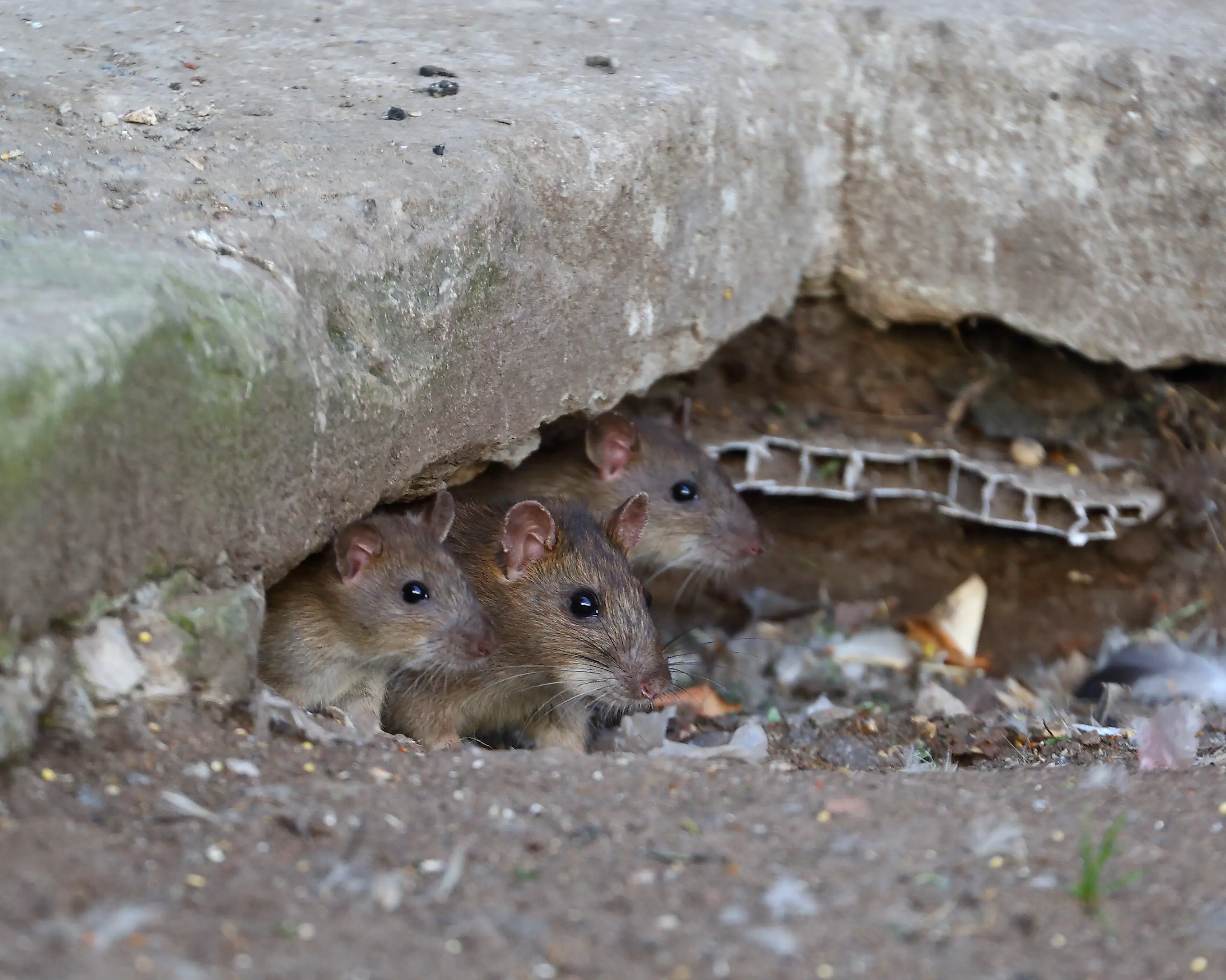
Brown rat showing typical size and features
By Gary Anderson||6 min read

How Big Can Rats Get?

A complete guide to rat sizes by species, what affects their growth, and the largest rats in the world.

With over 60 recognized rat species, these rodents vary significantly in size and habitat preferences. The size of a rat can be quite telling of its species and living conditions, as factors like available food supply profoundly impact their growth.

Interestingly, many rats have long tails that grow even longer than their bodies, adding significant length to their distinctive physical characteristics. Among the different types, the black rat and brown rat are perhaps the most commonly encountered by humans.

Common Rat Sizes

Brown Rats: 7-10 inches body, up to 20 inches total
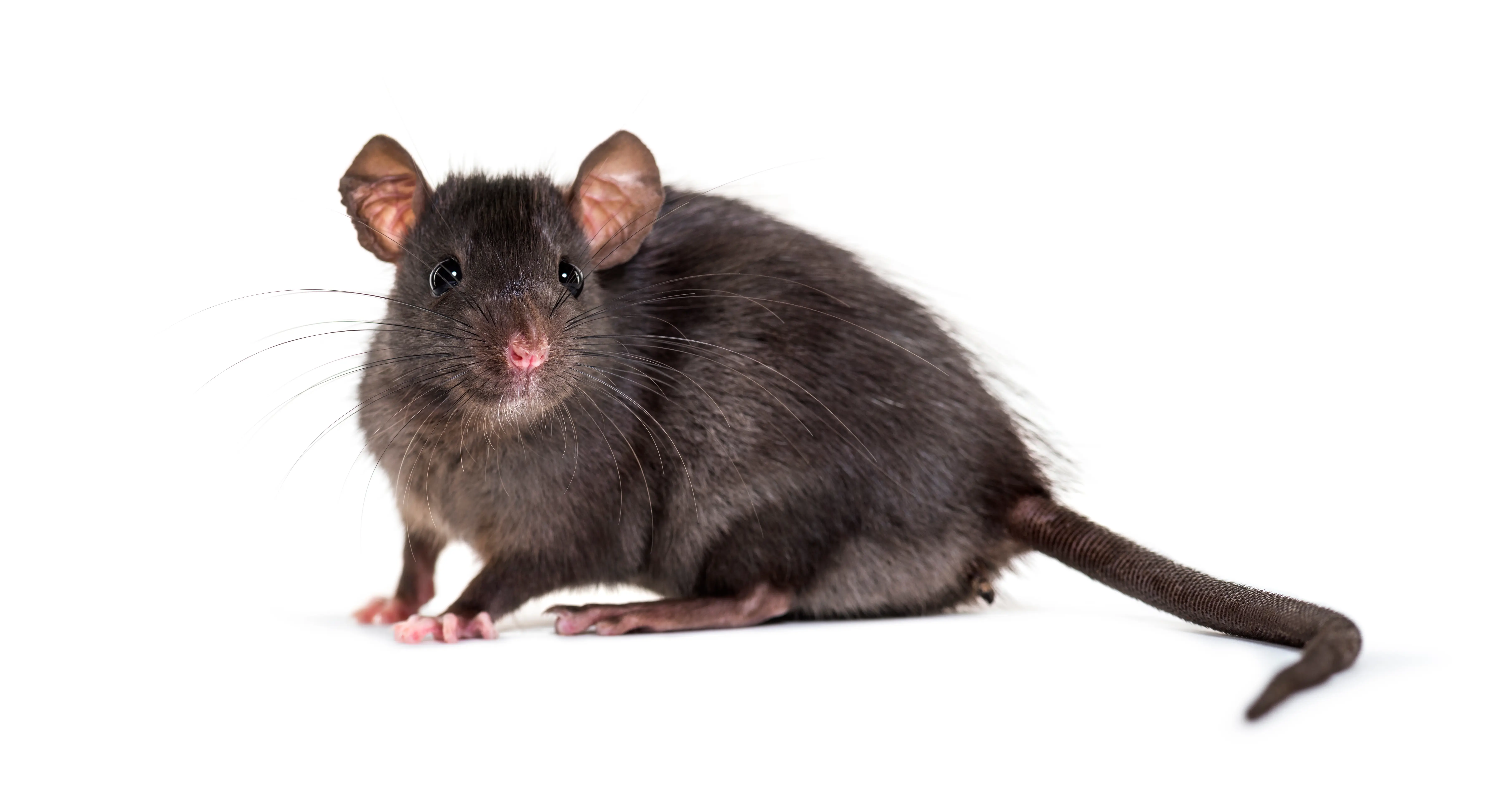
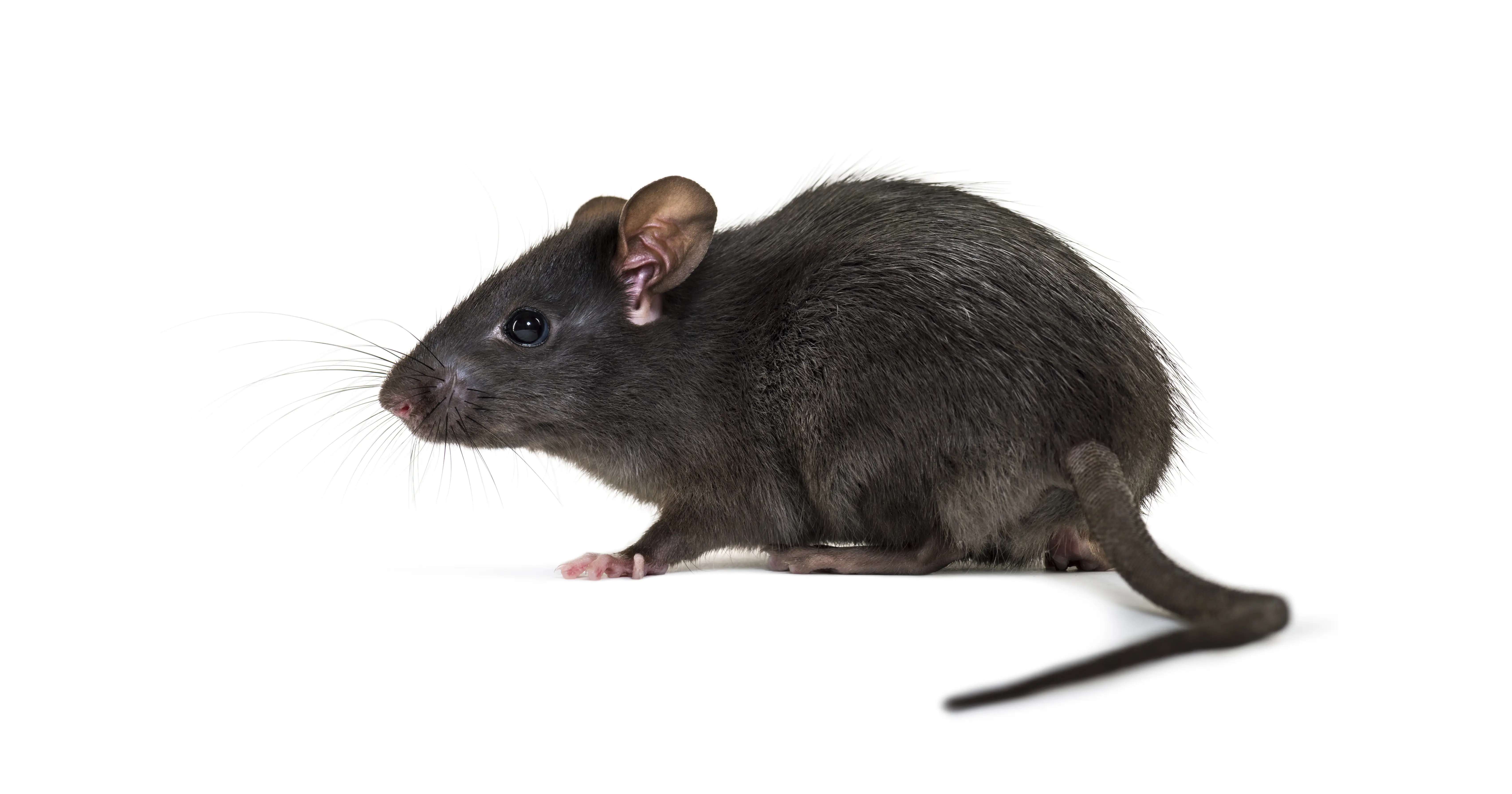
Black Rats: 5-7.5 inches body, 11-18 inches total
Pack Rats: 6-7 inches body, 12-14 inches total

Quick Facts

Species Count
Over 60 recognized
Largest Recorded
32-34 inches (Bosavi)
Wild Lifespan
12-18 months typically

Size Comparison of Common Rat Species

Rat SpeciesAvg Body LengthAvg Tail LengthAvg Weight
Brown Rats7 - 10 inches5 - 9 inches0.6 - 1 pound
Black Rats5 - 7.5 inches6 - 9 inches0.15 - 0.5 pound
Pack Rats6 - 7 inches6 - 7 inches0.5 - 1 pound
Marsh Rats6 - 8 inches5 - 7 inches0.4 - 0.6 pound
Gambian Pouched Rats15 - 17 inches14 - 17 inches3 - 4 pounds

How Big Do Rats Get in the Wild?

Wild rat species are often recognized as invasive species because they are known for their tenacity in thriving in diverse and often challenging environments.

Brown Rats (Norway Rats)

Rattus norvegicus

Originally from China, now widespread across the US and Canada. Adults can weigh 10 ounces or more with a combined length of nearly 20 inches. They create intricate burrow systems and are commonly found in sewers and garbage dumps. The largest recorded brown rat measured 21 inches from nose to tail.

Black Rats (Roof Rats)

Also known as house rats

Smaller relatives within the rodent family with body lengths of 5 to 7.5 inches. Total length reaches 11 to 18 inches. Excellent climbers that evolved to live in trees, now found in attics, eaves, and roofs. Despite the name, they exhibit various shades including light brown.

Marsh Rats

North American native species

Found predominantly in wetland regions of the southeastern United States. Similar body length to black rats but with shorter tails, reaching 11 to 15 inches total. Fur ranges from grayish brown to reddish hue, reflecting their marsh habitats.

Pack Rats (Woodrats)

Native to North America

Found spanning western US, Canada, and northern Mexico. Average weight around 9.5 ounces, reaching 12 to 14 inches long. Notorious for gathering materials for their elaborate nests, often near electrical wiring, creating potential hazards.

What Factors Impact a Rat's Size?

The size of a rat is not solely a matter of species. Several factors play pivotal roles in determining the size of these pests:

Genetics

Serves as the blueprint for physical attributes. Each species carries a unique genetic code defining size range parameters and growth limits.

Age

Wild rats live 12 to 18 months, limiting growth time. It takes about 7 months to reach full size, leaving little time for exceptional growth.

Competition

Living in dense colonies means constant competition for food, territory, and mates. Only the strongest secure enough resources to grow larger.

Resources

Rats consume about 20 grams of food daily. Protein-rich diets are critical for tissue and muscle development during growth periods.

Predation

Rats are targeted by foxes, cats, dogs, birds, and humans. Predators limit opportunities to reach larger sizes or older ages.

Sex

Male rats grow significantly larger than females. Males can reach 800 grams while females of the same species may only reach 500 grams.

Environment

Urban rats benefit from abundant human trash, leading to larger sizes. Rural rats face stiffer competition and more predators.

Dealing with Rats in Your Home?

Our experts can identify the species, locate entry points, and eliminate your rat problem effectively.

Call (866) 326-2847

Why Does Size Matter?

Size plays a crucial role in the survival and behavioral dynamics of rats, influencing everything from social hierarchy to interaction with human environments:

Social Hierarchy

In rat communities, larger rats typically assert dominance over smaller ones. This affects access to resources like food and shelter. Larger males often exhibit more bold and aggressive behaviors.

Home Invasion

Despite their ability to squeeze through surprisingly small openings, larger rats may need to force their way in by widening gaps with their teeth or claws. This increases the likelihood of noise and noticeable signs of infestation.

Pest Control Implications

Understanding size-related behaviors can enhance pest control efforts, allowing for more targeted and effective management strategies to mitigate the challenges posed by these adaptable pests.

What Are the Largest Rat Species Around the World?

Around the world, there are several rat species known for their impressive sizes that far exceed those of more commonly encountered rats:

Bosavi Woolly Rat

Papua New Guinea

Up to 32 inches long and 3.5 pounds. Discovered in the crater of Mount Bosavi, an extinct volcano. Known for its dense, silver-gray coat.

Sumatran Bamboo Rat

Southeast Asia

Reaches lengths of 1.6 feet and can weigh up to 8.8 pounds, making it one of the heaviest rat species.

Northern Luzon Cloud Rat

Philippines

Boasts a body length of 2.5 feet and weight of 5.7 pounds, making it one of the heaviest rat species.

Gambian Pouched Rat

Africa

The largest recorded measured just under 3 feet long and weighed 3 pounds. Known for their significant size.

Contact EcoGuard Pest Management if You Are Dealing with Rats

If you are encountering issues with rats, EcoGuard Pest Management is here to help. Our experienced team is equipped with the knowledge and tools necessary to effectively manage and eliminate rat infestations, ensuring your home or business remains safe and pest-free.

Call (866) 326-2847Get Free Quote

Rat Size FAQs

What is the biggest size of a rat?

The largest rat ever recorded is the Bosavi woolly rat, discovered in Papua New Guinea, which can reach a size of up to 32 to 34 inches from the tip of its nose to the end of its tail and weigh about 3.5 pounds. This species lives in a very isolated area within the crater of Mount Bosavi, an extinct volcano, and is known for its sizable build and dense, silver-gray coat. Such large sizes are exceptionally rare among rat species worldwide.

Do giant rats exist?

Giant rats do exist, but they are extremely rare and typically found only in specific regions. The Bosavi woolly rat, for example, was discovered in Papua New Guinea and can grow up to 32 inches in length and weigh as much as 3.5 pounds. These larger species are uncommon and generally inhabit isolated ecological niches.

From Our Blog

Related Articles

Different Types of Rat Species in North America

Different Types of Rat Species in North America

Learn about common rat species including brown rats, black rats, packrats, and marsh rats. Identification, behavior,...

Read Article
How Long Do Rats Live? Lifespan, Life Cycle & Reproduction

How Long Do Rats Live? Lifespan, Life Cycle & Reproduction

Learn about rat lifespan, life cycle stages, reproduction rates, and factors affecting longevity. Understand why rat...

Read Article
How to Get Rid of Rats: Complete Control Guide

How to Get Rid of Rats: Complete Control Guide

Learn how to get rid of rats in your house and yard. Traps, prevention, exclusion, deterrents, and when to call...

Read Article
How to Identify and Get Rid of Rat Holes and Burrows

How to Identify and Get Rid of Rat Holes and Burrows

Learn how to identify rat holes and burrows, understand the dangers they pose, and discover effective methods to...

Read Article
How to Repel Rats: A Comprehensive Guide

How to Repel Rats: A Comprehensive Guide

Learn effective rat repellent strategies including natural deterrents, chemical options, exclusion tactics, and where...

Read Article
Mice & Rat Diseases: Transmission, Symptoms & Prevention

Mice & Rat Diseases: Transmission, Symptoms & Prevention

Learn about diseases transmitted by rats and mice including hantavirus, plague, salmonella, and rat bite fever....

Read Article
What are Rats? Species, Behavior, Signs & Control

What are Rats? Species, Behavior, Signs & Control

Learn about rats including Norway and roof rat species, behavior, diet, reproduction, signs of infestation, and how to...

Read Article
What are Roof Rats? Identification, Prevention & Control

What are Roof Rats? Identification, Prevention & Control

Learn about roof rats (black rats), their behavior, what attracts them, signs of infestation, and how to prevent and...

Read Article
What Do Rats Eat? Diet, Food Preferences & Trapping Baits

What Do Rats Eat? Diet, Food Preferences & Trapping Baits

Learn what rats eat, what attracts them to your home and yard, toxic foods for rats, and the best foods for trapping...

Read Article
What Does Rat Poop Look Like? Identification and Health Risks

What Does Rat Poop Look Like? Identification and Health Risks

Learn how to identify rat droppings, understand the health risks they pose, and discover safe cleanup methods. Complete...

Read Article