EcoGuard Pest Management
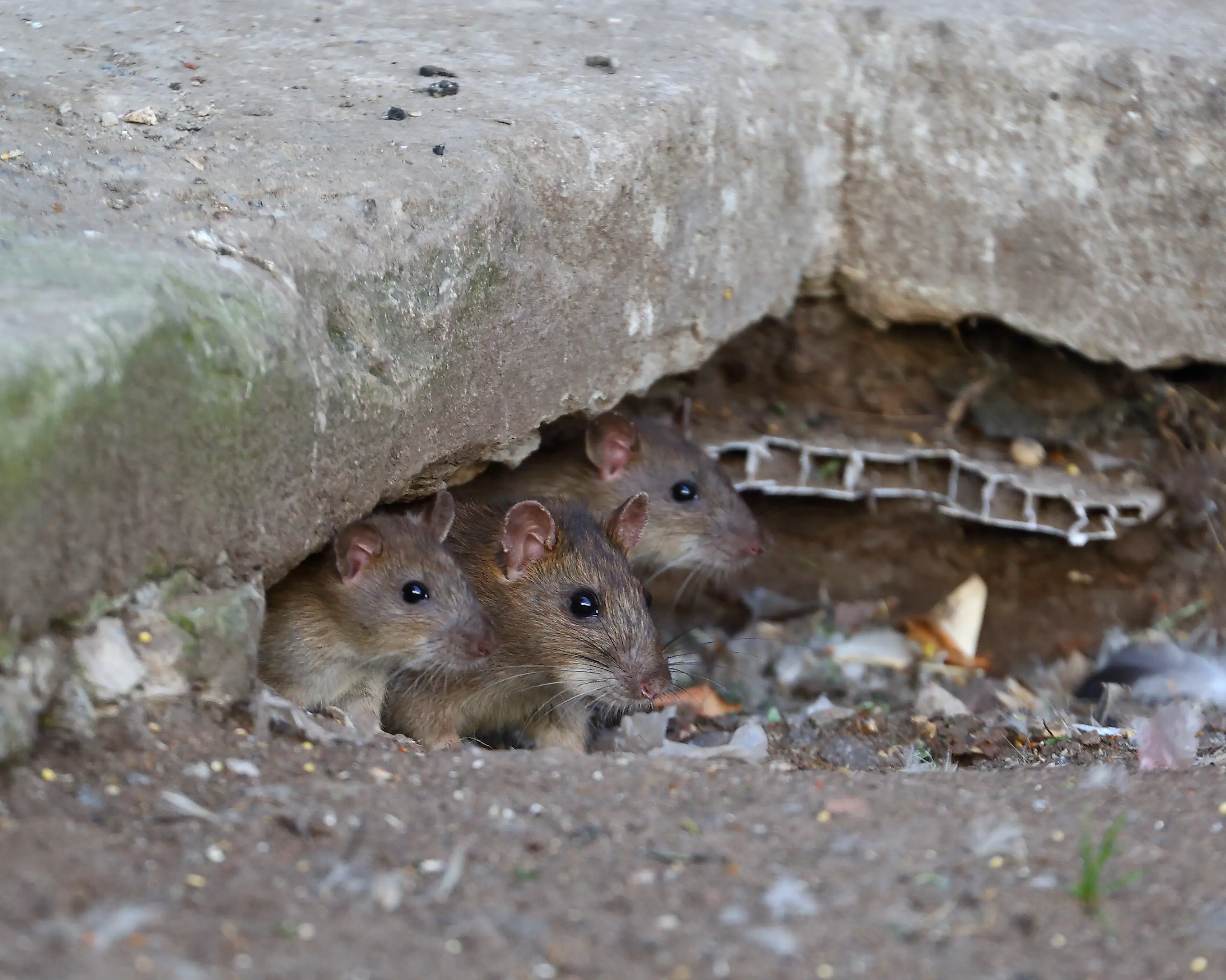
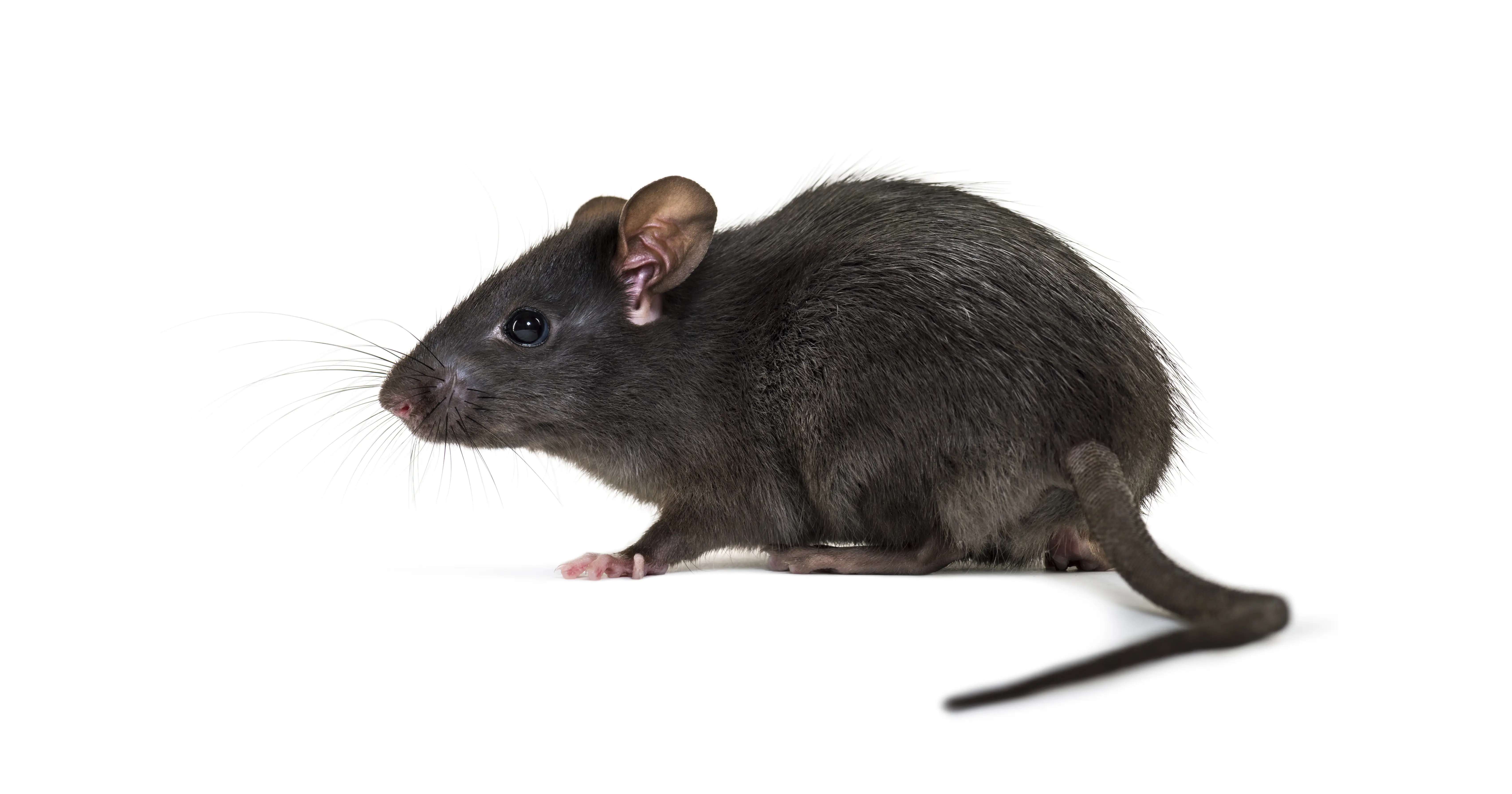
Roof rat climbing on building exterior
By Gary Anderson||5 min read

What are Roof Rats?

Identification, behavior, prevention, and control methods for black rats.

Roof rats are also commonly known as black rats or ship rats. They are smaller compared to Norway rats and are notorious for their preference to inhabit the upper parts of buildings like attics, roofs, and upper floors.

Their exceptional climbing ability helps them find shelter in places that would otherwise be very difficult to reach. Unlike other rats that seek shelter from the ground up, roof rats use overhanging tree branches to infiltrate a home's roof and gain access via the attic.

Health & Property Risks

Roof rats can carry and transmit diseases like Salmonella, dysentery, and E. Coli. They gnaw through wood, drywall, insulation, wires, and pipes. Given their rapid reproduction rate, addressing infestations immediately is critical.

Quick Facts

Size: 6-8 in body + 7-10 in tail
Weight: 5-9 oz (up to 12 oz)
Lifespan: Up to 1 year
Offspring: Up to 40/year
What Do Roof Rats Look Like?

6-8 in
Body Length
7-10 in
Tail Length
5-12 oz
Weight
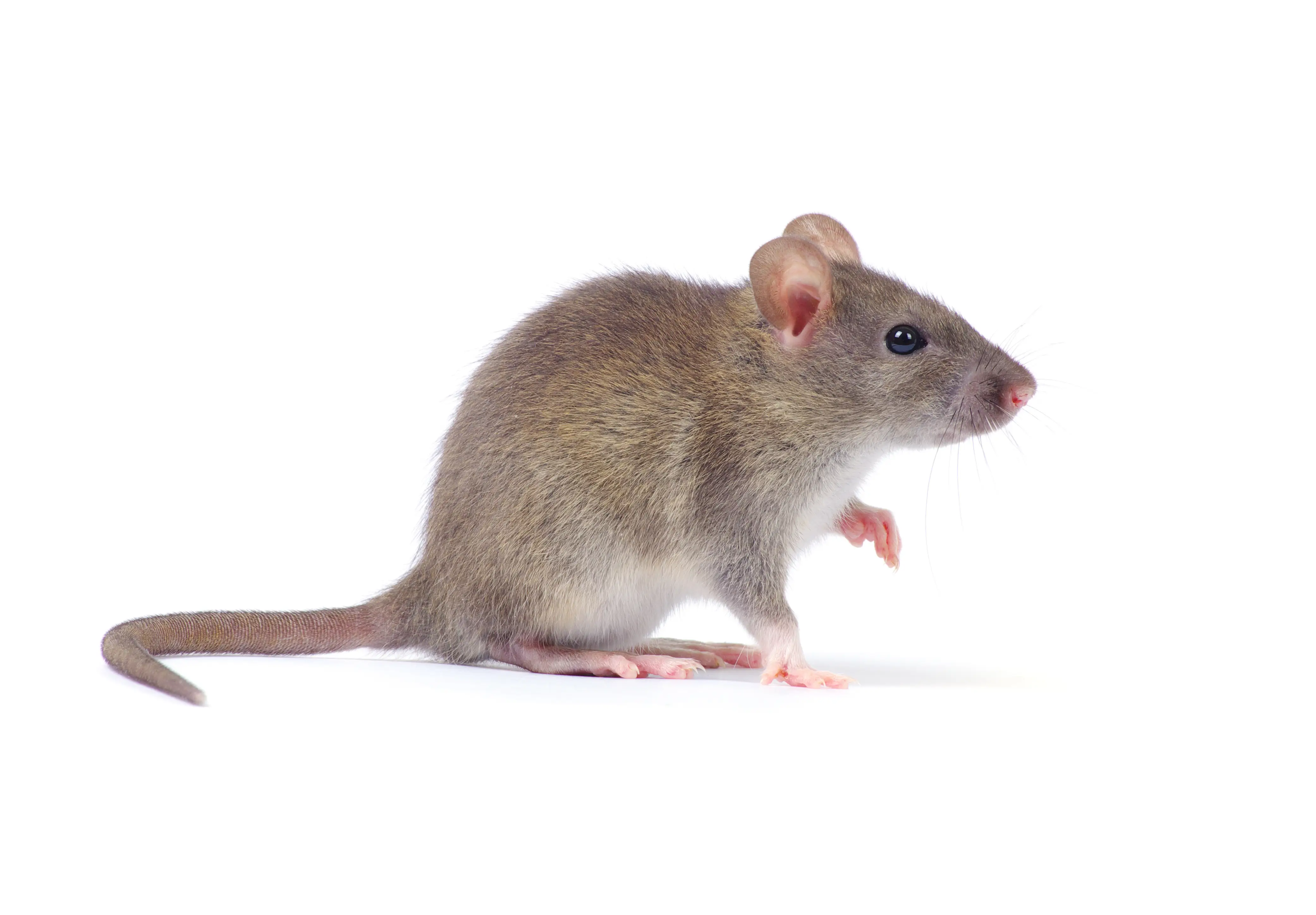
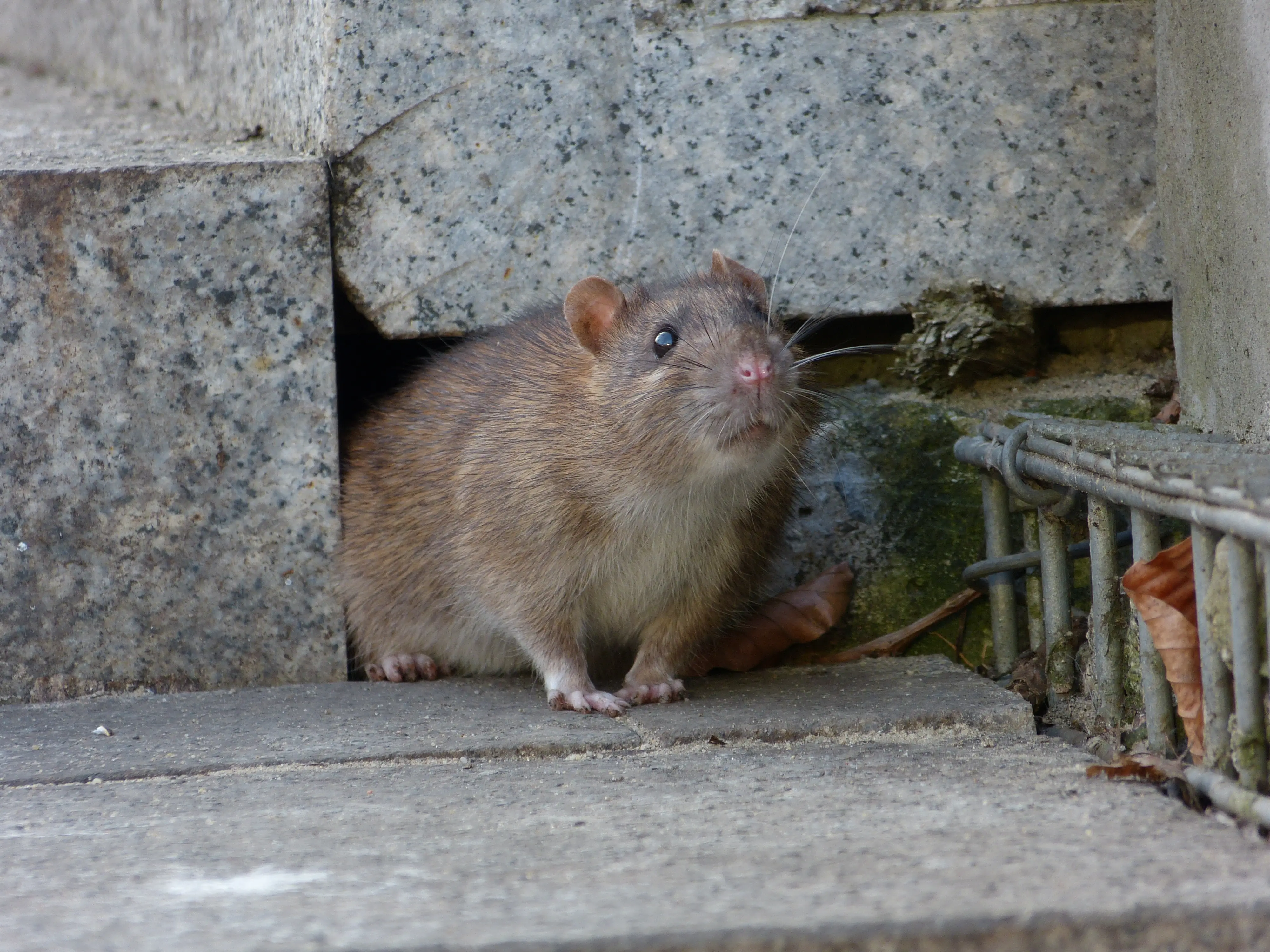
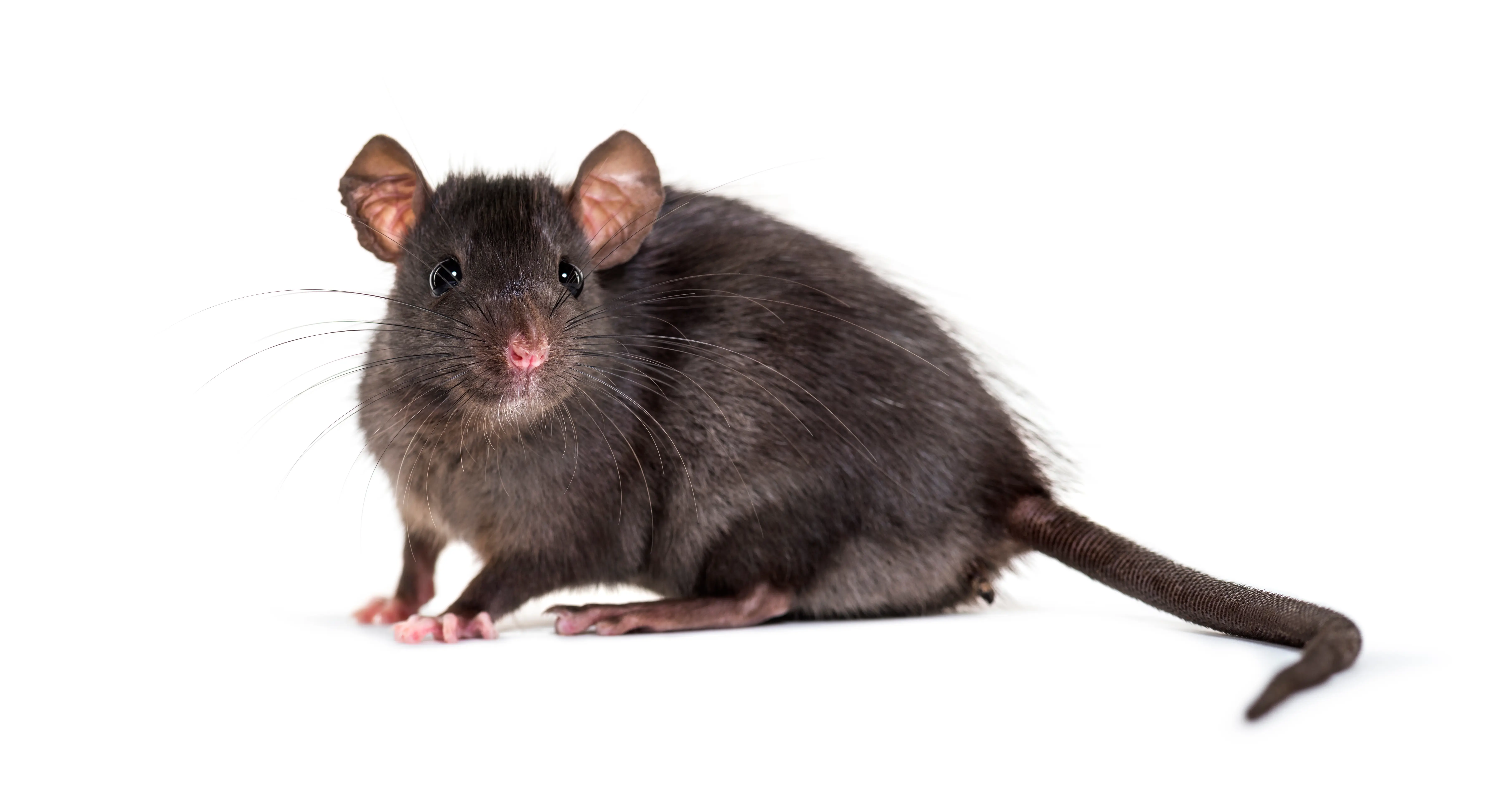
Color: Black to brown with lighter (white/gray) underbelly
Eyes & Ears: Large eyes and ears, pointed nose
Tail: Scaly, hairless, longer than head + body combined
Fur: Smooth, soft, sometimes oily (sleek appearance)

What Attracts Roof Rats?

Food

Easy access to food not securely stored, pantry items, leftovers, and unsecured outdoor trash cans.

Water

Like all living creatures, roof rats need water. They seek places near moisture sources to stay hydrated.

Shelter

Inclement weather drives them indoors. They seek cozy spaces like attics, crawl spaces, and wall interiors.

Entry Points

Adept climbers that use overhanging branches, vents, and chimneys to access rooftops and enter homes.

Coverage

Heavy shrubbery, tall grass, and unkempt yards provide hiding places from predators.

What Do Roof Rats Eat?

Roof rats are omnivorous scavengers that consume a wide variety of foods. They are also called "fruit rats" or "citrus rats" because they feed on fruit trees.

Fruits

Primary food source

Seeds & Nuts

Hoard for later

Grains

Agricultural pest

Meats

When available

Insects

Protein source

Suspect a Roof Rat Infestation?

Roof rats multiply quickly and pose health risks. Get professional inspection today.

Call (866) 326-2847

Roof Rat Behavior & Reproduction

Behavior

  • Nocturnal: Forage at night in small groups
  • Habitual: Use same paths between nest and food
  • Excellent climbers: Access upper parts of structures
  • Colonial: Live in colonies, prefer high places
  • Lifespan: Typically up to one year

Reproduction

  • Sexual maturity: 2-5 months of age
  • Litters per year: 4-6 litters
  • Litter size: 6-8 young per litter
  • Breeding: Year-round (no specific season)
  • One female: Up to 40 offspring/year

Are Roof Rats a Threat?

Disease Transmission

Carriers of typhus, infectious jaundice, trichinosis, E. Coli, and salmonellosis. Transmitted through urine and droppings.

Food Contamination

Spread disease indirectly by contaminating food or food preparation surfaces with droppings or urine.

Aggressive Behavior

When threatened or trapped, may bite and transmit rat-bite fever.

Parasites

Can introduce fleas, mites, and ticks into your household.

Structural Damage

Gnaw through plastic, lead pipes, drywall, wood, plaster, upholstery, and electrical wires.

Fire & Water Hazards

Chewed wires increase fire risk. Damaged water pipes cause bursts and leaks.

Signs of a Roof Rat Infestation

Rodent Sightings

Live or dead roof rats

Droppings

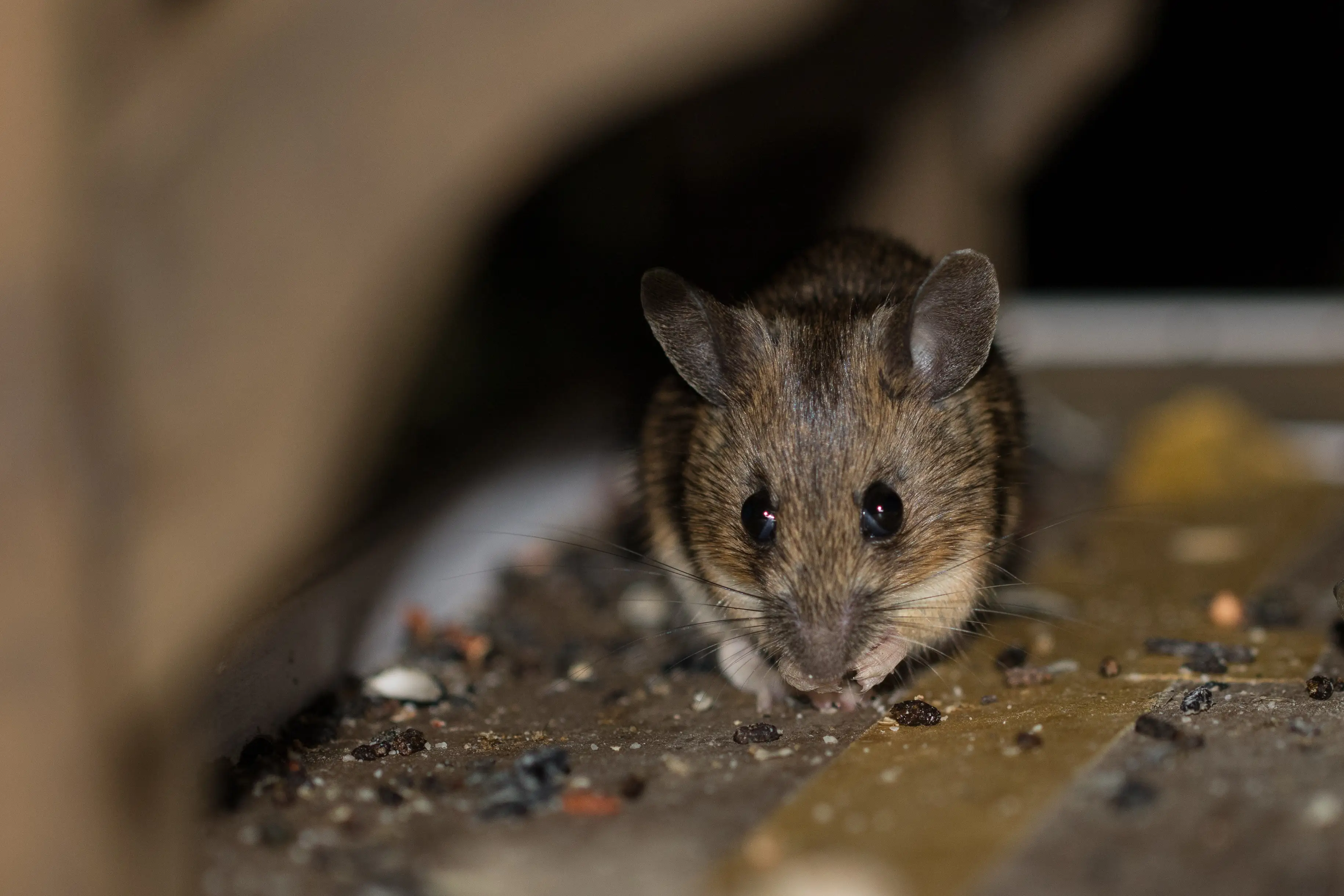
Capsule-shaped, 1/4-1/2 inch, pointed ends

Gnaw Marks

On wood, plastic, siding, sheetrock

Nests & Rub Marks

In insulation, greasy marks on walls

Noises

Running/digging sounds at night

Damaged Wires

Exposed, chewed electrical wiring

Odors & Stains

Ammonia smell, urine stains

Hollowed Fruits

Fruits eaten from the inside

Prevention & Control

Prevention

  • Seal entry points: Close holes larger than a quarter
  • Manage food: Store in sealed hard plastic containers
  • Proper waste: Keep garbage cans tightly secured
  • Remove nesting sites: Clean wood piles, clear clutter
  • Control water: Fix leaky pipes, eliminate standing water
  • Maintain yard: Trim trees near house, cut overgrown vegetation

Control Methods

  • Bait: Nuts, berries, peanut butter, cheese (avoid poison baits)
  • Snap traps: Effective indoors/outdoors, away from children/pets
  • Electronic traps: High-voltage, humane, reusable, safer around pets
  • Professional services: Recommended for complete eradication
Note: Poison baits are not recommended as rats may die inside wall cavities, causing odor and attracting flies.

Contact EcoGuard Pest Management If You Are Dealing with Roof Rats

Dealing with roof rats can be challenging and potentially hazardous. Professional assistance is not just a convenience but a necessity for effective and safe rodent control. EcoGuard Pest Management provides expert services with an integrated pest management approach, combining preventative and extermination strategies. Contact us today for a thorough inspection and customized solution.

Call (866) 326-2847Get Free Quote

Roof Rat FAQs

Are roof rats harmful?

Roof rats can be harmful. They cause damage to property by gnawing on materials and wiring, which can lead to electrical fires. Additionally, roof rats can pose health risks by spreading diseases through their droppings and urine or by carrying parasites like fleas.

How do you get rid of roof rats?

To effectively eliminate roof rats, a combination of exclusion techniques and eradication methods is essential. This includes sealing entry points in your home, maintaining cleanliness in areas with food, and employing traps or baits. For comprehensive and safe removal, consult with a professional pest control service like EcoGuard Pest Management.

What are signs of roof rats?

Signs of roof rats include gnaw marks on wires or building structures, small pellet-shaped droppings, and scratching noises in the attic or walls. You may also find nesting materials like shredded fabric or paper and signs of food packaging that has been gnawed open.

What are roof rats attracted to?

Roof rats are particularly attracted to areas with readily available food sources like fruits, nuts, seeds, and pet food. They also seek shelter and nesting sites in high places like attics or rafters because these places offer warmth and safety.

From Our Blog

Related Articles

Different Types of Rat Species in North America

Different Types of Rat Species in North America

Learn about common rat species including brown rats, black rats, packrats, and marsh rats. Identification, behavior,...

Read Article
How Big Can Rats Get? Size Guide by Species

How Big Can Rats Get? Size Guide by Species

Learn how big rats can get by species, from common brown and black rats to giant species. Discover what factors affect...

Read Article
How Long Do Rats Live? Lifespan, Life Cycle & Reproduction

How Long Do Rats Live? Lifespan, Life Cycle & Reproduction

Learn about rat lifespan, life cycle stages, reproduction rates, and factors affecting longevity. Understand why rat...

Read Article
How to Get Rid of Rats: Complete Control Guide

How to Get Rid of Rats: Complete Control Guide

Learn how to get rid of rats in your house and yard. Traps, prevention, exclusion, deterrents, and when to call...

Read Article
How to Identify and Get Rid of Rat Holes and Burrows

How to Identify and Get Rid of Rat Holes and Burrows

Learn how to identify rat holes and burrows, understand the dangers they pose, and discover effective methods to...

Read Article
How to Repel Rats: A Comprehensive Guide

How to Repel Rats: A Comprehensive Guide

Learn effective rat repellent strategies including natural deterrents, chemical options, exclusion tactics, and where...

Read Article
Mice & Rat Diseases: Transmission, Symptoms & Prevention

Mice & Rat Diseases: Transmission, Symptoms & Prevention

Learn about diseases transmitted by rats and mice including hantavirus, plague, salmonella, and rat bite fever....

Read Article
What are Rats? Species, Behavior, Signs & Control

What are Rats? Species, Behavior, Signs & Control

Learn about rats including Norway and roof rat species, behavior, diet, reproduction, signs of infestation, and how to...

Read Article
What Do Rats Eat? Diet, Food Preferences & Trapping Baits

What Do Rats Eat? Diet, Food Preferences & Trapping Baits

Learn what rats eat, what attracts them to your home and yard, toxic foods for rats, and the best foods for trapping...

Read Article
What Does Rat Poop Look Like? Identification and Health Risks

What Does Rat Poop Look Like? Identification and Health Risks

Learn how to identify rat droppings, understand the health risks they pose, and discover safe cleanup methods. Complete...

Read Article