EcoGuard Pest Management
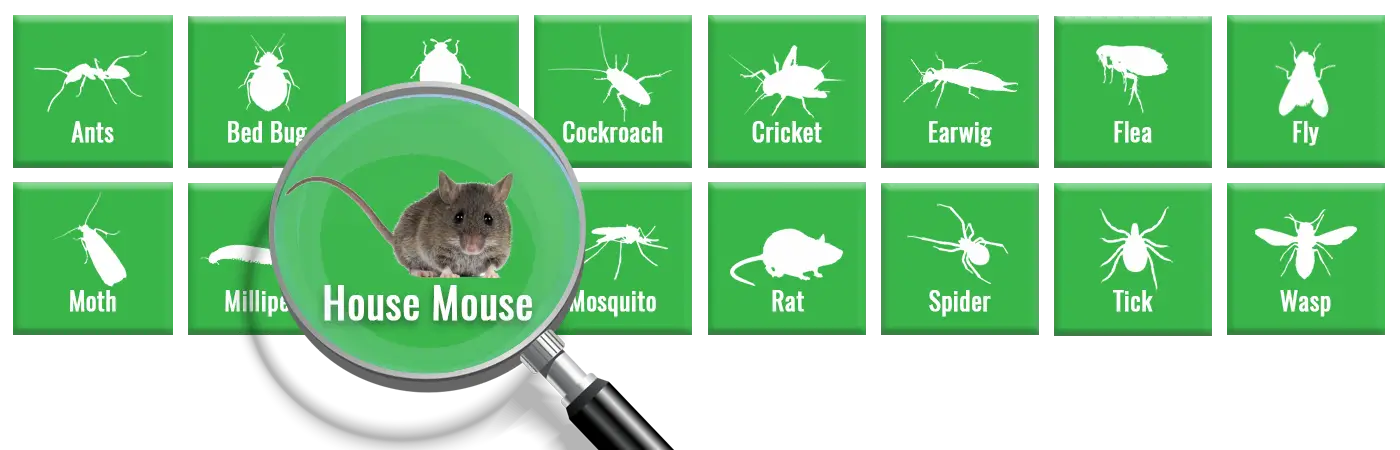
House mouse identification and anatomy
By Gary Anderson||5 min read

What Are Mice?

Complete guide to identification, behavior, threats, prevention, and control.

2-4 inches
Body Length
10 Litters/Year
Up to 8 Pups Each
15-20x
Meals Per Day
Dime-Sized
Entry Hole Needed

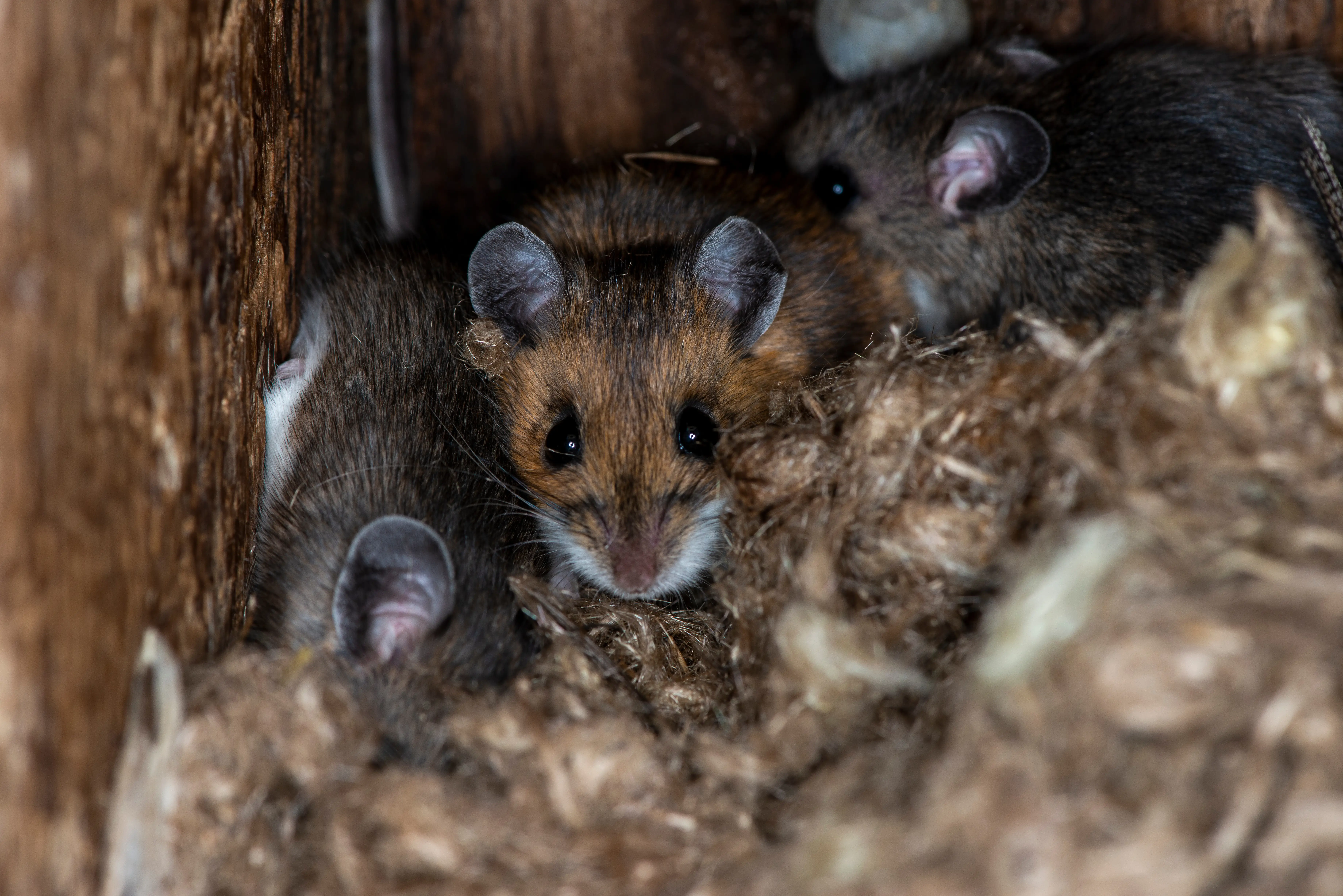
Mice are one of the smallest household rodents. They are intelligent creatures that invade homes in search of food, water, and shelter. The biggest issue is their incredible reproduction rate: just a couple mice can explode into hundreds within months.

Once infestations reach exponential growth, mice consume everything in their path, reaching plague levels that wipe out agricultural harvests, cause immense structural damage, and spread deadly diseases.
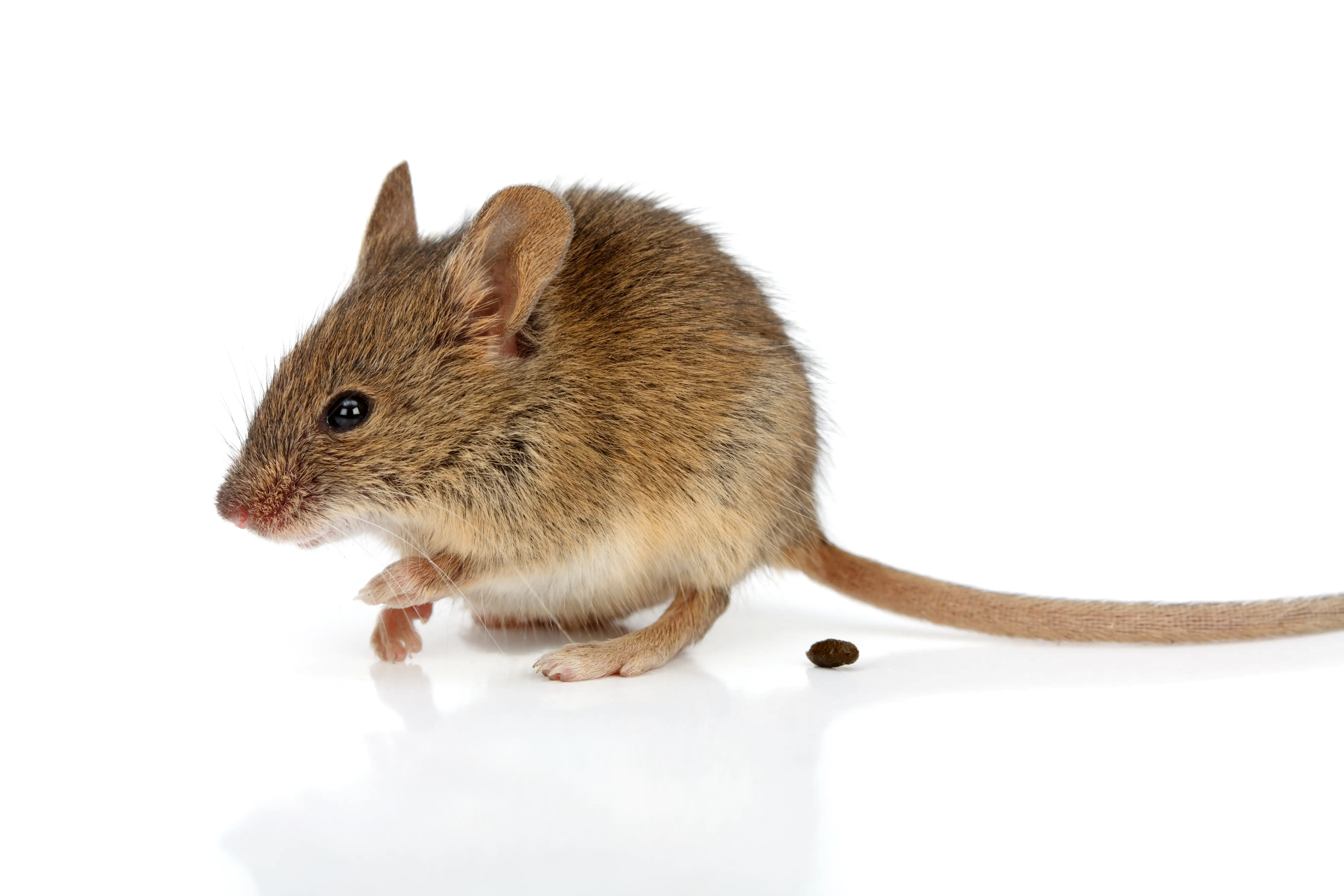
Mice Appearance

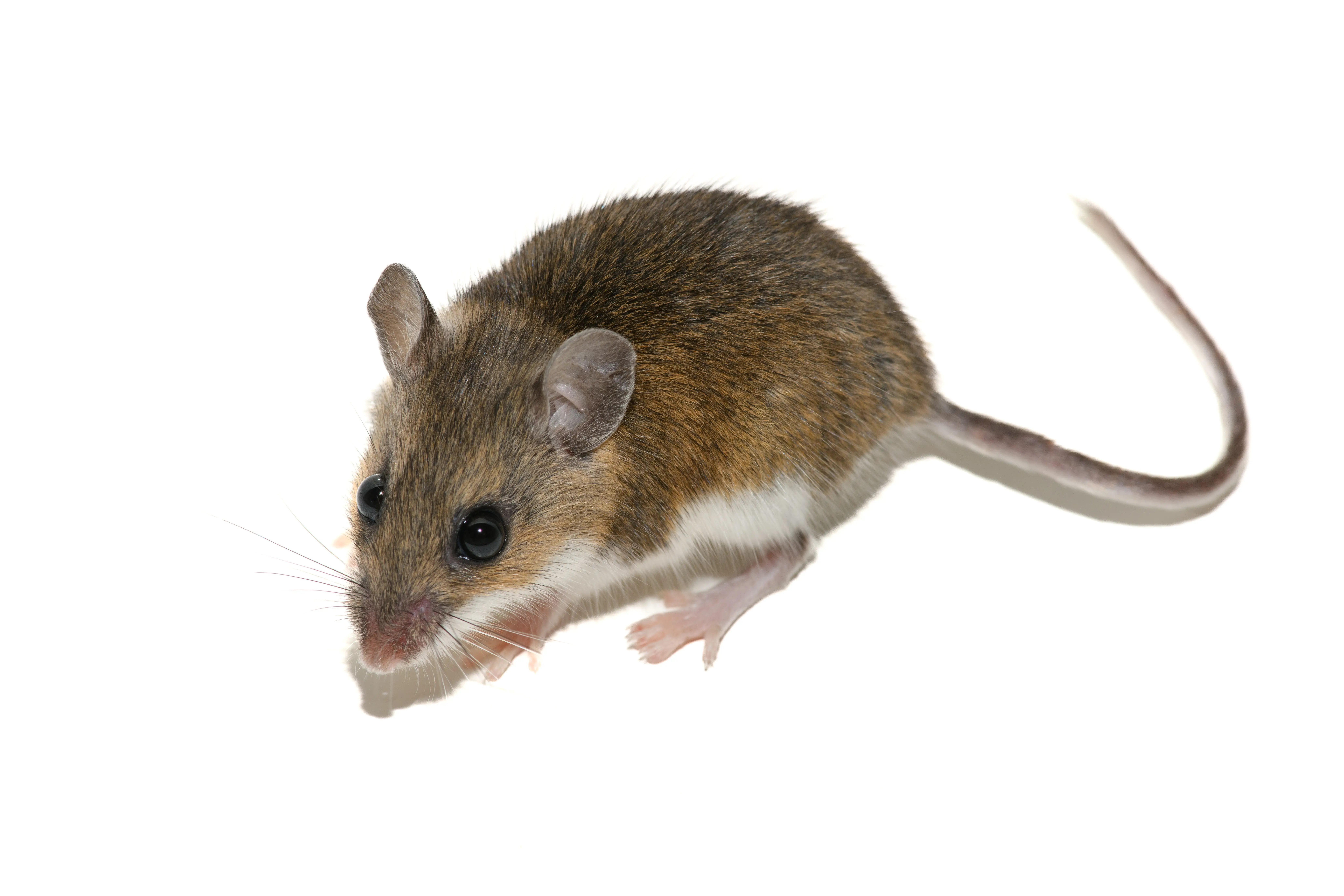
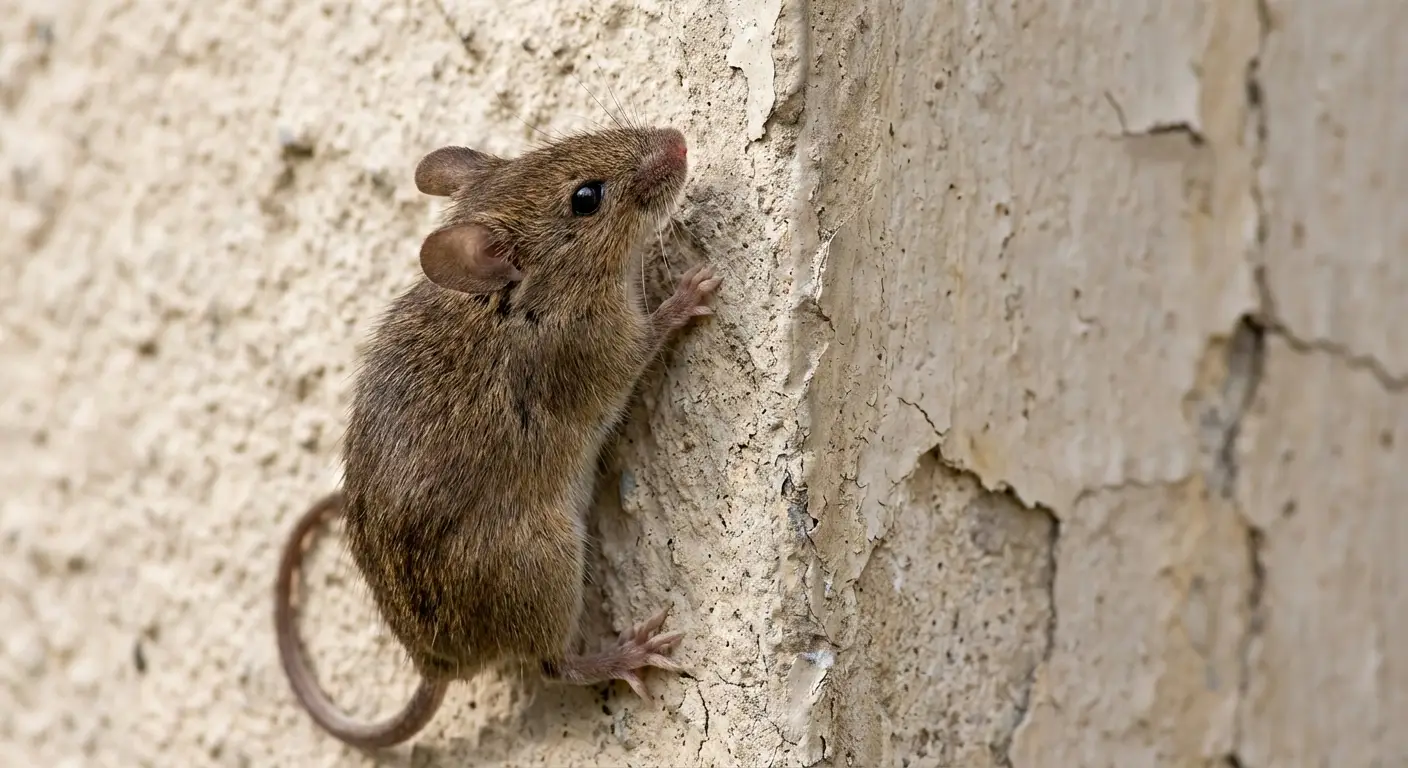
Snout:Pointed, triangular
Ears:Large, protruding
Tail:As long as body, thin with hair
Size:2-4 inches (smaller than rats)
Fur:Short; gray, white, or light brown
Underbelly:Lighter colored

Different Mice Species

House Mouse

Mus Musculus

Most common invasive household mouse. Found worldwide wherever people are. Also a popular pet.

Deer Mouse

Field Mouse

Grayish fur resembling deer color. Distinguished by bicolored tail.

White-footed Mouse

Bicolored coat: light brown/red top with white feet and underbelly. Avoids human contact but may enter homes.

Harvest Mouse

Brown with white belly and faint white stripe on back. Excellent climbers using longer tail for stability.

California Mouse

Large ears and extremely long tail. Brownish coat mixed with darker hairs and white belly.

Mice Behavior

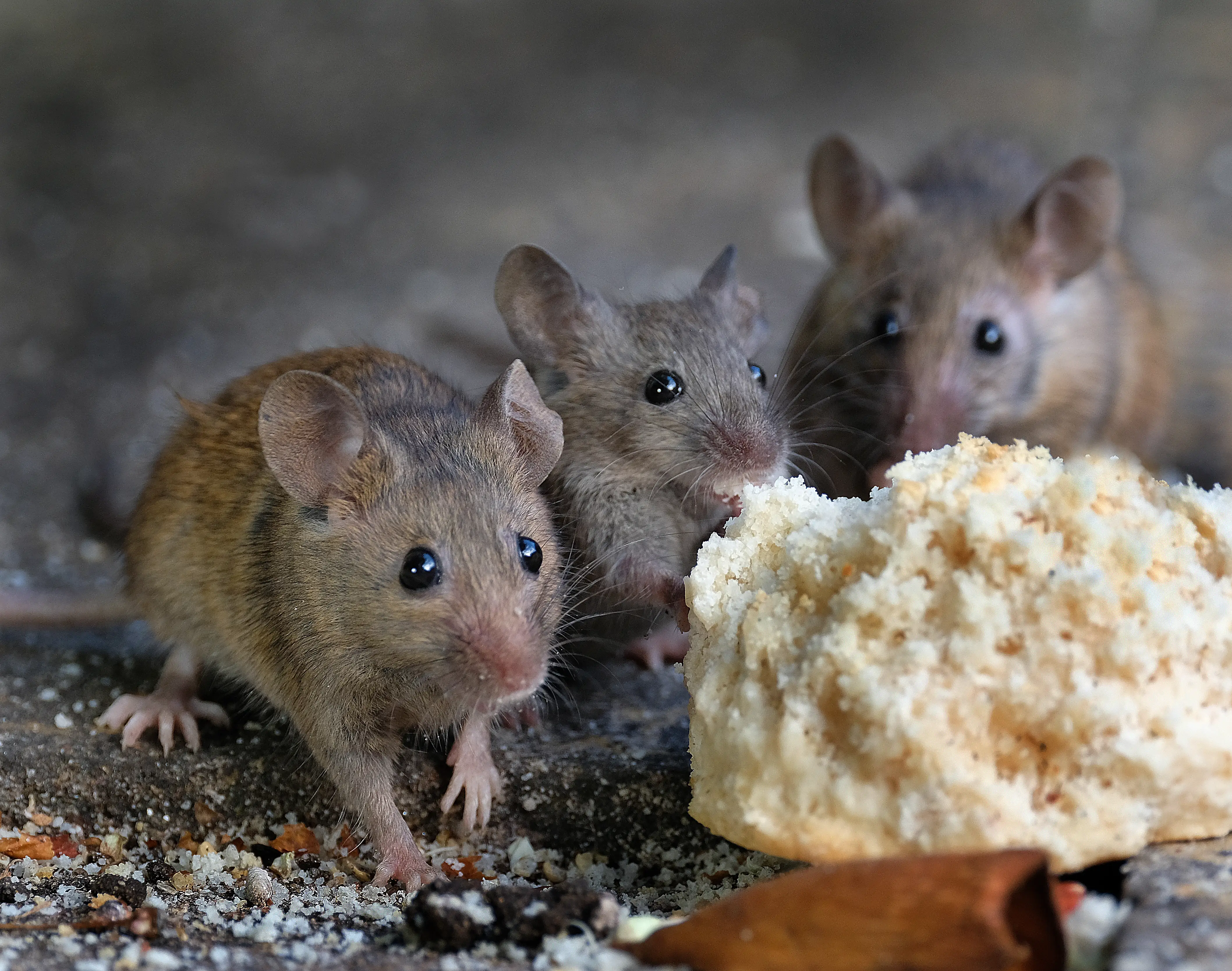
House mice are extremely social, creating colonies with one dominant male and several females. Males are aggressive toward non-related males but coexist with males from their own litters. Mice are nocturnal and spend most of the night searching for food.

Diet

Opportunistic scavengers eating anything humans eat. Prefer grains, cereals, seeds, nuts, fruits, and bugs. Chew through plastic, cardboard, and paper. Eat 15-20 times per day, establishing territory close to food.

Reproduction

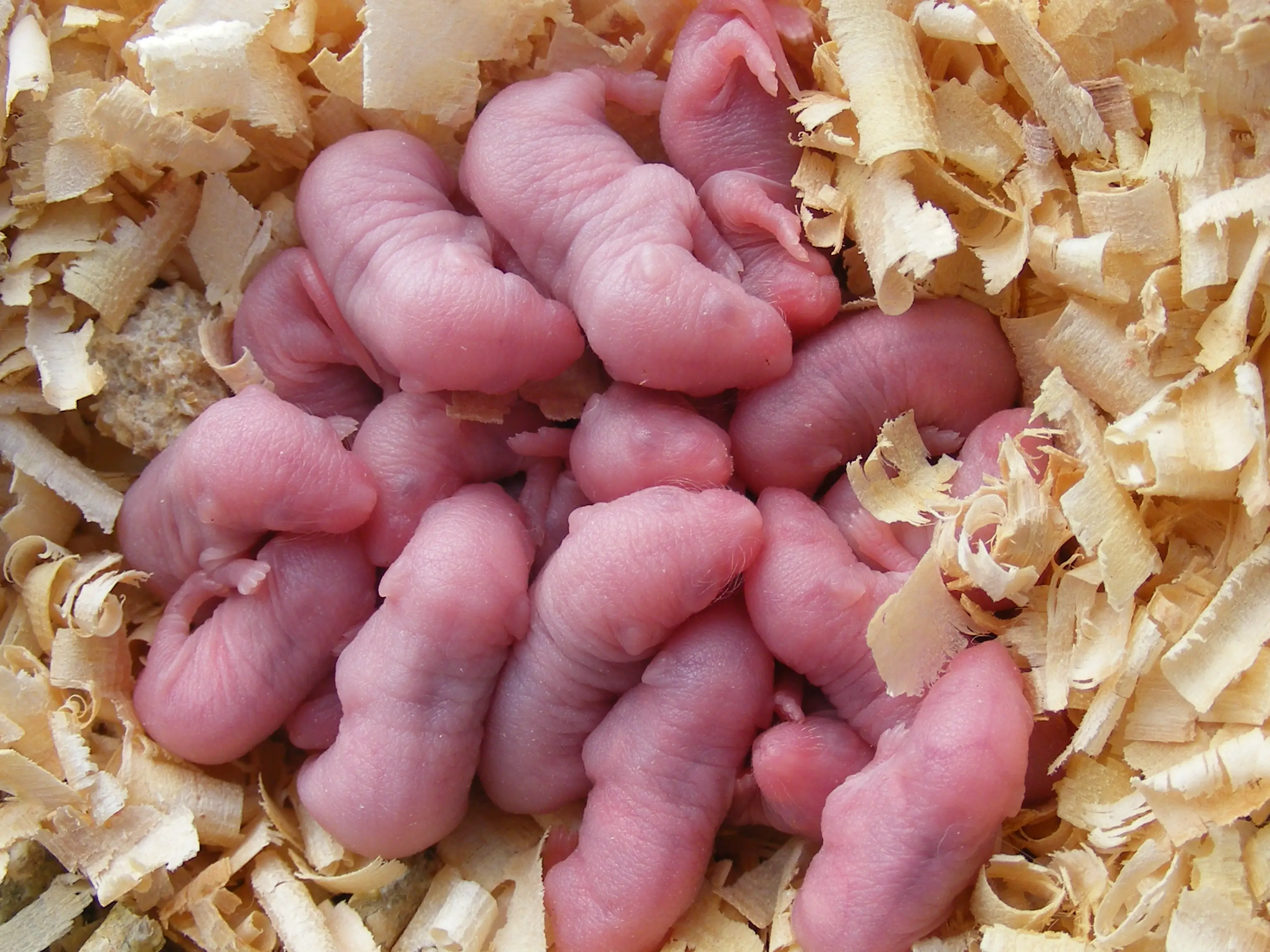
Year-round breeding. One female: up to 10 litters/year with 8 pups each. Sexual maturity at 4-7 weeks. Gestation only 21 days. Wild lifespan: 1-2.5 years. Pet mice: up to 6 years.

Nesting

Prefer quiet, undisturbed places. Destroy linens, upholstery, and insulation for nesting materials. Found in cabinets, pantries, wall cavities. Wild mice burrow underground for predator protection.

Mice Facts

Female = does, Male = bucks, Baby = pinkies/pups
Can jump up to a foot high
Heightened senses except sight (colorblind, shortsighted)
Eat all night; primary meals at dusk and dawn

What Attracts Mice?

Warmth / Shelter

Warm-blooded creatures needing warm, safe places in colder months. Can sense heat through windows. Search for cracks and openings to access warmth.

Food

Excellent sense of smell. Gravitate toward trash, outdoor BBQs, bird feeders. Once they find your home, they find their way inside for abundant food.

Water

Need small amounts of water. Leaky faucets, pipes, and under sinks provide enough hydration to survive.

How Do Mice Get In?

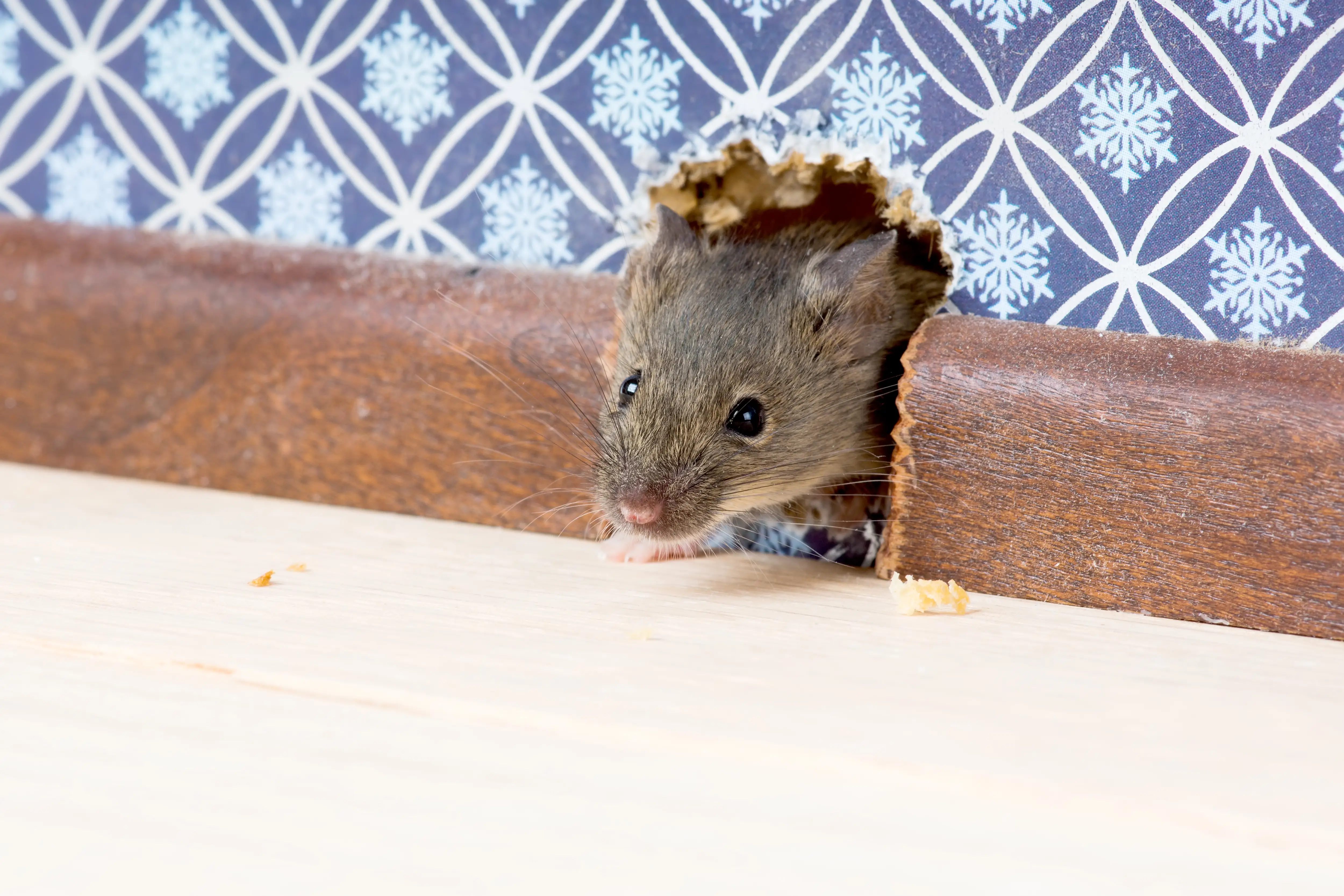
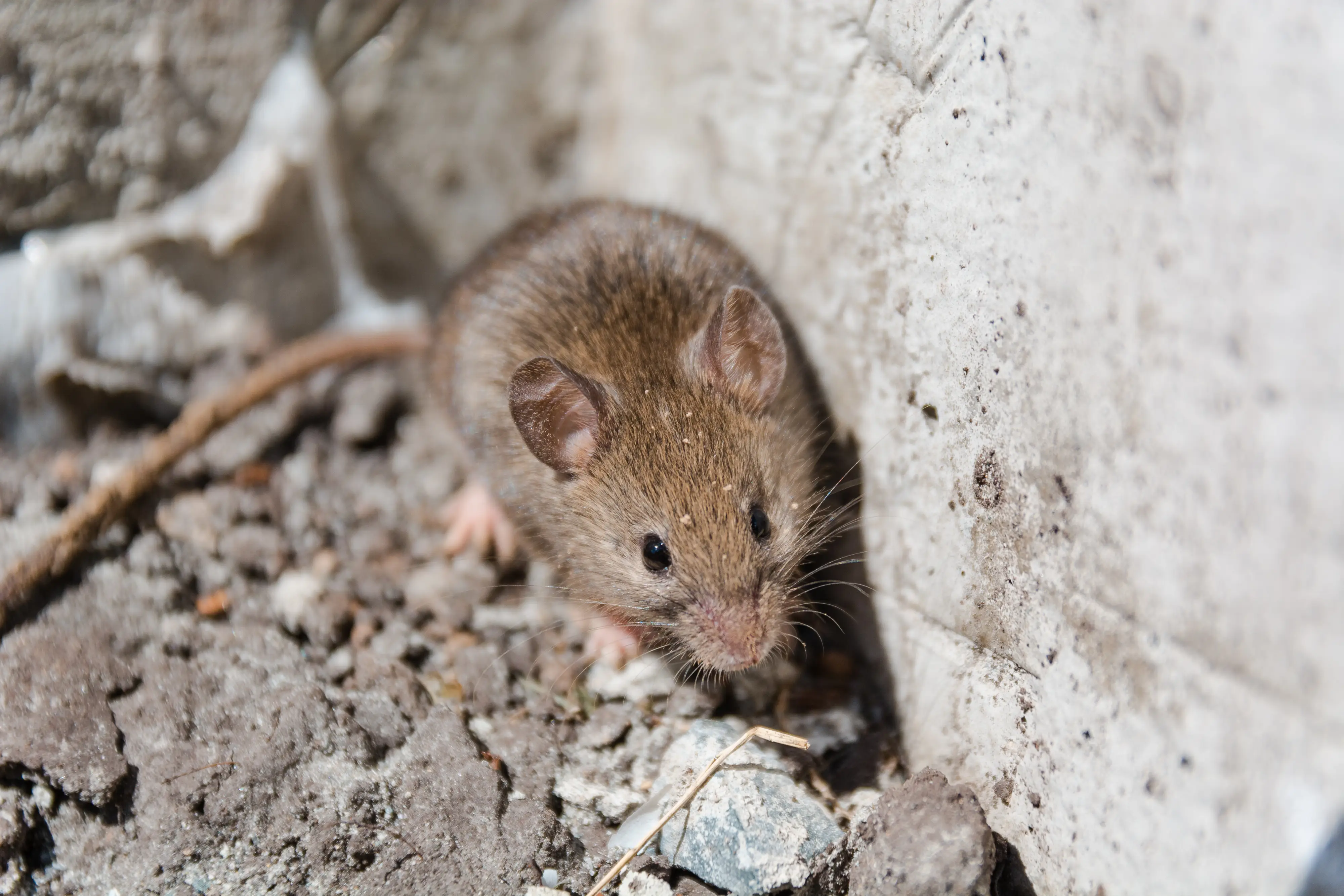
Mice fit through any hole the size of a dime. Entry points include:

VentsFoundation cracksChimneysPipesElectrical conduitDoorwaysWindows

Seeing Signs of Mice?

Act fast before a couple mice become hundreds.

Call (866) 326-2847

Are Mice a Threat?

Mice pose serious threats to health and property. They are disease vectors and will ravage property in search of food.

Property Damage

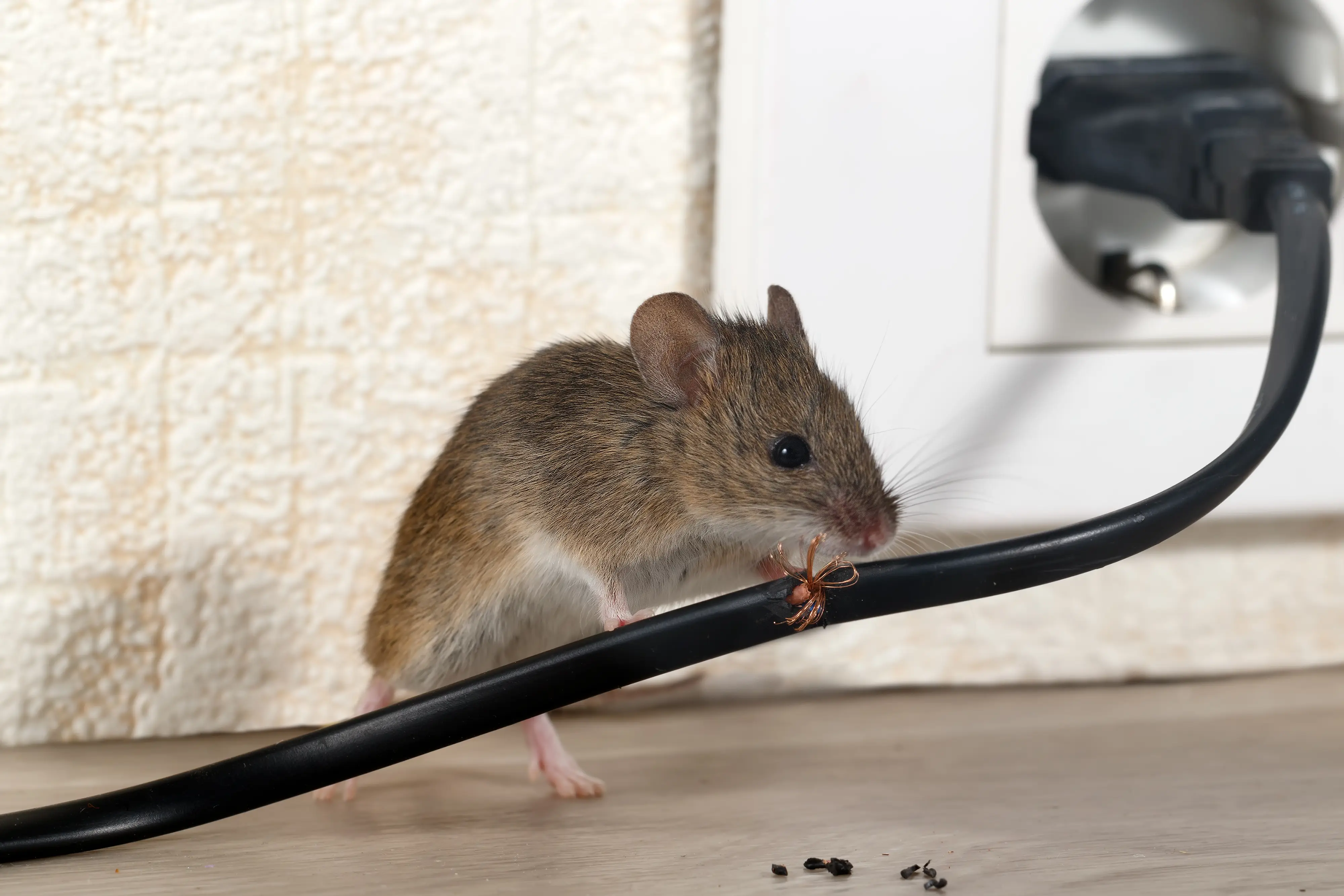
Destroy gardens, fruit trees, crops. Chew through drywall, wiring, insulation, baseboards, gas lines, pipes, and wood. Damaged wiring/gas lines cause fires and gas poisoning.

Mouse Bites

Extremely rare; only when threatened or cornered. Can transfer disease, viruses, or bacteria. Seek medical attention if bitten.

Diseases

Spread via bites, parasites (fleas), contaminated food, urine and waste. Diseases include: Hantavirus, Salmonellosis, Leptospirosis, Lymphocytic chorio-meningitis, Bubonic plague (via fleas).

How to Prevent Mice

Exclusion

Seal access points: open vents, foundation cracks, space around pipes/conduit, gaps under doors. Fill with steel wool and seal with caulking. Steel wool prevents chewing through.

Sanitation

Keep areas clean of food, trash, and debris. Seal food sources. Remove potential harborage points that mice use to access your home.

Signs of a Mice Infestation

Gnawing Marks:On food containers and building materials near food
Droppings:Black grains of rice, about 1/4 inch long
Runways:Regular paths identified by tracks, rub marks, and poop
Shredded Material:Insulation, wallpaper, newspaper, linens
Odors:Urine and waste buildup creates strong smells
Visual Sightings:Mice scurrying from one location to another

How to Get Rid of Mice

Mice Traps (Preferred)

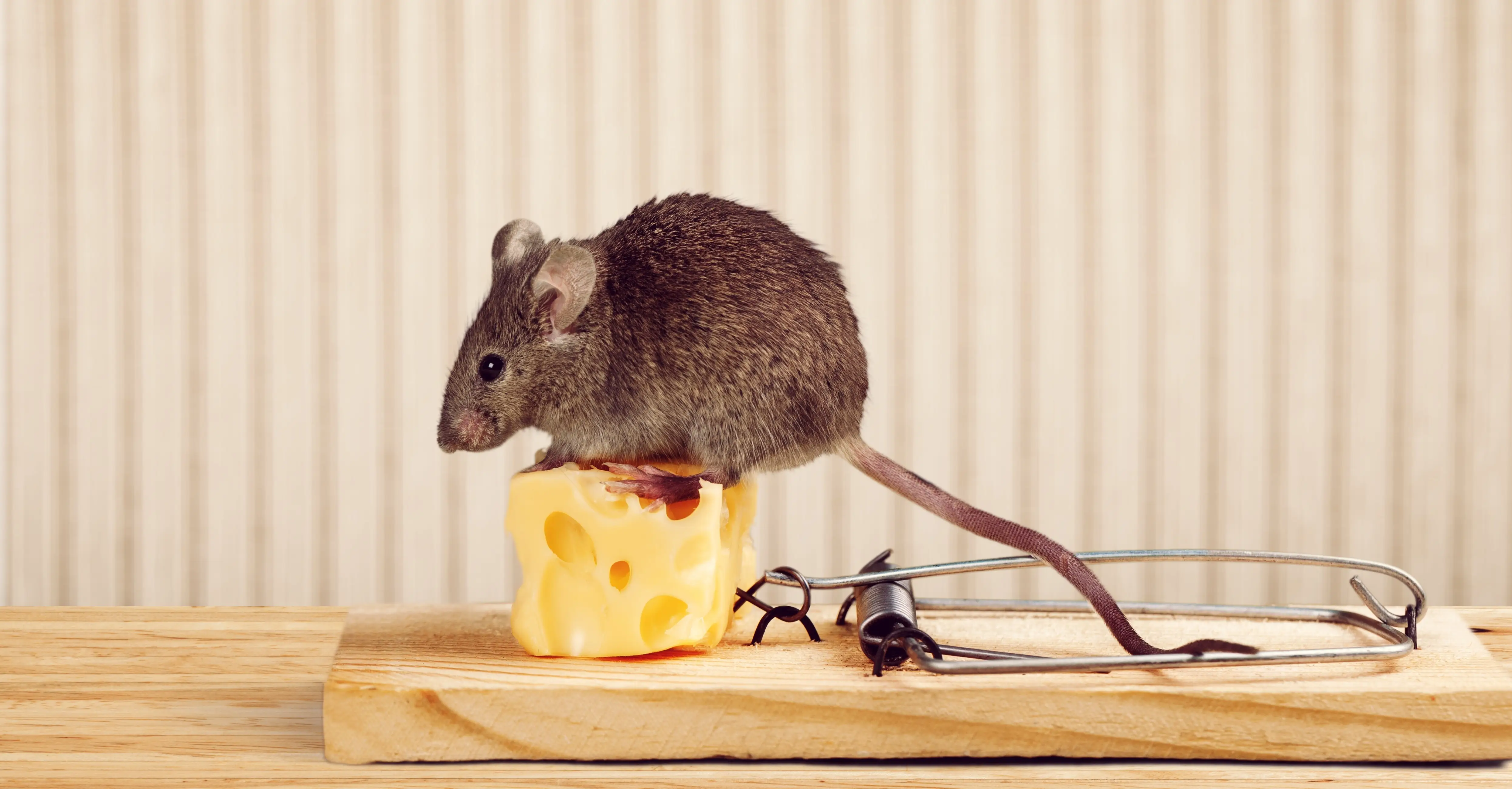
Snap traps are most common and effective: reusable, humane, no handling of live mice. Other options: glue traps, live traps, electrocution boards.

Mice Baits

Rodenticides best for outdoor infestations to prevent mice dying in wall cavities. Slow-acting allows mouse to leave poison source. Risk of secondary poisoning in food chain.

Cleanup Safety

Wear gloves, respiratory mask, safety goggles. Air out area 30 min before cleaning (hantavirus risk). Never use brooms or vacuums (stirs up contaminated waste). Use bleach/water mix and paper towels. Seal and dispose of all contaminated materials properly.

Call EcoGuard for Mice Control

If you have seen mice or signs of mice activity, call EcoGuard Pest Management to ensure your mouse problem is treated immediately. Schedule your rodent inspection with a licensed and trained EcoGuard rodent specialist.

Call (866) 326-2847Get Free Quote

Mice FAQs

What attracts mice in your house?

Mice are primarily attracted to food and shelter which are generally abundant in most homes. By keeping your home clean, you can prevent mice from finding the food they need to survive.

What scent will keep mice away?

Mice have an excellent sense of smell and are generally deterred by ammonia, cat urine, vinegar, and strong herbal scents like peppermint, cloves, and cinnamon.

How many mice are usually in a house?

If you have one mouse, there are likely others nearby. Mice procreate fast and are social creatures that often belong to a family group.

Is it ok to have mice in your house?

A solitary mouse may not be the end of the world, but it is not recommended to leave mice untreated due to their rapid reproduction capabilities.

From Our Blog

Related Articles

Are Mice Nocturnal? When Mice Are Most Active

Are Mice Nocturnal? When Mice Are Most Active

Learn if mice are nocturnal, when they are most active, how they navigate at night, and signs of mice activity in your...

Read Article
Can Mice Climb Walls and Other Surfaces?

Can Mice Climb Walls and Other Surfaces?

Learn if mice can climb walls, what surfaces they can and cannot climb, how they get inside walls, and how to prevent...

Read Article
Common Types of Mice in North America

Common Types of Mice in North America

Identify different types of mice including house mice, deer mice, white-footed mice, and more. Learn appearance,...

Read Article
Do Mothballs Keep Mice Away? The Truth Revealed

Do Mothballs Keep Mice Away? The Truth Revealed

Learn why mothballs are ineffective and illegal for mouse control. Discover safer, proven alternatives to keep mice out...

Read Article
How Long Do Mice Live? Mouse Lifespan & Life Cycle

How Long Do Mice Live? Mouse Lifespan & Life Cycle

Learn how long mice live, their complete life cycle from pup to adult, lifespans by species, and why quick action on...

Read Article
How to Find Where Mice Are Getting In

How to Find Where Mice Are Getting In

Learn how to locate mouse entry points in your home. Complete guide to inspecting indoors and outdoors, common access...

Read Article
How to Get Rid of Mice in the Walls

How to Get Rid of Mice in the Walls

Learn how to detect, trap, and eliminate mice in your walls. Covers entry points, infestation signs, trap types,...

Read Article
How to Get Rid of Mice in Your House in 9 Steps

How to Get Rid of Mice in Your House in 9 Steps

Learn how to get rid of mice in your house with 9 proven steps. Covers trap types, bait stations, wall mice, prevention...

Read Article
Mouse vs Rat: Key Differences in Appearance & Behavior

Mouse vs Rat: Key Differences in Appearance & Behavior

Learn the differences between mice and rats including size, appearance, behavior, eating habits, droppings, and...

Read Article
What Do Mice Eat? Wild & House Mouse Diet Guide

What Do Mice Eat? Wild & House Mouse Diet Guide

Learn what mice eat in the wild and in your home. Discover their favorite foods, what attracts them, and the best bait...

Read Article
What Does Mouse Poop Look Like? Identification & Cleanup

What Does Mouse Poop Look Like? Identification & Cleanup

Learn how to identify mouse droppings, where to find them, cleanup procedures, and health risks. Compare mouse poop vs...

Read Article
What is the Best Bait for Mouse Traps? Complete Guide

What is the Best Bait for Mouse Traps? Complete Guide

Discover the most effective baits for mouse traps, from peanut butter to chocolate. Learn proper baiting techniques and...

Read Article
What Repels Mice? Natural Deterrents & Scents That Work

What Repels Mice? Natural Deterrents & Scents That Work

Learn what repels mice including natural deterrents, scents, essential oils, and exclusion tactics. Find out which...

Read Article