EcoGuard Pest Management
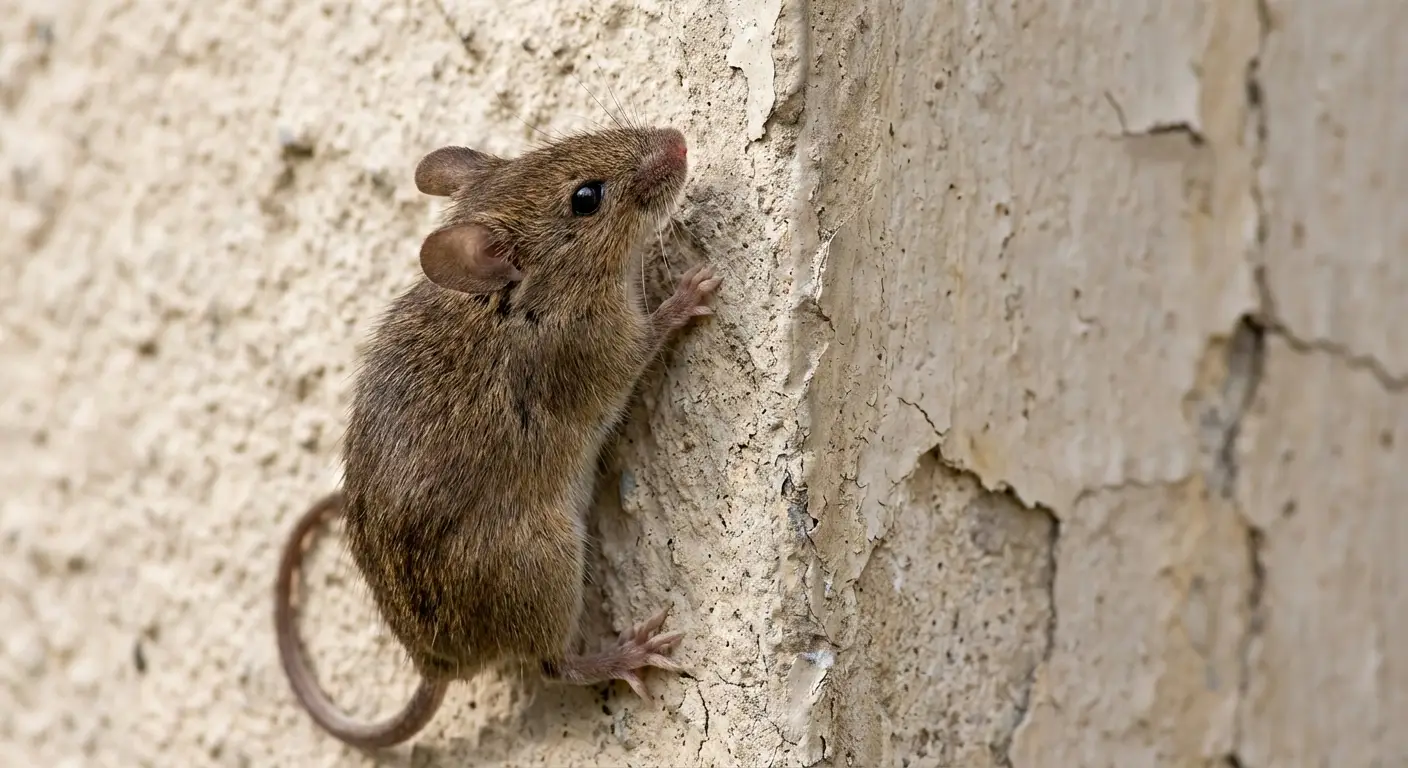
Mouse climbing a textured wall surface
By Gary Anderson||6 min read

Can Mice Climb Walls and Other Surfaces?

Understanding mouse agility helps protect your home from these persistent pests.

Mice are agile animals that can climb and jump to areas most people think are unreachable. Their remarkable athleticism allows them to climb up walls when ground level access points are blocked.

In the U.S. alone, mice invade roughly 21 million homes annually. To deter these unwelcome guests, it is important to understand their behavior and eliminate entry points.

The Short Answer

Yes, mice can climb walls with rough or textured surfaces like brick, concrete, drywall, wood, and stucco. They struggle on smooth surfaces like glass, metal, and plastic. Mice can also jump up to 2 feet and squeeze through holes as small as a quarter inch.


How Do Mice Climb?

Soft Toe Pads

Both front and back feet have soft pads extending from each toe. These pads increase surface area and provide additional grip on surfaces.

Sharp Claws

Each toe is equipped with a short, sharp nail that digs into even the slightest imperfections in a surface.

Strong Leg Muscles

Powerful legs allow mice to pull themselves up once they secure their footing. Can also leap heights up to 2 feet.

Tail for Balance

Mice use their tails for balance when leaping from one surface to another, helping them navigate complex spaces.

What Surfaces Can Mice Climb?

Mice can use most textured surfaces with tiny imperfections for their claws to grip. They can also use objects connected to walls as pathways.

Brick

Rough mortar joints

Concrete

Tiny air bubbles

Drywall

Textured finish

Wood Paneling

Grain texture

Stucco

Rough surface

Electrical Cords

Pathway up

Wiring/Pipes

Access routes

Furniture

Stepping stones

Can Mice Climb Stairs?

Yes, easily. They may not need to since mice can jump the distance of normal stairs. Handrails offer additional climbing aid. However, mice prefer hidden routes inside walls.

Can Mice Climb Trees?

Fully capable, but rarely worth the risk. Trees expose mice to predators like birds of prey and owls. Trees rarely provide food or shelter not found on ground.

Mice Accessing Every Part of Your Home?

Their climbing abilities make them hard to contain. Let our experts identify and seal all entry points.

Call (866) 326-2847

What Surfaces Are Mice Not Able to Climb?

Mice struggle on smooth and slick surfaces that do not provide footholds for their claws.

Glass

Too smooth

Metal

Slick surface

Smooth Plastic

No grip

Glazed Wood

Sealed finish

Note: While mice struggle to climb these surfaces, their strong jumping ability (up to 2 feet) can sometimes overcome these barriers. Plastic buckets are often used in makeshift traps because mice cannot climb out.

Can Mice Get Inside Walls?

Incredibly Flexible

A mouse can fit through holes as small as a quarter inch in diameter, roughly the width of a pencil.

Entry Points

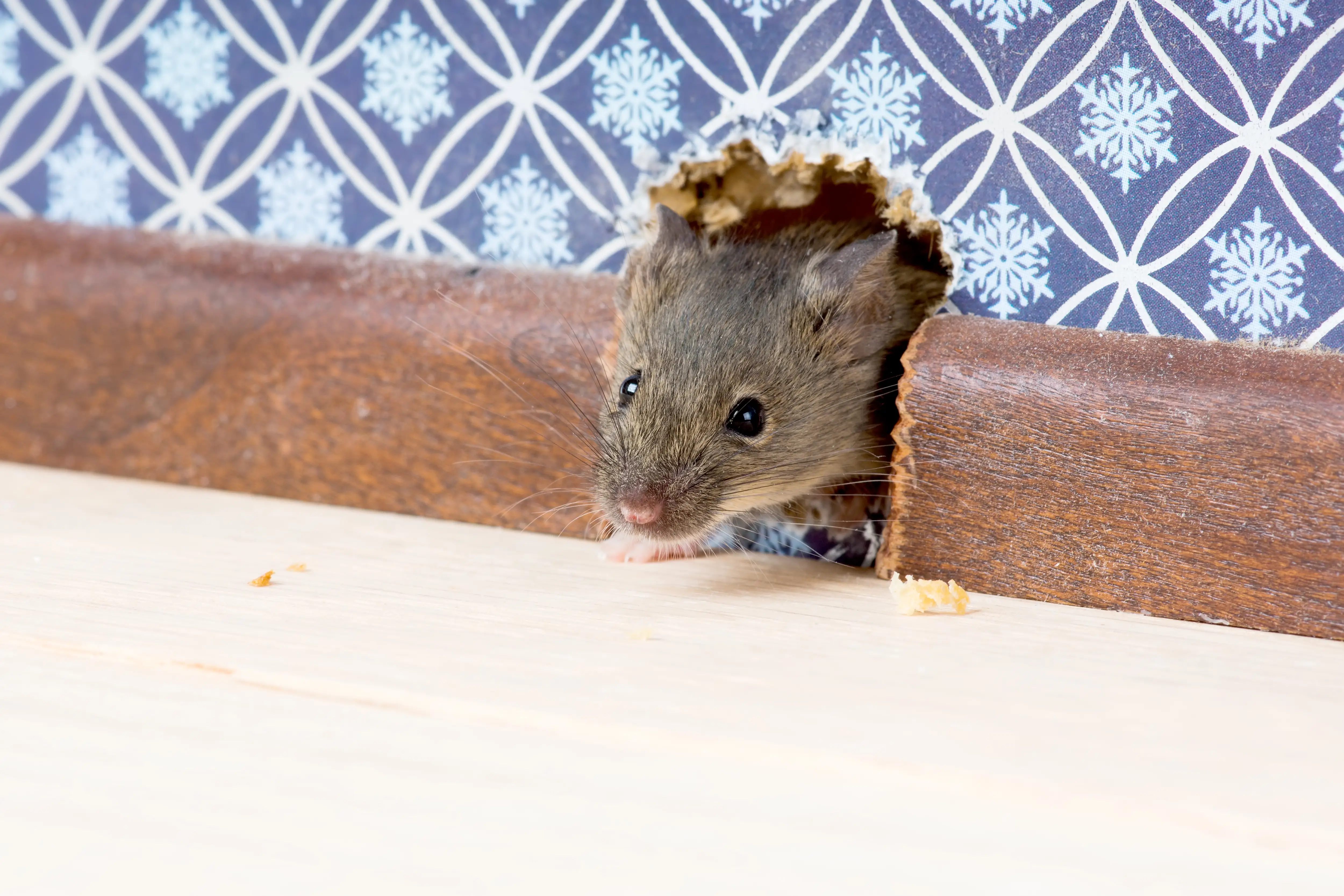
Around pipes and vents, in closet spaces, behind appliances, along carpeted areas, or in corners. Hard to detect without thorough inspection.

Inside Wall Voids

Perfect nesting environment. Support beams, wires, and pipes help navigation. Insulation provides nesting materials.

Why Do I Have Mice in My Home?

1

Food

Even unnoticed crumbs can sustain mice. Drawn to kitchen pantries, garages with birdseed, pet food, and garbage.

2

Water

Leaky pipes in kitchens, bathrooms, laundry rooms. Mice only need a couple of drops from condensation, houseplants, or pet dishes.

3

Shelter

Protected from predators and weather. Cool in summer, warm in winter. Ideal year-round nesting ground.

Where Do Mice Hide?

Attics

Dark, filled with nesting materials like old clothes, papers, bags.

Basements

Dark, secluded, rarely disturbed. Access via vents or pipes.

Kitchens

Near food sources. Entry via pipe openings, ducts, vents.

Walls

Insulation for nesting, easy navigation via internal structures.

How to Get Rid of Mice in Your Home

Barrier Methods (Prevention)

Inspect exterior and seal all potential entry points. Since mice can chew through most gap fillers, add steel wool into gaps to create an obstacle.

Do not overlook gaps that appear too small. Mice can squeeze through tiny spaces.

Extermination (Active)

Trapping is the most common strategy. Varieties include humane catch and release, snap traps, and glue traps.

If infestation is out of control, enlist professional rodent exterminators.

Contact EcoGuard if You Have Mice Problems

If you are fighting a mice infestation or simply want to defend your home against potential future mice, do not hesitate to seek professional assistance. EcoGuard Pest Management's team of pest control experts is equipped with the knowledge and tools to address your concerns effectively. Timely intervention can prevent minor issues from escalating into major infestations.

Call (866) 326-2847Get Free Quote

Climbing Mice FAQs

What surface can mice not climb?

Mice struggle to climb smooth and slick surfaces. Materials such as glass, metal, and smooth plastic typically do not provide the necessary space for their claws to dig into, which makes them challenging for mice to climb.

Can mice climb into your bed?

Mice possess the ability to climb various surfaces and can certainly make their way into a bed. Their agility and need to explore or find food sources can lead them to venture onto all kinds of furniture. If there is a pathway and incentive like food crumbs, they will eventually make their way up in search of those resources.

How do I stop mice from climbing my walls?

To prevent mice from climbing your walls, it is best to use building materials that are smooth enough so that mice are unable to get a footing. You could potentially prevent mice altogether by eliminating the things that would attract them in the first place. Be sure to eliminate food, water, and access to shelter around your home to stop mice from thinking your home is a good place to stay.

From Our Blog

Related Articles

Are Mice Nocturnal? When Mice Are Most Active

Are Mice Nocturnal? When Mice Are Most Active

Learn if mice are nocturnal, when they are most active, how they navigate at night, and signs of mice activity in your...

Read Article
Common Types of Mice in North America

Common Types of Mice in North America

Identify different types of mice including house mice, deer mice, white-footed mice, and more. Learn appearance,...

Read Article
Do Mothballs Keep Mice Away? The Truth Revealed

Do Mothballs Keep Mice Away? The Truth Revealed

Learn why mothballs are ineffective and illegal for mouse control. Discover safer, proven alternatives to keep mice out...

Read Article
How Long Do Mice Live? Mouse Lifespan & Life Cycle

How Long Do Mice Live? Mouse Lifespan & Life Cycle

Learn how long mice live, their complete life cycle from pup to adult, lifespans by species, and why quick action on...

Read Article
How to Find Where Mice Are Getting In

How to Find Where Mice Are Getting In

Learn how to locate mouse entry points in your home. Complete guide to inspecting indoors and outdoors, common access...

Read Article
How to Get Rid of Mice in the Walls

How to Get Rid of Mice in the Walls

Learn how to detect, trap, and eliminate mice in your walls. Covers entry points, infestation signs, trap types,...

Read Article
How to Get Rid of Mice in Your House in 9 Steps

How to Get Rid of Mice in Your House in 9 Steps

Learn how to get rid of mice in your house with 9 proven steps. Covers trap types, bait stations, wall mice, prevention...

Read Article
Mouse vs Rat: Key Differences in Appearance & Behavior

Mouse vs Rat: Key Differences in Appearance & Behavior

Learn the differences between mice and rats including size, appearance, behavior, eating habits, droppings, and...

Read Article
What Are Mice? Identification, Behavior & Control Guide

What Are Mice? Identification, Behavior & Control Guide

Complete guide to mice including identification, species, behavior, diet, reproduction, threats, prevention, and...

Read Article
What Do Mice Eat? Wild & House Mouse Diet Guide

What Do Mice Eat? Wild & House Mouse Diet Guide

Learn what mice eat in the wild and in your home. Discover their favorite foods, what attracts them, and the best bait...

Read Article
What Does Mouse Poop Look Like? Identification & Cleanup

What Does Mouse Poop Look Like? Identification & Cleanup

Learn how to identify mouse droppings, where to find them, cleanup procedures, and health risks. Compare mouse poop vs...

Read Article
What is the Best Bait for Mouse Traps? Complete Guide

What is the Best Bait for Mouse Traps? Complete Guide

Discover the most effective baits for mouse traps, from peanut butter to chocolate. Learn proper baiting techniques and...

Read Article
What Repels Mice? Natural Deterrents & Scents That Work

What Repels Mice? Natural Deterrents & Scents That Work

Learn what repels mice including natural deterrents, scents, essential oils, and exclusion tactics. Find out which...

Read Article