EcoGuard Pest Management
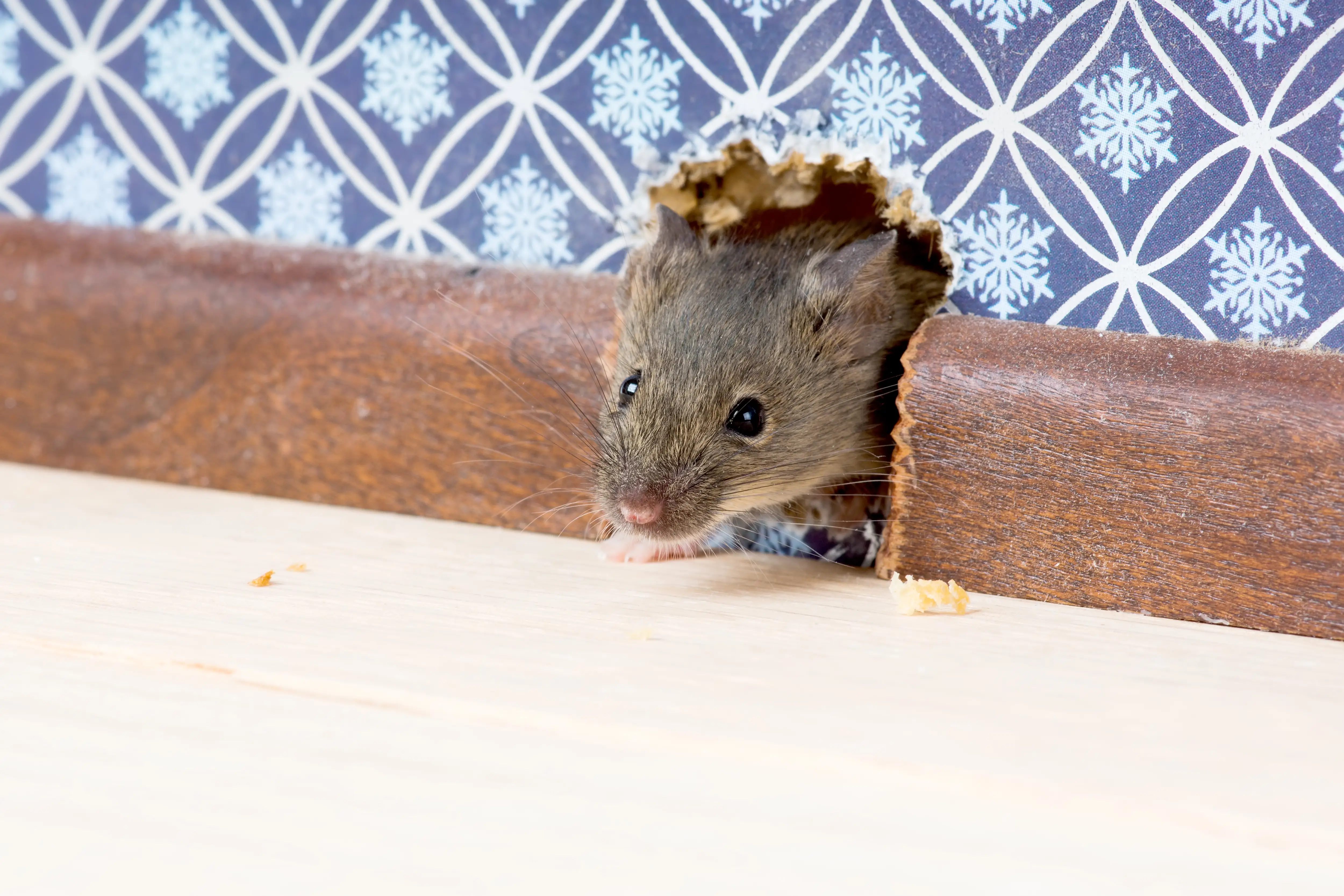
Mice hiding inside wall cavities of a home
By Gary Anderson||10 min read

How to Get Rid of Mice in the Walls

Mice inside walls are harder to detect and harder to eliminate. Here is everything you need to know to find them, trap them, and keep them out for good.

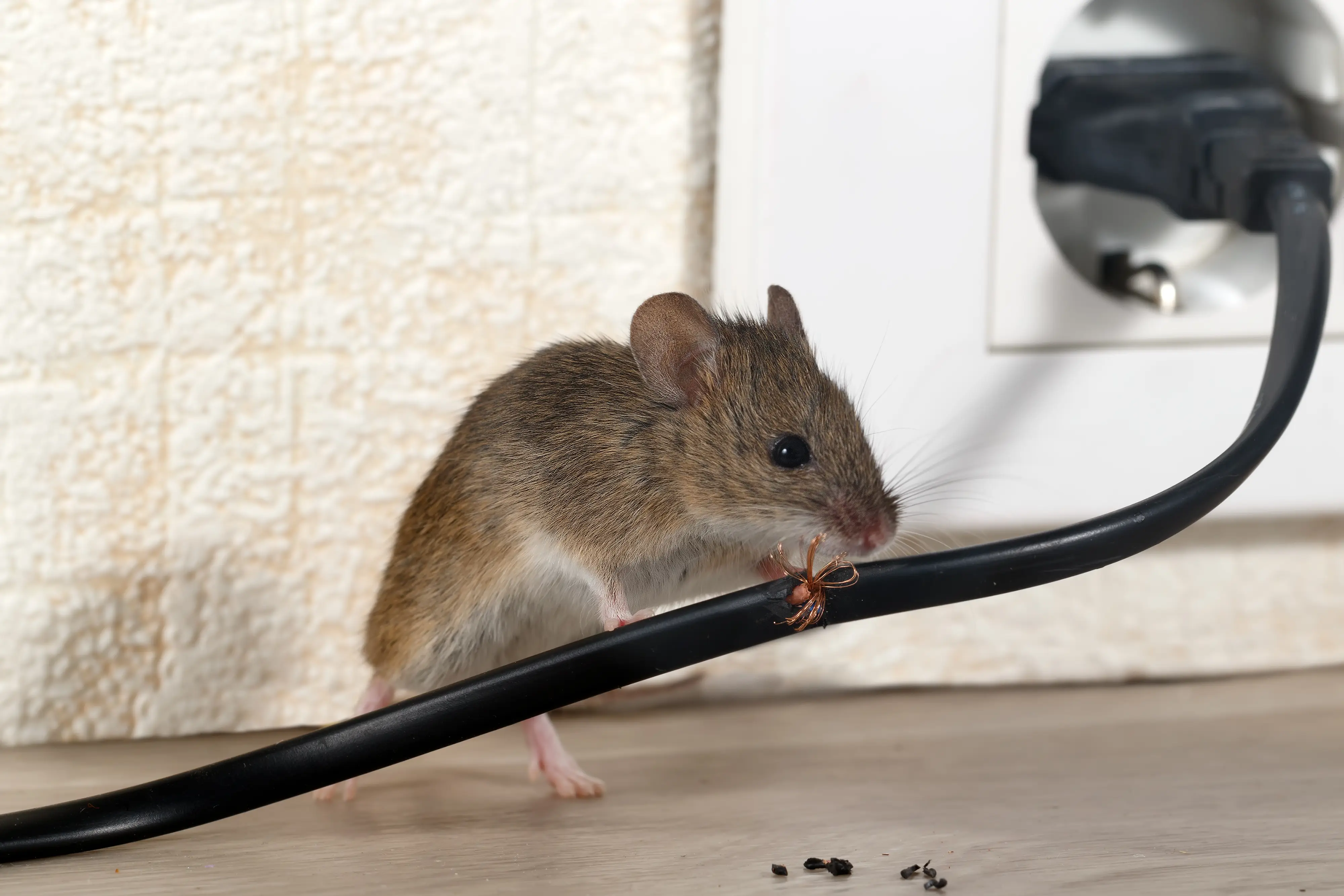
Dealing with mice in the walls of your home or business can be a nightmare. These rodents are a nuisance that poses significant risks to your property. Mice chew on building materials like wood, drywall, plastic pipes, and electrical wiring, which can lead to extensive damage and even create fire hazards and water damage risks. Their presence in your walls can also indicate a larger infestation somewhere inside the structure that is difficult to reach and treat.

To effectively rid your walls of mice, several steps should be taken simultaneously: identifying and sealing entry points, placing traps strategically near suspected access areas, and calling in professional help when the infestation is severe.

Why Mice in Walls Are a Serious Problem

Fire Risk: Mice gnaw on electrical wiring inside walls, creating short circuit and fire hazards
Structural Damage: They chew through drywall, wood, and plastic pipes
Health Risk: Urine and droppings left inside walls spread hantavirus and other diseases
Rapid Reproduction: A single female can produce multiple litters per year inside an undisturbed wall cavity

Key Facts

Minimum Entry Gap
Mice can squeeze through openings as small as a dime
Jump Height
Mice can leap up to 18 inches to reach elevated entry points
Most Active
Mice are nocturnal and most active after midnight
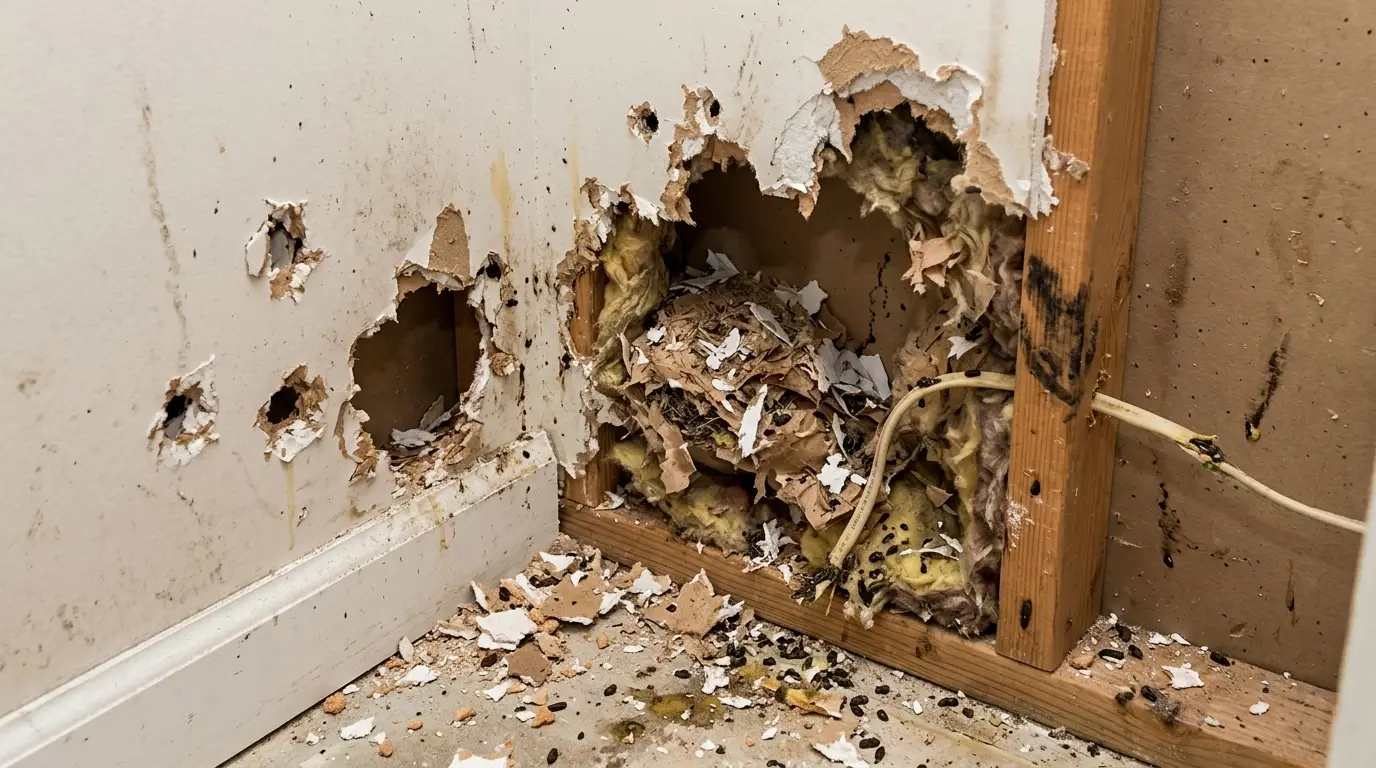
Mouse gnaw hole in drywall showing signs of a wall infestation

Mice create clean-cut holes roughly 1.5 inches in diameter when gnawing through drywall to access wall cavities.

Where Do Mice Hide?

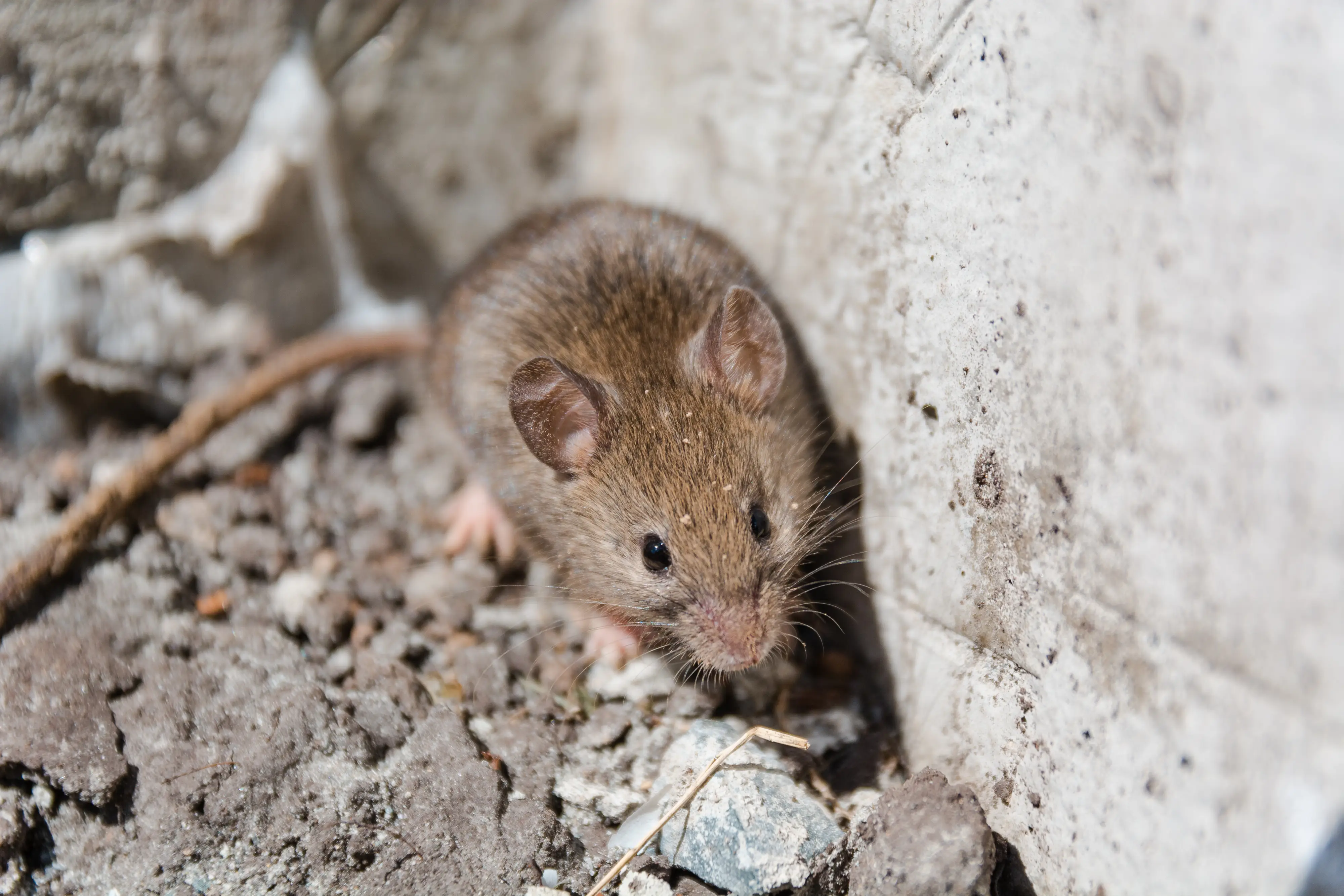
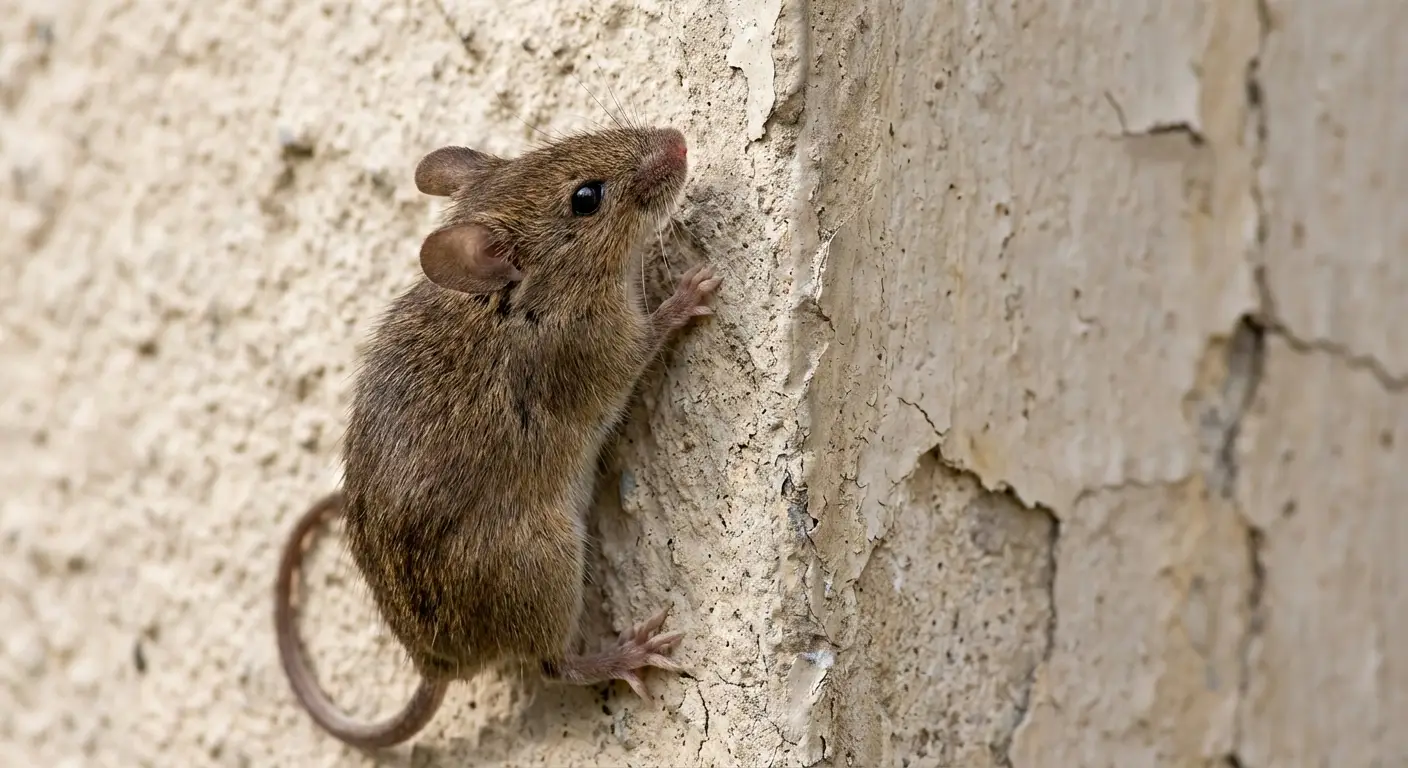
Mice are experts at finding and inhabiting concealed spaces within homes, which makes them challenging pests to detect and eliminate. Common hiding spots include storage spaces, attics, lofts, and especially within wall interiors. Due to their small size, mice can squeeze through surprisingly tiny openings in floors, walls, and foundations, giving them easy access to virtually any part of a house.

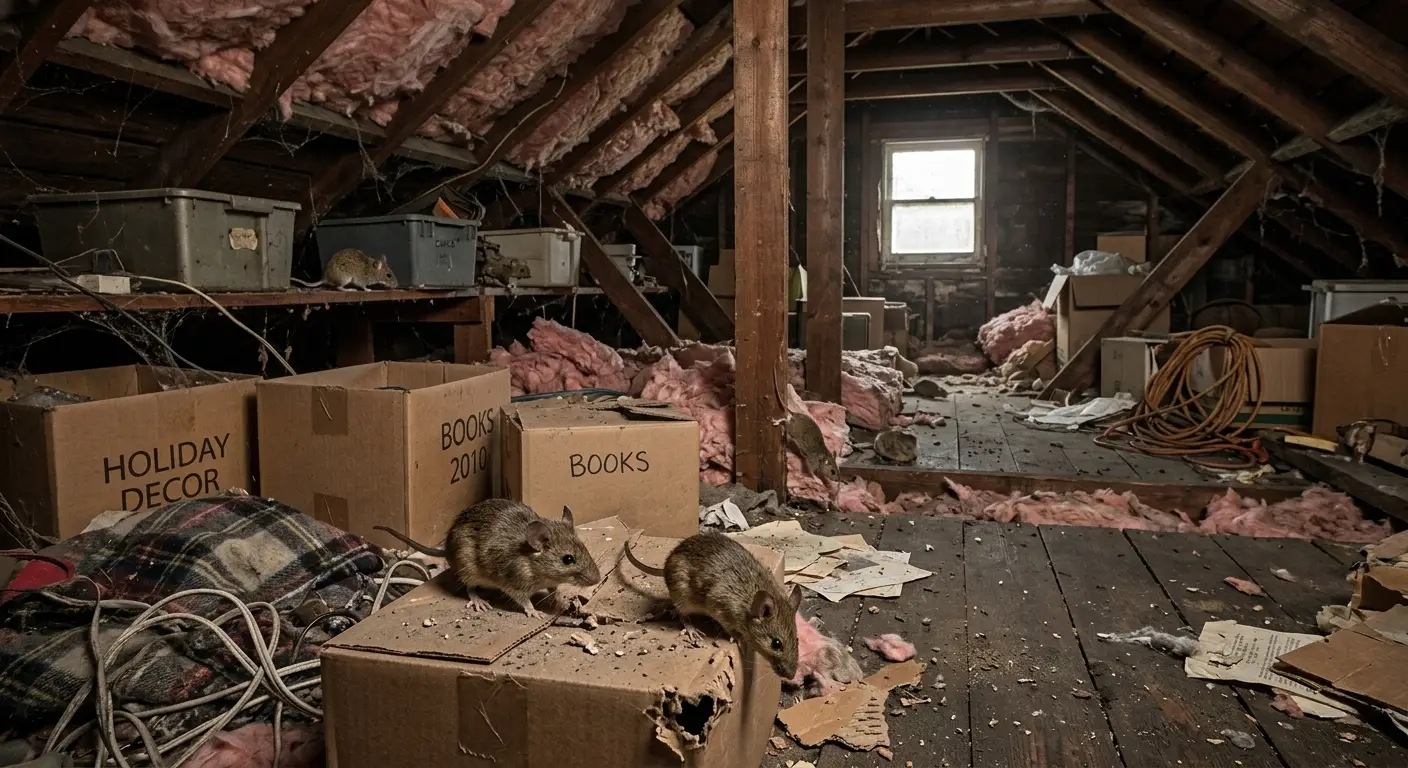
Once inside, mice remain hidden to avoid detection and typically come out at night when residents are sleeping. Their presence within walls can be detected during the day through sounds of gnawing and scratching. Before implementing extermination strategies, it is crucial to confirm that the culprits are mice and not rats or squirrels, which inhabit similar areas but require different pest control approaches.

Wall Cavities

The most common hiding spot. Mice navigate inside walls to reach different areas of a home undetected.

Attics and Lofts

Warm, undisturbed, and full of soft nesting material. Frequently the first area mice establish themselves.

Behind Appliances

Refrigerators, stoves, and dishwashers provide warmth and proximity to food sources.

Under Cabinets

Dark, low-traffic areas directly adjacent to food. A common nesting and foraging zone.

Crawl Spaces

Provide access to the underside of a home and direct pathways into wall interiors.

Storage Areas

Boxes, bags, and stored fabrics provide ideal nesting material and undisturbed shelter.

How Do Mice Enter a Home and Get Into Walls?

Mice are remarkably skilled at entering homes and can take advantage of the smallest openings. Their flexible bodies allow them to squeeze through tiny spaces in walls, floors, and foundations. Their excellent climbing ability also enables them to access higher entry points such as gaps in exterior walls or roofs. A mouse can leap up to 18 inches, giving them access to elevated entry points other pests cannot reach.

These rodents are persistent and will chew through drywall, wood, plastic, and siding to create new access points. Once inside, they quickly establish nests and begin reproducing. A single female can produce multiple litters per year, each containing several offspring, making it critical to address any signs of mice immediately.

Small Openings

Mice can squeeze through gaps as small as a dime. Any small crack in walls, ceilings, and floors is a potential entry point.

Utility Access

Mice frequently exploit the small spaces around utility pipes and wires where they pass through walls and floors.

Structural Weaknesses

Deteriorating siding, rotting drywall, cracks in foundations, and vents in brick walls all serve as entry points.

Protected Coverage

Crawl spaces, decks, patios, and basements give mice access to covered areas that connect to interior wall cavities.

Building Gaps

Poorly sealed door and window frames and gaps in building materials provide easy, low-effort entry for mice.

Ventilation Systems

Air ducts, roof vents, and chimney pipes are common entry routes, especially when screens or covers are damaged.

Signs of a Mice Infestation in Your Walls

Recognizing the signs of a mice infestation within the walls of your home is crucial for timely intervention. Many homeowners hear mice before they see any other evidence.

Scratching and Squeaking Sounds

The most obvious sign is the sound of mice scurrying or squeaking inside walls, especially at night since mice are nocturnal.

Droppings

Look for small dark brown or black pellets in areas along walls and under furniture. Fresh droppings are soft and dark; older ones are hard and gray.

Urine Odor

A strong ammonia-like smell in certain areas of the home is indicative of mouse urine, especially in enclosed spaces like under cabinets.

Chew Marks

Visible chew or scratch marks on food packaging, shelves, baseboards, and around floor trim are telltale signs of active mice.

Mice Holes

Mice often create small, clean-cut holes in drywall and siding measuring around 1.5 inches in diameter as they move between spaces.

Nests

Mice build nests from shredded fabric, paper, and pet hair. Nests are typically found in secluded areas like under cabinets or behind appliances.

Grease Marks and Tracks

Dark grease marks along walls and floorboards come from mice rubbing against surfaces as they travel the same routes repeatedly.

Food Debris

Unusual crumbs or food debris in pantries, shelves, or on the floor can indicate mice foraging. Look for gnawed packaging.

Live Mouse Sightings

Spotting live mice during daylight hours is a strong indication of an active, large infestation as it means the population has outgrown nocturnal coverage.

Pet Behavior

Unusual behavior from pets like barking, pawing, or staring at hidden spaces can signal they have detected the scent or sound of mice.

Musty Odor

A persistent musty odor becomes noticeable in areas with large infestations due to accumulated droppings, urine, and nesting material.

Hearing Mice in Your Walls?

Our professionals use targeted strategies to locate nests inside wall cavities, seal access points, and eliminate the infestation at its source.

Call (866) 326-2847

What Do Mice Sound Like in Walls?

The presence of mice in walls is often first detected by the distinctive sounds they make. Homeowners frequently hear mice activity within their walls and ceilings before spotting any physical evidence. Mice are nocturnal creatures, meaning they are most active during the night and into the early morning hours.

If you hear any of the following sounds coming from your walls at night, it is a strong indicator that mice have found their way into your home. These sounds are particularly noticeable in quiet environments and can range from soft scratching to more pronounced gnawing as mice navigate through insulation, chew on wooden structures, or work on electrical wiring.

Scratching

Light, rhythmic scratching is typically the sound of mice moving through insulation or clawing at wood framing as they navigate inside the wall.

Scurrying

Rapid pattering sounds that move across a section of wall or ceiling indicate mice running through their established routes inside the structure.

Squeaking

High-pitched squeaks indicate communication between mice, often heard when multiple mice are present in the same area.

Gnawing

A persistent chewing or grinding sound is particularly concerning as it indicates mice actively destroying building materials, insulation, or wiring.

How to Catch Mice Living in the Walls

Dealing with mice living in the walls requires a strategic approach using various types of traps. Bait traps with attractive foods like peanut butter or seeds and place them in areas where mice are likely to travel. Use multiple traps spaced about 6 feet apart to increase catch rates, and regularly check, clean, and replace them as needed.

Snap Traps

A common and affordable option designed to snap shut and kill the mouse instantly. Easy to set and dispose of. Should be placed in areas away from kids and pets due to the risk of accidental triggering. Still considered the most reliable trap method by pest control professionals.

Automatic Multiple Catch Traps

Includes wind-up and low-profile styles. Wind-up traps flip rodents into a holding chamber; low-profile traps use a trap door that drops mice into a container. Well-suited for larger infestations and require hands-on disposal of live or dead mice.

Glue Traps

Flat traps coated with a sticky substance that captures mice when they walk over them. Considered inhumane and less effective than other types. Not generally recommended as mice can sometimes escape by chewing off trapped limbs.

Live Traps

Designed to catch and keep mice alive. Require extra effort for releasing mice far from the property and are not legal in certain states, including California. Check local regulations before using live traps.

Professional Advice: For severe infestations, or if you are unsure how or where to set traps, consult a pest control professional for tailored advice. Incorrectly placed traps frequently go untriggered while the infestation grows.

How to Use Rodenticides to Exterminate Mice Inside Walls

Rodenticides can be a potent method for exterminating mice inside walls, particularly in large infestations where trapping and sealing entry points have been insufficient. They are special pesticides formulated to kill rodents, but they must be used safely and strictly in accordance with label directions.

Types of Rodenticides

Anticoagulants

These substances disrupt the blood clotting ability of mice, leading to internal bleeding and death. First-generation anticoagulants such as warfarin, chlorophacinone, and diphacinone require multiple doses. Second-generation anticoagulants like difethialone and brodifacoum are designed to combat resistance and are typically available as ready-to-use pellet or block baits.

Non-Anticoagulants

These include active ingredients like bromethalin, zinc phosphide, and cholecalciferol. Some non-anticoagulant rodenticides work with a single dose while others require multiple. They kill mice through mechanisms that do not involve blood clotting.

Rodenticide Bait Forms

Block and Pellet Baits

Convenient and moisture-resistant, making them easy for rodents to consume. However, mice can carry them off and hoard them, raising concerns about pesticide movement outside the target area.

Loose Meal Baits

Less prone to relocation by mice but can absorb moisture, which makes them unsuitable for damp or humid areas like crawl spaces.

Packet Baits

Small amounts of meal or pellets sealed in a package that extends usability and allows visual confirmation of rodent activity. Can attract non-target wildlife, pets, and children if not secured.

Important: Some states, including California, have specific laws that restrict or outlaw certain rodenticides. Always check local regulations before purchasing or using rodenticide products. When in doubt, consult a licensed pest control professional.

Safety Considerations When Dealing with Mice in Walls

When dealing with mice in the walls of your home, prioritizing safety for yourself, your family, and the environment is essential. Follow these safety steps throughout the treatment process.

Secure Pesticide Storage

Store all rodent baits, traps, and pesticides in a securely locked cabinet when not in use. Ensure all products are well-labeled and kept out of reach of children and pets.

Prefer Indoor Traps Over Baits

Try to avoid using baits inside your home. Opt for traps, exclusion methods, and repellents as safer alternatives. If indoor baiting is necessary, use tamper-proof bait stations.

Follow Product Instructions

Always read and adhere to the label directions on any pesticides, rodenticides, and similar products to ensure correct and safe usage. Never exceed recommended quantities.

Wear Proper Protective Equipment

When handling pesticides, baits, or disposing of deceased mice, wear gloves, goggles, a respiratory mask, and long sleeves and pants to minimize exposure to harmful substances and pathogens.

Rodenticide Safety Tips

Use Tamper-Proof Bait Stations

Always place rodenticide baits inside tamper-proof stations positioned out of reach of children, pets, and non-target wildlife to prevent accidental ingestion.

Label All Bait Stations

Clearly mark all bait stations with warnings such as "Rodent Bait - Do Not Touch" to alert others of the potential hazard.

Mindful Bait Positioning

Avoid placing bait in areas where it might be easily disturbed, knocked over, or accessed by pets and children.

Avoid Loose Baits in Voids

Do not place loose bait blocks or packet-style baits in ceiling or wall voids, as rodents could move them and cause unintended exposure in unexpected locations.

Ineffective Methods of Getting Rid of Mice Inside Walls

There are numerous methods and home remedies suggested for controlling mice in walls, but not all are effective and some can be counterproductive. Avoid wasting time on these commonly cited tactics that lack evidence of effectiveness.

Relying on Cats

While a cat might catch a few mice, they are generally insufficient for tackling an established infestation inside walls. Mice can also carry diseases and parasites that could harm your pets.

Mouse-Repellent Plants

Claims that strong-smelling plants like garlic, onions, lavender, daffodils, and mint deter mice lack scientific backing and are unlikely to prevent invasion.

Ultrasonic Devices

Ultrasonic pest emitters or imitation predator devices may startle mice initially, but they quickly adapt to the stimulus and resume normal activity.

Fabric Softener Sheets

The strong scent might repel mice briefly, but they soon become accustomed to the smell, rendering this method ineffective within days.

Cleaning Up After a Mice Infestation

After successfully eliminating a mice infestation, thorough cleaning is crucial to prevent the spread of diseases associated with mouse droppings and urine. Follow this step-by-step process to safely clean up after mice.

1

Gather Protective Equipment

Wear heavy-duty rubber or latex gloves, a respirator or HEPA mask, and disposable coveralls to protect against exposure to harmful materials and pathogens before entering contaminated areas.

2

Ventilate and Disinfect the Area

Open doors and windows for 30 to 60 minutes before cleaning to allow fresh air circulation. Use a commercial disinfectant or a bleach solution (1 part bleach to 10 parts water) to spray and saturate all contaminated areas including urine stains, droppings, and nesting material. Allow the disinfectant to sit for at least five minutes.

3

Wipe Up Droppings and Nest Materials

Using paper towels or disposable rags, carefully wipe up and remove the saturated droppings and nesting materials. Do not use a broom or vacuum, as these can aerosolize hazardous particles. Double-bag all cleanup materials and dispose of them in an outdoor trash can.

4

Wash Hands and Launder Clothing

After cleanup, thoroughly wash your hands with hot, soapy water. Launder any clothing worn under the coveralls in hot water with strong detergent before wearing again.

5

Monitor Your Health

Be vigilant for symptoms of hantavirus exposure including fever, fatigue, muscle pain, difficulty breathing, headaches, nausea, vomiting, diarrhea, and dizziness. Seek medical attention immediately if you experience any of these symptoms after cleanup.

Dealing with a Dead Mouse Inside Your Walls

Mice may die within walls due to rodenticides, getting trapped in narrow spaces, or natural causes. A telltale sign is a distinct, unpleasant odor of decay that grows more potent over time, followed by an increase in fly activity as the carcass begins to decompose.

Removing a dead mouse from inside a wall often requires professional intervention, as it typically involves cutting into the drywall. Professionals have the expertise and tools to locate and remove the carcass effectively while minimizing structural damage. Prompt removal is essential to prevent the spread of odors and potential health hazards.

Prevent Mice from Coming Back

After eliminating mice from your walls, implementing preventive measures is critical. Start by thoroughly inspecting and sealing any cracks or openings mice could use to re-enter. Then address the food, water, and shelter conditions that made your home attractive in the first place.

Eliminate Food, Water, and Shelter

Store all food including grains, pet food, and dry goods in glass or metal containers mice cannot chew through

Avoid leaving pet food out for extended periods and clean up spills promptly

Eat only at the table to minimize crumbs and scraps throughout the house

Store fabrics, rugs, and blankets in heavy-duty plastic bins to eliminate nesting material

Use dehumidifiers in attics, crawl spaces, and basements to keep them dry and less inviting

Dispose of household recycling quickly, especially cardboard and paper that mice can use for nesting

Seal Access Points

Seal foundation and wall cracks using wire mesh, stainless steel mesh, or quick-drying cement (avoid plastic, rubber, or wood that mice can gnaw through)

Place durable, rust-resistant wire screens over all vents and chimney openings

Ensure garage door sweeps seal tightly against the ground with no gaps

Caulk holes and gaps larger than 1/4 inch in foundations, siding, and around doorways

Fix broken basement windows, warped doors, and damaged window screens

Seal gaps created by utility lines using sheet metal, stainless steel fill fabric, hardware cloth, or mortar

Install door sweeps on all exterior doors to block gaps underneath

Add pipe guards made of 26-gauge sheet metal to deter mice from climbing exterior pipes

Maintain Landscaping and Trim Vegetation

Mice are skilled climbers and jumpers, so maintaining a clear barrier between your home and any surrounding greenery is important. Ensure that tree branches and shrubs are trimmed back at least a foot and a half from your house. This distance makes it more challenging for mice to use vegetation as a pathway to upper levels or as coverage from predators like cats and birds.

Reduce yard debris and potential nesting sites around your property as well. Mice commonly build nests in hollowed stumps, dense bushes, rock piles, leaf piles, and woodpiles. If you have a woodpile near the foundation, move it further from your home. Mice frequently use woodpiles as a stepping stone to access your walls directly.

Contact EcoGuard if You Are Dealing with Mice

While the steps outlined can significantly aid in preventing and managing mice infestations within your walls, sometimes the challenge requires professional expertise. If you find yourself facing persistent issues with mice in your home, EcoGuard Pest Management is here to assist. Our team of experienced professionals is equipped with the knowledge and tools to effectively address your rodent problems.

Call (866) 326-2847Get Free Quote

Mice in the Walls FAQs

How do I get rid of mice in my walls fast?

To quickly get rid of mice in your walls, set up snap or bait traps along baseboards, in corners, and near any potential entry points. Use attractive baits like peanut butter or small pieces of cooked food. For a more comprehensive and rapid solution, contact a professional pest control service like EcoGuard Pest Management.

What should I do when I hear a mouse in the wall?

When you hear a mouse in the wall, first try to identify entry points by looking for small holes or gaps in walls, floors, or around utility lines. Set traps near these areas and along baseboards where mice are likely to travel. If the problem persists or the infestation seems significant, seek assistance from a professional pest control service for a customized treatment plan.

How long do mice stay in walls?

Mice can stay in walls for extended periods if they have access to food and water sources nearby. Without intervention such as sealing entry points or using traps, mice may continue to inhabit and reproduce within wall spaces indefinitely.

Is it okay to have mice in your walls?

Having mice in your walls is not recommended. They cause structural damage by gnawing on wires and insulation, pose health risks by potentially spreading diseases, and reproduce quickly which can lead to a much larger infestation in a short period. Address the issue promptly through DIY control methods or professional pest management services.

From Our Blog

Related Articles

Are Mice Nocturnal? When Mice Are Most Active

Are Mice Nocturnal? When Mice Are Most Active

Learn if mice are nocturnal, when they are most active, how they navigate at night, and signs of mice activity in your...

Read Article
Can Mice Climb Walls and Other Surfaces?

Can Mice Climb Walls and Other Surfaces?

Learn if mice can climb walls, what surfaces they can and cannot climb, how they get inside walls, and how to prevent...

Read Article
Common Types of Mice in North America

Common Types of Mice in North America

Identify different types of mice including house mice, deer mice, white-footed mice, and more. Learn appearance,...

Read Article
Do Mothballs Keep Mice Away? The Truth Revealed

Do Mothballs Keep Mice Away? The Truth Revealed

Learn why mothballs are ineffective and illegal for mouse control. Discover safer, proven alternatives to keep mice out...

Read Article
How Long Do Mice Live? Mouse Lifespan & Life Cycle

How Long Do Mice Live? Mouse Lifespan & Life Cycle

Learn how long mice live, their complete life cycle from pup to adult, lifespans by species, and why quick action on...

Read Article
How to Find Where Mice Are Getting In

How to Find Where Mice Are Getting In

Learn how to locate mouse entry points in your home. Complete guide to inspecting indoors and outdoors, common access...

Read Article
How to Get Rid of Mice in Your House in 9 Steps

How to Get Rid of Mice in Your House in 9 Steps

Learn how to get rid of mice in your house with 9 proven steps. Covers trap types, bait stations, wall mice, prevention...

Read Article
Mouse vs Rat: Key Differences in Appearance & Behavior

Mouse vs Rat: Key Differences in Appearance & Behavior

Learn the differences between mice and rats including size, appearance, behavior, eating habits, droppings, and...

Read Article
What Are Mice? Identification, Behavior & Control Guide

What Are Mice? Identification, Behavior & Control Guide

Complete guide to mice including identification, species, behavior, diet, reproduction, threats, prevention, and...

Read Article
What Do Mice Eat? Wild & House Mouse Diet Guide

What Do Mice Eat? Wild & House Mouse Diet Guide

Learn what mice eat in the wild and in your home. Discover their favorite foods, what attracts them, and the best bait...

Read Article
What Does Mouse Poop Look Like? Identification & Cleanup

What Does Mouse Poop Look Like? Identification & Cleanup

Learn how to identify mouse droppings, where to find them, cleanup procedures, and health risks. Compare mouse poop vs...

Read Article
What is the Best Bait for Mouse Traps? Complete Guide

What is the Best Bait for Mouse Traps? Complete Guide

Discover the most effective baits for mouse traps, from peanut butter to chocolate. Learn proper baiting techniques and...

Read Article
What Repels Mice? Natural Deterrents & Scents That Work

What Repels Mice? Natural Deterrents & Scents That Work

Learn what repels mice including natural deterrents, scents, essential oils, and exclusion tactics. Find out which...

Read Article