EcoGuard Pest Management
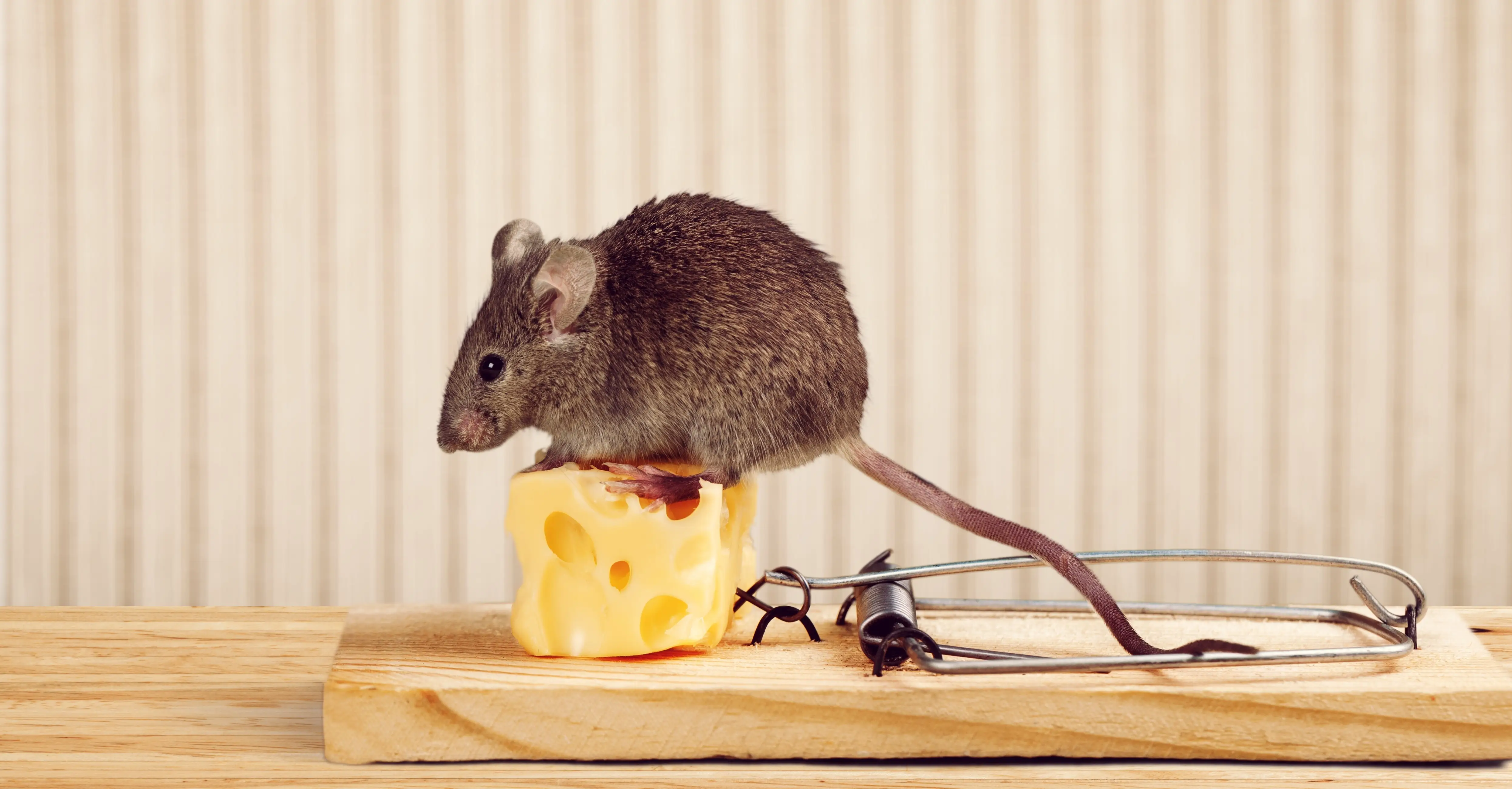
Mouse trap with peanut butter bait
By Gary Anderson||7 min read

What is the Best Bait for Mouse Traps?

A complete guide to choosing effective bait and maximizing your trapping success.

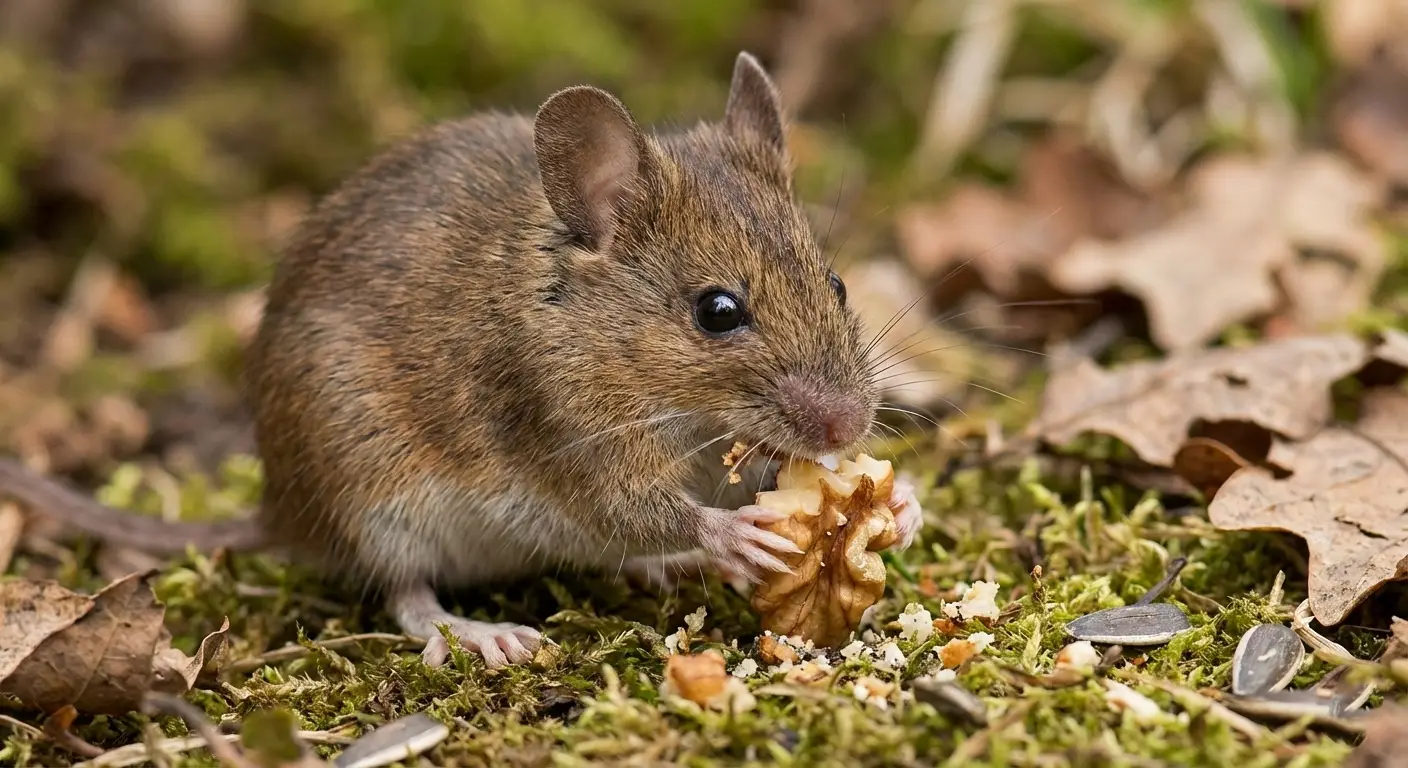
Choosing the right bait for mouse traps is crucial for effectively managing rodent problems in your home. Wild mice are opportunistic feeders that naturally seek out seeds and nuts, but they often turn their attention to high-calorie sweets and fatty foods once inside human residences.

While cheese is commonly believed to be the ideal bait, peanut butter is actually more effective due to its strong, nutty aroma and sticky consistency. The stickiness helps prevent bait theft that often frustrates homeowners.

Top Bait Choices

Peanut butter is the most effective bait due to its strong aroma and sticky texture. Other excellent options include chocolate, soft candy, hot dogs, and nuts. Use only a pea-sized amount to prevent mice from eating without triggering the trap.
How to Use Mouse Traps

Using mouse traps is one of the most direct and effective methods for eliminating mice. Understanding the different types helps you choose the right one for your situation:

Snap Traps

Traditional and widely used, known for their effectiveness. A pressure plate connected to a spring-loaded mechanism snaps shut when triggered. Bait is applied to the pressure plate. Designed to kill instantly.

Spin Traps

A discreet option that allows for a clean experience without seeing or touching the deceased mouse. Circular plastic traps require a dab of bait like peanut butter. A visible indicator shows a successful catch.

Glue Traps

Simple to use and do not require baiting. Capture mice with sticky adhesive as they walk across. Note: Being considered for a nationwide ban due to inhumane method of killing.

Placement Tip: Position traps close to walls and in secluded corners where mice frequently travel. Always wear gloves when handling used traps to avoid contact with potential pathogens.

What Foods Are Irresistible to Mice?

Mice have diverse tastes and are drawn to various foods. While cheese is commonly believed to be ideal, peanut butter is actually more effective due to its strong, nutty aroma and sticky consistency:

Peanut Butter

Top choice. Strong aroma and sticky texture mice find irresistible. Use just enough to coat the trigger lightly.

Chocolate

Strong aroma and high calorie content. Milk chocolate and peanut butter cups are particularly effective.

Soft Candy

Marshmallows and gumdrops are effective. Soft candies require mice to chew longer, increasing trap trigger likelihood.

Fruit Jam

Sweetness attracts mice and viscosity holds them in place. May also attract ants, so check traps regularly.

Hot Dogs

Strong aroma particularly attractive to mice. Can be cut into small pieces to fit various trap sizes.

Pet Food

Wet pet food strongly appeals to rodents. Place traps in areas inaccessible to your pets like attics.

Cheese

Lives up to its stereotype. Potent-smelling cheeses work best due to their intense odor.

Birdseed and Nuts

Staples of a wild mouse's diet. Sunflower seeds and pumpkin seeds are particularly attractive.

What to Do When the Bait Is Not Working

When your mousetrap is not yielding results, reassess and refine your approach:

Use Different Bait

Switch it up. Try alternating bait types regularly to see what works best for your situation.

Less Bait, More Traps

Too much bait allows mice to eat without triggering the trap. Use pea-sized amounts and increase trap quantity.
Switch Trap Types

Mice can learn to avoid traps. If snap traps are not working, try spin traps or electric traps.

Sensitive Sensors

For smaller or lighter mice, electric traps that kill on contact when a closed circuit is created may be more effective.

Traps Not Working?

Our experts can identify the root cause and implement professional-grade solutions for effective rodent control.

Call (866) 326-2847

Common Mistakes People Make with Mouse Traps

Several common mistakes can significantly reduce trap effectiveness and delay the resolution of your rodent problem:

Ruining the Bait

Handling bait with bare hands transfers human scent, deterring mice. Always wear gloves when handling both bait and traps. Suitable gloves include food prep, healthcare, or dish gloves.

Using the Wrong Bait

Mice prefer nuts and seeds over cheese. In colder months, non-food items like cotton balls, dental floss, or yarn work well as mice focus on nest building.

Using Too Much Bait

Excessive bait makes it easier for mice to steal without triggering the trap. Use only a tiny, pea-sized amount sufficient to attract but not allow free nibbling.
Not Being Patient

Mice are cautious of new objects. Set out baited but unset traps for a few days first to acclimate mice before setting them.

Wrong Placement

Mice avoid open areas and prefer walls. Place traps directly along walls with the bait end facing the wall. Also try behind appliances and in cabinet backs.

Too Few Traps

Mice reproduce rapidly. Place traps every 2 to 3 feet along walls with high activity. In high-traffic areas, set traps in pairs about an inch apart.

Big First Night Strategy: The initial night of setting traps is usually most successful. Deploy a comprehensive array of traps with varied baits before mice become wary.

How Often Should You Change Bait?

Regular maintenance of mouse traps is crucial for effectiveness:

After Each CatchReplace bait when disposing of a captured mouse
Every 2 DaysReplace untouched bait to maintain freshness
Check for Other PestsEnsure bait has not attracted ants or cockroaches

Snap Traps vs Bait Stations

A bait station is a specialized device that safely houses and dispenses poison bait. Choosing between snap traps and bait stations depends on your specific situation:

Baited Snap Traps

  • Immediate confirmation of a catch
  • Suitable for frequent checking
  • Ideal when you know exact areas of activity
  • Quick removal and disposal
  • Visual evidence of effectiveness

Bait Stations

  • Effective for larger or dispersed populations
  • Can eliminate multiple rodents with one setup
  • Safer in homes with children or pets
  • Keeps toxic substances contained
  • Rodents typically die away from the bait site

Best Strategy: Often, a combination of both methods is most effective, allowing for immediate captures in known high-traffic areas and ongoing control in larger or less accessible spaces.

Contact EcoGuard Pest Management if You Are Dealing with Mice

If you are facing challenges with mice in your home or business, do not wait for the problem to escalate. EcoGuard Pest Management offers expert, reliable solutions tailored to effectively address and resolve your mouse infestation. Our dedicated team is ready to provide the support and interventions you need to reclaim your space from unwanted guests.

Call (866) 326-2847Get Free Quote

Mice Bait FAQs

What bait is irresistible to mice?

Mice are particularly attracted to foods with strong aromas like peanut butter. This bait is irresistible to mice due to its potent smell and its sticky consistency ensures it adheres well to traps. Other effective baits include chocolate, oatmeal, and nuts which can also appeal to their taste preferences. When setting traps, a small amount of these baits can be highly effective in luring mice.

Why am I not catching mice in traps?

There could be several reasons why your mouse traps are not catching mice. One common issue is improper placement. Mice tend to run along walls and behind objects for cover, so traps should be set in these paths where mice are most likely to travel. Additionally, if the bait is not securely attached or appealing enough, or if human scent is left on the traps, mice may avoid them altogether. Ensuring the correct setup and using gloves when handling traps can increase your success rate.

From Our Blog

Related Articles

Are Mice Nocturnal? When Mice Are Most Active

Are Mice Nocturnal? When Mice Are Most Active

Learn if mice are nocturnal, when they are most active, how they navigate at night, and signs of mice activity in your...

Read Article
Can Mice Climb Walls and Other Surfaces?

Can Mice Climb Walls and Other Surfaces?

Learn if mice can climb walls, what surfaces they can and cannot climb, how they get inside walls, and how to prevent...

Read Article
Common Types of Mice in North America

Common Types of Mice in North America

Identify different types of mice including house mice, deer mice, white-footed mice, and more. Learn appearance,...

Read Article
Do Mothballs Keep Mice Away? The Truth Revealed

Do Mothballs Keep Mice Away? The Truth Revealed

Learn why mothballs are ineffective and illegal for mouse control. Discover safer, proven alternatives to keep mice out...

Read Article
How Long Do Mice Live? Mouse Lifespan & Life Cycle

How Long Do Mice Live? Mouse Lifespan & Life Cycle

Learn how long mice live, their complete life cycle from pup to adult, lifespans by species, and why quick action on...

Read Article
How to Find Where Mice Are Getting In

How to Find Where Mice Are Getting In

Learn how to locate mouse entry points in your home. Complete guide to inspecting indoors and outdoors, common access...

Read Article
How to Get Rid of Mice in the Walls

How to Get Rid of Mice in the Walls

Learn how to detect, trap, and eliminate mice in your walls. Covers entry points, infestation signs, trap types,...

Read Article
How to Get Rid of Mice in Your House in 9 Steps

How to Get Rid of Mice in Your House in 9 Steps

Learn how to get rid of mice in your house with 9 proven steps. Covers trap types, bait stations, wall mice, prevention...

Read Article
Mouse vs Rat: Key Differences in Appearance & Behavior

Mouse vs Rat: Key Differences in Appearance & Behavior

Learn the differences between mice and rats including size, appearance, behavior, eating habits, droppings, and...

Read Article
What Are Mice? Identification, Behavior & Control Guide

What Are Mice? Identification, Behavior & Control Guide

Complete guide to mice including identification, species, behavior, diet, reproduction, threats, prevention, and...

Read Article
What Do Mice Eat? Wild & House Mouse Diet Guide

What Do Mice Eat? Wild & House Mouse Diet Guide

Learn what mice eat in the wild and in your home. Discover their favorite foods, what attracts them, and the best bait...

Read Article
What Does Mouse Poop Look Like? Identification & Cleanup

What Does Mouse Poop Look Like? Identification & Cleanup

Learn how to identify mouse droppings, where to find them, cleanup procedures, and health risks. Compare mouse poop vs...

Read Article
What Repels Mice? Natural Deterrents & Scents That Work

What Repels Mice? Natural Deterrents & Scents That Work

Learn what repels mice including natural deterrents, scents, essential oils, and exclusion tactics. Find out which...

Read Article