EcoGuard Pest Management
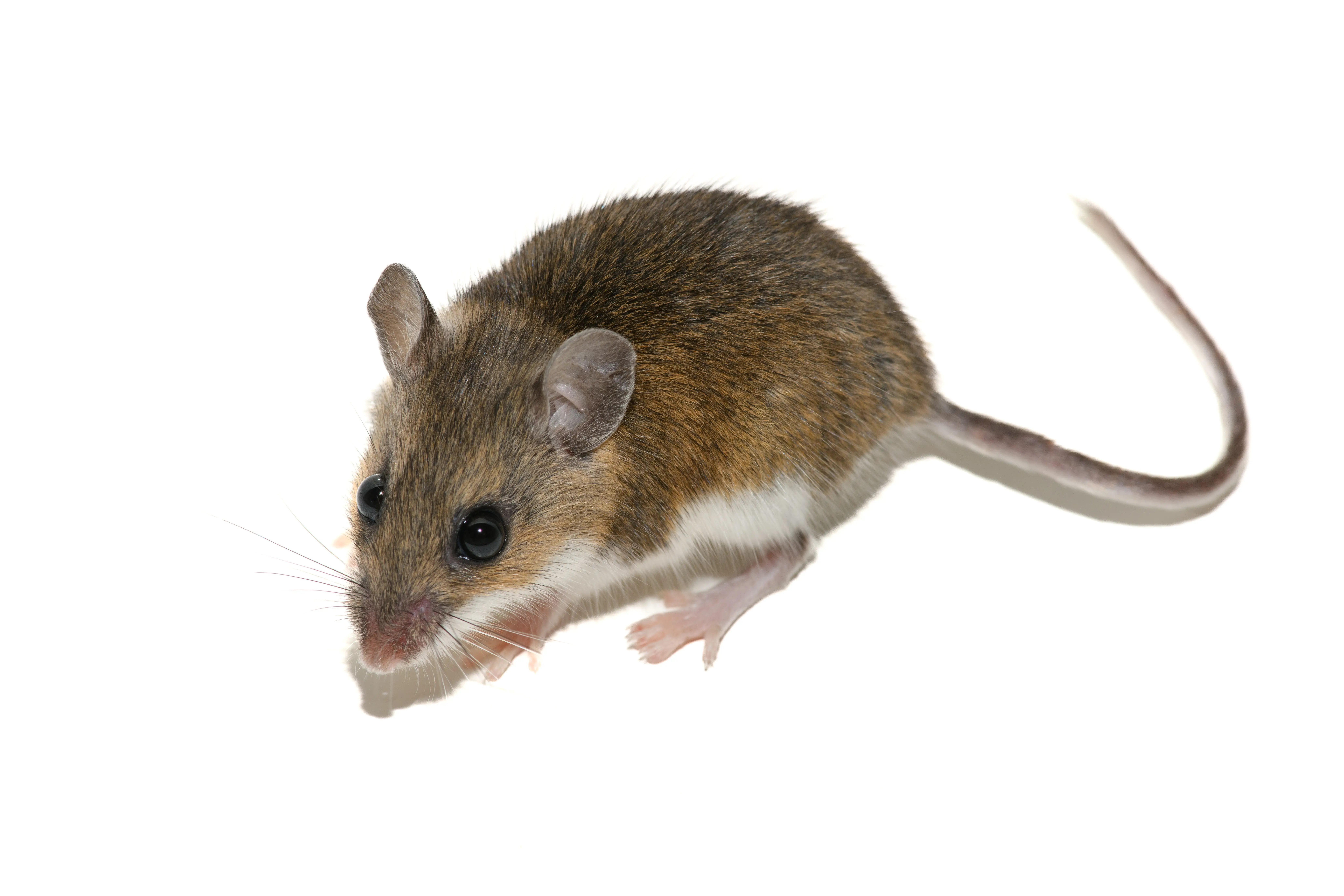
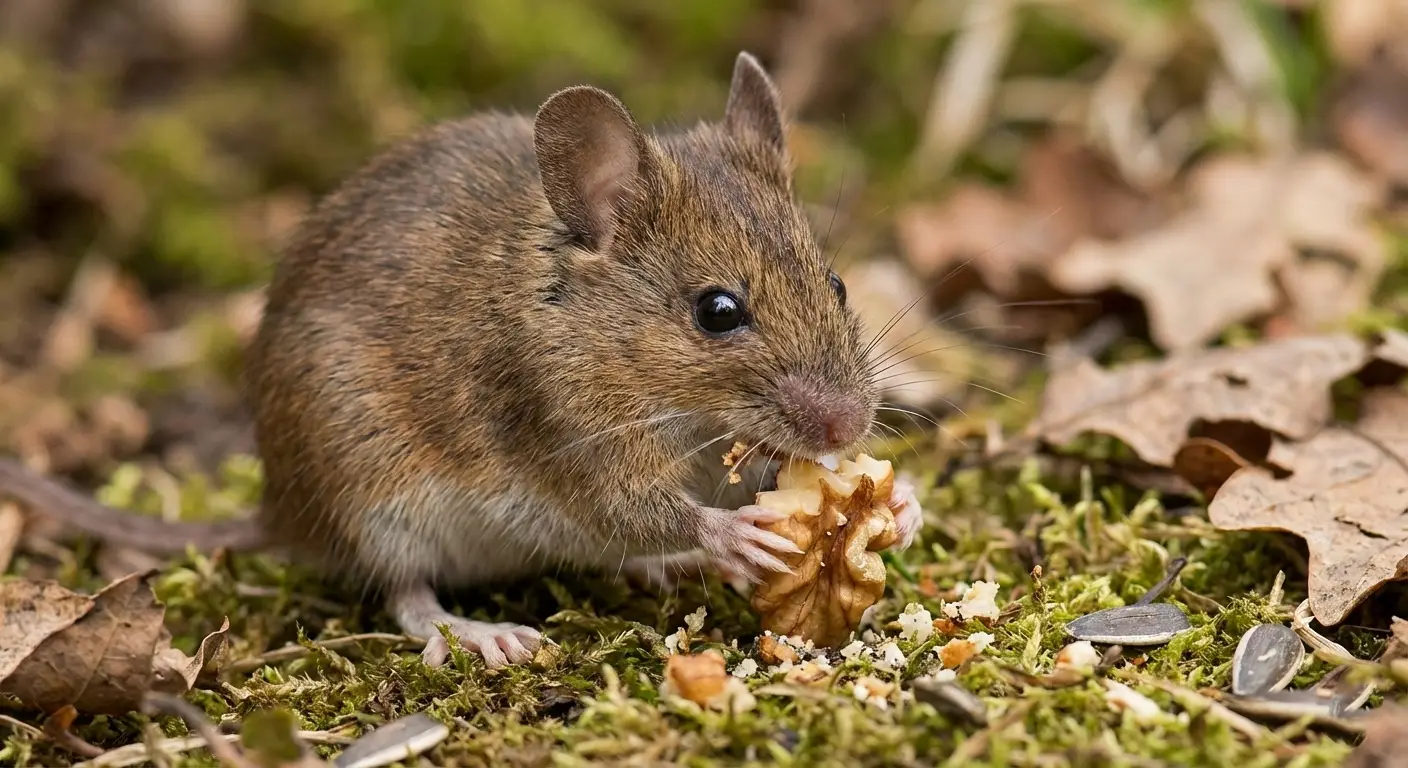
Mouse eating seeds showing natural diet preferences
By Gary Anderson||6 min read

What Do Mice Eat In The Wild?

Understanding mouse diet helps prevent infestations and choose effective trap baits.

Mice in the wild are versatile eaters with diverse diets that include grains, fruits, seeds, vegetables, insects, and even carrion. Their diet varies based on environment and can change drastically depending on where they live.

Mice are opportunistic feeders and excellent scavengers. If there is ample access to food within human homes, mice will be drawn inside, potentially leading to infestations and health risks from contamination.

The Short Answer

Mice are omnivores that prefer high-carbohydrate foods like grains, seeds, and fruits. They consume 3-5 grams of food daily over multiple feedings. Contrary to popular belief, mice prefer peanut butter over cheese.

Are Mice Omnivores?

Yes, mice are omnivorous and can consume a wide variety of food sources ranging from plant-based foods to animal matter.

Primary Diet (Wild)

Prefer grains, fruits, and seeds which often results in significant damage to crops and gardens. High in carbohydrates which means lots of energy for these small, active animals.

Urban Environment

Adapt diet to available foods resulting in more balanced diet: meats, grains, oats, cereal, rice, corn, fruit, and seeds.

Meat Consumption

Will eat meat when available. Can hunt small, weakened birds, lizards, bugs, and insects. Prefer to scavenge carrion rather than hunt.

What Do House Mice Eat?

House mice are highly adaptable. They initially seek familiar foods similar to their natural diet, then learn to scavenge for anything available. A mouse consumes 3 to 5 grams of food daily over multiple feedings.

Cereals

Particularly appealing. Cardboard packaging is easy to penetrate, grains are simple to hold and consume.

High-Fat Foods

Lard, bacon, butter, grease serve as potent attractions for hungry mice.

High-Sugar Foods

Chocolate, dried fruits, cookies, trail mix. Provide high amounts of energy.

Pet & Bird Food

Pet food, bird seeds, grass seeds all attract mice for a feast.

Mice Finding Food in Your Home?

Proper storage helps, but infestations need professional treatment. Let us help.

Call (866) 326-2847

Common Questions About Mouse Diet

Do Mice Eat Cheese?

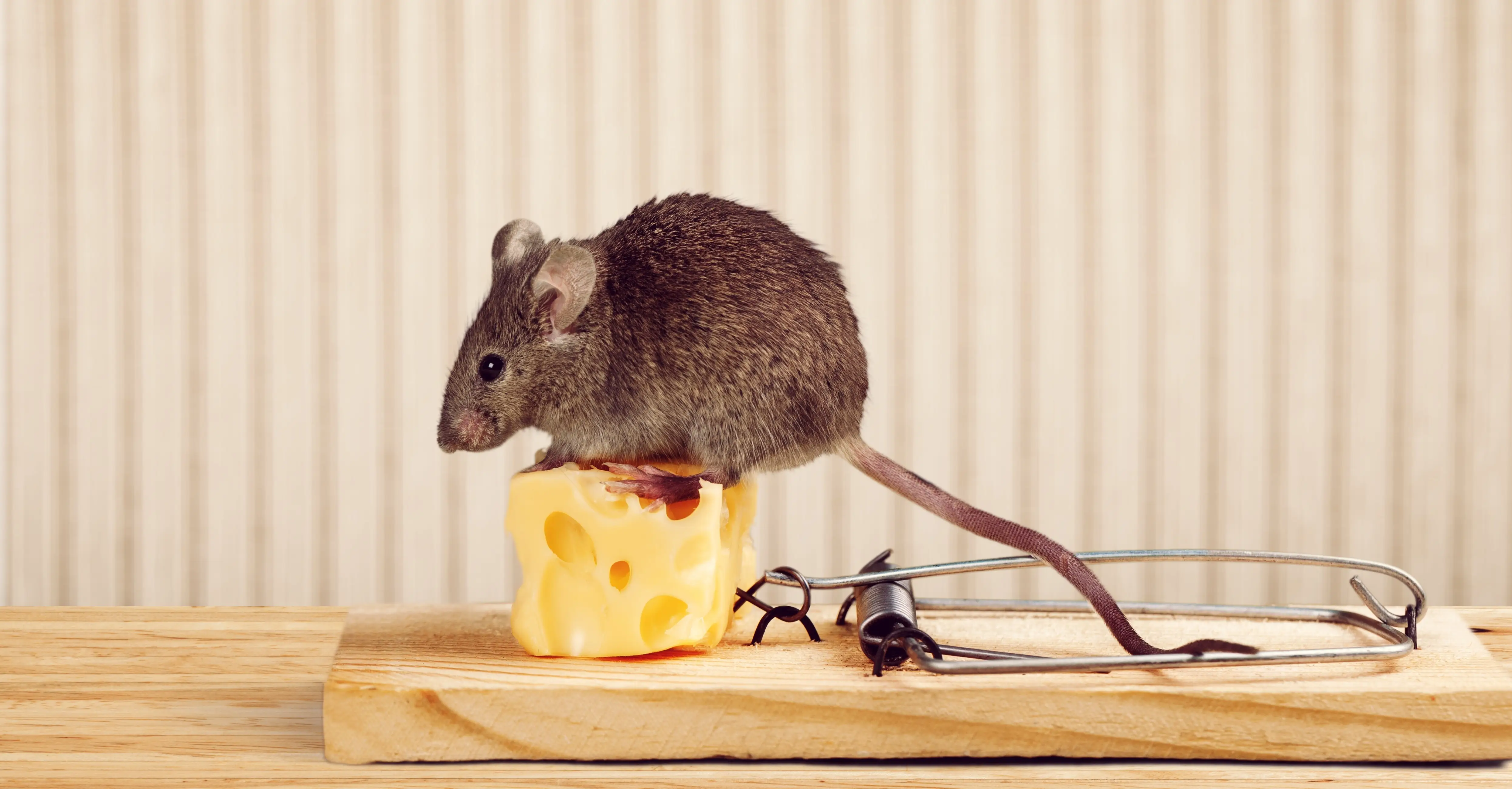
Contrary to popular belief, mice do not have a strong preference for cheese. They are attracted to nutrient-dense, high-carbohydrate foods. Mice are much more likely to choose peanut butter over cheese. They will eat cheese if available, but it is not their top choice.

Do Mice Eat Meat?

Mice primarily focus on grains and seeds but will consume meat if available. They can hunt small, weakened prey but prefer to consume carrion (animal protein from dead animals) rather than actively hunt.

Do Mice Eat Bugs?

Yes, mice hunt and consume insects including worms, snails, slugs, beetles, centipedes, grasshoppers, cockroaches, and even scorpions. House mice rarely eat bugs when other food is available.

Do Mice Eat Roaches?

Mice do eat roaches, but not as a significant part of their diet. Roaches are often too fast to catch regularly. Mice will consume trapped or incapacitated roaches. Note: mice eating poisoned roaches may also become sick.

Do Mice Eat Sweets?

Yes, mice love sweets. In the wild, they prefer fruits and berries for nutrition and energy. This preference continues in homes where they seek out cookies, trail mix, and dried fruits. Store these items in durable containers.

Do Mice Eat Other Mice?

Mice exhibit cannibalistic behavior under extreme starvation or food competition. Adult mice will target younger, more vulnerable mice. This is a desperate last resort, not normal behavior.

Do Mice Eat Plants?

Mice are attracted to vegetation because plants tend to have fruits and seeds which are primary staples of their diet. Understanding this helps with garden rodent control.

Green Beans
Sunflowers
Corn
Grains
Zucchini
Cauliflower
Potatoes
Carrots
Turnips
Cabbage
Peas

Flower Gardens

Even flower gardens are not immune. Mice have been known to eat tulips when their preferred food sources are scarce.

Grass

Outdoor mice feed on grass as part of their diet. Like dogs and cats, grass helps with digestion and acts as a source of insoluble fiber.

Do Mice Eat Building Materials?

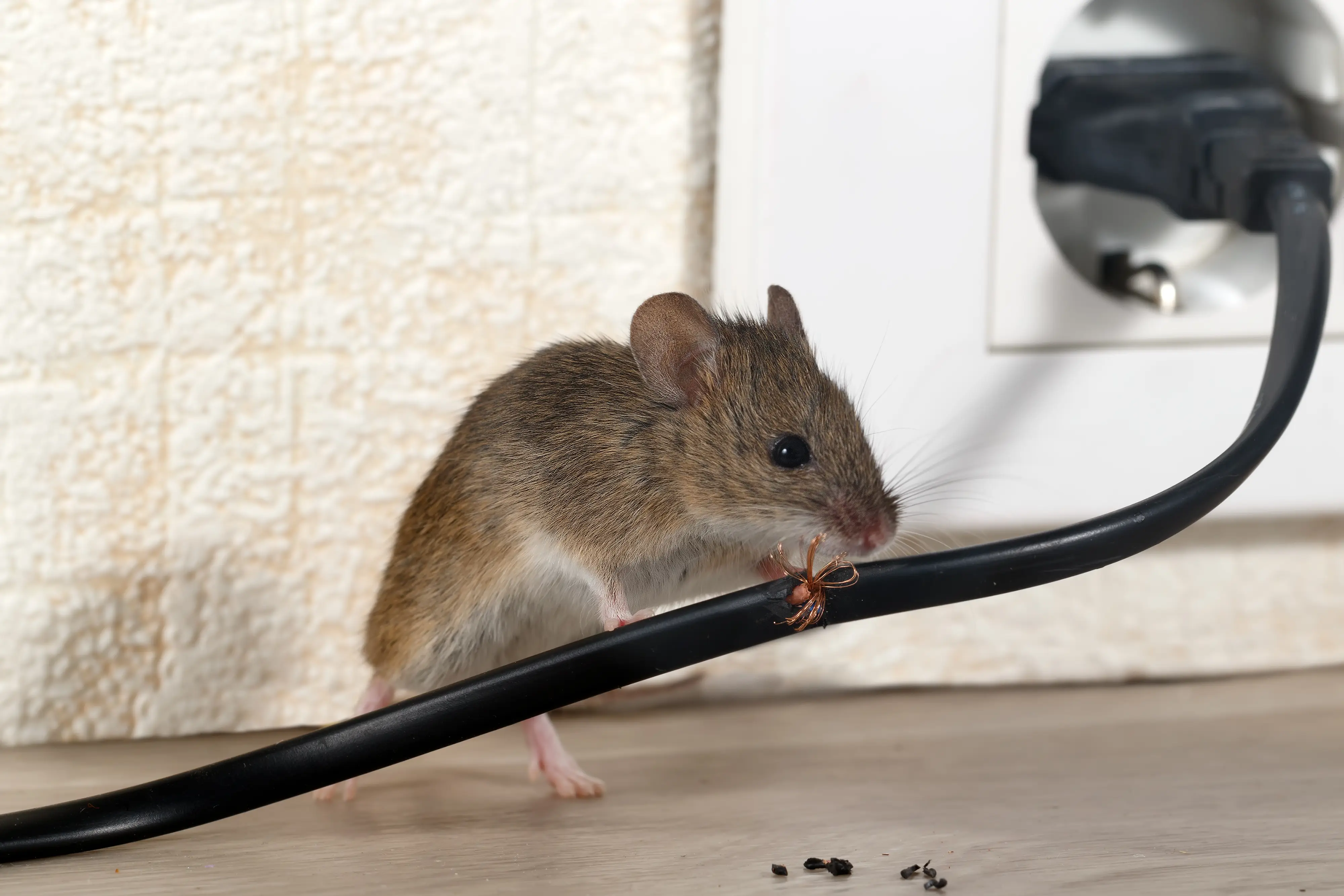
Important: Mice do not eat building materials for nourishment. Their teeth continually grow, compelling them to constantly gnaw to maintain manageable length. This behavior also creates pathways and nesting sites.

Electrical wiring (fire hazard)

Cardboard boxes

Papers

Wooden walls

Drywall

Rubber insulation

Best Food to Use in Mouse Traps

Leveraging mouse food preferences significantly improves trapping outcomes. The most effective baits are high in sugar or fat content.

Peanut Butter

MOST EFFECTIVE

Potent aroma and sticky nature makes it hard to consume without triggering trap.

Chocolate + Peanut Butter

IRRESISTIBLE

The combination is nearly irresistible to mice.

Other Options

Bird food, pet food, cereals, and jam (mimics sweet fruit preference).

Contact EcoGuard Today if You Are Dealing with Mice

While understanding mouse behavior and diet can help manage minor infestations, it is often beneficial to engage professionals for a thorough and effective solution. With our deep knowledge of rodent behavior and advanced pest control strategies, we are fully equipped to handle any mouse infestation. Contact us today for a free quote!

Call (866) 326-2847Get Free Quote

Mouse Diet FAQs

What are mice's favorite food?

Mice have a fondness for foods high in carbohydrates such as grains, fruits, and seeds, but they particularly love items like chocolate and peanut butter due to their high sugar content and appealing aroma.

What attracts mice to your house?

Mice are primarily attracted to homes by the availability of food and shelter. They are drawn to food items left unsealed, especially grains and sweets, and also the warmth and safety that buildings provide, particularly during colder months.

What do mice eat in your walls?

Mice do not eat the materials in your walls for nourishment, but they can gnaw on various materials such as insulation, wires, and wood to help wear down their continuously growing teeth and to create pathways or nesting sites.

What foods are toxic to mice?

Even though chocolate is a preferred food for mice, it is not safe to consume in large quantities due to the presence of theobromine. Other foods that are spoiled resulting in mycotoxins are also not safe. Additionally, onions and garlic in large amounts can be harmful due to their sulphoxide content.

From Our Blog

Related Articles

Are Mice Nocturnal? When Mice Are Most Active

Are Mice Nocturnal? When Mice Are Most Active

Learn if mice are nocturnal, when they are most active, how they navigate at night, and signs of mice activity in your...

Read Article
Can Mice Climb Walls and Other Surfaces?

Can Mice Climb Walls and Other Surfaces?

Learn if mice can climb walls, what surfaces they can and cannot climb, how they get inside walls, and how to prevent...

Read Article
Common Types of Mice in North America

Common Types of Mice in North America

Identify different types of mice including house mice, deer mice, white-footed mice, and more. Learn appearance,...

Read Article
Do Mothballs Keep Mice Away? The Truth Revealed

Do Mothballs Keep Mice Away? The Truth Revealed

Learn why mothballs are ineffective and illegal for mouse control. Discover safer, proven alternatives to keep mice out...

Read Article
How Long Do Mice Live? Mouse Lifespan & Life Cycle

How Long Do Mice Live? Mouse Lifespan & Life Cycle

Learn how long mice live, their complete life cycle from pup to adult, lifespans by species, and why quick action on...

Read Article
How to Find Where Mice Are Getting In

How to Find Where Mice Are Getting In

Learn how to locate mouse entry points in your home. Complete guide to inspecting indoors and outdoors, common access...

Read Article
How to Get Rid of Mice in the Walls

How to Get Rid of Mice in the Walls

Learn how to detect, trap, and eliminate mice in your walls. Covers entry points, infestation signs, trap types,...

Read Article
How to Get Rid of Mice in Your House in 9 Steps

How to Get Rid of Mice in Your House in 9 Steps

Learn how to get rid of mice in your house with 9 proven steps. Covers trap types, bait stations, wall mice, prevention...

Read Article
Mouse vs Rat: Key Differences in Appearance & Behavior

Mouse vs Rat: Key Differences in Appearance & Behavior

Learn the differences between mice and rats including size, appearance, behavior, eating habits, droppings, and...

Read Article
What Are Mice? Identification, Behavior & Control Guide

What Are Mice? Identification, Behavior & Control Guide

Complete guide to mice including identification, species, behavior, diet, reproduction, threats, prevention, and...

Read Article
What Does Mouse Poop Look Like? Identification & Cleanup

What Does Mouse Poop Look Like? Identification & Cleanup

Learn how to identify mouse droppings, where to find them, cleanup procedures, and health risks. Compare mouse poop vs...

Read Article
What is the Best Bait for Mouse Traps? Complete Guide

What is the Best Bait for Mouse Traps? Complete Guide

Discover the most effective baits for mouse traps, from peanut butter to chocolate. Learn proper baiting techniques and...

Read Article
What Repels Mice? Natural Deterrents & Scents That Work

What Repels Mice? Natural Deterrents & Scents That Work

Learn what repels mice including natural deterrents, scents, essential oils, and exclusion tactics. Find out which...

Read Article