EcoGuard Pest Management
Different species of mice found in North America
By Gary Anderson||5 min read

Common North American Mice Species

Identifying mice species helps implement the most effective control measures.

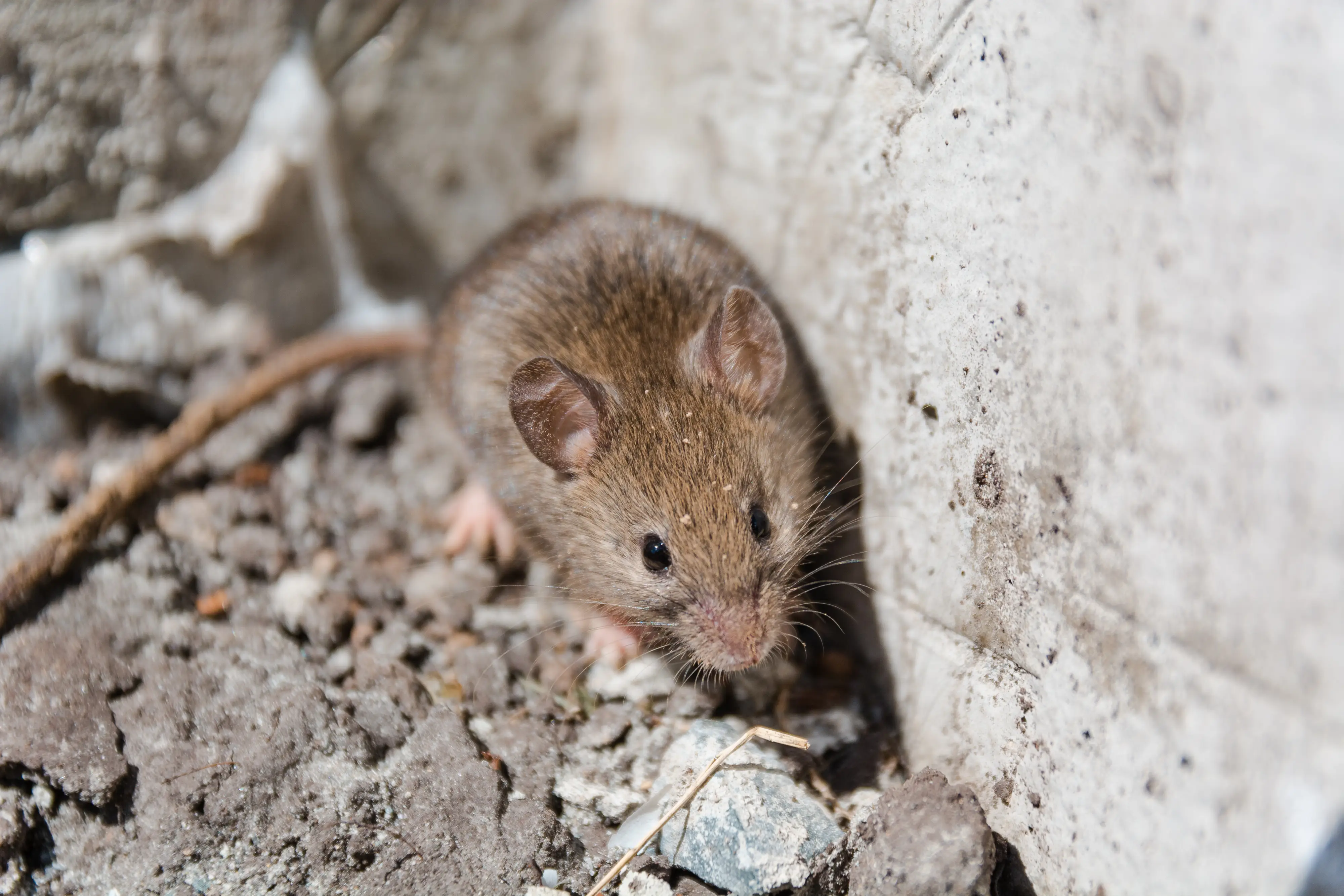
Mice are small nocturnal mammals that are elusive to homeowners. While there are over 1,000 mouse species globally, a handful of common North American species inhabit homes.

The most prevalent species in the U.S. include the House Mouse, Deer Mouse, Western Harvest Mouse, and White-Footed Mouse. These mice generally measure between 4 and 7 inches and weigh between 0.4 and 3 ounces.

Why Identification Matters

Spotting one mouse often indicates more lurking nearby. Accurate species identification helps implement the appropriate control measures. Some species like deer mice and white-footed mice carry hantavirus.

North American Mouse Species

House Mouse

Mus musculus

MOST COMMON
Color: Dusty gray
Length: 5-8 inches
Weight: 0.5-1.5 oz
Lifespan: Under 1 year

Found throughout the U.S. Active all year. Pointed muzzle, large eyes, round ears, hairless tail. Prefers grains, seeds, and sweets. Produces 7-8 litters annually with 4-16 offspring each.

Can contaminate food and transmit diseases. One pair could produce thousands in a year.

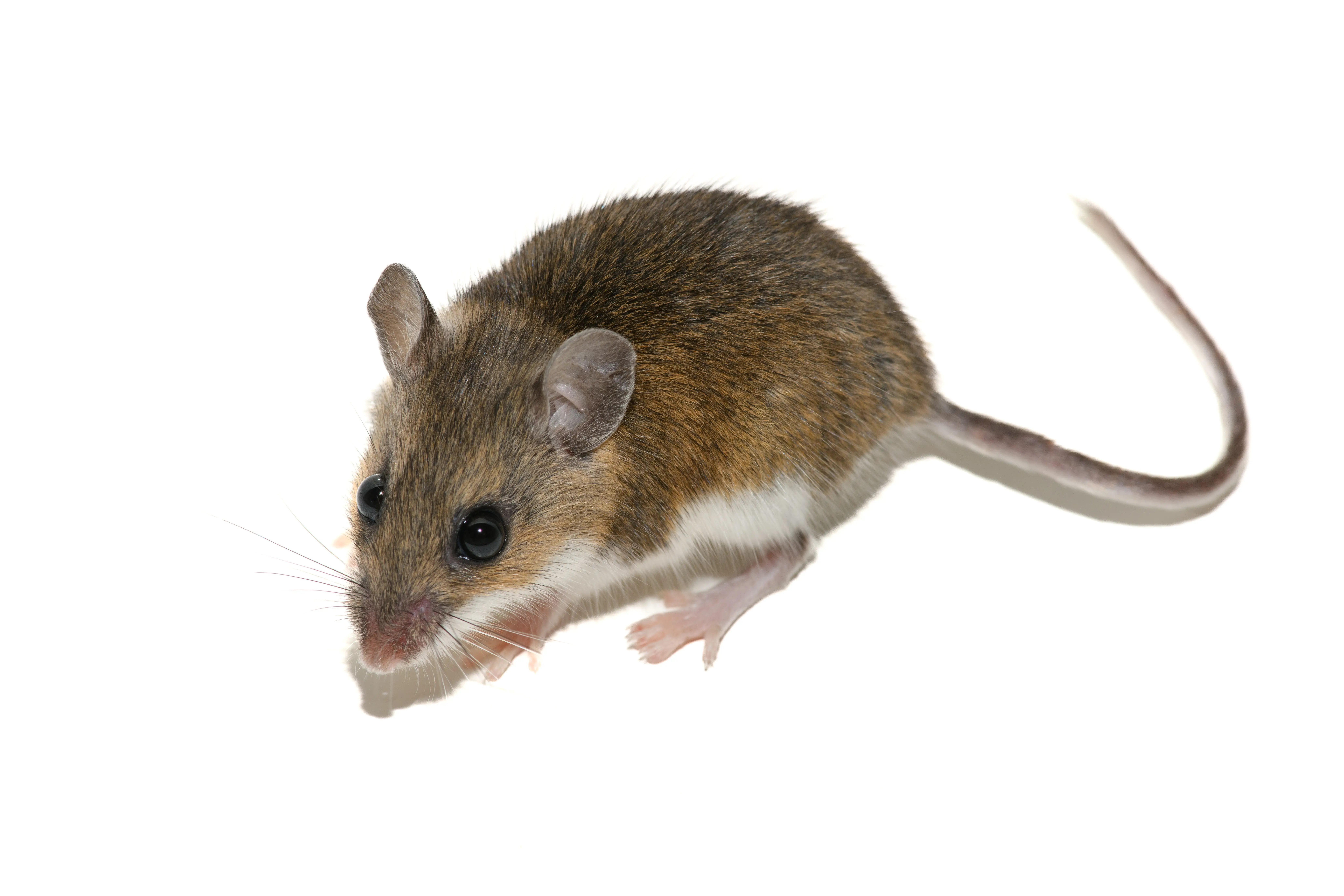
Deer Mouse

Peromyscus maniculatus (Field Mouse)

HANTAVIRUS CARRIER
Color: Brown/white belly
Length: 4-9 inches
Weight: 0.4-1.25 oz
Lifespan: 2-24 months

Named for deer-like fur. Excellent climbers. Nests in tree hollows, under logs, or indoors in attics, basements, upholstered furniture. Feeds on insects, seeds, nuts, berries.

Disease vector for hantavirus which can lead to severe, sometimes fatal lung conditions.

White-Footed Mouse

Peromyscus leucopus

HANTAVIRUS CARRIER
Color: Gray-brown/white feet
Length: 5-8 inches
Weight: 0.4-1.5 oz
Lifespan: 2-3 years

Found in eastern U.S. to Rocky Mountains. Distinct white feet and underbelly. Inhabits hardwood forests, homes, garages. When alarmed, drums front feet. Feeds on fruits, nuts, seeds, insects.

Potential to spread hantavirus, making them a significant pest control concern.

Western Harvest Mouse

Reithrodontomys megalotis

Color: Brown/white stripe
Length: 4-6 inches
Weight: 0.2-0.6 oz
Lifespan: Under 1 year

Found from British Columbia to Mexico. Large, hairless ears and grooved incisors. Builds spherical nests on ground or in low vegetation. Uses tunnels of other mammals. Prefers outdoors but cold drives them inside.

Other North American Species

Cotton Mouse

Southern U.S. woodlands/swamps. 6-8 in. Builds nests with raw cotton. Inactive during summer heat. Lifespan: 4-5 months.

Woodland Jumping Mouse

Eastern U.S./Canada. 8-10 in. Can leap nearly 10 feet. Hibernates in winter. Lifespan: 2-4 years.

California Mouse

Western North America. 8-11 in. One of largest species. Monogamous mating. Males help raise offspring. Lifespan: 9-18 months.

Cactus Mouse

Southwestern deserts. 6-8 in. Adapted to limited water. Can enter torpor when resources scarce. Lifespan: under 1 year.

Meadow Jumping Mouse

Open fields near water. 7-9 in. Yellow-orange sides with dark stripe. Uses elongated hind feet to leap. Lifespan: 1-3 years.

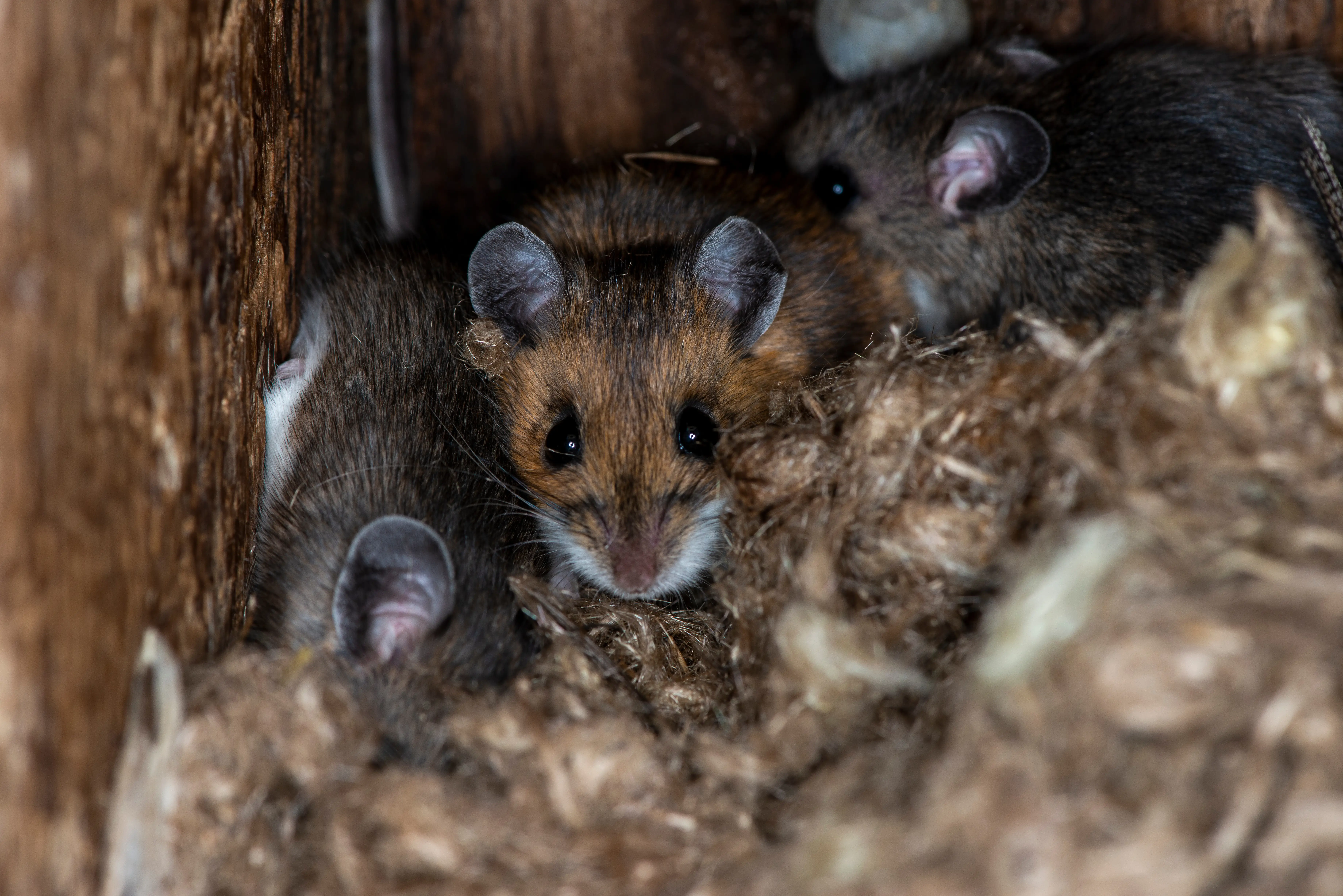
Not Sure What Type of Mouse You Have?

Professional identification ensures the right control measures. Let our experts help.

Call (866) 326-2847

Signs of a Mouse Infestation

Mice often seek refuge in homes during colder months. While nocturnal and elusive, they leave behind unmistakable signs.

Droppings resembling black rice grains

Nesting evidence in hidden areas

Gnaw damage on wood, plastic, food packaging

Tracks/footprints near food sources

Sounds in walls at night

How to Deal with Mice Infestations

Trapping

Live traps: Most humane, bait attracts mouse to cage for relocation.

Snap traps: Spring-loaded, usually kills immediately.

Electric traps: Metal pad electrocutes instantly.

Glue traps are less humane as mice starve over several days.

Baiting

Uses rodenticides to poison mice. Generally not recommended because:

  • Poisoned mice can be eaten by pets or other animals
  • Mice do not die instantly, often dying inside hard-to-reach wall cavities
  • Causes bad odors and attracts scavenger pests

Professional Control

Most effective and efficient for large infestations. Professional rodent control experts create customized plans to deal with mice quickly using proven strategies.

How to Prevent Mice Infestations

Exclusion

Inspect for vulnerabilities. Repair cracks in foundation, gaps in baseboards, pipe/vent gaps, under doors. Mice squeeze through openings as tiny as 1/4 inch.

Eliminate Attractants

Store food in airtight, mouse-proof containers. Clean crumbs/spills immediately. Wash dishes. Keep counters food-free. Keep spaces dry.

Property Maintenance

Trim overgrown vegetation near foundation. Store firewood and debris away from house. Creates a gap that exposes mice and deters entry.

Dealing with a Mouse Problem? Call EcoGuard Pest Management Today

If you are dealing with a mice infestation, swift and professional intervention is key to ensuring a pest-free home. EcoGuard Pest Management's team of experts are equipped with the knowledge and tools to address your mouse problem immediately. Reach out today to schedule a rodent inspection!

Call (866) 326-2847Get Free Quote

Mouse Species FAQs

What is the most common type of mice?

The most common type of mouse found in many parts of the world is the house mouse. They are easily recognizable by their small size, grayish-brown fur, and long tails. House mice are often the primary concern for homeowners and businesses due to their potential to spread diseases and cause property damage.

Are there multiple types of mice?

There are multiple types of mice found around the world. Some common species include the house mouse, deer mouse, field mouse, and the harvest mouse. Each species has its own distinct habitat, appearance, and behavior.

What type of mice come into your house?

The most common type of mouse that enters homes is the house mouse. However, other species like the deer mouse and field mouse can also find their way into residences, especially in rural areas or homes near woodlands. These mice typically seek shelter, food, and warmth, especially during colder months.

From Our Blog

Related Articles

Are Mice Nocturnal? When Mice Are Most Active

Are Mice Nocturnal? When Mice Are Most Active

Learn if mice are nocturnal, when they are most active, how they navigate at night, and signs of mice activity in your...

Read Article
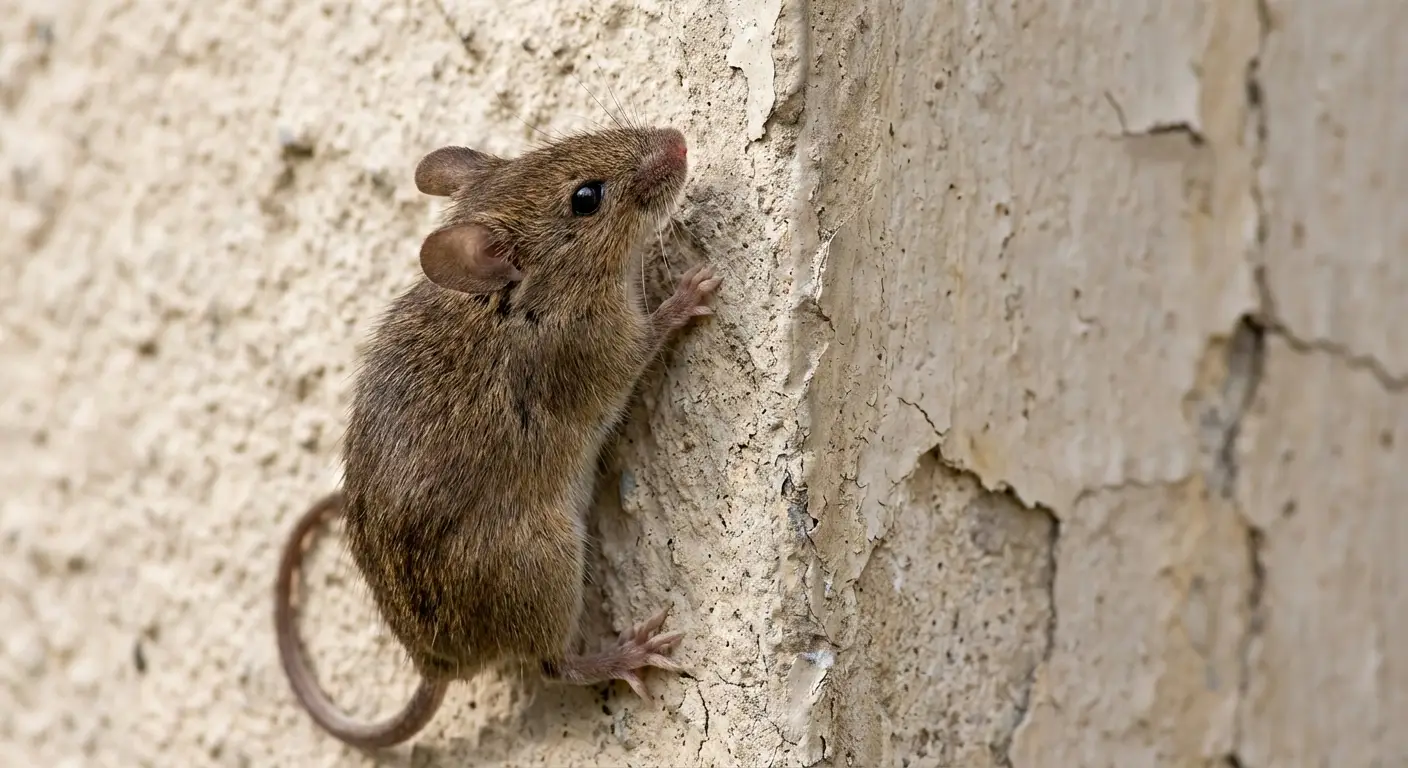
Can Mice Climb Walls and Other Surfaces?

Can Mice Climb Walls and Other Surfaces?

Learn if mice can climb walls, what surfaces they can and cannot climb, how they get inside walls, and how to prevent...

Read Article
Do Mothballs Keep Mice Away? The Truth Revealed

Do Mothballs Keep Mice Away? The Truth Revealed

Learn why mothballs are ineffective and illegal for mouse control. Discover safer, proven alternatives to keep mice out...

Read Article
How Long Do Mice Live? Mouse Lifespan & Life Cycle

How Long Do Mice Live? Mouse Lifespan & Life Cycle

Learn how long mice live, their complete life cycle from pup to adult, lifespans by species, and why quick action on...

Read Article
How to Find Where Mice Are Getting In

How to Find Where Mice Are Getting In

Learn how to locate mouse entry points in your home. Complete guide to inspecting indoors and outdoors, common access...

Read Article
How to Get Rid of Mice in the Walls

How to Get Rid of Mice in the Walls

Learn how to detect, trap, and eliminate mice in your walls. Covers entry points, infestation signs, trap types,...

Read Article
How to Get Rid of Mice in Your House in 9 Steps

How to Get Rid of Mice in Your House in 9 Steps

Learn how to get rid of mice in your house with 9 proven steps. Covers trap types, bait stations, wall mice, prevention...

Read Article
Mouse vs Rat: Key Differences in Appearance & Behavior

Mouse vs Rat: Key Differences in Appearance & Behavior

Learn the differences between mice and rats including size, appearance, behavior, eating habits, droppings, and...

Read Article
What Are Mice? Identification, Behavior & Control Guide

What Are Mice? Identification, Behavior & Control Guide

Complete guide to mice including identification, species, behavior, diet, reproduction, threats, prevention, and...

Read Article
What Do Mice Eat? Wild & House Mouse Diet Guide

What Do Mice Eat? Wild & House Mouse Diet Guide

Learn what mice eat in the wild and in your home. Discover their favorite foods, what attracts them, and the best bait...

Read Article
What Does Mouse Poop Look Like? Identification & Cleanup

What Does Mouse Poop Look Like? Identification & Cleanup

Learn how to identify mouse droppings, where to find them, cleanup procedures, and health risks. Compare mouse poop vs...

Read Article
What is the Best Bait for Mouse Traps? Complete Guide

What is the Best Bait for Mouse Traps? Complete Guide

Discover the most effective baits for mouse traps, from peanut butter to chocolate. Learn proper baiting techniques and...

Read Article
What Repels Mice? Natural Deterrents & Scents That Work

What Repels Mice? Natural Deterrents & Scents That Work

Learn what repels mice including natural deterrents, scents, essential oils, and exclusion tactics. Find out which...

Read Article