
EcoGuard Pest Management
Mothballs near mouse hole illustrating ineffective rodent control
By Gary Anderson||6 min read

Do Mothballs Keep Mice Away?

The truth about this common DIY method and why you should avoid it.

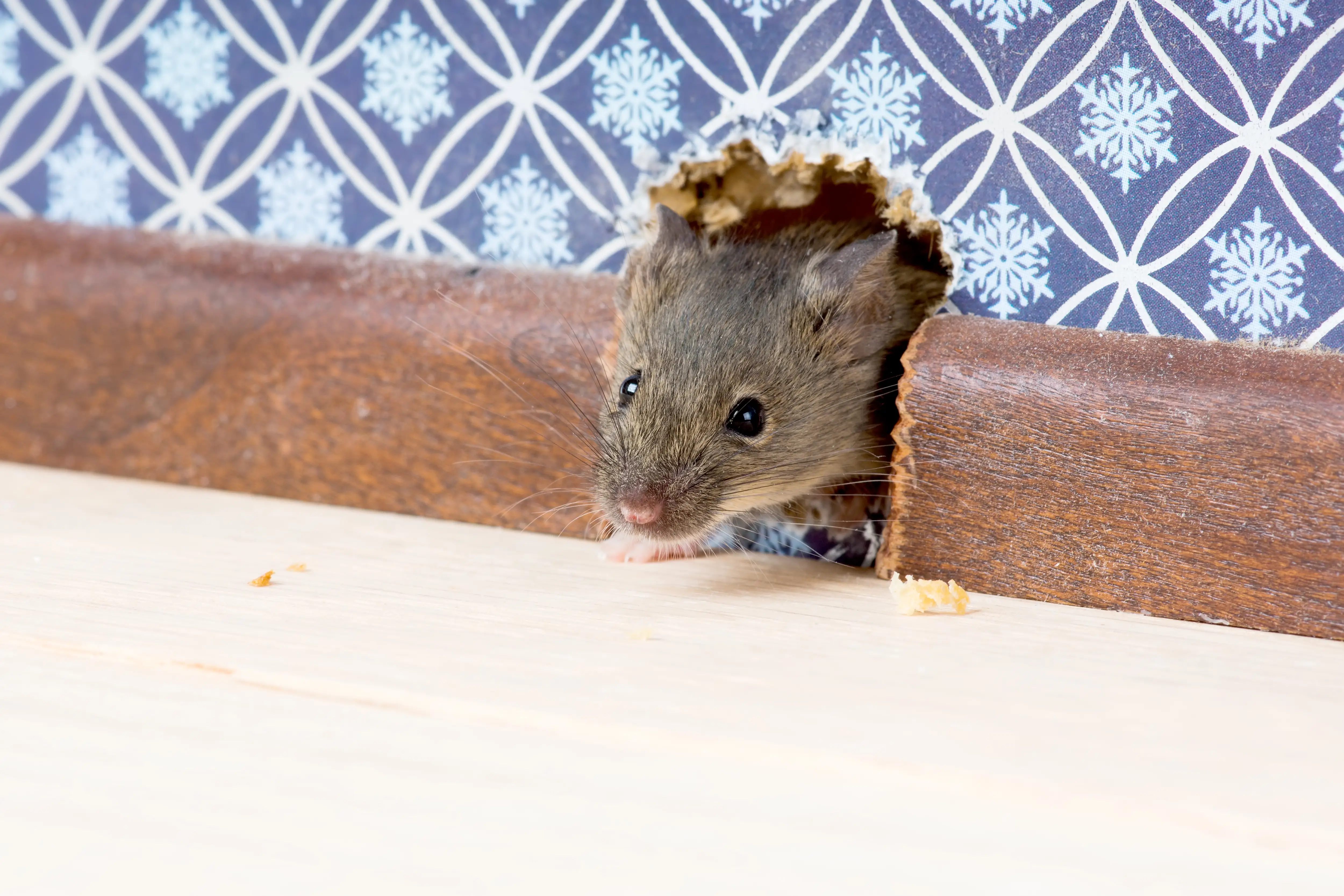
Homeowners facing rodent problems often seek quick and affordable solutions to protect their living spaces. Among the various DIY methods circulating, using mothballs to repel mice has gained attention. This age-old tactic, born from the idea that strong odors might deter pests, has led many to consider mothballs as a potential mouse deterrent.

However, the effectiveness and safety of this approach are widely debated among pest control experts. As winter approaches and mice seek shelter indoors, it is crucial to separate fact from fiction regarding rodent control methods.

The Short Answer

No, mothballs do not effectively keep mice away. They are not designed for rodent control, are ineffective at deterring mice, and using them for this purpose is actually illegal. More importantly, mothballs pose significant health risks to humans and pets when used outside of their intended purpose.

Key Facts

Illegal Use
Off-label use violates EPA regulations
Health Risks
Toxic to humans and pets
Ineffective
Mice quickly adapt to the smell
What Are Mothballs?

Mothballs are small, typically round or flake-shaped pesticide products designed to protect stored fabrics from damage caused by moths and their larvae. These chemical fumigants contain either naphthalene or paradichlorobenzene as their active ingredient.

How They Work

Mothballs operate through sublimation, where the solid pesticide directly converts into a gaseous state. These toxic vapors kill moths, their eggs, and larvae in enclosed spaces.

Intended Use

Regulated by the EPA, mothballs are specifically formulated for use in enclosed spaces with stored clothing or textiles. Each product should bear an EPA registration number.

Important: Mothballs are NOT designed or approved for general pest control. Misconceptions have led to improper use against various pests, but such applications are both ineffective and potentially hazardous.

Are Mothballs Effective at Keeping Mice Away?

No, They Are Not Effective

Despite popular belief, mothballs are not an effective solution for deterring mice. The concentration of active ingredients is too low to serve as a reliable mouse repellent. Mice, being adaptable creatures, may initially avoid the odor but can quickly become accustomed to it.

What Pests Are Mothballs Designed For?

Moths
Moth Larvae
Moth Eggs
Silverfish

Pests Mothballs Are NOT Effective Against

Mice
Rats
Cockroaches
Snakes
Spiders
Ants
Bed Bugs
Fleas

Are Mothballs Safe to Use for Mice?

No. Mothballs pose significant health and environmental risks when used improperly. They contain highly toxic chemicals, primarily naphthalene or paradichlorobenzene, designed to release harmful vapors in enclosed spaces.

Inhalation Risks

Headaches, nausea, respiratory irritation, liver damage, kidney issues, and potential carcinogenic effects.

Children and Pets

Particularly vulnerable as they might mistake mothballs for candy or toys, leading to accidental ingestion.

Outdoor Use Dangers

Toxic chemicals can dissolve in rainwater, contaminate soil and groundwater, and poison wildlife.

Bottom Line: The risks of using mothballs for mouse control far outweigh any perceived benefits, making them an unsafe and inappropriate choice for rodent management.

Need Help with a Mouse Problem?

Skip the dangerous DIY methods. Our experts provide safe, effective, and legal solutions for rodent control.

Call (866) 326-2847

Better Alternatives to Keep Mice Away

Instead of resorting to dangerous and ineffective mothballs, there are numerous safer and more efficient methods to keep mice away. The key to successful rodent management lies in understanding mouse behavior and addressing the factors that attract them.

Seal Entry Points

Close gaps, cracks, and holes in your home's exterior. Mice can squeeze through openings as small as a dime.

Use Mouse Traps

Traditional snap traps, electronic traps, or humane catch-and-release traps are proven effective methods.

Install Door Sweeps

Add door sweeps and weather stripping to prevent mice from entering under doors.

Proper Food Storage

Keep all food in airtight containers. Clean up crumbs and spills promptly.

Reduce Clutter

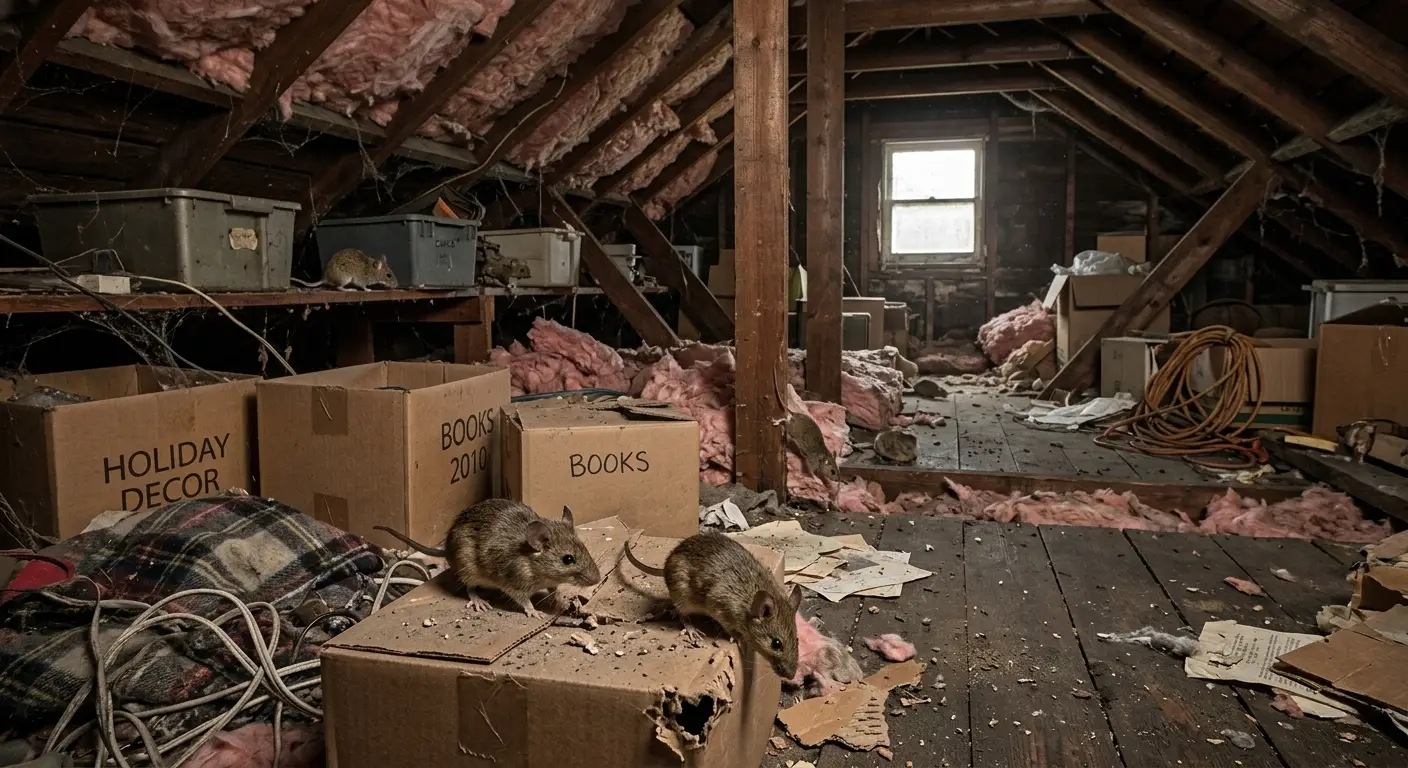
Maintain a clean, clutter-free environment to eliminate hiding spots and nesting areas.

Trim Vegetation

Keep shrubs and trees trimmed away from your house. Remove outdoor food sources.

Screen Vents

Install mesh screens on vents, chimneys, and other openings to prevent entry.

Professional Help

For severe infestations, consult a professional pest control service for tailored strategies.

Remember: Effective mouse control is an ongoing process that may require a combination of these methods for long-term success.

Contact EcoGuard Pest Management if You Are Dealing with Mice

If you are struggling with a mouse infestation, it is crucial to address the problem quickly and effectively. While there are many DIY methods available, dealing with rodents can be challenging and time-consuming. EcoGuard Pest Management understands the intricacies of rodent behavior and employs cutting-edge, environmentally friendly techniques to eliminate infestations and prevent future occurrences. We prioritize the safety of your family, pets, and the environment while ensuring effective pest control.

Call (866) 326-2847Get Free Quote

Mothball Mice Deterrent FAQs

Will mice leave if they smell mothballs?

While mothballs have a strong odor that mice may initially find unpleasant, they are not a reliable or safe method for repelling rodents. Mice can quickly adapt to the smell of mothballs, rendering them ineffective as a long-term deterrent. Moreover, the use of mothballs for pest control purposes other than protecting fabrics is illegal and poses significant health risks to humans, pets, and the environment.
What is the best thing to use to keep mice away?

The most effective approach to keep mice away is a comprehensive strategy that combines exclusion methods with proper sanitation. Sealing all potential entry points, such as small gaps and cracks in your home's exterior, is crucial for preventing mice from entering. Additionally, maintaining a clean environment by storing food in airtight containers, promptly cleaning up crumbs, and reducing clutter eliminates potential food sources and nesting areas, making your space less attractive to rodents.

What is the best repellent for mice?

The most effective repellent for mice is not a single product, but rather a combination of natural deterrents and preventive measures. Peppermint oil is often cited as a potent natural repellent, as mice dislike its strong scent. However, for lasting results, it is best to pair this with proper sanitation, sealing entry points, and removing potential food sources, as these methods collectively create an environment that is unappealing and inaccessible to mice.

From Our Blog

Related Articles

Are Mice Nocturnal? When Mice Are Most Active

Are Mice Nocturnal? When Mice Are Most Active

Learn if mice are nocturnal, when they are most active, how they navigate at night, and signs of mice activity in your...

Read Article
Can Mice Climb Walls and Other Surfaces?

Can Mice Climb Walls and Other Surfaces?

Learn if mice can climb walls, what surfaces they can and cannot climb, how they get inside walls, and how to prevent...

Read Article
Common Types of Mice in North America

Common Types of Mice in North America

Identify different types of mice including house mice, deer mice, white-footed mice, and more. Learn appearance,...

Read Article
How Long Do Mice Live? Mouse Lifespan & Life Cycle

How Long Do Mice Live? Mouse Lifespan & Life Cycle

Learn how long mice live, their complete life cycle from pup to adult, lifespans by species, and why quick action on...

Read Article
How to Find Where Mice Are Getting In

How to Find Where Mice Are Getting In

Learn how to locate mouse entry points in your home. Complete guide to inspecting indoors and outdoors, common access...

Read Article
How to Get Rid of Mice in the Walls

How to Get Rid of Mice in the Walls

Learn how to detect, trap, and eliminate mice in your walls. Covers entry points, infestation signs, trap types,...

Read Article
How to Get Rid of Mice in Your House in 9 Steps

How to Get Rid of Mice in Your House in 9 Steps

Learn how to get rid of mice in your house with 9 proven steps. Covers trap types, bait stations, wall mice, prevention...

Read Article
Mouse vs Rat: Key Differences in Appearance & Behavior

Mouse vs Rat: Key Differences in Appearance & Behavior

Learn the differences between mice and rats including size, appearance, behavior, eating habits, droppings, and...

Read Article
What Are Mice? Identification, Behavior & Control Guide

What Are Mice? Identification, Behavior & Control Guide

Complete guide to mice including identification, species, behavior, diet, reproduction, threats, prevention, and...

Read Article
What Do Mice Eat? Wild & House Mouse Diet Guide

What Do Mice Eat? Wild & House Mouse Diet Guide

Learn what mice eat in the wild and in your home. Discover their favorite foods, what attracts them, and the best bait...

Read Article
What Does Mouse Poop Look Like? Identification & Cleanup

What Does Mouse Poop Look Like? Identification & Cleanup

Learn how to identify mouse droppings, where to find them, cleanup procedures, and health risks. Compare mouse poop vs...

Read Article
What is the Best Bait for Mouse Traps? Complete Guide

What is the Best Bait for Mouse Traps? Complete Guide

Discover the most effective baits for mouse traps, from peanut butter to chocolate. Learn proper baiting techniques and...

Read Article
What Repels Mice? Natural Deterrents & Scents That Work

What Repels Mice? Natural Deterrents & Scents That Work

Learn what repels mice including natural deterrents, scents, essential oils, and exclusion tactics. Find out which...

Read Article