
EcoGuard Pest Management
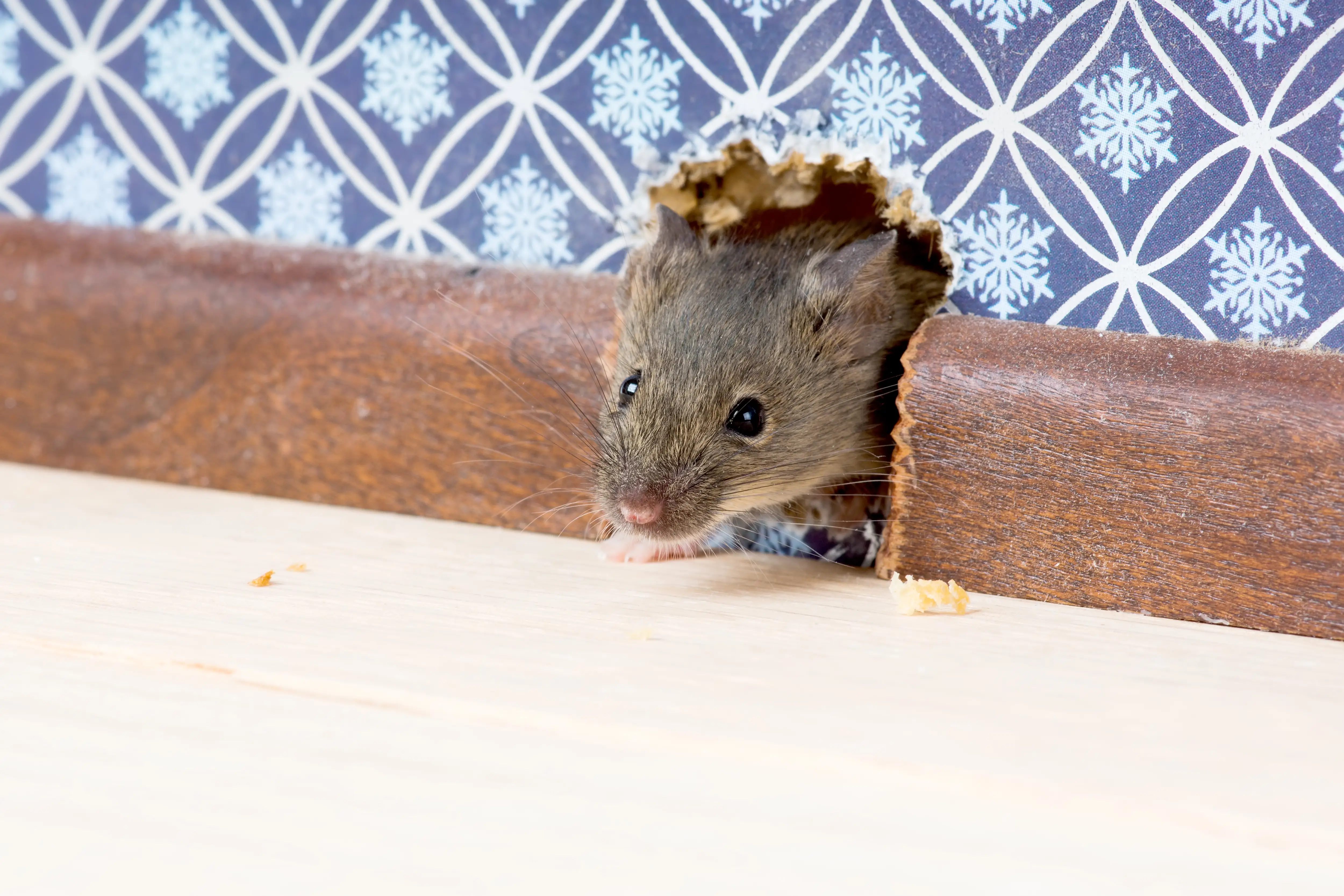
Mouse near small hole in wall showing potential entry point
By Gary Anderson||8 min read

How to Find Where Mice Are Getting In

A comprehensive guide to locating and sealing mouse entry points in your home.

Locating mouse entry points is essential for successful rodent control and prevention strategies. These nimble creatures can exploit even the tiniest openings, often squeezing through gaps as small as a quarter of an inch in diameter.

To locate these entry points, you will need to conduct a thorough inspection of both the interior and exterior of your home using a flashlight and a keen eye. This process requires patience and attention to detail, as mice often utilize inconspicuous openings easily overlooked in daily routines.

Did You Know?

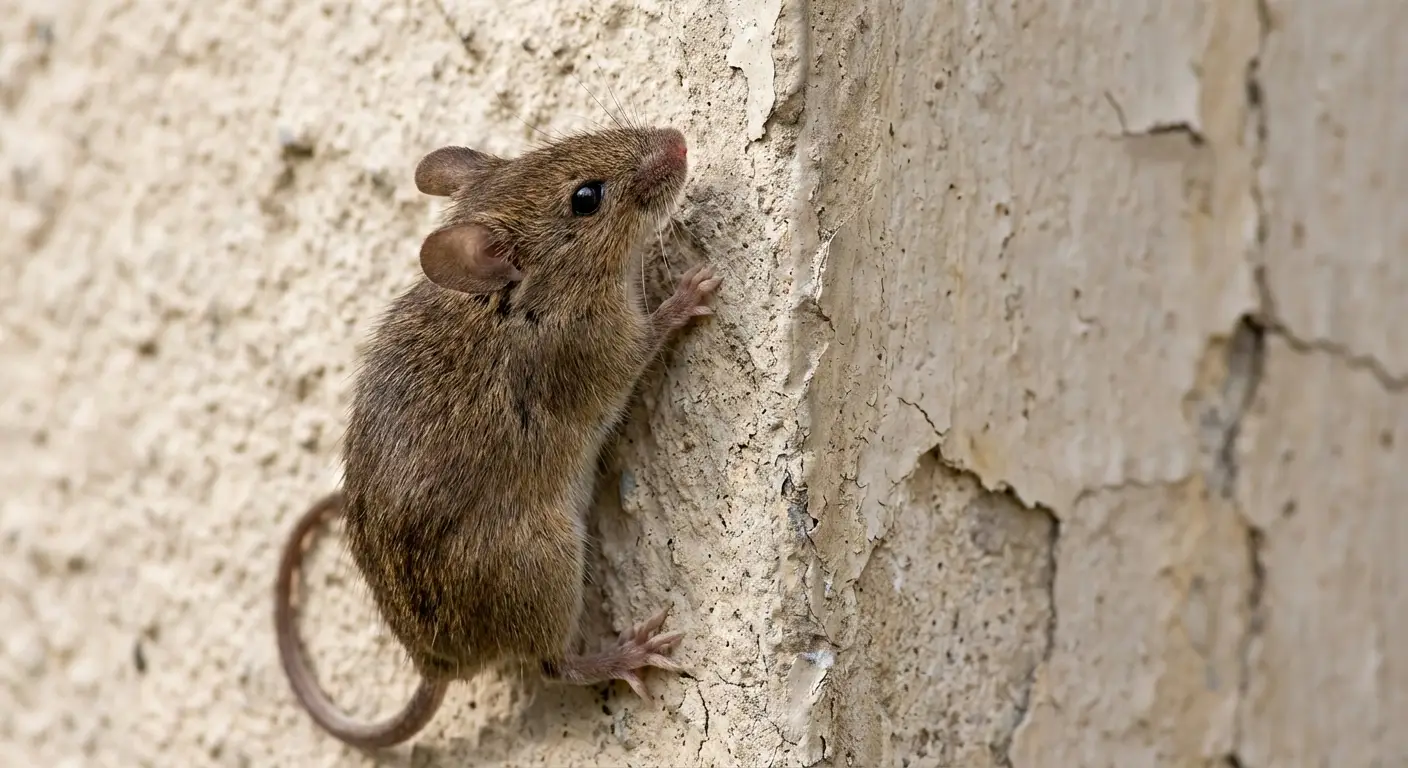
Mice can squeeze through openings as small as a dime. Their ability to compress their bodies allows them to slip through seemingly impossible spaces, making even the smallest gaps potential access points. They are also excellent climbers that can scale vertical surfaces.

Common Mice Entry Points

Mice are adaptable pests capable of finding and exploiting weak points in residential structures. Understanding these common entry points is crucial for effective prevention and control:

Foundation and Walls

Cracks in foundations or gaps in exterior walls, especially those made of softer materials.

Pipe and Utility Openings

Gaps around pipes, electrical, gas, and cable lines offer convenient entry routes.

Windows and Doors

Poorly sealed windows and gaps under or around doors are common entry points.

Garage Door Seals

Rubber seals on garage doors are vulnerable to gnawing and can create openings.

Roof and Gutter Areas

Eaves, gables, and damaged roofing materials can allow mice access to attics.

Vents and AC Units

Improperly sealed vents and air conditioning units provide potential entry points.

Plumbing Connections

Mice can enter through gaps around plumbing fixtures or even travel through sewer pipes.

Outbuildings and Sheds

Often less secure than the main house, these can serve as initial entry points to your property.

Why It Is Important to Find Mice Entry Points

Identifying mice entry points is crucial for effective pest control and preventing significant damage to your property:

Fire and Safety Risks

Mice gnaw on electrical components, creating fire hazards. They also destroy building materials and personal belongings.

Energy Efficiency

Entry points create drafts and allow moisture intrusion, resulting in higher energy bills and potential structural issues.

Health Protection

Sealing entry points prevents the spread of diseases carried by mice, who contaminate surfaces and food with droppings and urine.

Prevent Other Pests

Open entry points can become access routes for other pests, introducing new problems altogether.

Inspect Indoors for Access Points

Conducting a thorough indoor inspection requires a systematic approach examining various areas where mice are likely to gain access or hide:

Kitchen and Bathroom

  • Check cabinets, especially under sinks
  • Inspect around appliances and behind counters
  • Examine gaps around pipes and vents

Living Areas

  • Look for gaps in baseboards and corners
  • Inspect around windows and door frames
  • Check air vents and electrical outlets

Basement and Attic

  • Examine foundation walls for cracks
  • Look for gaps in roof eaves and vents
  • Inspect around utility line entrances

Utility Areas

  • Check behind and under large appliances
  • Inspect laundry room floor drains
  • Examine areas around water heaters and furnaces

Need Help Finding Entry Points?

Our experts conduct thorough inspections and identify all potential entry points that may be easily overlooked.

Call (866) 326-2847

Check Outdoors for Holes

Inspecting the exterior requires a thorough examination focusing on areas where mice are likely to gain access:

Foundation and Walls

  • Check for foundation gaps 1/4 inch or larger
  • Inspect where building materials meet
  • Examine weep holes in brick structures

Utility Entries

  • Examine openings around pipes, gas lines, and electrical conduits
  • Check cable and internet line entry points
  • Inspect dryer vents and exhaust ports

Roof and Upper Levels

  • Look for gaps in roof eaves and soffits
  • Check vents, chimneys, and roof lines
  • Inspect where trees or branches are close

Doors, Windows, and Garage

  • Check for gaps under doors and worn weather stripping
  • Inspect window frames and screens
  • Examine garage door seal and house connection

Tips to Help Find Access Points

Flashlight: Illuminate dark corners and crevices
Talcum Powder: Sprinkle to track footprints
Listen: Pay attention to scratching sounds
Gnaw Marks: Look for wood shavings and chew marks
Smoke Test: Use incense to detect drafts

Signs You Are Dealing with Mice

Recognizing the signs of a mouse infestation is crucial for early detection and effective control. Look for these telltale signs:

DroppingsSmall, dark pellets along walls or corners
Gnaw MarksBite marks on wood, cables, or food containers
Scratching SoundsNoises in walls or ceilings, especially at night
TracksFootprints or tail marks in dusty areas
Nesting MaterialsShredded paper or fabric in secluded spots
Grease MarksDark, oily smears along walls or baseboards
Pet BehaviorPets unusually focused on specific areas
Musky OdorDistinct smell in enclosed spaces

How to Prevent Mice Entry

Preventing mice from entering your home requires a comprehensive approach addressing both structural vulnerabilities and environmental factors:

Seal Entry Points

Use steel wool, caulk, or metal screens to block holes and gaps in walls, floors, and foundations.

Fortify Exterior Openings

Install door sweeps, repair damaged screens, and seal gaps around utility lines.

Maintain Your Yard

Keep grass short, remove leaf piles, and store firewood away from the house.

Proper Food Storage

Use airtight containers for food and pet food. Ensure trash cans have tight-fitting lids.

Reduce Clutter

Minimize potential hiding spots by keeping your home and garage organized.

Address Moisture Issues

Fix leaky pipes and eliminate standing water sources that attract mice.

How to Get Rid of Mice

Getting rid of mice requires a multi-faceted approach combining immediate control with long-term prevention:

Use snap or humane traps
Consider bait stations (caution with pets)
Place traps along walls
Professional help for severe cases

Contact EcoGuard Pest Management if You Are Dealing with Mice

If you are struggling with a persistent mouse problem in your home or business, it is time to consider professional help. EcoGuard Pest Management offers expert solutions tailored to address mouse infestations effectively and humanely. Our team of trained professionals can conduct a thorough inspection of your property, identify all potential entry points, and implement targeted control measures. We use environmentally responsible methods that not only eliminate current mouse populations but also prevent future infestations.

Call (866) 326-2847Get Free Quote

Mice Entry Point FAQs

How do I find the source of mice in my house?

To find the source of mice in your house, start by conducting a thorough inspection of both the interior and exterior of your home. Look for potential entry points such as small holes, gaps around pipes, or cracks in the foundation. Pay close attention to areas where you have noticed signs of mouse activity like droppings, gnaw marks, or nesting materials. Use a flashlight to examine dark corners and crevices and consider using flour or talcum powder near suspected entry points to track mouse footprints which can lead you to their primary access routes.

Where are the most common places for mice to enter the house?

The most common places for mice to enter houses are typically around the foundation, where pipes or utilities enter the building, and through gaps in doors or windows. Mice can also access homes through small openings in the roof including vents and gaps in the eaves. Additionally, attached garages often provide easy entry points, as do cracks in brick mortar or spaces under siding, which mice can exploit to gain access to the interior of the home.

How to track a mouse in a house?

To track a mouse in your house, start by sprinkling a thin layer of flour or talcum powder in areas where you suspect mouse activity, such as along baseboards or near potential entry points. Check these areas after a day or two for tiny footprints or tail drag marks in the powder, which can indicate the mouse's travel paths. Additionally, you can use a UV blacklight to detect urine trails which will glow under the light and help you identify the mouse's frequented areas and potentially lead you to its nest or entry points.

How do I find a hidden mouse in my house?

To find a hidden mouse in your house, start by listening carefully for scratching or scurrying sounds in walls, ceilings, or under floors, especially at night when mice are most active. Look for signs of mouse activity such as droppings, gnaw marks, or greasy rub marks along baseboards and walls. You can also set up non-toxic tracking powder or place sheets of paper in suspected areas to capture footprints, which can help you pinpoint the mouse's hiding spots or travel routes.

From Our Blog

Related Articles

Are Mice Nocturnal? When Mice Are Most Active

Are Mice Nocturnal? When Mice Are Most Active

Learn if mice are nocturnal, when they are most active, how they navigate at night, and signs of mice activity in your...

Read Article
Can Mice Climb Walls and Other Surfaces?

Can Mice Climb Walls and Other Surfaces?

Learn if mice can climb walls, what surfaces they can and cannot climb, how they get inside walls, and how to prevent...

Read Article
Common Types of Mice in North America

Common Types of Mice in North America

Identify different types of mice including house mice, deer mice, white-footed mice, and more. Learn appearance,...

Read Article
Do Mothballs Keep Mice Away? The Truth Revealed

Do Mothballs Keep Mice Away? The Truth Revealed

Learn why mothballs are ineffective and illegal for mouse control. Discover safer, proven alternatives to keep mice out...

Read Article
How Long Do Mice Live? Mouse Lifespan & Life Cycle

How Long Do Mice Live? Mouse Lifespan & Life Cycle

Learn how long mice live, their complete life cycle from pup to adult, lifespans by species, and why quick action on...

Read Article
How to Get Rid of Mice in the Walls

How to Get Rid of Mice in the Walls

Learn how to detect, trap, and eliminate mice in your walls. Covers entry points, infestation signs, trap types,...

Read Article
How to Get Rid of Mice in Your House in 9 Steps

How to Get Rid of Mice in Your House in 9 Steps

Learn how to get rid of mice in your house with 9 proven steps. Covers trap types, bait stations, wall mice, prevention...

Read Article
Mouse vs Rat: Key Differences in Appearance & Behavior

Mouse vs Rat: Key Differences in Appearance & Behavior

Learn the differences between mice and rats including size, appearance, behavior, eating habits, droppings, and...

Read Article
What Are Mice? Identification, Behavior & Control Guide

What Are Mice? Identification, Behavior & Control Guide

Complete guide to mice including identification, species, behavior, diet, reproduction, threats, prevention, and...

Read Article
What Do Mice Eat? Wild & House Mouse Diet Guide

What Do Mice Eat? Wild & House Mouse Diet Guide

Learn what mice eat in the wild and in your home. Discover their favorite foods, what attracts them, and the best bait...

Read Article
What Does Mouse Poop Look Like? Identification & Cleanup

What Does Mouse Poop Look Like? Identification & Cleanup

Learn how to identify mouse droppings, where to find them, cleanup procedures, and health risks. Compare mouse poop vs...

Read Article
What is the Best Bait for Mouse Traps? Complete Guide

What is the Best Bait for Mouse Traps? Complete Guide

Discover the most effective baits for mouse traps, from peanut butter to chocolate. Learn proper baiting techniques and...

Read Article
What Repels Mice? Natural Deterrents & Scents That Work

What Repels Mice? Natural Deterrents & Scents That Work

Learn what repels mice including natural deterrents, scents, essential oils, and exclusion tactics. Find out which...

Read Article