
EcoGuard Pest Management
How to get rid of mice in your home
By Gary Anderson||7 min read

How to Get Rid of Mice in Your House in 9 Steps

Once mice get in, they settle fast. Learn the 9 steps to eliminate them, choose the right traps, and keep them from coming back.

Once house mice have entered your home, they make themselves comfortable relatively quickly. They consume and contaminate everything in their path and leave behind urine, feces, and an odor that is difficult to remove. Getting rid of them requires a coordinated approach that targets both the mice themselves and the conditions that attracted them.

These 9 steps are critical to getting rid of mice in your house. Working through them systematically gives you the best chance of full elimination and long-term prevention.

What Attracts Mice

Food: Grains, nuts, crumbs, pet food, and accessible pantry items
Water: Leaky pipes, standing water, and moist areas
Shelter: Quiet, warm, undisturbed spaces in walls, attics, garages, and behind appliances

Key Facts

Territory Size
A mouse rarely travels more than 20 feet from its nest
Entry Points
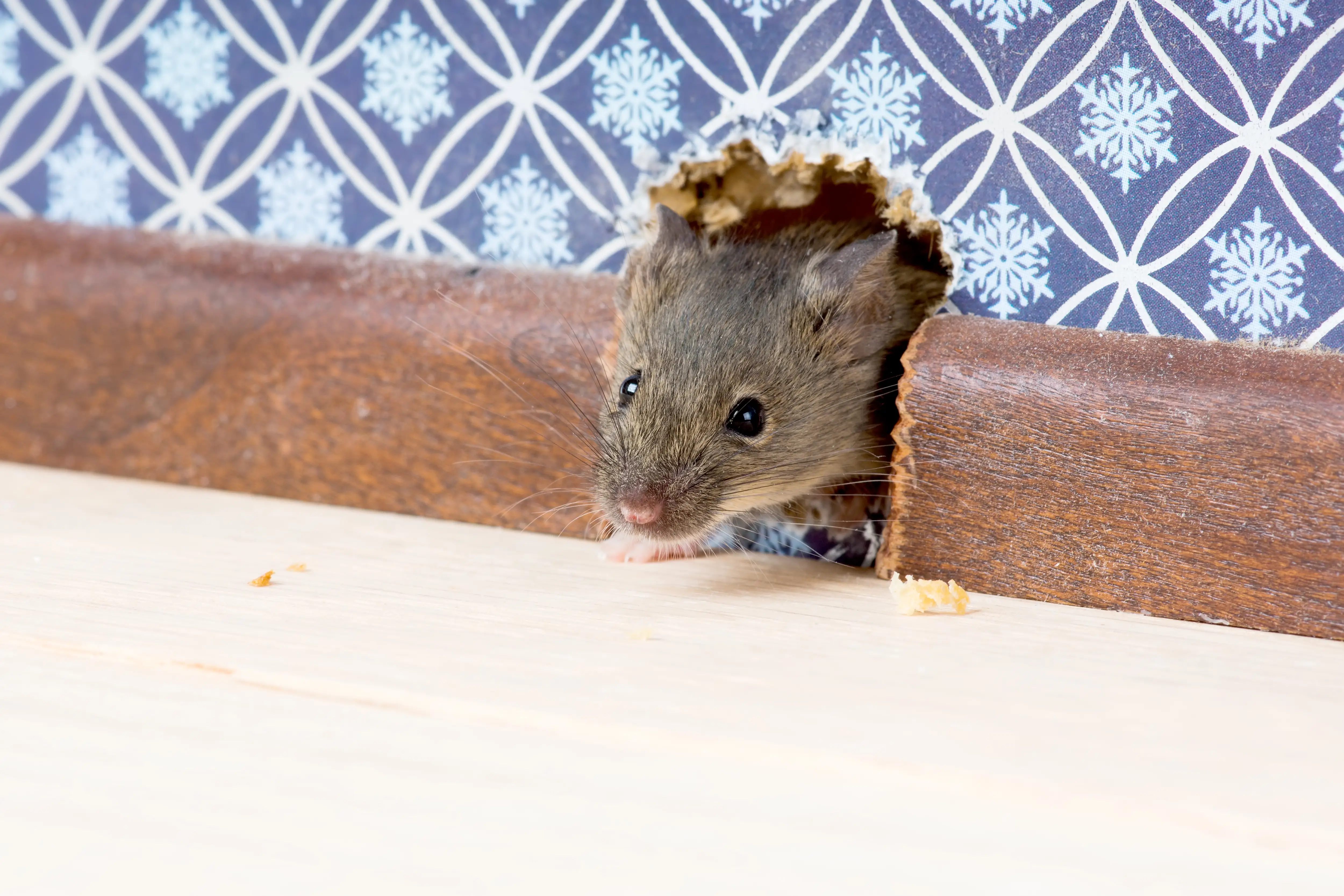
Mice can squeeze through gaps as small as a dime
Best Trap
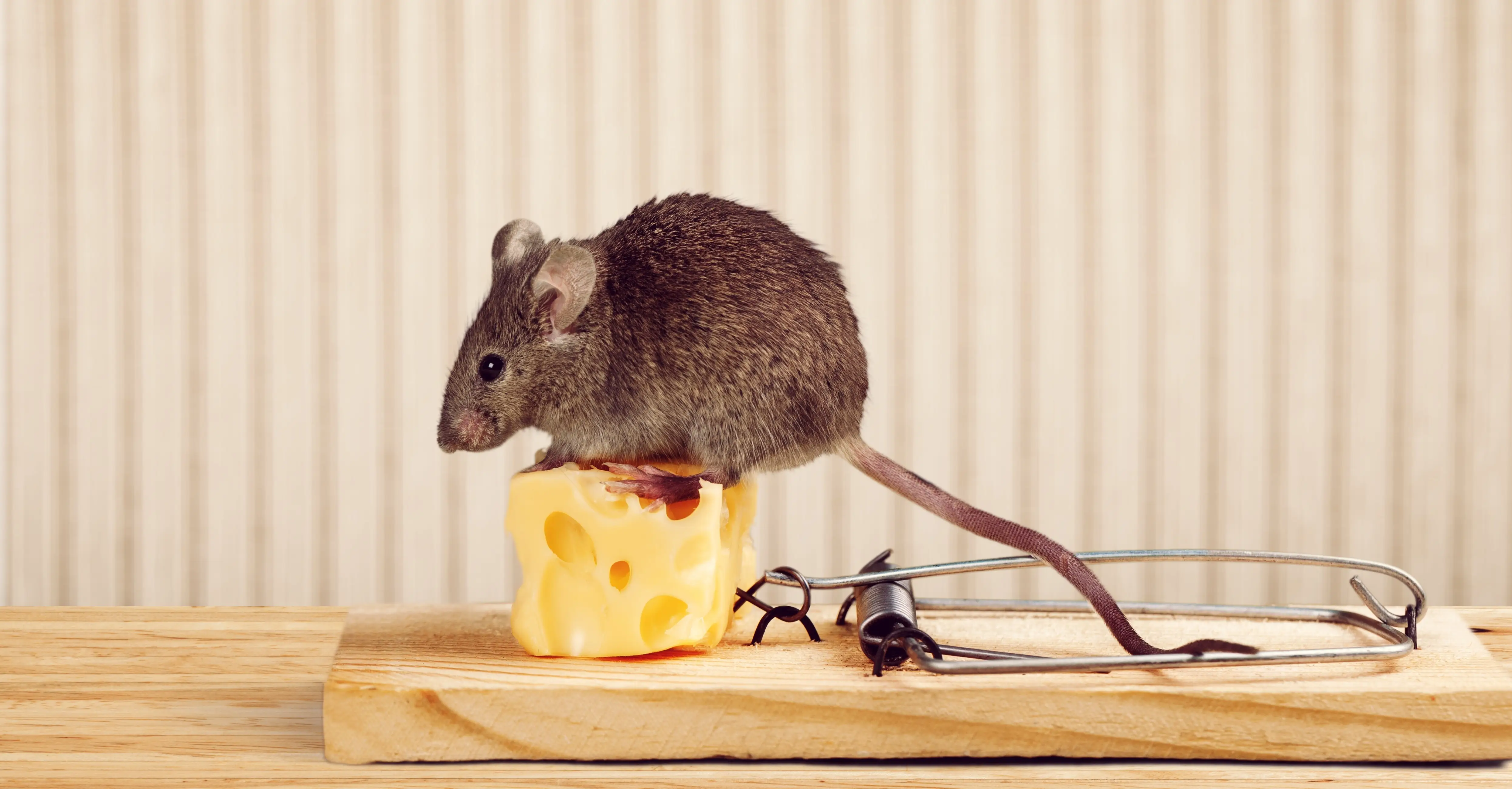
Snap traps remain the most effective method
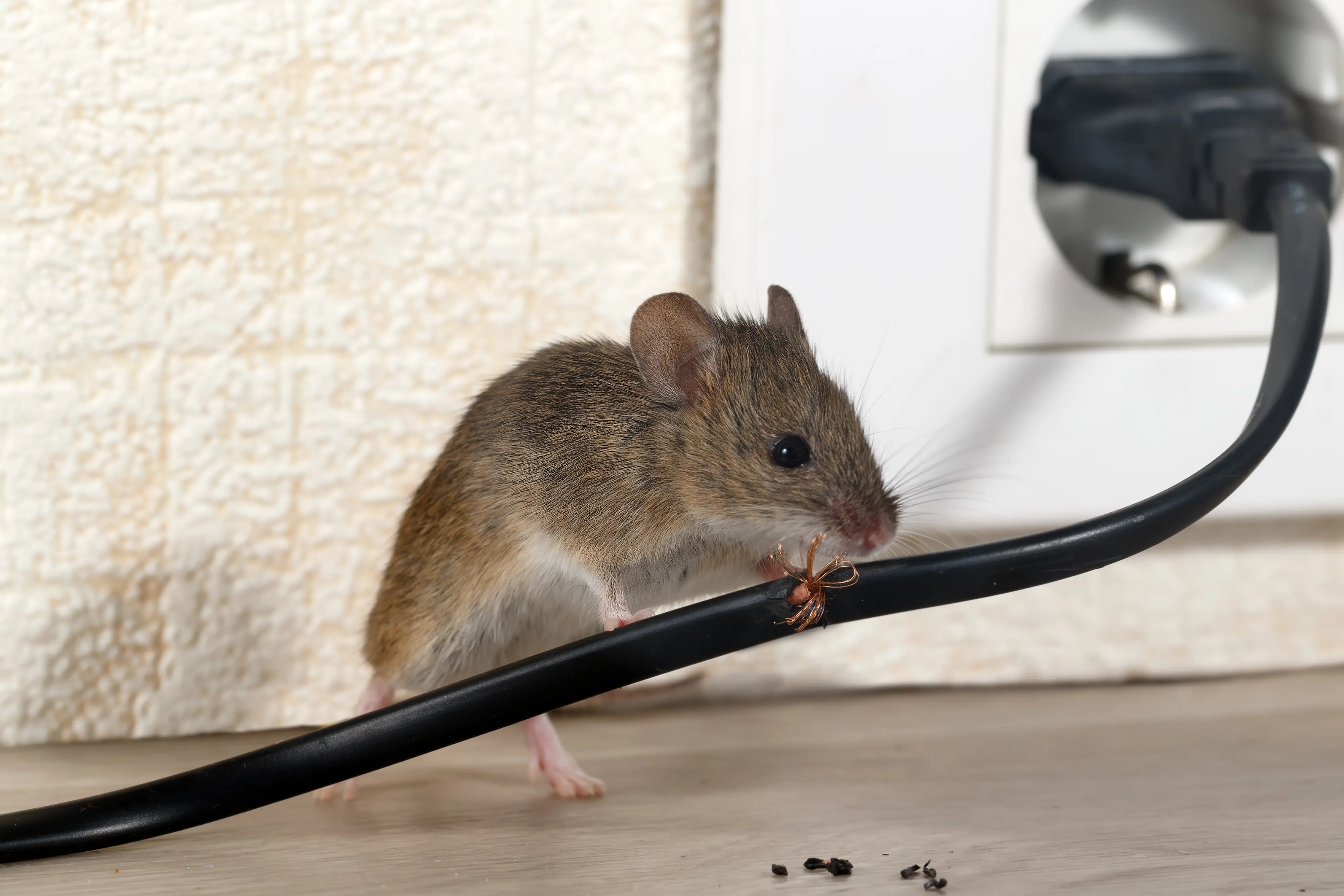
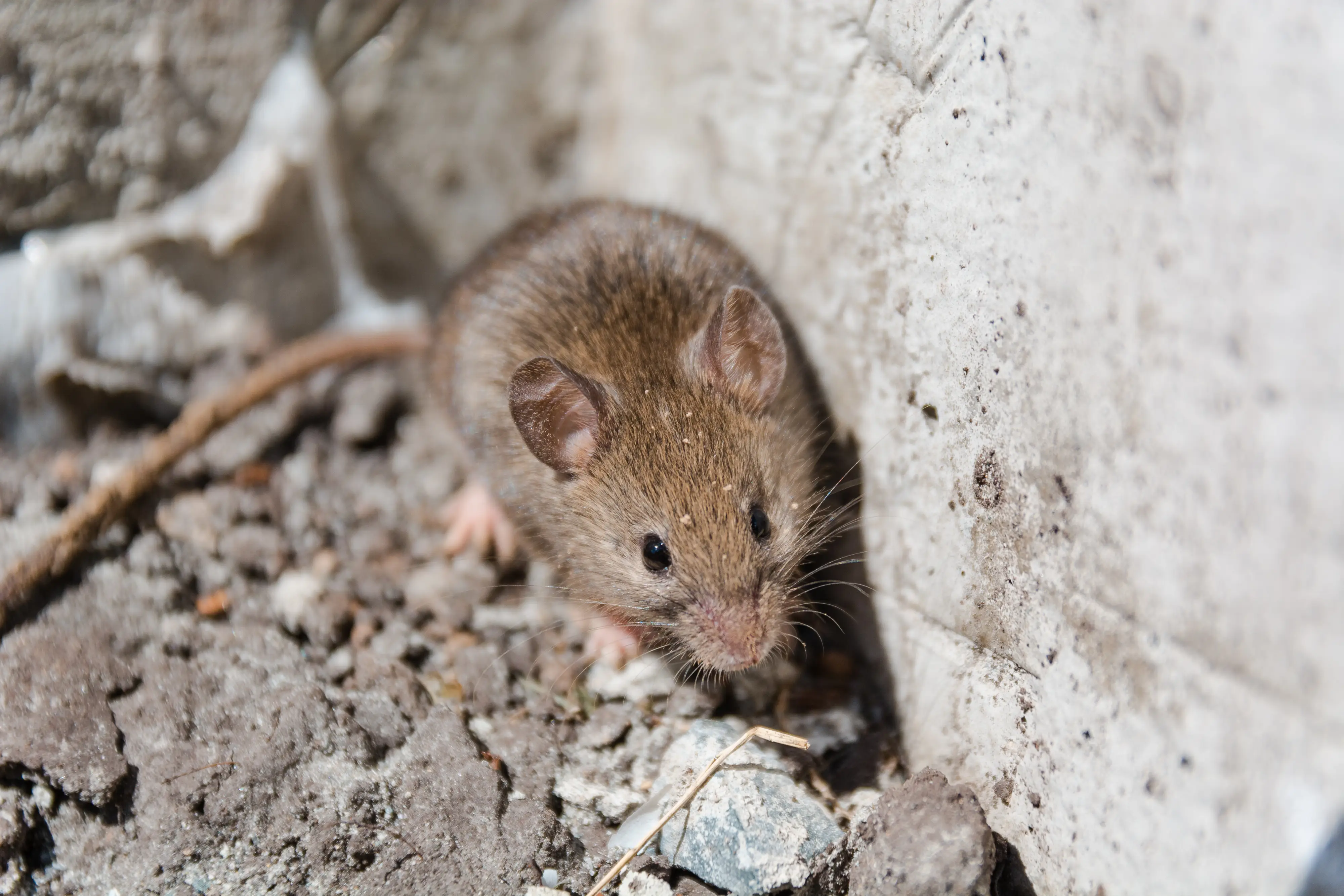
House mouse searching for food along a kitchen baseboard

Mice prefer to travel along walls and baseboards, which is why perpendicular trap placement along these paths is most effective.
9 Steps to Get Rid of Mice in Your House

These steps work best when implemented together. Addressing only one aspect of a mouse problem rarely results in full elimination, as mice reproduce quickly and adapt to their environment.

1

Eliminate Entry Points

Any small gap or crack can be big enough for a mouse to sneak through. Check where pipes connect to walls and appliances, along foundations, around chimneys and vents, and at open doors and windows. Seal gaps and cracks and support unavoidable openings with steel grates to reduce the number of ways mice can get in.

2

Clog Pathways with Steel Wool

Any areas that are difficult to fully block can be filled with steel wool, as mice are unable to chew through it. Avoid using caulking, wood, plastic, or other materials that mice can gnaw through. Steel wool is especially useful for gaps around pipes and utility penetrations.

3

Use Mouse Traps

Mouse traps come in several varieties including snap traps, sticky traps, and electric traps. Using them together in large numbers increases the likelihood that mice will be caught, especially if they learn to avoid one type. Traps are most effective when placed in areas that have shown previous mouse activity. Always wear gloves when handling traps to avoid passing your scent onto them, which could deter mice from approaching.

4

Use Bait Stations

Bait stations are sealed packets that mice can chew through and eat. They contain rodenticides that cause dehydration and death. While effective, take care to place them where children and pets cannot access them. Note that mice may die in inconvenient locations such as wall cavities and subfloors, which can create odor problems.

5

Clean and Sanitize

General cleanliness removes food sources like crumbs that sustain mouse populations. Vacuum floors, sweep and mop regularly, and wipe down counters. Removing food access does not eliminate mice already present, but it significantly reduces what is keeping them there and slows the growth of any remaining population.

6

Exterior Upgrades

Maintaining cleanliness outside your home is equally important. Keeping gravel around the perimeter minimizes nesting and burrowing near the foundation. The less ground coverage that exists outside your home, the less willing mice will be to expose themselves to predators in order to reach your house.

7

Consider a Cat

Unless allergies are a concern, cats are an excellent way to combat mouse populations. They are commonly used in rural areas as natural rodent control and can be extremely effective at both hunting mice and deterring them from entering areas where a cat is active.

8

Use Strong Fragrances

Strong smells that mice dislike are an effective natural deterrent. Peppermint and clove oil can be placed in areas like drawers to keep mice out of clothing and personal items. A hot chili pepper solution is another option that creates a deterrent with additional intensity.

9

Use Live Traps

Live traps are one-way entrance cages that lure mice in and prevent them from leaving. They require you to dispose of or release the mice after capture, which can be inconvenient, but they are a non-lethal option some homeowners prefer. Several effective designs can also be built at home with basic materials.

Still Struggling? If all else has failed, EcoGuard's professional mice control experts can come lend a hand. Professional treatment is often the fastest path to full elimination.

Mice Proving Difficult to Eliminate?

Our professionals locate nests, seal entry points, and apply treatments that eliminate the entire population, not just the ones you can see.

Call (866) 326-2847

Types of Mouse Traps

Most mouse traps are effective if utilized properly, but some are preferred by professionals. Understanding how each works helps you choose the right combination for your situation.

Snap Traps

The tried-and-true method that has worked since the start of mouse traps. The base functionality has remained effective for generations. Snap traps kill mice quickly in a way that is designed to be as humane as possible and are still considered the most effective trap method by pest control professionals.

Electric Traps

These traps lure mice over electrified contact points and deliver enough current to stop the heart. They are designed to be a humane method of extermination and are built in a way that does not pose a threat to pets or children, making them a good option for households with animals or young kids.

Sticky Traps

Sticky traps use an adhesive glue board to catch mice. They are not a humane option, as a caught mouse will slowly starve and exhaust itself. It is also common for mice to escape by chewing off trapped limbs. These are generally a last resort and not recommended as a primary method.

Live Catch Traps

Live catch traps are one-way entrance cages that lure mice in and prevent them from leaving until a door release is triggered. They require releasing or disposing of live mice after capture. Several effective designs can be built at home with basic materials for a low-cost option.

How to Choose and Set Mouse Traps

Choosing the right trap and placing it correctly makes a significant difference in how quickly you eliminate an infestation. Poor placement is one of the most common reasons traps fail to produce results.

Position Perpendicularly Against the Wall

Place traps at a right angle to the wall with the trigger facing the baseboard. This aligns the business end of the trap with the path mice naturally follow along the corner of the wall.

Place Every 3 Feet Along Active Walls

Along walls where activity has been observed, set traps every 3 feet. Use the most sensitive hair-trigger setting so that any contact sets the trap off immediately.

Target Low-Traffic, Undisturbed Areas

The best places to set traps are inside areas that are rarely disturbed. Closets, cabinets, and behind furniture and appliances are all good spots since mice feel safer traveling through these spaces.

Stay Within the Mouse's Territory

A mouse's territory is generally no larger than 20 feet beyond its nest. Place traps wherever rodent activity has been observed to ensure you are within their active range.

Relocate Traps Every Few Days

Changing trap locations every few days is critical to continued success. Mice can become wary of a specific location once it becomes familiar, reducing trap effectiveness over time.

Choose Bait Carefully

Pay attention to what mice have been stealing to determine the best bait. Peanut butter works well as an adhesive for bait that is difficult to attach to a trigger. Always wear gloves when handling traps to prevent your scent from deterring mice.

Reset After Every Catch

Even when a mouse has been caught, reset the trap immediately for any remaining mice. Mice reproduce quickly, and it is unlikely there is ever just one in a home.

Downfalls of Each Mouse Extermination Method

Every method has trade-offs. Knowing the limitations of each approach helps you avoid common mistakes and plan a more effective overall strategy.

Poison and Bait Stations

Poison is largely effective but often causes mice to die inside wall cavities where they begin to decompose and smell. The poison can also pass to wildlife, family cats, or dogs if they consume the remains.

Glue Traps

Glue traps are inhumane and result in a mouse slowly dying over a long period. It is also common for mice to free themselves by gnawing off trapped limbs, meaning the mouse escapes injured rather than being eliminated.

Live Traps

Live traps can be problematic because captured mice are still alive and need to be released far from your home to prevent return. They also require frequent monitoring to avoid unnecessary suffering if a mouse is not discovered quickly.

Snap Traps (Best Overall)

Snap traps remain the most effective trap method. Their main downfall is that they require manual reset and disposal after each catch, which some homeowners find unpleasant. No other method consistently matches their speed and reliability.

How to Get Rid of Mice in the Walls

Mice in walls present a unique challenge because they cannot be reached directly. There are two approaches depending on how invasive you are willing to be.

Option 1: Target Access Points

The least invasive option is to find where mice are accessing wall cavities and lay traps around those entry points with enough bait to ensure success. This approach does not require opening walls and works well when entry points can be clearly identified.

Option 2: Cut a Trap Door

The more invasive option is to cut out a wall panel to create a trap door that provides direct access to a snap trap inside the wall. This allows you to target exactly where the mice are, but it leaves an access panel that is no longer needed once the infestation is resolved.

Professional Tip: Listen for scratching sounds at night to narrow down the location before placing traps. Mice in walls are a strong indicator of a larger infestation that likely warrants professional attention.

Mice Prevention

Mice prevention is an important element of successful mice control. Several measures can be implemented both inside and outside your home to decrease the likelihood of mice being introduced.

Outside Your Home

Trim bushes and trees within 10 feet of the house

Keep landscaping cut short

Keep outdoor grills and cooking areas clean

Ensure compost and wood piles are kept far from the house

Store pet food and livestock feed in metal containers with lids

Do not leave out food or water for pets and livestock overnight

Elevate trash cans off the ground

Inside Your Home

Clean up food and spills immediately

Wash dishes after cooking rather than leaving them overnight

Store trash in secured bins with tight-fitting lids

Keep food in airtight containers

Do not leave food out overnight

Vacuum regularly, especially under appliances and furniture

Discard potential nesting materials like old newspapers and cardboard

Clean up the garage and remove clutter that provides shelter

How Do You Know When the Mice Are All Gone?

After a couple of weeks of little to no mouse activity, it should be safe to say the mice have been caught and removed. Here are the signs to look for and how to confirm full elimination.

No New Droppings

A complete absence of new droppings for at least two weeks is one of the strongest indicators that the infestation has been resolved.

No Scurrying Sounds

Scratching and scurrying sounds in walls, ceilings, or under floors at night are a telltale sign of active mice. The absence of these sounds is a good indicator that mice are no longer present.

No Live Sightings

If you are no longer seeing live or dead mice and traps are remaining unsprung, this indicates the population has been eliminated.

Monitor with Bait

Leaving out bait in previously active areas is a reliable way to monitor for any remaining or new mice. Undisturbed bait over two weeks is strong confirmation that the mice are gone.

Keep in Mind: Even after mice are gone, continue sealing entry points and maintaining cleanliness to prevent reinfestation. Mice can return quickly if the conditions that attracted them in the first place are not addressed.

Contact EcoGuard Pest Management if You Are Dealing with Mice

If you are facing challenges with mice in your home or business, do not wait for the problem to escalate. EcoGuard Pest Management offers expert services tailored to effectively address and resolve your mouse infestation using safe, targeted methods. Contact us today to schedule a consultation and take the first step toward a mouse-free environment.

Call (866) 326-2847Get Free Quote

Mice FAQs

What attracts mice to your house?

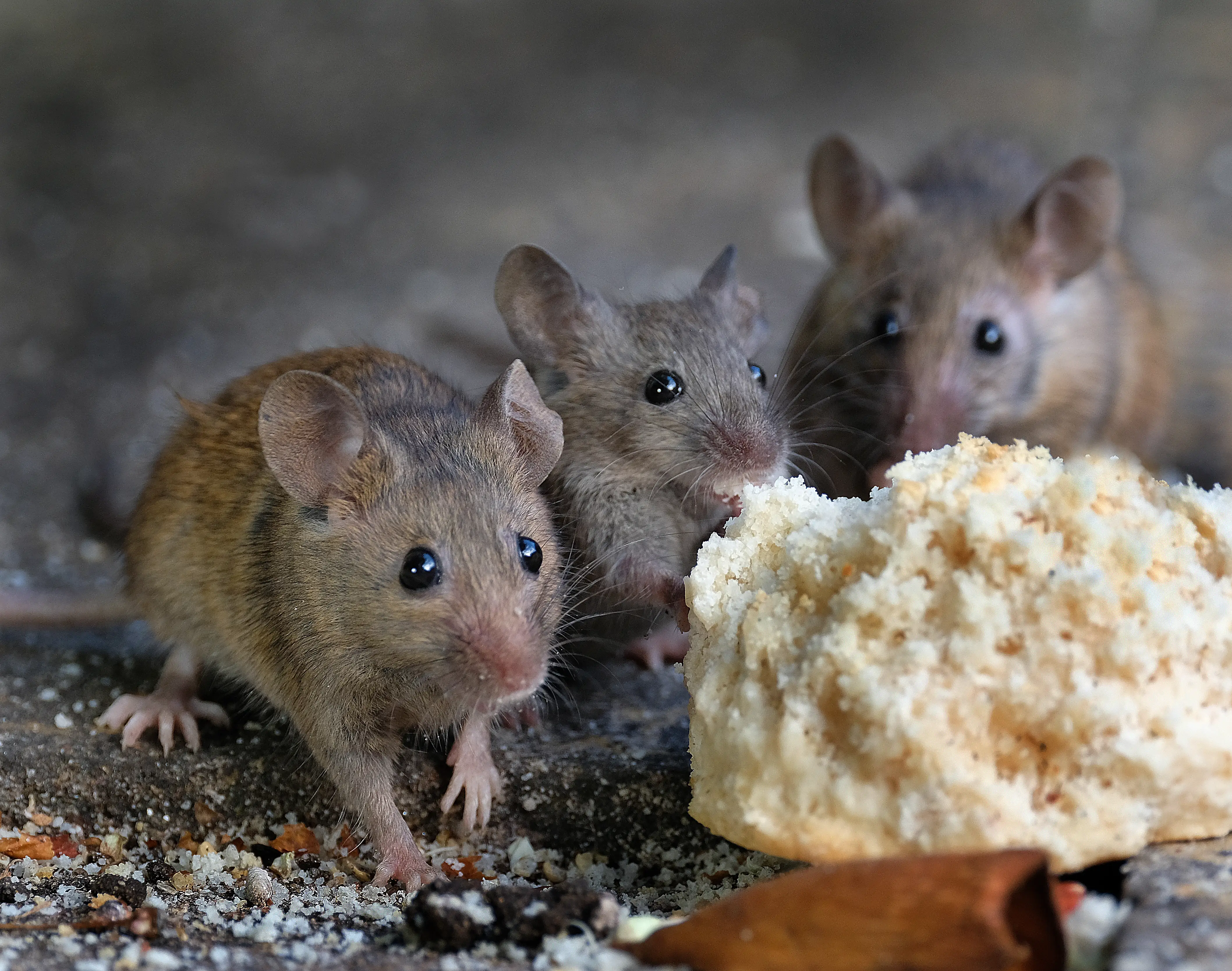
Mice seek out a steady supply of food and water and a safe, warm place to nest. Any quiet, undisturbed area in your home or garage is ideal for them. They prefer grains and nuts but will eat almost anything and chew through building materials to reach food sources.

What is the best type of mouse trap?

Snap traps are widely considered the most effective trap method by pest control professionals. They kill mice quickly in a way designed to be as humane as possible. Using multiple trap types together in large numbers increases the likelihood of success, especially if mice learn to avoid one type.

How do you get rid of mice in the walls?

Find where mice are accessing wall cavities and lay traps around those access points with enough bait to ensure success. Alternatively, cut out a wall panel to create a trap door that allows access to a snap trap placed directly inside the wall where activity is concentrated.

How do you know when all the mice are gone?

After a couple of weeks of little to no mouse activity, it is safe to say they have been caught and removed. No more droppings, no more scurrying sounds, and no more sightings are all good signs. Leaving out bait to monitor for new activity is a reliable way to confirm full elimination.

From Our Blog

Related Articles

Are Mice Nocturnal? When Mice Are Most Active

Are Mice Nocturnal? When Mice Are Most Active

Learn if mice are nocturnal, when they are most active, how they navigate at night, and signs of mice activity in your...

Read Article
Can Mice Climb Walls and Other Surfaces?

Can Mice Climb Walls and Other Surfaces?

Learn if mice can climb walls, what surfaces they can and cannot climb, how they get inside walls, and how to prevent...

Read Article
Common Types of Mice in North America

Common Types of Mice in North America

Identify different types of mice including house mice, deer mice, white-footed mice, and more. Learn appearance,...

Read Article
Do Mothballs Keep Mice Away? The Truth Revealed

Do Mothballs Keep Mice Away? The Truth Revealed

Learn why mothballs are ineffective and illegal for mouse control. Discover safer, proven alternatives to keep mice out...

Read Article
How Long Do Mice Live? Mouse Lifespan & Life Cycle

How Long Do Mice Live? Mouse Lifespan & Life Cycle

Learn how long mice live, their complete life cycle from pup to adult, lifespans by species, and why quick action on...

Read Article
How to Find Where Mice Are Getting In

How to Find Where Mice Are Getting In

Learn how to locate mouse entry points in your home. Complete guide to inspecting indoors and outdoors, common access...

Read Article
How to Get Rid of Mice in the Walls

How to Get Rid of Mice in the Walls

Learn how to detect, trap, and eliminate mice in your walls. Covers entry points, infestation signs, trap types,...

Read Article
Mouse vs Rat: Key Differences in Appearance & Behavior

Mouse vs Rat: Key Differences in Appearance & Behavior

Learn the differences between mice and rats including size, appearance, behavior, eating habits, droppings, and...

Read Article
What Are Mice? Identification, Behavior & Control Guide

What Are Mice? Identification, Behavior & Control Guide

Complete guide to mice including identification, species, behavior, diet, reproduction, threats, prevention, and...

Read Article
What Do Mice Eat? Wild & House Mouse Diet Guide

What Do Mice Eat? Wild & House Mouse Diet Guide

Learn what mice eat in the wild and in your home. Discover their favorite foods, what attracts them, and the best bait...

Read Article
What Does Mouse Poop Look Like? Identification & Cleanup

What Does Mouse Poop Look Like? Identification & Cleanup

Learn how to identify mouse droppings, where to find them, cleanup procedures, and health risks. Compare mouse poop vs...

Read Article
What is the Best Bait for Mouse Traps? Complete Guide

What is the Best Bait for Mouse Traps? Complete Guide

Discover the most effective baits for mouse traps, from peanut butter to chocolate. Learn proper baiting techniques and...

Read Article
What Repels Mice? Natural Deterrents & Scents That Work

What Repels Mice? Natural Deterrents & Scents That Work

Learn what repels mice including natural deterrents, scents, essential oils, and exclusion tactics. Find out which...

Read Article