EcoGuard Pest Management
Preparing home for exterminator visit
By Gary Anderson||4 min read

How to Prepare for an Exterminator

Complete preparation checklist for inspection and treatment, plus pest-specific tips.

Save Time
Faster inspection
Minimize Costs
Efficient treatment
Better Results
More effective treatment
Prevent Return
No reinfestation

Seeing signs of pest activity is usually just the tip of the iceberg. Pests hide well, and visible signs mean an infestation has likely already started. The best strategy is to immediately call a professional pest control expert.

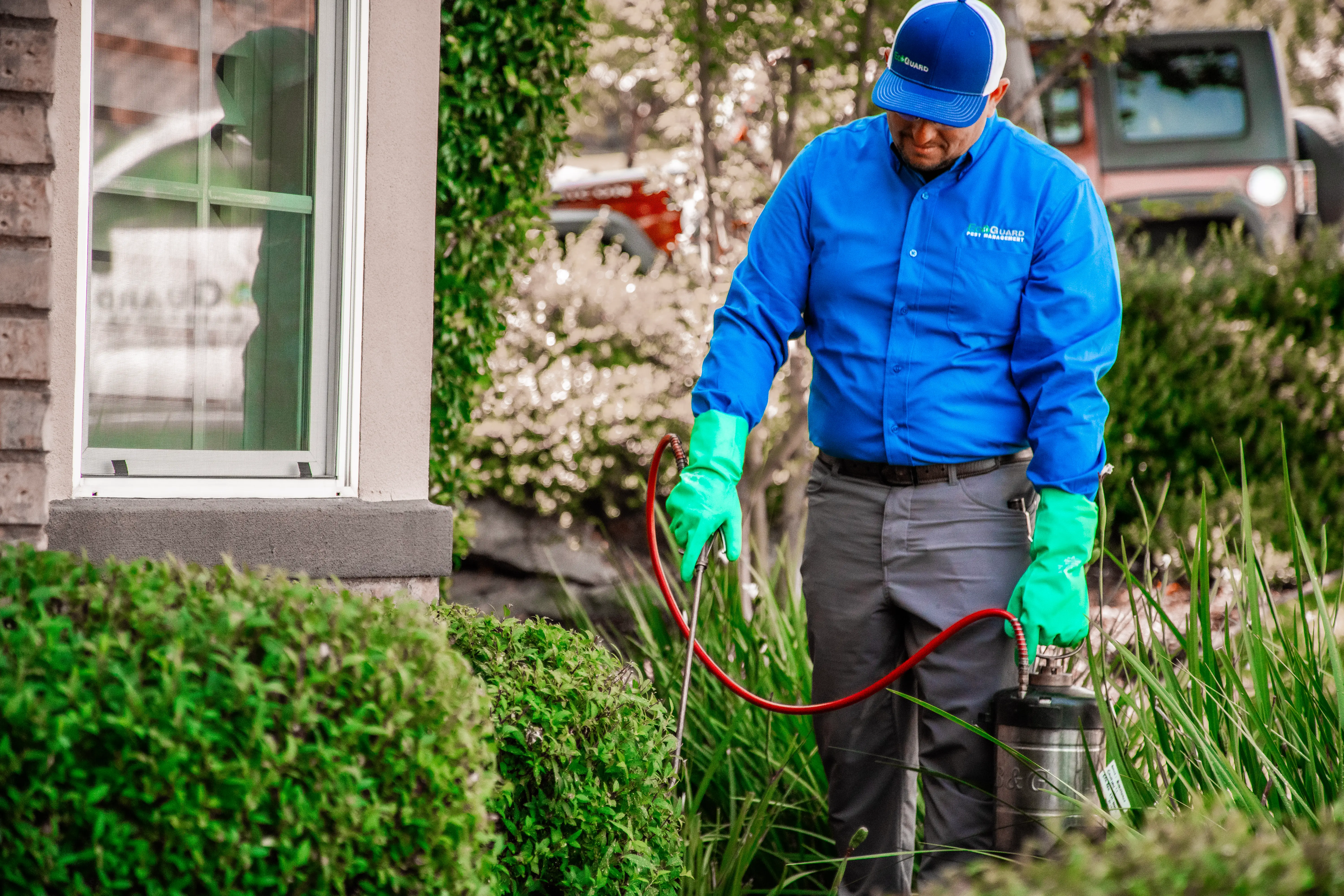
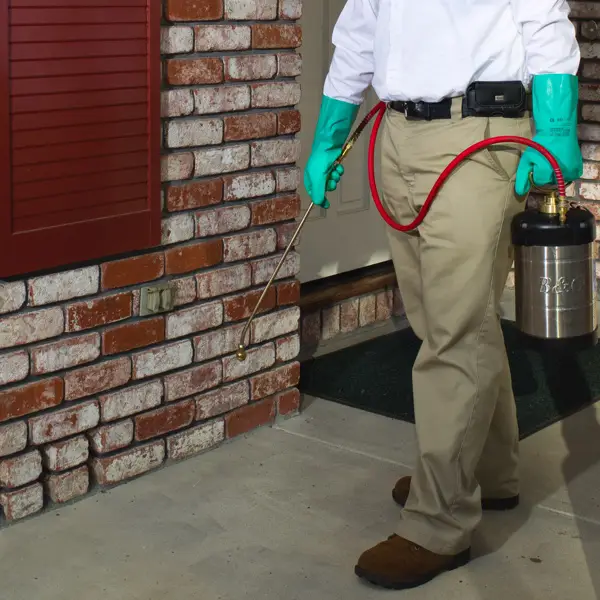
Before an exterminator arrives, there are steps homeowners can take to help ensure they can do their job effectively and efficiently.

Exterminator Preparation Checklist

Note All Pest Locations

Where was activity noticed? Cockroaches by trash? Ants in pantry? Rodents by back door? Give exterminators a head start.

Clean Floors

Clean floors and carpets several days before. Removes debris that hides pest signs. Fresh activity after cleaning indicates active pests.

Put Away Clutter

Remove toys, shoes, clothes from floors. Provides hiding places for pests and obstacles for exterminators.

Fix Water Leaks

Fix dripping faucets and leaking pipes. Tell exterminator about recently wet areas so they can search for activity.

Prepare Kitchen

Quick clean, open cupboards and drawers, empty trash. Move appliances forward for access behind stoves and refrigerators.

Store Food Safely

Put food in refrigerator or sealed containers to prevent pesticide contamination. Inspect for pantry pests or rodent signs.

Store Cookware Safely

Cover silverware, dishware, and appliances with plastic wrap or trash bags. Clean before use after treatment.

Keep Pets Away

Lock up or remove pets. Seal fish and reptile enclosures with plastic. Turn off air pumps to prevent pesticide intake.

Additional Preparation Steps

Move heavy furniture away from walls for inspection
Wash and seal clothes, linens, bedding in plastic containers
Provide access to attic, crawlspace, basement, garage, shed
Mow lawn, trim bushes, shut off sprinklers
Open doors, closets, and drawers for inspection
Move plants outside (inspect for gnats before returning)
Arrange childcare for young children
Inform neighbors (courtesy and may inspire them to inspect)

Ready to Schedule Your Inspection?

free quote and customized treatment plan.

Call (866) 326-2847

Preparing for Specific Pest Types

Termite Treatment

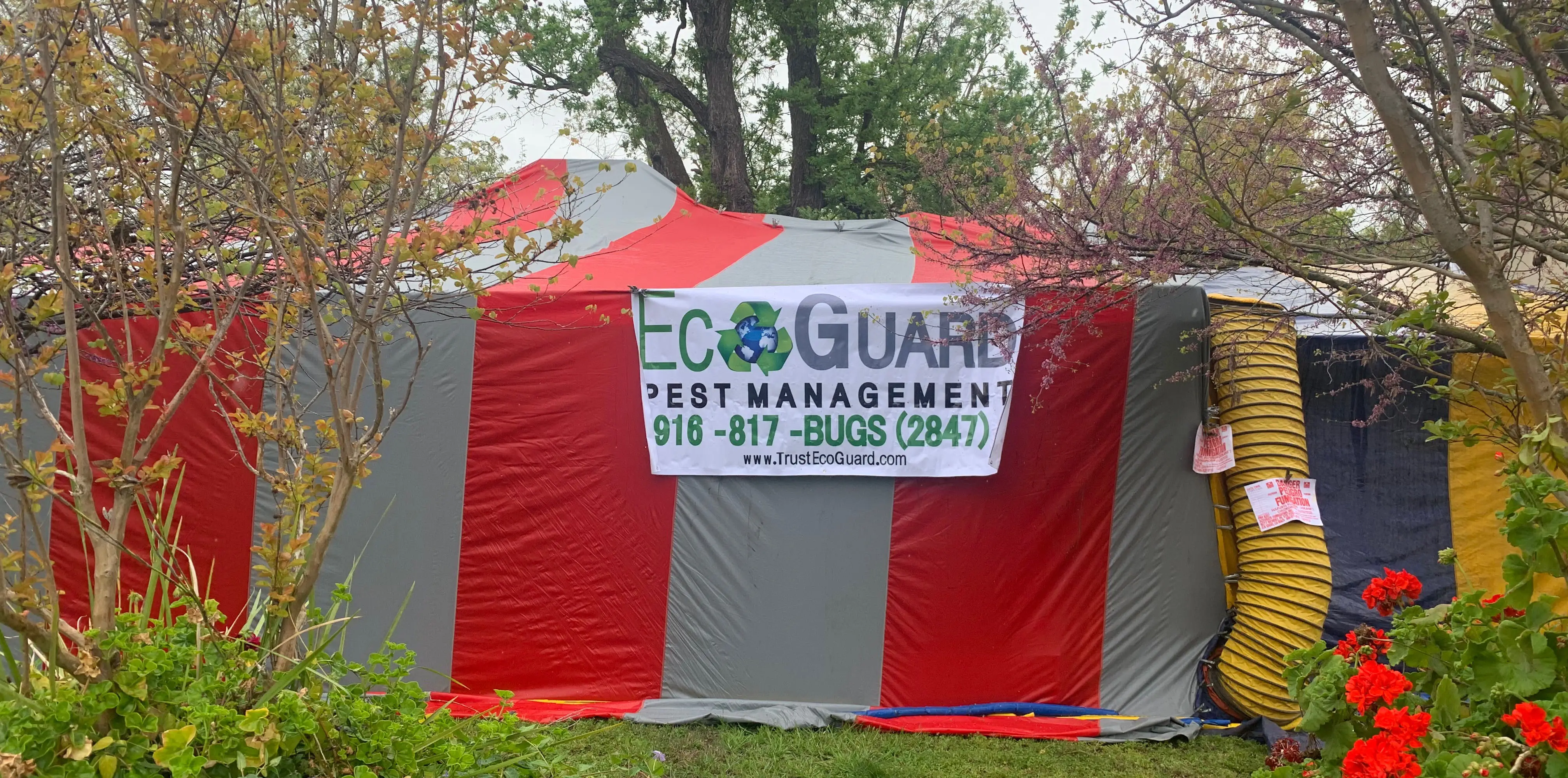
Move furniture 3 feet from walls. Fumigation requires additional steps:

Find temporary lodgingOpen all doors and windowsStore/remove food, medications, perishablesRelocate pets and plantsCut back growth within 3 feet of wallsShut off gas supplyProvide keys to fumigation team

Bed Bug Treatment

Heat treatment is most effective. Preparation includes:

Wash/dry bedding and clothing on high heatSeal clean items to keep sterileSteam clean personal itemsEncase mattresses in bed bug proof coversMove furniture away from walls for heaters

Flea Treatment

Critical steps to make treatment effective:

Treat all furry pets with flea medication/collarWash pet bedding on high heatVacuum thoroughly to capture eggsDiscard vacuum contents outside immediatelySteam clean upholstery

Rodent Treatment

One rodent usually means a family nearby. Preparation includes:

Identify areas where activity was seenClear debris from those areasMove furniture and appliances from wallsAllow access for trap placement along baseboards

Ant Treatment

Deep clean surfaces, vacuum thoroughly, store food in pest-proof containers. Exterminators will place bait stations where ants were seen.

Cockroach Treatment

Clean area thoroughly, store food safely. Move stoves and refrigerators out for access to hard-to-reach harborage spots.

Things to Do After Pest Control Treatment

Wait

Give your home time to become safe. Some pesticides take time. Pest activity may increase temporarily as pests are forced out of hiding.

Discard Contaminated Items

If any food or medication may have been contaminated by pesticides, throw them out immediately.

Do Not Clean Right Away

Residual pesticides need to contact pests. Cleaning too early removes pesticides before they can work.

Monitor Activity

Activity should decrease after a few days to 2 weeks. Dead bugs indicate success. Persistent activity may require retreatment.

Ready for Your Exterminator Inspection?

If you are dealing with a pest problem, contact EcoGuard Pest Management. Our team of licensed and trained specialists will create a customized plan to effectively eradicate your pest problem. We will provide guidance on necessary preparation steps before inspection or treatment. Call today to schedule!

Call (866) 326-2847Get Free Quote

How to Prepare for an Exterminator FAQs

What to do before you call an exterminator?

Identify where pest activity was first noticed and problematic areas to expedite inspection and treatment. Informing the exterminator helps them quickly find potential harborage points.

How do you prepare for a roach treatment?

Clean the area thoroughly and move appliances away from walls to expose cockroach harborage areas. Open cupboards and drawers and remove items so these areas can be treated.

What to do after exterminator sprays?

Continue monitoring for ongoing pest activity. If pests remain persistent for weeks after treatment, the first round was likely not successful and requires another attempt.

From Our Blog

Related Articles

Best Time to Spray Insecticides Around the House

Best Time to Spray Insecticides Around the House

Learn the optimal timing for spraying insecticides including best seasons, time of day, and locations. Maximize pest...

Read Article
Common Insects with a Stinger: Identification Guide

Common Insects with a Stinger: Identification Guide

Learn about common stinging insects including bees, wasps, hornets, ants, and scorpions. Identification tips, danger...

Read Article
Common Wood Eating Insects: Identification & Prevention

Common Wood Eating Insects: Identification & Prevention

Learn about wood destroying insects including termites, carpenter ants, carpenter bees, and wood boring beetles....

Read Article
Do Ultrasonic Pest Repellers Work? The Truth About These Devices

Do Ultrasonic Pest Repellers Work? The Truth About These Devices

Do ultrasonic pest repellers really work? Learn what science says about these devices, their limitations, and more...

Read Article
How Long After Pest Control Should I Wait to Go Inside?

How Long After Pest Control Should I Wait to Go Inside?

Learn how long to wait after pest control treatment before going inside. Typical wait time is 2-4 hours plus 30 minutes...

Read Article
How Much Does It Cost to Fumigate a House? 2025 Price Guide

How Much Does It Cost to Fumigate a House? 2025 Price Guide

Learn fumigation costs by square footage ($1-$4/sq ft). Average home costs $2,000-$8,000. Factors affecting price,...

Read Article
How Often Should Pest Control Be Done? Frequency Guide

How Often Should Pest Control Be Done? Frequency Guide

Learn how often pest control should be done. Homes need quarterly treatments, commercial buildings monthly. How long...

Read Article
How to Bug Proof Your Home or Apartment: Complete Guide

How to Bug Proof Your Home or Apartment: Complete Guide

Learn how to bug proof your home with our indoor and outdoor checklists. Seal entry points, remove attractants, and...

Read Article
How To Choose a Pest Control Company | Complete Guide

How To Choose a Pest Control Company | Complete Guide

Learn how to choose the right pest control company. Check licenses, reviews, qualifications, methods, guarantees, and...

Read Article
How to Do Pest Control at Home by Yourself: DIY Guide

How to Do Pest Control at Home by Yourself: DIY Guide

Learn DIY pest control methods for your home. Prevention tips, exclusion tactics, treatment options, and when to call...

Read Article
Is a Landlord Responsible for Pest Control? Rights & Duties

Is a Landlord Responsible for Pest Control? Rights & Duties

Learn who is responsible for pest control in rentals. Landlord duties, tenant responsibilities, lease clauses, and what...

Read Article
Top 12 Benefits of Eco-Friendly Pest Control

Top 12 Benefits of Eco-Friendly Pest Control

Discover the benefits of eco-friendly pest control including safety for humans, pets, and the environment. Learn about...

Read Article